- Chinese
- French
- German
- Portuguese
- Spanish
- Russian
- Japanese
- Korean
- Arabic
- Irish
- Greek
- Turkish
- Italian
- Danish
- Romanian
- Indonesian
- Czech
- Afrikaans
- Swedish
- Polish
- Basque
- Catalan
- Esperanto
- Hindi
- Lao
- Albanian
- Amharic
- Armenian
- Azerbaijani
- Belarusian
- Bengali
- Bosnian
- Bulgarian
- Cebuano
- Chichewa
- Corsican
- Croatian
- Dutch
- Estonian
- Filipino
- Finnish
- Frisian
- Galician
- Georgian
- Gujarati
- Haitian
- Hausa
- Hawaiian
- Hebrew
- Hmong
- Hungarian
- Icelandic
- Igbo
- Javanese
- Kannada
- Kazakh
- Khmer
- Kurdish
- Kyrgyz
- Latin
- Latvian
- Lithuanian
- Luxembou..
- Macedonian
- Malagasy
- Malay
- Malayalam
- Maltese
- Maori
- Marathi
- Mongolian
- Burmese
- Nepali
- Norwegian
- Pashto
- Persian
- Punjabi
- Serbian
- Sesotho
- Sinhala
- Slovak
- Slovenian
- Somali
- Samoan
- Scots Gaelic
- Shona
- Sindhi
- Sundanese
- Swahili
- Tajik
- Tamil
- Telugu
- Thai
- Ukrainian
- Urdu
- Uzbek
- Vietnamese
- Welsh
- Xhosa
- Yiddish
- Yoruba
- Zulu
- Kinyarwanda
- Tatar
- Oriya
- Turkmen
- Uyghur

G type glass lid manufacturing
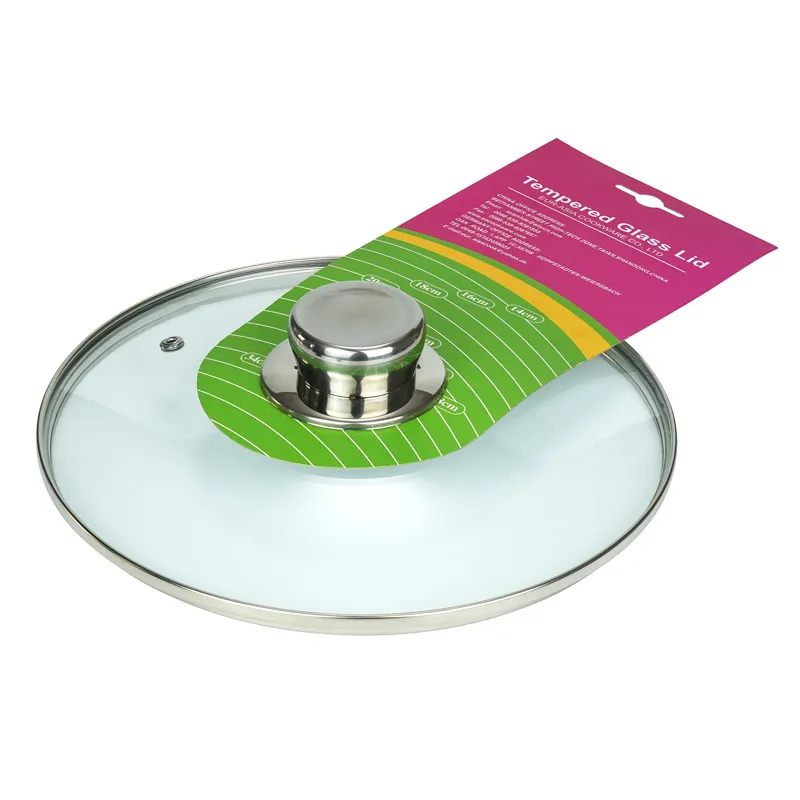
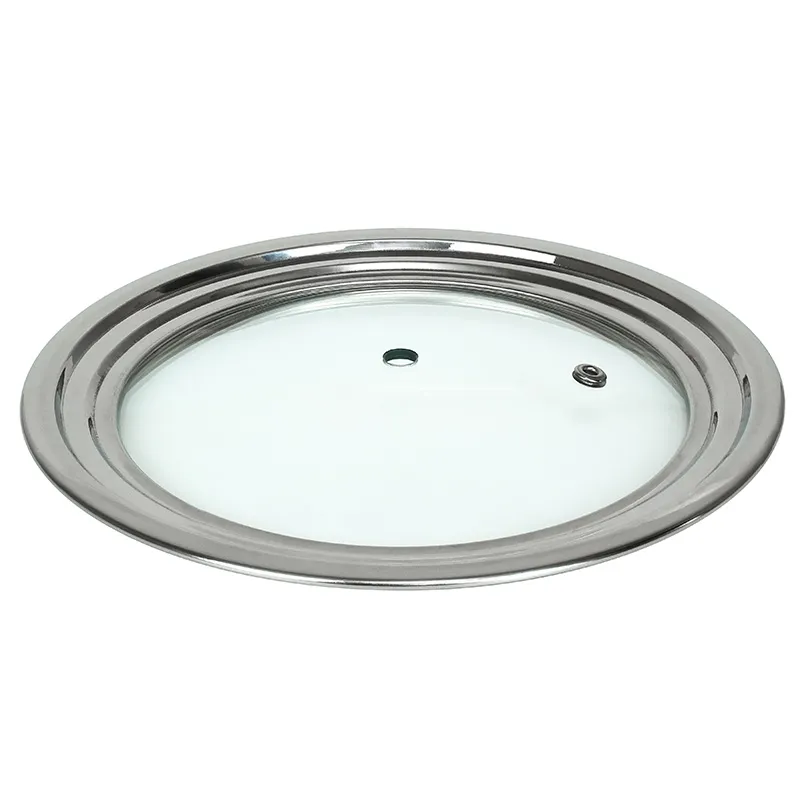
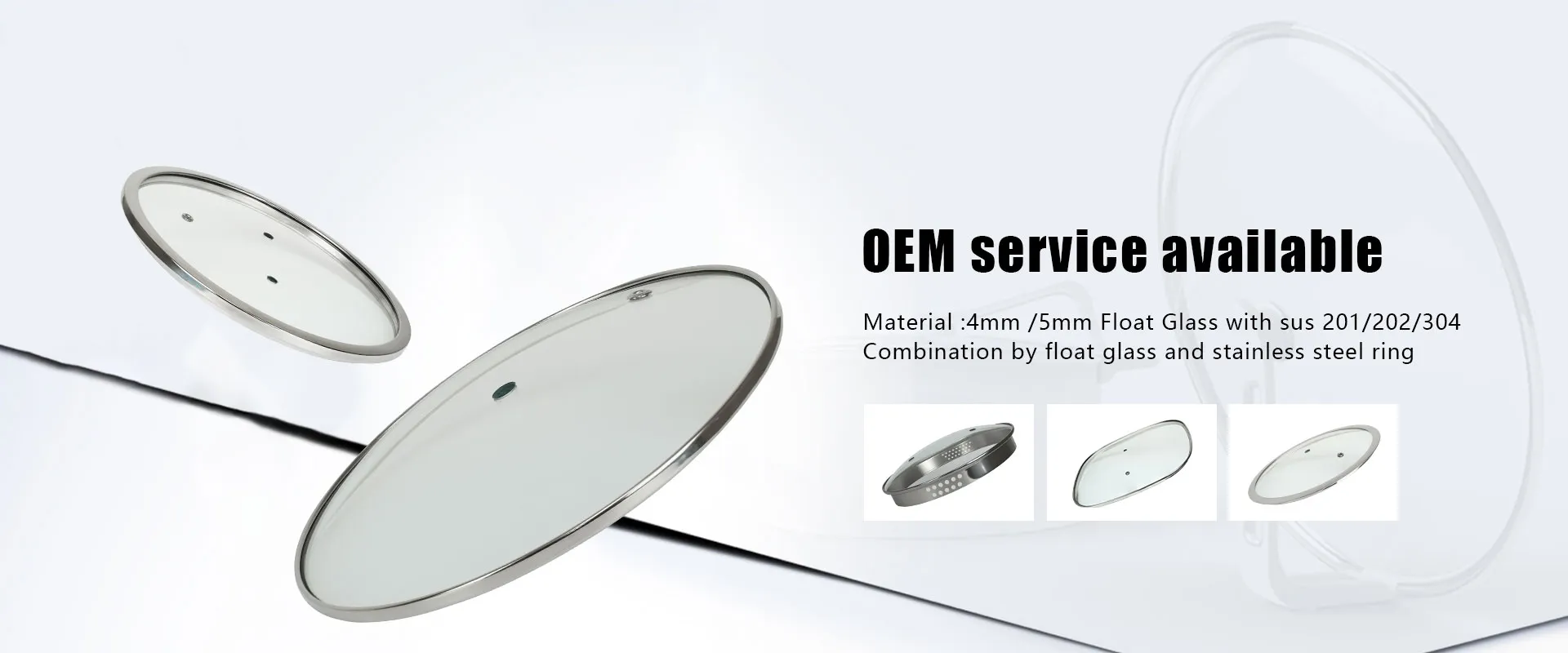
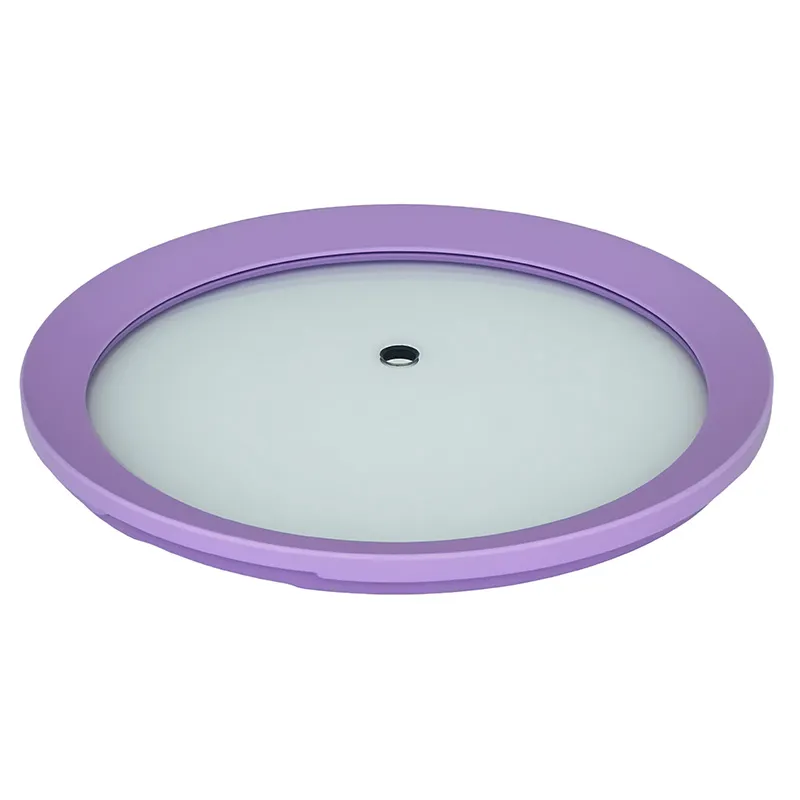
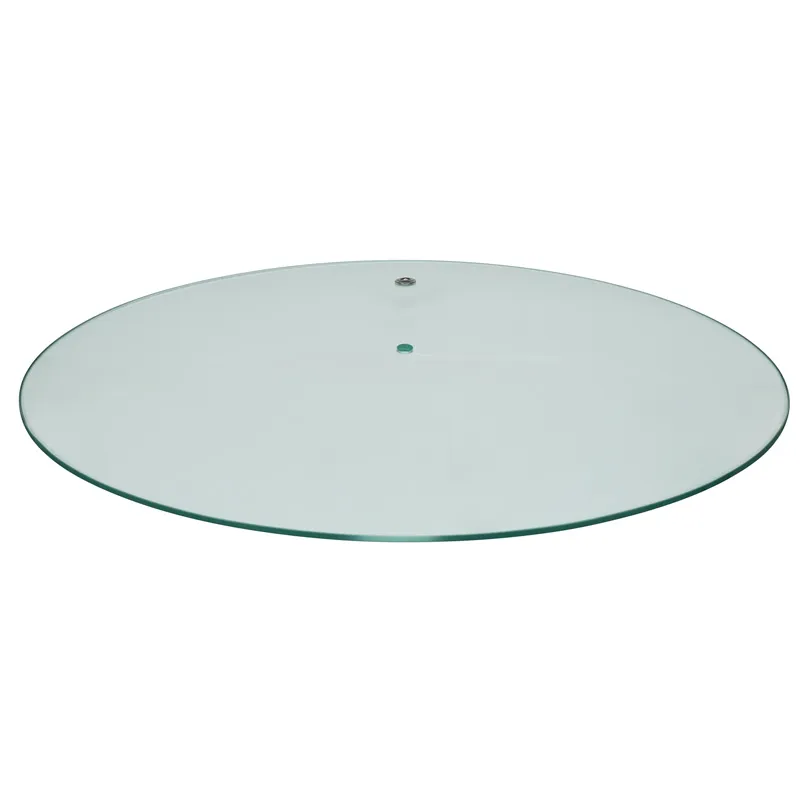
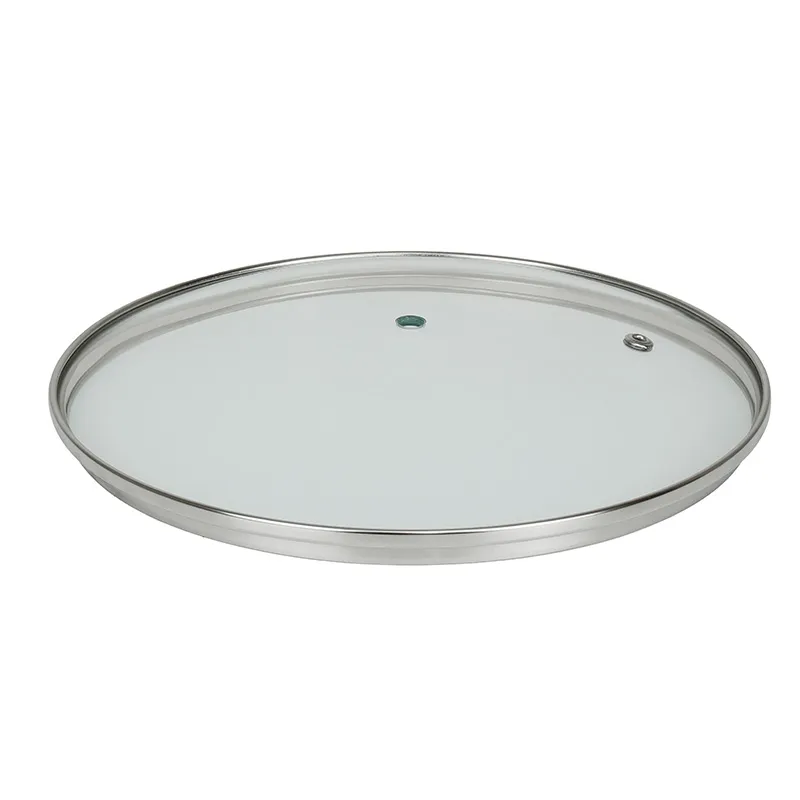
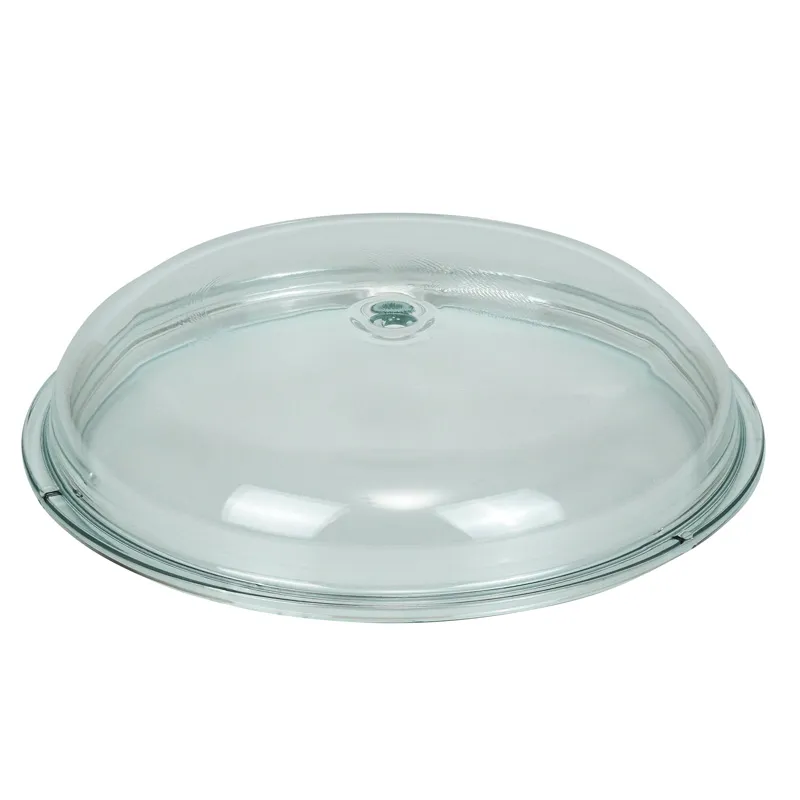
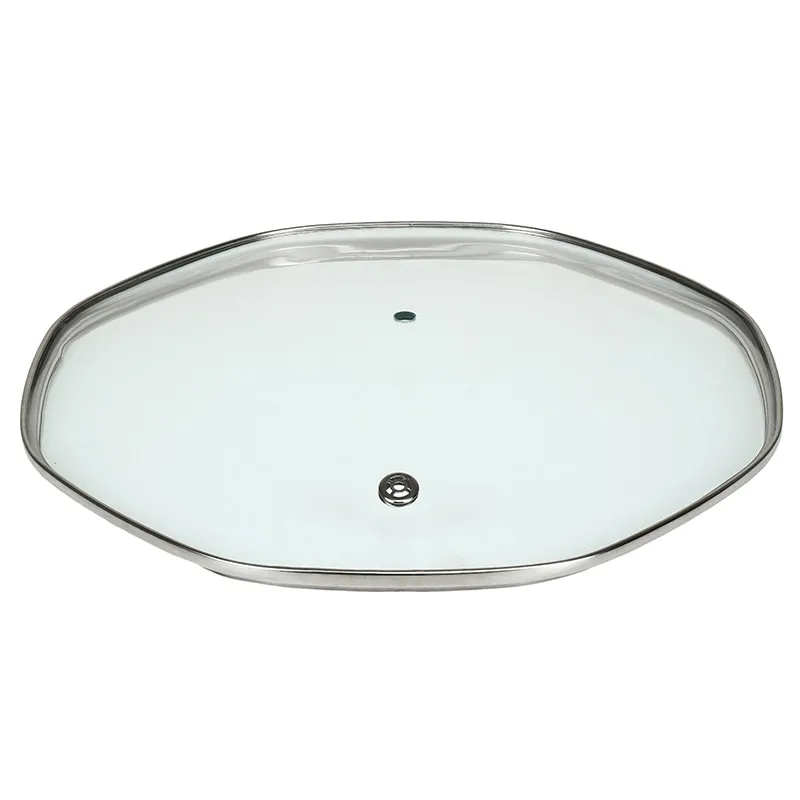
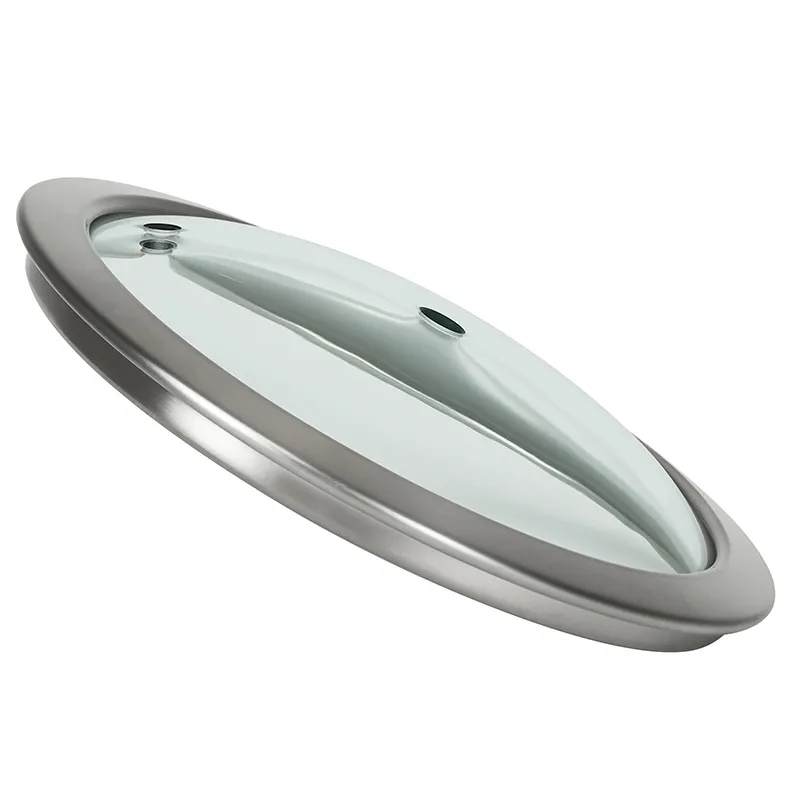
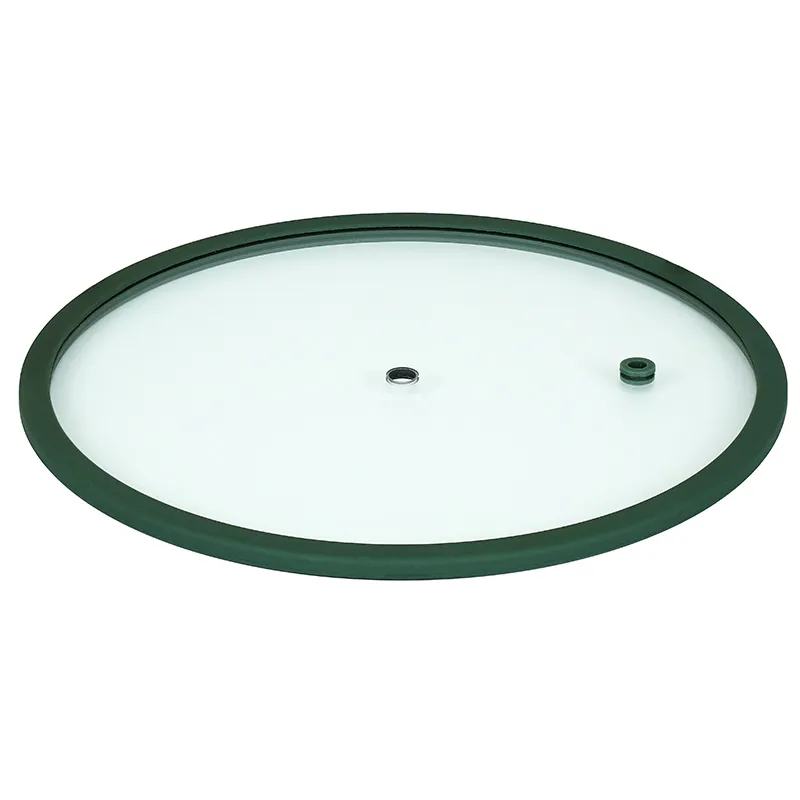
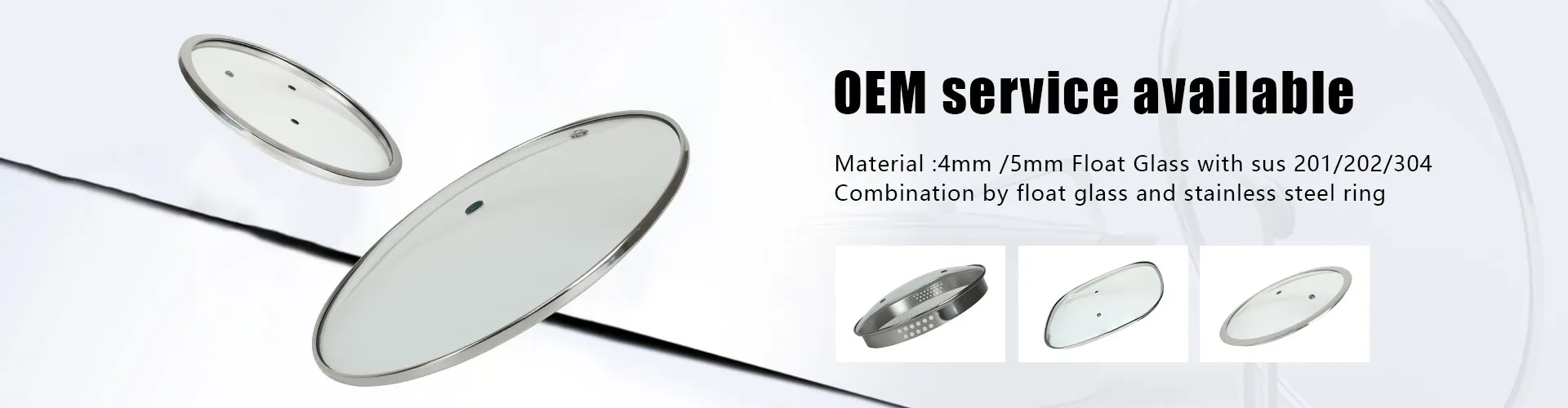
When you hear 'G type glass lid manufacturing', most people, even some buyers, immediately picture just a shape—that classic, slightly domed universal fit for pots. But that's the first place where the conversation usually goes wrong. It's not about the shape; it's about the tempering process for that specific geometry. The 'G-type' refers to the mold, but the real battle is getting consistent, stress-free tempering on a curved surface with a handle hole. I've seen too many batches where the lid looks perfect until you tap it, and the sound is off—a dull thud instead of a clear ring. That's a failure waiting to happen, literally. It means the internal stress patterns are uneven, and thermal shock in a kitchen will find that weakness. EUR-ASIA COOKWARE, where I've spent years on this, ships over 15 million pieces annually, and I can tell you, 90% of the work is making sure that 'G' shape doesn't fight the tempering oven.
The Devil in the Annealing Curve
Let's start with the glass before it even becomes a lid. For G-type lids, you can't just use any soda-lime float glass. The composition needs a slight tweak for better thermal expansion behavior during the rapid quench of tempering. We source a specific grade that has a bit more magnesium oxide. It's a minor spec, but if you ignore it, the lid might temper to a high surface compression on the flat areas but develop micro-cracks near the rolled edge. I learned this the hard way about a decade ago. We had a supplier change, and suddenly our rejection rate from the German clients spiked. The lids passed the standard impact test but failed a proprietary thermal cycling test the client ran. The issue traced back to a batch of glass with an inconsistent annealing history from the float line. The glass remembered that stress, and our tempering process couldn't overwrite it. We had to scrap nearly 80,000 units.
Now, we run a shadow annealing check on every incoming glass pane. We cut a small sample from the corner of each batch, put it in a polariscope, and look for any residual stress patterns. If we see faint, wavy lines, that whole batch gets set aside for simpler, flat products. It's not worth the fight. The production base in Taian has the space to manage this kind of segregated inventory, which is a luxury smaller shops don't have.
The annealing lehr before tempering is another critical control point. For the curved G-type mold, the heating has to be incredibly uniform. Any cold spot, and the glass won't sag perfectly into the mold, creating a thin area. That thin spot will then over-temper and become the focal point for failure. Our ovens have multiple, independently controlled heating zones above and below the conveyor. The trick is balancing the heat so the glass softens evenly as it drapes over the male part of the mold. It's more art than science sometimes—the lead technician listens to the sound of the glass as it sags. A quiet, smooth sigh is good. Any popping or cracking noise means the temperature profile is wrong.
Why the Handle Hole is a Stress Concentrator
This is the single biggest headache in G type glass lid production. You have a pristine, tempered dome, and then you need to fire a hole through it for the handle. Drilling after tempering is impossible—it would shatter. So, the hole is punched and ground in the hot, soft glass right after it leaves the forming mold, before it enters the tempering oven. The geometry of that hole's edge is everything. A sharp, 90-degree corner is a guaranteed fracture origin. The edge must be fire-polished to a smooth, rounded contour.
We use a combination of mechanical grinding with diamond wheels followed by a gas flame polish. The timing is precise—the glass must be below its softening point but still hot enough for the flame to melt the surface microscopically. Get it wrong, and you create a chill mark, a local area of different density that becomes a weak point. I've seen entire pallets, destined for a Swiss retailer, fail because a new operator on the fire-polishing station had the gas pressure too high, creating subsurface bubbles along the hole edge. They passed visual inspection but failed in the lab during random destructive testing.
The other issue is handle attachment. The metal knob is usually attached with a high-temperature silicone adhesive or a mechanical clamp. The coefficient of thermal expansion mismatch between the metal, the adhesive, and the glass is a constant puzzle. We spent six months working with a German adhesive supplier to develop a two-part silicone that remains flexible up to 280°C but has enough initial tack for the fast-paced assembly line. The failure mode we were trying to beat was the handle loosening after repeated dishwasher cycles. The heat and alkaline detergents would degrade standard adhesives.
Export Markets Dictate the Specs
Working with EUR-ASIA, you see how regional standards directly shape the production line. A G-type lid for the German market is not the same as one for Brazil or South Korea. The Germans, through bodies like LGA, focus on extreme thermal shock resistance and heavy metal release from any printed decorations. Their tests involve cycling the lid from a 250°C oven directly into a 20°C water bath. To pass, our tempering level has to be at the higher end of the safety range, which slightly increases the risk of spontaneous breakage if the lid gets a deep scratch. It's a trade-off.
The French and Italian buyers are more focused on aesthetics—the clarity of the glass, the precision of the color band silk-screening, the feel of the rolled edge. They might accept a slightly lower thermal shock rating for a more perfect finish. For the Japanese market, the obsession is with packaging and surface perfection. A microscopic scratch invisible to the naked eye can be a cause for rejection. This forces a completely different handling protocol post-tempering. Each market's quirks mean we run slightly different production parameters. The Taian facility essentially operates like several small factories under one roof, with dedicated lines or production days for different export regions.
This is where the company's setup in the National High-tech Development Zone makes sense. The infrastructure supports this kind of flexible, quality-focused manufacturing. You need stable power for the tempering ovens, clean water for cooling, and good logistics to get those 15 million pieces out to ports like Qingdao and Tianjin efficiently.
The Good Enough Trap in Tempering
Tempering is measured in surface compression, usually in megapascals (MPa). For a standard kitchenware lid, the European norm EN 13808 might suggest a minimum. But meeting the standard is the bare minimum. The real quality is in consistency. A good batch of G-type lids will have a compression variance of less than 10% across all samples. A bad batch might swing 30% or more. The problem is, you can't measure every lid destructively.
We rely on a combination of process control and spot checks. The key parameters are oven temperature uniformity, quench air pressure, and the speed of the conveyor rollers. If the rollers are even slightly misaligned or run at different speeds, they can impart a twist to the soft glass, creating asymmetric stress. We do a roller mark inspection every shift. You hold a lid at an angle under a light and look for any slight distortion in the reflection caused by roller contact. It's a simple, old-school check that catches a lot of potential problems.
The real test, though, is the drop test. Not the standardized one, but our own brutal version. We take random lids from the end of the line, heat them to 200°C, and drop them onto a steel plate from a height of one meter. They should not break. If one does, we increase the sample size. If the failure pattern shows the crack originating from the handle hole or the edge, we know we have a stress concentration issue and will shut down the line to adjust the fire-polishing or edge grinding. It's costly in downtime, but cheaper than a container-load of returns.
Looking Ahead: Beyond the Basic G-Type
The market isn't static. The basic G-type lid is a commodity. The value-add now comes from integration and function. We're seeing more demand for lids with built-in steam vents or silicone gaskets for pressure cooking compatibility. This is a whole new world of challenges. Putting a movable plastic or metal vent into a tempered glass lid requires creating a precise, molded-in socket during the hot forming stage. The tolerance is insane—less than 0.5mm. If the socket is too tight, the thermal expansion of the glass cracks it during use. Too loose, and the vent rattles or leaks steam.
We've been running trials for a Dutch client on a vented G-type design. The first ten prototypes failed in the pressure cooker cycle test. The failure analysis showed the crack propagating from the corner of the square socket we had designed. We switched to an oval socket with radiused corners, and the failure rate dropped by 70%. It's these tiny, seemingly insignificant design choices that make or break a product. It's not just about manufacturing glass; it's about understanding how it will live and fail in a real, messy kitchen.
So, when you think about G type glass lid manufacturing, don't just think of a factory stamping out identical domes. Think of it as a continuous negotiation between physics, chemistry, mechanical engineering, and the diverse demands of global kitchens. The 90 employees at the Taian plant aren't just operators; they're problem-solvers for issues that most consumers will never even know exist. The goal is that the lid just works, silently and reliably, for years. And that's the hardest thing to manufacture of all.
Related Products
Related Products