- Chinese
- French
- German
- Portuguese
- Spanish
- Russian
- Japanese
- Korean
- Arabic
- Irish
- Greek
- Turkish
- Italian
- Danish
- Romanian
- Indonesian
- Czech
- Afrikaans
- Swedish
- Polish
- Basque
- Catalan
- Esperanto
- Hindi
- Lao
- Albanian
- Amharic
- Armenian
- Azerbaijani
- Belarusian
- Bengali
- Bosnian
- Bulgarian
- Cebuano
- Chichewa
- Corsican
- Croatian
- Dutch
- Estonian
- Filipino
- Finnish
- Frisian
- Galician
- Georgian
- Gujarati
- Haitian
- Hausa
- Hawaiian
- Hebrew
- Hmong
- Hungarian
- Icelandic
- Igbo
- Javanese
- Kannada
- Kazakh
- Khmer
- Kurdish
- Kyrgyz
- Latin
- Latvian
- Lithuanian
- Luxembou..
- Macedonian
- Malagasy
- Malay
- Malayalam
- Maltese
- Maori
- Marathi
- Mongolian
- Burmese
- Nepali
- Norwegian
- Pashto
- Persian
- Punjabi
- Serbian
- Sesotho
- Sinhala
- Slovak
- Slovenian
- Somali
- Samoan
- Scots Gaelic
- Shona
- Sindhi
- Sundanese
- Swahili
- Tajik
- Tamil
- Telugu
- Thai
- Ukrainian
- Urdu
- Uzbek
- Vietnamese
- Welsh
- Xhosa
- Yiddish
- Yoruba
- Zulu
- Kinyarwanda
- Tatar
- Oriya
- Turkmen
- Uyghur


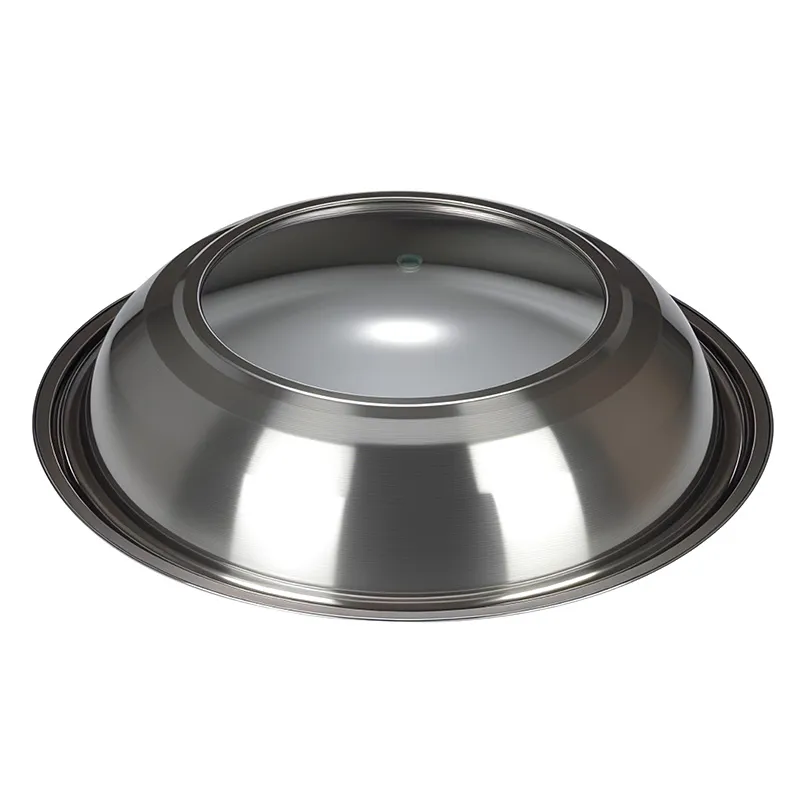
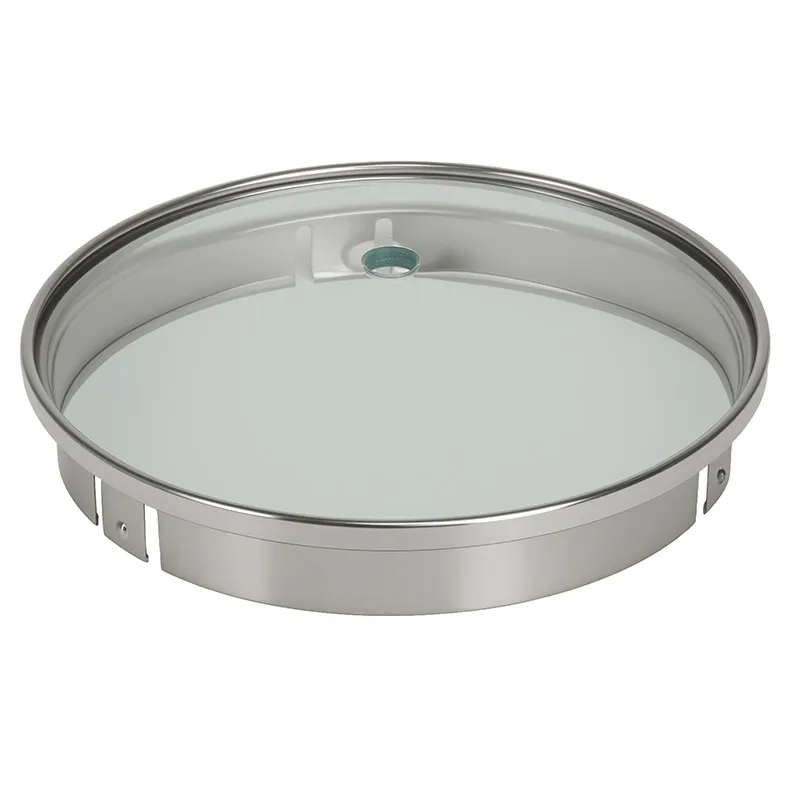
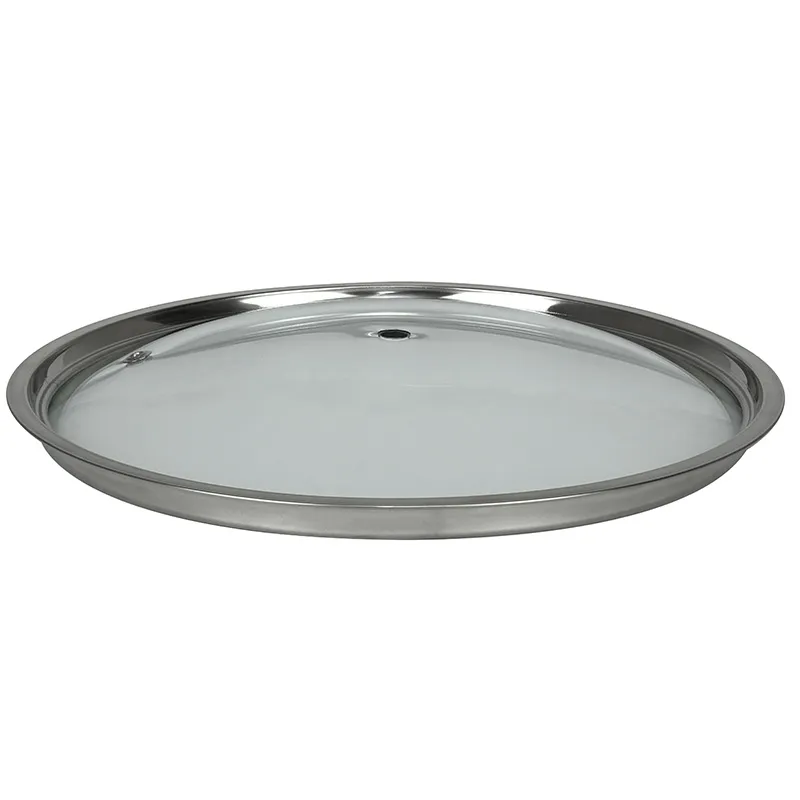
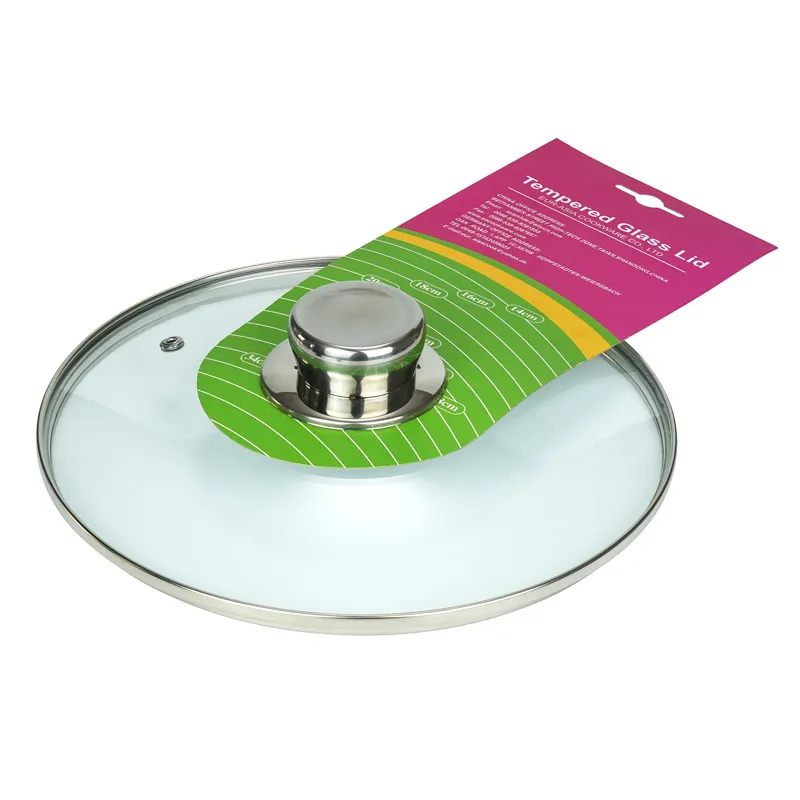
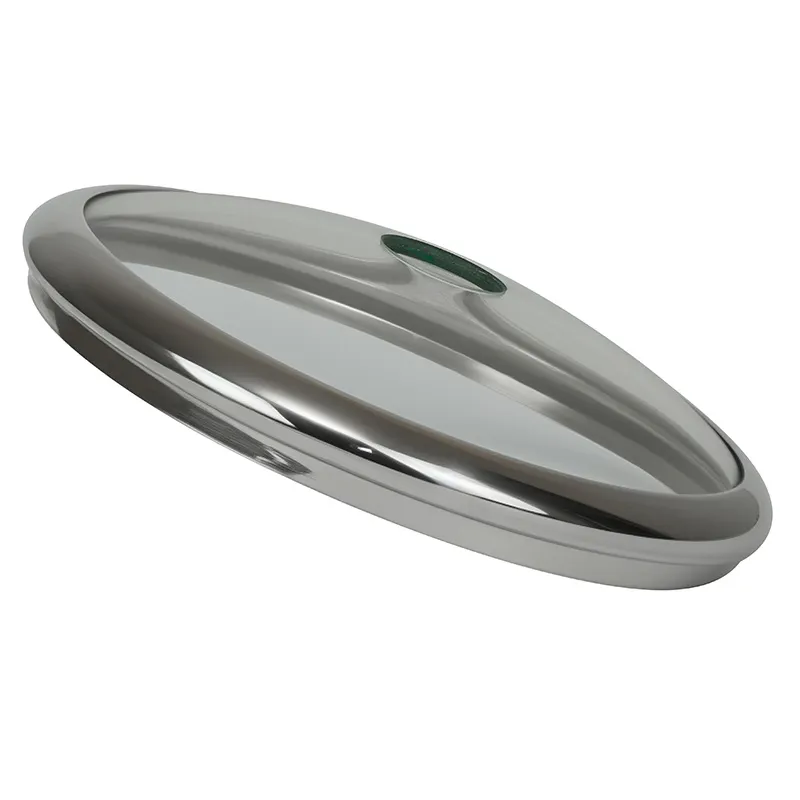
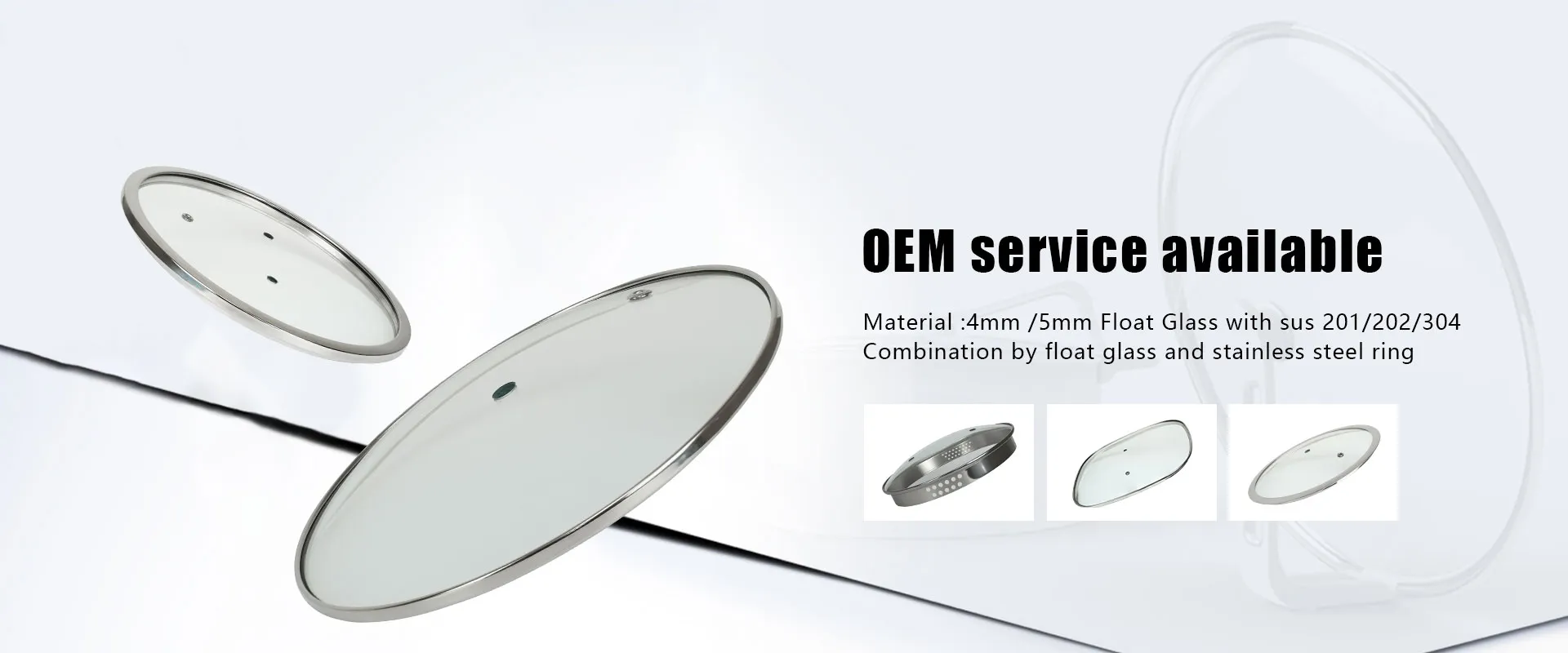
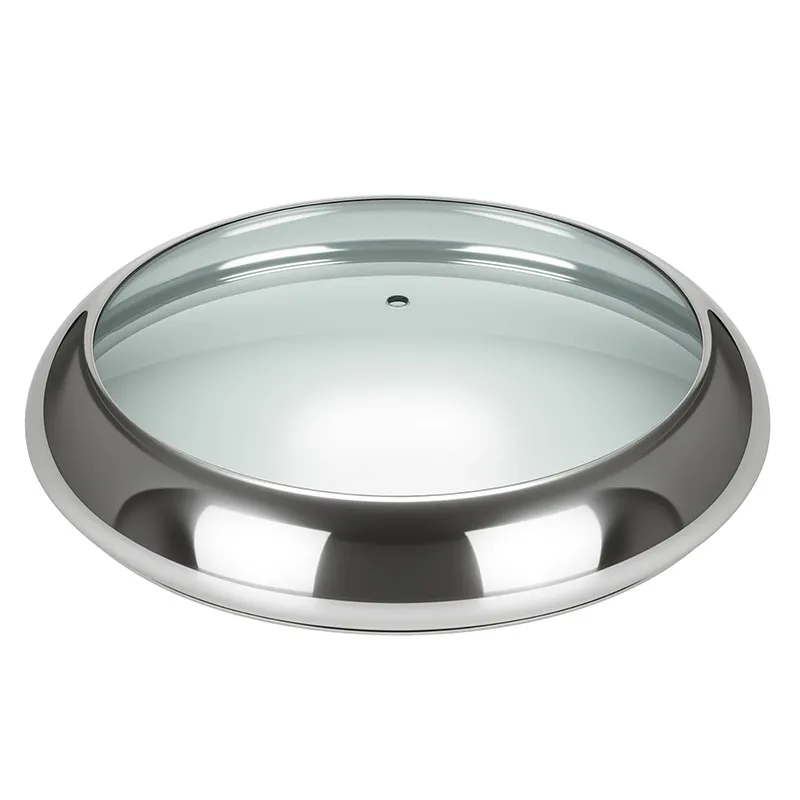
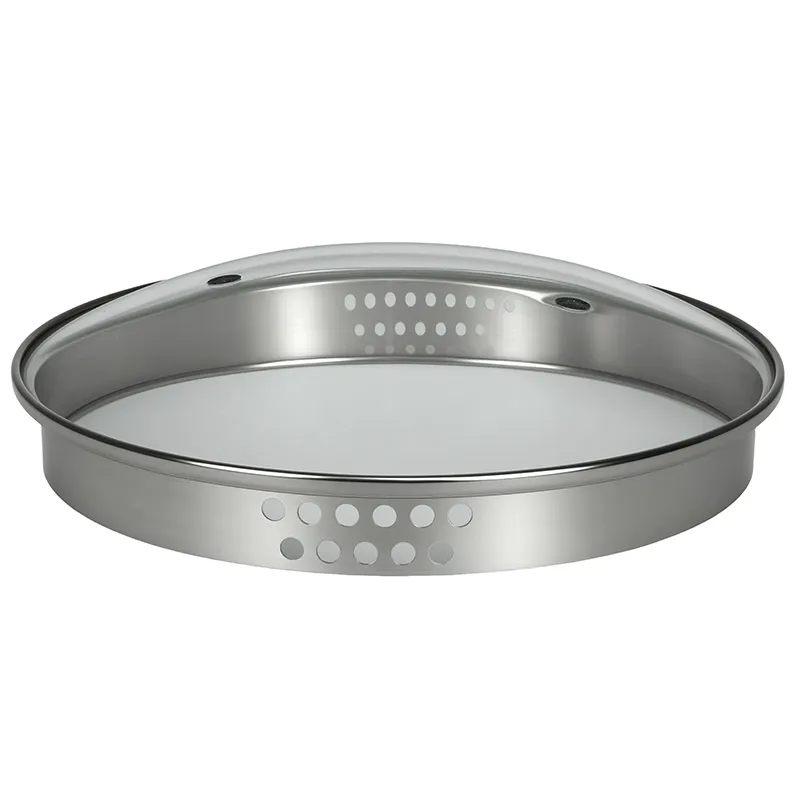
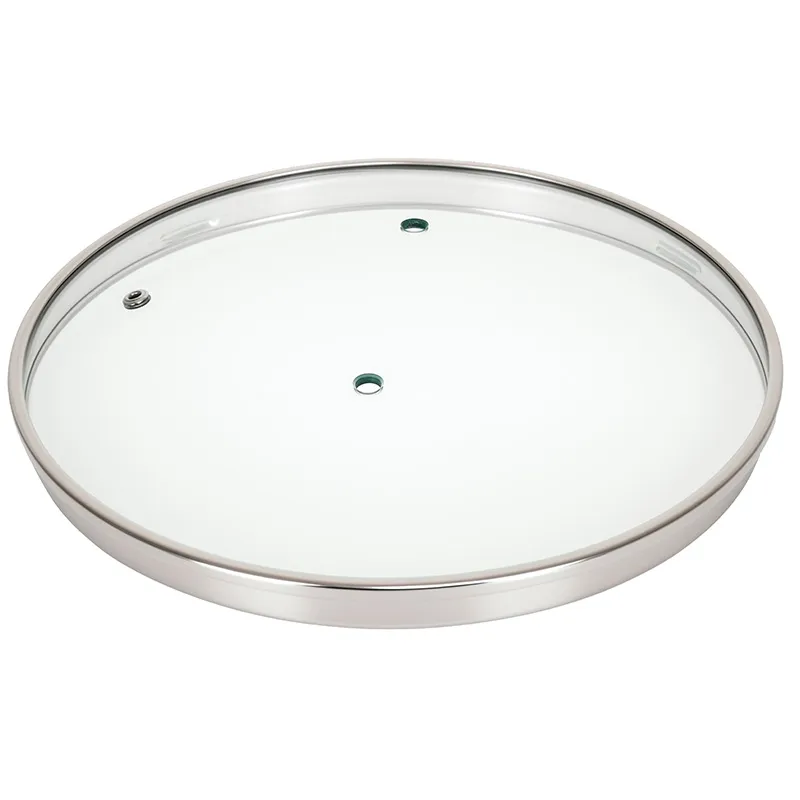
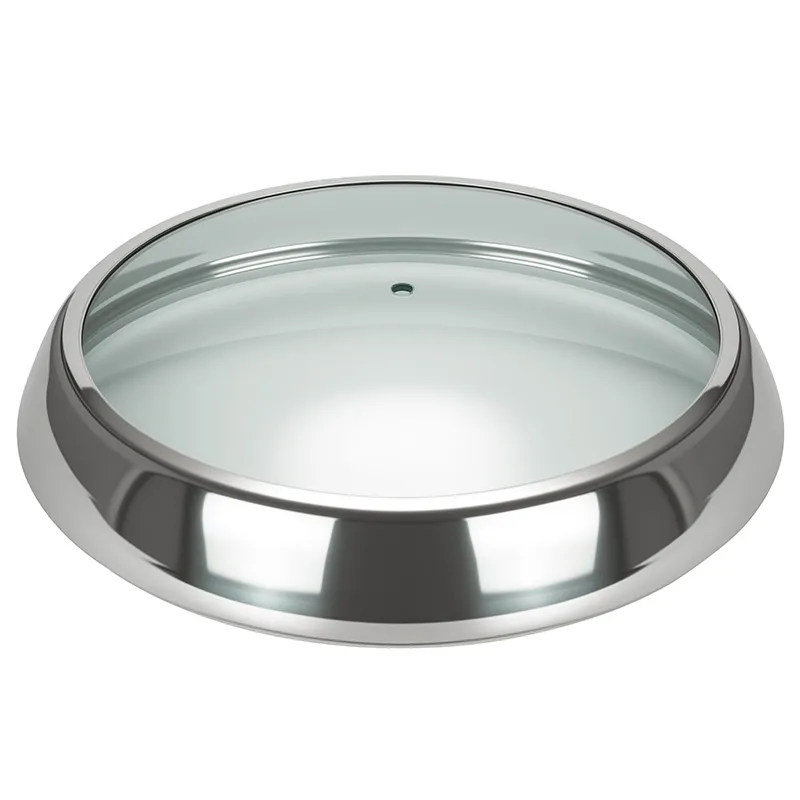
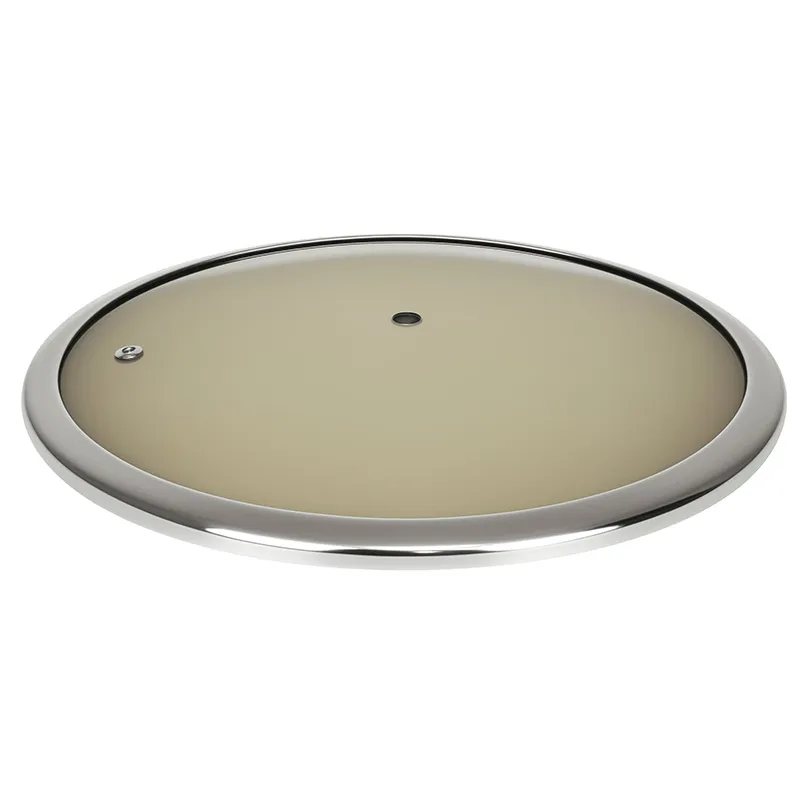
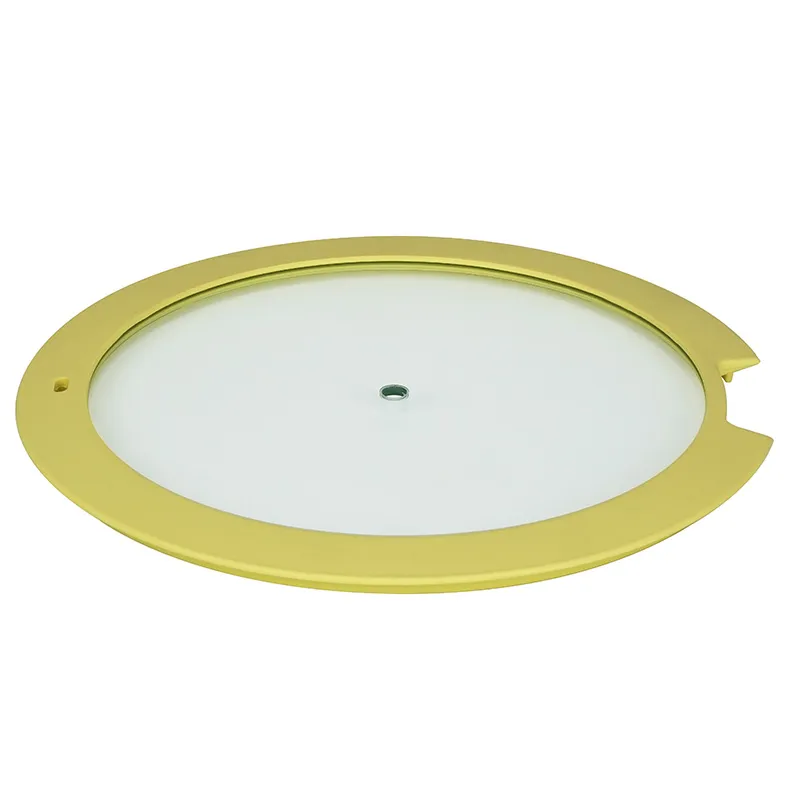
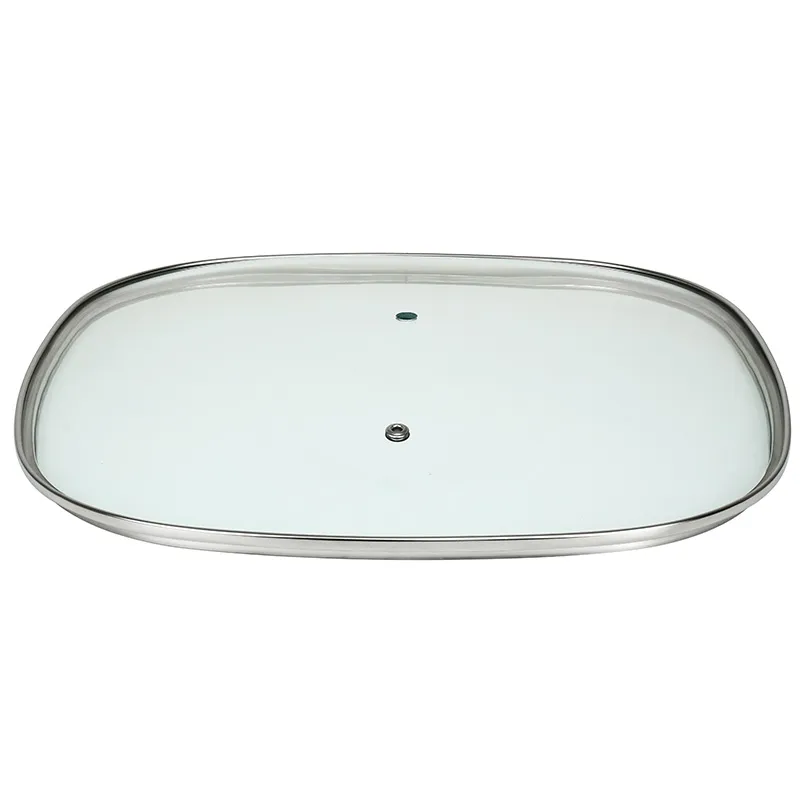
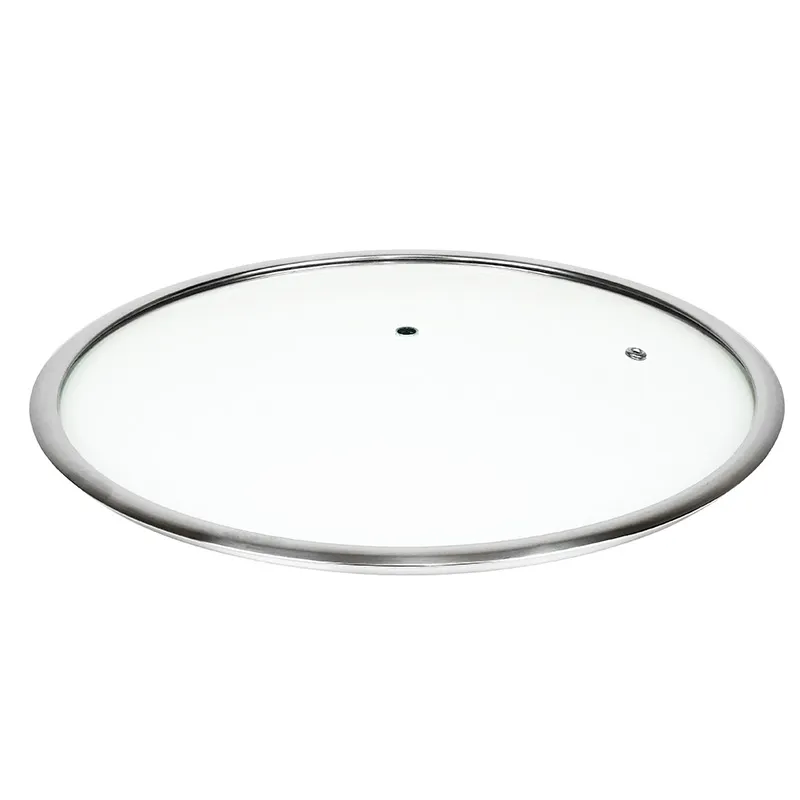
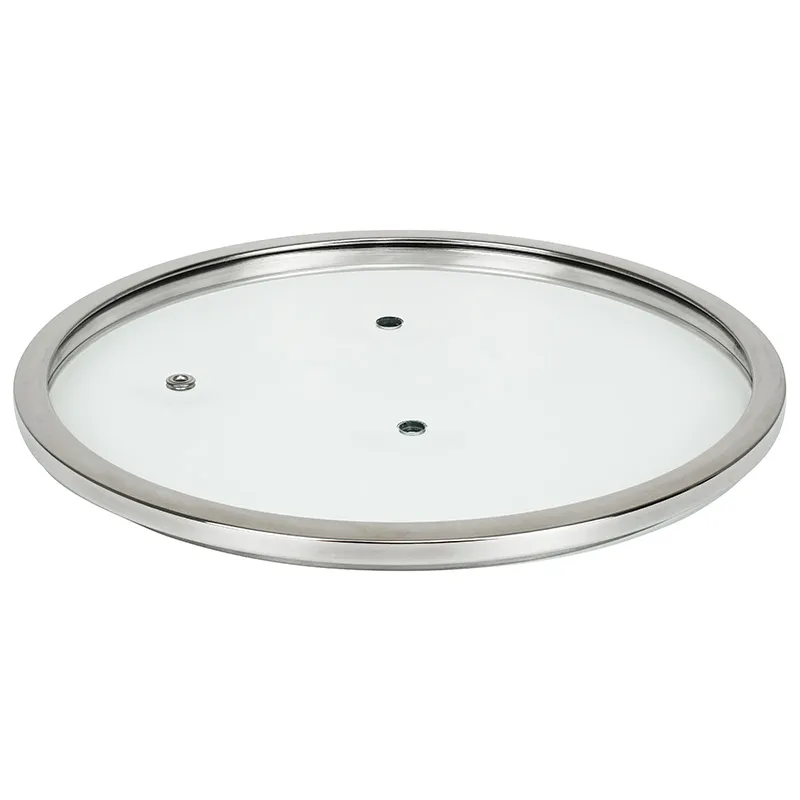
G type tempered glass cover
When most people hear 'G type tempered glass cover', they picture a generic, clear lid for a pot. That's the first misconception. In reality, the 'G type' designation isn't just a random letter; it often refers to a specific handle attachment system and a standardized curvature profile designed for a range of stock pot diameters, typically from 16cm to 24cm. The real nuance lies in the tempering process and the edge finishing – details that separate a product that lasts two years from one that endures a decade in a commercial kitchen. I've seen too many buyers, even for reputable brands, focus solely on price per unit from China, missing the critical checks on edge grinding quality and the annealing consistency that prevents spontaneous breakage from residual stress.
Defining the 'Type' in G Type
So, what makes a G type? It's less about the glass itself and more about the form factor and assembly. The handle is key. We're usually talking about a stainless steel bail handle, riveted or bolted to a metal bracket that's permanently bonded to the glass. The 'G' often signifies the bracket's shape and the rivet pattern. A poor bond here is the number one point of failure. I recall a shipment for a client in Poland where the epoxy failed under repeated steam heat, causing handles to detach. The failure wasn't in the glass, but in the specification of the adhesive. The supplier had switched to a cheaper compound without notice. That's why working with a specialized producer matters.
This is where a company's focus shows. A manufacturer like EUR-ASIA COOKWARE CO.,LTD, which states its specialization in household glass products, would typically have dedicated jigs for handle assembly for their G type tempered glass cover line. Their listed export markets—Germany, Italy, Denmark—are notoriously stringent on safety standards, which indirectly speaks to their process controls. A production base with 15,000㎡ of building area suggests automated tempering furnaces and systematic production lines, which are crucial for consistency across 15 million pieces annually.
The tempering itself is what gives the cover its strength. But 'tempered' isn't a binary state. It's a spectrum defined by surface compression strength. For a lid, you need a balance. Too high a tension can make it brittle against sharp impacts (like dropping it onto a rivet head on a counter); too low, and it won't withstand the thermal shock of going from a cold sink to a hot pot. The ideal tempered glass cover for stock pots has an edge compression that's been carefully calibrated, which requires precise control over the heating and quenching stages in the furnace.
The Devil in the Details: Edge Work and Thermal Dynamics
If I had to point to one thing that amateurs overlook, it's the edge. A seamed, ground, and polished edge isn't just for aesthetics; it's the first line of defense against chipping and crack propagation. A rough-cut edge from a cheap, diamond wheel under aggressive cooling will have micro-fractures. Under thermal cycling, these can spider-web into the main panel. A properly finished edge feels smooth, almost like a soft bevel, to the touch. You can literally feel the quality difference.
Thermal performance is another silent test. A well-made G type tempered glass cover should sit flat on a pot when cold and still sit flat when the pot is at a rolling boil. Warping indicates uneven tempering or poor glass chemistry. I've tested lids by placing them on a granite slab – any rocker effect is a red flag. The glass composition also matters for clarity and stain resistance. A low-iron formula, while more expensive, maintains crystal clarity over time, resisting the cloudy film that cheaper soda-lime glass can develop from steam mineral deposits.
Real-World Failure and the Supply Chain Lesson
Let me share a painful lesson. We once sourced a batch of what were supposed to be high-temp resistant G type covers for a line of pasta cookers. The specs looked fine on paper. But in the field, in busy restaurant kitchens, we started getting reports of lids shattering—not on impact, but seemingly spontaneously. After a forensic review, we found the issue: the cutouts for the handle brackets were too sharp, creating concentrated stress points. The tempering process hadn't accounted for these notches. The fix wasn't cheaper glass; it was a redesign of the bracket shape and a modified grinding process for the cutout. The supplier, a general glass factory, couldn't handle this nuance. We shifted the order to a specialist, like the type of operation EUR-ASIA COOKWARE seems to run, where the entire process from cutting to tempering to assembly is under one roof. Their website glass-lid.com explicitly focusing on lids indicates this kind of vertical integration for a single product category.
This is critical. A factory producing 'various types of tempered glass lid' as its core output, as per their intro, will have deeper institutional knowledge on these failure modes. They've likely seen every type of breakage and have adjusted their production parameters accordingly. Their high export percentage to Europe suggests their quality management systems can pass audits like those from German or Danish retailers, which are some of the toughest in the world.
Beyond the Lid: Integration and User Experience
A G type cover doesn't exist in a vacuum. Its performance is tied to the pot it sits on. The curvature, or the 'dome', is designed to create a condensation channel, directing moisture back into the pot. A poorly calculated dome leads to constant dripping off the side, creating a mess on the stovetop. The handle's height and angle are also ergonomic decisions. Is it easy to lift with a wet, oven-mitted hand? Is the stainless steel bail thick enough to not deform when gripped tightly?
For companies like EUR-ASIA COOKWARE CO.,LTD, serving OEM clients, these dimensions are often dictated by the client's pot specifications. Their role is to execute flawlessly to that print. But a good manufacturer will also provide feedback—if we increase the bend radius here, the stress concentration drops by 20%. That's the value of a technical partner versus a mere vendor.
The Market Niche and Future Considerations
The G type tempered glass cover is a commodity, but a specialized one. Its market is split between replacement parts for cookware sets and OEM supply for new sets. The growth area I see is in compatibility and durability messaging. As consumers keep pots for longer, the need for a high-quality replacement lid increases. A lid that doesn't discolor or chip after years of dishwasher cycles is a selling point.
Looking at the production scale of a firm with 90+ employees and 20,000㎡ of space, the challenge is maintaining quality across millions of units. Automation in inspection—like automated stress pattern scanners using polarized light—is becoming essential. The next frontier might be in coatings: easy-clean hydrophobic layers or even subtle tinting to reduce glare from kitchen lights. But the foundation remains the same: consistent, well-tempered glass with robust, secure handle attachment.
In the end, the best tempered glass cover is the one you never have to think about. It's just there, clear, strong, and reliable, meal after meal. That reliability is the direct result of precise engineering in the tempering curve, meticulous edge finishing, and a handle assembly process that treats thermal cycling as a primary design constraint. It's a simple product that hides a surprising depth of manufacturing science.
Related Products
Related Products