- Chinese
- French
- German
- Portuguese
- Spanish
- Russian
- Japanese
- Korean
- Arabic
- Irish
- Greek
- Turkish
- Italian
- Danish
- Romanian
- Indonesian
- Czech
- Afrikaans
- Swedish
- Polish
- Basque
- Catalan
- Esperanto
- Hindi
- Lao
- Albanian
- Amharic
- Armenian
- Azerbaijani
- Belarusian
- Bengali
- Bosnian
- Bulgarian
- Cebuano
- Chichewa
- Corsican
- Croatian
- Dutch
- Estonian
- Filipino
- Finnish
- Frisian
- Galician
- Georgian
- Gujarati
- Haitian
- Hausa
- Hawaiian
- Hebrew
- Hmong
- Hungarian
- Icelandic
- Igbo
- Javanese
- Kannada
- Kazakh
- Khmer
- Kurdish
- Kyrgyz
- Latin
- Latvian
- Lithuanian
- Luxembou..
- Macedonian
- Malagasy
- Malay
- Malayalam
- Maltese
- Maori
- Marathi
- Mongolian
- Burmese
- Nepali
- Norwegian
- Pashto
- Persian
- Punjabi
- Serbian
- Sesotho
- Sinhala
- Slovak
- Slovenian
- Somali
- Samoan
- Scots Gaelic
- Shona
- Sindhi
- Sundanese
- Swahili
- Tajik
- Tamil
- Telugu
- Thai
- Ukrainian
- Urdu
- Uzbek
- Vietnamese
- Welsh
- Xhosa
- Yiddish
- Yoruba
- Zulu
- Kinyarwanda
- Tatar
- Oriya
- Turkmen
- Uyghur

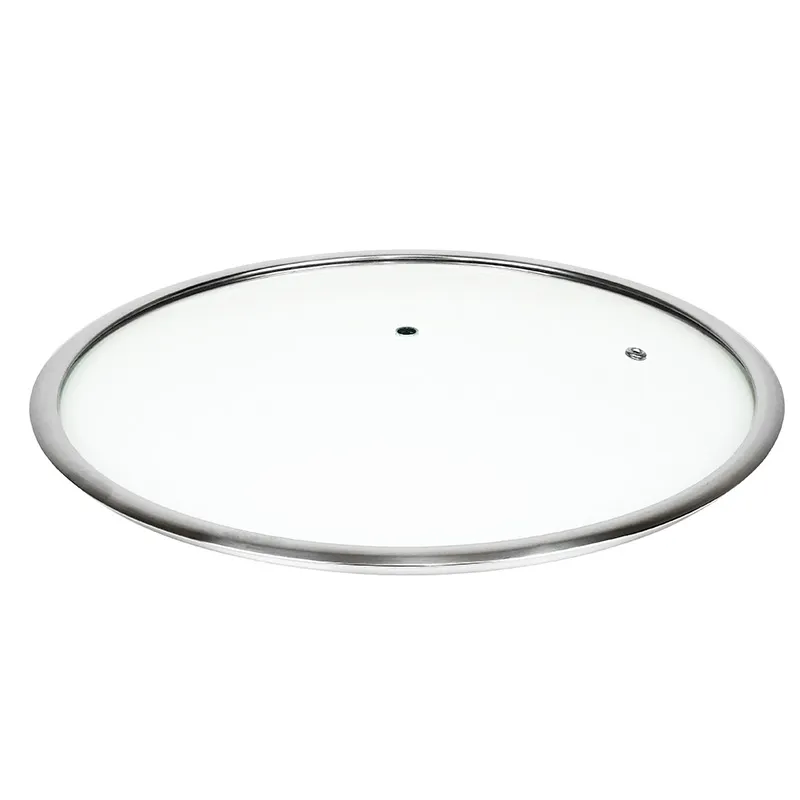
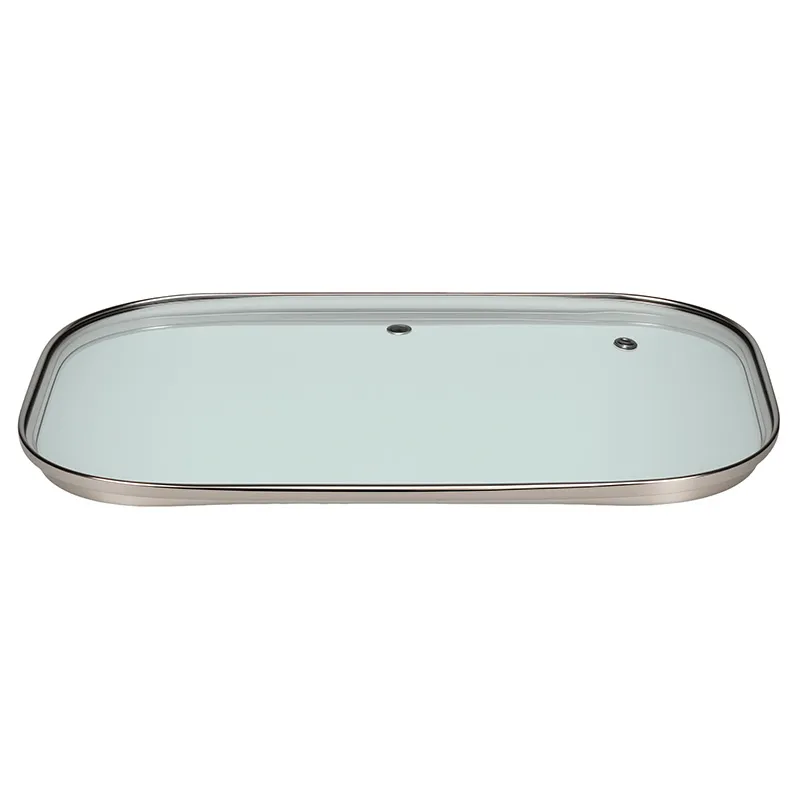
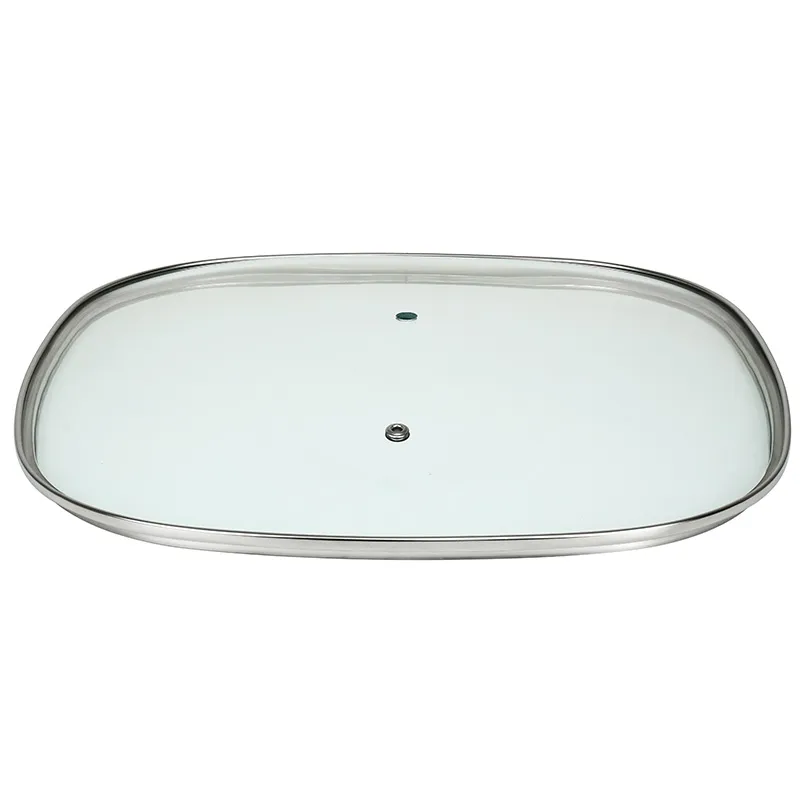
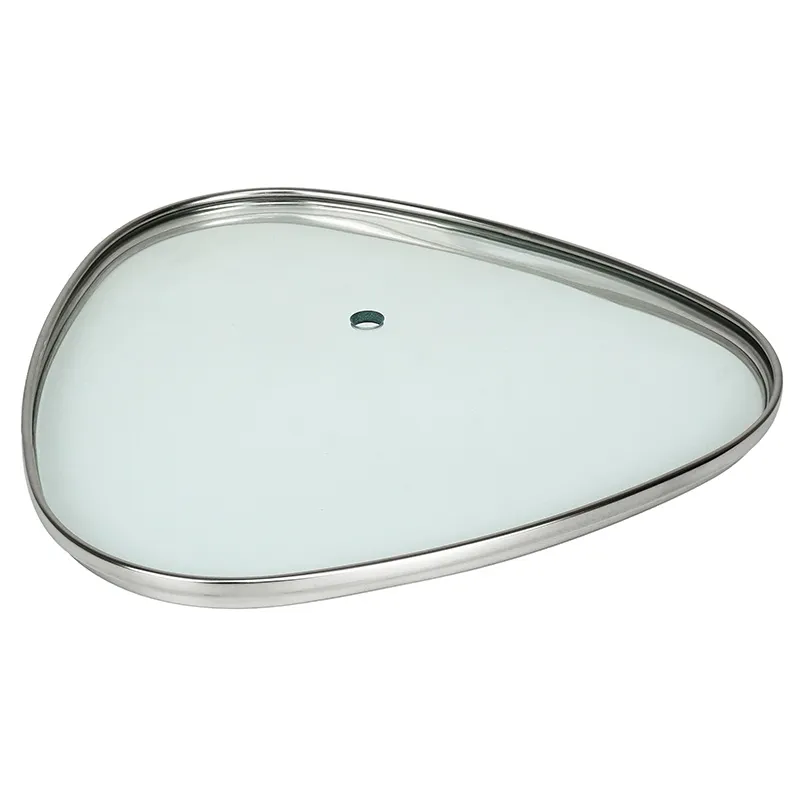
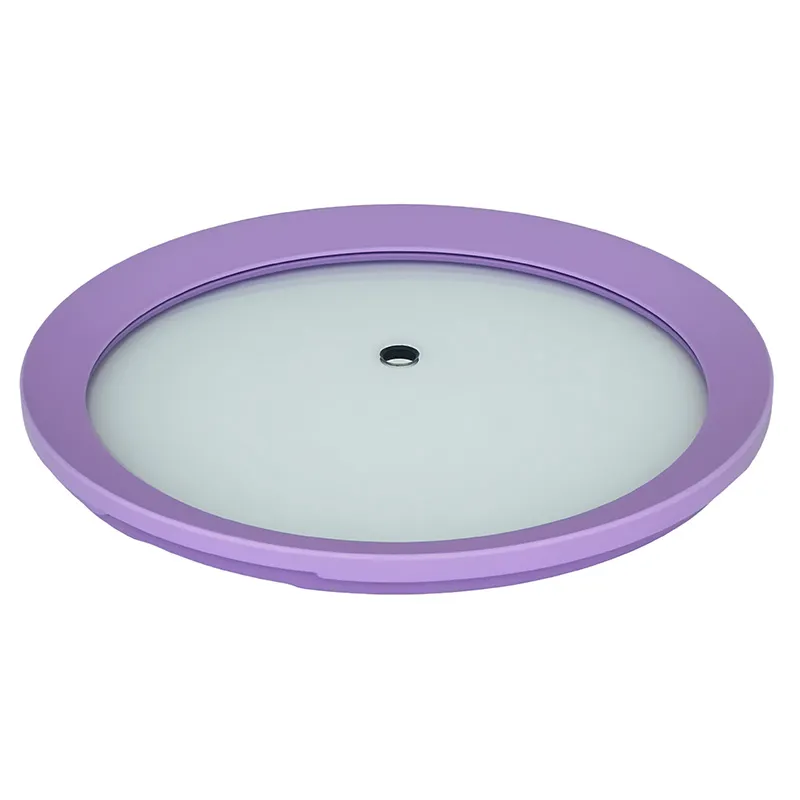
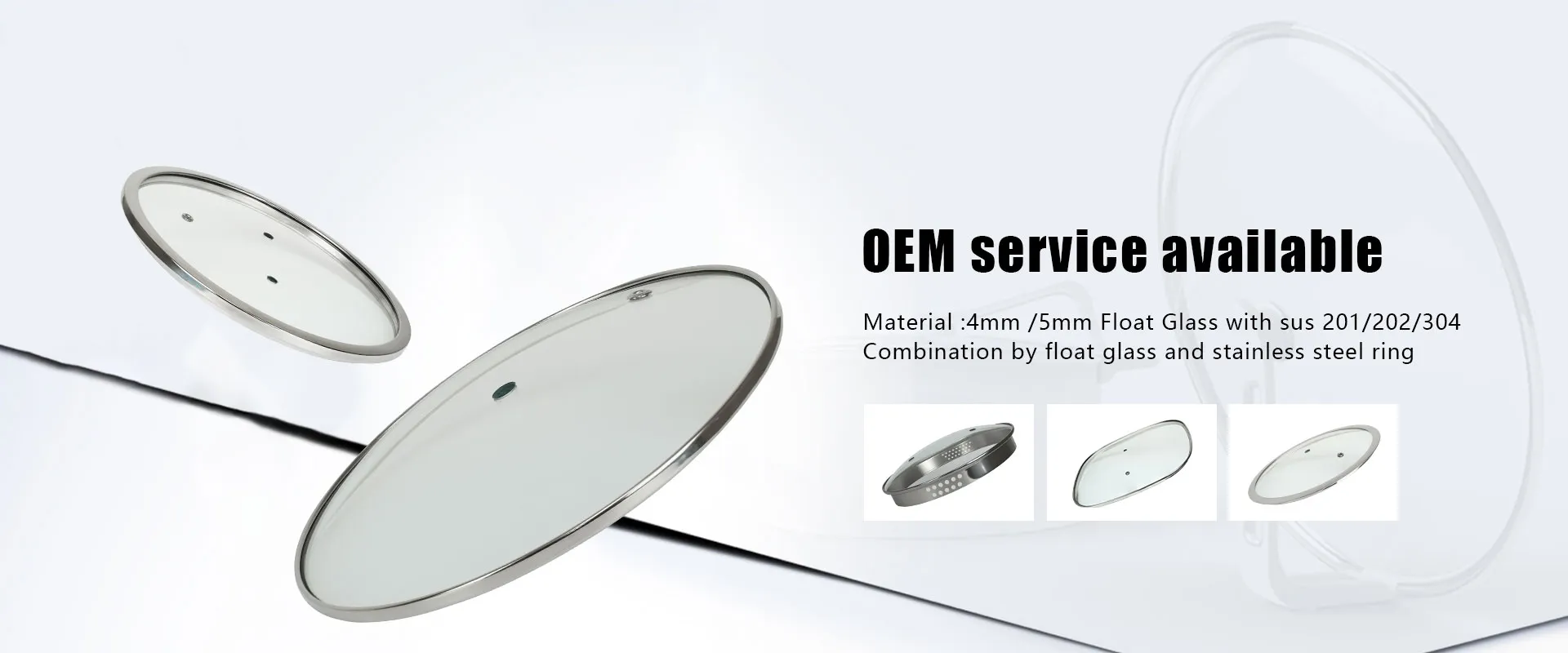
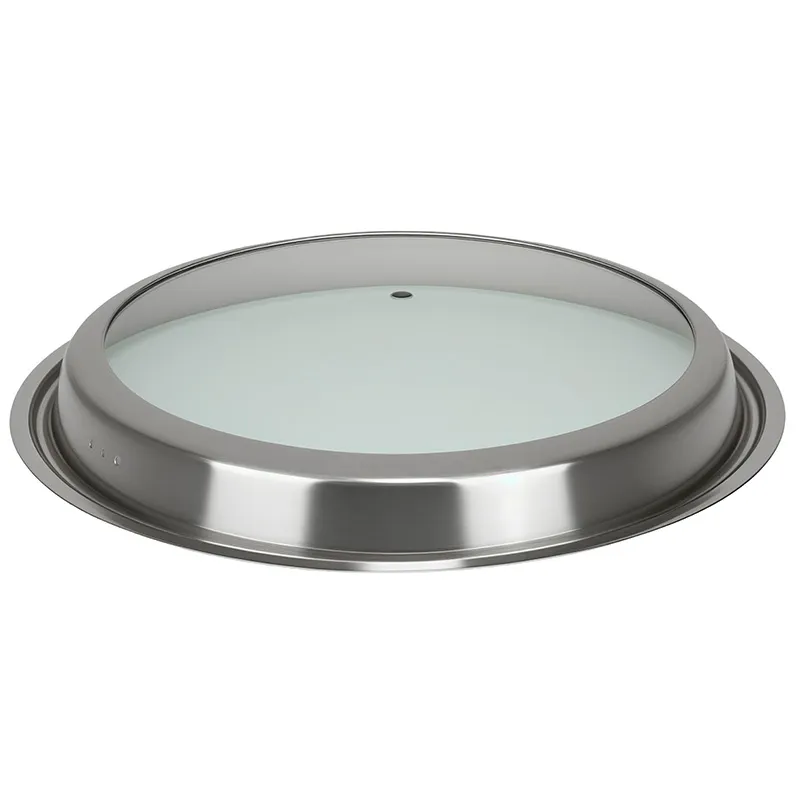
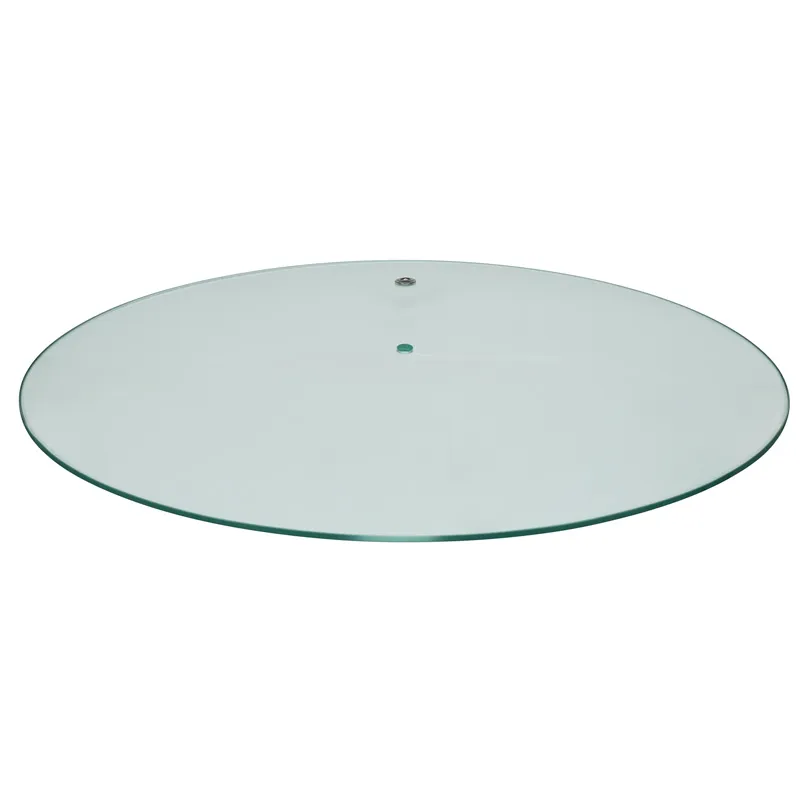
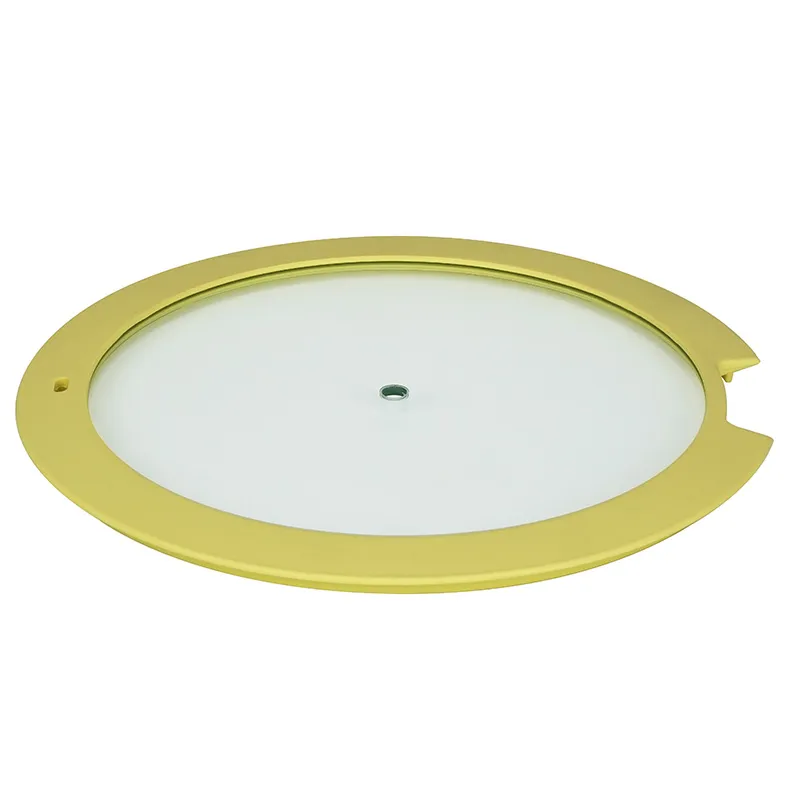
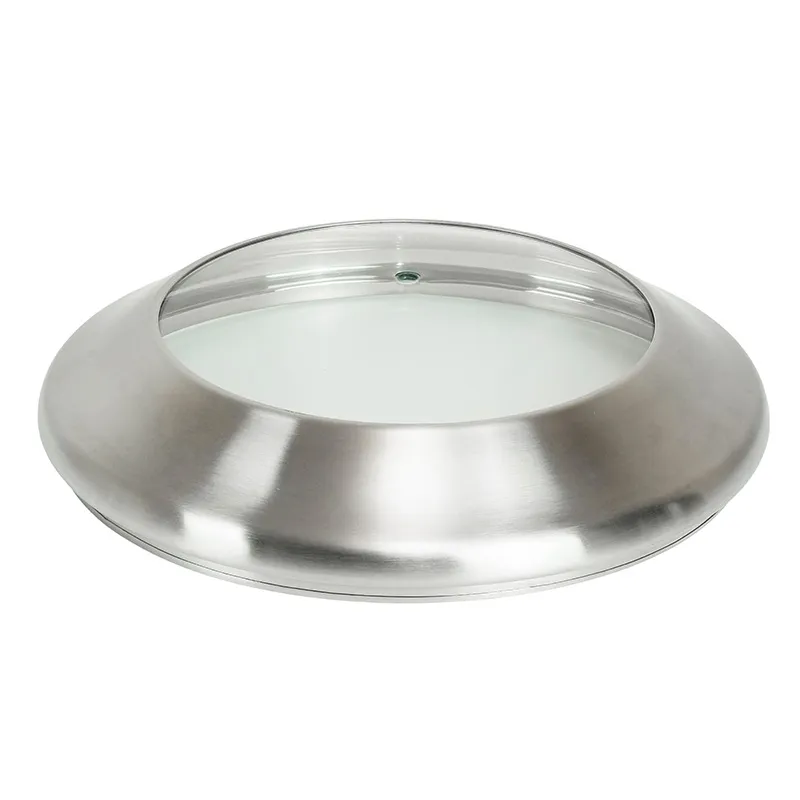
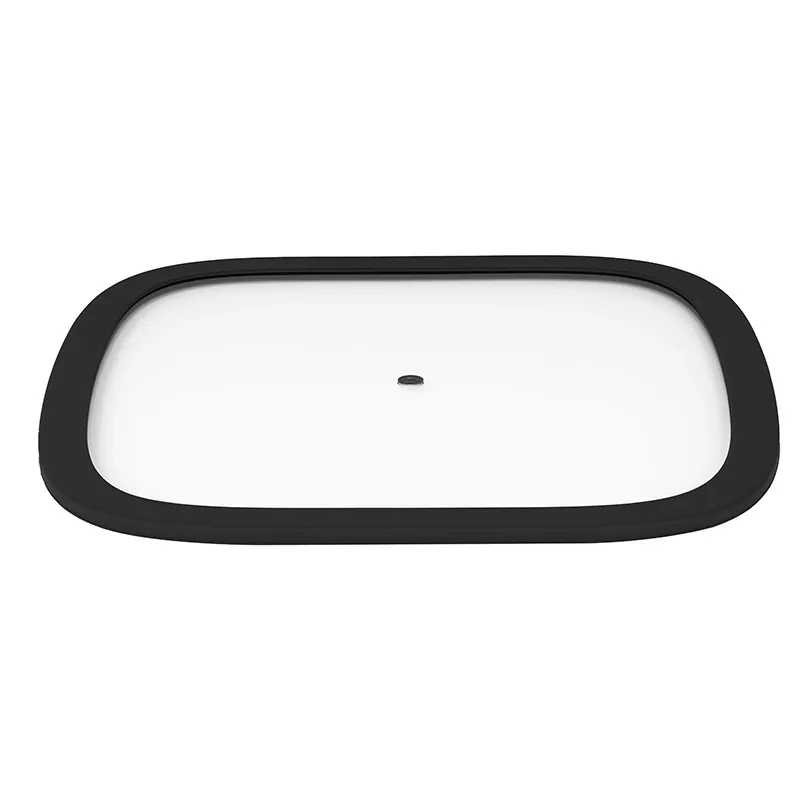
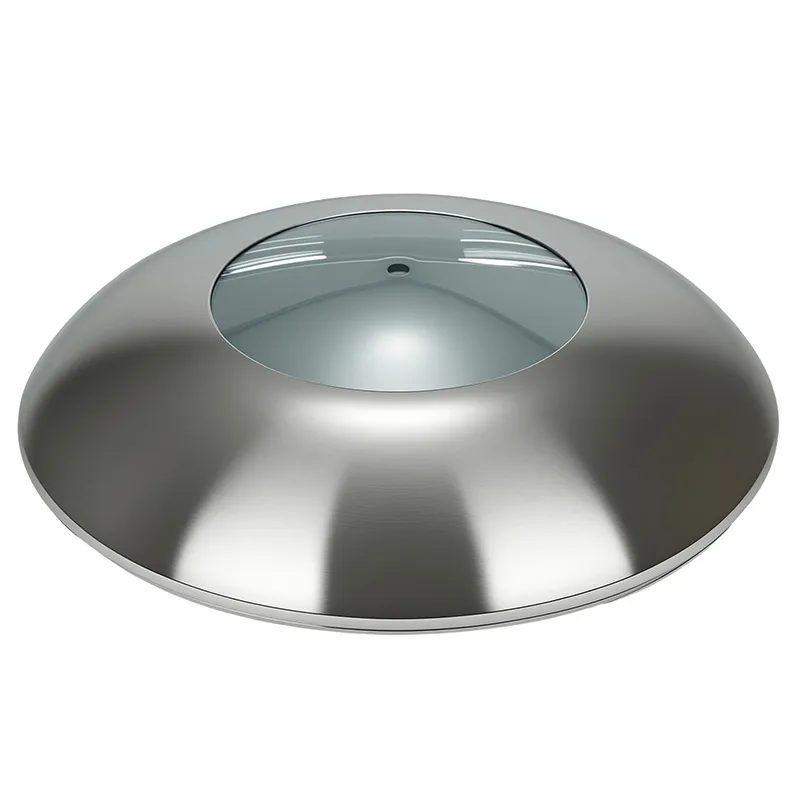
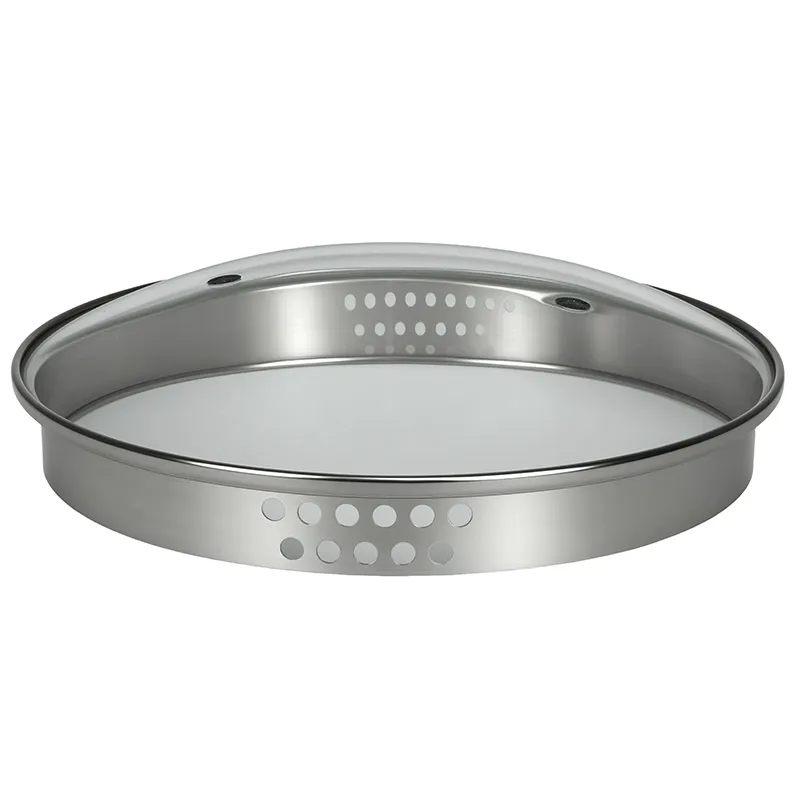
G type tempered glass lid
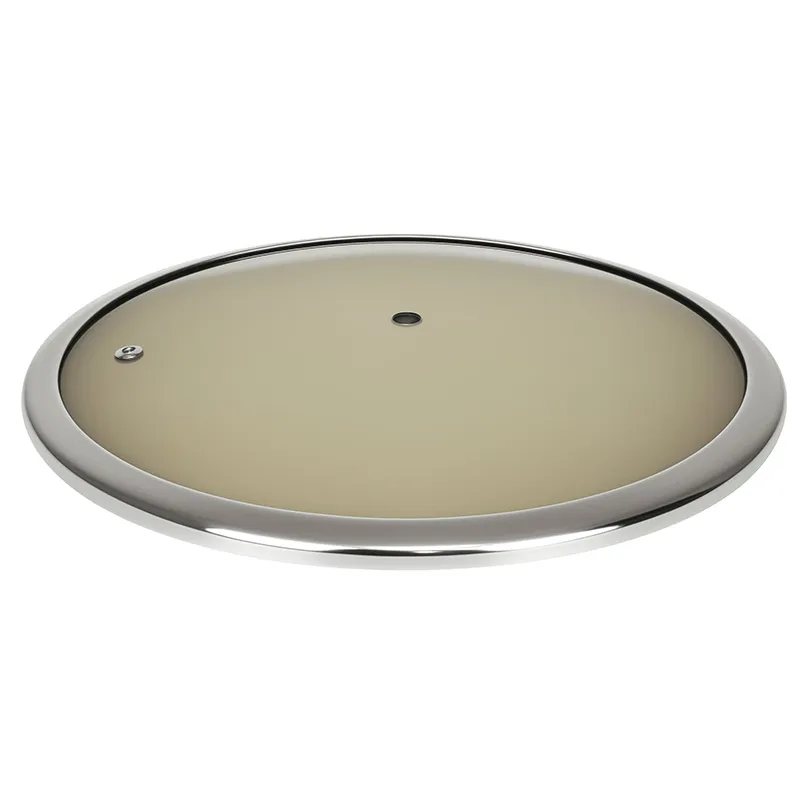
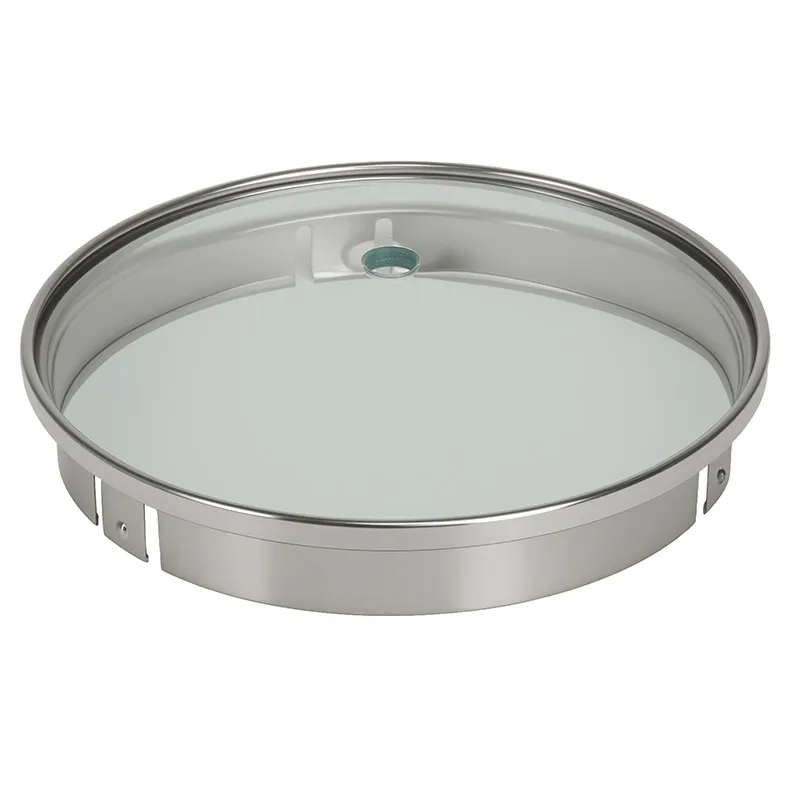
When you hear 'G type tempered glass lid', most people, even some buyers, just think it's a generic term for a glass pot lid. That's the first mistake. It's not a generic term; it's a specific construction. The 'G' typically refers to the handle attachment system—a metal clamp or bail that grips the glass perimeter, often with a silicone gasket for seal and shock absorption. The confusion starts because many suppliers lump any glass lid with a metal handle under this label, but the devil is in the details of how that metal actually interfaces with the tempered glass. A poorly designed clamp creates stress points that defeat the whole purpose of tempering.
The Manufacturing Reality and EUR-ASIA's Footprint
Let's talk about scale, because that's where you separate marketing from capacity. I've visited factories that claim high output but have two tempering furnaces. The numbers don't lie. A company like EUR-ASIA COOKWARE CO.,LTD, with a dedicated 20,000㎡ facility in Taian's high-tech zone, is built for volume. An annual output of 15 million pieces of various glass products, with lids being a core part, means they're running multiple, likely continuous, tempering lines. This isn't a side business for them. You can find their focus on their portal at https://www.glass-lid.com, which straightforwardly outlines their specialization in household glass and kitchen accessories. That volume is key for European retail buyers who need consistent, container-load quantities.
Why does the location in Shandong matter? It's a glass industry cluster. Access to raw glass material, skilled labor for cold processing (cutting, edging, drilling), and a logistics chain used to shipping fragile goods. Their export map—over 90% to Germany, Russia, Italy, France, etc.—tells you they're not just dealing with one market's standards. A German retailer's safety and finish requirements are different from a Brazilian buyer's cost-pressure. Supplying both means their G type tempered glass lid process has to be adaptable, yet rigid on core safety protocols.
The 15,000㎡ building area hints at vertical integration. They're probably doing the cutting, edging, tempering, printing (if any), assembly, and packaging all under one roof. For a tempered glass lid, this control is crucial. The biggest risk is handling between processes. If the cut and edged glass blank gets chipped before tempering, that chip becomes a potential failure point post-temper. In-house flow reduces that risk dramatically compared to outsourcing the grinding.
Decoding the G Type Construction
So, what defines a proper G type? It's the bail handle system. You have a toughened glass disc, usually 3mm to 5mm thick. A formed metal wire (stainless or coated steel) wraps around the edge, fixed at a central pivot point. The critical part is the clamping force and the interface material. The metal should never directly hard-contact the glass edge. There must be a buffer—a high-temperature silicone sleeve or a molded gasket that sits between the metal bail and the glass.
I've seen failures where the gasket was too thin or the wrong durometer. During thermal shock—like placing a hot lid on a cold granite counter—the metal contracts faster than the glass. Without a compliant gasket, it pinches the glass, creating a micro-fracture. It might not shatter immediately, but it's compromised. A well-designed G type will have a gasket that allows for differential expansion. EUR-ASIA's experience exporting to markets with extreme winters (Russia) and high-use kitchens (Germany) suggests they've had to nail this down.
Another nuance is the handle itself. Is it a single-loop bail or a fixed lift? The bail type is more common for G type as it allows the lid to be hung. The attachment of the handle stem to the bail is a spot for potential loosening. Good ones use a mechanical lock (like a pressed rivet or a robust screw with a thread-locker) rather than just spot welding. A wobbly handle is the number one customer complaint, and it's purely a manufacturing detail issue.
Tempering: The Core, Not a Feature
Tempering isn't a checkbox; it's a process window. For lids, it's often done in a horizontal furnace. The glass is heated past its softening point and then quenched with high-pressure air jets. This sets up compressive stress on the surface. The key for lids is even heating. A lid with a pre-drilled hole for a knob (if not a bail type) or with a printed scale marker heats at a different rate than the clear glass. If the furnace parameters aren't tuned for that, you get uneven stress, leading to spontaneous breakage later.
I recall a batch from a different supplier years ago where lids would inexplicably shatter in the box. The culprit? The ceramic paint used for the measurement markings had a different thermal expansion coefficient. During quenching, it created localized stress concentrations. The solution was adjusting the heating curve and switching to a more compatible ink. A producer with EUR-ASIA's volume has likely burned through these lessons early on. Their product mix of low to high-level items means they have furnaces calibrated for different product loads and geometries.
The 'safety' of tempered glass is also misunderstood. When it breaks, it crumbles into small, blunt pieces instead of sharp shards. But that's only if it's correctly tempered. Under-tempered glass can break into large, dangerous pieces. A simple but telling test is to check the break pattern on a rejected piece. A good, consistent dicing pattern is a sign of a controlled process. It's something a serious factory's QC department will monitor daily.
Fit, Finish, and the Export Game
Beyond not breaking, a lid must fit. This seems obvious, but it's a huge pain point. A G type tempered glass lid is often sold as a replacement or as part of a cookware set. The glass is cut to a nominal diameter, say 24cm. But a pot's top inner diameter can vary due to manufacturing tolerances and design (flared vs. straight walls). The metal bail has a range of adjustment, but it's limited. A good supplier will have a library of exact fit profiles for major cookware brands. From EUR-ASIA's export list, supplying to major European and Asian markets implies they've had to master this. You can't ship 100,000 lids to Poland only to find they don't sit flush on the local pot manufacturer's rims.
Finish on the glass edge matters for feel and cleaning. A finely seamed edge, polished after tempering, feels premium and doesn't trap grease. A rough, ground edge feels cheap. The cold work before tempering defines this. High output can sometimes lead to rushed edge work. It's a balance. Their mention of low- medium- high level products suggests they segment their lines, likely with different edge finish standards for each tier.
Packaging for export is its own science. Stacking lids without scratching, using corner protectors, humidity-controlled containers for sea freight to Brazil—these are all costs and learnings. A company that exports 90%+ of its output has this logistics DNA baked in. It's not an afterthought. A lid can survive the tempering furnace only to be cracked by poor packaging.
The Silicone Gasket: The Unsung Hero
Let's loop back to that silicone gasket on the bail. This component is critical. It needs high temperature resistance (over 200°C), food-contact safety (no silicone off-gassing), and durability against oils and detergents. I've had issues where gaskets hardened and cracked after a year of dishwasher use, causing the metal to rattle and eventually chip the glass edge.
Sourcing the right silicone compound is key. A producer like EUR-ASIA likely has a dedicated supplier for this. They might even mold them in-house. The gasket also affects the seal. While a G type lid isn't typically a pressure-sealing lid, a good gasket creates a tighter fit, reducing steam escape and improving cooking efficiency. It's a small part that speaks volumes about the overall quality level of the tempered glass lid.
In failure analysis, the gasket is often the first place I look. If it's discolored, brittle, or has taken a permanent set, it points to either a sub-material or an overheating event in use. A robust lid design accounts for this by making the gasket replaceable, though that's rare in the mass market. It's usually a bonded assembly.
Concluding Thoughts: It's a Component, Not a Commodity
Ultimately, a G type tempered glass lid is a precision component for a cookware system. Treating it as a simple commodity is where problems arise in sourcing. The capacity, vertical control, and export rigor of a manufacturer like EUR-ASIA COOKWARE indicate a focus on solving these complex, unglamorous problems at scale. It's not about making a single perfect lid; it's about making 15 million a year that consistently meet the fit, safety, and durability specs of a dozen different countries. When evaluating a supplier, look beyond the sample. Ask about their tempering curve parameters, their gasket supplier audits, their fit library for target markets. The answers—or lack thereof—will tell you if you're dealing with a factory or just a trading company with a brochure. The real expertise is in managing those million tiny details that prevent a lid from becoming a headache in a customer's kitchen halfway across the world.
Related Products
Related Products