- Chinese
- French
- German
- Portuguese
- Spanish
- Russian
- Japanese
- Korean
- Arabic
- Irish
- Greek
- Turkish
- Italian
- Danish
- Romanian
- Indonesian
- Czech
- Afrikaans
- Swedish
- Polish
- Basque
- Catalan
- Esperanto
- Hindi
- Lao
- Albanian
- Amharic
- Armenian
- Azerbaijani
- Belarusian
- Bengali
- Bosnian
- Bulgarian
- Cebuano
- Chichewa
- Corsican
- Croatian
- Dutch
- Estonian
- Filipino
- Finnish
- Frisian
- Galician
- Georgian
- Gujarati
- Haitian
- Hausa
- Hawaiian
- Hebrew
- Hmong
- Hungarian
- Icelandic
- Igbo
- Javanese
- Kannada
- Kazakh
- Khmer
- Kurdish
- Kyrgyz
- Latin
- Latvian
- Lithuanian
- Luxembou..
- Macedonian
- Malagasy
- Malay
- Malayalam
- Maltese
- Maori
- Marathi
- Mongolian
- Burmese
- Nepali
- Norwegian
- Pashto
- Persian
- Punjabi
- Serbian
- Sesotho
- Sinhala
- Slovak
- Slovenian
- Somali
- Samoan
- Scots Gaelic
- Shona
- Sindhi
- Sundanese
- Swahili
- Tajik
- Tamil
- Telugu
- Thai
- Ukrainian
- Urdu
- Uzbek
- Vietnamese
- Welsh
- Xhosa
- Yiddish
- Yoruba
- Zulu
- Kinyarwanda
- Tatar
- Oriya
- Turkmen
- Uyghur

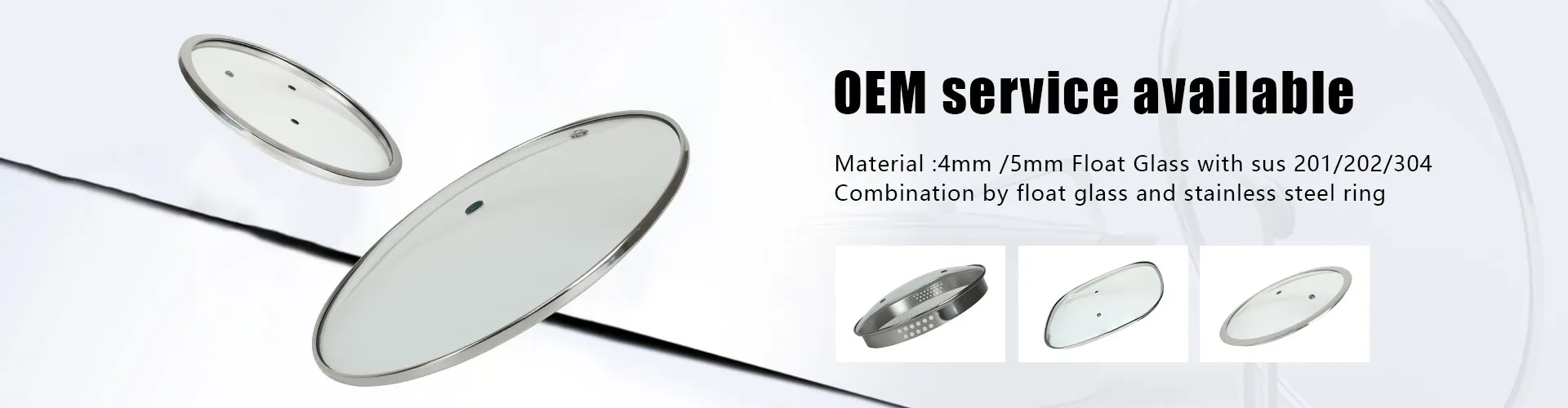
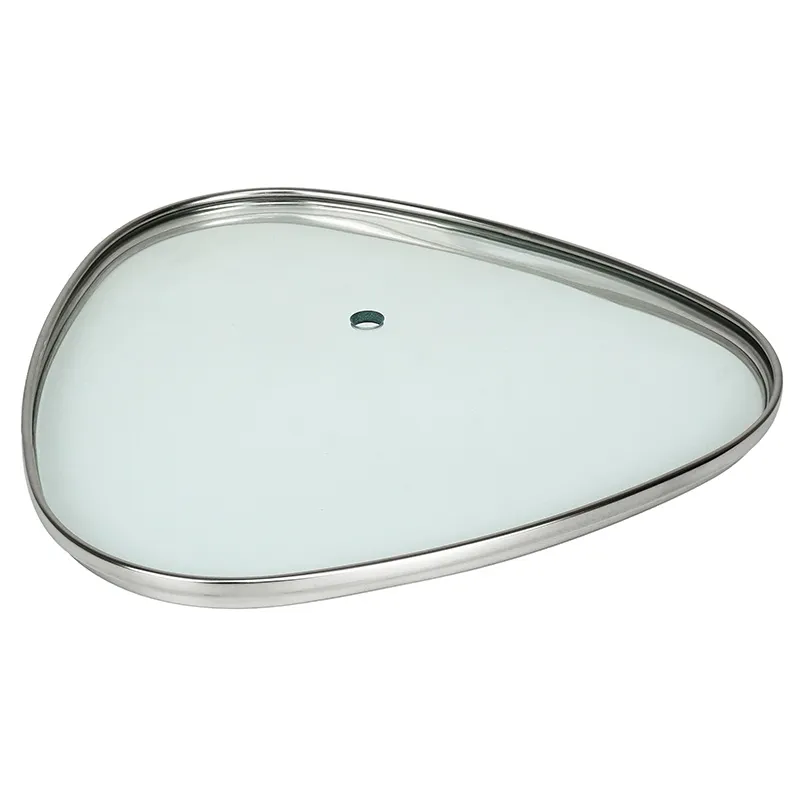
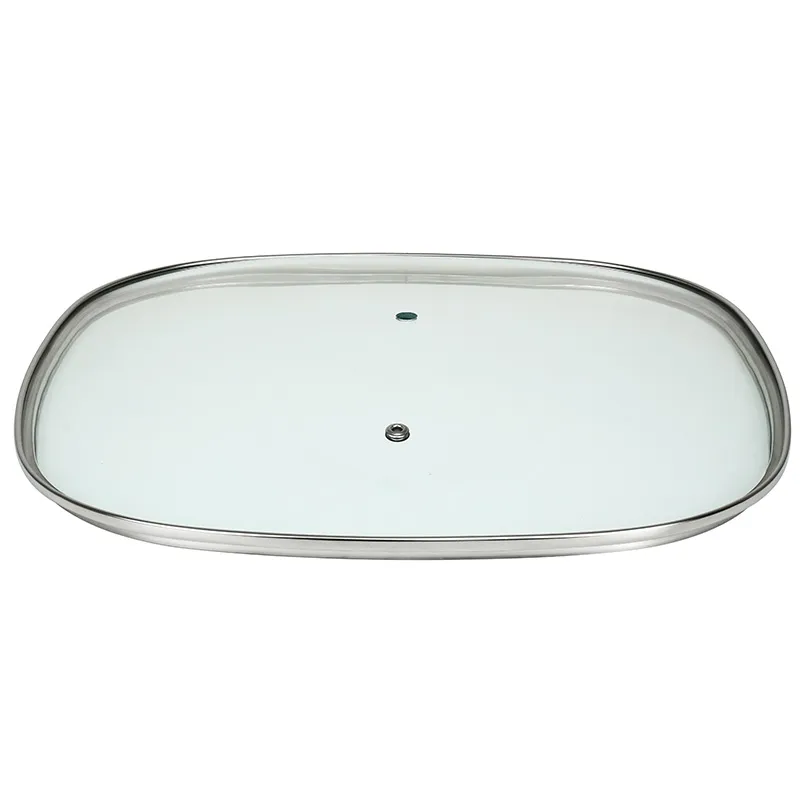
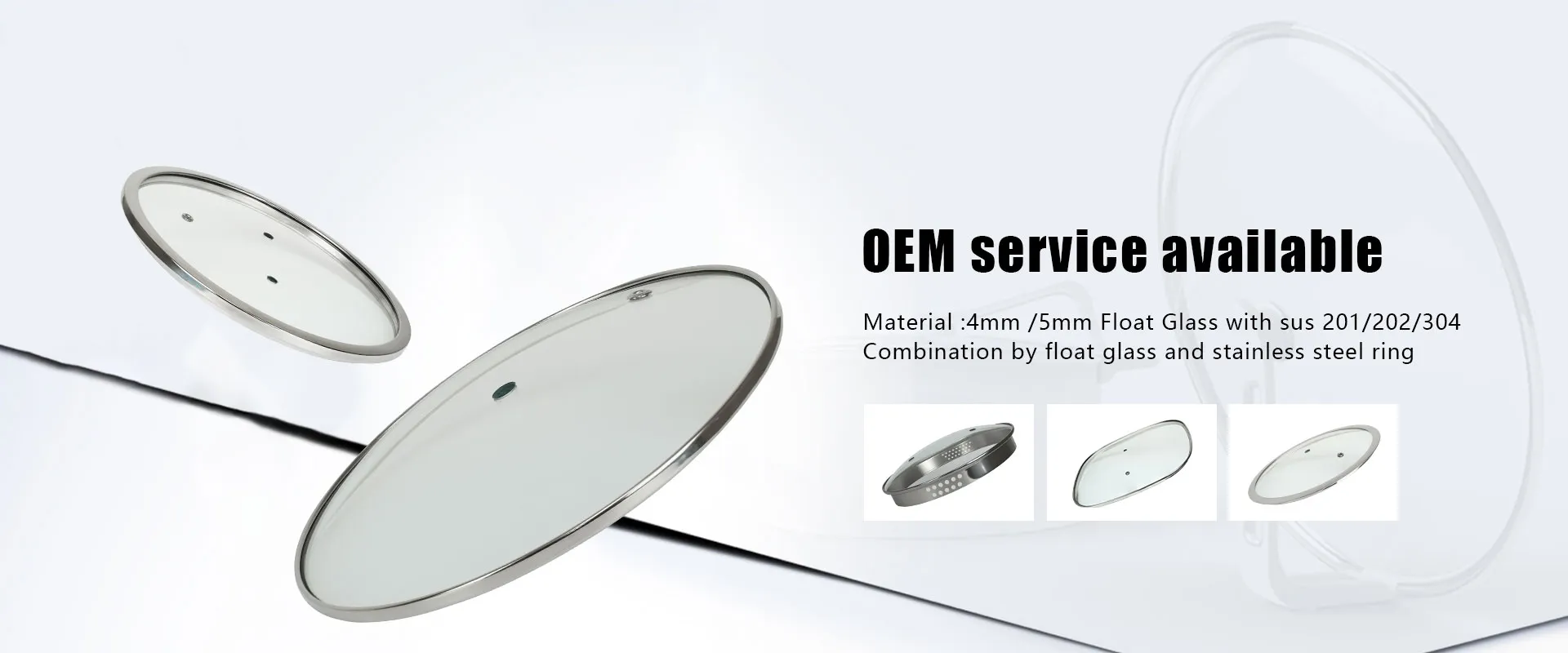
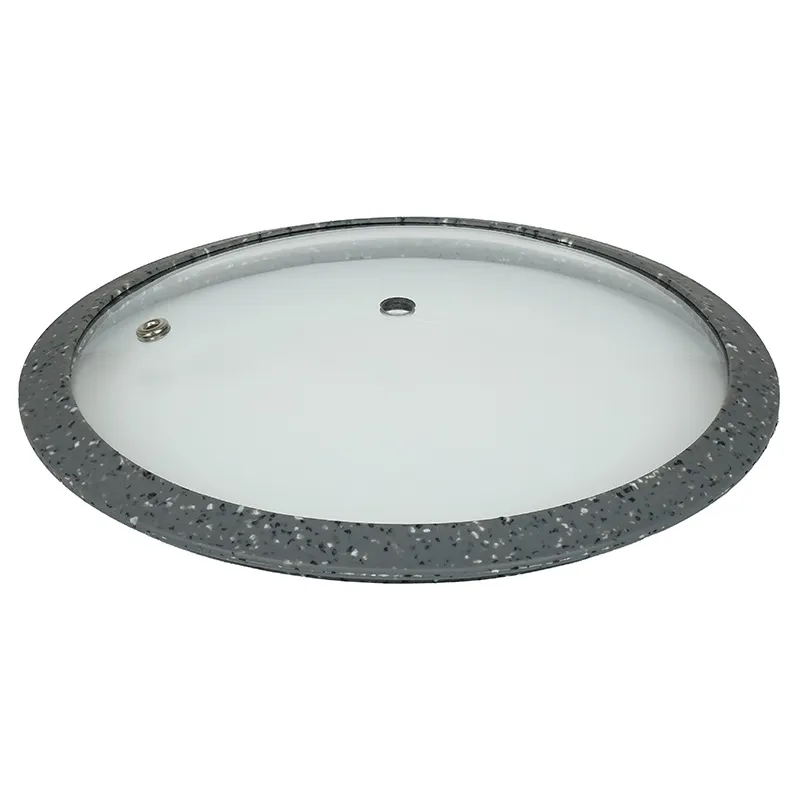
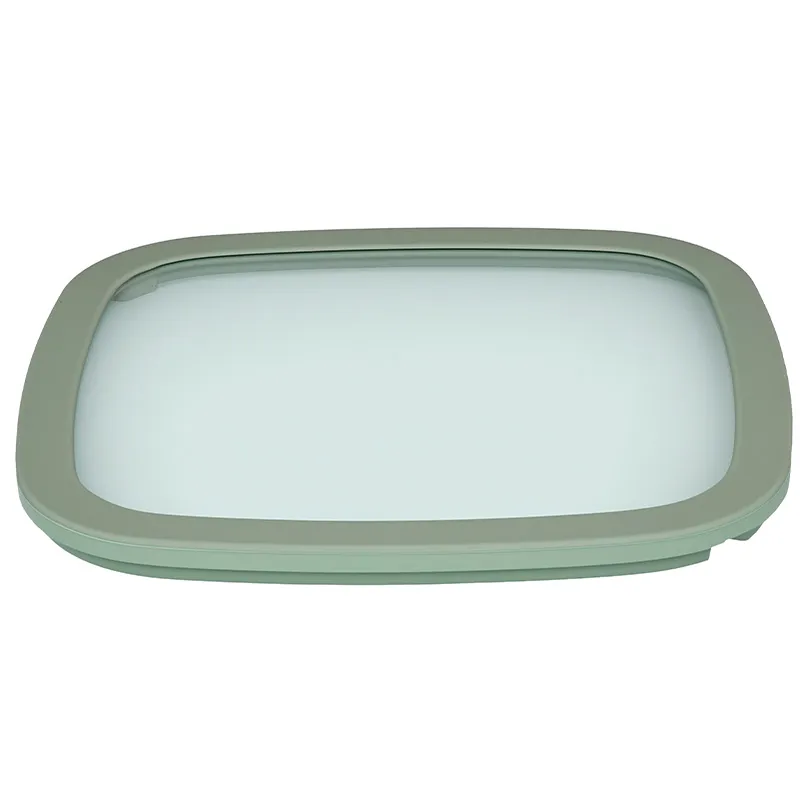
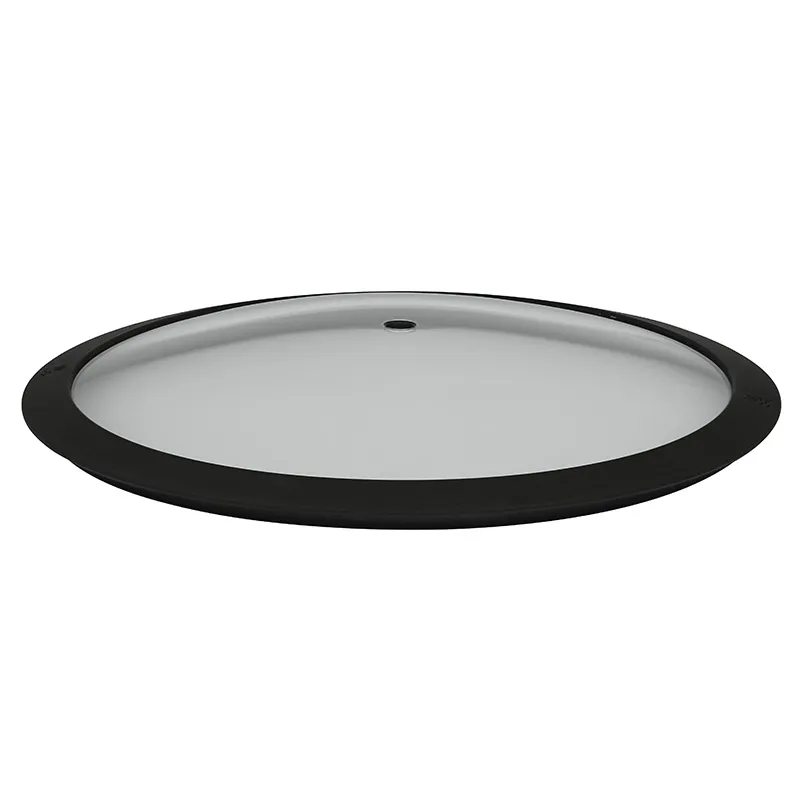
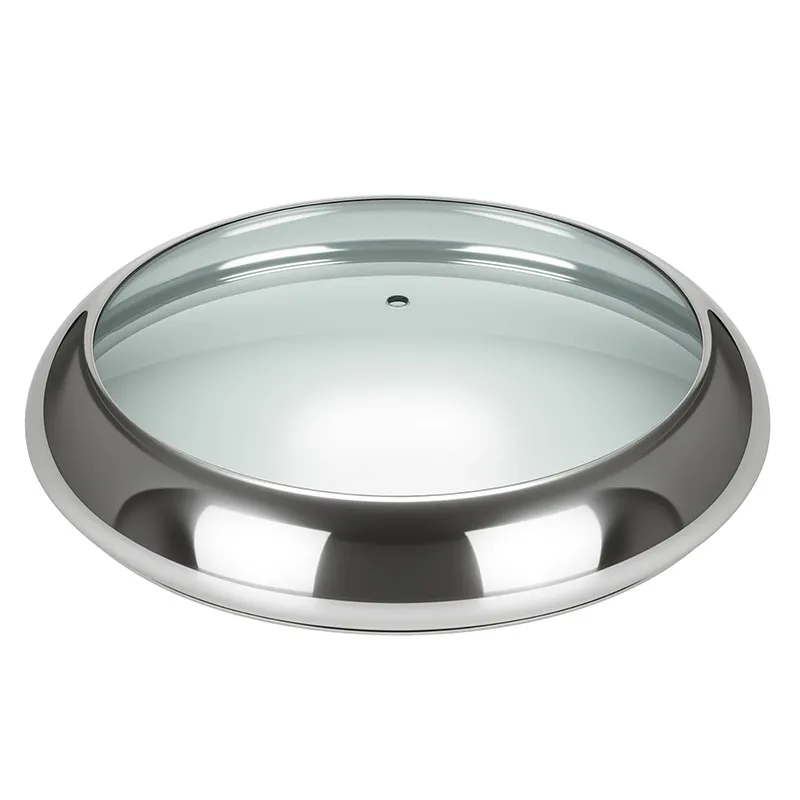
G type,T type ,C type , Rectangle,Square glass cover
You hear these terms thrown around – G type, T type, C type – and for someone new to sourcing glass lids, it sounds like a precise classification. The truth is, it's often more about regional factory shorthand than an international standard. I've seen a drawing labeled as a T type hinge from a supplier in Zhejiang, and the exact same profile called a C type by a workshop in Guangdong. The 'G' type? Sometimes it just means 'General' for a standard lift-off lid, other times it specifies a particular German-style hinge channel. This ambiguity is the first hurdle. When you're dealing with Rectangle and Square glass cover orders, especially for the European market where tolerances are tight, assuming everyone speaks the same technical language is a mistake. You learn to specify by drawing, by millimeter, not just by a letter.
The Hinge Game: More Than Just a Bend
Let's talk about the hinge itself, the core of the G/T/C mess. The functional difference comes down to the bend radius, the grip on the pot rim, and the spring mechanism (if it has one). A true C type, in my experience, often refers to a shallower, wider channel that sits over a thicker rim, common in heavier-duty cookware. The T type tends to be a taller, narrower profile. The material thickness of the stainless steel here is critical – a supplier might quote a fantastic price, but if they use a 0.5mm steel for a hinge meant for a large rectangular roaster lid, it will warp under heat and repeated use. I learned this the hard way on an early order for a client; we had returns because the lid wouldn't sit flush after a few months. The failure wasn't the Square glass cover tempering, which was perfect, but the cheap, thin metal hinge that couldn't hold its shape.
This is where a manufacturer's focus matters. A company like EUR-ASIA COOKWARE CO.,LTD (you can find their portfolio at glass-lid.com), which explicitly states a specialization in household glass products and exports over 90% to Europe, typically has this dialed in. They've had to adapt their hinge specs to meet German or French buyer inspections. Their production base in Shandong's High-tech Development Zone isn't just an address; that cluster has several metal stamping specialists, which means better local supply chain control for these critical components. They're not just buying generic hinges off a shelf.
The spring, or the lack thereof, is another judgment call. For a large Rectangle glass lid, a well-tempered spring in the hinge is a safety and usability feature. It provides that controlled, slow-open feel. A weak spring makes the lid flop open dangerously. I've spent hours in factory QC rooms testing spring tension with a gram gauge – it's tedious, but it prevents claims. Some budget lines omit the spring entirely for a simple friction fit, which is fine for small lids but a nightmare for anything over 30cm.
Glass Tempering: Where the Real Risk Lies
Everyone asks about tempered glass safety, but few ask about the edge work after tempering. For a Square glass cover, the four right angles are stress points. If the edges are ground and polished before the tempering process, you can get micro-fractures that don't show up until thermal shock in the kitchen. A proper flow does the rough cut, then tempers, then does the final edge polishing. I've rejected entire batches where the edges felt sharp or gritty – a sign the post-temper polishing was rushed. The glass should feel smooth all around, like the rim of a fine drinking glass.
Another nuance: the dimple or knob. For a rectangular lid, the placement of the lifting knob is crucial for balance. Place it directly in the center of the long axis, and you have an awkward, two-handed lift. The better design offsets it slightly towards the hinge side, creating a natural pivot point for one-handed opening. It's a small detail that separates a prototype from a production-ready product. EUR-ASIA's mention of producing over 15 million pieces annually tells me they've likely iterated on these ergonomic details through feedback from their German and Japanese clients, who are notoriously picky about user experience.
And let's not forget the printing or laser etching. Heat-resistant paint for graduations or logos needs to be applied after tempering. I once saw a factory try to save time by printing first. The tempering oven's heat burned off the ink, leaving ghostly, sticky residues on the glass surface. Total loss. The process sequence is non-negotiable.
The Rectangle vs. Square Practicality
On paper, a Square glass cover seems simpler. Four equal sides, symmetric stress. But in a production line, ensuring a perfect 90-degree corner on all four sides after tempering – which can cause slight warping – is trickier than it seems. A Rectangle lid, especially a long one, introduces a flexing risk during handling. You need a slightly thicker glass grade or a more robust frame design to prevent sagging in the middle. This is where the annual output volume of a specialist becomes relevant. A factory producing at the scale of 15 million pieces has the data to know that for a 40cm x 20cm rectangular lid, 4mm tempered glass with a specific hinge reinforcement is the sweet spot for cost and durability.
Packaging is another hidden cost. Square lids pack neatly. Rectangular ones create void spaces in standard cartons, requiring custom dividers to prevent transit breakage. If a supplier doesn't bring this up in quoting, they're either eating the cost (unlikely) or using flimsy packaging that will lead to damage. I always ask to see the export carton and inner EPS foam mold. The mold should cradle the lid's profile, not just be a rectangle hole.
Sourcing and the Level Confusion
EUR-ASIA's description mentions low- medium- high level products. This is a key insight. The level often refers less to quality and more to finish and feature sets. A low-level G type lid might be a clear, thin-tempered glass with a basic stainless steel rim, no knob, just a cut-out finger hole. A high-level version of the same size could have a sandblasted edge, a satin-finished stainless steel rim with a beveled edge, an ergonomic phenolic resin knob, and a silicone gasket integrated into the channel. They both function as lids, but the cost and perceived value are worlds apart. Knowing your market's expected level prevents you from over-specifying (and over-paying) or, worse, under-delivering.
Their export list – Germany, Russia, Italy, Brazil, Japan – is itself a lesson. The German market demands near-perfect finish and precise documentation (CE, LFGB). The Brazilian market might prioritize impact resistance and cost. A factory serving such diverse clients must have flexible production lines and quality tiers. It means they can likely accommodate both a high-volume, value-line order and a smaller batch of premium goods. When you're sourcing, asking a supplier which market is this specification typically for? tells you more than a dozen product brochures.
Final thought: the website address, glass-lid.com, is telling. It's specific. In this industry, a overly generic or flashy website often signals a trading company. A direct, product-specific domain suggests a focus, likely a factory with an established export desk. It's not a guarantee, but it's one of those small, real-world data points you start to collect. You combine that with their stated location in an industrial zone, the employee count, and the export percentage, and you begin to build a picture of a specialized manufacturer, not a general merchandise outfit. That's where you want to be for something as technically nuanced as a reliable, well-made glass lid.
Related Products
Related Products