- Chinese
- French
- German
- Portuguese
- Spanish
- Russian
- Japanese
- Korean
- Arabic
- Irish
- Greek
- Turkish
- Italian
- Danish
- Romanian
- Indonesian
- Czech
- Afrikaans
- Swedish
- Polish
- Basque
- Catalan
- Esperanto
- Hindi
- Lao
- Albanian
- Amharic
- Armenian
- Azerbaijani
- Belarusian
- Bengali
- Bosnian
- Bulgarian
- Cebuano
- Chichewa
- Corsican
- Croatian
- Dutch
- Estonian
- Filipino
- Finnish
- Frisian
- Galician
- Georgian
- Gujarati
- Haitian
- Hausa
- Hawaiian
- Hebrew
- Hmong
- Hungarian
- Icelandic
- Igbo
- Javanese
- Kannada
- Kazakh
- Khmer
- Kurdish
- Kyrgyz
- Latin
- Latvian
- Lithuanian
- Luxembou..
- Macedonian
- Malagasy
- Malay
- Malayalam
- Maltese
- Maori
- Marathi
- Mongolian
- Burmese
- Nepali
- Norwegian
- Pashto
- Persian
- Punjabi
- Serbian
- Sesotho
- Sinhala
- Slovak
- Slovenian
- Somali
- Samoan
- Scots Gaelic
- Shona
- Sindhi
- Sundanese
- Swahili
- Tajik
- Tamil
- Telugu
- Thai
- Ukrainian
- Urdu
- Uzbek
- Vietnamese
- Welsh
- Xhosa
- Yiddish
- Yoruba
- Zulu
- Kinyarwanda
- Tatar
- Oriya
- Turkmen
- Uyghur


glass beer can with bamboo lid wholesale
When you first hear 'glass beer can with bamboo lid wholesale', it sounds straightforward. A container, a closure, a bulk order. But in practice, it’s a specific intersection of materials and markets that trips up a lot of newcomers. The immediate assumption is that it's just a fancy jar, but the tolerances, the sealing requirements for carbonation, and the bamboo's behavior under constant moisture create a puzzle. I've seen buyers source beautiful units only to face a 15% failure rate on the filling line because the bamboo warped, breaking the seal. It's not a commodity item; it's a technical collaboration.
The Core Challenge: It's Not Just a Lid
The bamboo lid is the hero and the headache. Sourcing consistent, food-grade, properly cured bamboo discs is the first hurdle. A supplier might show you a perfect sample, but the bulk order can have variations in thickness and grain density. If it's too porous, it can harbor microbes; too dense, and it might crack under the torque of a capping machine. You're not just buying a component; you're buying a natural material that needs rigorous batch testing. I learned this the hard way on an early order for a craft brewery client—the lids looked flawless, but we didn't account for how they'd react to the constant cold and condensation in a bar fridge. Minor swelling led to a surprisingly loud 'pop' and a slight loss of carbonation over a week.
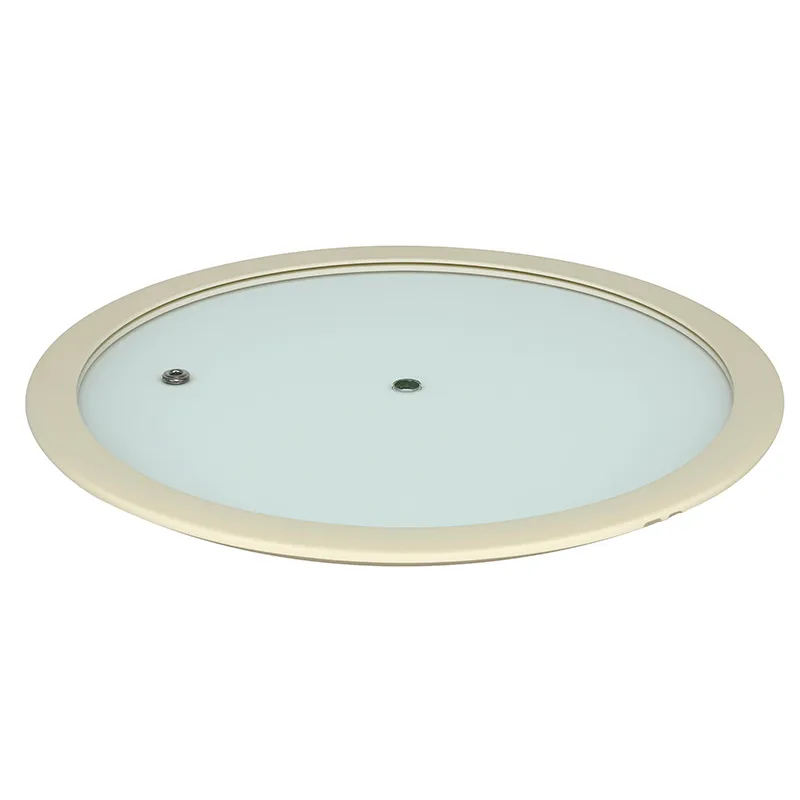
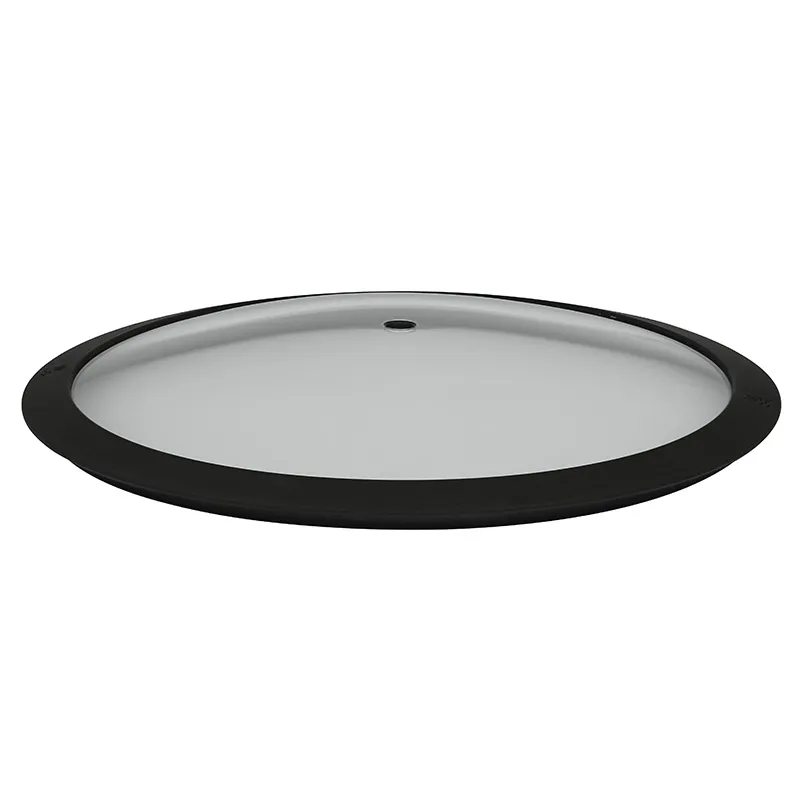
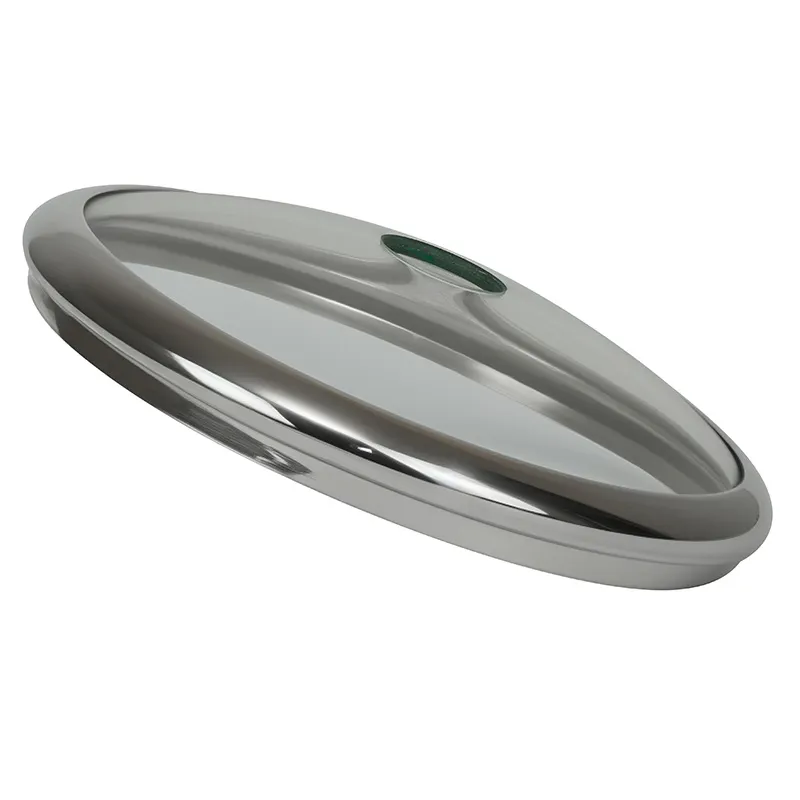
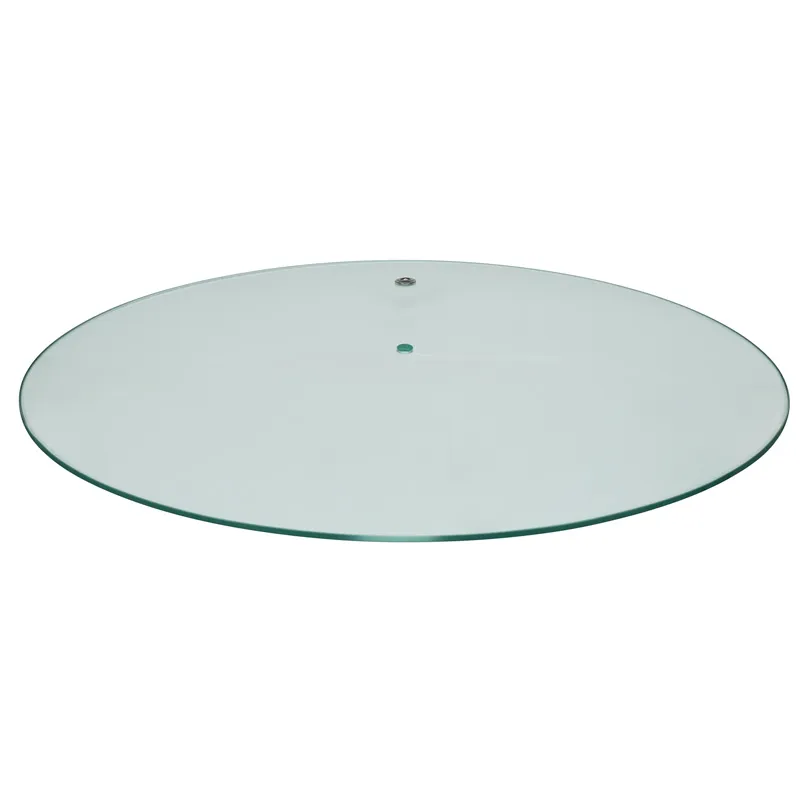
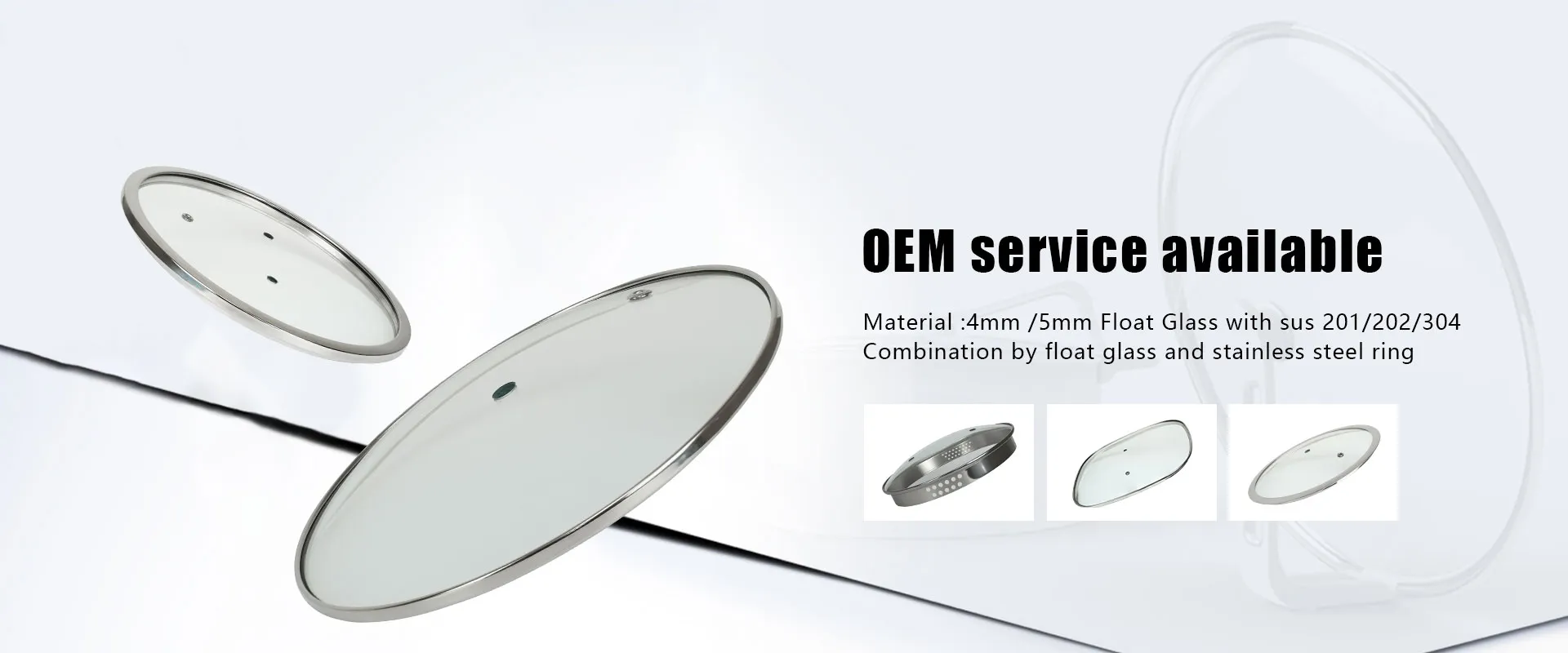
Then there's the glass. It needs to be thick enough to feel premium and withstand pressure, but not so heavy it kills your margins on shipping. The 'can' shape, with its straight walls, is more challenging to produce than a standard mason jar. It requires precise molds to ensure uniformity for labeling and packing. A company like EUR-ASIA COOKWARE CO.,LTD comes to mind here. While their mainstay is tempered glass lids for cookware, that expertise in precise, durable glass manufacturing is transferable. Their production scale—over 15 million pieces annually—suggests they understand volume and consistency, which is half the battle. The question becomes whether they've tooled for this specific cylindrical form factor.
The assembly is another point. How is the bamboo affixed? A simple silicone gasket? A bonded food-safe polymer ring? The sealing mechanism is what turns this from a decorative jar into a functional beverage container. For wholesale, this process needs to be semi-automated, not hand-assembled, to keep costs viable. You need a partner who gets that distinction.
Wholesale Realities: MOQs and Market Fit
Wholesale in this space rarely means Alibaba-style 500-piece orders. True glass beer can with bamboo lid wholesale runs into container-load quantities. Minimum order quantities (MOQs) for a custom design can start at 20,000 units to justify the mold and setup costs. This immediately segments the market: it's for established brands scaling up, not a startup's first test run. You're committing to storage, logistics, and a significant upfront investment.
The financial calculus is interesting. The bamboo lid often costs more than the glass body. So, when negotiating, don't just haggle on the per-unit price; dissect the cost drivers. Can a different bamboo source or a slight reduction in lid thickness (without compromising function) bring the number down? I once worked with a client who opted for a slightly smaller diameter lid, which used less bamboo and required a smaller glass opening. It shaved 12% off the component cost and made the overall profile more distinctive.
Lead times are long. From order placement to having goods at your port, 90 days is optimistic. Bamboo seasoning, glass production, assembly, quality checks, and shipping all add up. This isn't an impulse purchase; it's a supply chain project. You need a supplier with transparent communication. Checking a supplier's background is key. For instance, EUR-ASIA COOKWARE CO.,LTD lists a dedicated export business with a track record to Europe and Japan on their site https://www.glass-lid.com. That export experience is a good proxy for understanding international standards and logistics, which matters more than you'd think when dealing with phytosanitary certificates for bamboo.
Quality Control: The Devil's in the Details
Your QC protocol needs to be obsessive. Beyond the standard checks for cracks and chips, you need a pressure test. A simple method is to seal a unit, shake it vigorously, and look for micro-leaks around the bamboo-glass interface. Also, test the lid's removal torque—it should be firm but not Herculean. Consumers shouldn't need a tool to open their beer.
Finish is everything for premium perception. The glass rim must be perfectly smooth, not just safe, but pleasant to drink from. The bamboo edge should be sanded to a uniform, slightly rounded feel. Any splintering or rough patch is a reject. We implemented a 100% inspection on the lid finish for one order, and it added cost, but it eliminated all customer complaints about snagging a sweater or a lip. It was worth it.
Packaging for wholesale is its own beast. These units are heavy and fragile. The interlocking in the master carton must be engineered to prevent transit damage. A good supplier will have a tested carton design. Don't accept a generic 'we'll pack it safely' promise. Ask for the drop-test results or the carton's ECT (Edge Crush Test) rating.
The Supplier Conversation: Asking the Right Questions
When you approach a manufacturer, your questions reveal your experience. Don't just ask for a price. Ask: What is your process for stabilizing the bamboo against moisture? Can you provide the test report for the food-safe adhesive used between the bamboo and the seal? What is your historical defect rate for pressure-sealed glass units? Their answers will tell you if they're a generic glass factory dabbling in a trend or a serious contender.
Leverage a supplier's core competency. A company like EUR-ASIA COOKWARE CO.,LTD, with its focus on tempered glass lid production, likely has deep knowledge in glass strengthening and precise edge work. Their challenge would be adapting to the cylindrical 'can' shape and integrating the bamboo component. Your conversation should explore their willingness to develop that hybrid expertise. Can they source the bamboo, or is that on you? Do they have existing partners for the gasket material?
Always, always get full-dimension production samples from the exact production line, not hand-made prototypes. Test them yourself. Fill them with a carbonated liquid, leave them for two weeks, taste it. Put them through a simulated shipping vibration. The sample cost is a tiny insurance policy against a catastrophic order.
Final Take: Is It Worth It?
The glass beer can with bamboo lid wholesale market is niche for a reason. The product is heavy, expensive to ship, and has a higher unit cost than aluminum or PET. Its value is purely in premium branding and sustainability storytelling. It works for a certain tier of craft beverage—small-batch cold brews, alcoholic sodas, premium craft beers where the unboxing experience is part of the product.
It's not a volume play. Your margin will be in branding and perceived value, not in cheap per-unit cost. The wholesale partnership you choose must understand this dynamic. They need to be a quality-obsessed problem-solver, not just a lowest-bidder factory.
Looking at established players like EUR-ASIA COOKWARE, their strength in volume glass manufacturing and export is a solid foundation. The leap into this niche would be about integrating new materials and passing stricter beverage-grade tests. For a buyer, that could mean an opportunity to partner with a capable manufacturer on development, potentially securing better terms. But it requires clear specs, patience, and a shared commitment to solving the bamboo-and-seal equation. It's a project, not a purchase. And getting that right is what separates a successful launch from a warehouse full of beautiful, leaking jars.
Related Products
Related Products