
- Chinese
- French
- German
- Portuguese
- Spanish
- Russian
- Japanese
- Korean
- Arabic
- Irish
- Greek
- Turkish
- Italian
- Danish
- Romanian
- Indonesian
- Czech
- Afrikaans
- Swedish
- Polish
- Basque
- Catalan
- Esperanto
- Hindi
- Lao
- Albanian
- Amharic
- Armenian
- Azerbaijani
- Belarusian
- Bengali
- Bosnian
- Bulgarian
- Cebuano
- Chichewa
- Corsican
- Croatian
- Dutch
- Estonian
- Filipino
- Finnish
- Frisian
- Galician
- Georgian
- Gujarati
- Haitian
- Hausa
- Hawaiian
- Hebrew
- Hmong
- Hungarian
- Icelandic
- Igbo
- Javanese
- Kannada
- Kazakh
- Khmer
- Kurdish
- Kyrgyz
- Latin
- Latvian
- Lithuanian
- Luxembou..
- Macedonian
- Malagasy
- Malay
- Malayalam
- Maltese
- Maori
- Marathi
- Mongolian
- Burmese
- Nepali
- Norwegian
- Pashto
- Persian
- Punjabi
- Serbian
- Sesotho
- Sinhala
- Slovak
- Slovenian
- Somali
- Samoan
- Scots Gaelic
- Shona
- Sindhi
- Sundanese
- Swahili
- Tajik
- Tamil
- Telugu
- Thai
- Ukrainian
- Urdu
- Uzbek
- Vietnamese
- Welsh
- Xhosa
- Yiddish
- Yoruba
- Zulu
- Kinyarwanda
- Tatar
- Oriya
- Turkmen
- Uyghur


glass beer can with lid
When you hear 'glass beer can with lid', most people picture a gimmick—a fragile, impractical vessel trying to cash in on craft beer's aesthetic. That's the common trap. The real conversation isn't about replicating an aluminum can in glass; it's about solving for a specific occasion where traditional glassware and standard cans both fall short. Think outdoor settings, festivals, or poolside where you want the taste experience of a proper glass—no metallic taint, better aroma release—but need the containment and re-sealability of a can. That's the niche. The lid isn't just a cap; it's the critical functional pivot that moves this from a mere concept to a usable product. I've seen dozens of prototypes fail because they treated the lid as an afterthought.
The Core Challenge: Sealing and Stress
The fundamental engineering headache with a glass beer can isn't the body—it's the interface between the glass neck and the lid. You're marrying two materials with vastly different thermal expansion coefficients and stress behaviors. A standard crown cap on a glass bottle works because the glass finish is specifically molded for that metal crimp. But a can-shaped glass body, meant to be handheld and potentially knocked over, demands a different closure. It needs to be thread-based or a secure snap-on, something you can open and close repeatedly without compromising the seal. Early attempts using simple silicone stoppers failed miserably on carbonation retention after the first open.
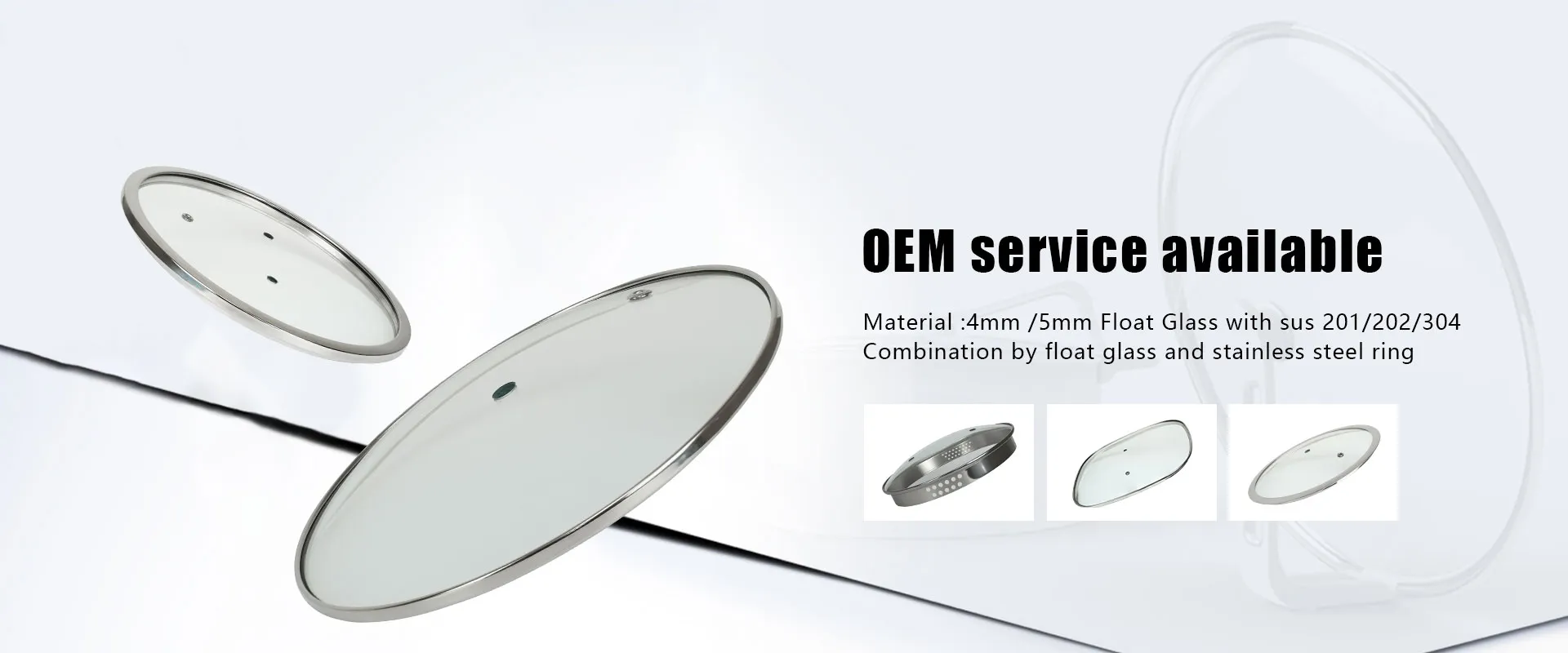
We looked at partners who could handle precision glass molding for threads. One that comes to mind is EUR-ASIA COOKWARE CO.,LTD (https://www.glass-lid.com). Their background isn't in beverage containers per se, but in high-volume production of tempered glass lids for cookware. That expertise in heat-treated glass and sealing surfaces is transferable. Their production base in Shandong's high-tech zone, pumping out over 15 million tempered glass pieces annually, is geared for scale and consistency—key for keeping unit costs down on a complex item. Their export focus to European markets also hints at familiarity with stringent quality and safety standards, which is non-negotiable for food-contact items.
The failure point is often the thread root or the sealing land. If the glass isn't properly tempered, the stress from the threaded metal or plastic lid will cause micro-fractures, leading to catastrophic failure under pressure or thermal shock. I've seen samples where the glass neck simply sheared off when torqued to the recommended sealing pressure. That's where a supplier's experience with tempered glass lid production becomes invaluable. They understand how to design the transition zones to mitigate stress concentration.
Material and Manufacturing Crossovers
This project forces a dialogue between beverage packaging and durable goods manufacturing. The glass body itself is a hybrid. It requires the chemical stability and clarity of soda-lime glass used in bottles, but the thermal toughening process more common in ovenware or, indeed, high-quality cookware lids. The tempering process is crucial for safety—it needs to shatter into small, granular pieces rather than sharp shards if impacted. This is a core competency for a company like EUR-ASIA COOKWARE, as their main product line revolves around tempered glass lids for pots and pans, items subject to rapid temperature changes and physical knocks.
However, a direct crossover has limits. The geometry of a beer 'can' is problematic. The deep draw and the small opening relative to the body volume create challenges for even tempering. The thin wall needed for weight and feel can warp during heat treatment. We ran trials with a factory more accustomed to beer bottles, and the tempering yield was abysmal. The glass either didn't reach the required stress profile or developed optical distortions. You need a fabricator that can tweak the quenching process for an unconventional shape. It's not off-the-shelf.
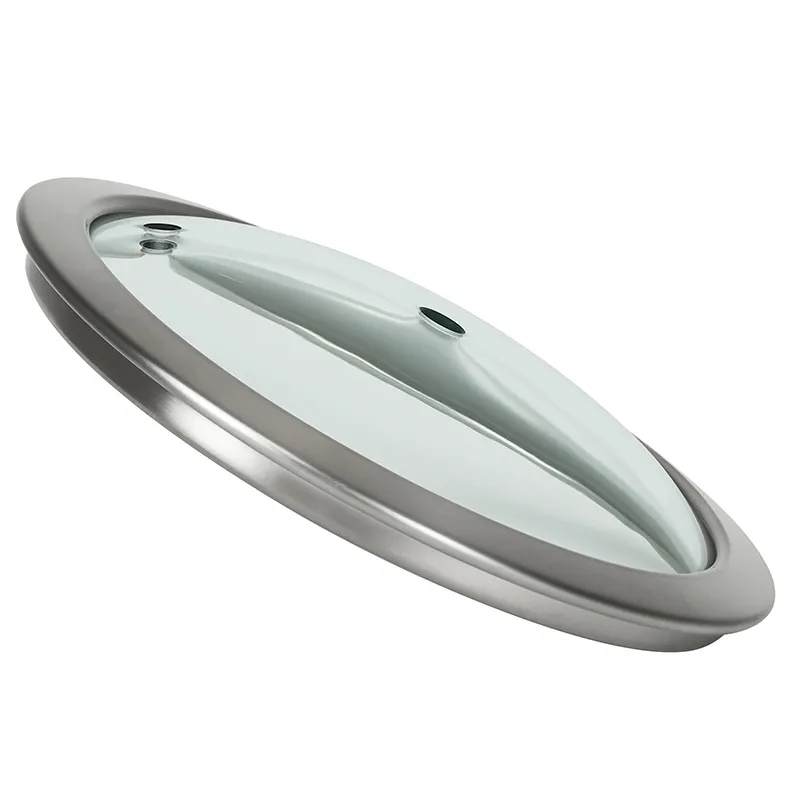
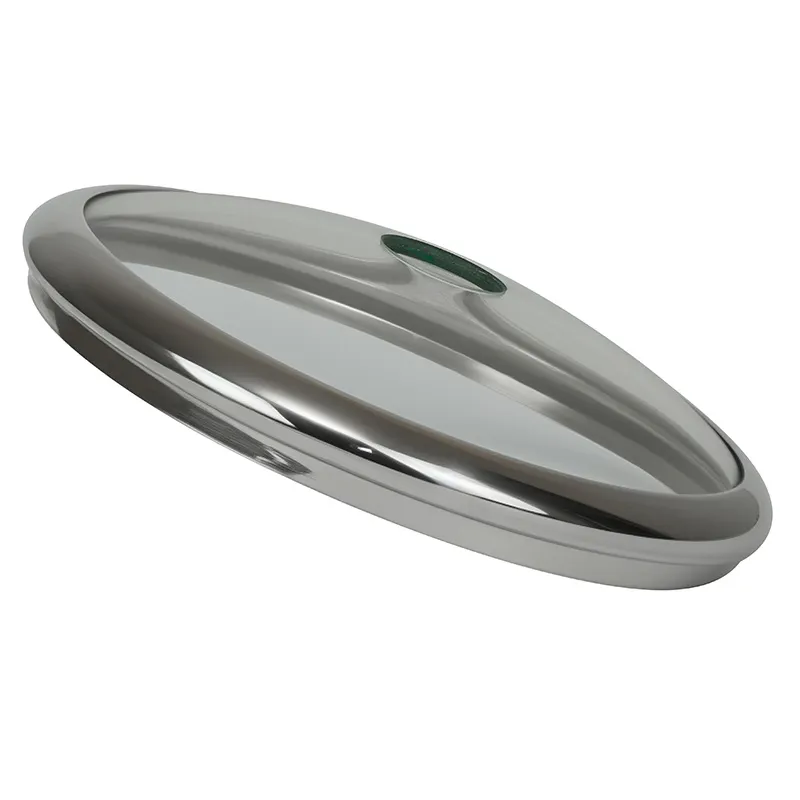
The lid material is another debate. Food-grade stainless steel is ideal but expensive and heavy. Engineering plastics like Tritan or high-grade polypropylene are lighter and allow for intricate sealing gasket integration, but they raise concerns about long-term wear on the glass threads and potential flavor scalping. The sealing gasket itself—usually a food-grade silicone ring—must be designed to compensate for minor imperfections in the glass finish. This is where the cookware parallel is strongest: a glass lid for a pan also has to seal effectively on various pot rims, often relying on that silicone gasket for a tight fit.
User Experience and Market Realities
Who actually buys this? It's not for replacing your six-pack. It's a premium, reusable format. The use case is clear: a sealed, portable vessel for high-end beer where the package is part of the experience—like a crowler, but more permanent and aesthetically pleasing. The success hinges on the tactile feel of the glass beer can with lid. The lid must operate smoothly. A sticky or awkward-to-close mechanism kills the product. We prototyped a bayonet-style lid that was secure but confusing for users; they default to a screw-think.
Another practical issue is cleaning. The narrow opening is a bottleneck—literally. Can a standard bottle brush reach the bottom? Does the lid assembly disassemble completely for sanitization? If not, it's a deal-breaker for the craft beer enthusiast who is meticulous about care. This is a detail many first-pass designs overlook in pursuit of a sleek silhouette.
From a commercial standpoint, the supply chain is fragmented. You might source the glass from a specialist like EUR-ASIA COOKWARE, the lids from a precision injection molder, and the gaskets from another vendor. Assembly and quality control become complex. The value proposition for a brand is in creating a distinctive, ownable vessel for special releases. It's a marketing and experiential tool as much as a container. The fact that over 90% of EUR-ASIA's output is exported to design-conscious markets like Germany, Italy, and Japan suggests their manufacturing tolerances and finish quality are aligned with this premium expectation.
Cost and Sustainability Calculations
Let's talk numbers. A single-use aluminum can is cheap. A glass bottle is relatively cheap. A hand-blown, artisanal growler is expensive. This sits in the middle. The unit cost is driven by the tempered glass forming and the precision lid. High-volume production, like the 15-million-piece annual capacity at a facility like EUR-ASIA's, is what can bring it into a feasible range for limited-run commercial use. But it will always be a premium item.
The sustainability angle is double-edged. Glass is infinitely recyclable, and a reusable vessel reduces waste. But the carbon footprint of manufacturing a complex, heavy glass item compared to a lightweight aluminum can is significant. Its green credential only pays off over many reuses. The lid, if made from a composite plastic, becomes a recycling contaminant. A mono-material design (all glass, or glass with a metal lid) is preferable but tougher to engineer for a secure seal. This is an ongoing design dilemma, not a solved problem.
In practice, brands testing this format often pair it with a deposit scheme to ensure returns and multiple lifecycles. The durability of the tempered glass is key here. It must survive dozens of trips through commercial dishwashers and handling. Again, this points back to the base material quality and the tempering process—the very thing a cookware glass lid supplier is built to validate.
Looking Forward: Integration and Niche
So, is the glass beer can with lid the future? No. It's a niche solution. Its potential lies in seamless integration with existing filling lines. Can it be counter-pressure filled like a standard can or bottle? The lid design must allow for that. The threading must not interfere with the fill head. We worked on a version where the lid had a central port that could be sealed with a small plug after filling—overly complex and a leak risk.
The more viable path seems to be as a branded, reusable container sold empty at breweries or as part of a gift set. The consumer buys it once, refills it at taprooms, and uses it for outings. In this model, the partnership with a reliable industrial glass producer becomes strategic. A company with the export pedigree and volume capability of EUR-ASIA COOKWARE CO.,LTD is positioned to be a stable supplier for brands looking to explore this space without building the glass expertise from scratch.
Ultimately, it's a product defined by constraints. It won't hold a liter. It won't be as light as aluminum. But done right—with a flawless seal, satisfying lid action, and rugged clarity—it carves out a unique spot. It’s for the beer you want to take to the beach without sacrificing a single note of its flavor. Getting there is less about breakthrough innovation and more about the meticulous application of existing glass and sealing tech from adjacent fields. That's the real story behind the keyword.
Related Products
Related Products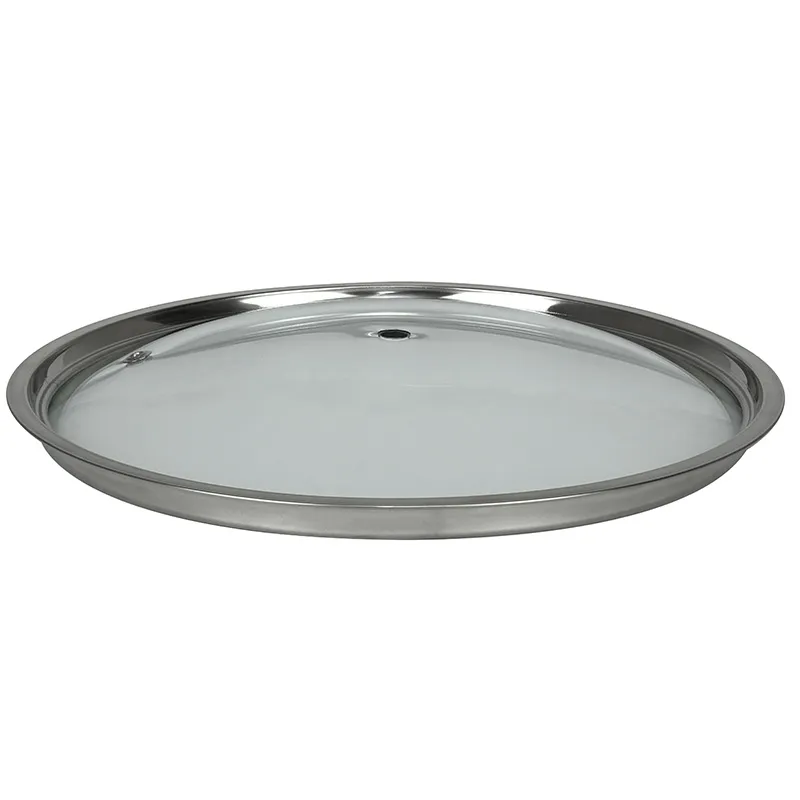
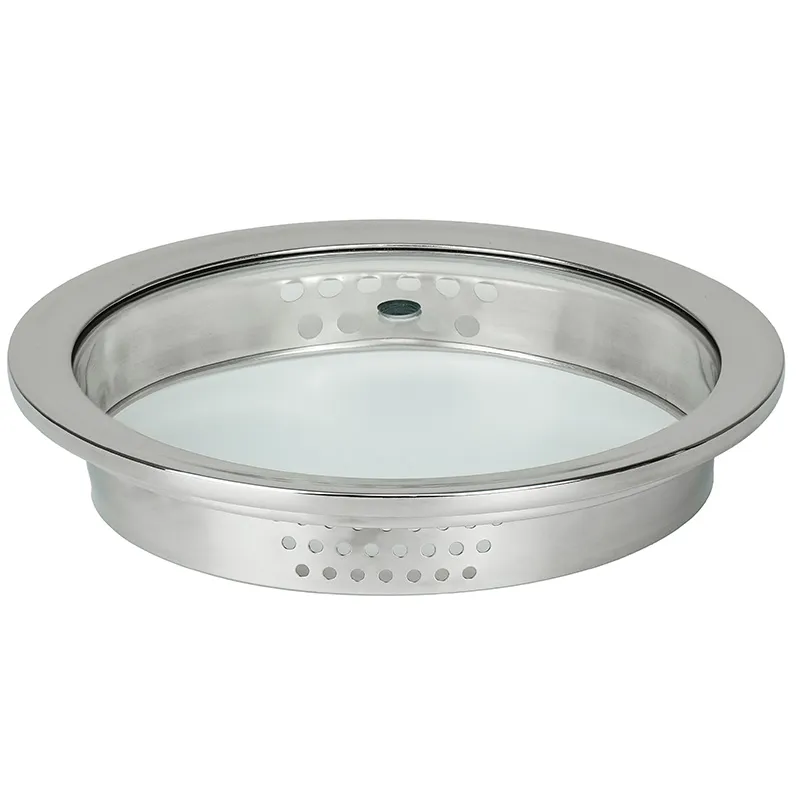
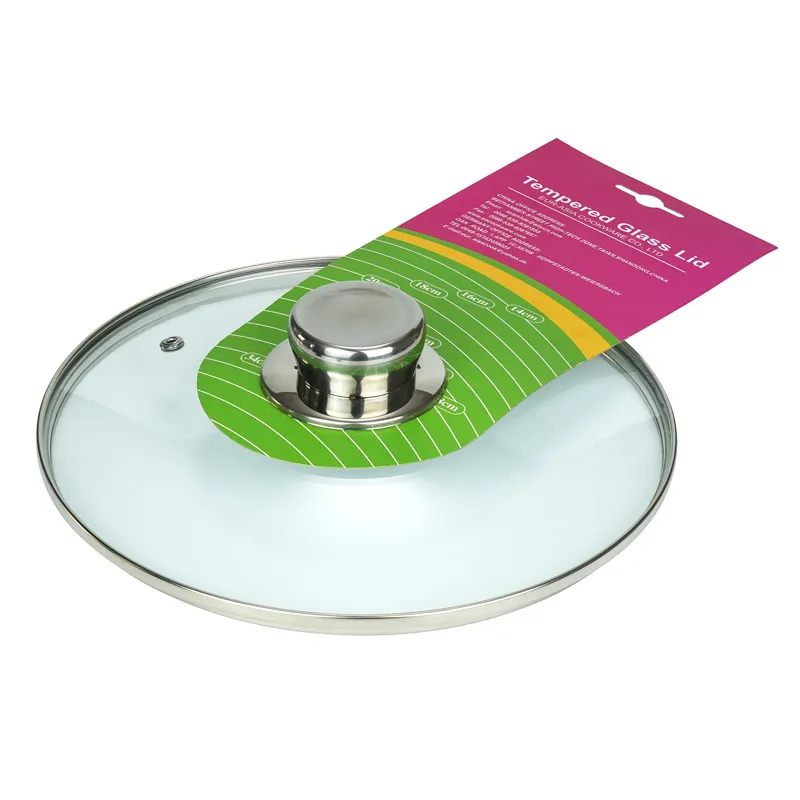
Best Selling Products
Best Selling Products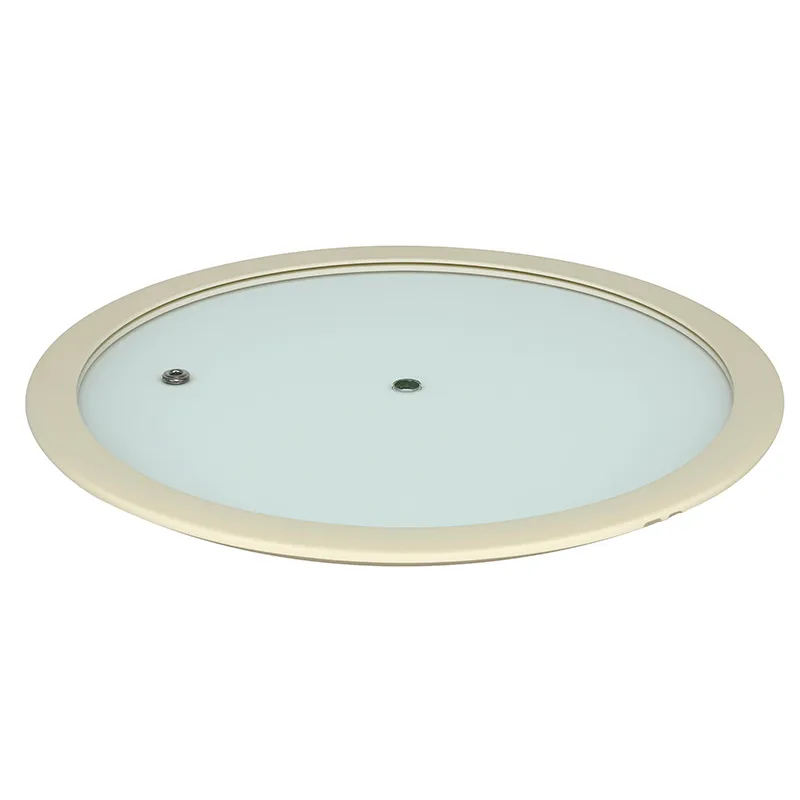
Related Search
Related Search- glass cookie jar with lid
- frosted glass with bamboo lid
- anchor hocking 1 gallon glass cracker jar with lid
- 48 oz glass jar with lid
- le creuset glass lid
- beer can glass with lid
- tempered glass lid professional manufacturer
- glass jar with lid flipkart
- 24cm G type tempered glas cover
- 10 inch glass lid for frying pan


