- Chinese
- French
- German
- Portuguese
- Spanish
- Russian
- Japanese
- Korean
- Arabic
- Irish
- Greek
- Turkish
- Italian
- Danish
- Romanian
- Indonesian
- Czech
- Afrikaans
- Swedish
- Polish
- Basque
- Catalan
- Esperanto
- Hindi
- Lao
- Albanian
- Amharic
- Armenian
- Azerbaijani
- Belarusian
- Bengali
- Bosnian
- Bulgarian
- Cebuano
- Chichewa
- Corsican
- Croatian
- Dutch
- Estonian
- Filipino
- Finnish
- Frisian
- Galician
- Georgian
- Gujarati
- Haitian
- Hausa
- Hawaiian
- Hebrew
- Hmong
- Hungarian
- Icelandic
- Igbo
- Javanese
- Kannada
- Kazakh
- Khmer
- Kurdish
- Kyrgyz
- Latin
- Latvian
- Lithuanian
- Luxembou..
- Macedonian
- Malagasy
- Malay
- Malayalam
- Maltese
- Maori
- Marathi
- Mongolian
- Burmese
- Nepali
- Norwegian
- Pashto
- Persian
- Punjabi
- Serbian
- Sesotho
- Sinhala
- Slovak
- Slovenian
- Somali
- Samoan
- Scots Gaelic
- Shona
- Sindhi
- Sundanese
- Swahili
- Tajik
- Tamil
- Telugu
- Thai
- Ukrainian
- Urdu
- Uzbek
- Vietnamese
- Welsh
- Xhosa
- Yiddish
- Yoruba
- Zulu
- Kinyarwanda
- Tatar
- Oriya
- Turkmen
- Uyghur

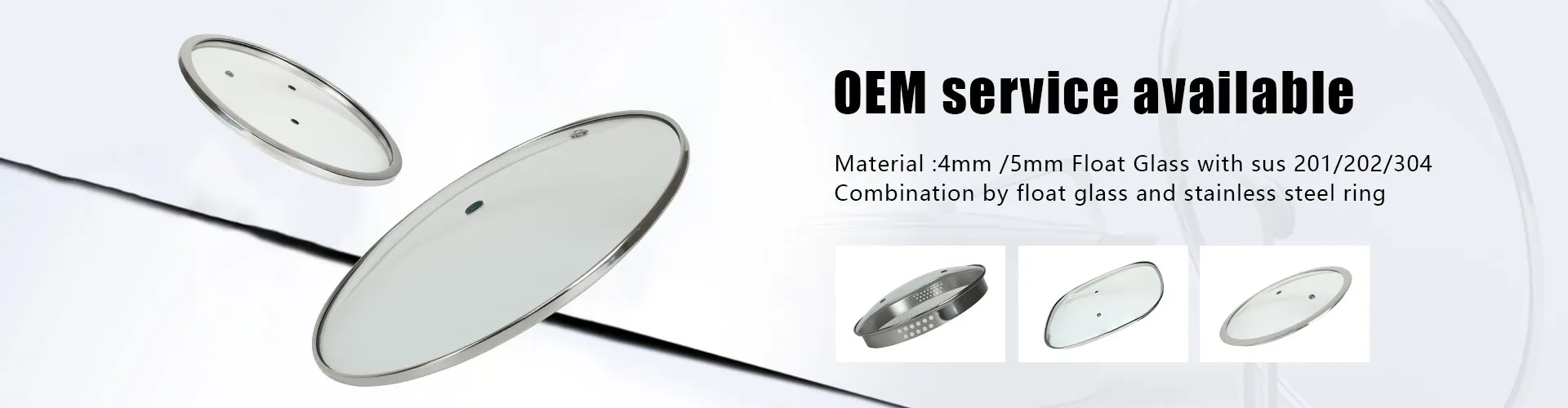
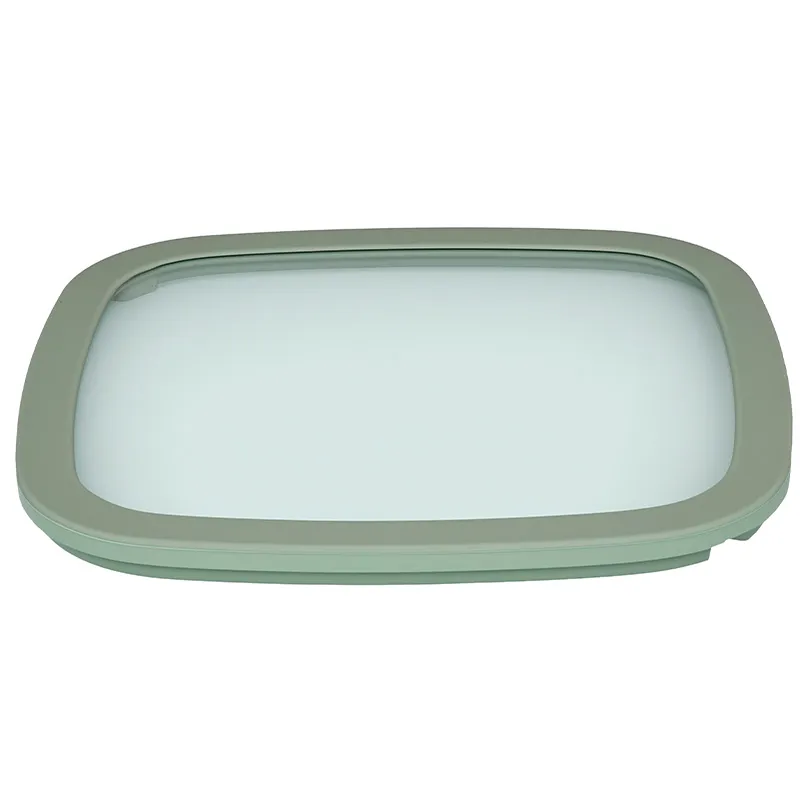
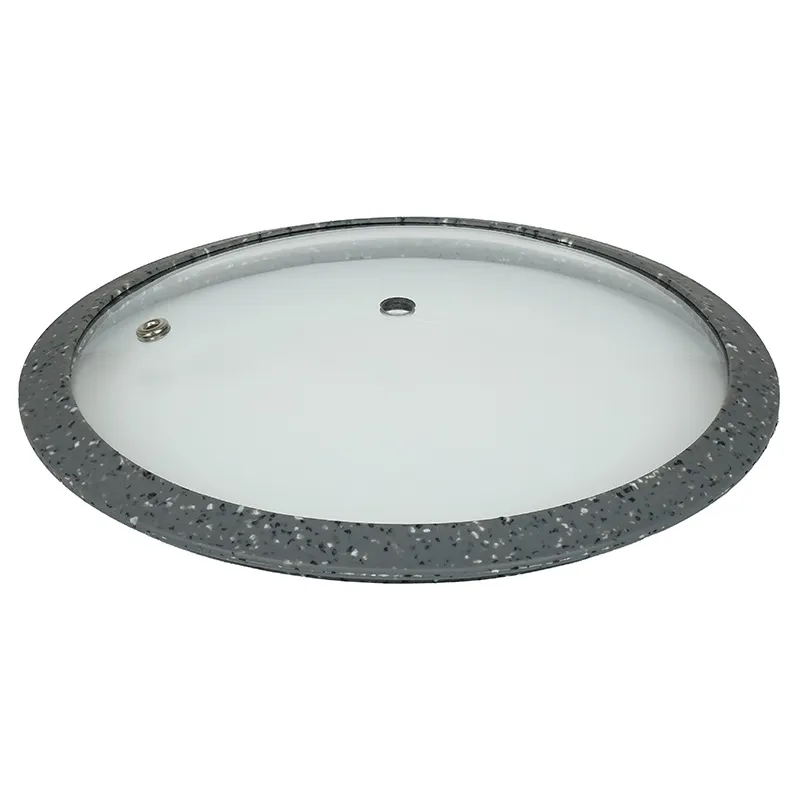
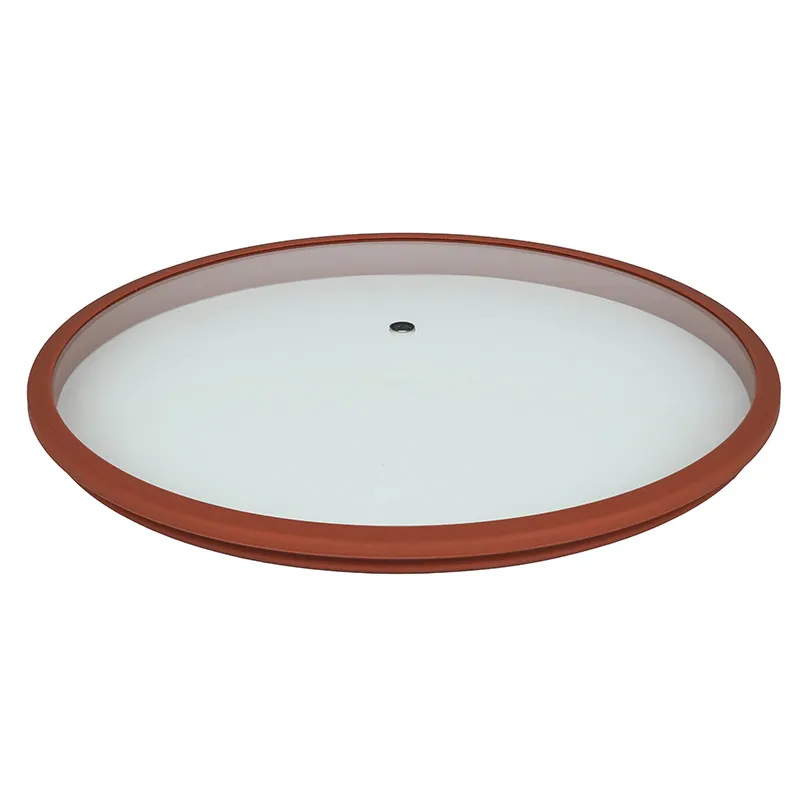
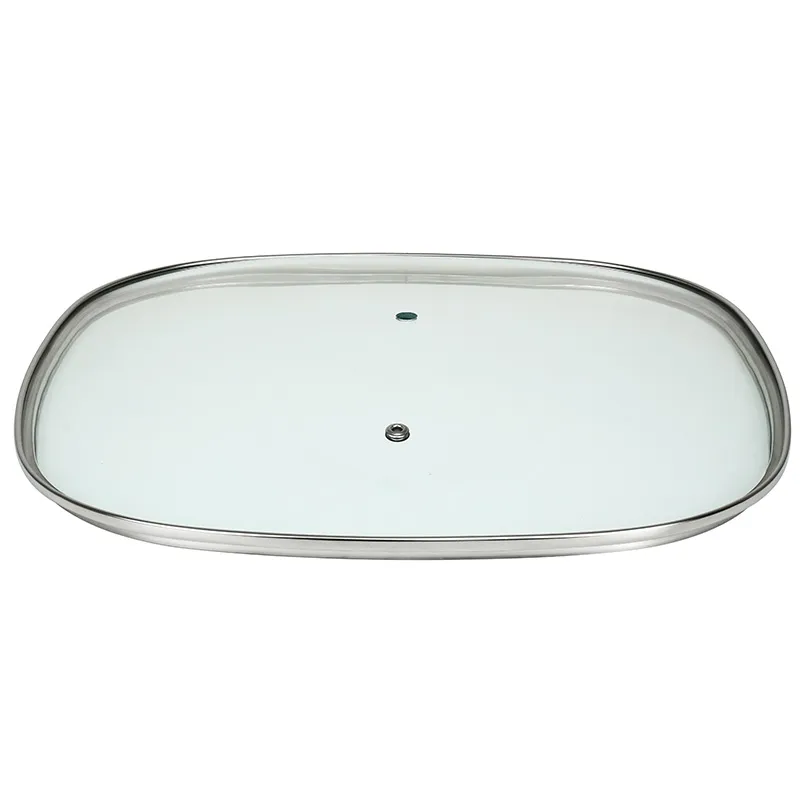
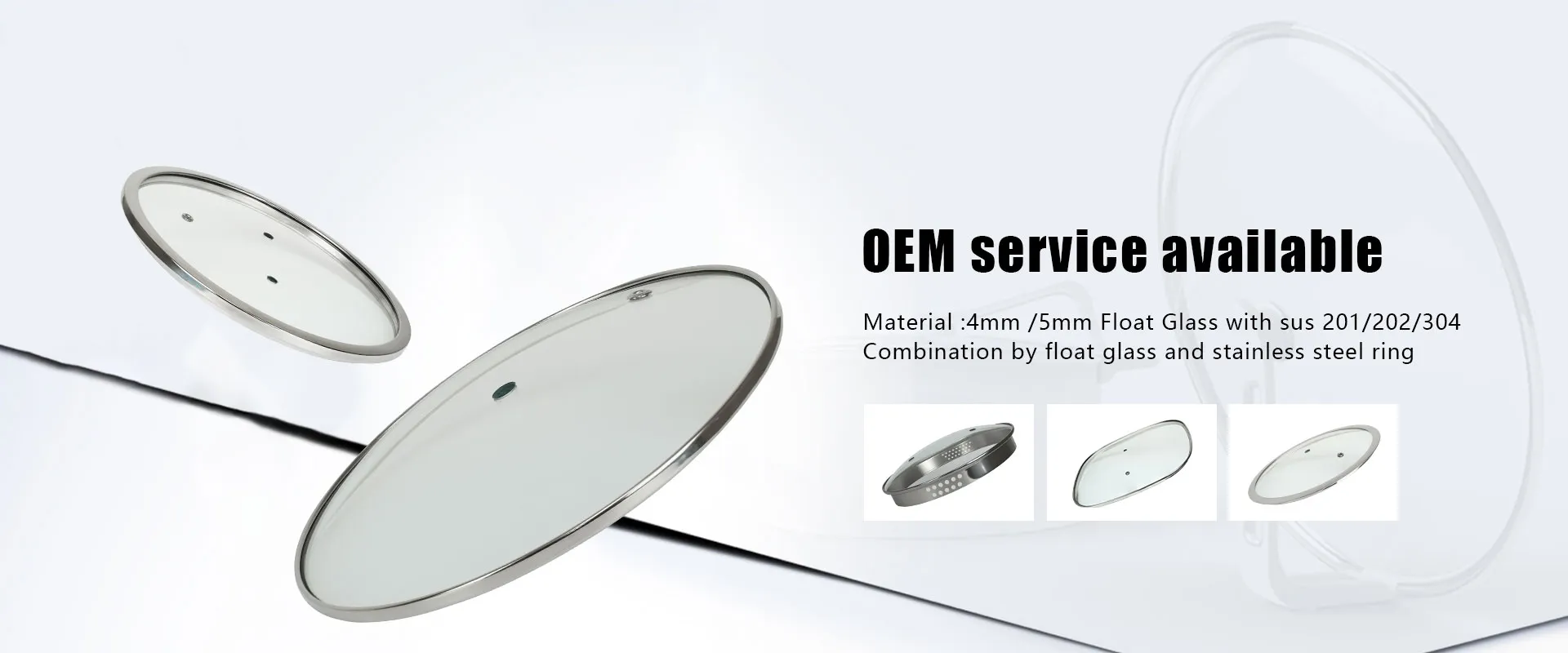
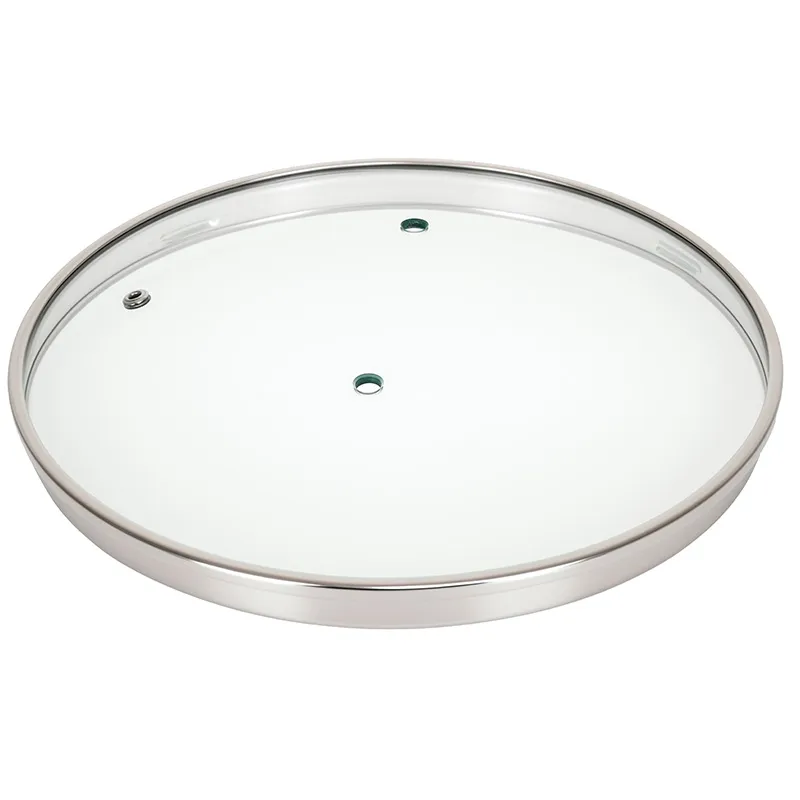
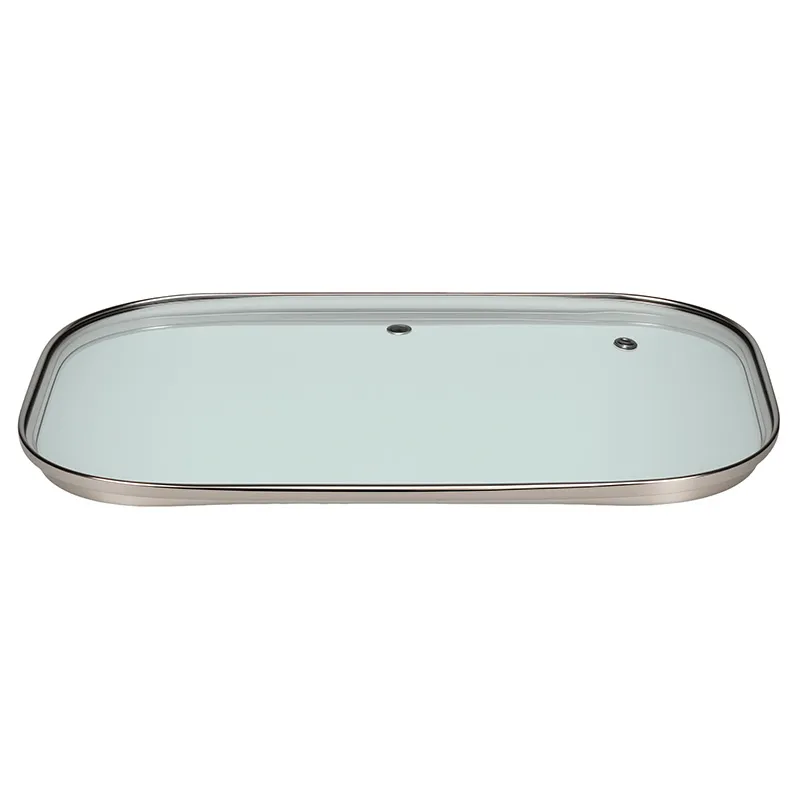
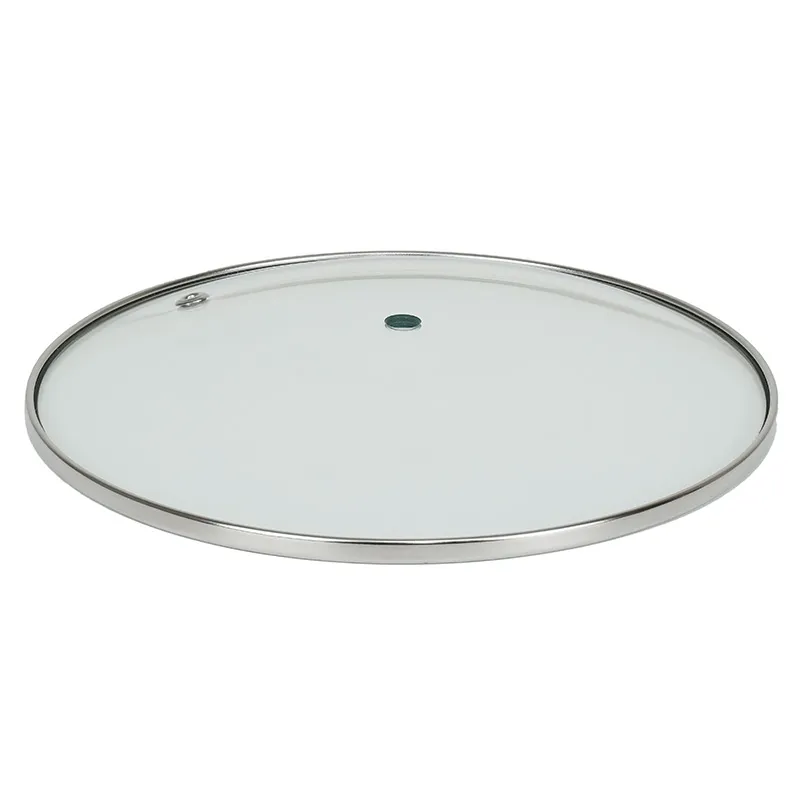
glass bread pan with lid
You see a lot of talk online about the perfect crumb or hydration, but the vessel? That's often an afterthought. A glass bread pan with lid isn't just a clear alternative to metal. It's a specific tool that changes the bake, and frankly, it's misunderstood. Many assume it's purely for presentation—letting you see the browning without opening the oven. That's part of it, sure, but the thermal properties and the seal created by a well-fitted lid introduce a whole different dynamic to steam management and crust development. I've seen bakers get frustrated when their usual recipe comes out gummy or pale in glass, blaming the formula when it was the pan all along.
The Core Misconception: Heat and Steam
Metal heats fast and radiates intensely, promoting a strong, early oven spring and a thick, often dark crust. Glass is a poor conductor. It heats slowly and evenly, which can be a blessing and a curse. That slow heat-up means the yeast has more time to work before the crust sets, which can lead to a finer, more even crumb structure if you account for it. But if you don't, you get a loaf that spreads more than springs.
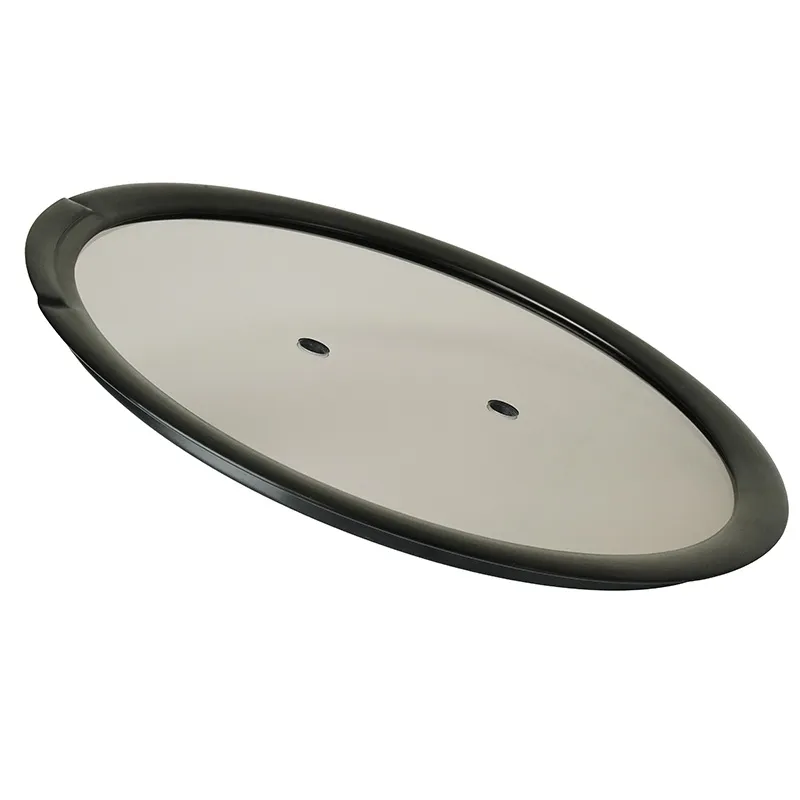
The lid is where the real game is played. A tight-fitting lid on a glass pan creates a near-perfect sealed environment for the first phase of baking. This traps the dough's natural moisture, essentially giving you a built-in Dutch oven effect. I learned this the hard way years ago, using a cheap glass pan with a warped, ill-fitting lid from a discount store. The steam escaped from one corner, resulting in a lopsided loaf with a tough, uneven crust on one side and a pale soft spot on the other. The vessel failed the dough.
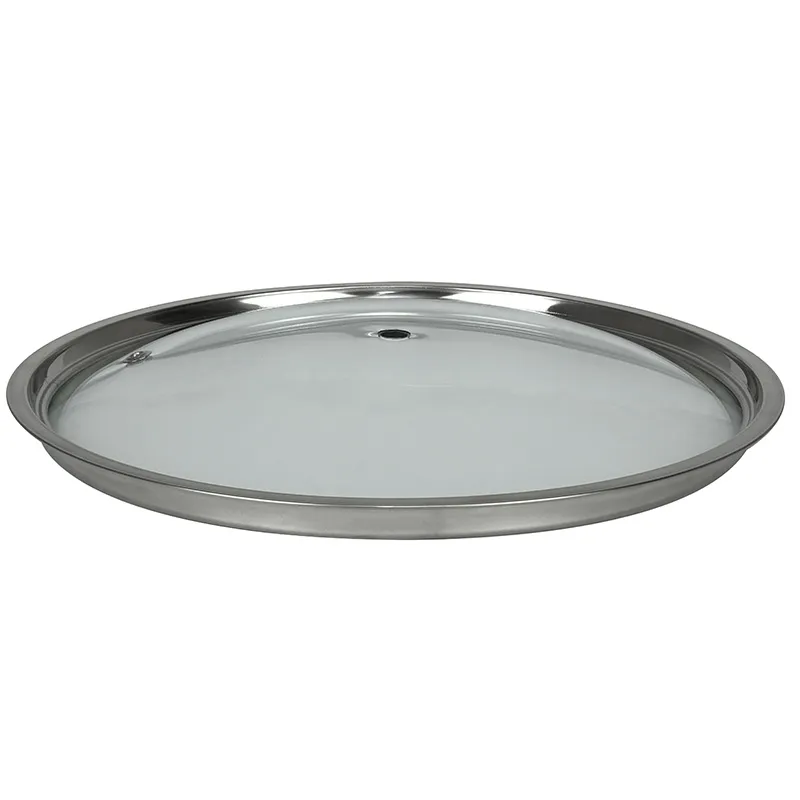
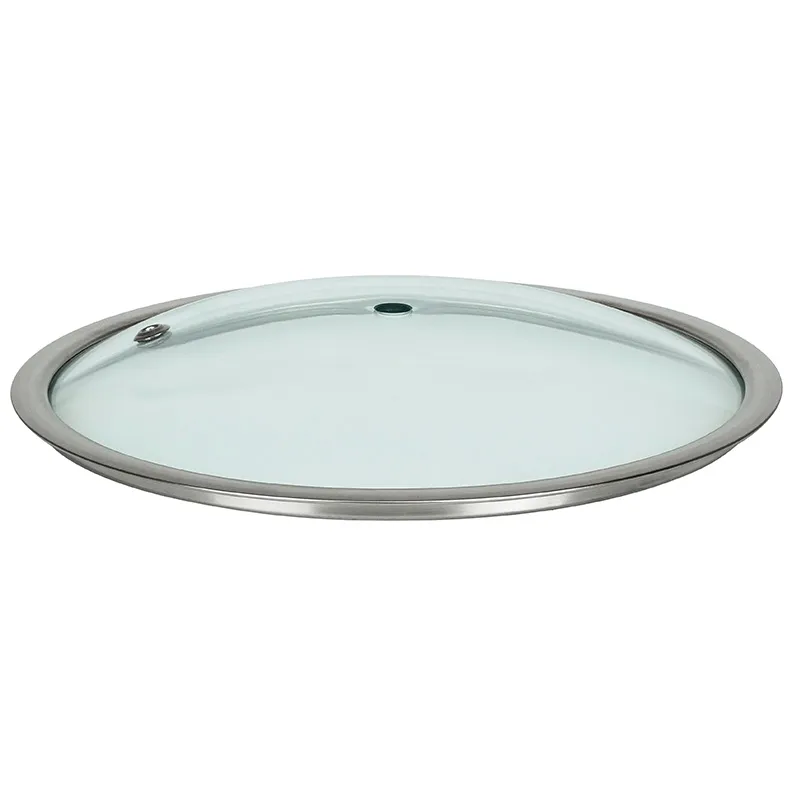
This is why sourcing from a specialist matters. A company like EUR-ASIA COOKWARE CO.,LTD, which focuses on glass kitchenware, understands these tolerances. Their production of over 15 million tempered glass lids annually isn't for novelty; it's for function. The tempering process is crucial—it allows the lid to withstand the thermal shock of going from a steamy, 450°F environment to a cooler countertop. A non-tempered lid is a shattering hazard.
Material Integrity and Real-World Performance
Tempered borosilicate glass is the standard you want. It's not just about being oven-safe; it's about thermal shock resistance. Pouring room-temperature water into a scorching-hot metal pan to loosen a stuck loaf is one thing. Doing that to glass? You need the right material. The specs from a professional supplier like the one at https://www.glass-lid.com often highlight this, and it's not marketing fluff. Their export focus to markets like Germany and Japan, where kitchenware standards are stringent, tells you more about their product's reliability than any ad copy.
I tested a generic supermarket glass pan against a heavier, properly tempered one from a professional line. The difference in the ping sound when flicked was the first clue. The professional-grade pan had a deeper, more resonant sound. In the oven, the cheaper pan caused the bottom crust to burn before the interior was fully set—a classic sign of uneven heat distribution and inferior glass composition. The better pan produced a uniformly golden-brown crust, top and bottom.
The lid's fit is another detail. It shouldn't just sit on top; it should have a slight, consistent gap or a designed venting feature. A completely airtight seal during the entire bake can sometimes create too much moisture, leading to a soggy crust. The best lids I've used create an initial seal for oven spring, then allow for minimal, controlled steam release for the final browning phase. It's a subtle balance that separates a good pan from a great one.
Practical Scenarios and Unexpected Uses
Beyond standard sandwich loaves, a lidded glass pan excels with enriched doughs—brioche, challah, milk bread. The slow, even heat prevents the sugars and fats in these doughs from burning on the exterior too quickly, promoting a tender, pillowy crumb with a soft, shiny crust. It's the ideal environment for Japanese-style Hokkaido milk bread, where that soft, ripping texture is paramount.
There's also the set-it-and-forget-it benefit for no-knead or high-hydration doughs. The contained environment minimizes moisture loss during long, room-temperature proofs right in the pan. You can mix at night, let it rise covered on the counter, and bake in the morning without the risky transfer of a wobbly, wet dough from a banneton. It reduces handling and potential deflation.
But here's a caution from experience: glass retains heat longer than metal. You must let the loaf cool completely in the pan on a rack. De-panning too early, when the structure is still soft from residual heat, can cause the sides to collapse. I've ruined the structure of a perfect whole-wheat loaf by being impatient and turning it out after 10 minutes. The weight of the loaf compressed its own warm, soft crumb. Wait at least 30 minutes, if not longer.
The Business of Glass: Why Specialization Matters
When you look at the operations of a dedicated manufacturer, the scale tells a story. EUR-ASIA COOKWARE CO.,LTD has a 20,000㎡ facility with a focus on tempered glass lids. That specialization means their tooling, quality control, and material sourcing are built around one product category. They're not stamping out metal pots and also doing some glass on the side. This focus translates to consistency in the annealing process—the controlled cooling that relieves internal stresses in the glass. Inconsistent annealing leads to weak points and eventual failure.
Their export footprint—over 90% to Europe and East Asia—is a de facto quality seal. Buyers in these regions have high expectations for safety standards, dimensional accuracy (so the lid fits the pan from the same product line every single time), and finish. A rough edge on a glass lid isn't just unsightly; it's a chip waiting to happen and a cut hazard. The fact that their products meet these diverse international benchmarks suggests a level of precision that a casual baker might not think about, but will benefit from.
This isn't to say every pan needs to be from a major exporter. But understanding that a glass bread pan with lid is a precision tool, not a commodity, changes how you buy and use it. It's the difference between a tool that supports your process and one that introduces variables you then have to troubleshoot around.
Final Thoughts: Embracing the Learning Curve
Switching to a glass pan from metal or stoneware requires a slight adjustment. You might need to lower your oven temperature by 25°F (about 15°C) to account for the slower but more radiant heat. The baking time might be a few minutes longer. Don't expect the same explosive oven spring you get from a pre-heated cast-iron Dutch oven. What you get instead is a more controlled, even rise and a different crust texture—shinier, often slightly thinner, and less chewy.
It's a tool for a specific kind of result. If you're after a rugged, artisanal sourdough with a thick, crackling crust, stick with your cloche or Dutch oven. But for everyday enriched loaves, sandwich bread, and delicate crumb structures where visual monitoring is a bonus, a well-made glass bread pan with lid is invaluable. It turns the baking process from something you peek at nervously into something you can observe and learn from, which, in the end, might be its greatest asset.
The key is to buy with intention. Look for tempered borosilicate glass, a lid with a secure but not suffocating fit, and a manufacturer that specializes in the category. Then, treat your first bake as a test run. Take notes. Adjust. It's not a passive container; it's an active participant in your bake. Once you learn its language, it becomes one of the most transparent—in every sense—and reliable tools in your kitchen.
Related Products
Related Products