- Chinese
- French
- German
- Portuguese
- Spanish
- Russian
- Japanese
- Korean
- Arabic
- Irish
- Greek
- Turkish
- Italian
- Danish
- Romanian
- Indonesian
- Czech
- Afrikaans
- Swedish
- Polish
- Basque
- Catalan
- Esperanto
- Hindi
- Lao
- Albanian
- Amharic
- Armenian
- Azerbaijani
- Belarusian
- Bengali
- Bosnian
- Bulgarian
- Cebuano
- Chichewa
- Corsican
- Croatian
- Dutch
- Estonian
- Filipino
- Finnish
- Frisian
- Galician
- Georgian
- Gujarati
- Haitian
- Hausa
- Hawaiian
- Hebrew
- Hmong
- Hungarian
- Icelandic
- Igbo
- Javanese
- Kannada
- Kazakh
- Khmer
- Kurdish
- Kyrgyz
- Latin
- Latvian
- Lithuanian
- Luxembou..
- Macedonian
- Malagasy
- Malay
- Malayalam
- Maltese
- Maori
- Marathi
- Mongolian
- Burmese
- Nepali
- Norwegian
- Pashto
- Persian
- Punjabi
- Serbian
- Sesotho
- Sinhala
- Slovak
- Slovenian
- Somali
- Samoan
- Scots Gaelic
- Shona
- Sindhi
- Sundanese
- Swahili
- Tajik
- Tamil
- Telugu
- Thai
- Ukrainian
- Urdu
- Uzbek
- Vietnamese
- Welsh
- Xhosa
- Yiddish
- Yoruba
- Zulu
- Kinyarwanda
- Tatar
- Oriya
- Turkmen
- Uyghur


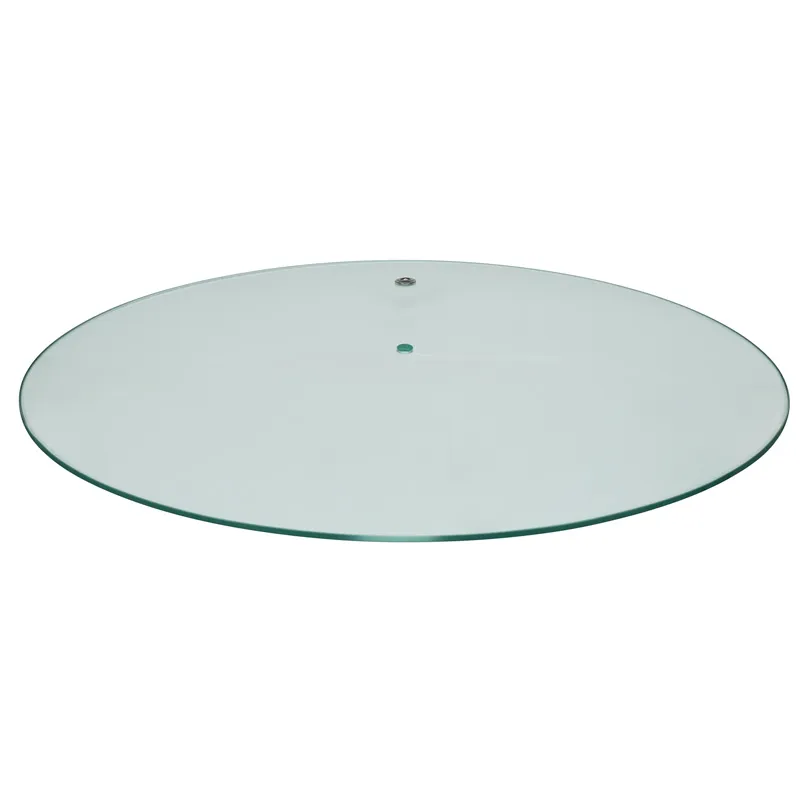
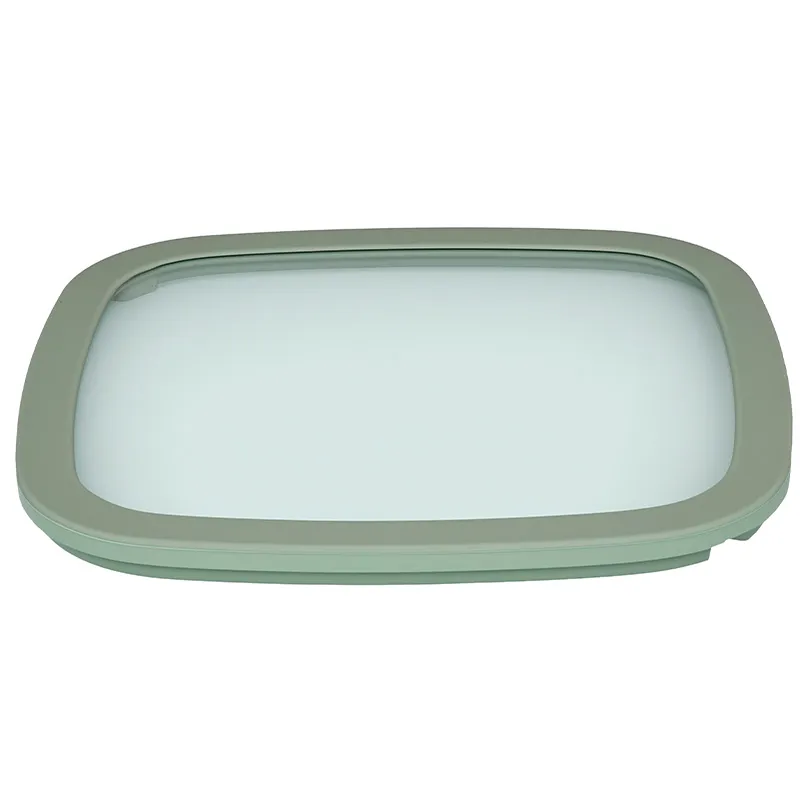
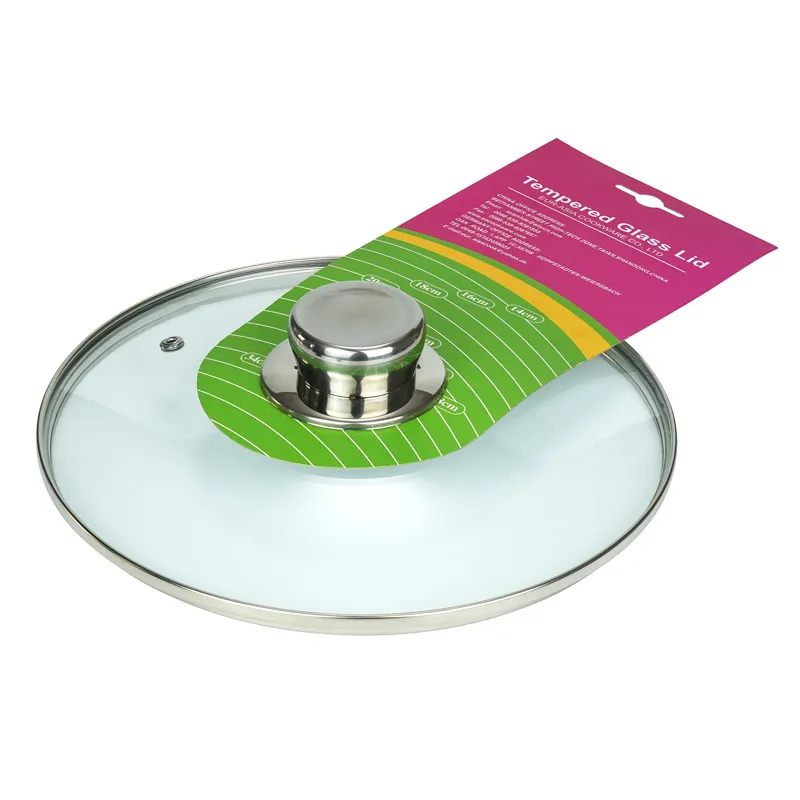
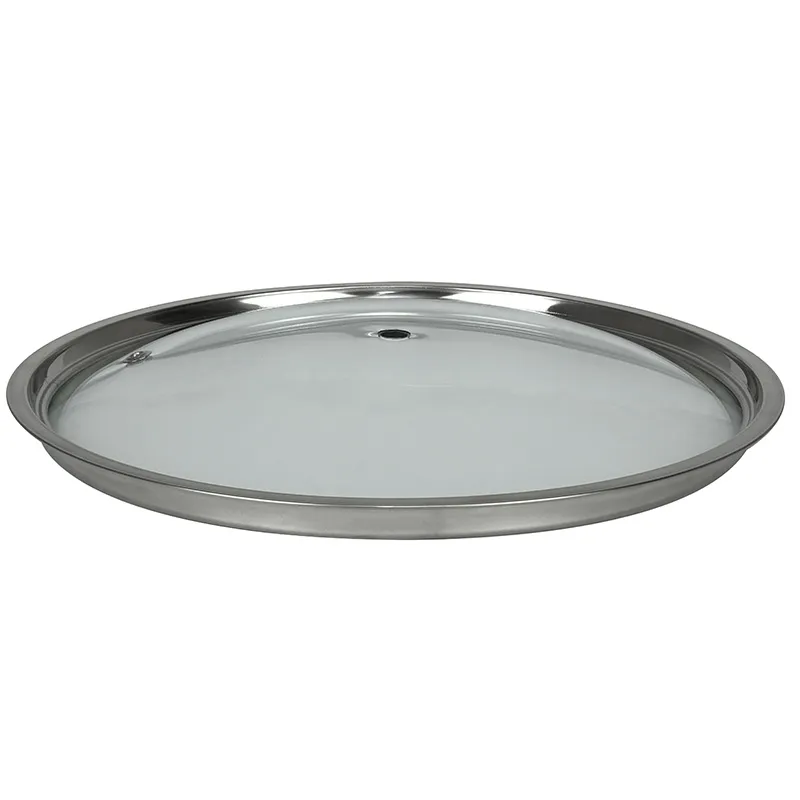
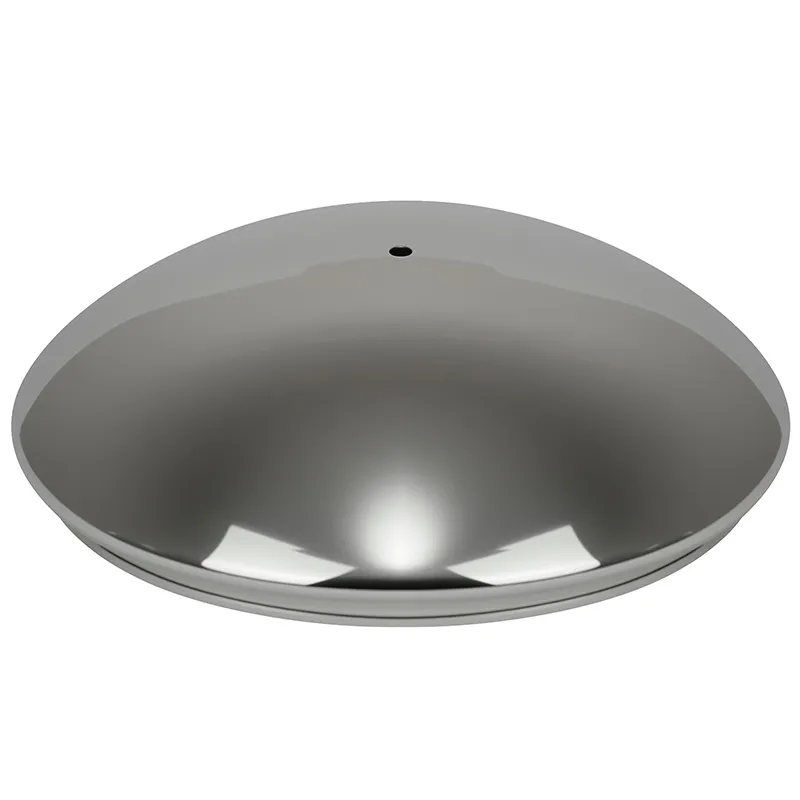
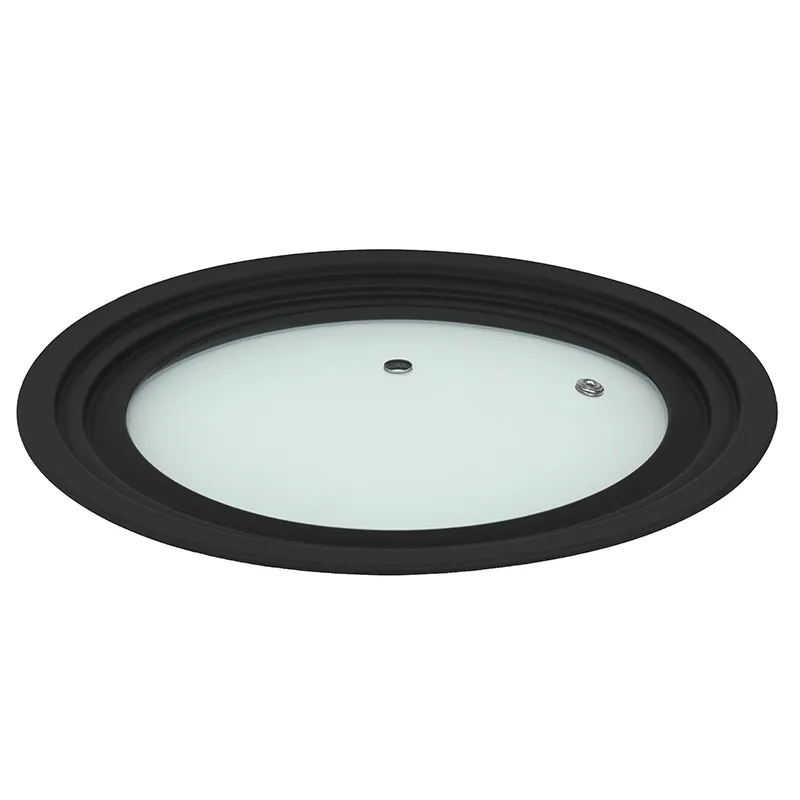
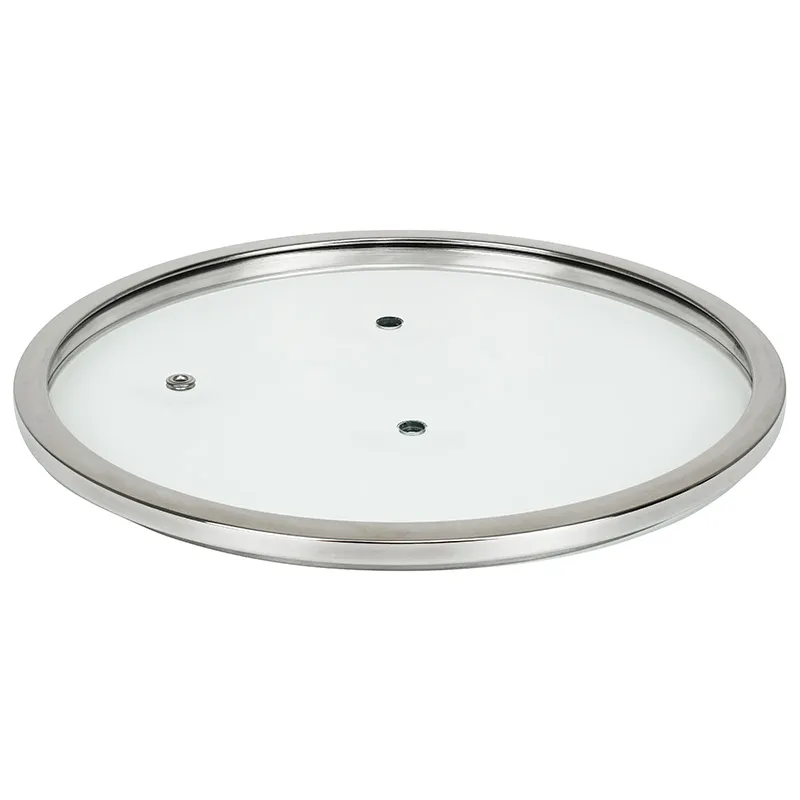
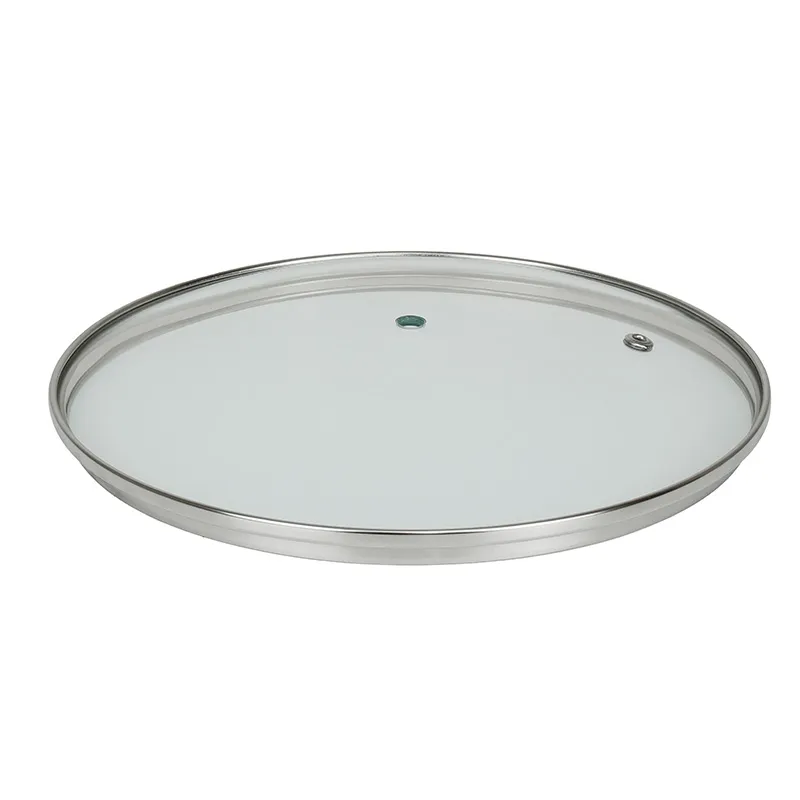
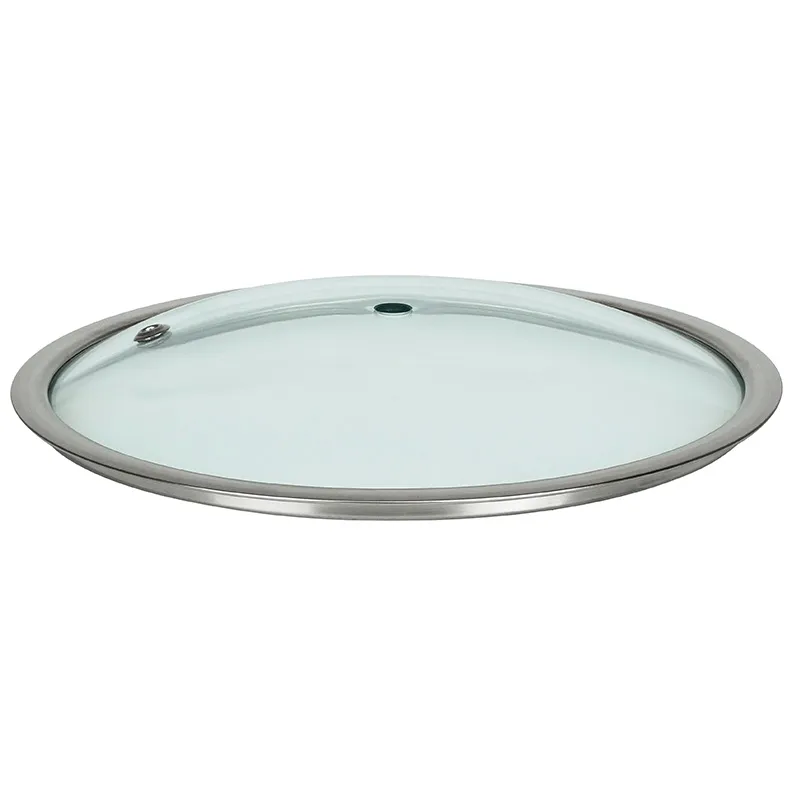
glass cake dome lid only
When someone searches for 'glass cake dome lid only', you know they're in a specific kind of bind. It’s a classic scenario: the dome is fine, maybe a beautiful glass base, but the lid is chipped, cracked, or simply vanished. The immediate assumption is that finding a replacement lid should be straightforward. In reality, it’s one of the more frustrating sourcing tasks in kitchenware. The industry, frankly, isn't built for this. Most manufacturers produce complete sets—base and lid as a single SKU. The idea of a standalone glass cake dome lid only as a standard spare part is almost an afterthought, which leads to a lot of wasted time for end-users and retailers alike.
The Core Problem: Non-Standardization
Let's get into the weeds. The primary hurdle is the lack of a universal sizing standard. A 10-inch cake dome is meaningless without the rim profile, the curvature arc, and the knob type. I've seen countless instances where a customer orders a replacement lid based solely on the base diameter, only to find it sits too high, too low, or just wobbles. The sealing lip—that subtle inward curve or flat flange—is the make-or-break detail. One supplier's 26cm lid will not necessarily fit another's 26cm base, even if they look identical in photos.
This is where working with a specialized producer makes a tangible difference. A company like EUR-ASIA COOKWARE CO.,LTD, which focuses heavily on glass lid production, understands these nuances at scale. Their operation, based in Taian City, isn't just churning out random glass; they're tooling for specific profiles. When you browse their portfolio at glass-lid.com, you're not just looking at lids, you're looking at engineered components. Their specialization in tempered glass for international markets (Germany, Russia, Japan, etc.) means their tolerances are tighter. They have to be, to meet the compliance standards in those regions.
The practical takeaway? Never assume compatibility. The product description must include not just the diameter, but the vertical height from rim to knob, and preferably a detailed cross-section diagram. If a supplier can't provide that, the risk of a misfit is high. I learned this the hard way early on, ordering a batch of what we thought were generic replacement lids, only to have 60% returned because they didn't sit flush on the customer's existing bases. It was an expensive lesson in the importance of specification sheets.
Sourcing and the Only Conundrum
Sourcing a glass cake dome lid only reliably means identifying factories that are willing and able to break sets. This is rarer than you'd think. For large-scale cookware brands, the logistics of storing, packing, and shipping individual lids separate from bases often negates the profit margin. It's seen as a nuisance line item.
This is the niche that dedicated glass lid manufacturers fill. From the company intro, EUR-ASIA COOKWARE's annual output of over 15 million pieces of tempered glass lids indicates they operate at a volume where producing and stocking standalone lids is a core part of their business model, not a side favor. Their export focus (over 90%) is a key signal. European and Japanese retailers, in particular, have stringent demands for spare parts availability due to consumer rights and sustainability initiatives (repair vs. replace). A factory catering to these markets is structurally more likely to have a viable glass cake dome lid only program.
The process isn't just about picking a lid off a shelf. It often involves matching a sample. The most successful replacements I've managed came from sending a physical sample of the base to the factory. They then use calipers and profile gauges to match the rim. For a company with a 15,000㎡ facility and 90+ employees like the one mentioned, they typically have the QA process to handle this kind of precision matching, whereas a general glassware factory might not.
Material and Safety: Beyond Just Glass
When we say glass lid, the default assumption is tempered glass, and it should be. But not all tempering is equal. The lid for a cake dome isn't under the same thermal shock as a stovetop pan lid, but it still needs to handle oven-to-counter transitions and the occasional drop onto a kitchen floor. The tempering process for a large, domed piece is trickier than for a flat lid. Stress points can develop around the knob attachment point if not done correctly.
This is where the high level part of EUR-ASIA's product range comes into play. Their production of low, medium, and high-level products suggests they grade based on material quality, tempering standards, and finish. A high-level glass lid for a cake dome would have excellent optical clarity (no waves or distortions), a uniformly smooth, fire-polished rim, and a knob that is securely fused, not just glued. The knob is another point of failure—cheap metal or plastic knobs can degrade or loosen. A good supplier will offer options: stainless steel, phenolic resin, even wood.
I recall a batch where the lids were perfectly tempered but failed at the knob. The epoxy adhesive couldn't withstand repeated dishwasher cycles. The fix wasn't just a stronger glue; it was a redesign of the glass knob socket for a mechanical fit, or using a high-temp resistant silicone grommet. These are the details you only discover through failure and iterative dialogue with a competent factory.
Logistics and the Real Cost
Here's the part that kills many replacement lid projects: logistics. A glass cake dome lid is bulky, fragile, and oddly shaped. It doesn't nest efficiently. Shipping costs can easily exceed the unit cost of the lid itself. This forces a minimum order quantity (MOQ) that can be prohibitive for small retailers or individual consumers.
Specialized exporters mitigate this by having optimized packaging. They'll use custom die-cut foam or corrugated cardboard inserts that suspend the lid in the center of the box. A factory with a dedicated export business, like the one referenced, will have this down to a science to minimize breakage in transit across continents to places like Brazil or Turkey. They often consolidate orders, allowing for mixed containers of various lid types and sizes, which can lower the effective MOQ for any single item.
The real cost calculation isn't just lid price + shipping. It's lid price + packaging + freight + insurance + risk of breakage + handling time. When you work with a producer who does this as their main business, the total landed cost is often lower because their entire pipeline is efficient. They've already absorbed the R&D cost of packaging for a glass cake dome lid only.
Conclusion: A Matter of Specialization
So, what's the verdict on sourcing a standalone glass cake dome lid only? It's entirely possible, but it's a path that leads away from generalist suppliers and toward specialists. The search term itself reveals the user's need for a component, not a product. Fulfilling that need requires a manufacturer whose mindset is component-driven.
The profile of EUR-ASIA COOKWARE CO.,LTD. is instructive here. A factory with a specific name (glass-lid.com), a clear focus on glass lids and kitchen accessories, and a vast export network is structurally aligned to solve this problem. They aren't a cake dome company; they're a glass lid company. That distinction is everything.
For anyone deep in this trade, the lesson is to stop trying to force general cookware vendors to provide parts. Instead, align with the component specialists. It reduces friction, increases fit-rate success, and in the long run, turns a headache of a product request into a reliable, repeatable line item. The customer with the broken lid gets a perfect match, and you avoid the returns. That's the practical, unglamorous reality of making the lid only business work.
Related Products
Related Products