- Chinese
- French
- German
- Portuguese
- Spanish
- Russian
- Japanese
- Korean
- Arabic
- Irish
- Greek
- Turkish
- Italian
- Danish
- Romanian
- Indonesian
- Czech
- Afrikaans
- Swedish
- Polish
- Basque
- Catalan
- Esperanto
- Hindi
- Lao
- Albanian
- Amharic
- Armenian
- Azerbaijani
- Belarusian
- Bengali
- Bosnian
- Bulgarian
- Cebuano
- Chichewa
- Corsican
- Croatian
- Dutch
- Estonian
- Filipino
- Finnish
- Frisian
- Galician
- Georgian
- Gujarati
- Haitian
- Hausa
- Hawaiian
- Hebrew
- Hmong
- Hungarian
- Icelandic
- Igbo
- Javanese
- Kannada
- Kazakh
- Khmer
- Kurdish
- Kyrgyz
- Latin
- Latvian
- Lithuanian
- Luxembou..
- Macedonian
- Malagasy
- Malay
- Malayalam
- Maltese
- Maori
- Marathi
- Mongolian
- Burmese
- Nepali
- Norwegian
- Pashto
- Persian
- Punjabi
- Serbian
- Sesotho
- Sinhala
- Slovak
- Slovenian
- Somali
- Samoan
- Scots Gaelic
- Shona
- Sindhi
- Sundanese
- Swahili
- Tajik
- Tamil
- Telugu
- Thai
- Ukrainian
- Urdu
- Uzbek
- Vietnamese
- Welsh
- Xhosa
- Yiddish
- Yoruba
- Zulu
- Kinyarwanda
- Tatar
- Oriya
- Turkmen
- Uyghur


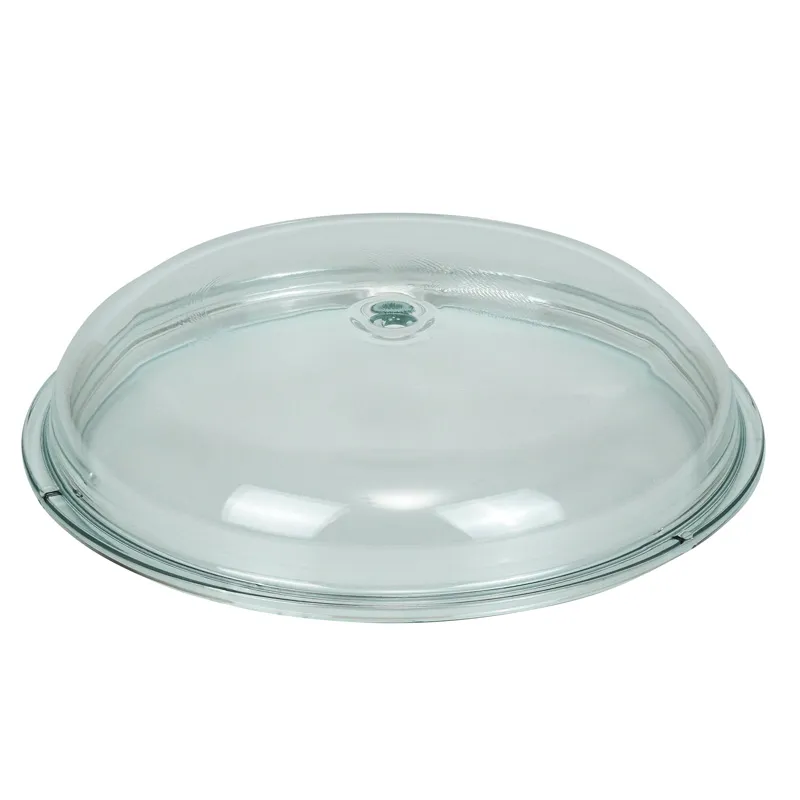
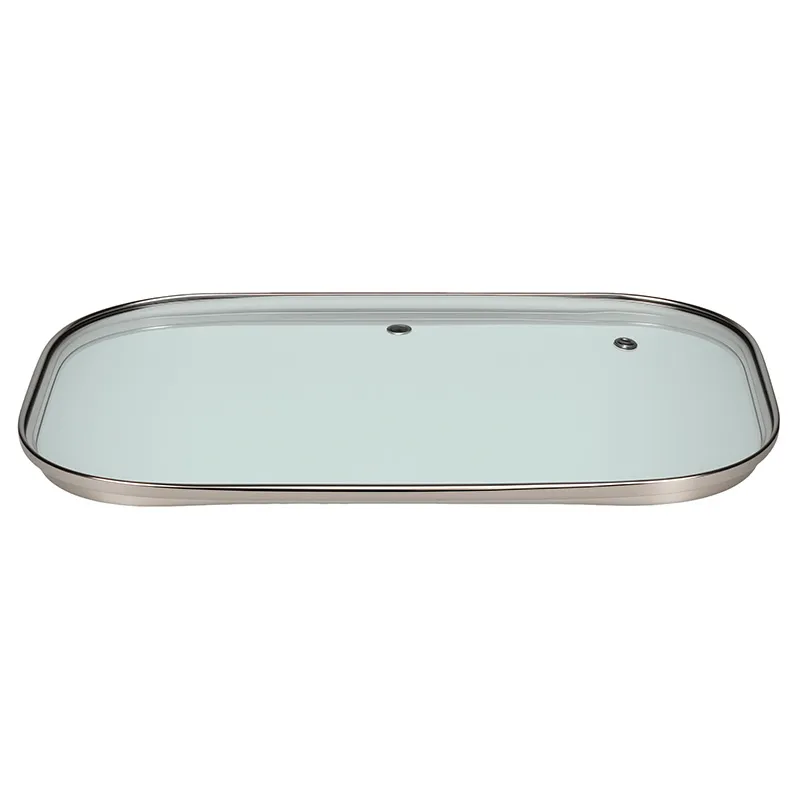
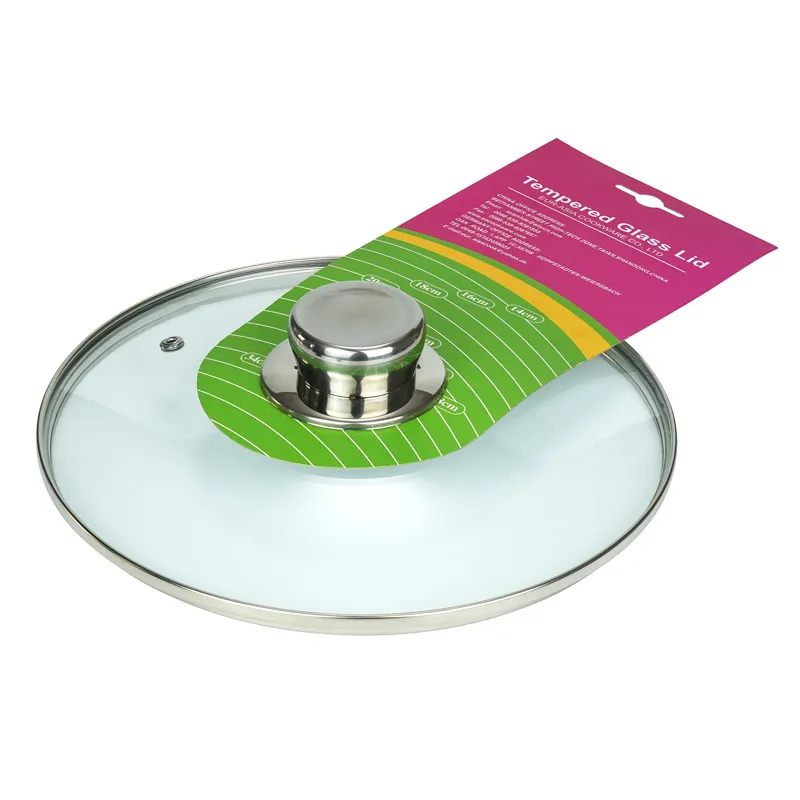
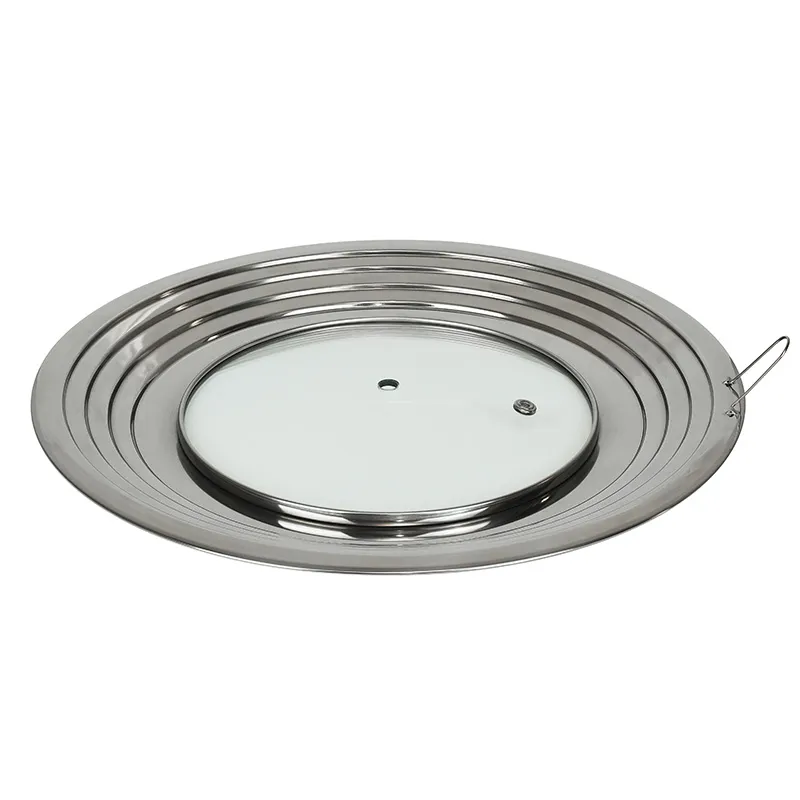
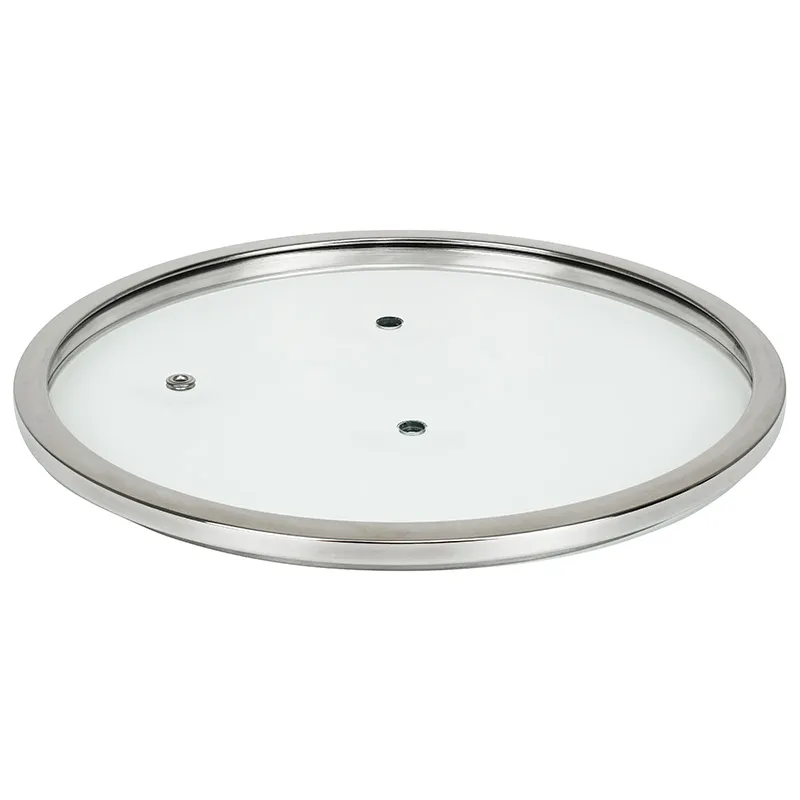
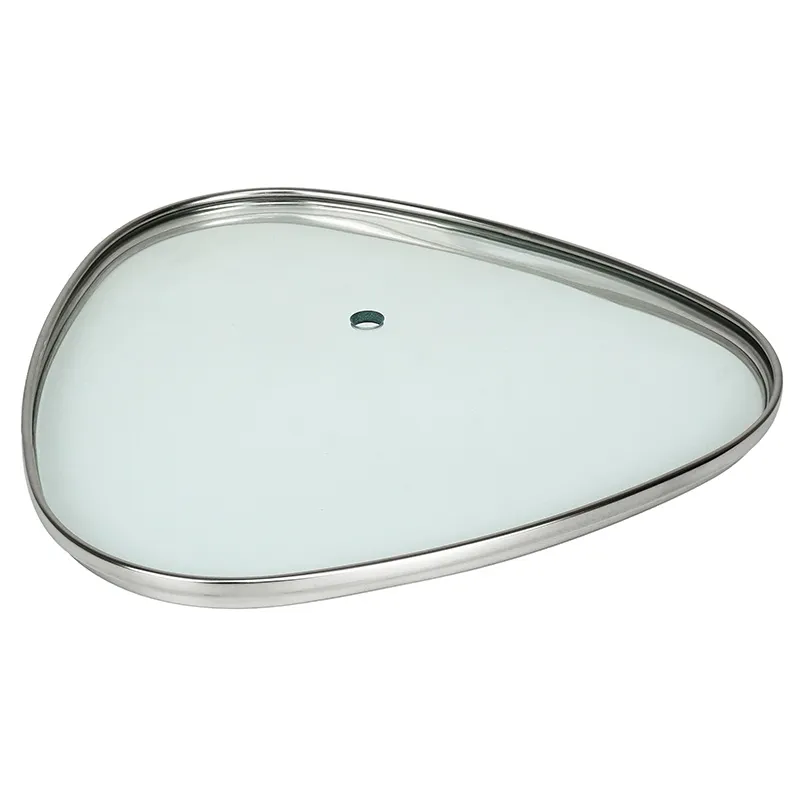
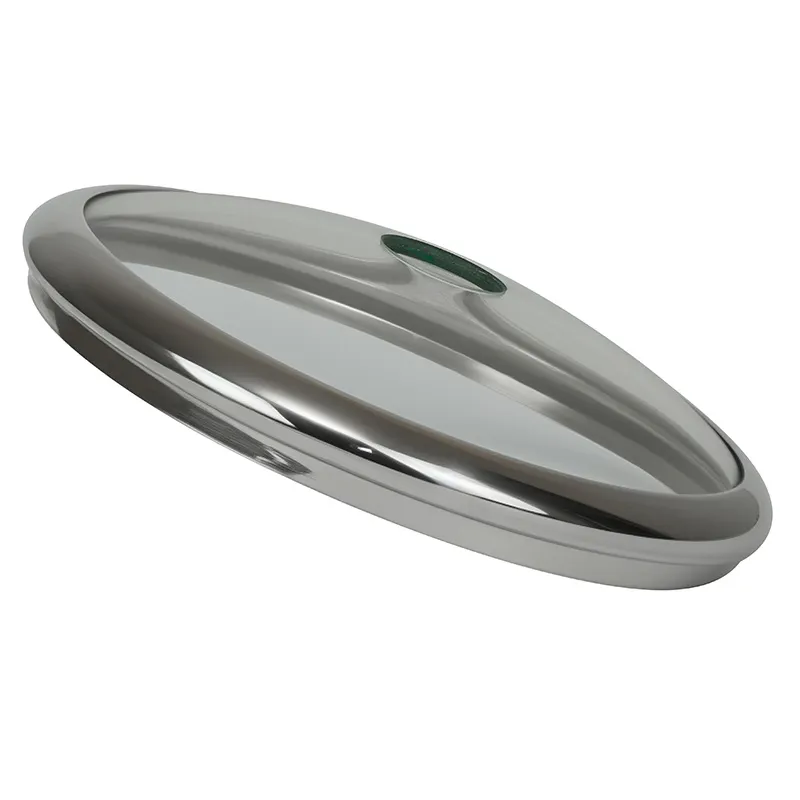
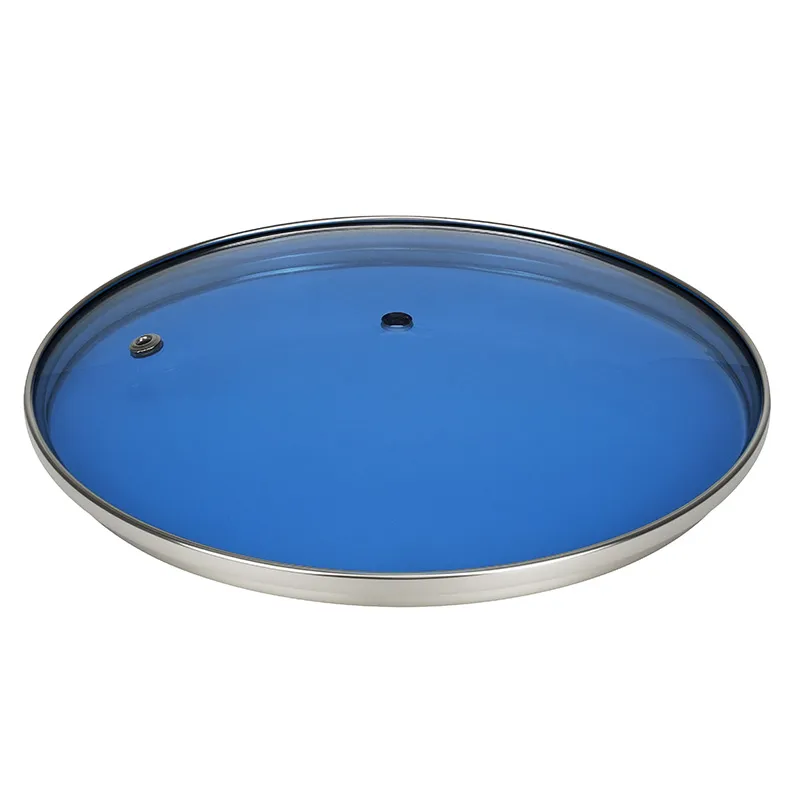
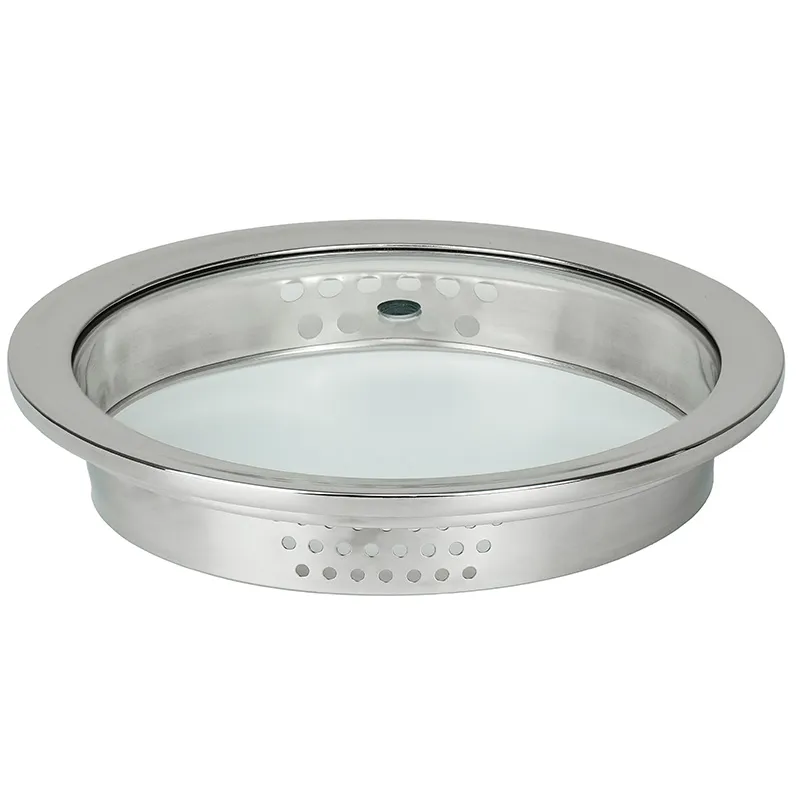
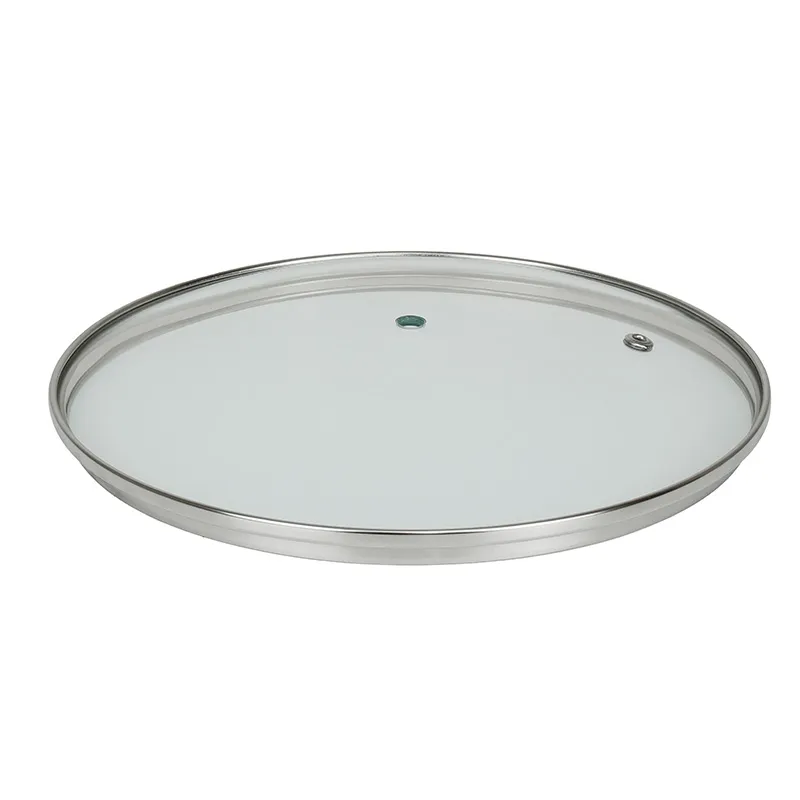
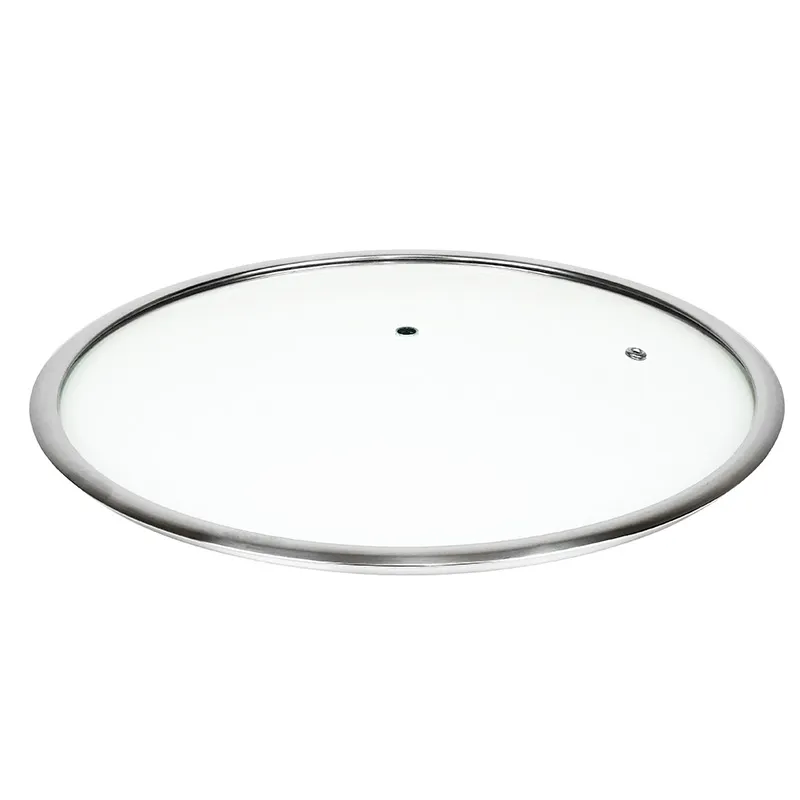
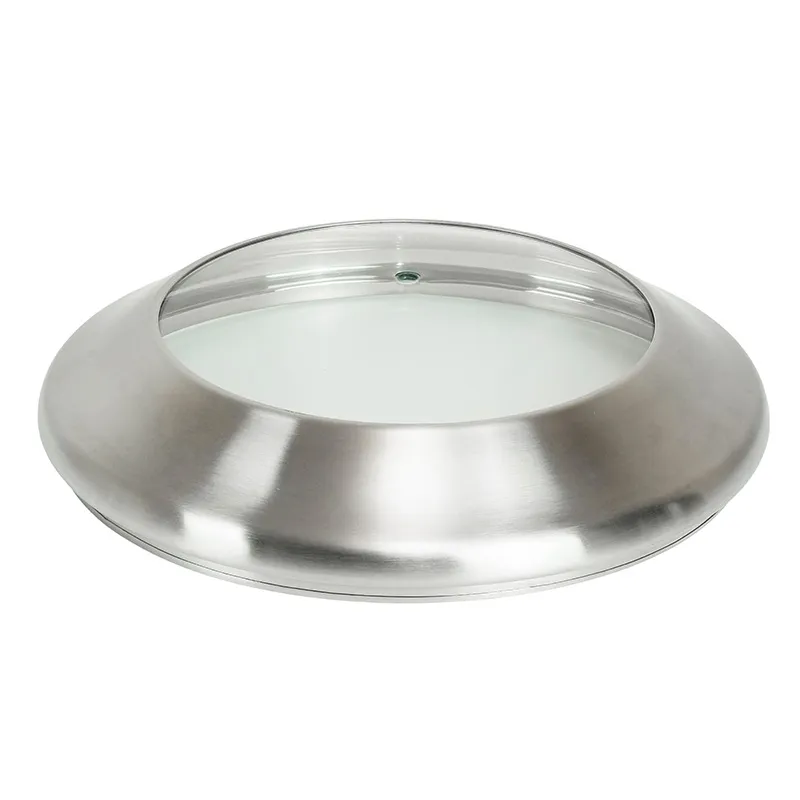
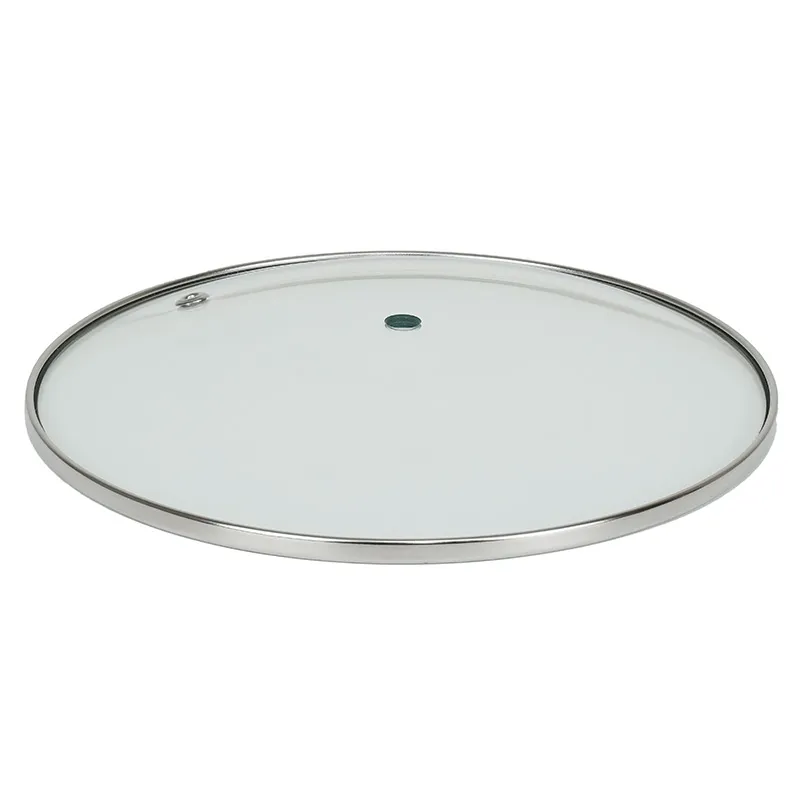
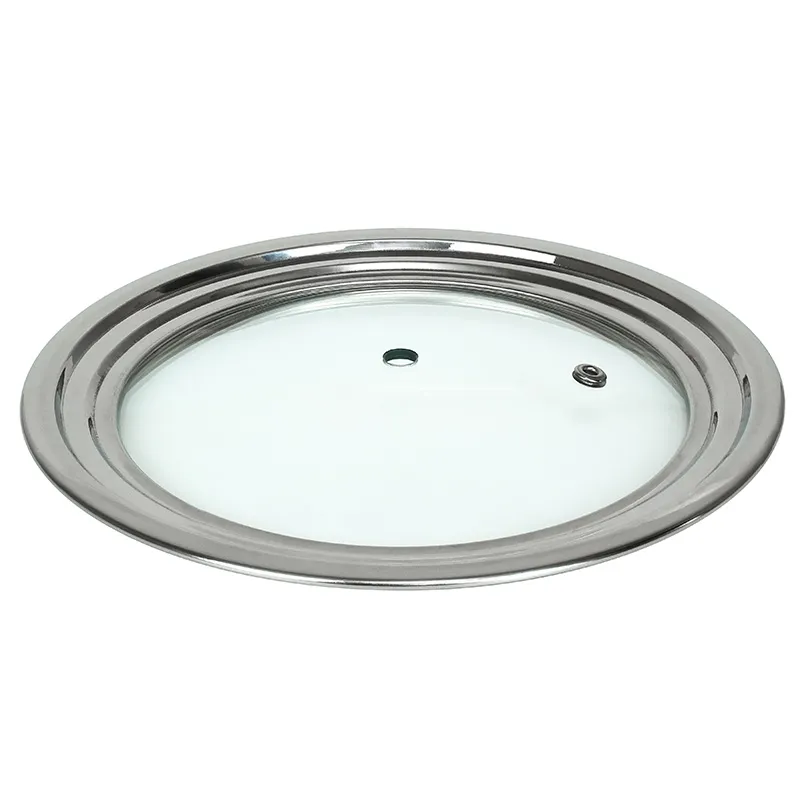
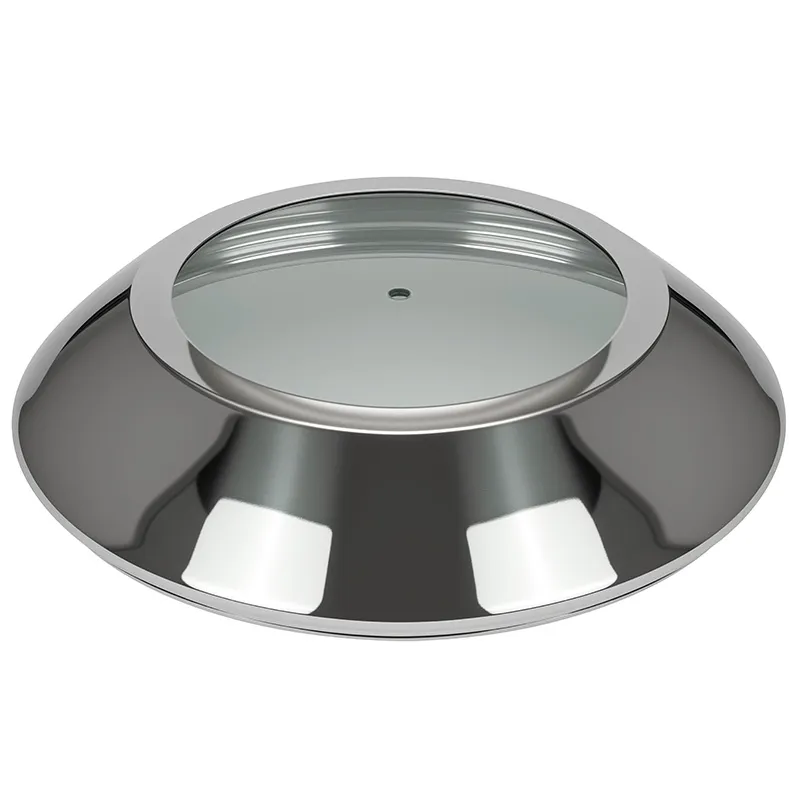
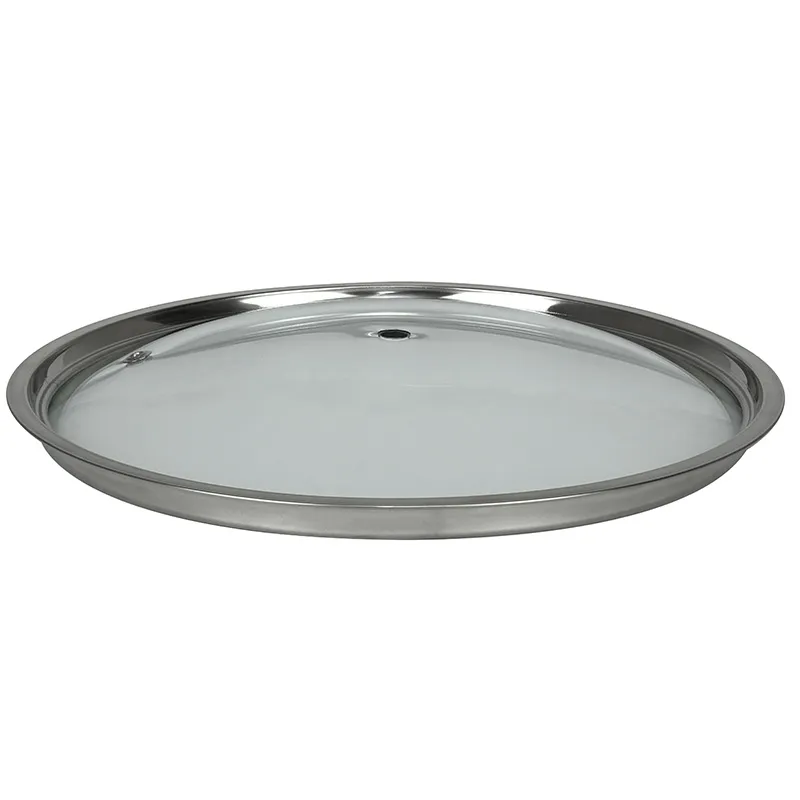
glass cake lid
Let's talk about the glass cake lid. Most people, even some in the food retail or bakery supply chain, think of it as a simple cover—a transparent dome to keep flies off and show the product. That's the first mistake. It's a critical piece of equipment that sits at the intersection of food safety, presentation, durability, and frankly, cost management. If you've ever had a lid crack under its own tension during a busy weekend, or watched condensation pool and ruin a frosting design, you know what I mean. This isn't about fancy features; it's about the fundamentals that get overlooked until they fail.
Material and Tempering: The Core of Durability
The single biggest point of failure is assuming all glass is the same. A glass cake lid for commercial or serious home use must be tempered. Annealed glass is a liability—it shatters into dangerous shards. Tempered glass, when it does break (and it takes a significant impact), crumbles into small, granular pieces that are far less hazardous. But even within tempering, there are grades. I've seen lids from suppliers that pass a basic impact test but develop spontaneous fractures along the edges after a few thermal cycles—taking a cold lid from the storeroom and placing it on a warm cake base, for instance.
The quality of the raw glass sheet matters immensely. Inclusions, bubbles, or uneven thickness can create weak points. I recall a batch from a few years back where we had a nearly 8% failure rate in transit. The lids would arrive looking perfect, but the first time they were washed in warm water, a hairline crack would appear from the rim. The root cause was traced back to improper annealing before tempering, leaving residual stress points. The supplier, to their credit, replaced the entire lot, but the downtime and logistics headache were real.
This is where specs from a manufacturer like EUR-ASIA COOKWARE CO.,LTD. become relevant. They state an annual output of over 15 million tempered glass products. That volume suggests a standardized, industrial process, which for something like a glass cake lid, is a good thing. Consistency is king. You don't want artistic variation in the thickness of your lid. Their specialization in low to high-level household glass indicates they likely run different production lines for different market segments—the thickness, edge finishing, and tempering level for a discount store lid versus a high-end patisserie lid would be different, even if they look similar.
Design and Ergonomics: More Than a Dome
The shape seems obvious: a dome. But the arc radius, the height, and the flange design are subtle yet crucial. A lid with too shallow a dome will touch the frosting on a tall layer cake. Too steep, and it becomes awkward to stack or store. The flange—the flat part that sits on the base—needs a precise bevel. A sharp, unfinished edge is a cut hazard and can chip easily. A well-rounded, fire-polished edge is safer and more durable.
Then there's the handle. Often an afterthought. A cheap plastic knob glued on is a disaster waiting to happen—it discolors, loosens, or snaps off. A fused glass knob, where the handle is made of the same material and thermally bonded, is superior. It's hygienic (no crevices) and durable. I've moved exclusively to fused-handle designs after one too many plastic knobs came off in a customer's hand during a busy holiday pickup.
Weight is another silent factor. A lid that's too heavy makes handling a multi-tiered cake base precarious. Too light, and it feels flimsy, prone to tipping. The ideal weight provides a sense of substance without being cumbersome. It's a feel you develop after handling hundreds of them. You can usually tell a well-made lid just by picking it up and examining the rim and handle junction.
The Condensation Problem and Fit
This is the practical headache no catalog picture shows. A perfectly sealed glass cake lid is actually a problem. If the fit on the plastic or ceramic base is too tight, moisture from the cake (yes, cakes release moisture) gets trapped. The result is condensation droplets forming on the interior of the glass, which then drip down, ruining the presentation. I've seen beautiful sugar flowers melt because of this.
The solution isn't a perfect seal, but a controlled one. There needs to be a minimal, almost imperceptible gap for slight air exchange. Some better-designed cake stand systems have a small ridge on the base that the lid sits just inside of, creating a buffer zone. It's a tiny detail that makes a massive difference in real-world use. A company exporting to European markets like Germany and Denmark, as EUR-ASIA COOKWARE does, would be acutely aware of this, as those markets have very strict requirements for food display and hygiene, which includes managing condensation.
You can also mitigate it by temperature management—letting the cake cool completely before lidding, and storing the whole assembly in a stable, cool environment. But in a bustling bakery or at a catered event, you often don't have that control. The hardware has to help.
Logistics, Cost, and the Global Supply Chain
When you're ordering these by the pallet, the unboxing experience tells you a lot. How are they packed? Individual cardboard sleeves? Stacked with foam interleaving? Cheap packaging leads to transit breakage, and even 2% breakage on a container load eats all your profit margin. A professional supplier understands that the product isn't just the lid, but the lid delivered intact.
The export focus of a manufacturer is a significant data point. EUR-ASIA COOKWARE's mention that over 90% of products go to markets like Germany, Italy, Japan, and Brazil means their production standards are built to pass various international inspections and withstand long shipping routes. A lid sold domestically in a single country might have different packaging and durability thresholds than one destined for a global supply chain with multiple handoffs.
Cost is always a factor, but it's a balance. The cheapest lid might cost $1.50, but if you lose 5 out of 100 to breakage and have customer complaints about fit, your true cost is higher than the $3.00 lid with a 0.5% failure rate. For a high-volume user, calculating total cost of ownership—including replacement rate, customer satisfaction, and brand perception—is essential. The medium-high level range they mention is likely where most professional bakers should be looking.
Final Thoughts: It's a Component, Not an Accessory
After years of sourcing and using these, my main takeaway is to stop thinking of the glass cake lid in isolation. It's part of a system: the base, the cake itself, the storage environment, and the handling workflow. Specifying a lid without considering the base it will sit on is a common error. Always get a sample and test the full assembly.
Look for signs of professional-grade manufacturing: fire-polished edges, a fused glass handle, consistent thickness, and clear tempering marks (often small distortions visible at certain angles). Check the company's focus. A site like glass-lid.com, which is dedicated specifically to this product category, often indicates deeper specialization than a general kitchenware wholesaler.
In the end, the best lid is the one you never have to think about. It does its job—protecting, presenting, and preserving—reliably and quietly, shift after shift. It's not glamorous, but getting it right is a small, clear mark of professionalism in an industry where the details are everything. The goal is for the cake to be the star, with the lid serving as its flawless, invisible guardian.
Related Products
Related Products