- Chinese
- French
- German
- Portuguese
- Spanish
- Russian
- Japanese
- Korean
- Arabic
- Irish
- Greek
- Turkish
- Italian
- Danish
- Romanian
- Indonesian
- Czech
- Afrikaans
- Swedish
- Polish
- Basque
- Catalan
- Esperanto
- Hindi
- Lao
- Albanian
- Amharic
- Armenian
- Azerbaijani
- Belarusian
- Bengali
- Bosnian
- Bulgarian
- Cebuano
- Chichewa
- Corsican
- Croatian
- Dutch
- Estonian
- Filipino
- Finnish
- Frisian
- Galician
- Georgian
- Gujarati
- Haitian
- Hausa
- Hawaiian
- Hebrew
- Hmong
- Hungarian
- Icelandic
- Igbo
- Javanese
- Kannada
- Kazakh
- Khmer
- Kurdish
- Kyrgyz
- Latin
- Latvian
- Lithuanian
- Luxembou..
- Macedonian
- Malagasy
- Malay
- Malayalam
- Maltese
- Maori
- Marathi
- Mongolian
- Burmese
- Nepali
- Norwegian
- Pashto
- Persian
- Punjabi
- Serbian
- Sesotho
- Sinhala
- Slovak
- Slovenian
- Somali
- Samoan
- Scots Gaelic
- Shona
- Sindhi
- Sundanese
- Swahili
- Tajik
- Tamil
- Telugu
- Thai
- Ukrainian
- Urdu
- Uzbek
- Vietnamese
- Welsh
- Xhosa
- Yiddish
- Yoruba
- Zulu
- Kinyarwanda
- Tatar
- Oriya
- Turkmen
- Uyghur


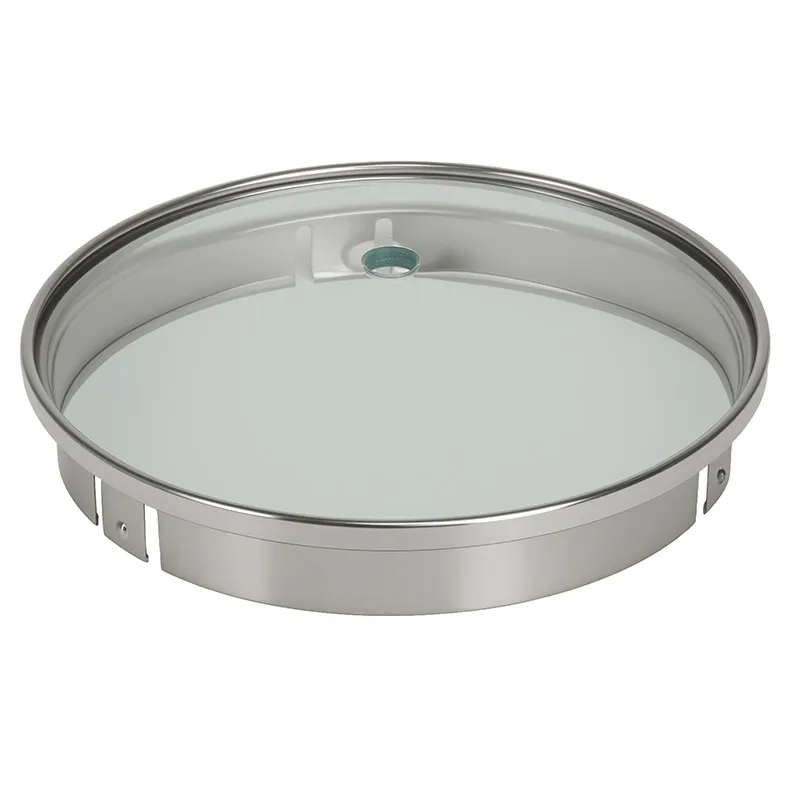
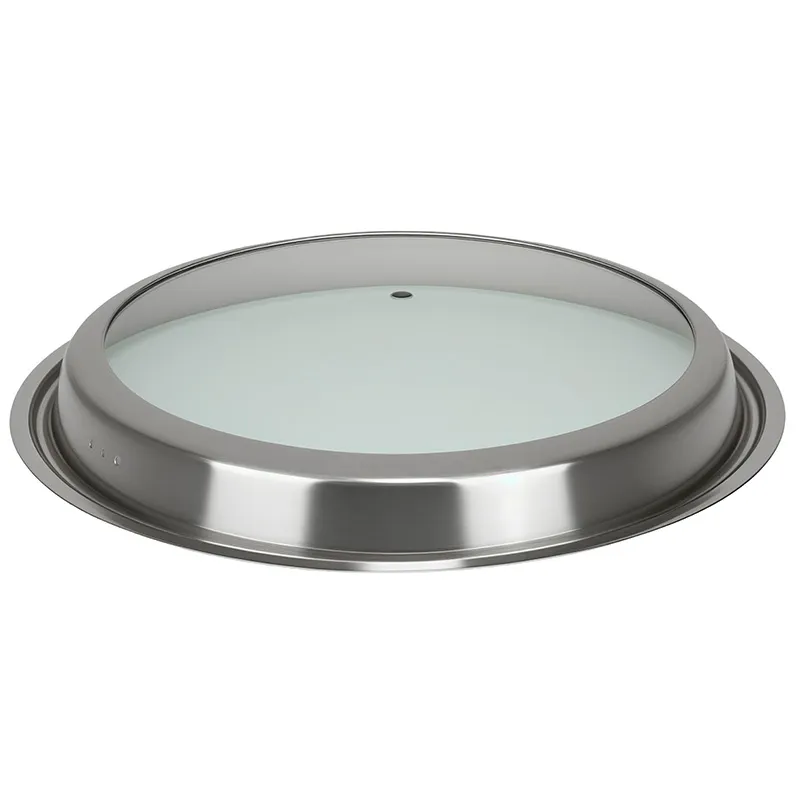
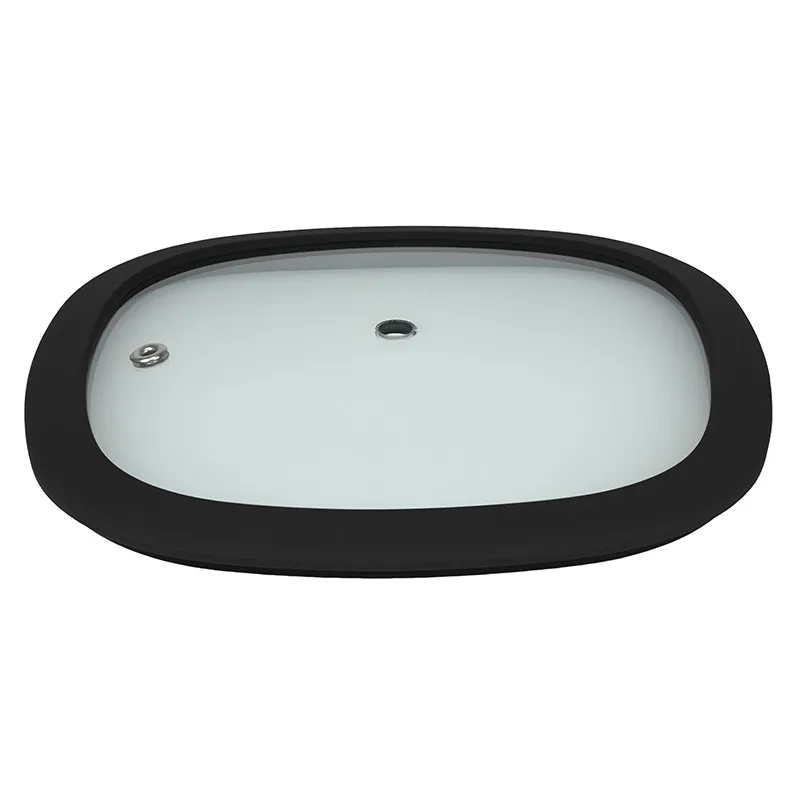
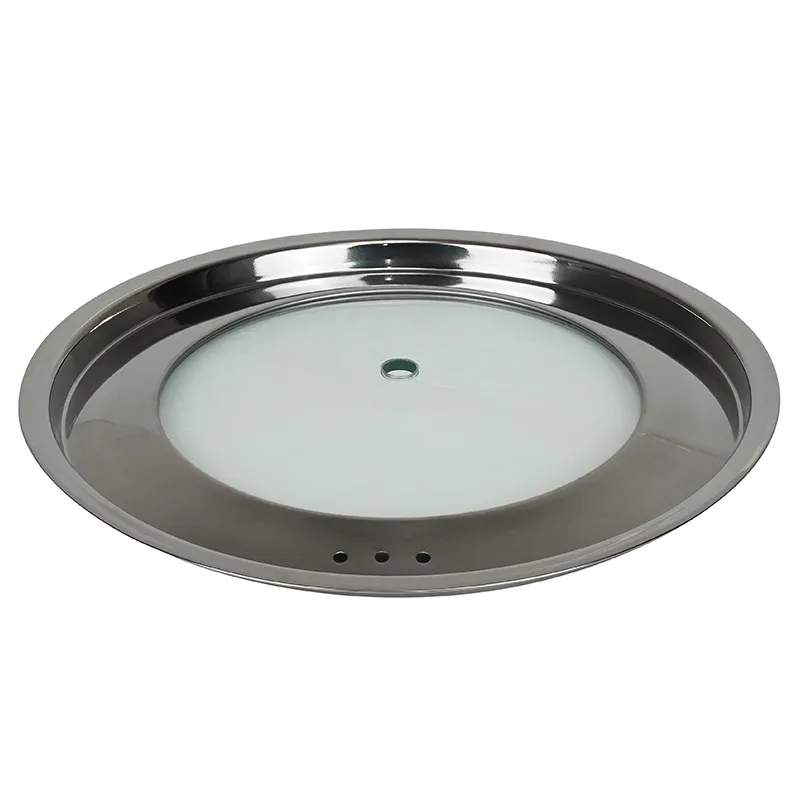
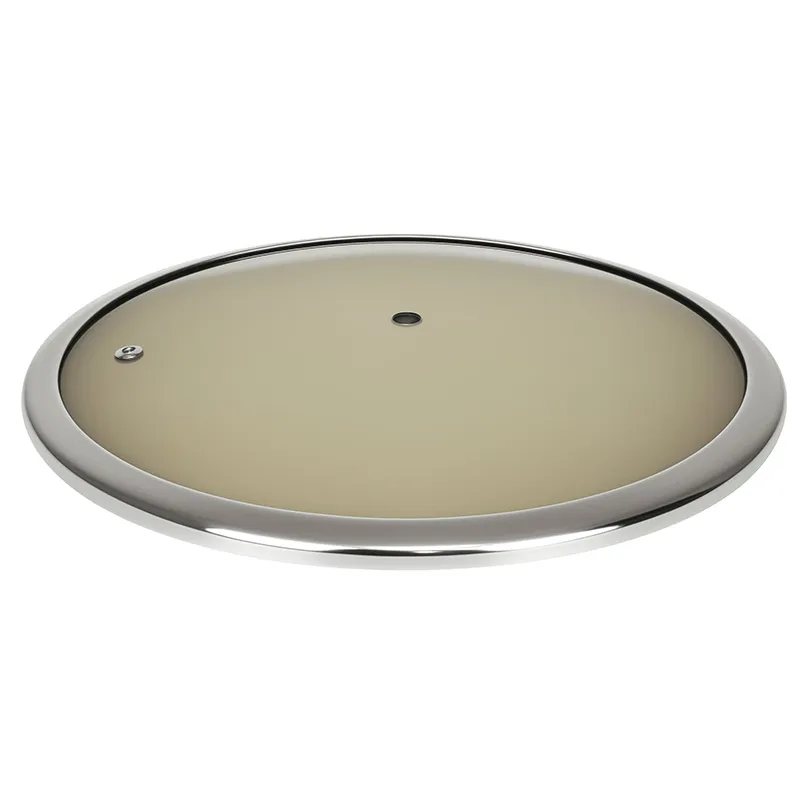
glass cake pan with lid
You see a lot of chatter online about glass bakeware, especially the glass cake pan with lid. Most of it misses the point. People get hung up on whether it's oven-safe or if it looks nice for serving. That's baseline. The real conversation, the one we have in factories and with serious bakers, is about thermal dynamics, lid seal integrity, and the manufacturing tolerances that separate a decent product from one that lasts through hundreds of cycles. It's not just a container; it's a thermal system.
Beyond Transparency: The Material Science in Your Oven
Everyone knows it's tempered glass. But not all tempering is equal. The process for a simple lid is different from that for a deep pan meant to withstand a 350°F oven and then a cold marble counter. The stress points are different. I've seen pans from suppliers where the tempering was uneven—you could see slight wave patterns under polarized light. Those are the ones that eventually go pop during a rapid temperature change, not immediately, maybe on the 50th use. It's a failure of process, not material.
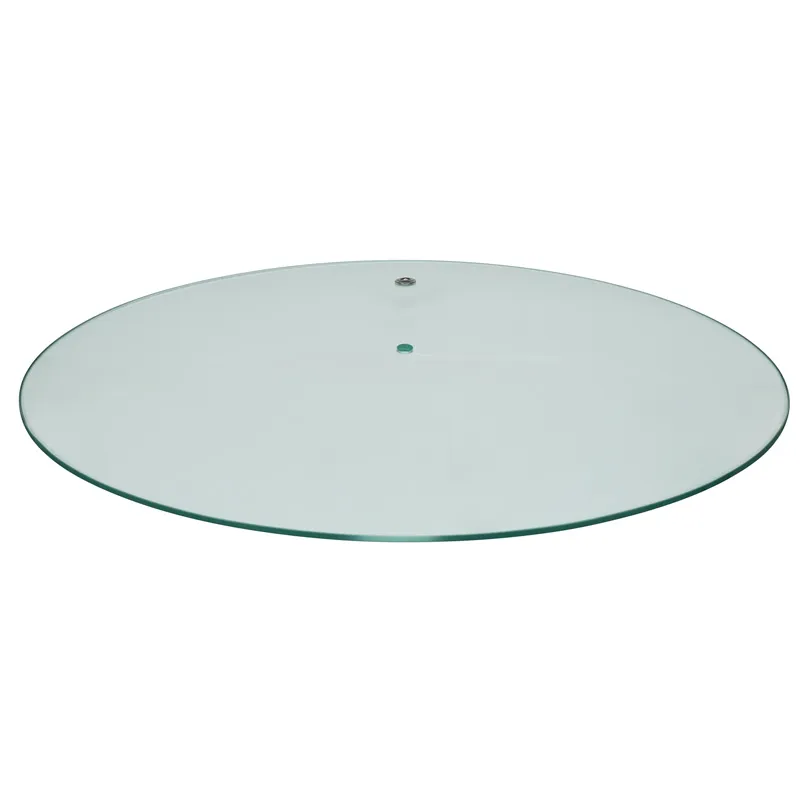
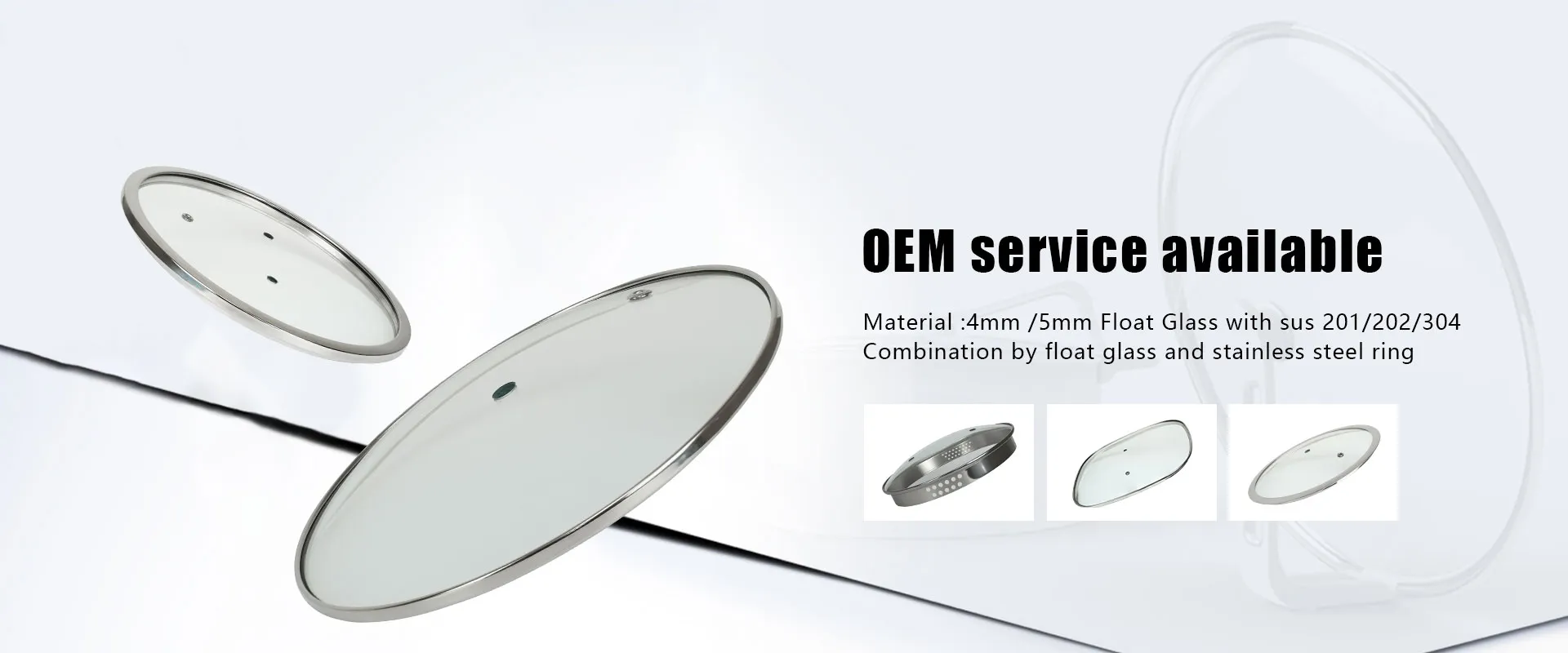
That's where specs from a specialized manufacturer matter. A company like EUR-ASIA COOKWARE CO.,LTD, which runs a 20,000㎡ facility dedicated to glass, understands this gradient. They're not making trinkets; they're producing over 15 million tempered glass lids and related products annually. When 90% of that volume goes to markets like Germany and Japan, known for brutal quality standards, it tells you their process control has to be meticulous. Their focus on glass cake pan components means they're engineering for the entire lifecycle—from the oven's radiant heat to the shock of dishwashing.
The thickness is another silent spec. Too thin, and it heats too fast, risking thermal shock and creating hot spots that burn cake edges. Too thick, and it becomes a heat sink, slowing baking times and wasting energy. The sweet spot for a standard 9x13 pan is around 3mm, properly tempered. It's a balance between structural integrity and thermal responsiveness. You learn this not from a data sheet, but from pulling failed units and measuring the fracture patterns.
The Lid: The Most Under-Engineered Component
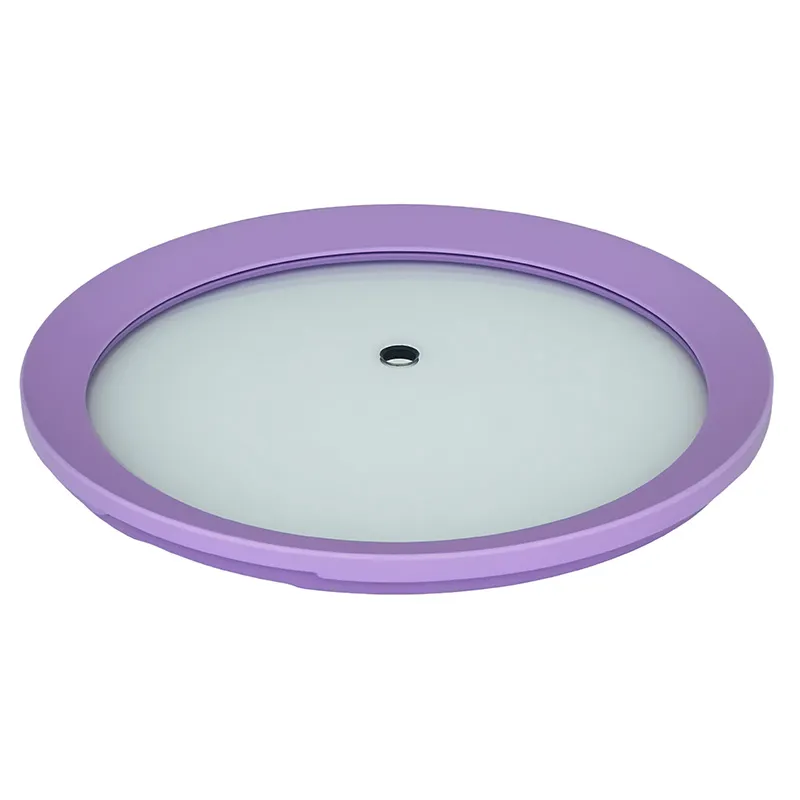
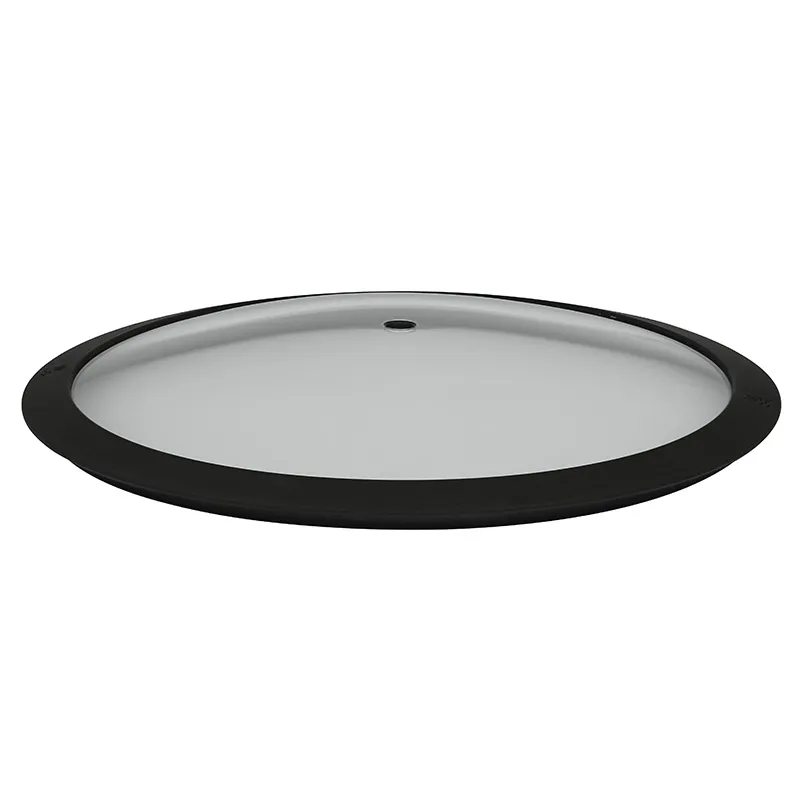
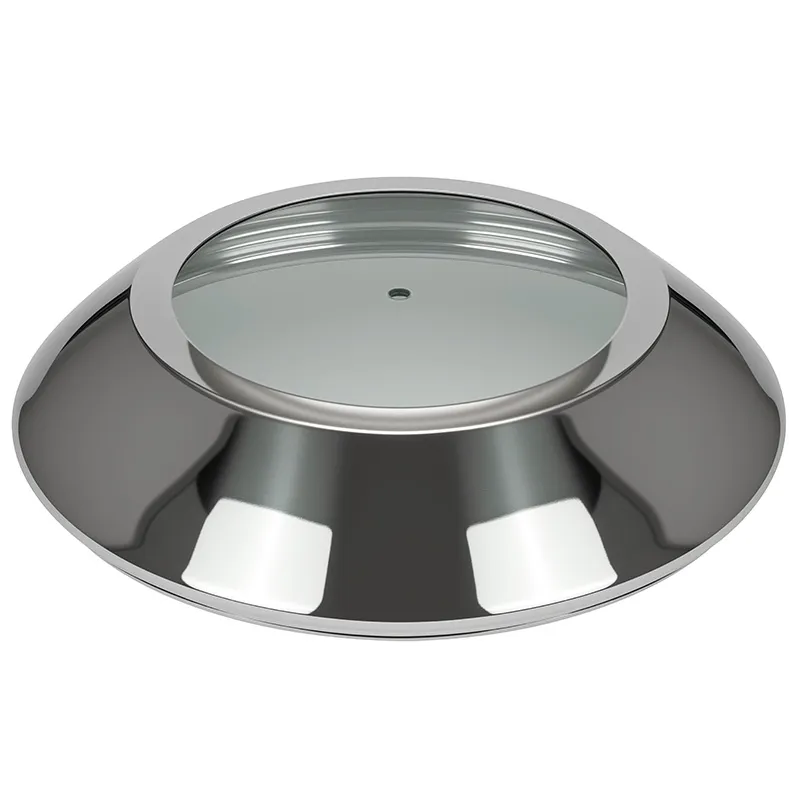
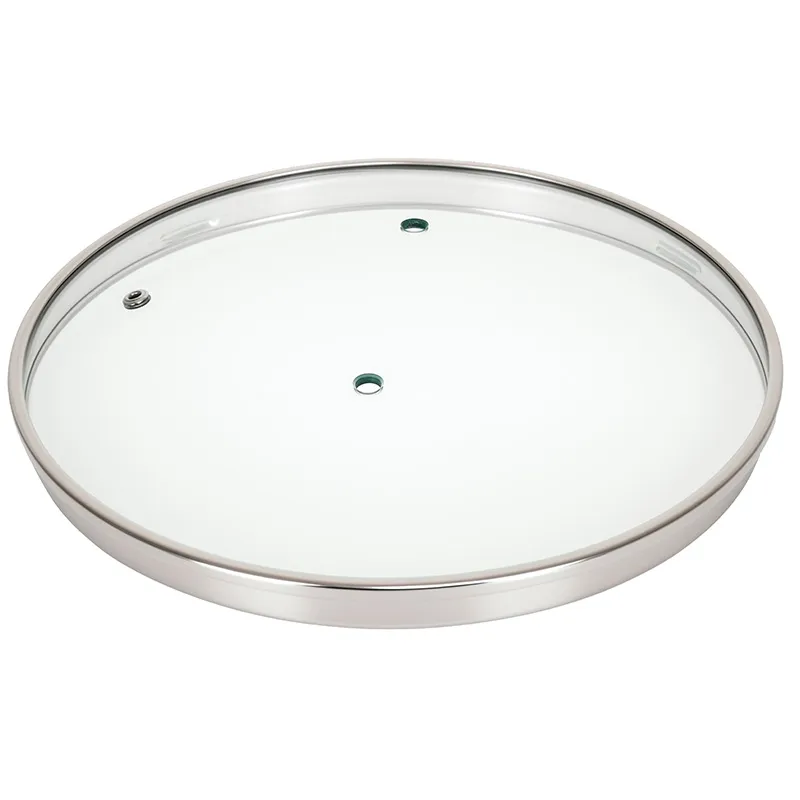
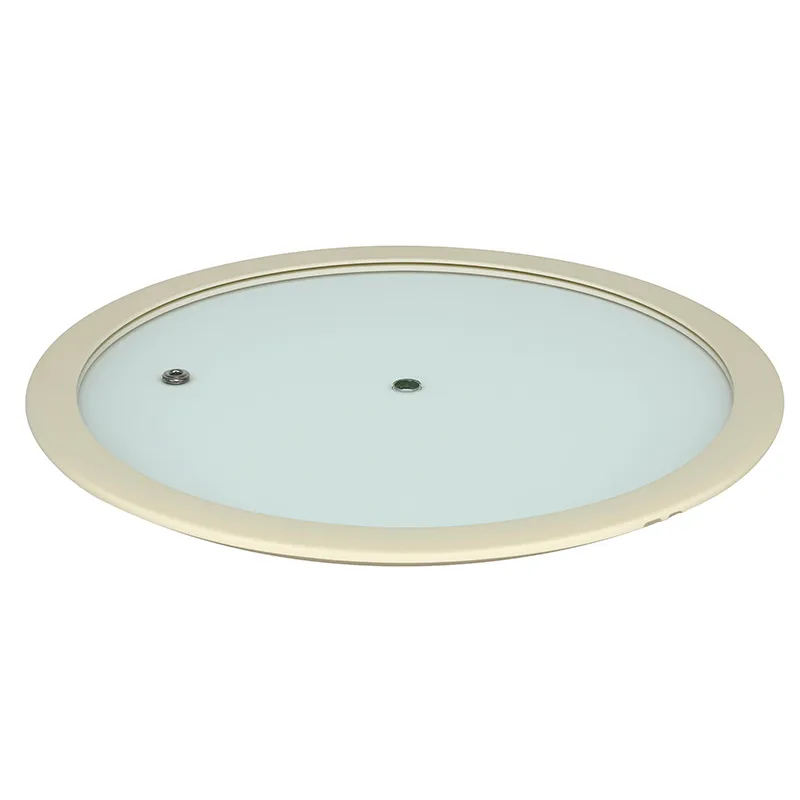
Here's the biggest misconception: the lid is an afterthought. It's not. A lid for a glass cake pan with lid set has two conflicting jobs. First, it must seal well enough for storage to keep moisture in (or out) and prevent odors. Second, it often needs to be oven-safe to act as a cover for roasting or to trap steam. That hinge point—where the glass lid sits on the glass pan—is critical. A perfectly flat rim on both pieces is non-negotiable.
I've tested lids that rocked by a fraction of a millimeter. In storage, that's a leak. In the oven, it's a heat escape route, messing with your cooking environment. The manufacturing has to treat the pan and its matching lid as a single unit, machined and finished together. It's why dedicated glassware producers often do better than general houseware brands who source lids and pans from different vendors. The alignment is everything.
We tried a batch once where the lid's fit was too tight. Sealed beautifully, but the vacuum created during cooling made it nearly impossible to remove without prying, which is a safety hazard. It's a small detail—the coefficient of friction between two smooth glass surfaces—but it makes or breaks the user experience. The solution involved a slight, intentional bevel on the lid's underside, a tweak you only discover through iterative, practical testing.
From Factory Floor to Kitchen Counter: Real-World Fail Points
Let's talk about the transition from factory QC to a home kitchen. The classic failure isn't shattering in the oven. It's the gradual degradation. Chipping on the rim from metal utensils. Scratches on the lid from stacking. Or the slow loss of clarity after hundreds of dishwasher cycles due to aggressive detergent etching the surface. A good glass cake pan accounts for this.
For instance, the rim should be slightly raised or rolled, not a raw cut edge. It protects against chips. I look at the export focus of a maker like EUR-ASIA COOKWARE. Selling to European markets means their products likely comply with EU regulations on material safety and durability, which are stringent. Their products at https://www.glass-lid.com are built for a global retail environment where returns are costly, so their failure rates in the field have to be miniscule. That pressure drives better design.
The high level household glass they mention isn't marketing fluff. In this context, it refers to the quality of the raw glass stock (fewer impurities means fewer internal stress points) and the precision of the cutting and edging. A low-quality pan feels light and tinny when you tap it. A properly made one has a dull, solid thud. You can hear the difference.
Case in Point: The Storage Paradox
A major selling point for a glass cake pan with lid is the all-in-one storage solution. But this creates a design challenge. Stackability. If the lid domes too high, you can't stack multiple pans in your cupboard. A flat lid is better, but it must still have enough headspace to not touch the surface of a frosted cake. The best designs I've used have a minimal, integrated handle on the lid that provides just enough clearance.
Then there's the material interaction. Storing a lemon drizzle cake in a glass pan with a tight lid is different from storing a greasy lasagna. Acids and fats can, over very long periods, interact with the glass surface at a microscopic level. It's not a health issue with tempered glass, but it can lead to stubborn staining. This is where the chemical resilience of the glass composition matters. It's another invisible spec that separates professional-grade from disposable.
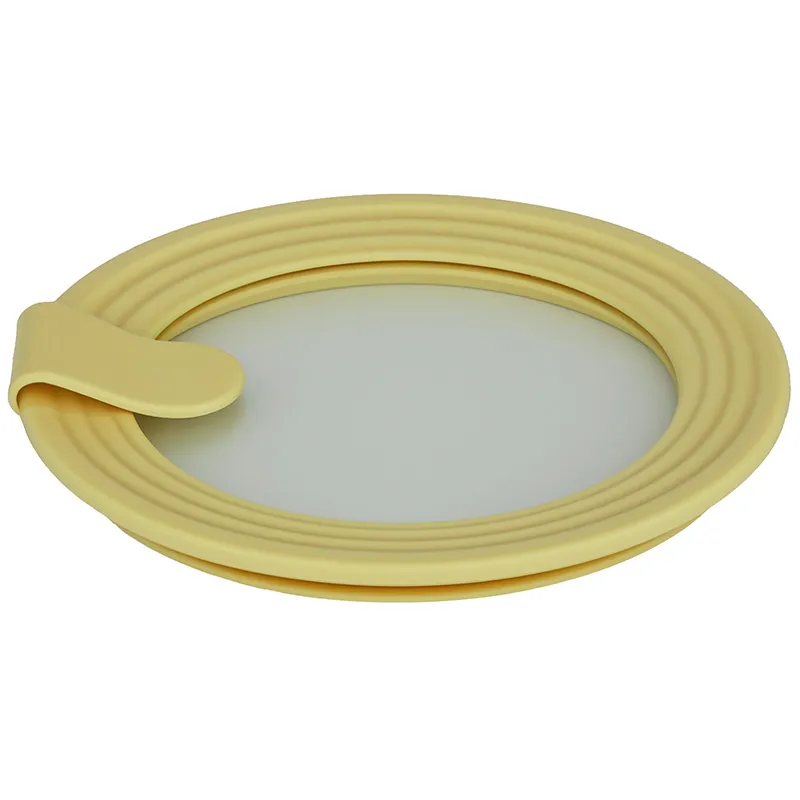
I recall a specific product development meeting where we debated adding a silicone gasket to the lid for an absolute seal. We prototyped it. It worked brilliantly for storage but failed in the oven—the silicone couldn't handle the sustained high heat adjacent to the glass without degrading. We abandoned it. The lesson was that for a dual-purpose item, sometimes the simpler, all-glass solution is more robust, even if it requires the user to use a piece of foil for a perfect fridge seal.
The Global Supply Chain: A Quality Lens
Seeing that EUR-ASIA COOKWARE's output is largely exported is telling. It means they are likely producing to specific retailer or distributor specifications, which are often more detailed than generic wholesale standards. A German buyer might have a specific requirement for thermal shock resistance (cycling from freezer to oven), while a Japanese buyer might prioritize optical clarity and flawless finish. A factory catering to this market has to be adaptable and precise.
This global demand funnels back into better products for everyone. The processes developed for a high-spec export order often trickle down to their standard lines. So, when you see a glass cake pan with lid from a manufacturer with serious export credentials, you're not just buying a pan. You're buying the result of millions of units of feedback from the world's most demanding markets. The pan has been indirectly stress-tested by thousands of consumers before it even hits a domestic shelf.
Their specialization in tempered glass lid and other glass products is key. They're not a general cookware company dabbling in glass. They think in glass. This focus translates to understanding how to cut, temper, and finish a lid so its thermal expansion matches the pan, ensuring a consistent fit over time and temperature cycles. It's a nuance, but it's the difference between a set that lasts a year and one that lasts a decade.
Final Take: What to Actually Look For
So, if you're evaluating a glass cake pan, ignore the fancy packaging. Pick it up. Feel the weight—it should have a substantial, even heft. Look at the edges—they should be smooth, fire-polished, not sharp. Check the lid fit—it should sit flush without rocking, but also release without a struggle. Look for markings. Tempered, Oven-Safe to at least 400°F (204°C), and preferably a manufacturer's brand or code. Transparency about origin, like seeing a dedicated factory footprint from a company, adds a layer of accountability.
In the end, a good glass cake pan with lid is a testament to controlled, precise manufacturing. It's a deceptively simple product that hides a lot of engineering. The best ones, from specialists who live and breathe glass like the teams at production bases in places like Taian City, disappear into your kitchen routine. They just work, batch after batch, year after year, without drama. And that's the real goal—not to be noticed, but to be reliably, silently present for every bake and every leftover.
It's not about finding a perfect pan. It's about understanding the compromises and decisions baked into its design, and choosing one whose compromises align with how you actually cook, store, and clean. That's the professional's take, anyway. The rest is just sales copy.
Related Products
Related Products