- Chinese
- French
- German
- Portuguese
- Spanish
- Russian
- Japanese
- Korean
- Arabic
- Irish
- Greek
- Turkish
- Italian
- Danish
- Romanian
- Indonesian
- Czech
- Afrikaans
- Swedish
- Polish
- Basque
- Catalan
- Esperanto
- Hindi
- Lao
- Albanian
- Amharic
- Armenian
- Azerbaijani
- Belarusian
- Bengali
- Bosnian
- Bulgarian
- Cebuano
- Chichewa
- Corsican
- Croatian
- Dutch
- Estonian
- Filipino
- Finnish
- Frisian
- Galician
- Georgian
- Gujarati
- Haitian
- Hausa
- Hawaiian
- Hebrew
- Hmong
- Hungarian
- Icelandic
- Igbo
- Javanese
- Kannada
- Kazakh
- Khmer
- Kurdish
- Kyrgyz
- Latin
- Latvian
- Lithuanian
- Luxembou..
- Macedonian
- Malagasy
- Malay
- Malayalam
- Maltese
- Maori
- Marathi
- Mongolian
- Burmese
- Nepali
- Norwegian
- Pashto
- Persian
- Punjabi
- Serbian
- Sesotho
- Sinhala
- Slovak
- Slovenian
- Somali
- Samoan
- Scots Gaelic
- Shona
- Sindhi
- Sundanese
- Swahili
- Tajik
- Tamil
- Telugu
- Thai
- Ukrainian
- Urdu
- Uzbek
- Vietnamese
- Welsh
- Xhosa
- Yiddish
- Yoruba
- Zulu
- Kinyarwanda
- Tatar
- Oriya
- Turkmen
- Uyghur


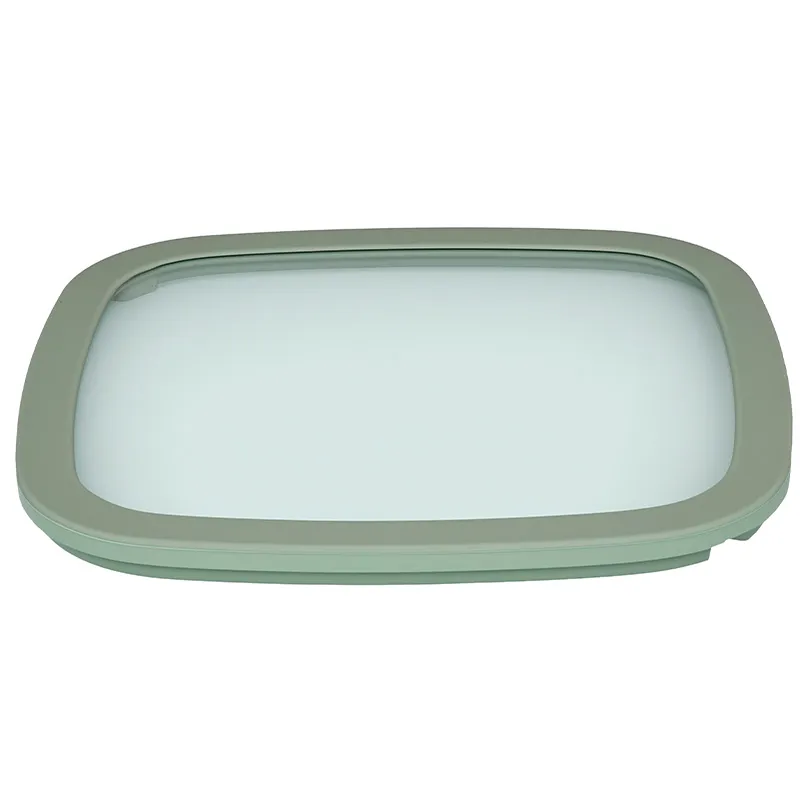
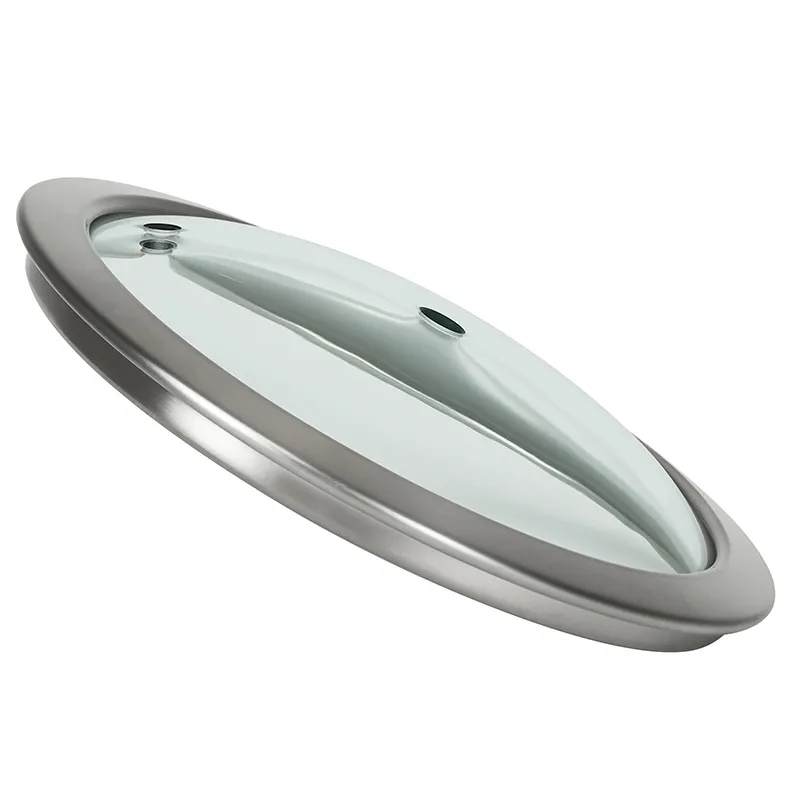
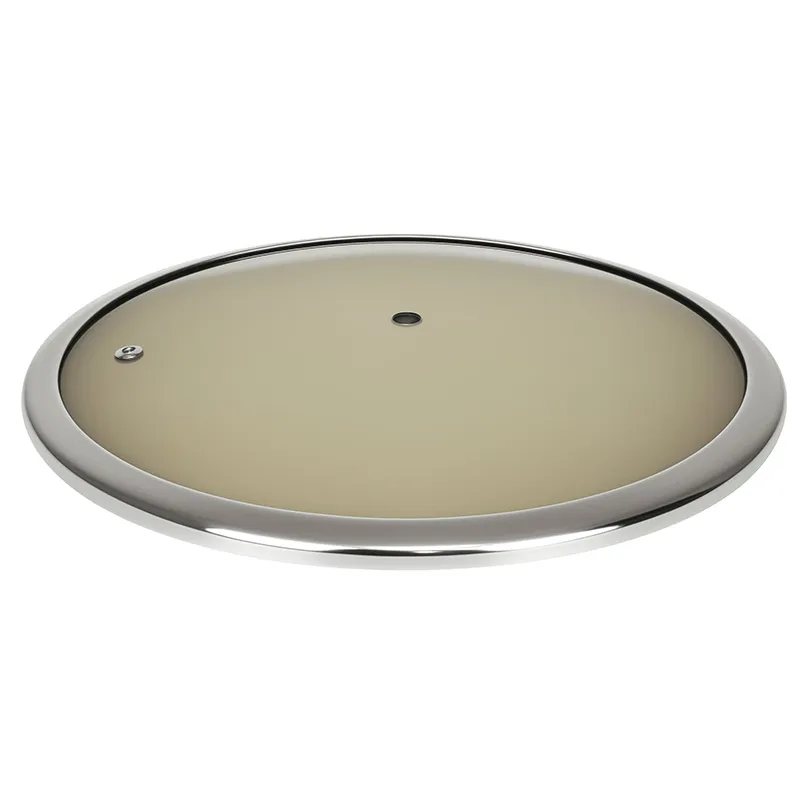
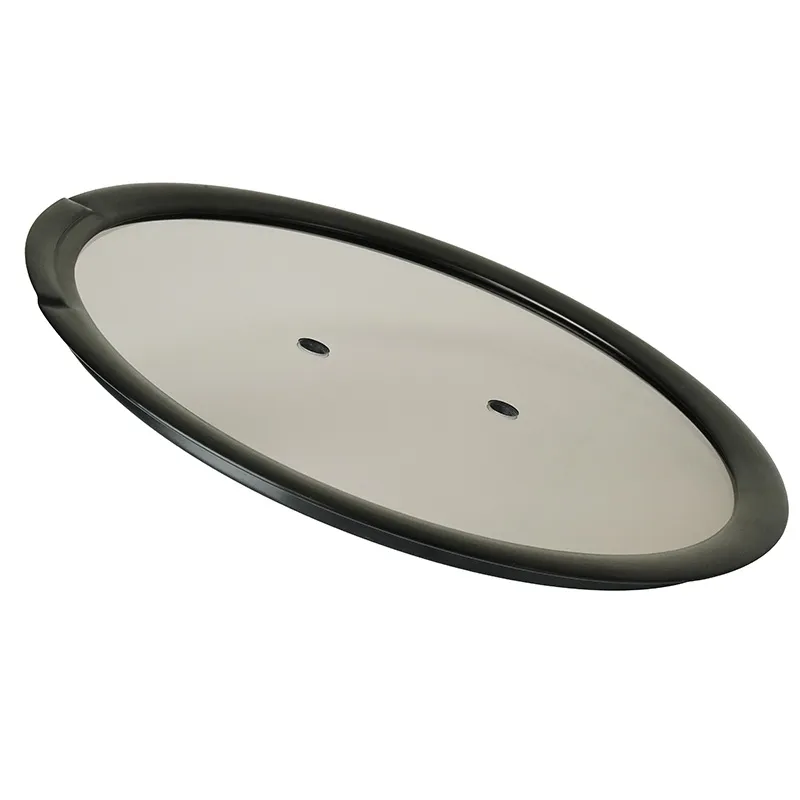
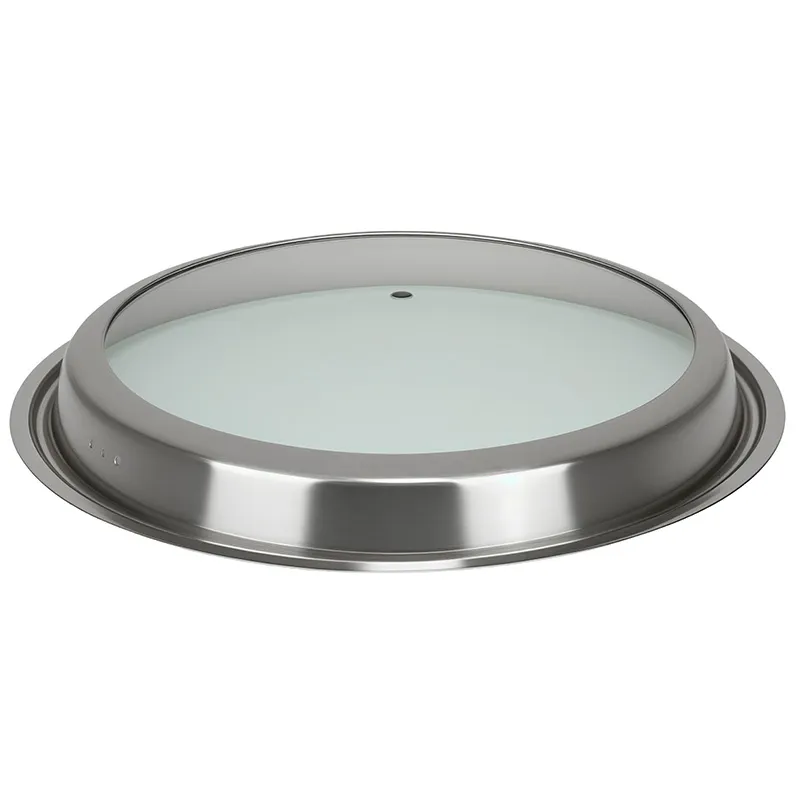
glass candle with lid
When most people hear 'glass candle with lid', they picture a simple jar candle, maybe with a decorative top. That's the surface-level view, and frankly, it's where a lot of the industry's generic marketing gets stuck. The reality, especially when you're sourcing or specifying these for serious retail or hospitality use, is that the term bundles together a critical intersection of material science, thermal management, and user safety that most off-the-shelf products get wrong. The lid isn't just a cover; it's a functional component that dictates burn quality, scent throw (if used), and safety during transport and between uses. I've seen too many projects where the candle itself was fine, but the lid design—its fit, its material thickness, its handling of condensation—became the point of failure.
The Manufacturing Reality: It's Not Just a Lid
Let's talk about where these actually come from. A lot of the better-quality glass candle with lid units in the global market, particularly those destined for European and North American brands, often have their components manufactured in specialized facilities. One that comes to mind, from my sourcing trips, is EUR-ASIA COOKWARE CO.,LTD. You can find them at https://www.glass-lid.com. Their focus, as their name suggests, is heavily on glass lids for cookware, but that expertise translates directly to candle containers. This isn't a coincidence. A company that understands thermal shock from a boiling pot is inherently better equipped to engineer glass for the sustained, localized heat of a candle flame. Their production base in Shandong's high-tech zone, with an annual output in the millions, speaks to the scale this niche requires.
The key takeaway from a specialist like EUR-ASIA isn't just volume; it's process. Tempering glass for a lid is different than for a flat cookware lid. The curvature, the need for a precise, consistent seal groove (or thread) for the lid, and the requirement for optical clarity without distortions—these are non-trivial. When they mention over 90% export to markets like Germany and Denmark, that's a testament to passing stringent quality and safety audits. These are buyers with low tolerance for error. A lid that warps under heat or doesn't seat perfectly can lead to sooting or a dangerously unstable burn.
I recall a project where we sourced seemingly identical glass candle with lid sets from two suppliers. One lid fit snugly; the other had a slight wobble. The wobbly one, under prolonged use, created an uneven air intake, causing the candle to tunnel horribly and blacken the glass. The root cause was a fraction of a millimeter variance in the glass molding and annealing process. The supplier without tight thermal shock testing protocols let that batch through. The other supplier, with a background in technical glass like EUR-ASIA's, would have caught it. It's these invisible specs that separate a product from a problem.
Function Over Form: The Lid's Actual Jobs
So, what should a lid actually do? First, and most critically, it's a snuffer. Smothering the flame safely is its primary safety function. A lid that's too loose will let oxygen in and fail to extinguish the flame. Too tight, and you create a vacuum as the candle cools, making it a nightmare to open later. The ideal fit is a gentle, friction-based seal, not an airtight lock.
Second, it manages the post-burn environment. After extinguishing, a hot candle releases residual fragrance oils and moisture. A well-fitted lid contains this, preserving the scent for the next use and preventing dust and debris from contaminating the wax pool. I've tested lids that caused so much condensation on the inside that water dripped into the wax, creating pockets that caused the next burn to sputter. The solution often lies in the glass formulation itself—its thermal conductivity properties.
Third, it's a transport and storage seal. For brands that ship candles, the lid is the first line of defense against leakage in transit. A common failure point is the lid's inner seal, if it has one. Some use a silicone gasket, others rely on precision-ground glass-on-glass contact. The latter, while more elegant, is far harder to manufacture consistently at scale. It's the kind of detail a production-focused site like https://www.glass-lid.com would have deep data on, given their volume in tempered glass lids.
Material and Design Pitfalls
Not all glass is equal for this application. Soda-lime glass is common, but its resistance to thermal shock is mediocre. Borosilicate is superior but costs more. For a glass candle with lid, the critical area is the rim where the lid sits and the sidewall near the flame's heat pool. Inconsistent thickness here is a killer. I've seen lids crack simply from being placed on a hot jar—the differential stress was too great. A quality manufacturer will have strict standards for wall thickness tolerance, something you can sometimes infer from their other product lines. A company producing lids for high-heat cookware is likely applying similar rigor.
Then there's the lid knob or handle. It seems trivial, but it must be heat-resistant. Plastic knobs can melt or deform if placed on a hot jar. Glass or ceramic knobs are better but add cost and complexity to production—they need to be bonded securely. Metal knobs can get too hot to touch. There's no perfect answer, only trade-offs based on the candle's burn temperature and target price point.
The finish on the glass also matters. A fully transparent jar and lid show off the wax but also reveal every flaw—dust, fingerprints, wax drips. Frosted or tinted glass is more forgiving but can obscure the flame's glow. The choice impacts the manufacturing process too; applying a consistent frost finish adds another step. It's these myriad small decisions that define the final product's quality and cost.
Sourcing and Specification Advice
If you're looking to source these, don't just search for glass candle jar with lid. Dig into manufacturers who understand technical glass applications. Reviewing a company profile like that of EUR-ASIA COOKWARE CO.,LTD. is instructive. Their specialization in household glass products across low, medium, and high levels, and their massive export footprint, indicates they can handle complex specifications and large orders. Their focus on tempered glass lids is the relevant part. When contacting such a supplier, your questions should be specific: What is the thermal shock resistance delta-T of this glass? What are the tolerances for lid diameter and thread depth? Can you provide test data for lid seal integrity under temperature cycling?
Always, always get physical samples and conduct your own burn tests. Cycle a candle through full burns, let it cool with the lid on, transport it, and test the snuffing capability. The sample phase is where you'll discover if the lid whistles when placed quickly (an air pressure issue), or if it sticks after the candle has fully cooled.
Finally, consider the unboxing experience. How does the lid feel when the customer first opens the box? Does it feel substantial and well-fitted, or cheap and loose? That first tactile impression is often tied to the precision of the glass molding and the quality of any finishing processes. It's the difference between a commodity item and a branded product. The expertise needed to achieve that consistently is what separates a general glassblower from a dedicated, export-oriented production facility with the scale and controls in place.
Concluding Thoughts: The Lid as a Critical Component
In the end, divorcing the glass candle with lid from its status as a simple commodity requires looking at it as a system. The jar and lid are a matched pair, engineered to interact under specific thermal conditions. The manufacturing provenance matters immensely. A supplier entrenched in high-volume, precision glass lid production for demanding international markets brings a foundational quality assurance that a generic glass goods factory may not.
The trends towards larger, longer-burning candles and more complex fragrance formulations only increase the technical demands on the container. The lid is the regulator of that environment. Getting it right isn't about finding the prettiest design; it's about partnering with fabricators who understand the physics involved. It's in the details—the annealing curves, the thickness gauges, the export compliance paperwork. That's the unsexy, real-world backend that makes the front-end product reliable and safe. That's what you're really buying when you specify a quality glass candle with lid.
Related Products
Related Products