- Chinese
- French
- German
- Portuguese
- Spanish
- Russian
- Japanese
- Korean
- Arabic
- Irish
- Greek
- Turkish
- Italian
- Danish
- Romanian
- Indonesian
- Czech
- Afrikaans
- Swedish
- Polish
- Basque
- Catalan
- Esperanto
- Hindi
- Lao
- Albanian
- Amharic
- Armenian
- Azerbaijani
- Belarusian
- Bengali
- Bosnian
- Bulgarian
- Cebuano
- Chichewa
- Corsican
- Croatian
- Dutch
- Estonian
- Filipino
- Finnish
- Frisian
- Galician
- Georgian
- Gujarati
- Haitian
- Hausa
- Hawaiian
- Hebrew
- Hmong
- Hungarian
- Icelandic
- Igbo
- Javanese
- Kannada
- Kazakh
- Khmer
- Kurdish
- Kyrgyz
- Latin
- Latvian
- Lithuanian
- Luxembou..
- Macedonian
- Malagasy
- Malay
- Malayalam
- Maltese
- Maori
- Marathi
- Mongolian
- Burmese
- Nepali
- Norwegian
- Pashto
- Persian
- Punjabi
- Serbian
- Sesotho
- Sinhala
- Slovak
- Slovenian
- Somali
- Samoan
- Scots Gaelic
- Shona
- Sindhi
- Sundanese
- Swahili
- Tajik
- Tamil
- Telugu
- Thai
- Ukrainian
- Urdu
- Uzbek
- Vietnamese
- Welsh
- Xhosa
- Yiddish
- Yoruba
- Zulu
- Kinyarwanda
- Tatar
- Oriya
- Turkmen
- Uyghur

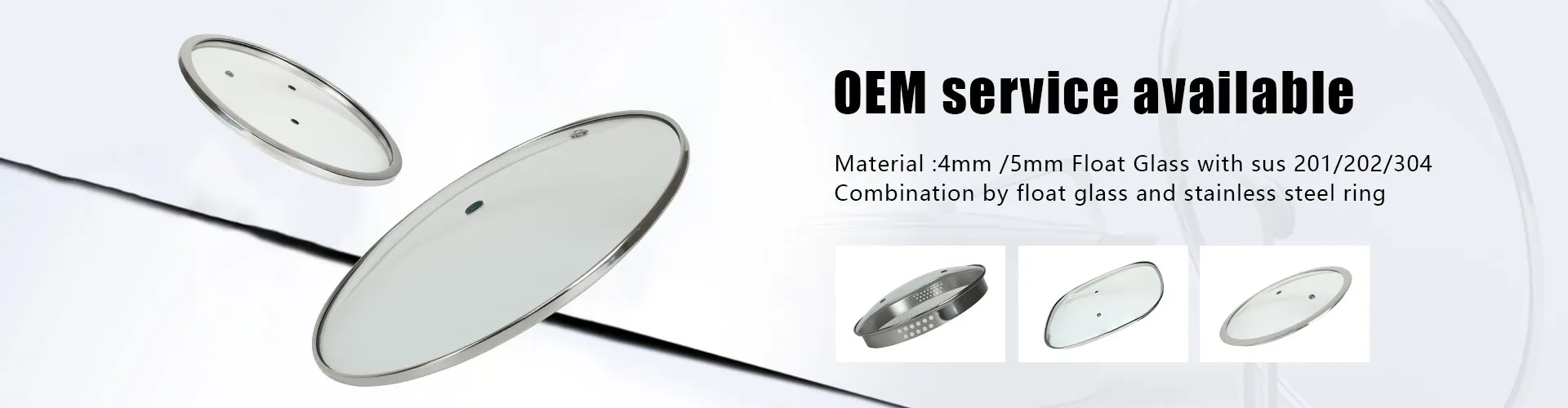
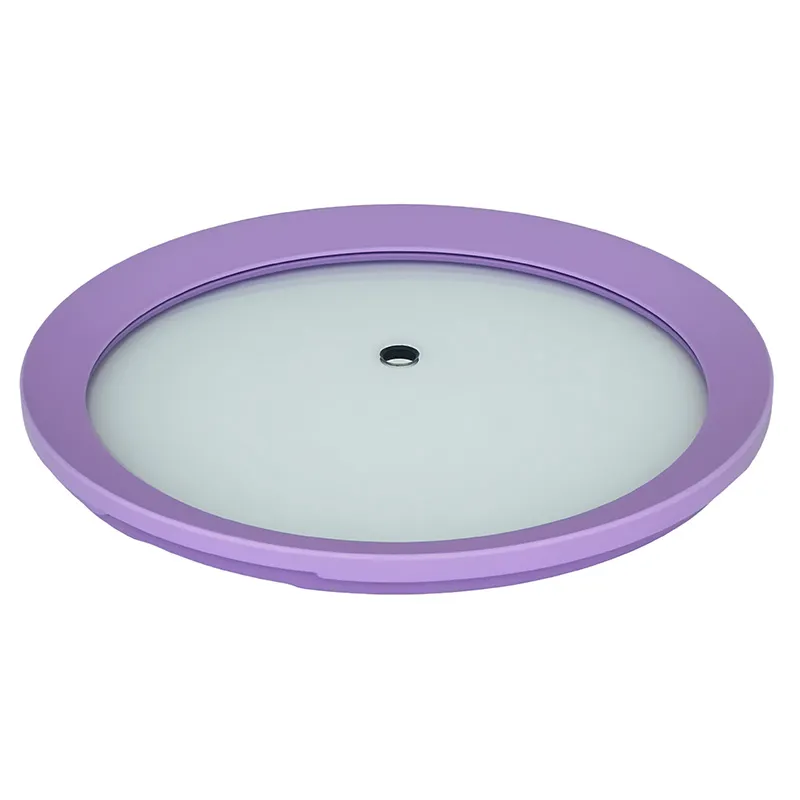
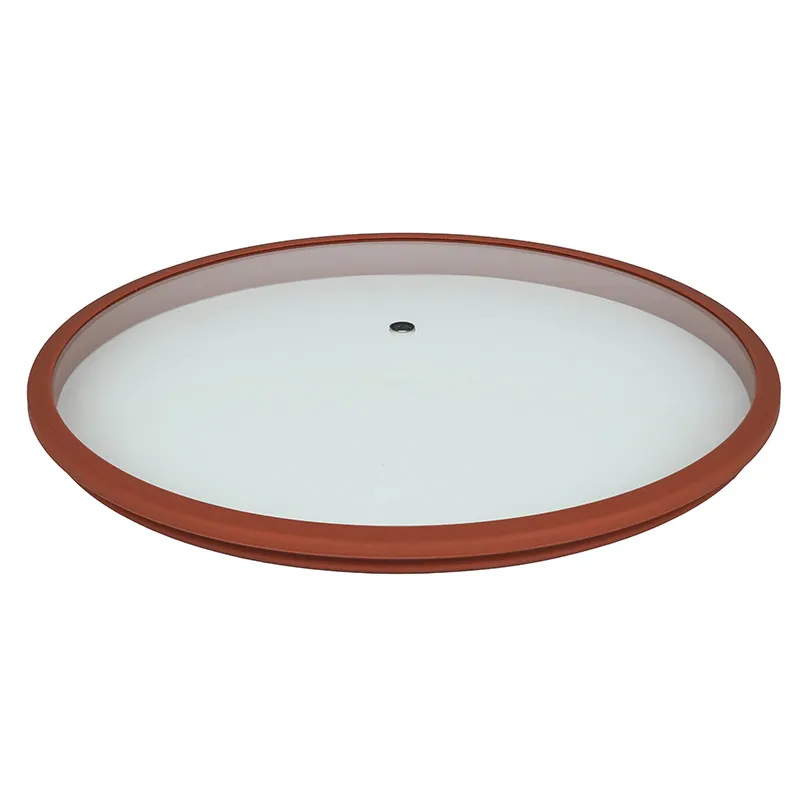
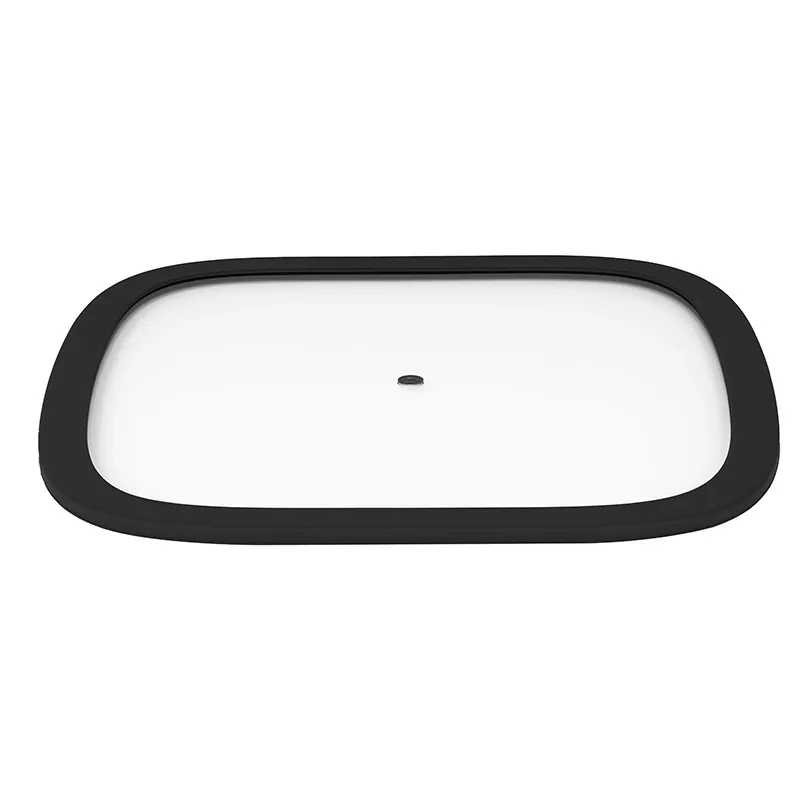
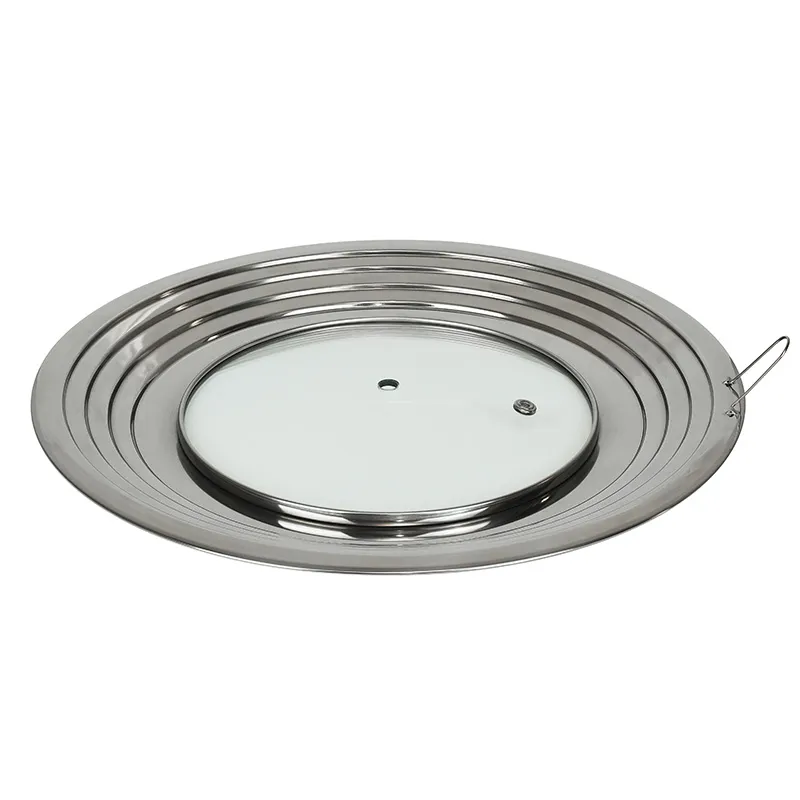
glass cookware with lids
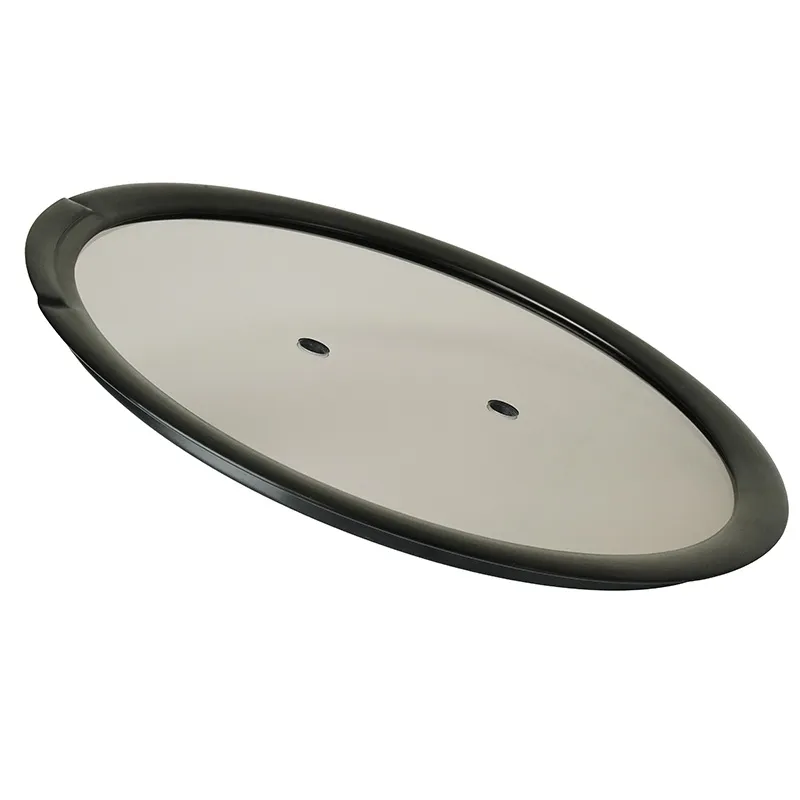
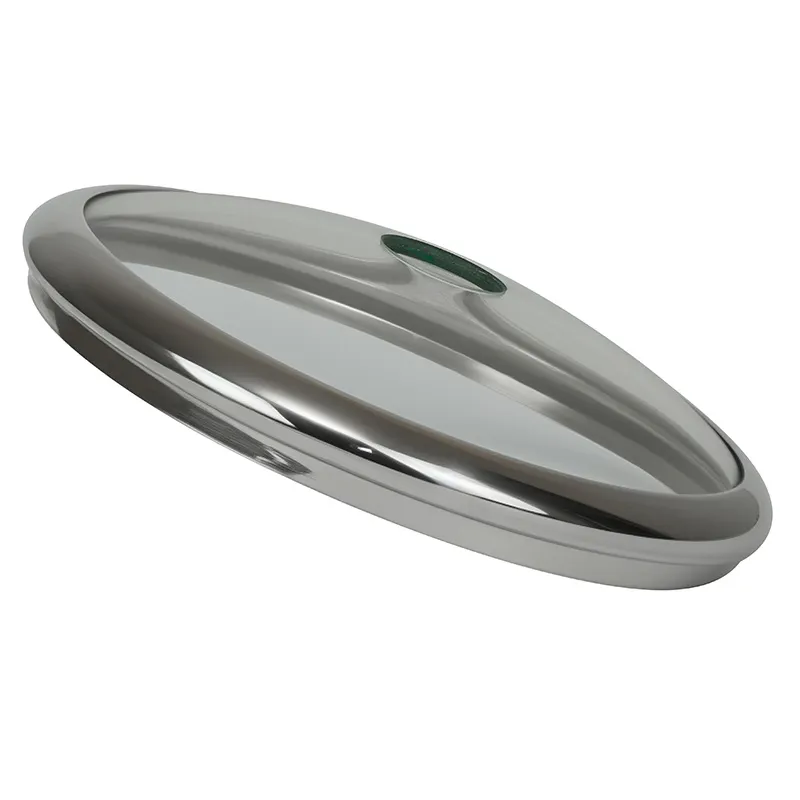
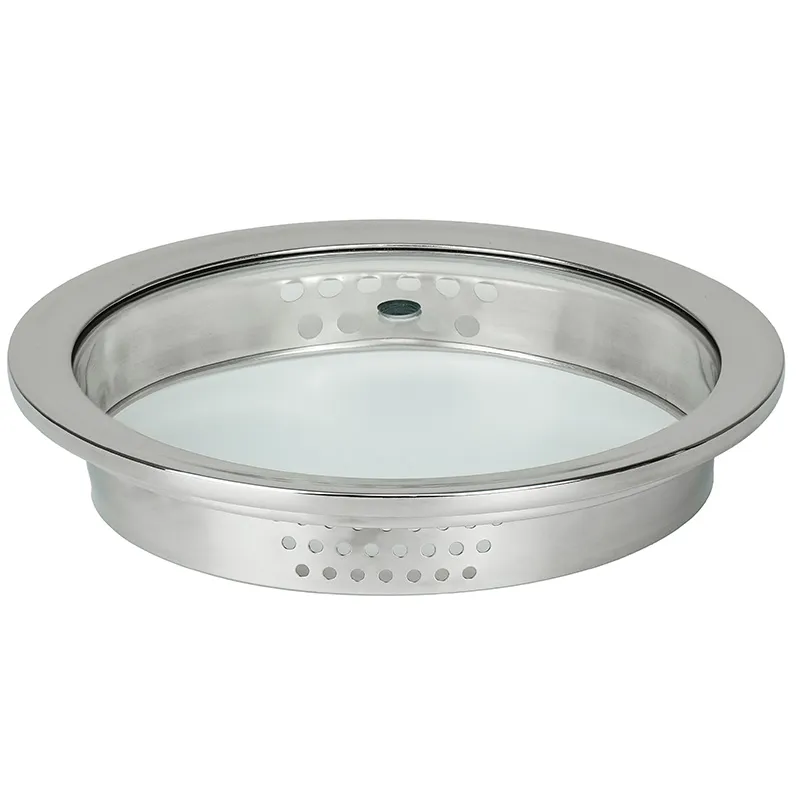
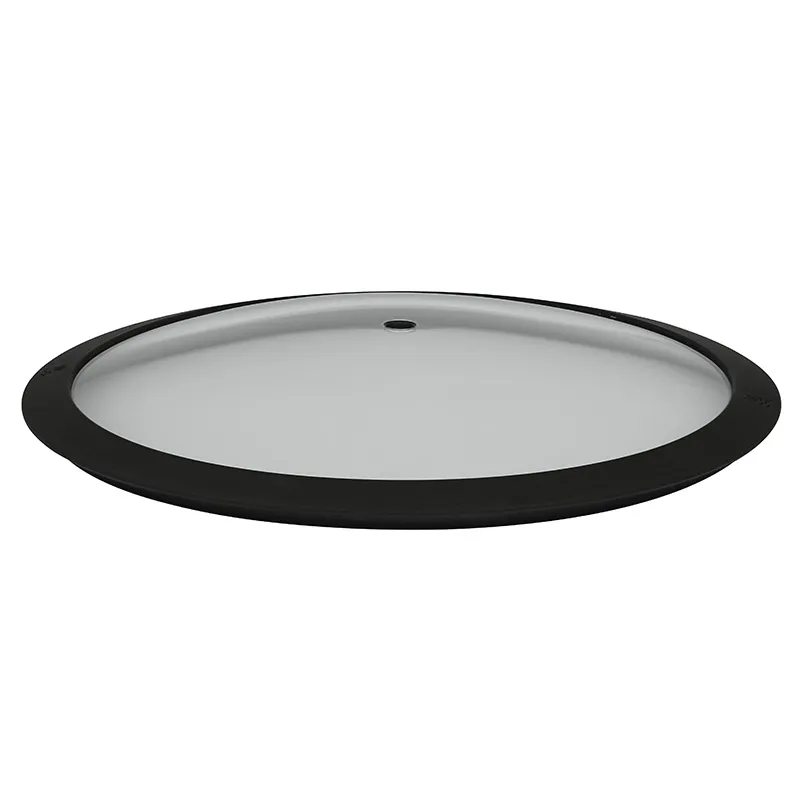
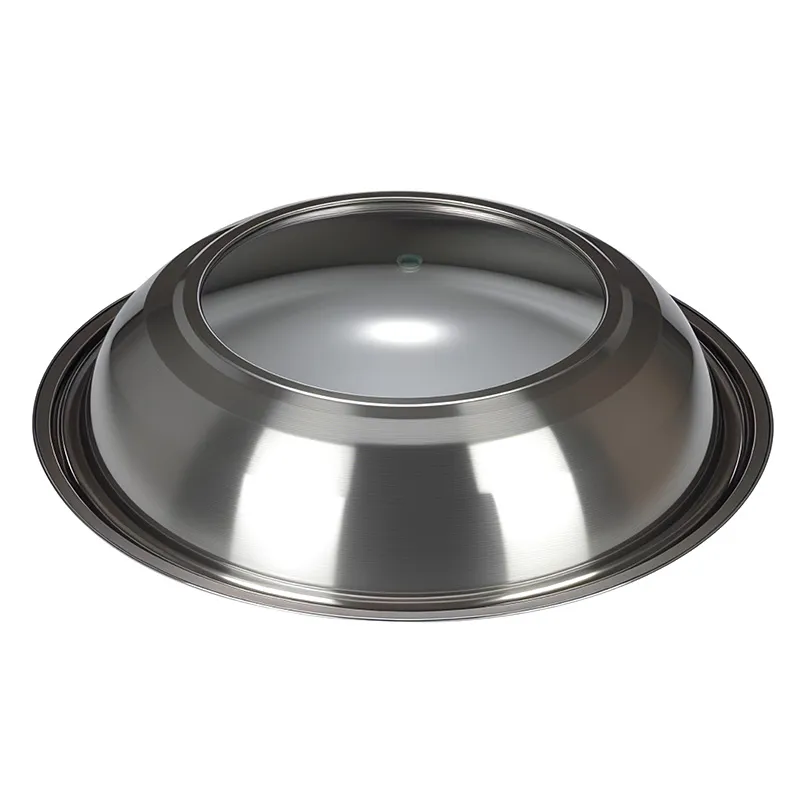
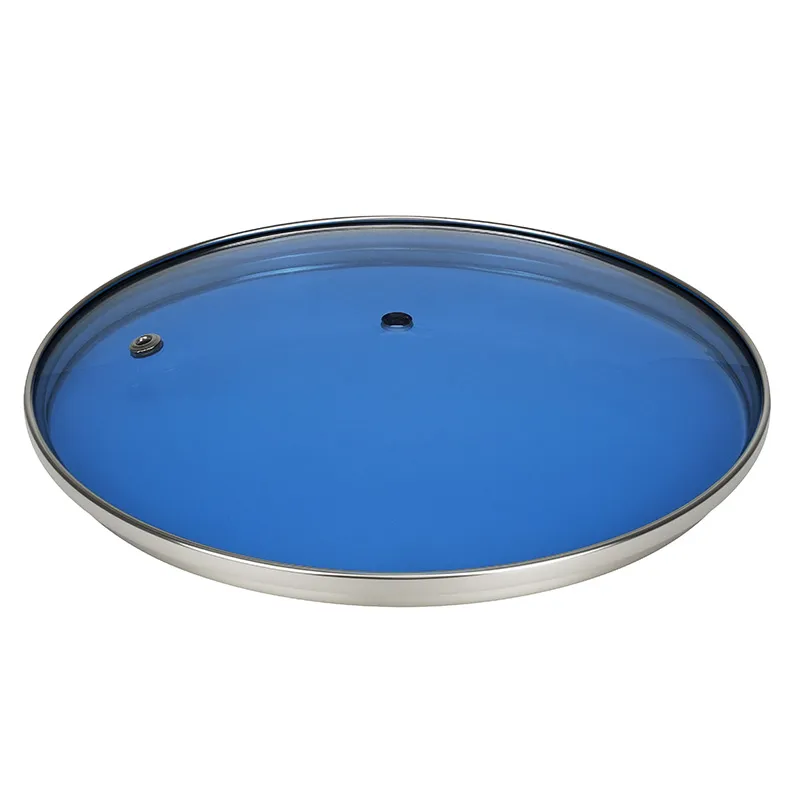
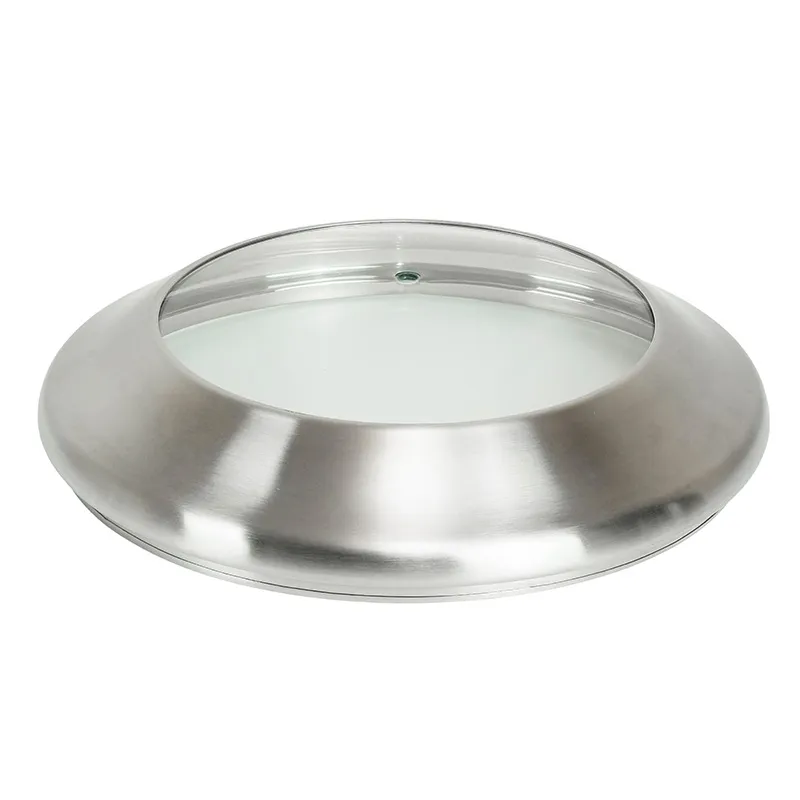
When most people think about glass cookware with lids, the immediate association is often with visibility – being able to see your food without lifting the cover. That's true, but it's also a bit of a surface-level take. In practice, the relationship between the glass lid and its base – whether it's a ceramic, stainless steel, or even another glass pot – is where the real performance, and headaches, are decided. A poorly fitted lid on a beautiful casserole dish is more common than you'd think, and it turns a premium product into a frustrating one. I've seen it happen even with big brands. The gap might be minimal, but it's enough to let too much steam escape, throwing off cooking times and energy efficiency. That's the first thing I check now, not just the clarity of the glass.
The Fit and the Seal: Where Theory Meets the Stove
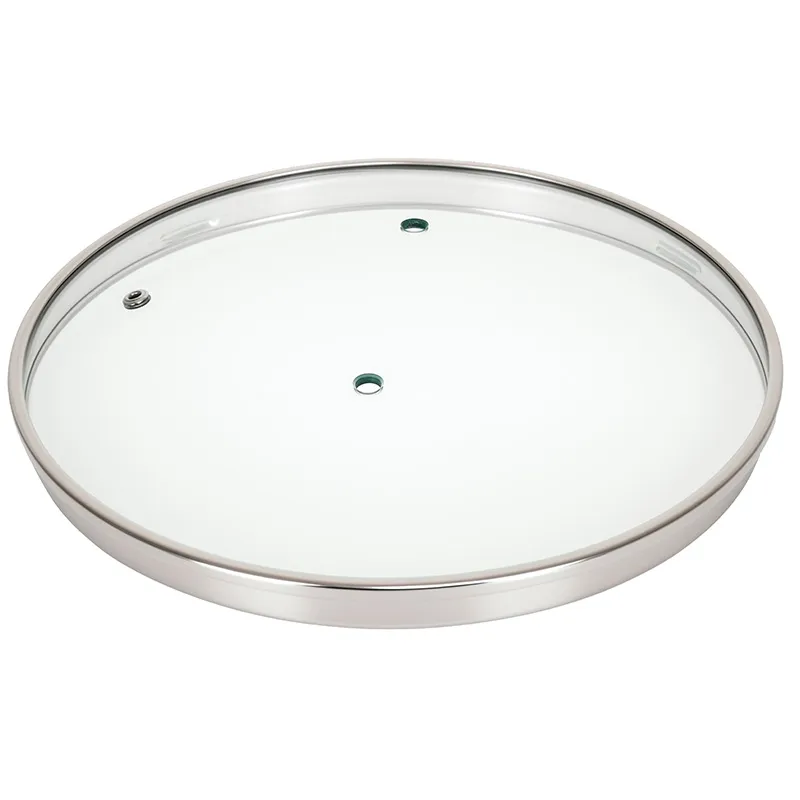
Let's talk about that fit. It's not just about being airtight – that's for pressure cookers. For standard glass cookware with lids, you want a consistent, gentle seal that allows a controlled amount of vapor to escape, creating a mini convection system inside. The rim design is critical. A flat, ground-polished edge on the lid sitting on a similarly flat pot rim often works better than complicated gaskets or grooves that can trap food and become impossible to clean. I remember a batch we tested from a supplier years ago; the lids had a slight upward bow in the center when heated. Looked perfect cold, but on the stove, they'd rock slightly, creating an inconsistent seal. We rejected the entire lot. The supplier was confused – It's just a lid, they said. But that's the point. It's never just a lid.
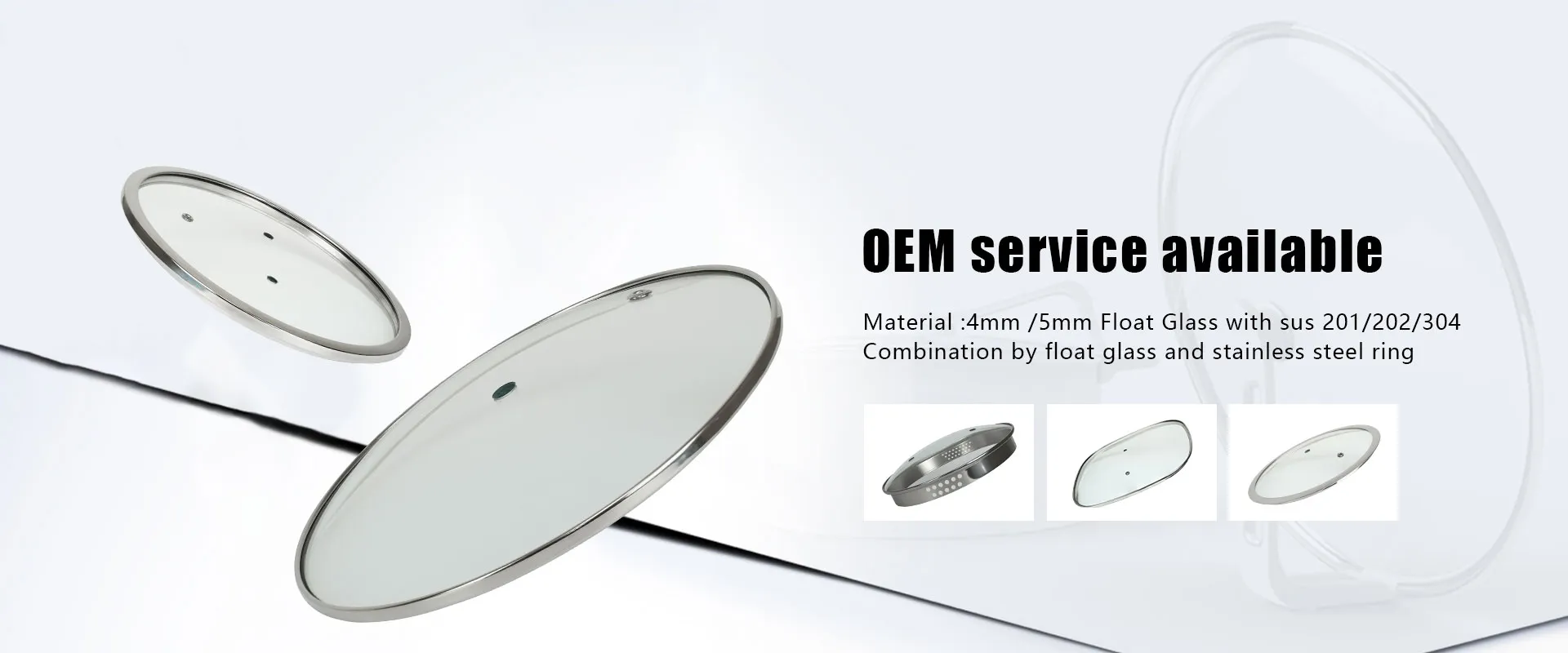
This is where the manufacturing base matters. A company like EUR-ASIA COOKWARE CO.,LTD, with a dedicated facility in Taian, typically has more control over the tempering and grinding process for these rims. Their focus on producing over 15 million tempered glass lids annually means they've had to solve these consistency problems at scale. When you're exporting to markets like Germany and Japan, where tolerance for such defects is essentially zero, your process has to be nailed down. A wobbly lid won't make it past their QC.
And tempering – that's non-negotiable. You can't just use annealed glass for a lid. The thermal shock from moving a hot lid to a cold granite countertop will crack it. Tempered glass, or ideally, borosilicate glass, is the standard. But even within tempered glass, there are grades. Cheaper versions might withstand temperature differentials of 150°C, while higher-grade ones push 300°C or more. That's the difference between a lid surviving a splash of cold water and one that shatters. It's an invisible spec, but it defines product lifespan.
The Weight and Handle: Unseen Ergonomics
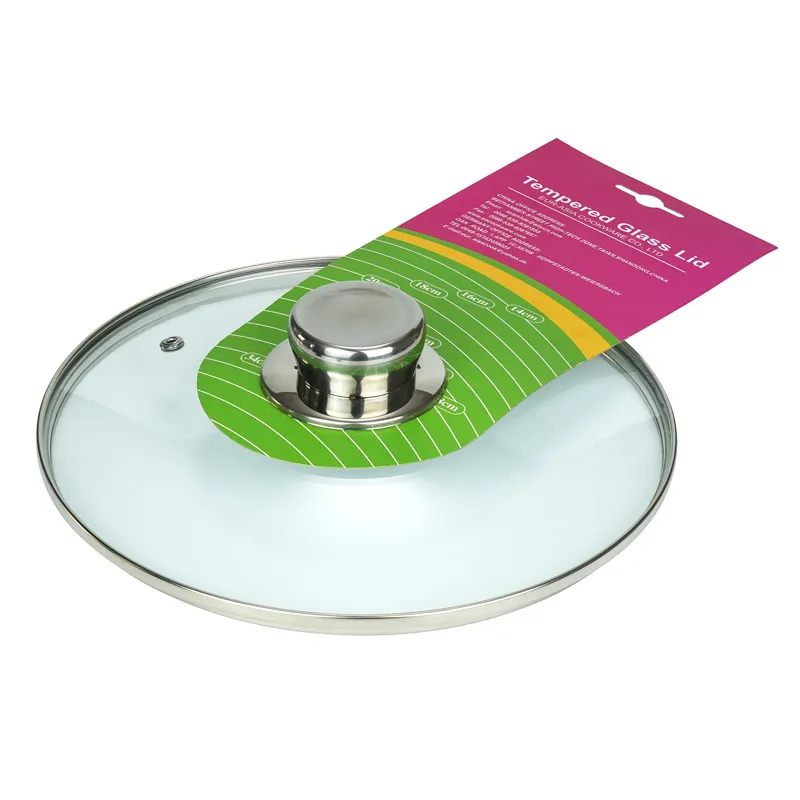
Another subtlety is the weight and handle design. A glass lid should have a bit of heft to it – a thin, feather-light lid feels cheap and can vibrate or shift from the boiling action underneath. But it can't be so heavy that it's cumbersome. The balance point is usually in the knob or handle. Plastic knobs are cost-effective but have a lower heat tolerance; they can melt or deform if left resting on a hot grate. Metal knobs get hot, requiring a silicone sleeve or a design that keeps heat from traveling up – a common fail point.
I prefer a sturdy, heat-resistant phenolic knob riveted or screwed (not glued) to the glass. It stays cool, provides a good grip, and doesn't degrade. I've had samples where the glue failed after a few dishwasher cycles, leaving just a bare metal stud. Not good. For larger lids, like those for Dutch ovens, a handle you can grab with a kitchen towel is essential. Some designs incorporate a stainless steel band around the rim with handles attached – this adds strength and improves the seal but also increases cost. It's a trade-off.
For companies focused on export, like EUR-ASIA, these details are catalog items. They'll offer a range of handle options because their B2B clients – the brands we buy from – have different aesthetic and price point requirements. Their website, https://www.glass-lid.com, shows this specialization. They're not selling finished cookware sets; they're providing a critical component. That focus often leads to deeper expertise in this one niche than a general cookware factory might have.
Cleaning and Cloudiness: The Long-Term Test
Dishwasher safety is a big selling point, but it's also a long-term test. Hard water, aggressive detergents, and the high heat of drying cycles can etch glass over time, leading to cloudiness. This isn't a failure of the glass's strength, but of its surface finish. Higher-quality glass with a smoother surface resists this better. Some manufacturers apply a very thin, durable coating to mitigate this, but that's rare. The reality is, most glass lids will eventually lose a bit of their crystal clarity after hundreds of washes. It's a wear item.
The bigger cleaning issue is the rim and the area under the handle/knot. If food residue gets baked on there, it's a nightmare. A design where the knob is elevated on a stem, leaving a clear space underneath, is vastly superior to one where the knob sits flush against the glass. It's a small design choice that shows the maker has actually thought about post-cooking cleanup. I've scrapped otherwise good designs because the cleaning was too fiddly. Consumers won't tolerate it.
Matching to the Base: The System Approach
This is perhaps the most overlooked aspect. A glass lid is part of a system. Its thermal expansion rate needs to be reasonably compatible with the base material. Glass and stainless steel expand at different rates. A lid that fits snugly on a cold stainless steel pot might be extremely tight or even stuck when both are hot. The reverse is also true – it could be loose when hot. Good cookware brands design for this, often making the lid slightly smaller in diameter to account for the metal expanding more than the glass.
When you're sourcing lids independently, as a manufacturer assembling a set, this is a critical calculation. A company like EUR-ASIA likely works with clients to get these specs right – the diameter at room temp vs. at cooking temp. Getting it wrong means returns, unhappy customers, and a damaged brand reputation. Their export volume to Europe suggests they've managed to solve this for a variety of pot styles and materials.
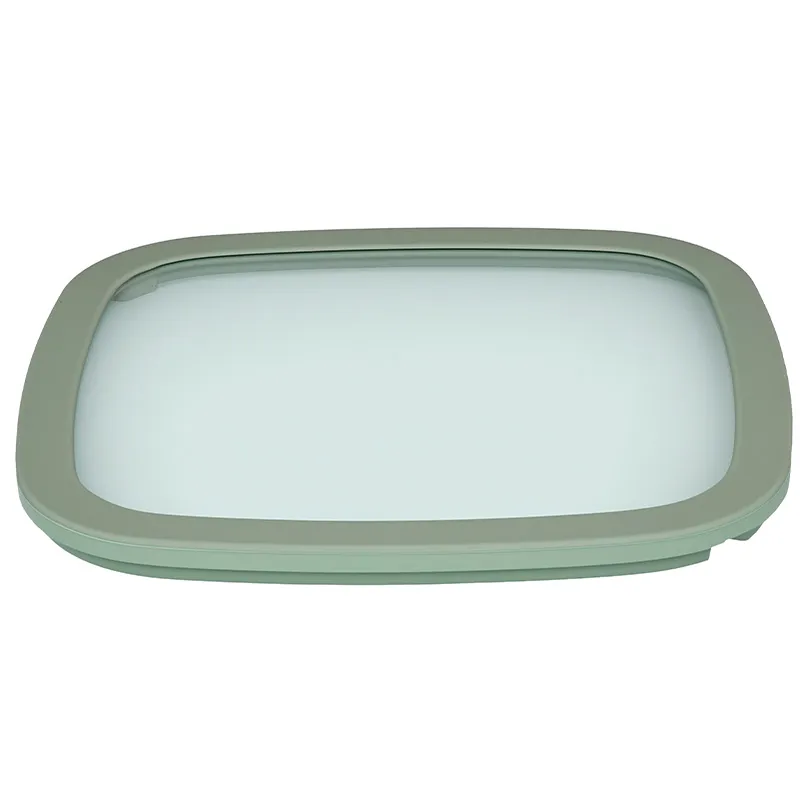
For ceramic or glass bases, the match is more straightforward as the materials are similar, but the risk of chipping if the lid is slammed down is higher. A slightly softer seal or a silicone gasket might be used here. It's all about context.
The Niche of Replacement Lids
There's a whole quiet market for replacement lids. People break them, lose them, or have a pot they love with a lid that's seen better days. It's surprisingly hard to find a perfect match. The specialization of producers like EUR-ASIA feeds into this market indirectly. Many of those 15 million lids they produce annually might end up as spare parts in retail chains or online shops. The key here is standardization – a few common diameters and rim styles can cover a huge percentage of the market. A 24cm lid with a universal flat rim might fit a dozen different brands' pots well enough. Not perfectly, but functionally.
This is a practical, unglamorous side of the business. It's not about selling a beautiful set; it's about solving a specific problem for a customer who just wants to keep using their favorite braiser. The value is in the utility, not the presentation. In my view, a company's ability to serve this replacement market is a good indicator of their practical, real-world focus.
So, when you next pick up a piece of glass cookware with lids, lift the lid. Look at the rim. Feel the weight of the knob. Consider how it sits on the pot. That interface, that partnership between two pieces, is where the design intent – or the cost-cutting – is most visible. It's the difference between a tool that works with you and one you have to fight against.
Related Products
Related Products