- Chinese
- French
- German
- Portuguese
- Spanish
- Russian
- Japanese
- Korean
- Arabic
- Irish
- Greek
- Turkish
- Italian
- Danish
- Romanian
- Indonesian
- Czech
- Afrikaans
- Swedish
- Polish
- Basque
- Catalan
- Esperanto
- Hindi
- Lao
- Albanian
- Amharic
- Armenian
- Azerbaijani
- Belarusian
- Bengali
- Bosnian
- Bulgarian
- Cebuano
- Chichewa
- Corsican
- Croatian
- Dutch
- Estonian
- Filipino
- Finnish
- Frisian
- Galician
- Georgian
- Gujarati
- Haitian
- Hausa
- Hawaiian
- Hebrew
- Hmong
- Hungarian
- Icelandic
- Igbo
- Javanese
- Kannada
- Kazakh
- Khmer
- Kurdish
- Kyrgyz
- Latin
- Latvian
- Lithuanian
- Luxembou..
- Macedonian
- Malagasy
- Malay
- Malayalam
- Maltese
- Maori
- Marathi
- Mongolian
- Burmese
- Nepali
- Norwegian
- Pashto
- Persian
- Punjabi
- Serbian
- Sesotho
- Sinhala
- Slovak
- Slovenian
- Somali
- Samoan
- Scots Gaelic
- Shona
- Sindhi
- Sundanese
- Swahili
- Tajik
- Tamil
- Telugu
- Thai
- Ukrainian
- Urdu
- Uzbek
- Vietnamese
- Welsh
- Xhosa
- Yiddish
- Yoruba
- Zulu
- Kinyarwanda
- Tatar
- Oriya
- Turkmen
- Uyghur


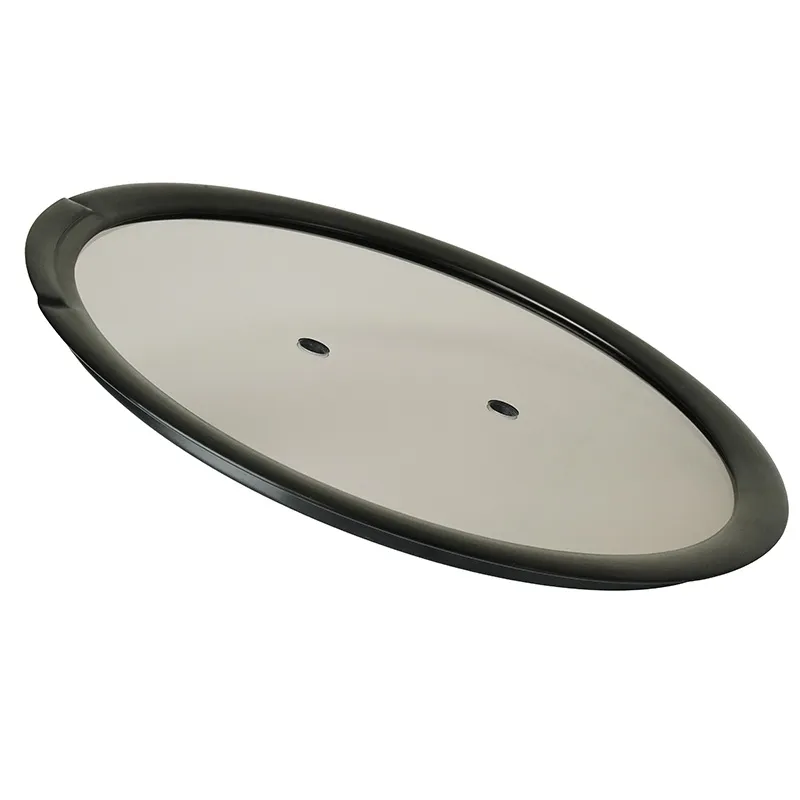
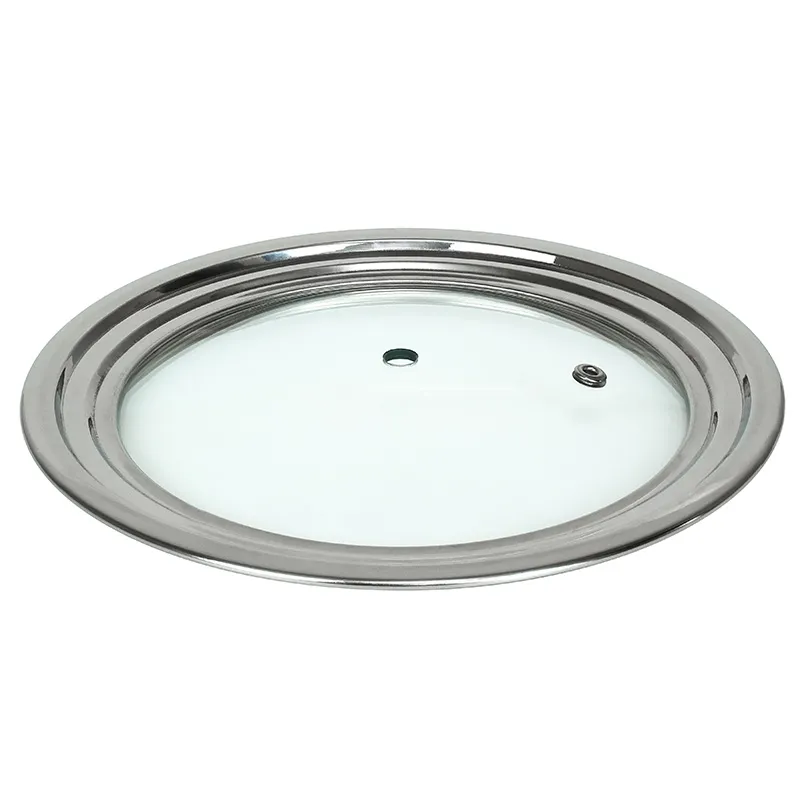
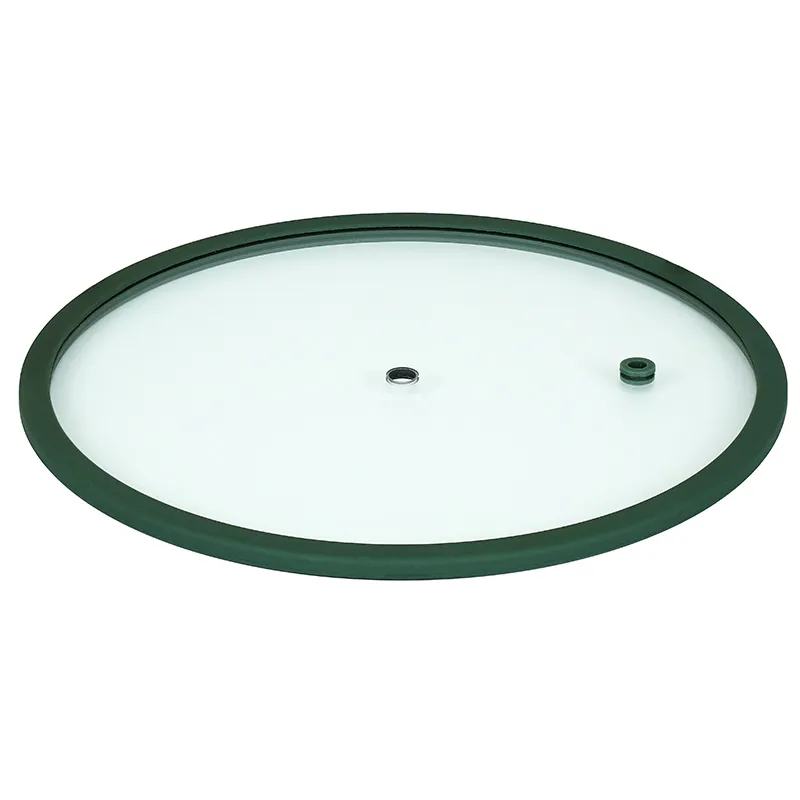
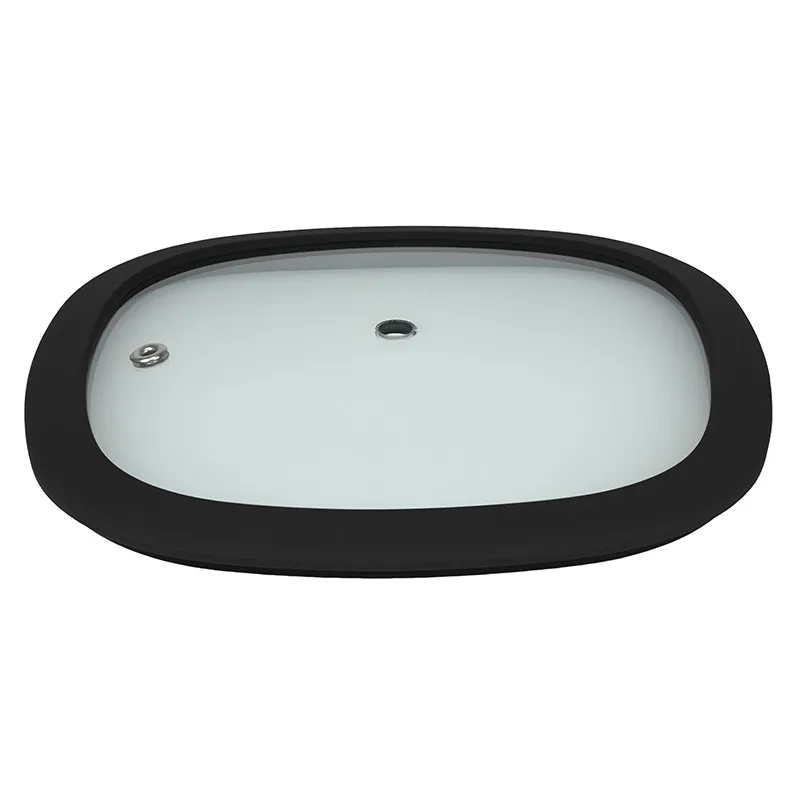
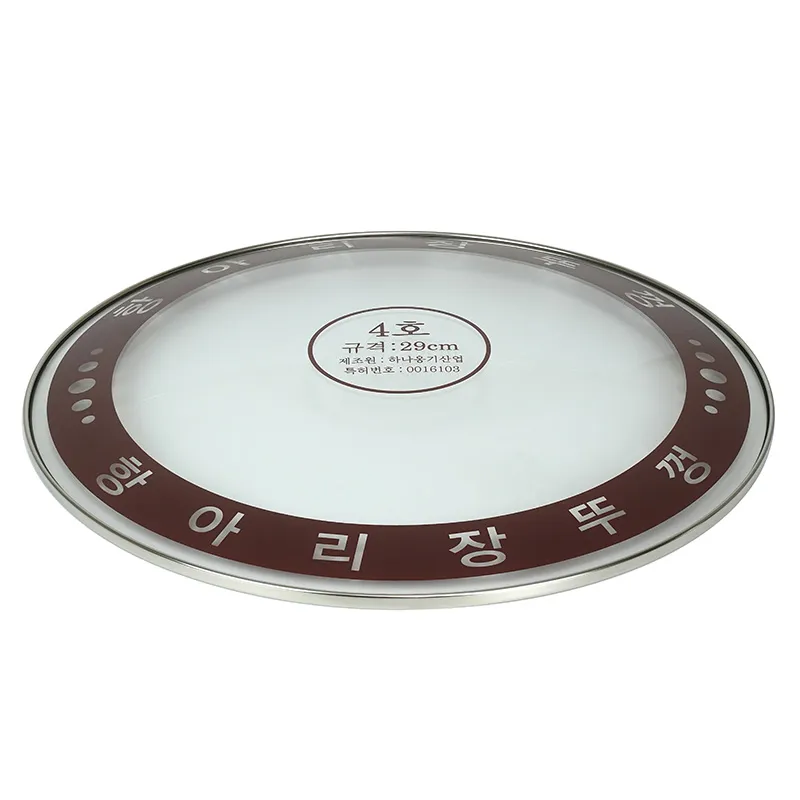
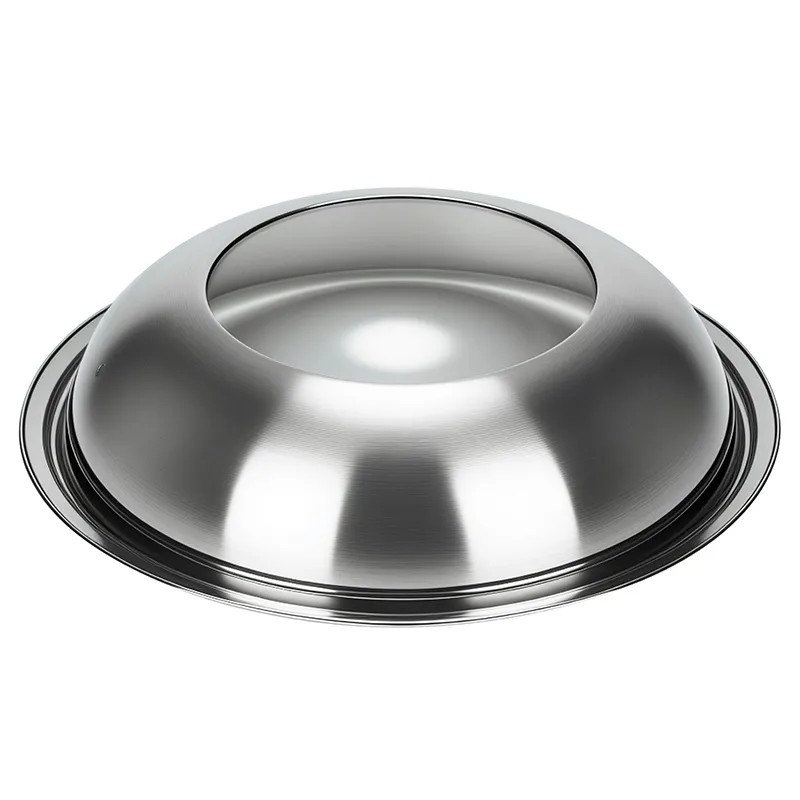
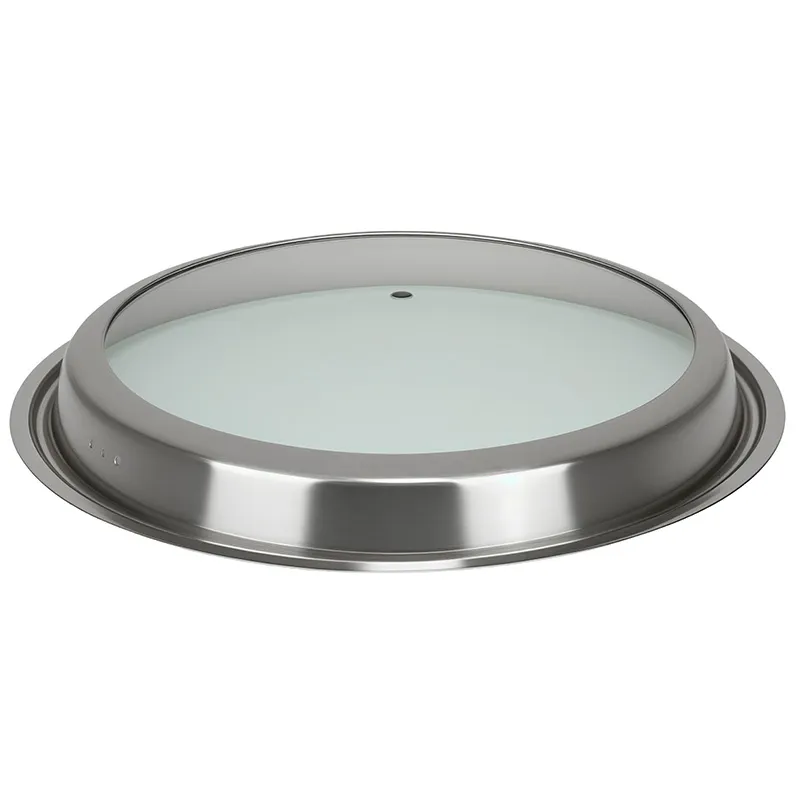
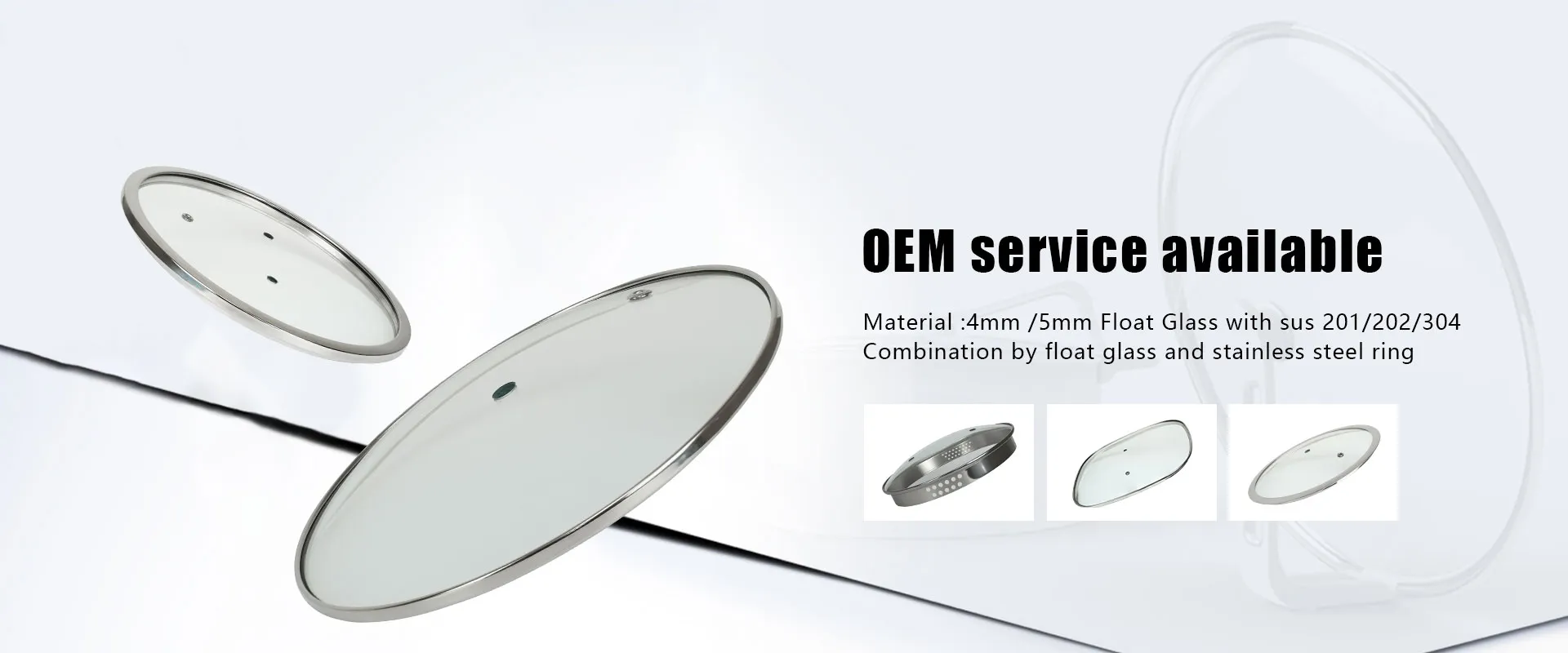
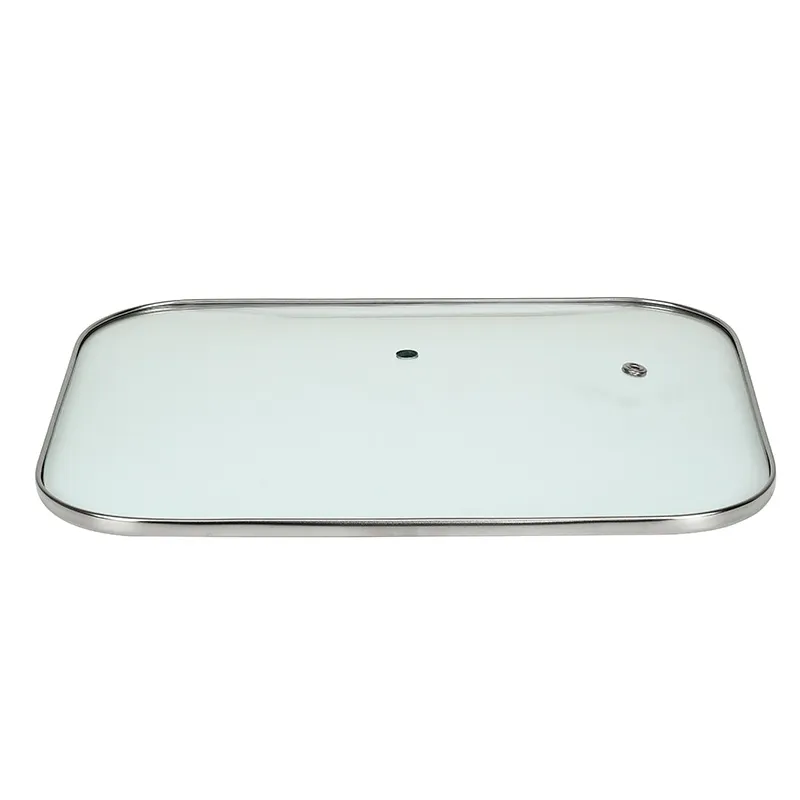
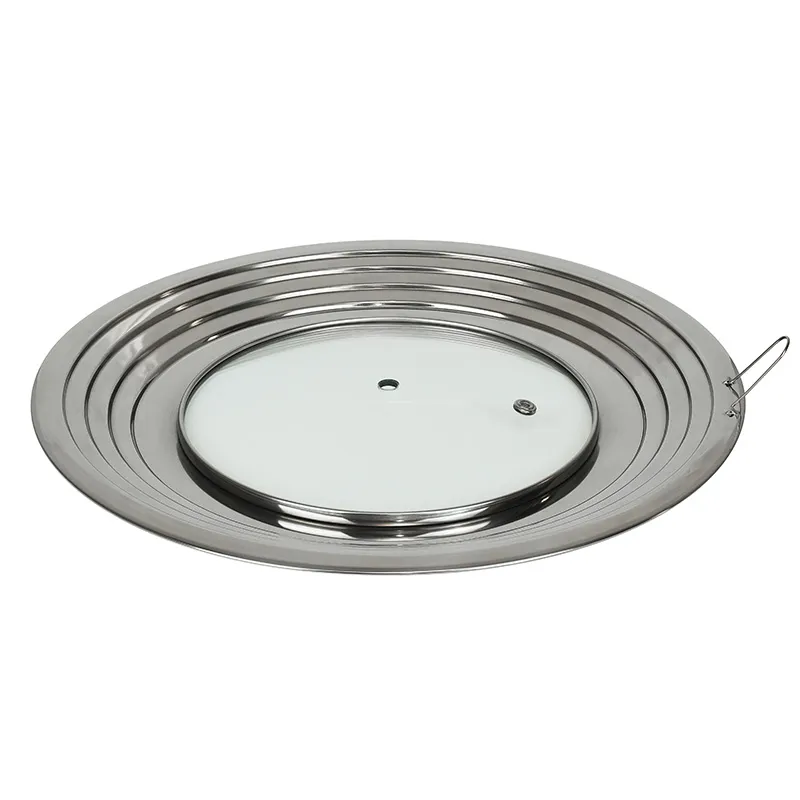
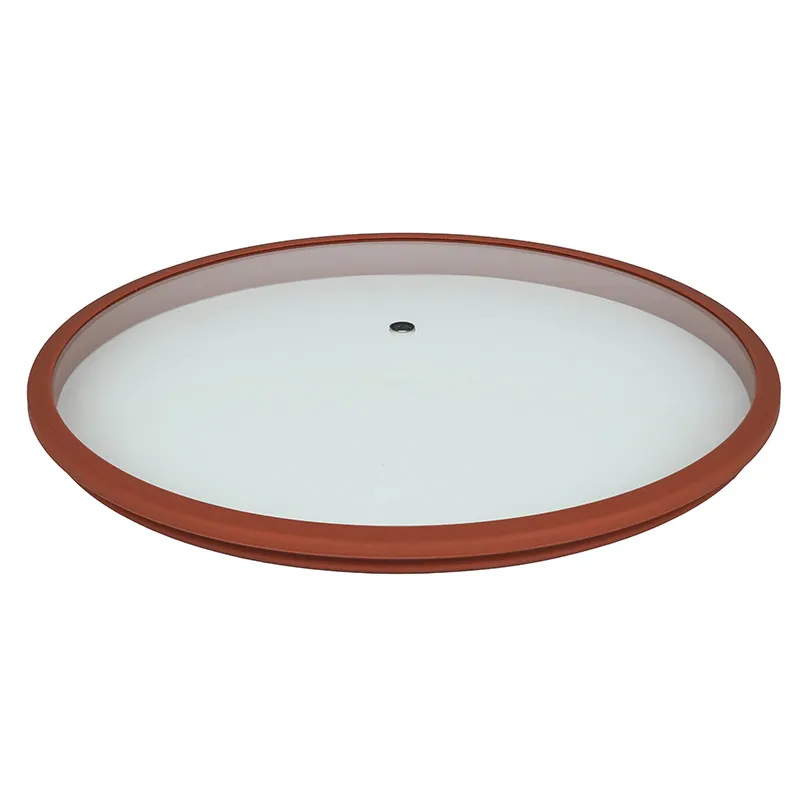
glass cover
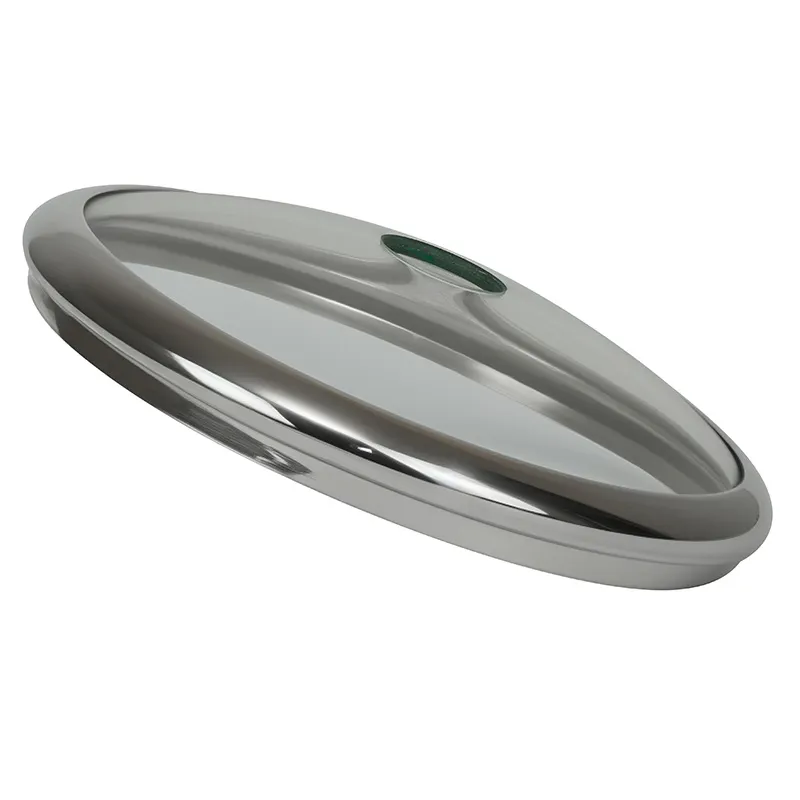
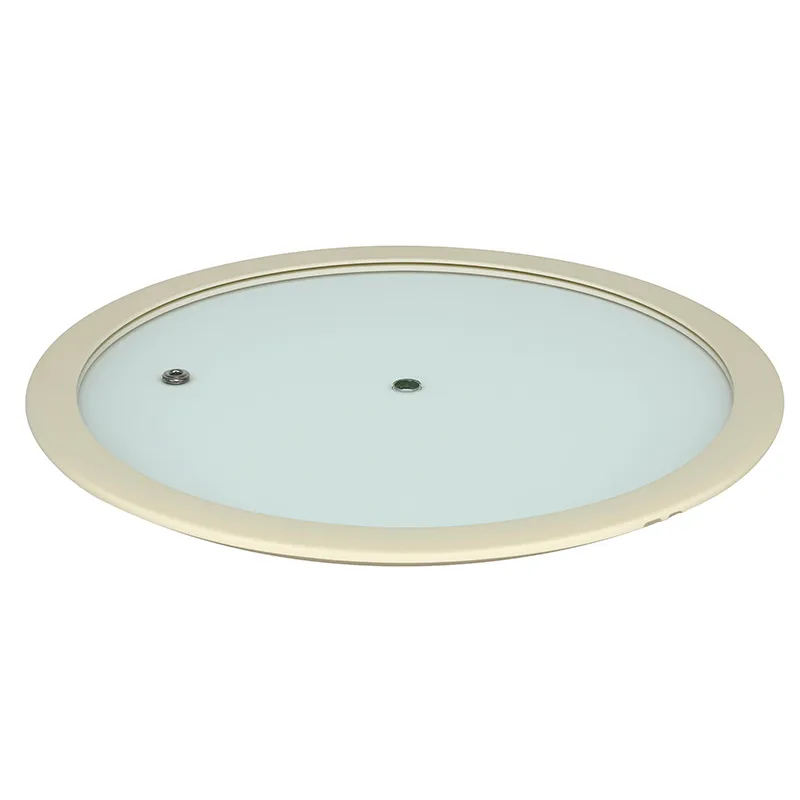
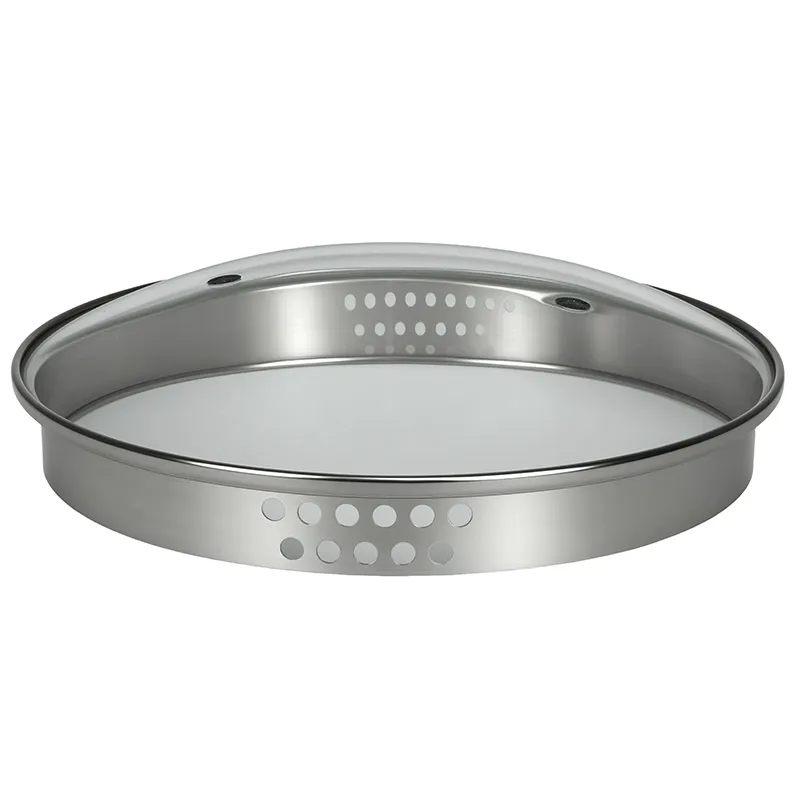
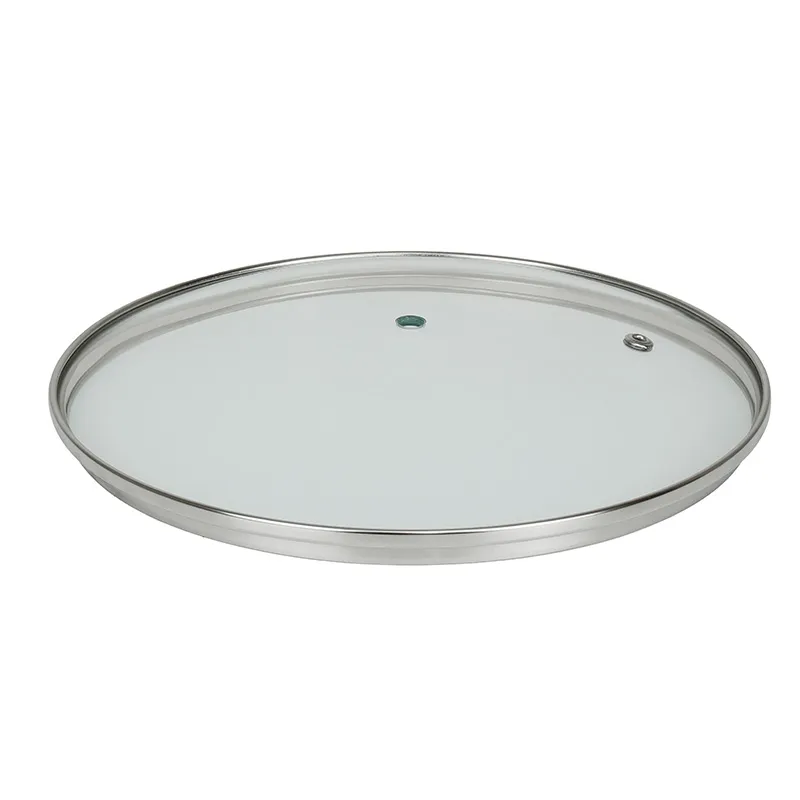
When you hear 'glass cover', you probably just think of a clear lid for a pot. That's the common starting point, and honestly, it's where a lot of the industry's own thinking gets stuck. The assumption is that its primary function is visibility—letting you see your food without releasing heat and moisture. But after years in this field, sourcing and specifying these components for cookware brands, I've found that's only about 20% of the story. The real challenges, and the real value, lie in the physics of thermal shock, the ergonomics of the handle, and the silent battle against that inevitable film of condensation that defeats the whole 'see-through' purpose. It's a deceptively complex piece of kitchen hardware.
The Core Misconception: Tempering Equals Invincibility
Everyone specifies tempered glass. It's the baseline. The sales pitch is all about safety and strength, which is correct, but it creates a false sense of security. I've seen buyers from major retailers fixate on the tempering standard—usually meeting or exceeding some impact test—and then consider the job done. The reality is, tempering is just the entry ticket. I recall a project for a European client where we passed all the standard drop tests, but the covers started developing micro-cracks around the rim after about 50 rapid thermal cycles (moving from a boiling pot directly to a cold granite countertop). The glass was technically 'safe' as it would dither, not shard, but it was a failure in the user's eyes. The issue wasn't the tempering depth; it was the geometry of the rim and how it was seated in the metal bezel. The stress points were all wrong.
This is where working with a specialized manufacturer makes a tangible difference. A company like EUR-ASIA COOKWARE CO.,LTD (you can find their focus at glass-lid.com), which produces over 15 million tempered glass lids annually, has seen every version of this failure. Their engineers don't just talk about tempering; they talk about edgework finishing and the coefficient of expansion matching between the glass and the common metal alloys used for the rim. It's a subtle but critical shift in perspective.
The takeaway? Never accept a glass cover sample based on a datasheet alone. The real test is in simulated, brutal, everyday use. We now run a proprietary 'cold sink test'—pre-heating the lid in an oven, then placing it on a wet, room-temperature silicone mat. It's harsher than any standard, but it reveals the weak points before they reach the consumer.
The Condensation Dilemma and the Dome Factor
Visibility is the key selling point, so when the lid fogs up completely three minutes into simmering a stew, you've lost the feature. The instinct is to look for a coating—some magical hydrophobic layer. We've tested them all: nano-coatings, permanent hydrophilic treatments, you name it. In a lab, with distilled water, they perform miracles. In a real kitchen, with starches, oils, and the abrasive action of dishwasher detergents, most degrade within a few months. The solution often isn't chemical, but physical.
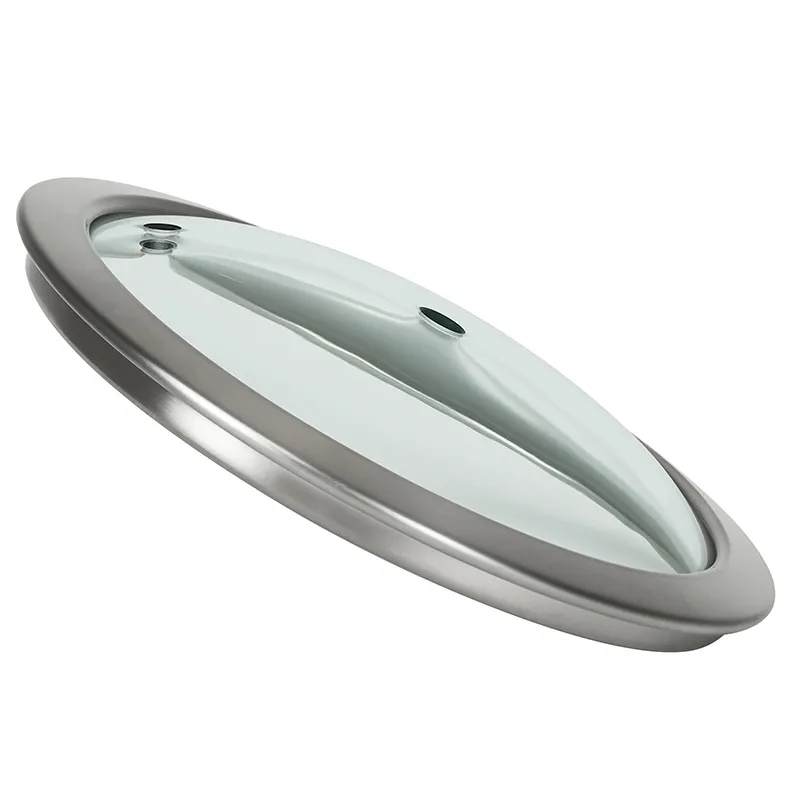
The height of the dome is everything. A flat glass cover is a condensation trap. The droplets form, coalesce, and simply slide back down into the food. A pronounced dome changes the game. Condensation forms, but it's channeled to run down the curvature to a specific drip point, usually just inside the rim, where it can fall back into the pot without obscuring the central viewing area. I learned this not from a manual, but from examining a high-end German saucepan lid years ago. The angle seemed exaggerated, almost odd, until you used it. It worked.
Implementing this, however, is a manufacturing headache. A deeper dome means a larger, more irregular piece of glass to temper evenly. It requires more precise mold engineering and increases the risk of distortion during heating. It's a cost driver that many mid-market brands resist, opting for a flatter profile that's cheaper and easier to produce. But if you want a lid that actually stays clear, you have to argue for the dome. It's a hill worth dying on in product development meetings.
Handle Attachment: The Silent Failure Point
This might seem trivial, but the handle is where the user interacts with the glass cover, and it's the most common point of mechanical failure. The standard method is a stainless steel screw post through a hole in the glass, secured with a nut and often a silicone gasket. The failure mode is rarely the glass breaking around the hole—if it's drilled and chamfered correctly before tempering. The failure is in the loosening of that assembly over time, through repeated heating and cooling cycles.
We once had a batch where the metal screw post and the glass expanded at slightly different rates. After a few cycles, a microscopic gap would form, allowing steam to penetrate. This led to corrosion on the inside of the assembly and, eventually, a wobbly handle. The fix was switching to a different grade of stainless for the post and adding a high-temperature food-grade locking adhesive to the threads during assembly. It added maybe half a cent to the unit cost, but eliminated returns. The lesson was to never treat the handle as a secondary component; its thermal compatibility is as important as the glass itself.
Export Realities and Regional Preferences
Working with a manufacturer whose output is 90% export, like EUR-ASIA, provides a crash course in global market nuances. A glass cover is not a universal product. The specs diverge wildly based on destination. For the German market, the obsession is with precise dimensional tolerance—the lid must sit flush with absolutely no wobble on their precision-engineered pots. The glass must also be exceptionally clear, with minimal green tint (a byproduct of iron content in the sand), as it's associated with higher quality.
For markets like Brazil or Turkey, where cookware is often used over intense, open-flame gas burners, the requirement shifts dramatically. The concern is less about perfect clarity and more about withstanding direct, localized flame impingement on the lid's underside—a scenario most European safety tests don't even consider. This requires a different tempering recipe and sometimes a thicker glass gauge.
Then there are the logistical details. Shipping to Northern Europe in winter requires specific packaging protocols. If a pallet of glass lids sits on a freezing dock in Gdansk, and is then moved directly into a warm warehouse, thermal shock can occur inside the box. We learned this the hard way with a shipment to Poland. Now, for certain destinations, we mandate insulated packaging during winter months. It's this granular, problem-solving level that defines a specialist. You can see this scope of experience reflected in the export list of a company like EUR-ASIA, which spans from Europe to Asia and South America.
The Future Isn't Just Smarter Glass
The current buzz is all about integration—adding sensors, Bluetooth, or LED indicators to the glass cover. While interesting, I'm skeptical of the core value proposition for most users. It adds cost, complicates cleaning (can it really go in the dishwasher?), and introduces another point of failure. The more immediate innovations, in my view, are in material science and surface treatment.
We're piloting a new type of ceramic-based coating that is applied before the tempering process. The high heat of tempering actually fuses it to the glass surface at a molecular level. Early results show remarkable resistance to scratching from metal utensils and a significant reduction in condensation beading, even after hundreds of dishwasher cycles. It's not a gimmick; it's a genuine enhancement of the fundamental material.
Another area is weight reduction. Tempered glass is heavy. We're experimenting with ultra-thin, chemically strengthened glass for certain applications, paired with a supportive frame. The goal is to maintain thermal and impact resistance while making a large stockpot lid less cumbersome to handle. It's a tough balance, but it's where the practical, daily usability improvements will come from, not from adding a battery.
So, the next time you evaluate a glass cover, look past the clarity. Press on the handle—feel for any give. Check the steepness of the dome. Ask about the thermal cycle testing protocol. That's where the real engineering, and the real value for the end-user, is hiding. It's a component that deserves far more scrutiny than it usually gets.
Related Products
Related Products