- Chinese
- French
- German
- Portuguese
- Spanish
- Russian
- Japanese
- Korean
- Arabic
- Irish
- Greek
- Turkish
- Italian
- Danish
- Romanian
- Indonesian
- Czech
- Afrikaans
- Swedish
- Polish
- Basque
- Catalan
- Esperanto
- Hindi
- Lao
- Albanian
- Amharic
- Armenian
- Azerbaijani
- Belarusian
- Bengali
- Bosnian
- Bulgarian
- Cebuano
- Chichewa
- Corsican
- Croatian
- Dutch
- Estonian
- Filipino
- Finnish
- Frisian
- Galician
- Georgian
- Gujarati
- Haitian
- Hausa
- Hawaiian
- Hebrew
- Hmong
- Hungarian
- Icelandic
- Igbo
- Javanese
- Kannada
- Kazakh
- Khmer
- Kurdish
- Kyrgyz
- Latin
- Latvian
- Lithuanian
- Luxembou..
- Macedonian
- Malagasy
- Malay
- Malayalam
- Maltese
- Maori
- Marathi
- Mongolian
- Burmese
- Nepali
- Norwegian
- Pashto
- Persian
- Punjabi
- Serbian
- Sesotho
- Sinhala
- Slovak
- Slovenian
- Somali
- Samoan
- Scots Gaelic
- Shona
- Sindhi
- Sundanese
- Swahili
- Tajik
- Tamil
- Telugu
- Thai
- Ukrainian
- Urdu
- Uzbek
- Vietnamese
- Welsh
- Xhosa
- Yiddish
- Yoruba
- Zulu
- Kinyarwanda
- Tatar
- Oriya
- Turkmen
- Uyghur

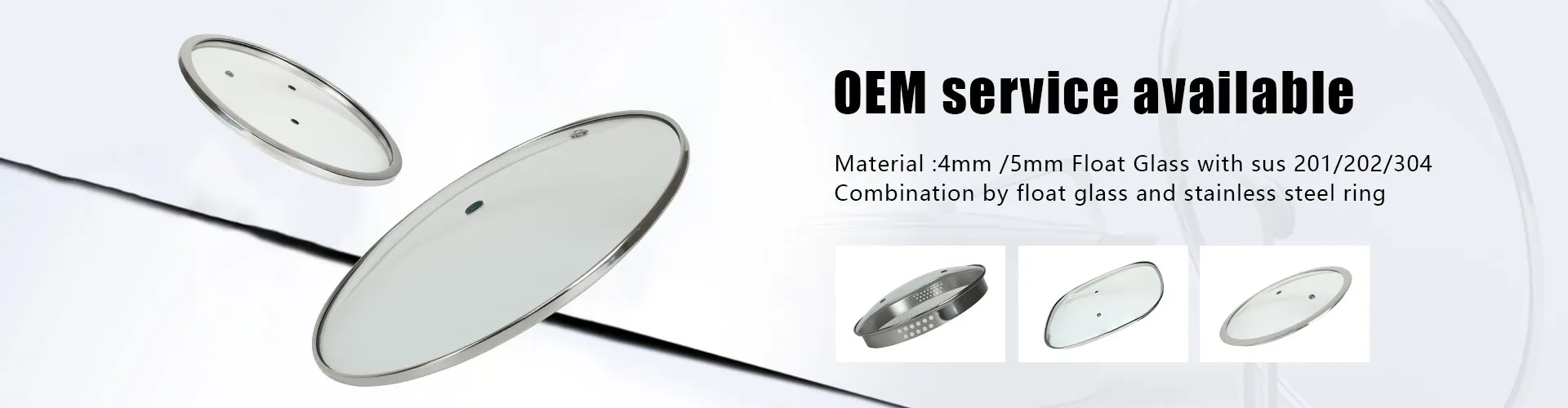
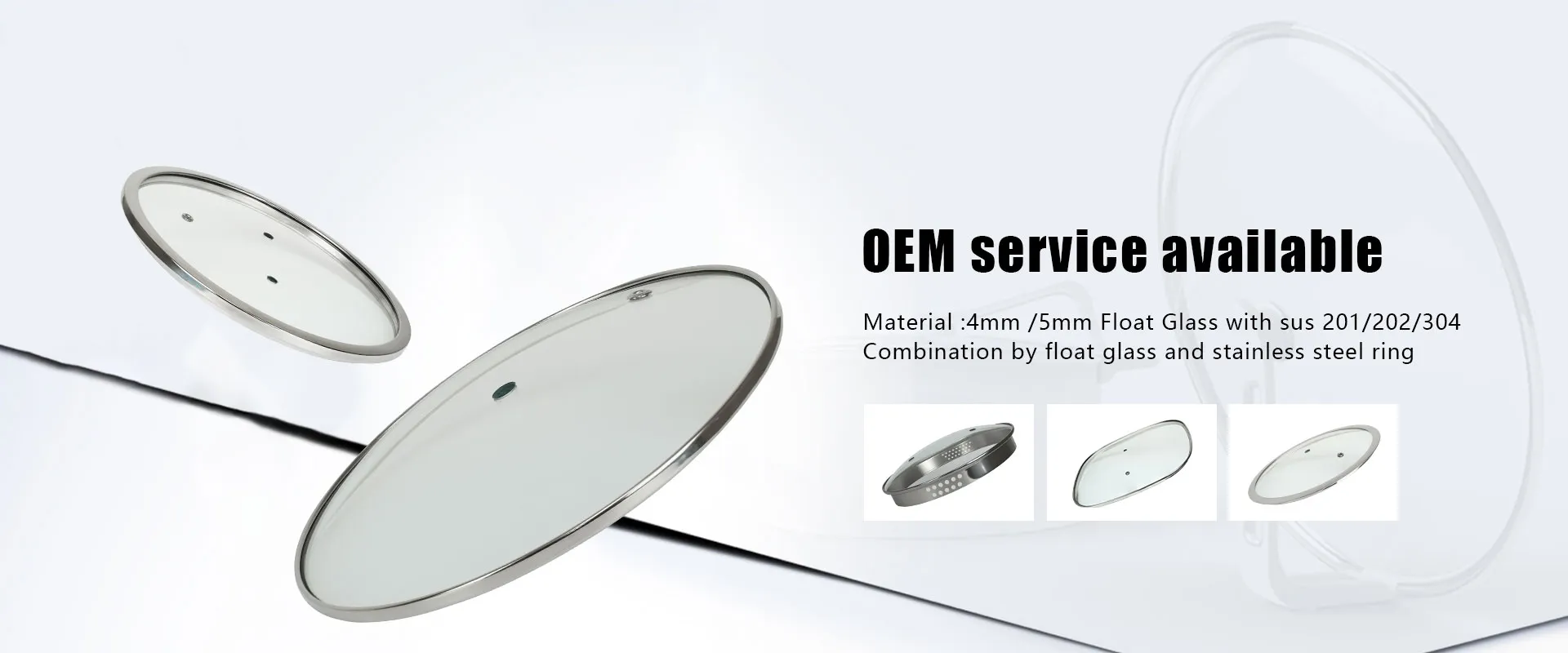
glass cover export
When you hear 'glass cover export', the immediate image is often just boxes on a pallet, a commodity transaction. That's the first misconception. It's not about moving generic 'glass lids' from point A to B. It's about moving a specific, often fragile, component that must integrate perfectly into another company's ecosystem—be it a cookware set in Germany or a food storage system in Japan. The term itself, glass cover export, oversimplifies the layers of material science, logistics tailoring, and cultural nuance in packaging that actually determine if a shipment is profitable or a total write-off.
The Core Product Isn't Just Glass
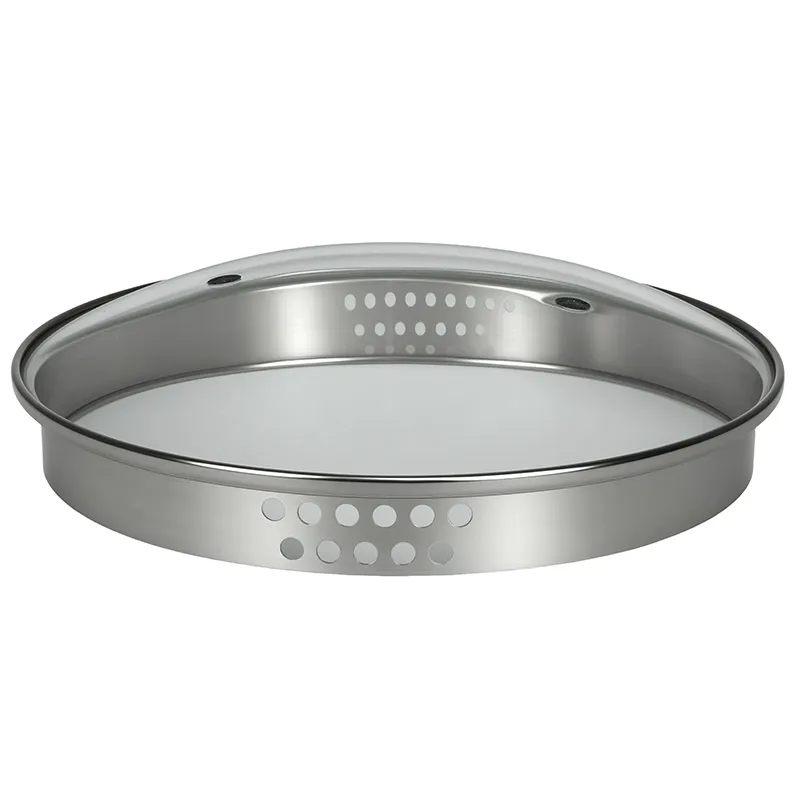
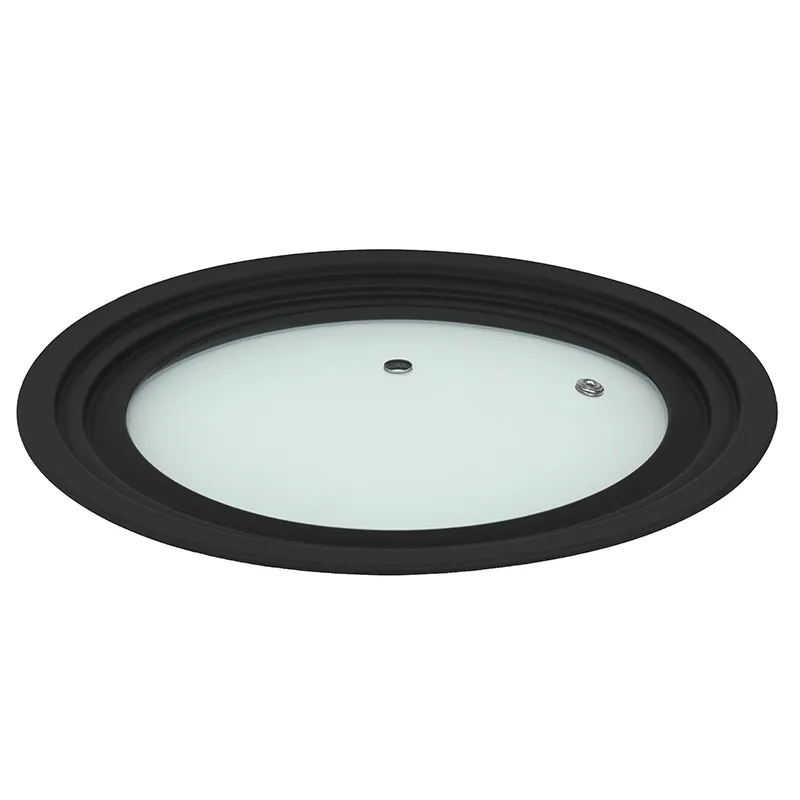
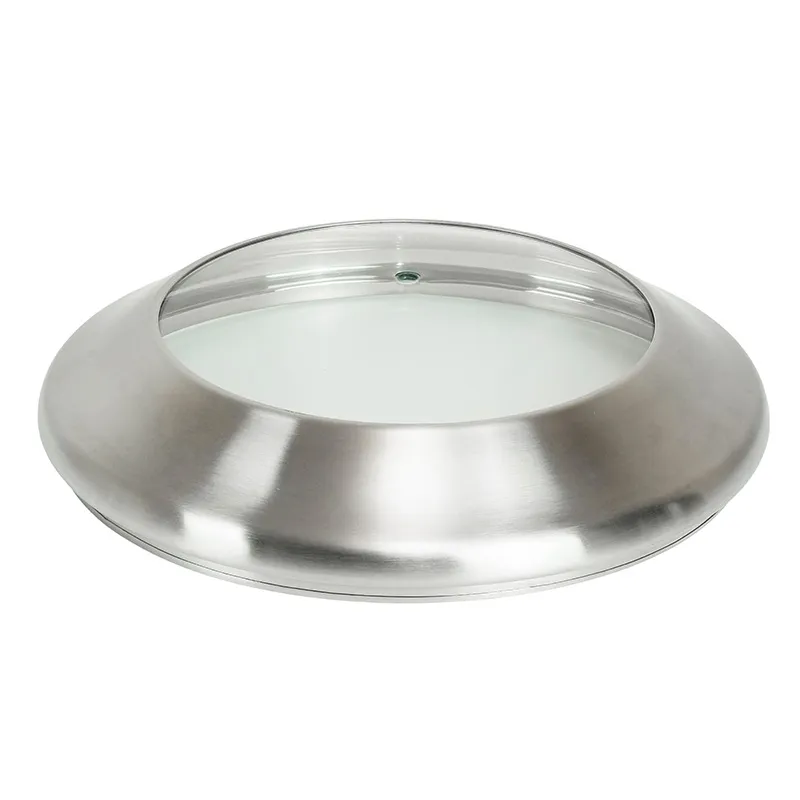
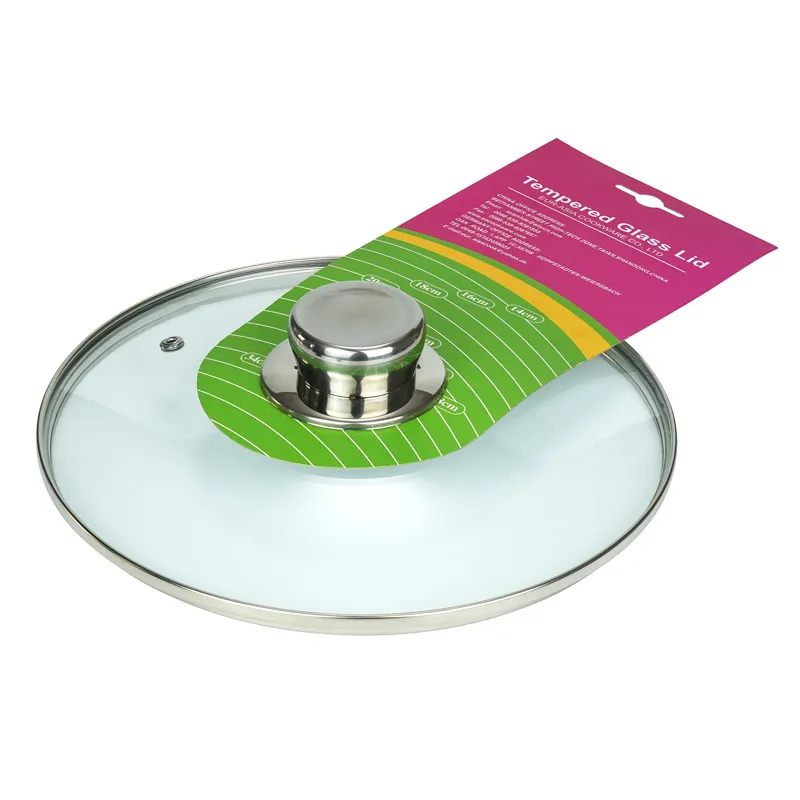
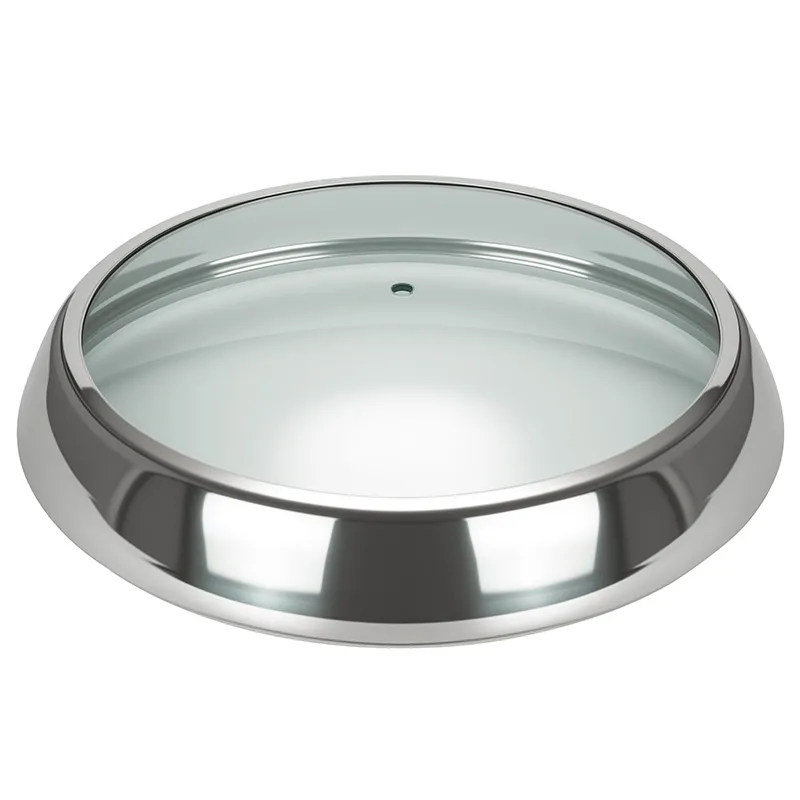
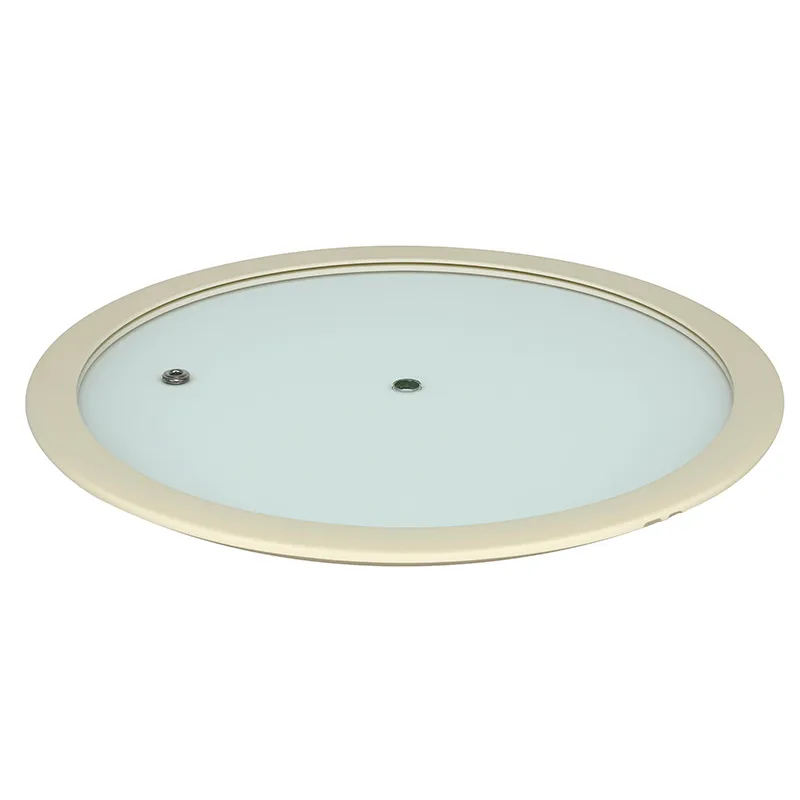
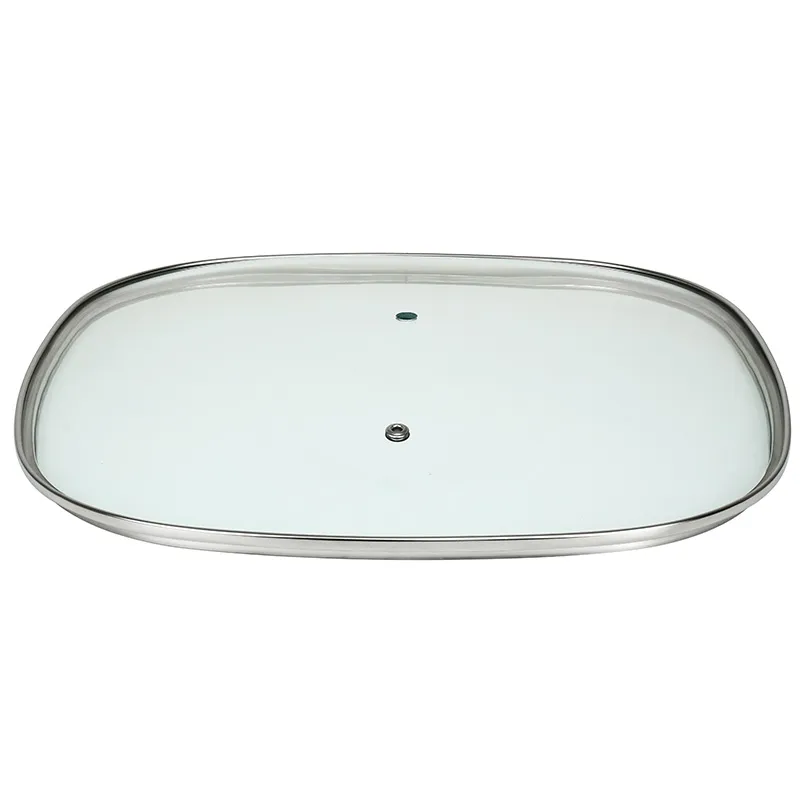
Take a company like EUR-ASIA COOKWARE CO.,LTD. Their site, glass-lid.com, lists tempered glass lids. Straightforward. But the real product is the engineering tolerance and the thermal shock resistance spec that a European buyer's QA team will hammer on. We're talking about a lid that can go from a freezer to a stovetop. The production base in Taian's High-tech Zone isn't just a factory; it's where the recipe for the glass tempering—the heating and cooling cycles—is fine-tuned for different market standards. A batch for Northern Europe might have a different stress tolerance profile than one for Brazil, based on average cooking temperatures and humidity. This isn't on the standard product sheet; you learn it after a few rounds of feedback, or worse, returns.
I recall a shipment to a Polish distributor. The lids passed every standard test we had. But in their assembly line, where they were automatically fitting lids onto stainless steel pots, the rejection rate was 8% due to a minute variance in the outer diameter—less than 0.5mm. Our tolerance was within industry standard, but their machinery wasn't. The entire glass cover export order turned into a negotiation about who eats the cost of re-work. It was a lesson in specificity: industry standard is meaningless. The buyer's assembly line is the standard.
That's why EUR-ASIA's mention of producing low, medium, and high-level products is crucial. It's not just about price points. A 'high-level' lid for the Japanese market might involve a proprietary silicone sealant formulation for an airtight fit, with packaging that has specific instructional icons. The 'low-level' volume product for a large retailer is about achieving a rock-bottom defect rate at scale to avoid chargebacks. The product is different, and so is the export process for each.
Logistics: Where Most Margins Get Shattered
Export documentation is one thing. But the physical journey of a glass cover export shipment is where anxiety lives. Tempered glass is strong, but its edges and the specific way it's stacked are critical. Early on, we used standard corrugated partitions. A shipment to Italy arrived with a 15% breakage rate. The issue? Humidity during the maritime transit softened the cardboard, allowing movement. The solution was a hybrid partition with a thin, moisture-resistant coating. It added 3% to the unit cost, but saved the 15% loss and the relationship.
Another hidden cost is cubic volume. Glass lids aren't dense. You're shipping a lot of air. Optimizing the stacking pattern within the container is an art. We worked with a load planning software to design custom carton dimensions that maximized container utilization for our most common lid diameters. This single move cut effective shipping costs per unit by nearly 11%. It's these unglamorous details, not the grand export strategy, that define profitability.
Then there's the final-mile handoff. For EUR-ASIA, exporting to over 90% of their production, a shipment to Switzerland might be routed through Hamburg, while one for Brazil goes through Santos. Each port has its own handling quirks. We learned to specify floor-loaded only, no top stacking on the bill of lading for certain destinations after seeing how forklifts were used in some ports. It's granular, situational knowledge you only gain from damaged goods reports.
Communication and the Lost in Translation Gap
Export isn't a sales department function; it's a full-company relay race. A buyer from France might send a technical query about the coefficient of thermal expansion. If that email sits with a sales rep who just forwards it to the factory without context, the factory might reply with a simple yes, it meets standard. That's a deal-killer for a technical buyer. We had to build a triage system where technical emails were routed to engineering leads who could respond in detailed, if imperfect, English with actual data plots.
Sample approval is another minefield. Sending a perfect, hand-inspected sample is a trap. The buyer approves it, then the mass production has a slight color tint variation from the silica sand batch. Now you're in conflict. We shifted to sending production-representative samples from a pilot run, not the lab. It sets realistic expectations. The goal of glass cover export communication isn't to promise perfection, but to create accurate alignment on what 'acceptable' is.
Even on their website, glass-lid.com, the detail in the company intro—the square meterage, employee count, annual output—isn't boilerplate. For a serious buyer, those figures allow a quick mental calculation of capacity and scale. It answers the unasked question: Can you handle my 500,000-piece annual order without disrupting your other 90% export business?
Market Nuances: One Lid Does Not Fit All
The fact that EUR-ASIA lists exports to Germany, Russia, Italy, Brazil, Korea, and Japan is a textbook in itself. The German market is often driven by technical compliance and environmental packaging laws. You need test reports, maybe even TüV certification. The Russian market might prioritize cost and durability, with simpler packaging. But for Japan, the finish is everything. A microscopic scratch on the glass surface, acceptable in Brazil, would be a reject in Japan. The export process for each is tailored: different documentation packs, different inspection protocols (maybe a third-party inspection for Japan), and different payment terms.
I remember trying to use the same, slightly ornate, floral packaging design for a lid line across Europe. It worked in Italy. It was a flop in Denmark, where buyers preferred minimalist, clean-line design. We had to hold separate inventory just for packaging, which complicates glass cover export logistics. The product was identical, but the market perception wasn't. Export is as much about exporting a cultural fit as it is about the physical item.
Seasonality plays a role too. Orders from Europe often spike in Q3 for the Christmas cookware sales season. You're competing for container space and factory capacity. Building a relationship with a forwarder to guarantee space, even at a slight premium, is part of the export calculus. It's not just about getting the product made; it's about guaranteeing it arrives when the market needs it.
The Real Metric: Repeat Orders, Not First Shipments
Anyone can land a first container order. The true test of an export operation is the second, third, and tenth order that comes automatically, without re-tendering. This is where the gritty, unsexy work pays off. Consistent dimensional stability across batches. On-time delivery, every time. Proactive communication if a production delay is looming. A transparent process for handling the inevitable 0.1% defect rate.
For a manufacturer like EUR-ASIA COOKWARE, with an annual output in the tens of millions, their entire business is built on this repeat order cycle from their global client base. Their specialization, as stated, isn't just in producing glass, but in the sustained, reliable execution of glass cover export as a service. The production base in Shandong is the engine, but the export competency is the steering wheel.
In the end, successful export is about problem-solving transparency. When an issue arises—and it will—the buyer's confidence is determined by how you handle it. Do you hide, or do you present a solution with a cost analysis? That trust, more than any product feature, is what gets embedded into the supply chain. It turns a simple glass cover into a critical, relied-upon component in kitchens halfway around the world.
Related Products
Related Products