- Chinese
- French
- German
- Portuguese
- Spanish
- Russian
- Japanese
- Korean
- Arabic
- Irish
- Greek
- Turkish
- Italian
- Danish
- Romanian
- Indonesian
- Czech
- Afrikaans
- Swedish
- Polish
- Basque
- Catalan
- Esperanto
- Hindi
- Lao
- Albanian
- Amharic
- Armenian
- Azerbaijani
- Belarusian
- Bengali
- Bosnian
- Bulgarian
- Cebuano
- Chichewa
- Corsican
- Croatian
- Dutch
- Estonian
- Filipino
- Finnish
- Frisian
- Galician
- Georgian
- Gujarati
- Haitian
- Hausa
- Hawaiian
- Hebrew
- Hmong
- Hungarian
- Icelandic
- Igbo
- Javanese
- Kannada
- Kazakh
- Khmer
- Kurdish
- Kyrgyz
- Latin
- Latvian
- Lithuanian
- Luxembou..
- Macedonian
- Malagasy
- Malay
- Malayalam
- Maltese
- Maori
- Marathi
- Mongolian
- Burmese
- Nepali
- Norwegian
- Pashto
- Persian
- Punjabi
- Serbian
- Sesotho
- Sinhala
- Slovak
- Slovenian
- Somali
- Samoan
- Scots Gaelic
- Shona
- Sindhi
- Sundanese
- Swahili
- Tajik
- Tamil
- Telugu
- Thai
- Ukrainian
- Urdu
- Uzbek
- Vietnamese
- Welsh
- Xhosa
- Yiddish
- Yoruba
- Zulu
- Kinyarwanda
- Tatar
- Oriya
- Turkmen
- Uyghur

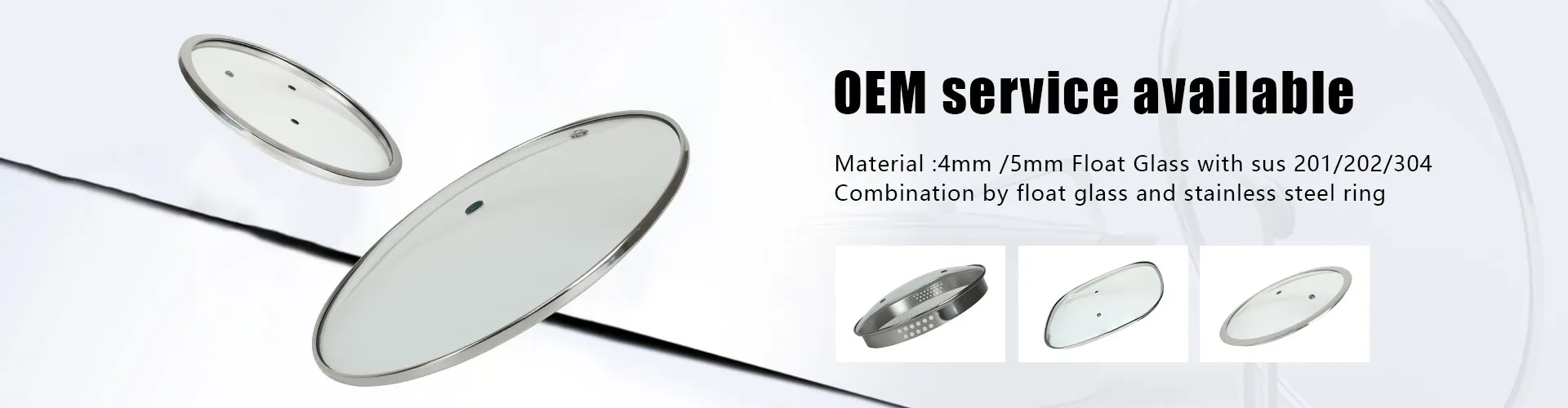
glass cover exporter
When you hear 'glass cover exporter', the image that often pops up is a massive, faceless operation shipping generic products worldwide. That's the first misconception. In reality, it's a niche defined by precision, logistics headaches, and a deep understanding of what 'shatterproof' really means in a German kitchen versus a Brazilian one. It's not just about moving boxes; it's about moving a fragile idea of quality across continents.
Defining the Product Beyond the Keyword
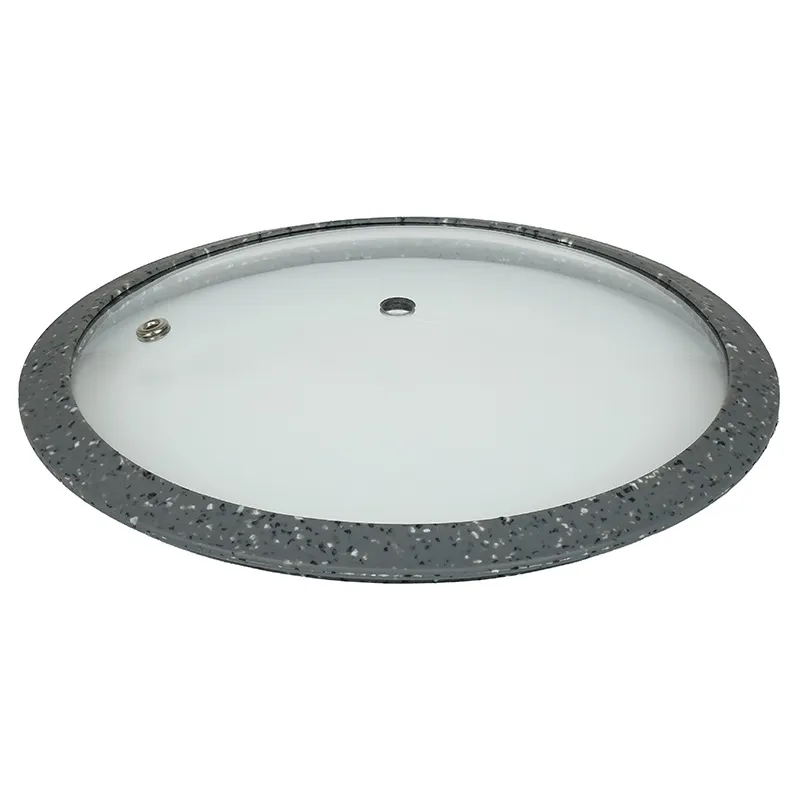
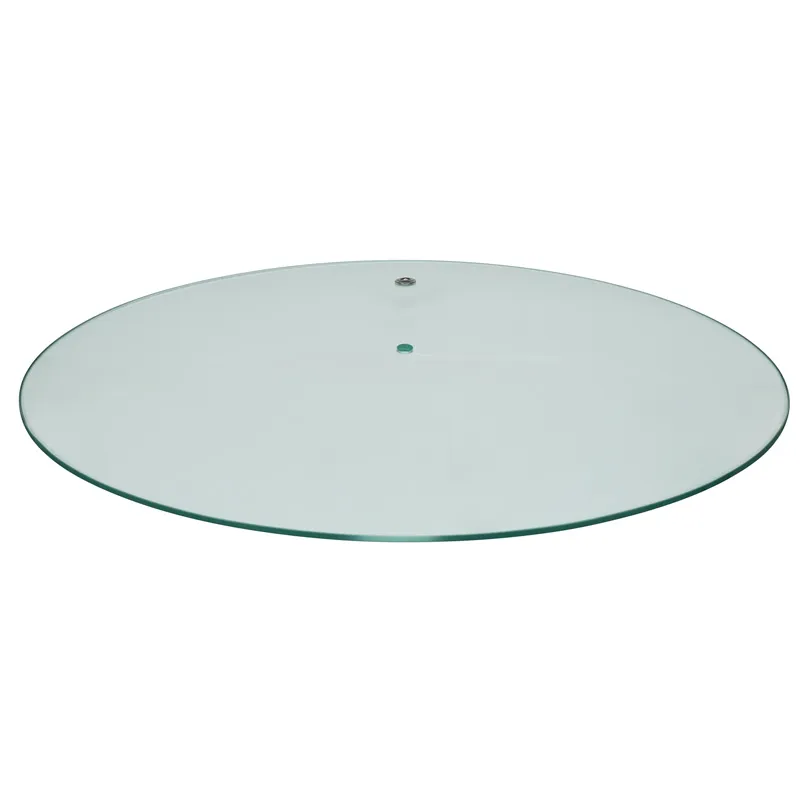
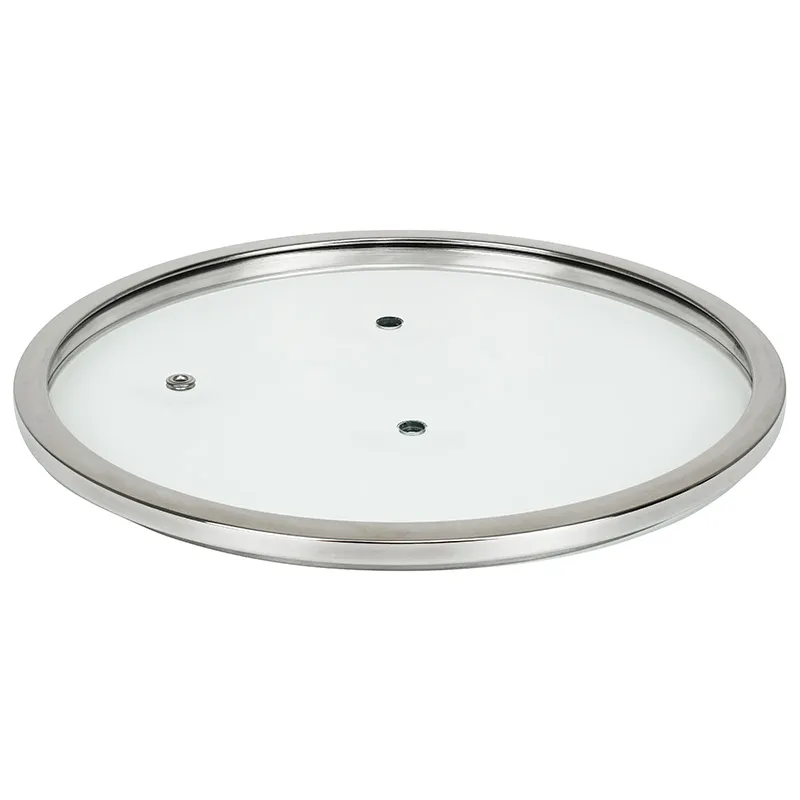
Let's be clear: a 'glass cover' is not a single item. For us, it's almost exclusively tempered glass lids for cookware. The distinction matters. Tempering is the game-changer—it gives the glass its strength and safety characteristics, so it doesn't shatter into dangerous shards. But 'tempered' is a spectrum. I've seen buyers get fixated on thickness specs (like 3.5mm or 4.0mm) without asking about the tempering process's quality or the annealing lehr's consistency. That's where failures happen post-shipment.
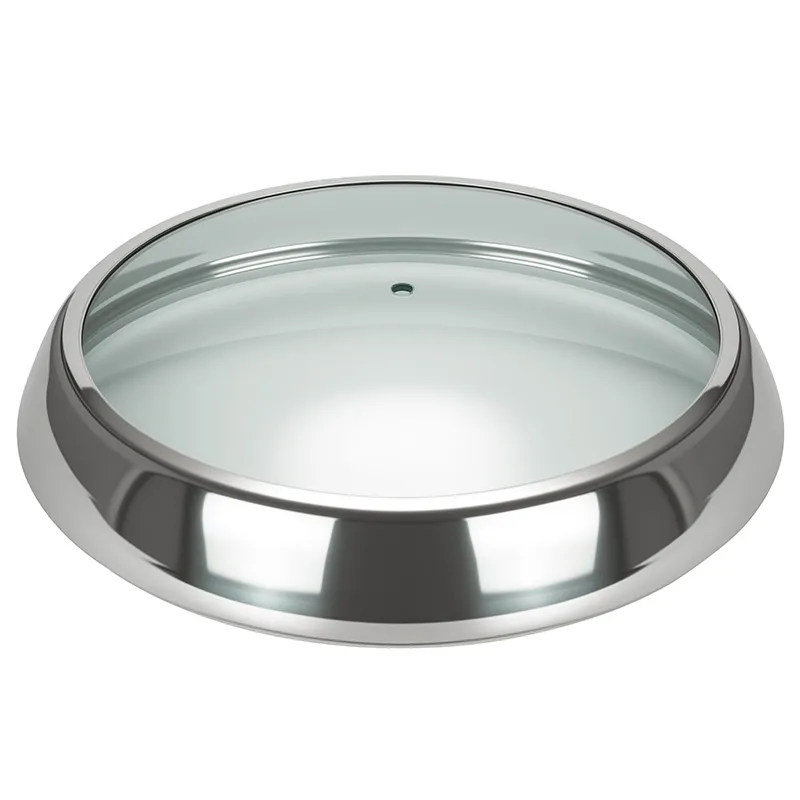
Our focus at EUR-ASIA COOKWARE CO.,LTD is on this specific segment. The production base in Taian's High-tech Zone is set up for volume, yes, with an annual output north of 15 million pieces, but the real work is in the grading. Low, medium, high level isn't marketing fluff—it's defined by the clarity of the glass, the precision of the edge grinding, the tolerance on the stainless steel rims we fit, and crucially, the thermal shock resistance. A lid that survives a 300°C oven to a cold marble countertop is a different product from one that just sits on a pot.
I recall a batch for a Polish client where the issue wasn't breakage, but a slight 'waviness' in the glass when viewed at an angle under kitchen lights. It passed all physical tests but failed the aesthetic one. That's the unspoken part of exporting: you're also exporting a visual standard. We had to recalibrate the inspection line's lighting to catch that specific defect. It's these minute details that separate a reliable glass cover exporter from a commodity trader.
The Logistics Minefield and Packaging Evolution
Export logistics for glass is a special kind of stress test. Early on, we learned that standard corrugated cardboard with foam inserts was a recipe for disaster for long-haul sea freight to, say, Brazil. Humidity would weaken the cardboard, and container shifts during rough seas would transfer force right through the foam. The failure mode was often edge chipping, not center breaks.
We iterated through maybe a half-dozen packaging designs. The current solution uses a rigid plastic corner brace for each lid, suspended in a compartmentalized, high-strength double-wall box. It increased unit packaging cost by about 15%, but reduced shipping damage claims from a painful 2.5% to under 0.3%. For a client in Switzerland, where handling is pristine but expectations are absolute zero defects, we even use a vacuum-sealed plastic skin inside the brace to prevent micro-abrasions during transit. You can't just have one packaging for all your export markets.
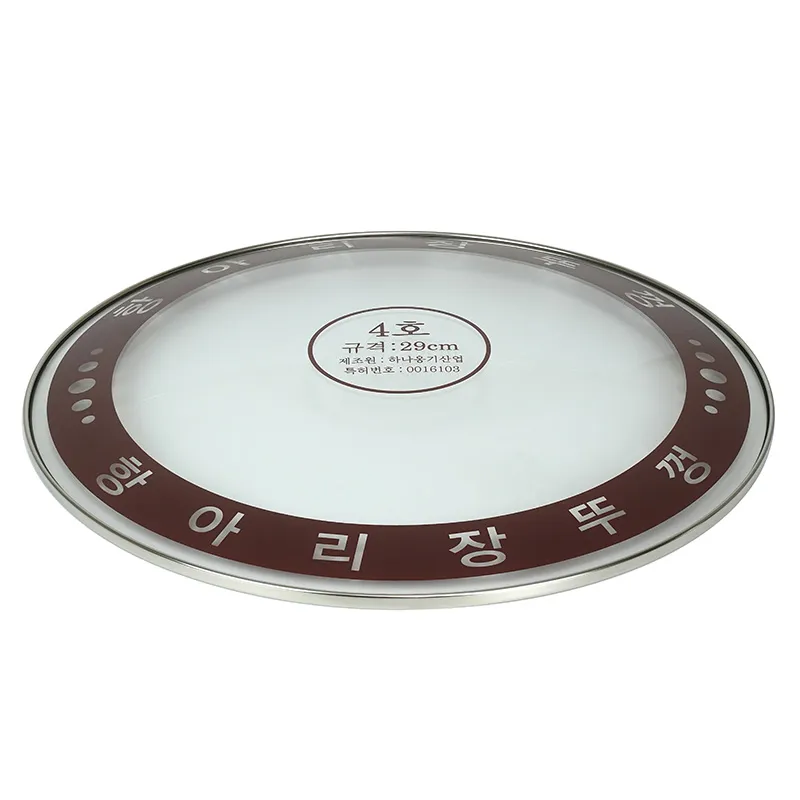
The website, https://www.glass-lid.com, lists over 90% export to countries like Germany, Italy, Japan. Each of those destinations has its own unwritten rules. Japanese buyers might focus on the perfection of the silk-screen printing on the glass for handle indicators, while German importers will have a checklist for the REACH compliance of the dyes and the finish on the metal rim. The logistics chain has to preserve all that.
On-the-Ground Quality Realities
Visiting the factory floor tells you more than any spec sheet. With over 90 employees, the process is segmented. The cutting and edging section is where yield can be lost. Glass sheets are cut, edges are ground smooth and often polished. A poorly calibrated grinding wheel doesn't just leave a rough edge; it creates micro-fractures that become failure points weeks later in a customer's kitchen. We moved to diamond-wheel CNC edging for the medium and high-tier lines, which was a capital investment but eliminated a whole category of field returns.
Tempering is the heart. The furnaces run continuously. The trick isn't just reaching the high temperature and quenching; it's the evenness of the air quench. An uneven quench creates stress patterns you can't see until the lid is under thermal or physical stress. We do spot checks with polarized light filters, but the real test is batch sampling for thermal shock. We'll take random lids from the end of a production run and cycle them from an oven to an ice bath. If one fails, the entire batch from that furnace cycle is held for 100% inspection.
This is where being a specialized producer-exporter is key. A general glass goods exporter might not have this level of process control embedded. For EUR-ASIA COOKWARE, the 15,000 ㎡ facility is dedicated to this. The failure of a lid in Naples reflects directly on the cookware brand it's paired with, so our quality gate is, in effect, their brand protection.
Market Nuances: Germany vs. Southern Europe
Selling to Germany feels like sitting an exam. The specifications are exhaustive, the inspections are meticulous, and the tolerance for deviation is near zero. They value function, safety, and clean design above all. A lid might need a very specific curvature to sit flush on a particular brand of pot, and the silicone gasket (if used) must be food-grade and heat-resistant to a documented standard. Our role as the exporter is often to be the technical translator between their engineering team and our production team.
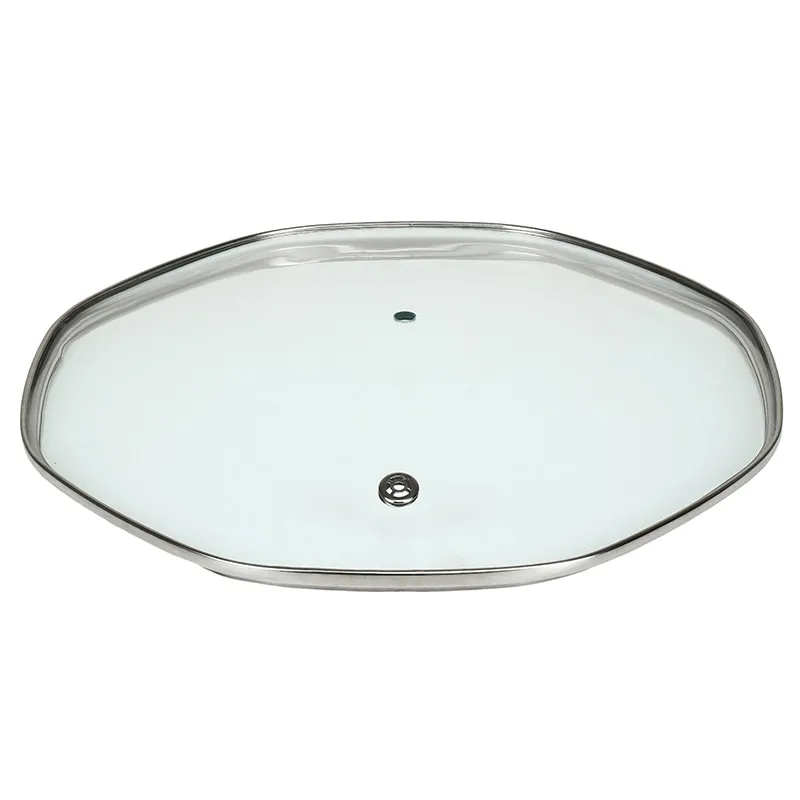
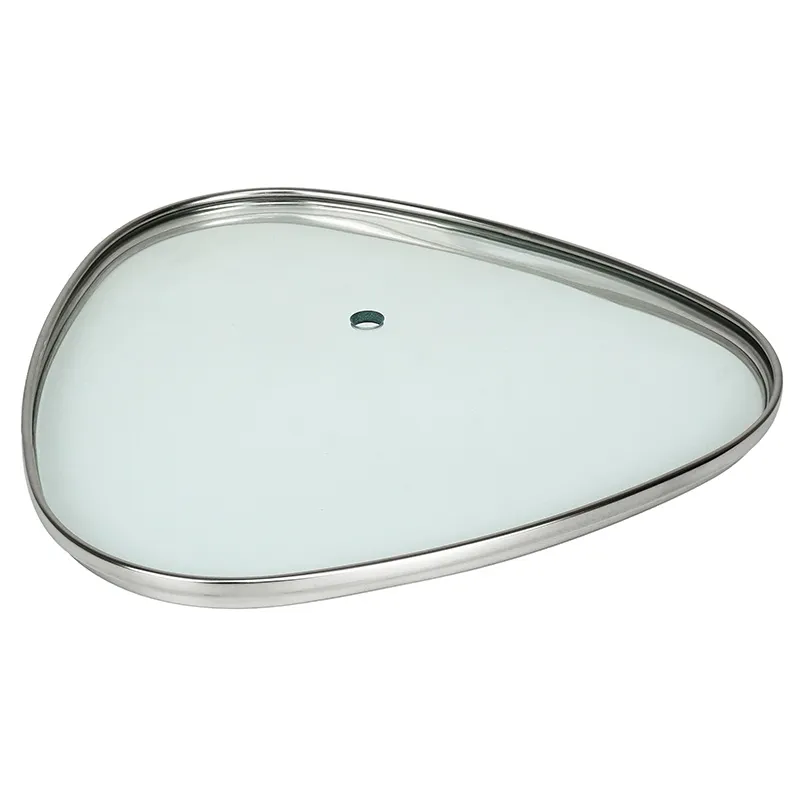
Contrast that with exports to Italy or Spain. The aesthetic demand is higher—the glass must have exceptional clarity, and the rim finish (often a brushed stainless steel) is scrutinized for its look as much as its fit. However, the technical specifications might be slightly more flexible, but the demand for design variations is greater. They might want more handle styles, different colors of silicone, or specific glass shapes for traditional cookware. The challenge shifts from precision execution to flexible adaptation.
This is why a simple B2B listing as a glass cover exporter is meaningless without context. Our export list—Germany, Russia, Italy, France, Poland, Denmark, Spain, Switzerland, Brazil, Turkey, South Korea, Japan—isn't just a boast; it's a map of different quality and design battlegrounds we've had to learn and adapt to. A one-size-fits-all approach would have failed in the first year.
The Silent Partner: Being Part of the Cookware Ecosystem
Rarely does an end-user buy our glass lid by itself. We are a component supplier to cookware brands. This changes the dynamic completely. Our product has to integrate seamlessly with their pots and pans. This means holding extremely tight tolerances on diameter and curvature. A variance of even half a millimeter can mean a wobbly lid or a poor seal.
We've had projects fail at the sampling stage because of this. A French brand sent us their signature saucepan. We produced sample lids to their drawing. They fit perfectly. But in their testing, they found that when the pot was full and the lid was lifted by its knob, the balance was off because our glass density was marginally higher than their previous supplier's. It felt 'top-heavy'. We had to source a different glass raw material batch to adjust the weight without compromising strength. That's the kind of deep, almost obsessive collaboration that defines real export partnerships, not just transactions.
Looking at the EUR-ASIA COOKWARE setup, the specialization in household glass products and other kitchen accessories is strategic. It allows them to think like a kitchenware company, not just a glass factory. They understand that a lid isn't just a piece of glass; it's an interface between the cook, the food, and the heat. Getting that interface right—the feel of the knob, the sound of the seal, the clarity to see the simmer—is what gets you re-orders from Italy or Japan. It's the difference between being a vendor and being a glass cover exporter that brands rely on.
Related Products
Related Products