- Chinese
- French
- German
- Portuguese
- Spanish
- Russian
- Japanese
- Korean
- Arabic
- Irish
- Greek
- Turkish
- Italian
- Danish
- Romanian
- Indonesian
- Czech
- Afrikaans
- Swedish
- Polish
- Basque
- Catalan
- Esperanto
- Hindi
- Lao
- Albanian
- Amharic
- Armenian
- Azerbaijani
- Belarusian
- Bengali
- Bosnian
- Bulgarian
- Cebuano
- Chichewa
- Corsican
- Croatian
- Dutch
- Estonian
- Filipino
- Finnish
- Frisian
- Galician
- Georgian
- Gujarati
- Haitian
- Hausa
- Hawaiian
- Hebrew
- Hmong
- Hungarian
- Icelandic
- Igbo
- Javanese
- Kannada
- Kazakh
- Khmer
- Kurdish
- Kyrgyz
- Latin
- Latvian
- Lithuanian
- Luxembou..
- Macedonian
- Malagasy
- Malay
- Malayalam
- Maltese
- Maori
- Marathi
- Mongolian
- Burmese
- Nepali
- Norwegian
- Pashto
- Persian
- Punjabi
- Serbian
- Sesotho
- Sinhala
- Slovak
- Slovenian
- Somali
- Samoan
- Scots Gaelic
- Shona
- Sindhi
- Sundanese
- Swahili
- Tajik
- Tamil
- Telugu
- Thai
- Ukrainian
- Urdu
- Uzbek
- Vietnamese
- Welsh
- Xhosa
- Yiddish
- Yoruba
- Zulu
- Kinyarwanda
- Tatar
- Oriya
- Turkmen
- Uyghur

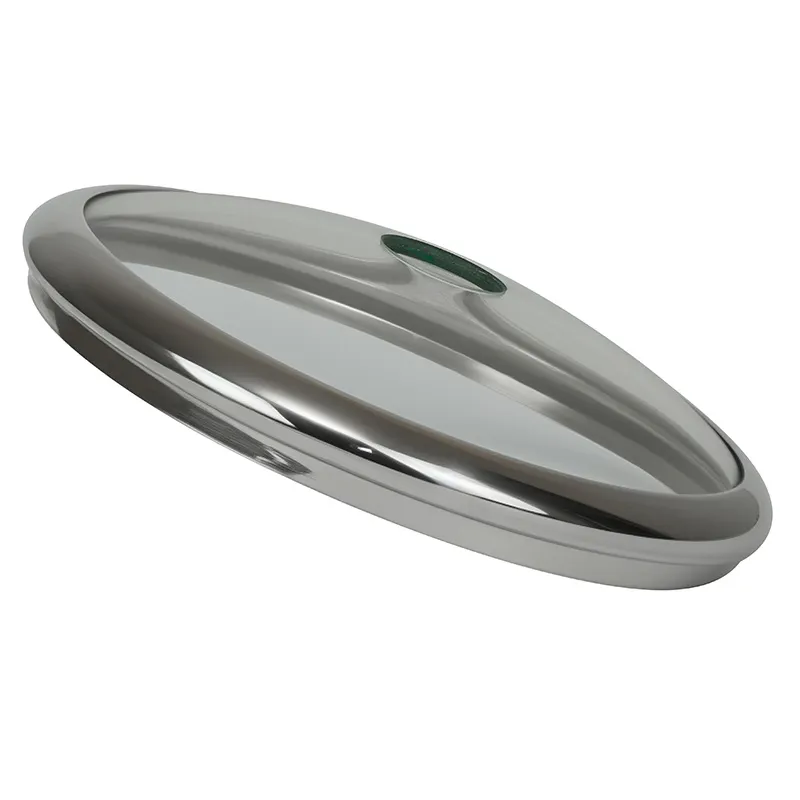
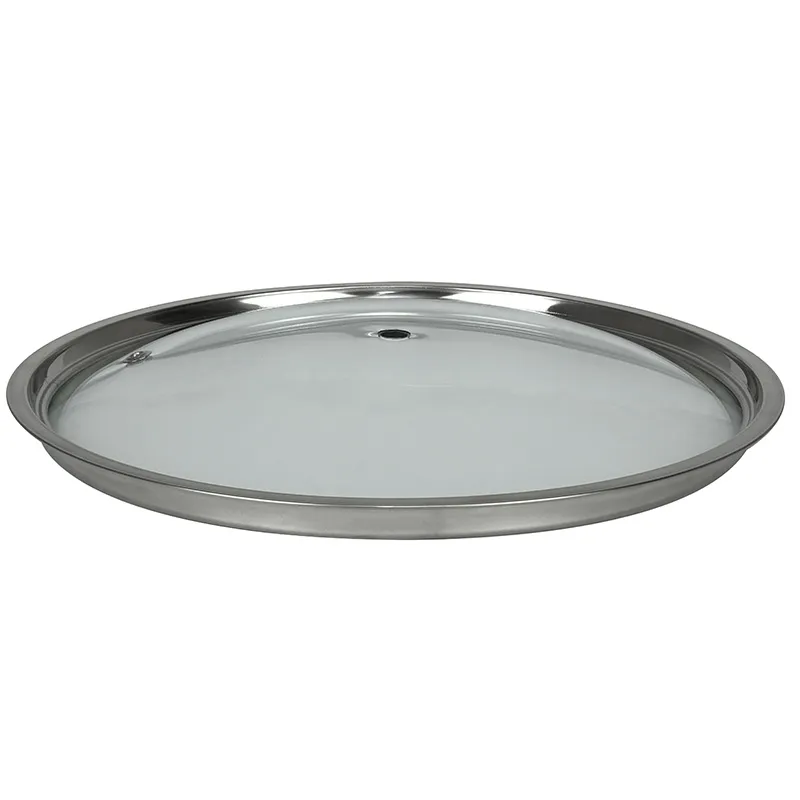
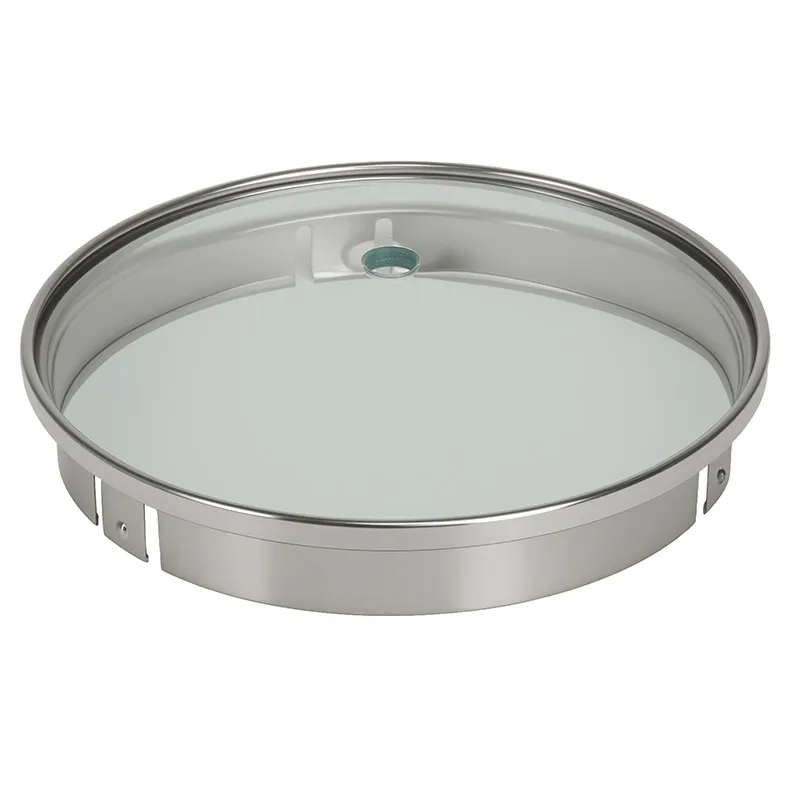
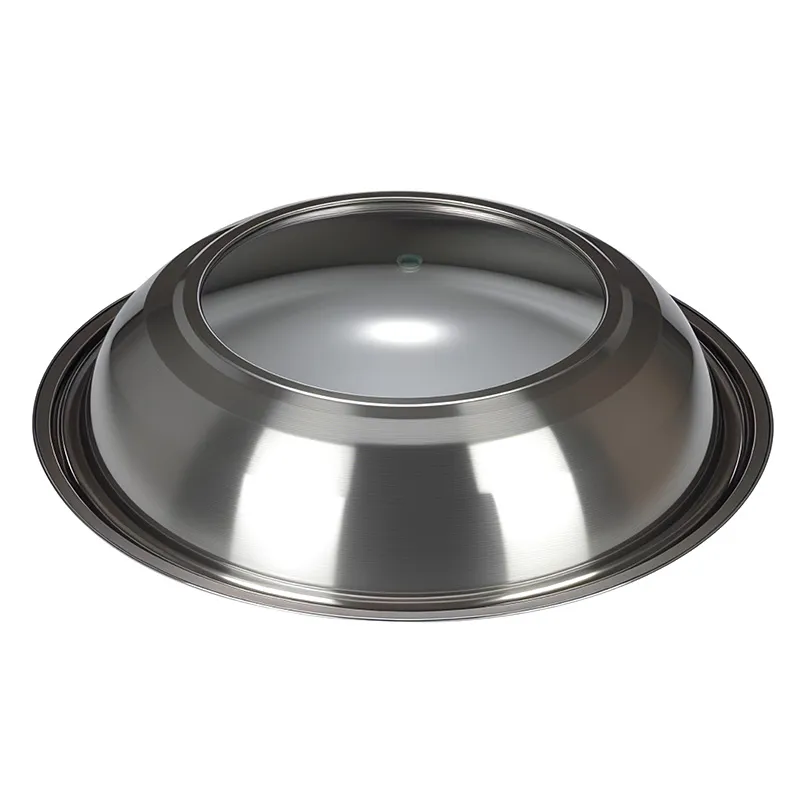
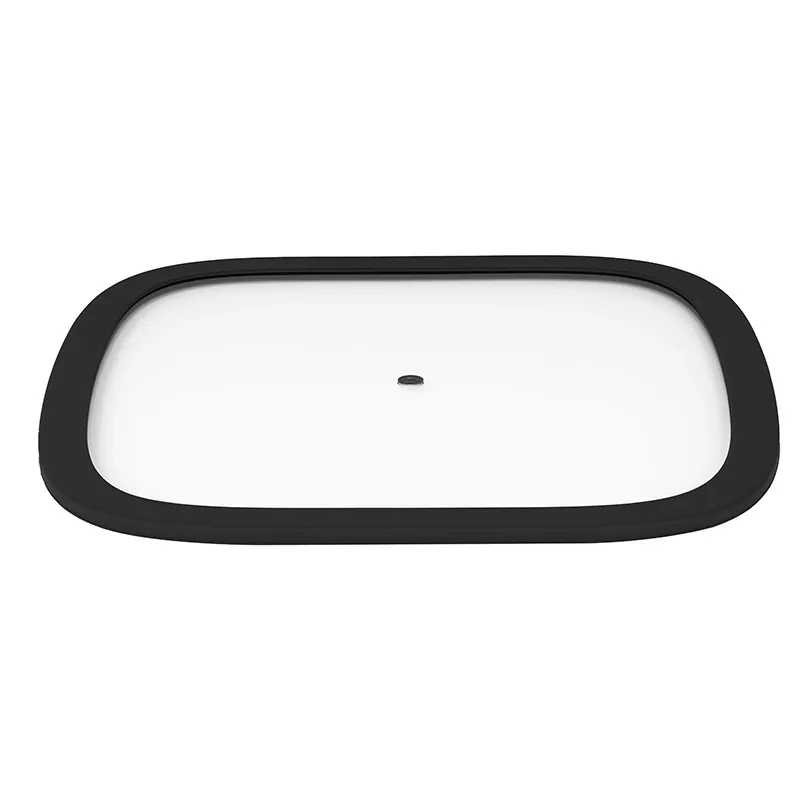
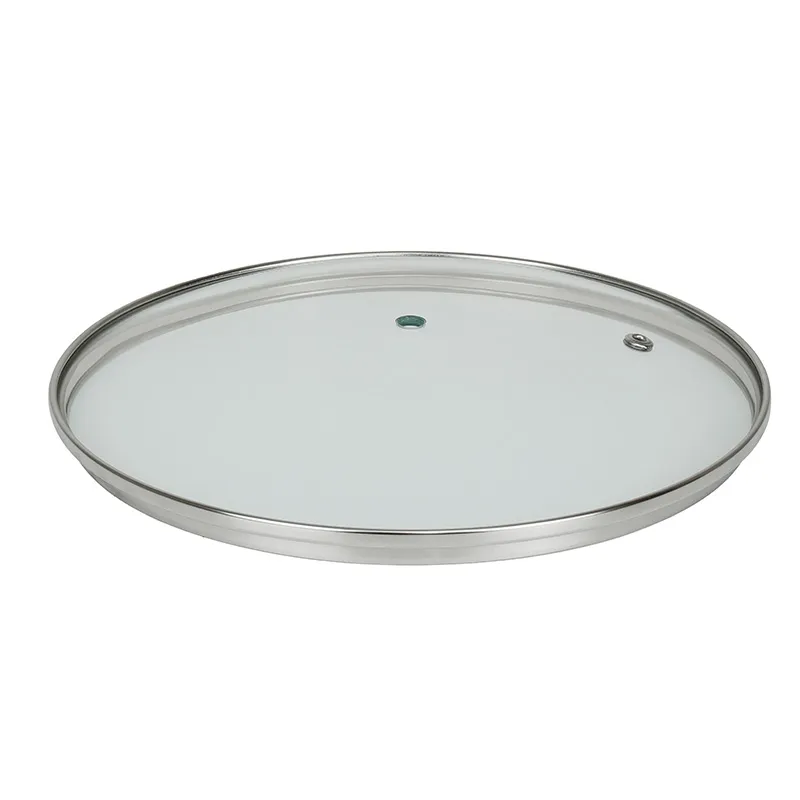
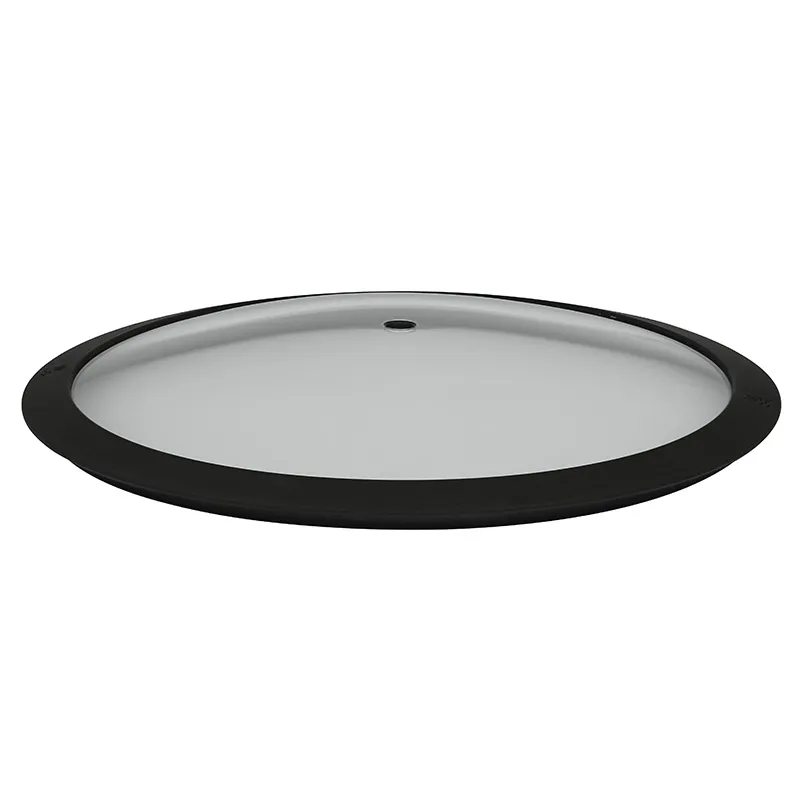
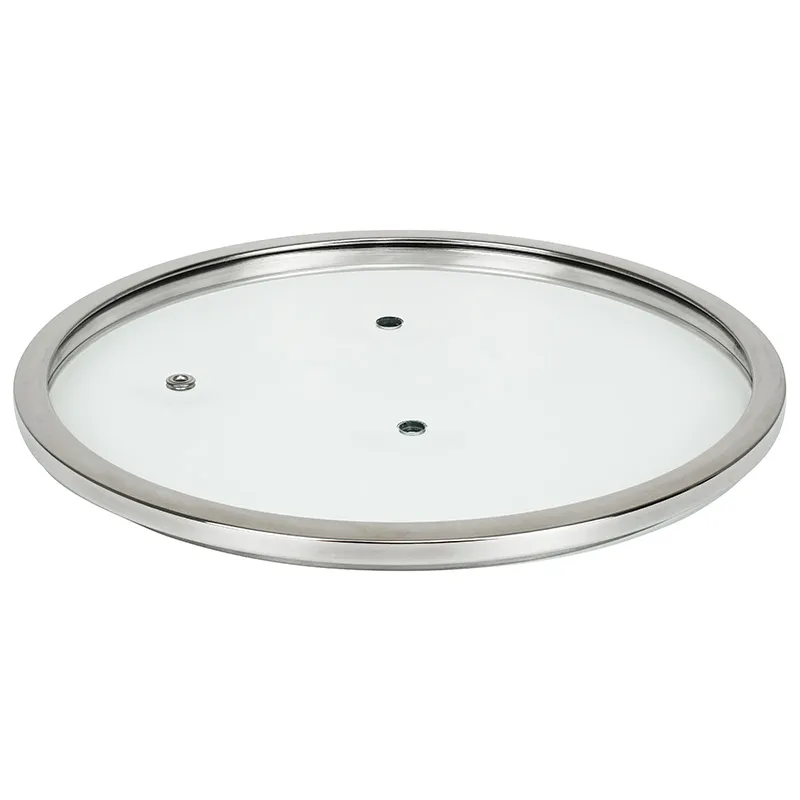
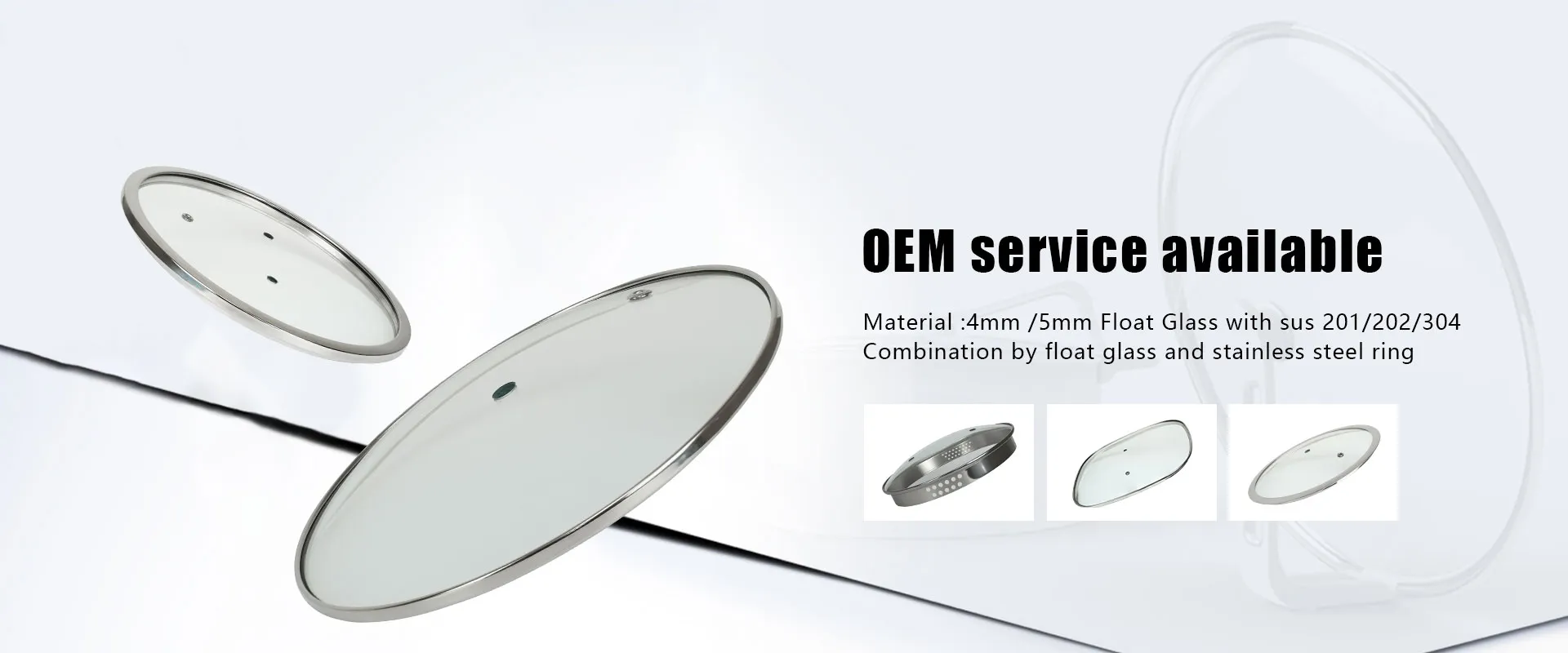
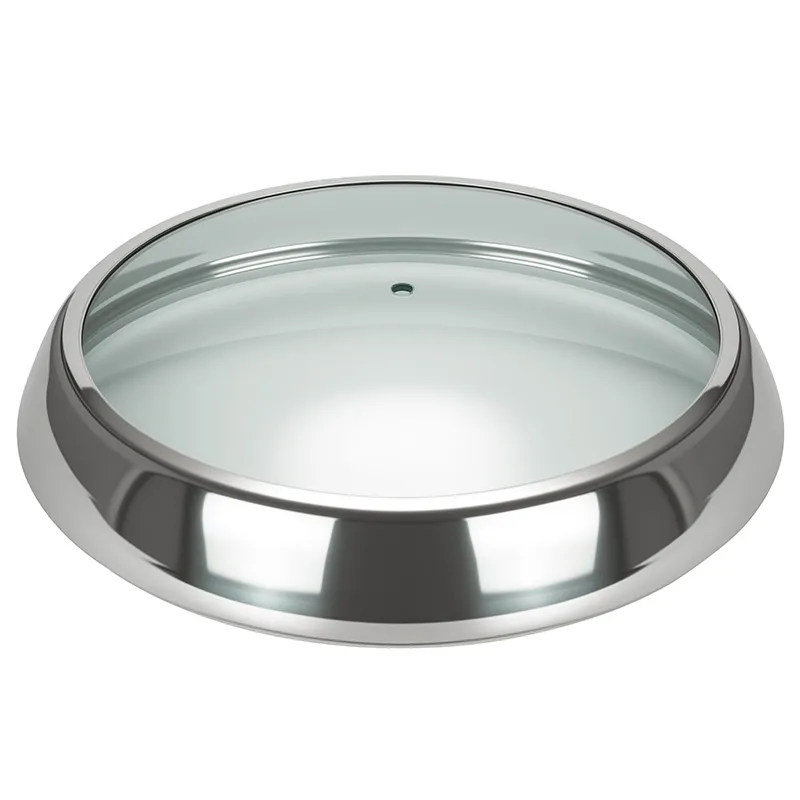
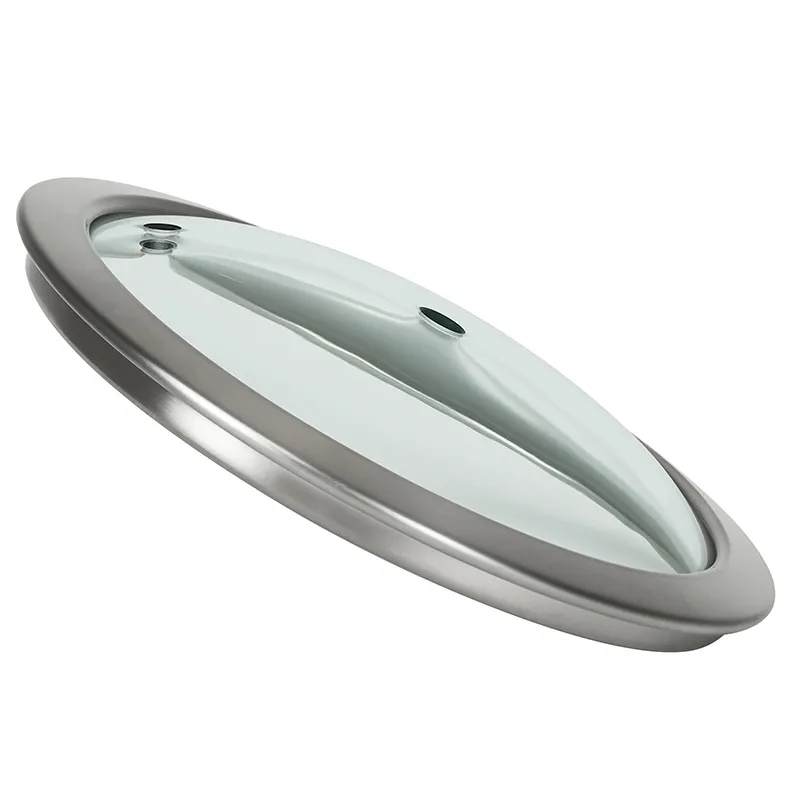
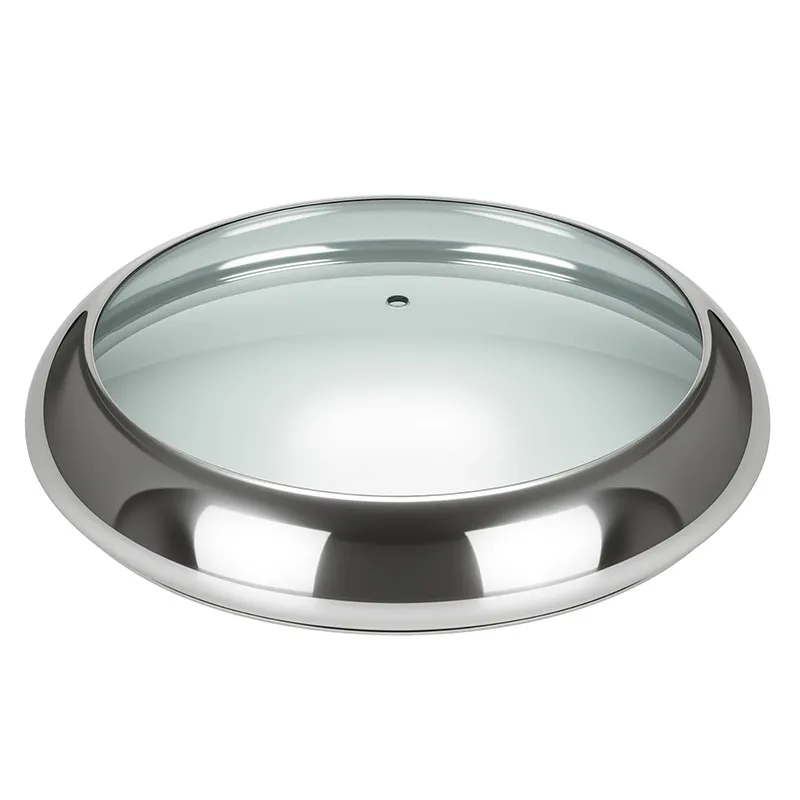
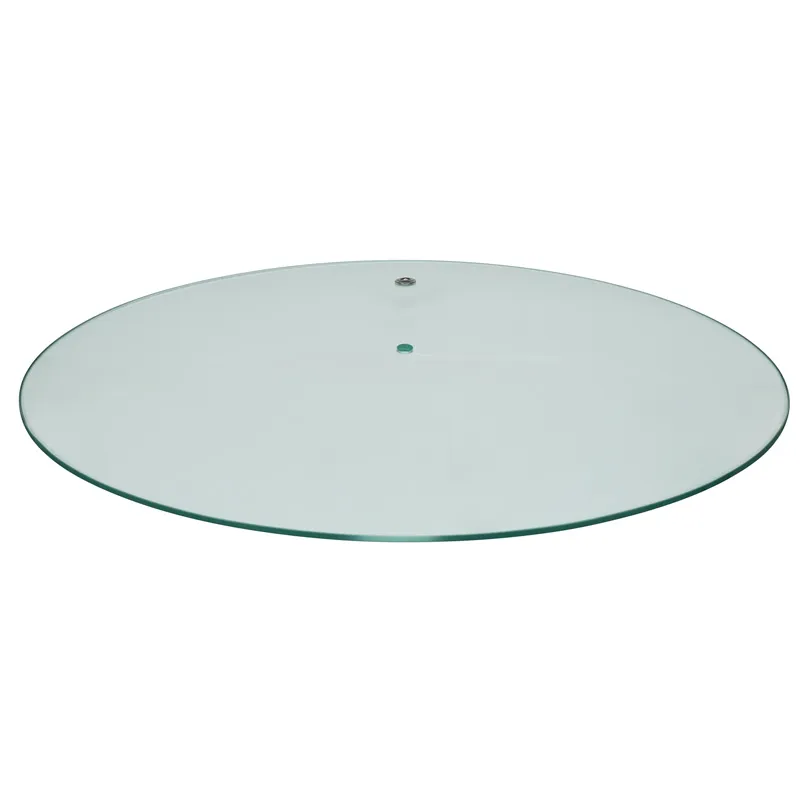
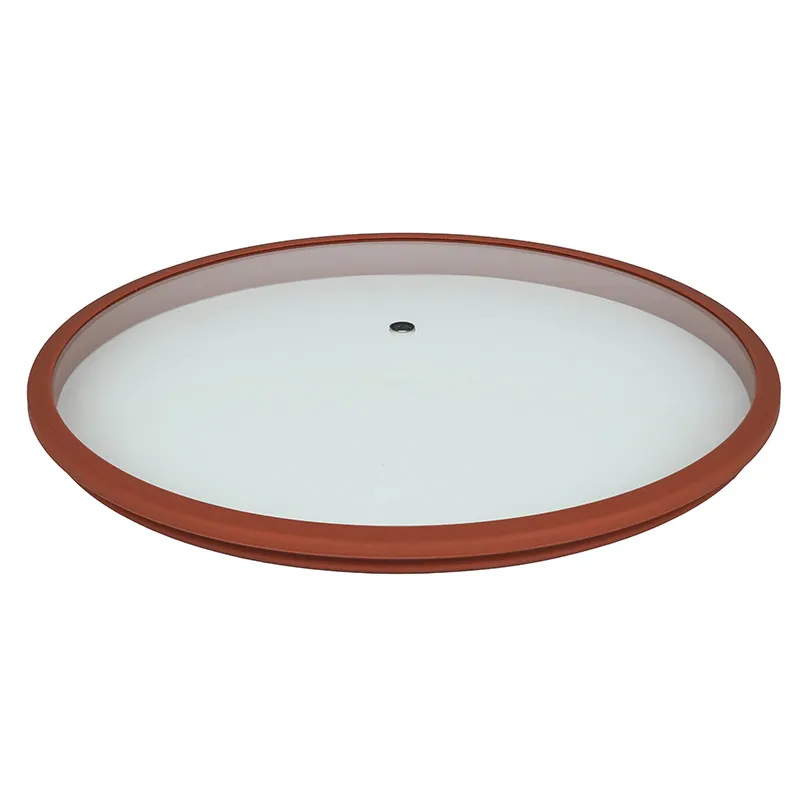
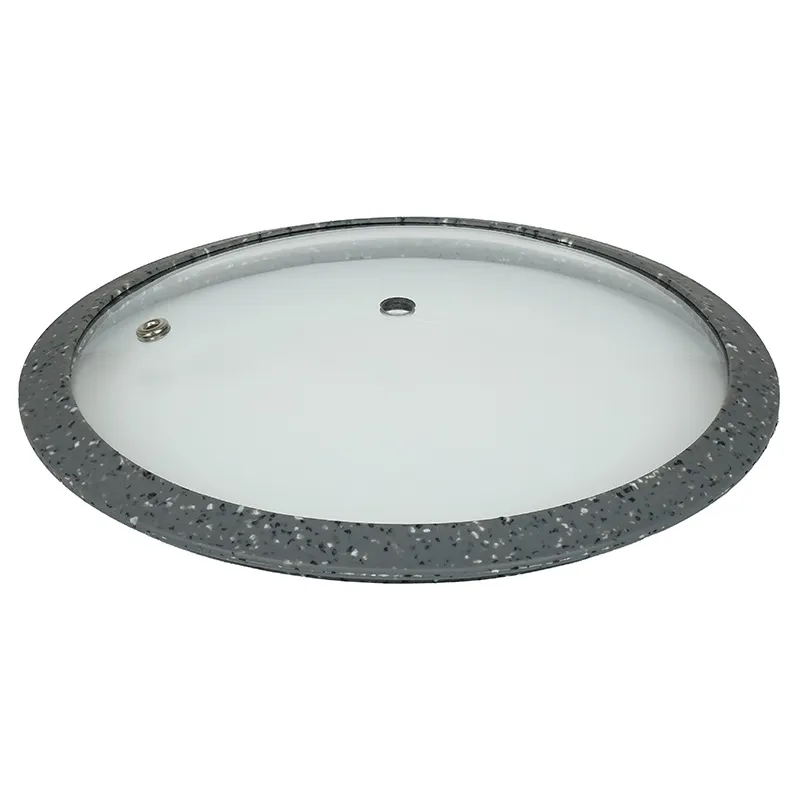
glass cover lid
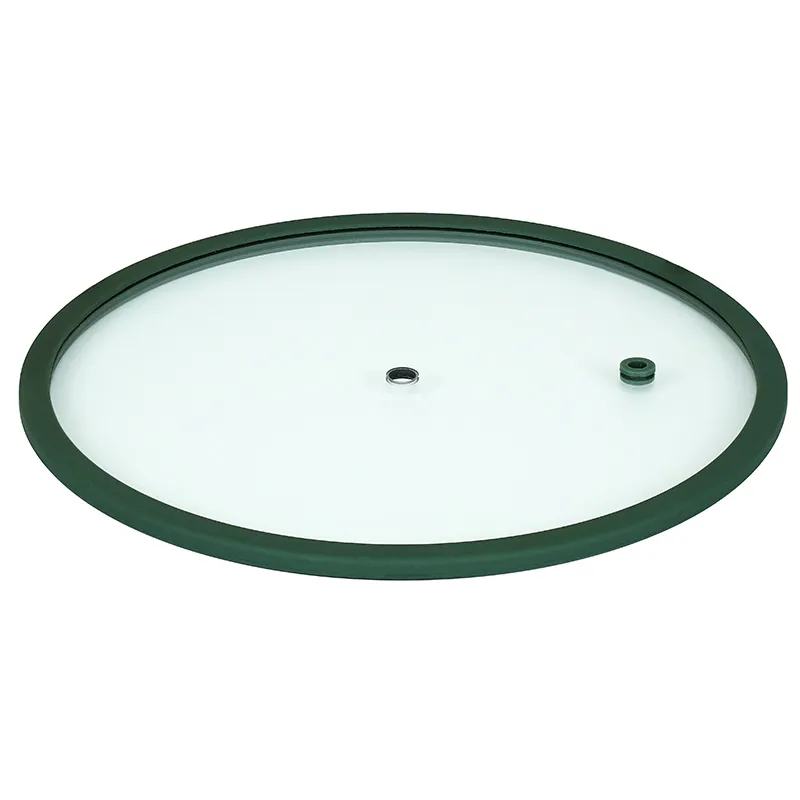
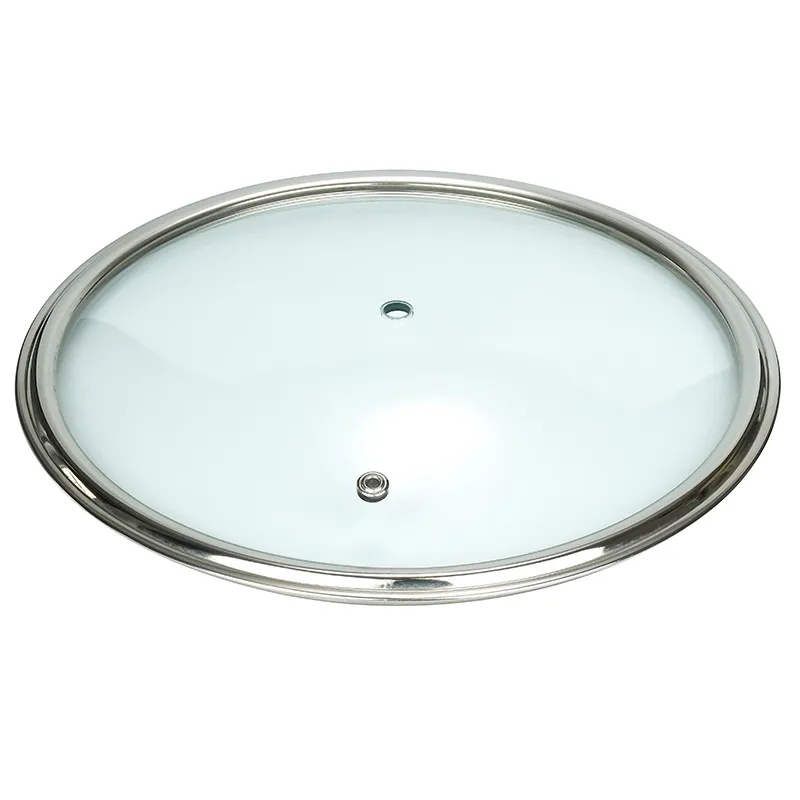
When you say 'glass cover lid', most people just think of a clear piece on top of a pot. That's the first mistake. It's not just a lid; it's a critical thermal and environmental management component for the cookware system. The assumption that any tempered glass will do has cost more than one project in terms of returns and performance complaints. The real nuance lies in the edgework, the thickness variance tolerance, and how the handle assembly manages differential expansion—things you only learn after seeing a batch fail a thermal shock test or getting a complaint about steam leakage from a seemingly perfect seal.
The Manufacturing Reality Check
Visiting factories like EUR-ASIA COOKWARE CO.,LTD's base in Taian drives this home. You see the scale—15,000 ㎡ dedicated to this. Their output, over 15 million pieces annually, isn't just about volume; it's about managing consistency across that volume. One thing that stood out was their handling of the glass tempering process specifically for lids. It's different from flat panels. The curvature, even if slight, introduces stress points. A common pitfall is prioritizing ultimate strength over impact resistance, leading to lids that can withstand high pressure but shatter into granules from a minor edge knock on a granite countertop. That's a design failure, not a material one.
Their focus on exporting to markets like Germany and Italy is telling. Those buyers aren't just looking for clarity; they have brutal standards for repeated thermal cycling. A lid might survive going from a freezer to a stovetop once, but can it do it for 500 cycles? That's where the rubber meets the road. I've seen samples from other suppliers pass initial inspection but then develop micro-cracks around the handle rivet points after 50 cycles. EUR-ASIA's process seemed to address this by using a proprietary annealing curve post-tempering, which relieves stress precisely at those high-tension junctions. It's a subtle step that adds cost but cuts down on warranty claims dramatically.
Another practical detail is the grinding of the perimeter. The glass cover lid must sit flush, but the grinding angle affects the seal. Too steep, and the silicone gasket (if used) doesn't seat properly; too shallow, and it chips. They had an entire station just for optical measurement of this bevel. It's this kind of detail that separates a component from a commodity.
Handle Integration: The Weakest Link
This is where most failures occur, hands down. The handle is the only major point of stress concentration on a glass cover lid. The industry has tried everything: stainless steel screws, high-temp epoxies, over-molded plastic. Each has trade-offs. Screws require precise drilling in the tempered glass, which if not done perfectly, creates a fracture nucleus. Epoxies degrade over time with steam and cleaning chemicals.
EUR-ASIA's common approach for mid-to-high-end lines uses a combination: a metal bracket bonded with a high-performance silicone adhesive, then topped with a thermoplastic handle that's mechanically fastened to the bracket. This decouples the functions. The adhesive handles the thermal expansion mismatch and vibration, while the mechanical fastening in the handle provides the sheer strength for lifting. It's not revolutionary, but it's robust. I recall a project where we insisted on a single-material, over-molded design for aesthetics. It looked fantastic. Failed in the oven test at 220°C—the plastic's coefficient of expansion pulled the glass apart. We went back to the hybrid system.
The knob's thermal insulation is another overlooked point. A full stainless steel knob on a lid boiling soup becomes untouchable. Simple physics, but you'd be surprised how many designs ignore it for a 'premium look'. The practical solution is often a composite knob with an internal thermal break, or using materials like phenolic resin.
The Fit and Seal Conundrum
A lid doesn't work in isolation; it works with a pot. The tolerance stack-up is a nightmare. You have the pot's rim diameter (which can warp with heat), the lid's diameter, and the seal. The goal is a 'steam-tight' seal, not an airtight one—you need a slight pressure release to prevent a vacuum lock. The classic mistake is making the lid too perfect a fit. When the pot expands more than the glass, you get a stuck lid. I've had customers complain they needed a tool to pry a lid off after braising.
The better approach, observed in quality-focused production, is a designed gap. The glass cover lid sits on the pot's rim, not inside it. A 0.5mm to 1mm radial gap is calculated based on the pot material's expansion coefficient. The sealing is then handled by a dedicated gasket or a precisely ground glass edge that makes a narrow contact zone. This allows for movement without binding. EUR-ASIA's product lines for European brands often specify this, as those markets use a wide range of cooktop types (induction, gas, halogen) that heat the base pot differently, causing non-uniform rim expansion.
Speaking of seals, the trend towards glass-on-glass contact (no gasket) for ease of cleaning is great, but it demands near-perfect flatness. Measuring flatness on a curved piece of glass is its own challenge. A light test on a granite surface plate is the old-school method, but modern lines use laser scanning. Any deviation shows as a light leak. If you see a consistent halo, the mold or tempering carrier might be warped.
Material Myths and Thermal Shock
Borosilicate is best. Not always. For a glass cover lid, soda-lime tempered glass is often more than adequate and significantly cheaper. Borosilicate's low thermal expansion is crucial for direct flame or rapid temperature shifts, like a beaker on a Bunsen burner. But for a lid on a saucepan? The thermal gradient is less extreme. The main threat is localized heating—like if the lid is off-center and one edge sits directly over a high flame. That can shock even borosilicate.
The real test is the cold water on hot lid scenario—someone takes a lid off a boiling pot and sets it in a sink where it contacts cold water. Tempered soda-lime can handle this if the tempering is even and the edges are protected. The failure mode is usually a spontaneous, explosive shatter. I've witnessed a quality control test where they heat a lid to 150°C and then drip room-temperature water on its center. It's brutal but effective. The ones that pass have gone through a controlled, slow cooling phase in the tempering oven to equalize surface and core stresses.
This is where a producer's experience shows. A company like EUR-ASIA, exporting to Japan and South Korea where kitchen hygiene is paramount and lids are frequently rinsed while hot, has to build this test into their QA protocol. It's not an ISO standard; it's a customer-driven, practical requirement.
Logistics and the Invisible Cost
Producing a good lid is one thing; getting it to the customer intact is another. Glass is heavy and fragile. The packaging cost for a glass cover lid can sometimes rival the manufacturing cost. You need rigid, form-fitting inserts that suspend the lid, not just wrap it in bubble wrap. Compression during shipping can cause edge chips.
Furthermore, the global supply chain means containers experience huge temperature swings and humidity. Condensation inside packaging can lead to water spots etching the glass surface if it's not properly treated with a hydrophobic coating. I've opened a shipment where every lid had a milky haze—not from manufacturing, but from weeks of trapped moisture in transit. The fix was a simple desiccant packet and a different plastic wrap, but it was a costly lesson.
For a firm like EUR-ASIA COOKWARE CO.,LTD, whose business is over 90% export, mastering this logistics puzzle is as critical as mastering the tempering oven. Their website, https://www.glass-lid.com, showcases their range, but the real expertise is in the unglamorous details: the stackability of the cartons, the foam density of the inserts, the compliance with international material regulations for packaging. It's a full-system view, from the furnace to the customer's cupboard.
So, the next time you look at a glass cover lid, don't just see a piece of glass. See a product of calculated material science, mechanical design, brutal testing, and logistical planning. Its job is to be invisible in use—and that's the hardest thing to engineer.
Related Products
Related Products