- Chinese
- French
- German
- Portuguese
- Spanish
- Russian
- Japanese
- Korean
- Arabic
- Irish
- Greek
- Turkish
- Italian
- Danish
- Romanian
- Indonesian
- Czech
- Afrikaans
- Swedish
- Polish
- Basque
- Catalan
- Esperanto
- Hindi
- Lao
- Albanian
- Amharic
- Armenian
- Azerbaijani
- Belarusian
- Bengali
- Bosnian
- Bulgarian
- Cebuano
- Chichewa
- Corsican
- Croatian
- Dutch
- Estonian
- Filipino
- Finnish
- Frisian
- Galician
- Georgian
- Gujarati
- Haitian
- Hausa
- Hawaiian
- Hebrew
- Hmong
- Hungarian
- Icelandic
- Igbo
- Javanese
- Kannada
- Kazakh
- Khmer
- Kurdish
- Kyrgyz
- Latin
- Latvian
- Lithuanian
- Luxembou..
- Macedonian
- Malagasy
- Malay
- Malayalam
- Maltese
- Maori
- Marathi
- Mongolian
- Burmese
- Nepali
- Norwegian
- Pashto
- Persian
- Punjabi
- Serbian
- Sesotho
- Sinhala
- Slovak
- Slovenian
- Somali
- Samoan
- Scots Gaelic
- Shona
- Sindhi
- Sundanese
- Swahili
- Tajik
- Tamil
- Telugu
- Thai
- Ukrainian
- Urdu
- Uzbek
- Vietnamese
- Welsh
- Xhosa
- Yiddish
- Yoruba
- Zulu
- Kinyarwanda
- Tatar
- Oriya
- Turkmen
- Uyghur


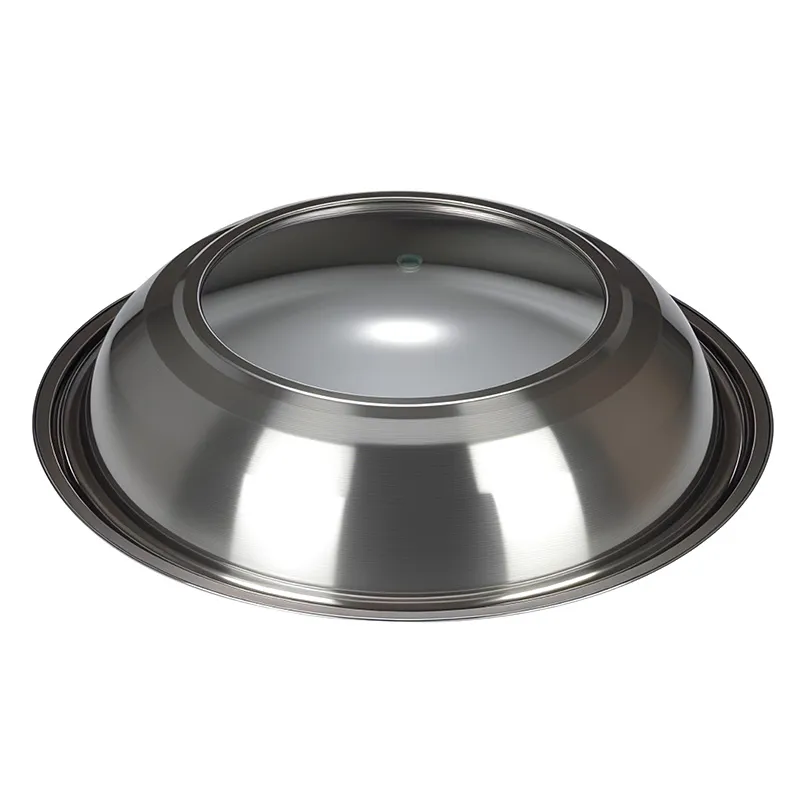
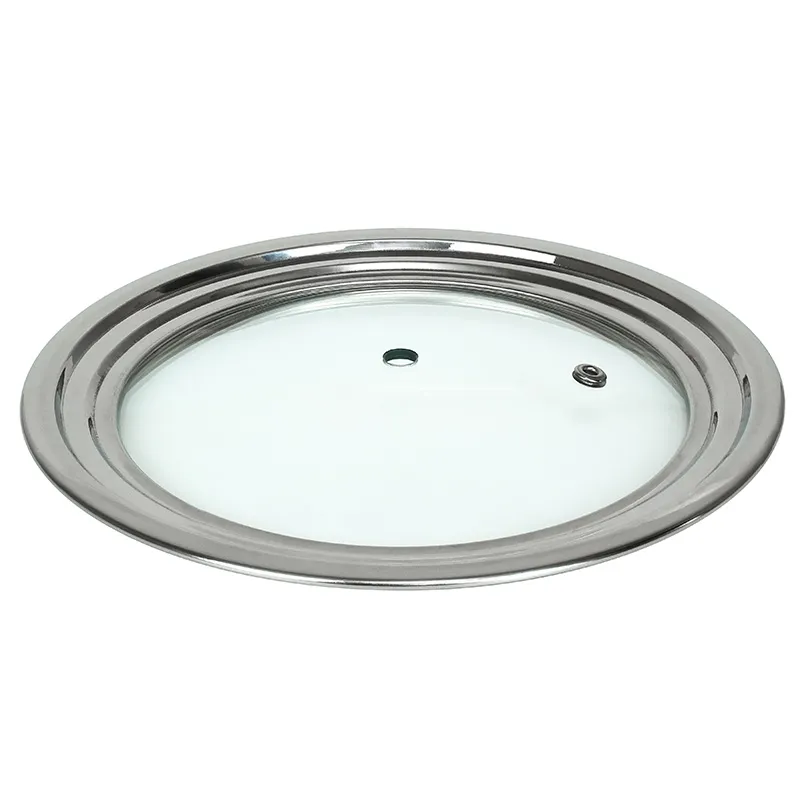
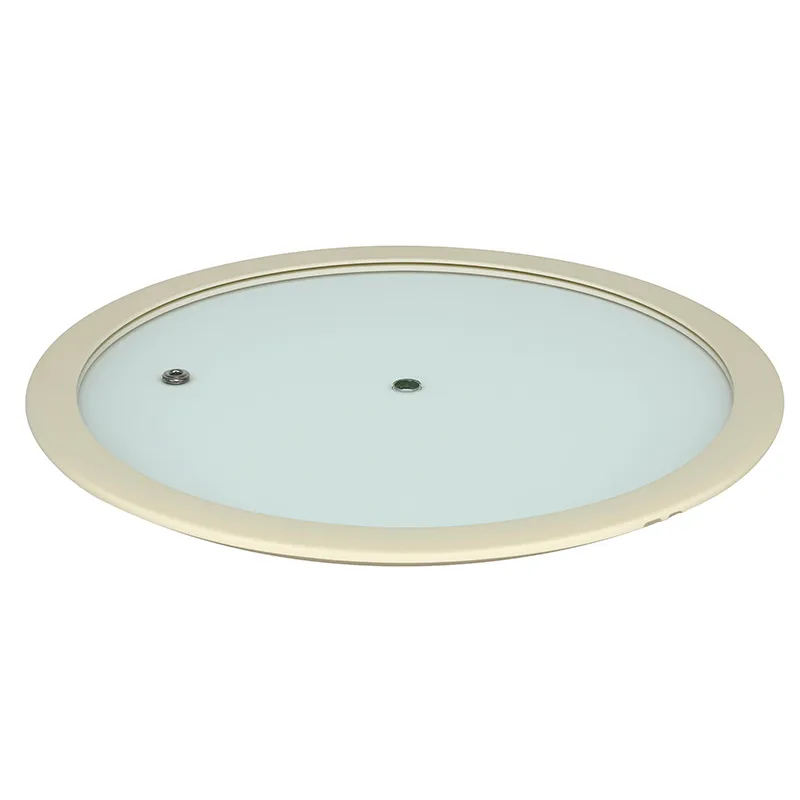
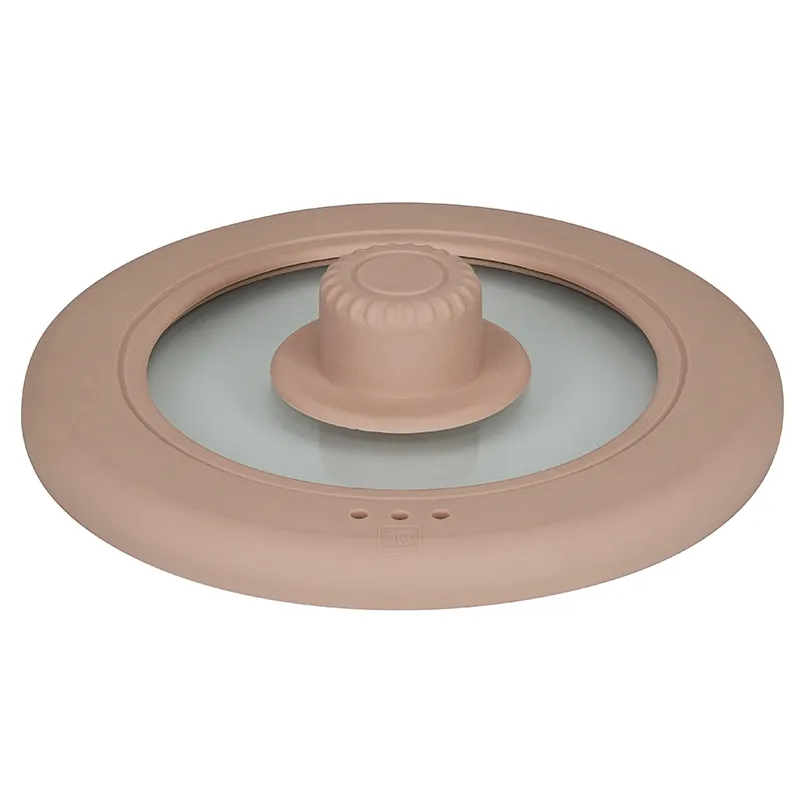
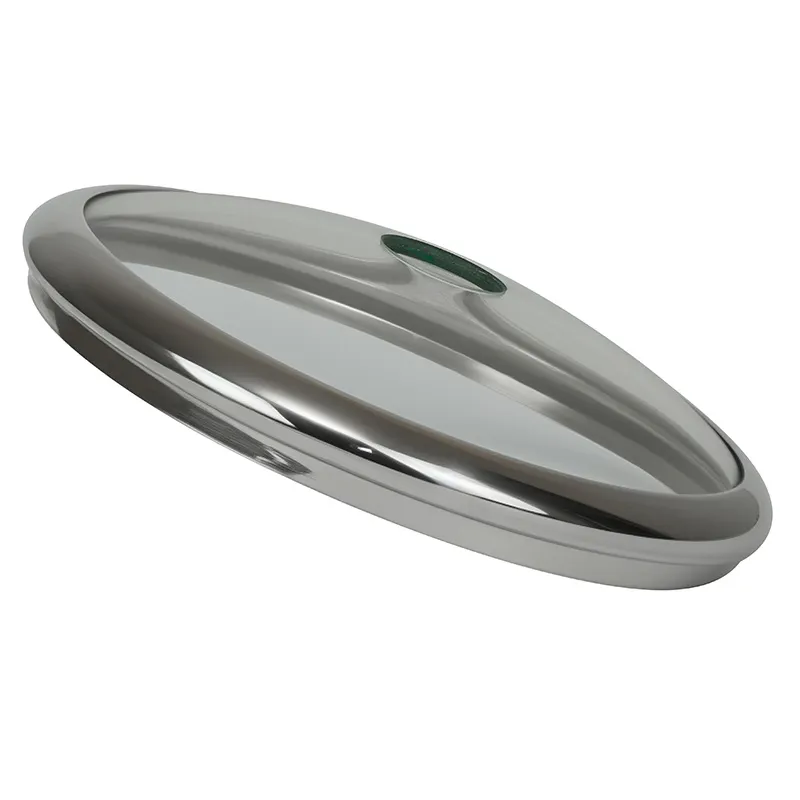
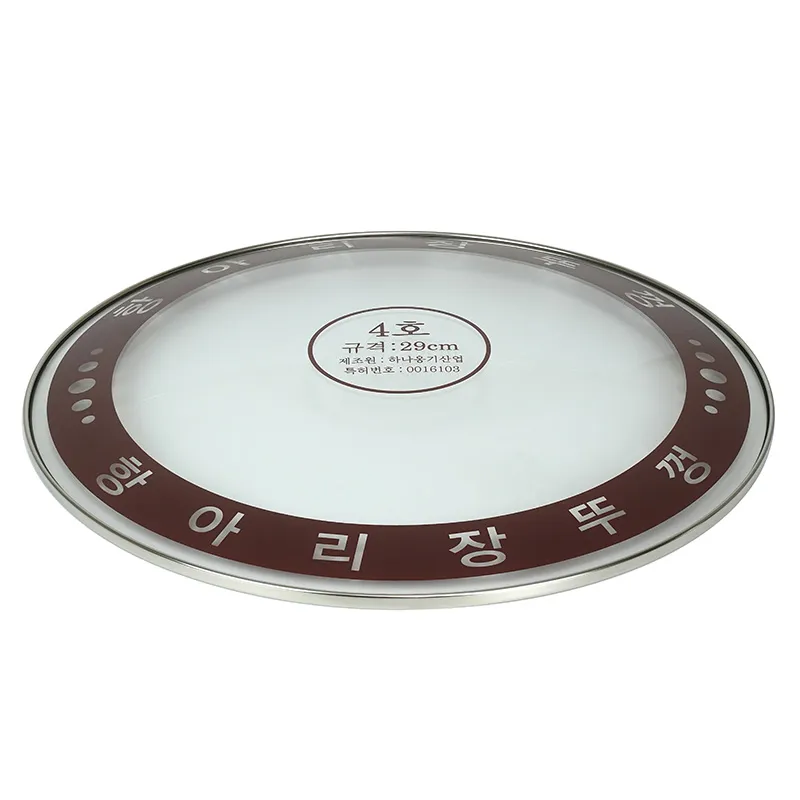
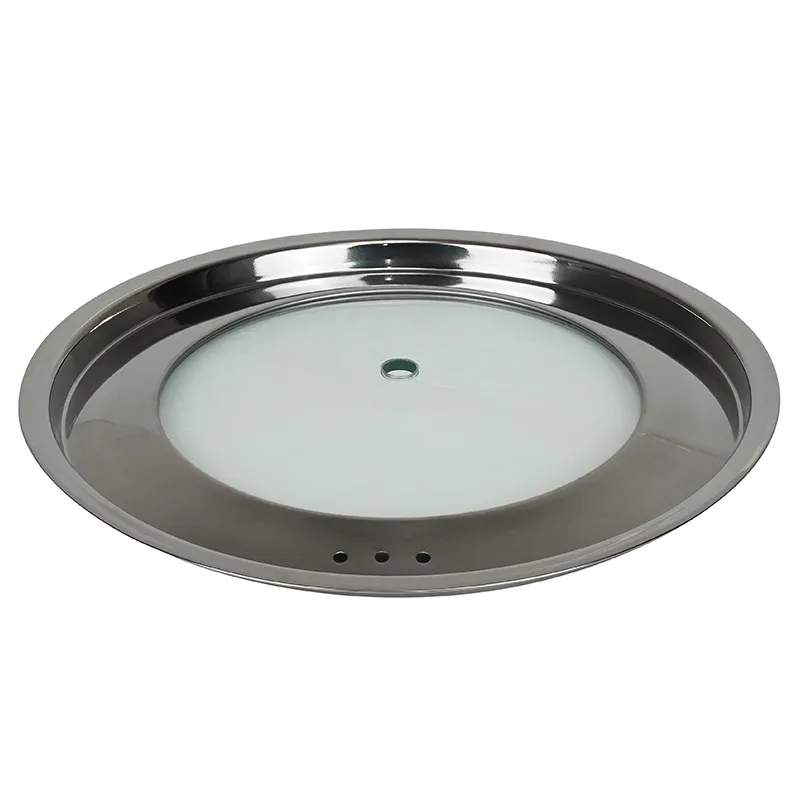
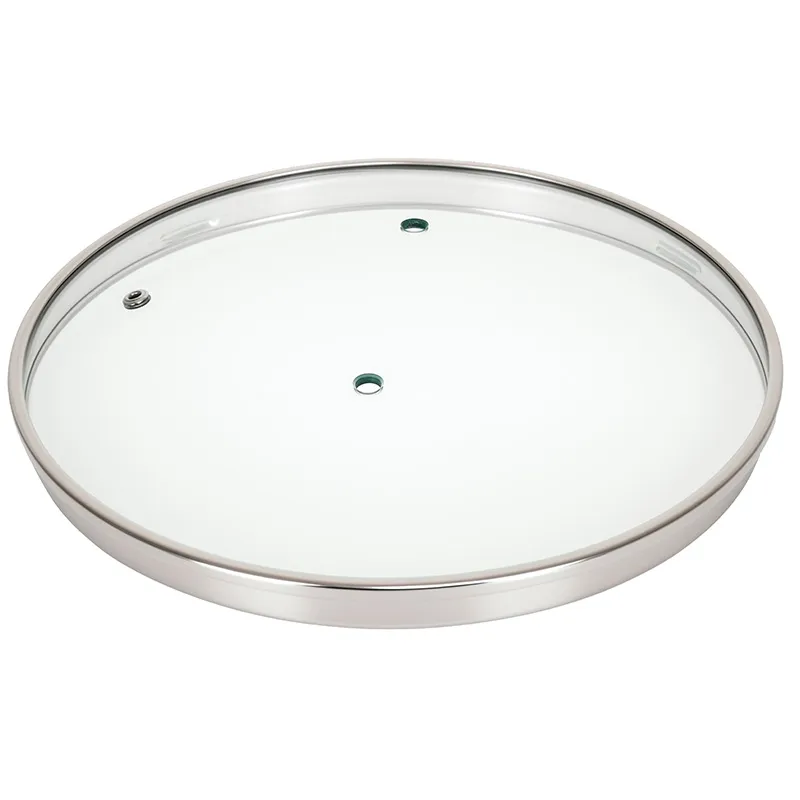
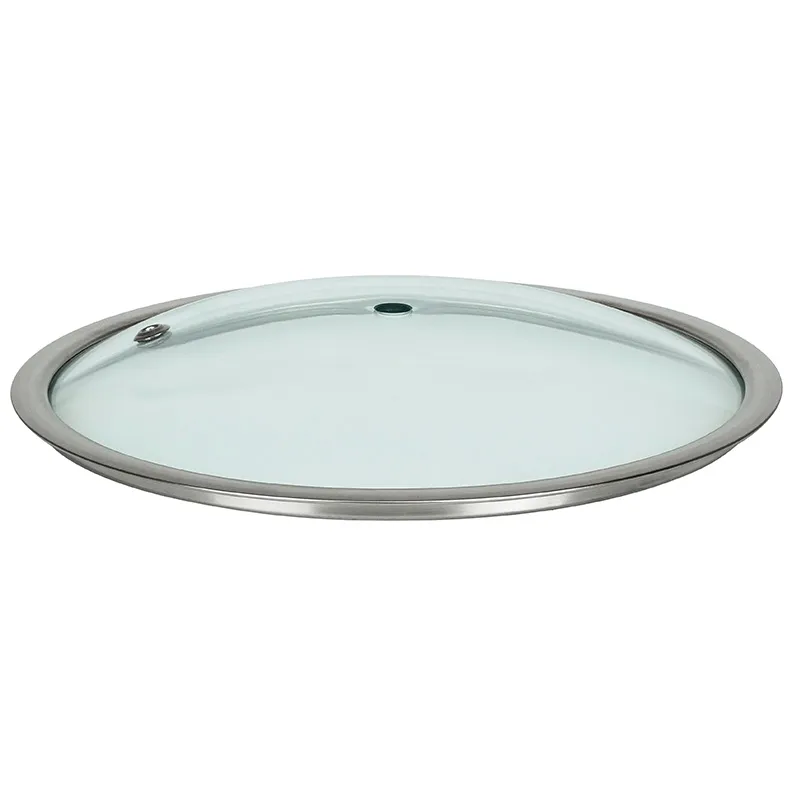
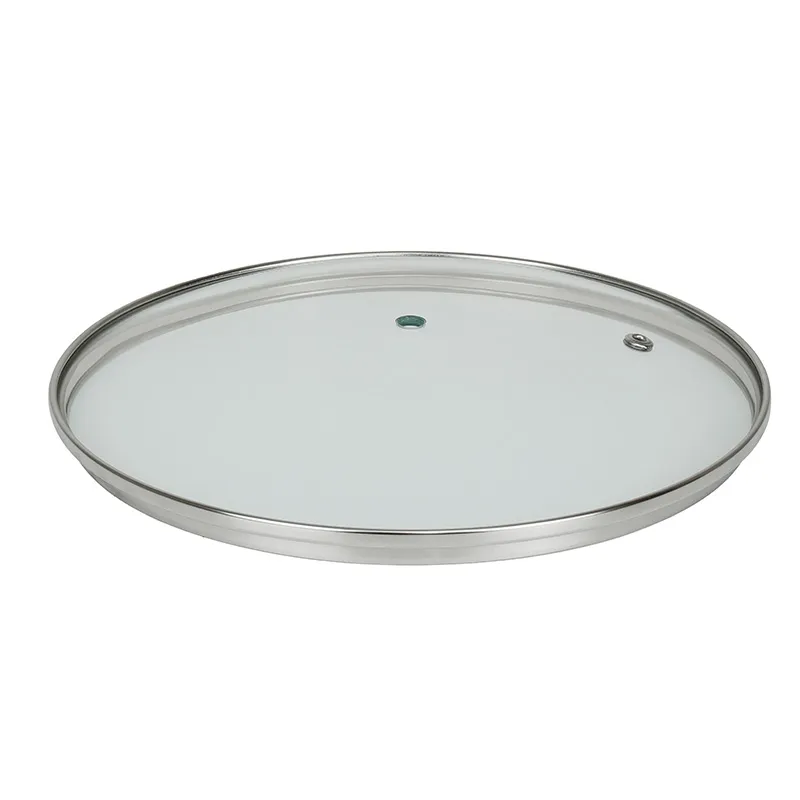
glass cover made in China
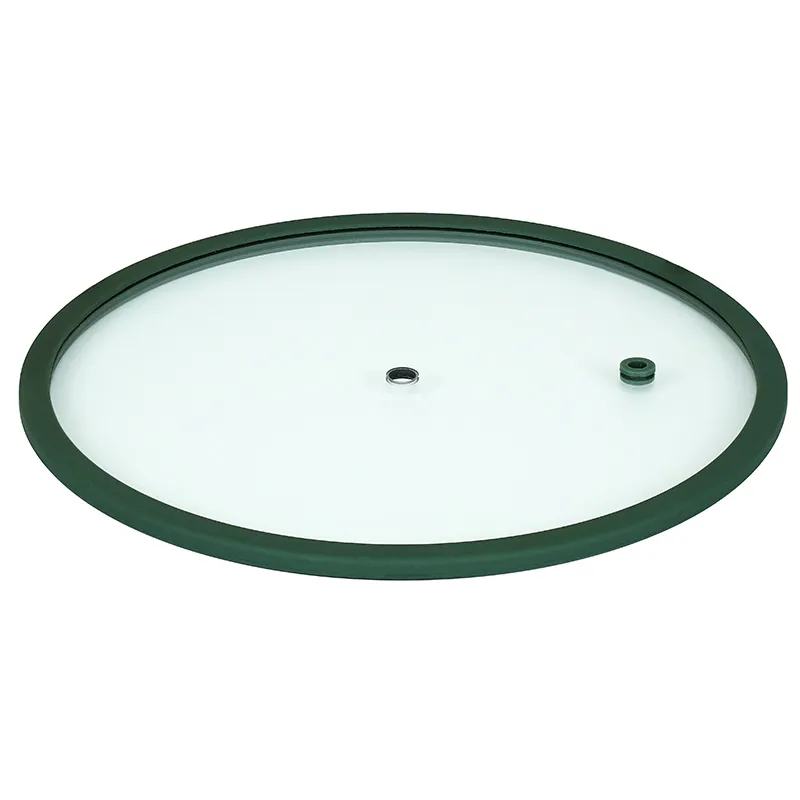
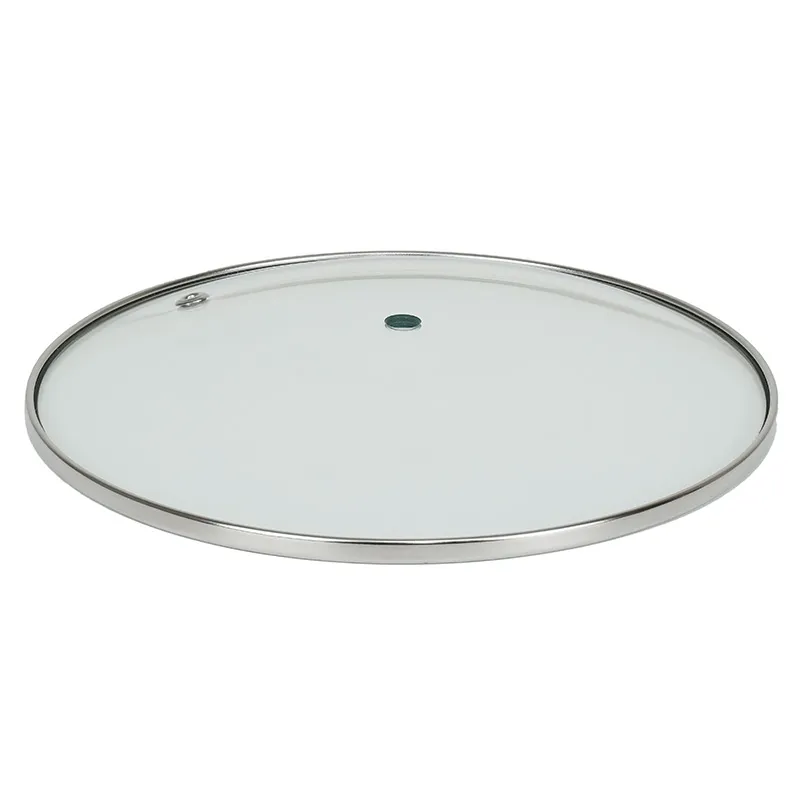
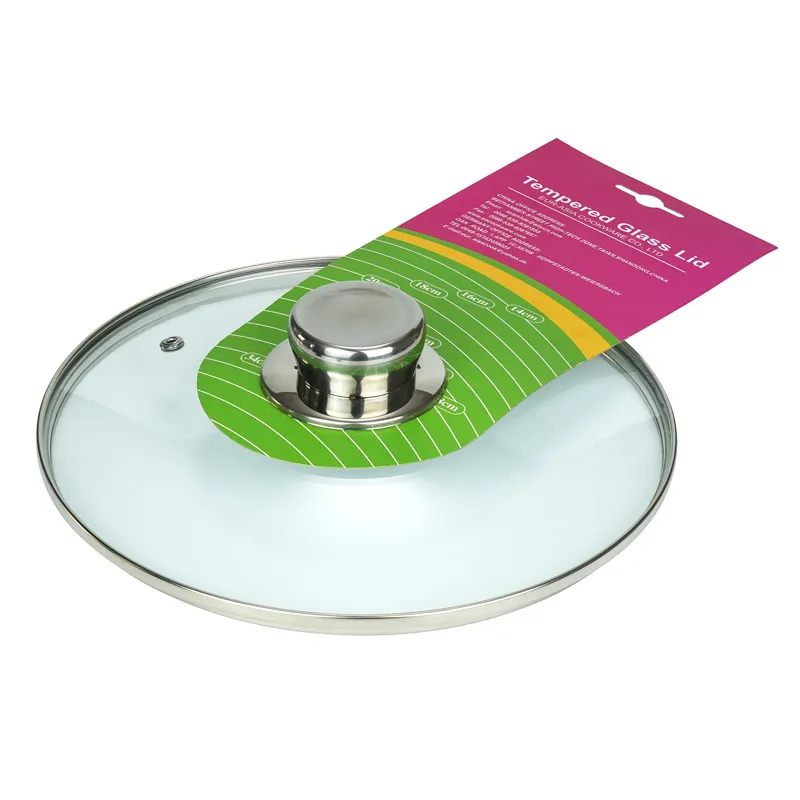
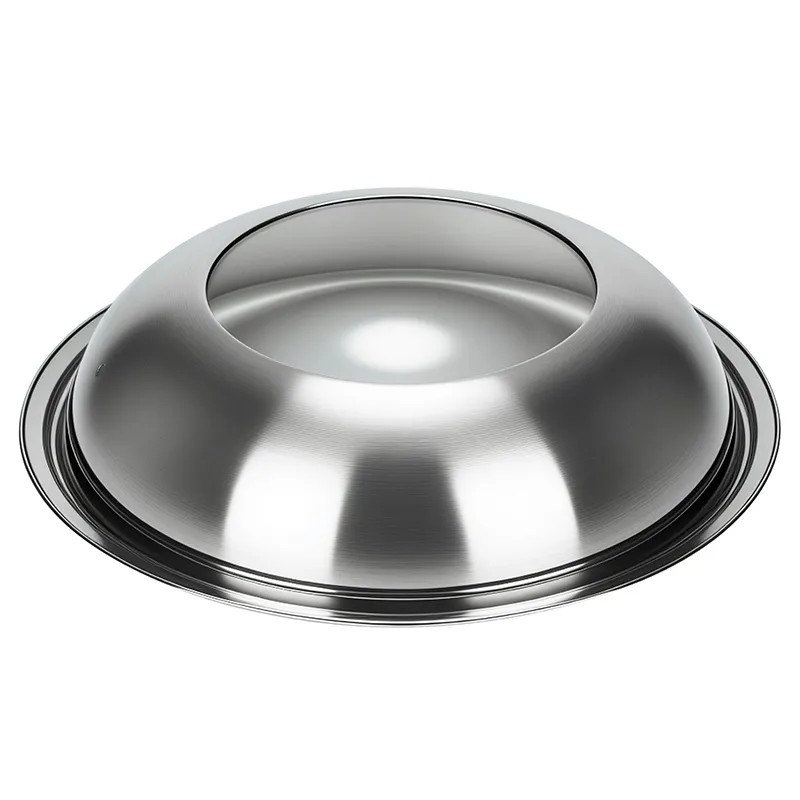
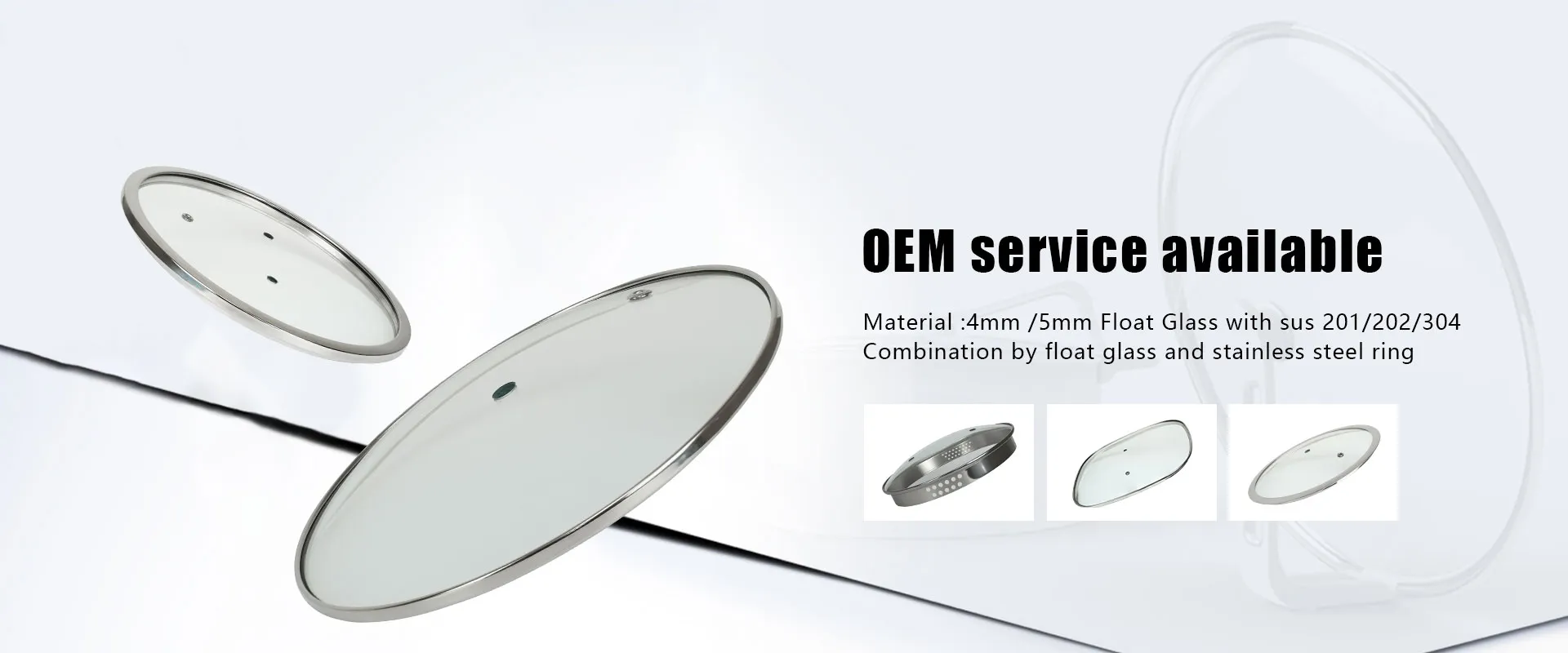
When you hear 'glass cover made in China,' what comes to mind? For many buyers, especially those new to sourcing, it's a mixed bag of low-cost promise and quality anxiety. The common misconception is that it's all about cheap, thin, and inconsistent products. Having spent years dealing with factories and inspecting shipments, I can tell you that's a lazy generalization. The reality is a vast spectrum, from workshops cutting corners to highly specialized manufacturers whose entire operation is built around precision and export compliance. The trick isn't to avoid China, but to know how to navigate it. The keyword here isn't just 'China,' but the specific ecosystem around tempered glass lid production, which is a world of its own.
The Factory Floor Reality
Let's get concrete. A generic search will flood you with options, but the real players are often hidden. They're not always the ones shouting the loudest online. I remember visiting a cluster of factories in Shandong—a major hub for kitchenware glass. You drive past dozens of places, but the difference between a supplier for a local market and one for the EU is night and day. The latter has separate production lines for different standards, dedicated quality stations checking for stress points and edge finishing, and a warehouse organized by client codes, not just piled high. The former might have glass dust everywhere and workers handling glass cover without proper gloves. The 'Made in China' label tells you nothing; it's the factory's operational discipline that matters.
This brings me to a practical point about tempering. Not all tempered glass is equal. The process is critical for a lid that can withstand thermal shock from a hot pot to a cold counter. I've seen batches where the tempering was uneven, leading to spontaneous breakage—not in testing, but six months into a customer's use. The failure was traced back to an oven with inconsistent temperature zones. The factory fixed it, but it cost them a whole container's worth of credit. This is the kind of granular detail you learn by being there, or by working with a partner who is. It's not about blaming 'China,' but understanding that process control is a variable you must audit.
For instance, take EUR-ASIA COOKWARE CO.,LTD. Their setup, as described, isn't uncommon for a serious exporter: a 20,000㎡ base in a national high-tech zone, focusing on household glass. The scale (15 million pieces annually) suggests automation and flow. When a factory mentions specific export destinations like Germany and Japan, it's a signal. It means they're likely dealing with auditors who check for things like heavy metal leaching from paints on glass handles, or the precision of a steam vent hole. Their website, glass-lid.com, clearly positions them in the low-to-high level spectrum, which is an honest way of saying they have different lines for different price points. That's more credible than a factory claiming to be 'premium' for everyone.
Navigating the Levels: Low, Medium, High
The industry jargon of 'levels' is crucial. A low-level glass cover made in China might be perfectly fine for a discount retailer's private label. The glass is thinner, the tempering might be just enough to pass a basic impact test, and the silicone gasket (if it has one) is a standard compound. The edges might be simply seamed, not polished. A high-level one, destined for Germany, will have stricter parameters: thicker glass (often specified to the millimeter), argon-look polished edges that feel smooth, a higher-grade, food-contact-safe silicone that doesn't discolor, and packaging that prevents micro-scratches during transit. The cost difference isn't just profit margin; it's in the material, the slower processing, and the more rigorous QC checks that yield a lower percentage of perfect pieces.
I made a mistake early on, conflating a medium-level supplier with a high-level one. The samples were excellent. But during production, the consistency wavered. The diameter tolerance was +/- 2mm, which they said was standard. For a high-end brand, that's unacceptable; lids should sit flush. We had to rework the entire order, grinding down edges, which was a nightmare. The supplier wasn't bad; they were just optimized for a different market segment. Their 'high level' was my client's 'medium.' This is why the company description of EUR-ASIA COOKWARE CO.,LTD. specifying their range is actually helpful—it sets realistic expectations. They produce and sell across the spectrum, implying they have the flexibility but also the segregation to manage different quality streams.
Another detail often overlooked is the handle attachment. Is it a metal clamp, a plastic knob, or a silicone sleeve? How is it bonded? I've seen lids where the glue failed after repeated dishwasher cycles. A robust process involves surface treatment of the glass before bonding and specific curing times. A factory exporting to Europe will have test reports on this bond strength. It's these sub-components that truly define the level.
The Export Machine: Compliance and Logistics
Over 90% export rate, like what EUR-ASIA mentions, isn't just a sales statistic. It defines the company's DNA. It means their documentation team is proficient in commercial invoices, packing lists, and certificates of origin. It means they understand lead times, container loading to maximize space for fragile goods, and the importance of palletization. More importantly, it speaks to compliance. Markets like Germany have strict norms on material safety (LFGB, for instance). A factory consistently serving this market has its glass formula, inks, and any applied materials pre-tested and certified. They aren't scrambling when you ask for a test report.
However, 'export experience' can be narrow. A factory might be a champion in Brazil but clueless about South Korea's KC marking requirements. That's why their listed destinations—Germany, Russia, Italy, Japan, etc.—indicate a breadth of experience with different regional standards. This is a valuable asset. It means they can likely advise on, or at least adapt to, your target market's needs. I recall working with a supplier who was new to the US market; they didn't factor in the more stringent California Prop 65 labeling, causing a customs delay. An experienced exporter would have flagged that.
Logistics for glass products is a specialty. They can't just be thrown in a box. The internal packaging—foam caps, cardboard dividers, corner protectors—is a cost line item that cheaper suppliers often minimize, leading to higher breakage rates. A professional operation will have a standard packing method that's been optimized over thousands of shipments. They'll know how many layers fit in a container without risking pressure breaks. This operational knowledge is part of the product's value when you source from China.
Where Sourcing Goes Wrong: The Human Factor
Beyond specs and compliance, sourcing a glass cover is about relationships and communication. The biggest failures I've witnessed weren't due to technical inability, but miscommunication. A drawing says radius edge, but the factory's interpretation is different. You assume they'll use a certain type of paint for the measurement markings, but they switch to a cheaper one without telling you because it's the same color. Constant, clear communication, often with photos and videos during production runs, is non-negotiable. The 90+ employees at a place like the Taian-based factory aren't just labor; they represent a chain of communication from sales to production to QC. A responsive and technically fluent salesperson is worth their weight in gold.
Another pitfall is the sample vs. production gap. A sample is hand-finished, often from a separate, slower line. Mass production introduces variables. A good practice is to insist on pre-shipment inspection reports from a third party, not just the factory's own QC sheet. This adds cost, but for a large order, it's insurance. I learned this after a shipment where the glass thickness was consistently 0.5mm under spec. The factory's sheet showed all OK. Our inspector's calipers told a different story. The factory hadn't calibrated their tools in months.
Finally, there's the issue of innovation. Most factories are reactive; they make what you ask. But the better ones are partners. They might suggest a more ergonomic handle design they've developed for another client, or a new glass tint that reduces heat loss. This proactive approach often comes from established players with their own R&D, even if it's a small team. It transforms the relationship from transactional to collaborative.
Looking Ahead: The Real Value Proposition
So, what are you really buying with a glass cover made in China today? You're not just buying a commodity. You're buying access to a concentrated manufacturing ecosystem with deep material knowledge, scalable capacity, and, if you choose correctly, a high degree of technical specialization. The value isn't in the cheapest price, but in the total cost of ownership—which includes consistency, reliability, and fewer headaches.
The landscape is maturing. Factories like EUR-ASIA COOKWARE, with a defined production base and clear export focus, represent the professional tier. They're not competing solely on price but on their ability to deliver a specified product to a global standard. Their annual output of over 15 million pieces of various types of tempered glass lid is a testament to volume capability, but the real question for a buyer is: can they carve out a dedicated line or production run for my specific, nuanced requirements?
In the end, the keyword is a starting point. The journey is about digging past it to find the right partner within the vast Chinese manufacturing landscape. It's about moving from a generic search term to a specific conversation about oven temperatures, edge profiles, silicone hardness, and packing diagrams. That's where the real sourcing happens.
Related Products
Related Products