- Chinese
- French
- German
- Portuguese
- Spanish
- Russian
- Japanese
- Korean
- Arabic
- Irish
- Greek
- Turkish
- Italian
- Danish
- Romanian
- Indonesian
- Czech
- Afrikaans
- Swedish
- Polish
- Basque
- Catalan
- Esperanto
- Hindi
- Lao
- Albanian
- Amharic
- Armenian
- Azerbaijani
- Belarusian
- Bengali
- Bosnian
- Bulgarian
- Cebuano
- Chichewa
- Corsican
- Croatian
- Dutch
- Estonian
- Filipino
- Finnish
- Frisian
- Galician
- Georgian
- Gujarati
- Haitian
- Hausa
- Hawaiian
- Hebrew
- Hmong
- Hungarian
- Icelandic
- Igbo
- Javanese
- Kannada
- Kazakh
- Khmer
- Kurdish
- Kyrgyz
- Latin
- Latvian
- Lithuanian
- Luxembou..
- Macedonian
- Malagasy
- Malay
- Malayalam
- Maltese
- Maori
- Marathi
- Mongolian
- Burmese
- Nepali
- Norwegian
- Pashto
- Persian
- Punjabi
- Serbian
- Sesotho
- Sinhala
- Slovak
- Slovenian
- Somali
- Samoan
- Scots Gaelic
- Shona
- Sindhi
- Sundanese
- Swahili
- Tajik
- Tamil
- Telugu
- Thai
- Ukrainian
- Urdu
- Uzbek
- Vietnamese
- Welsh
- Xhosa
- Yiddish
- Yoruba
- Zulu
- Kinyarwanda
- Tatar
- Oriya
- Turkmen
- Uyghur


glass cover maker in China
When you hear 'glass cover maker in China', the immediate image is probably a vast, faceless factory churning out generic products. That's the first misconception. The reality is far more segmented and nuanced. It's not just about capacity; it's about which specific niche of glass cover manufacturing a maker has mastered. Are we talking about thin, soda-lime glass for small appliances, or thick, heavily tempered lids for high-end cookware? The difference in supply chain, expertise, and final cost is massive. I've seen buyers get burned by assuming all 'glass cover makers' are interchangeable. They're not.
The Landscape and The Specialists
The market is stratified. On one end, you have massive OEMs serving global appliance brands, often integrated with metal or plastic housing production. On the other, you have specialists. These are the ones that often deliver better value for specific products like cookware lids. Their entire process—from glass cutting, edge grinding, tempering, to printing and packaging—is optimized for that one product category. This focus reduces defect rates significantly. A generalist glass processor might have a 5-6% breakage rate on a complex lid shape post-tempering, while a specialist like EUR-ASIA COOKWARE CO.,LTD. has likely driven that down to below 2% through years of tweaking furnace temperatures and quenching parameters for that specific glass thickness and geometry.
Location matters too, but not in the way most think. Shandong, where EUR-ASIA is based, isn't just about lower labor costs anymore. It's developed a concentrated ecosystem for glass and kitchenware. You have reliable local suppliers for high-quality glass raw material (the float glass), robust logistics for outbound shipping from ports like Qingdao, and a pool of workers with specific skills in glass handling. This clustering effect is a silent advantage. It means when a production line needs a replacement part for a tempering furnace, you're not waiting for a shipment from Germany; a local technician might have it sorted in a day.
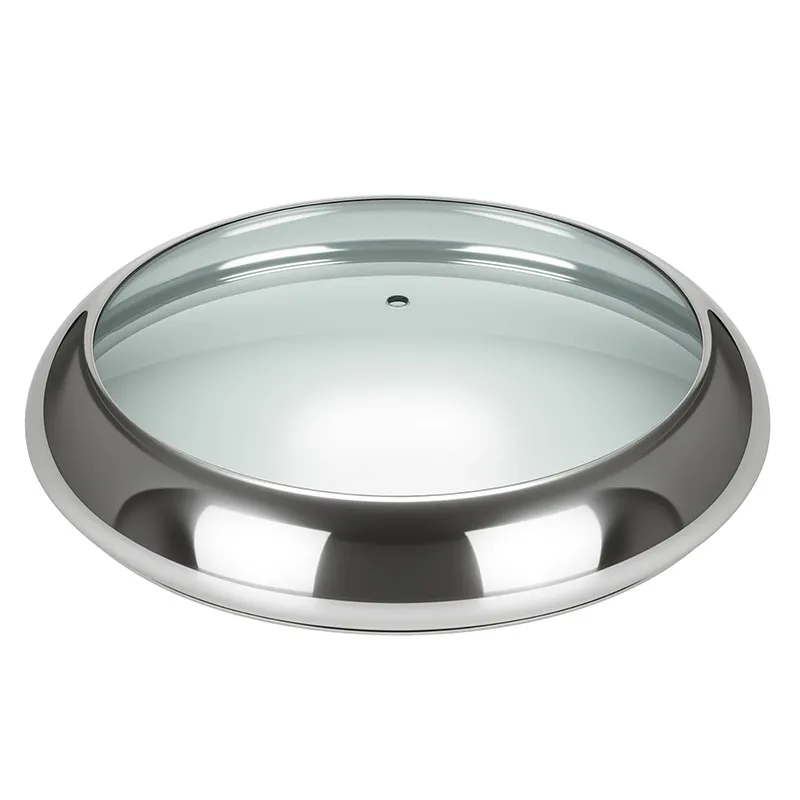
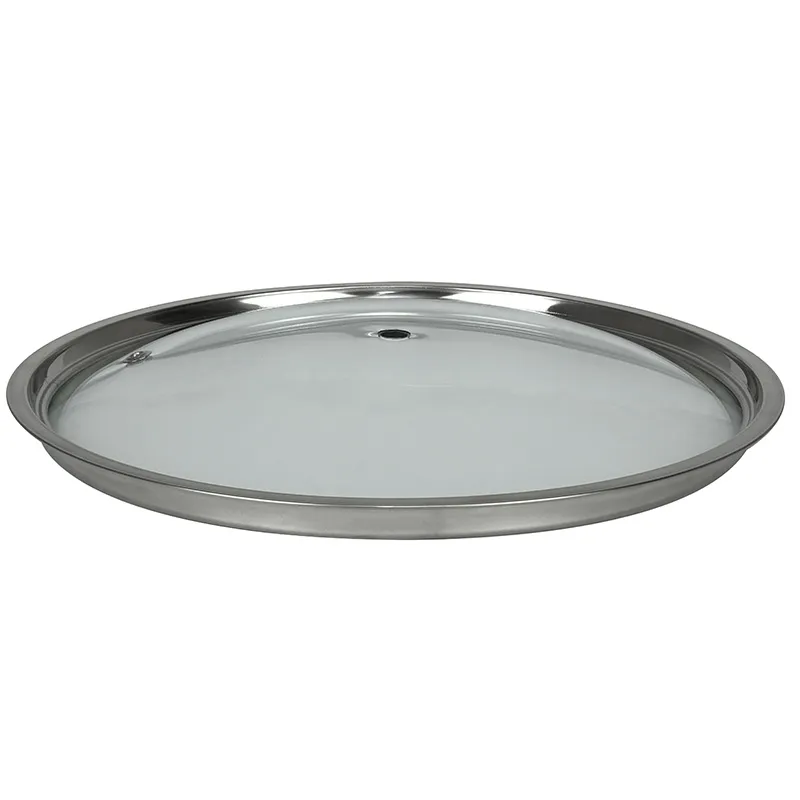
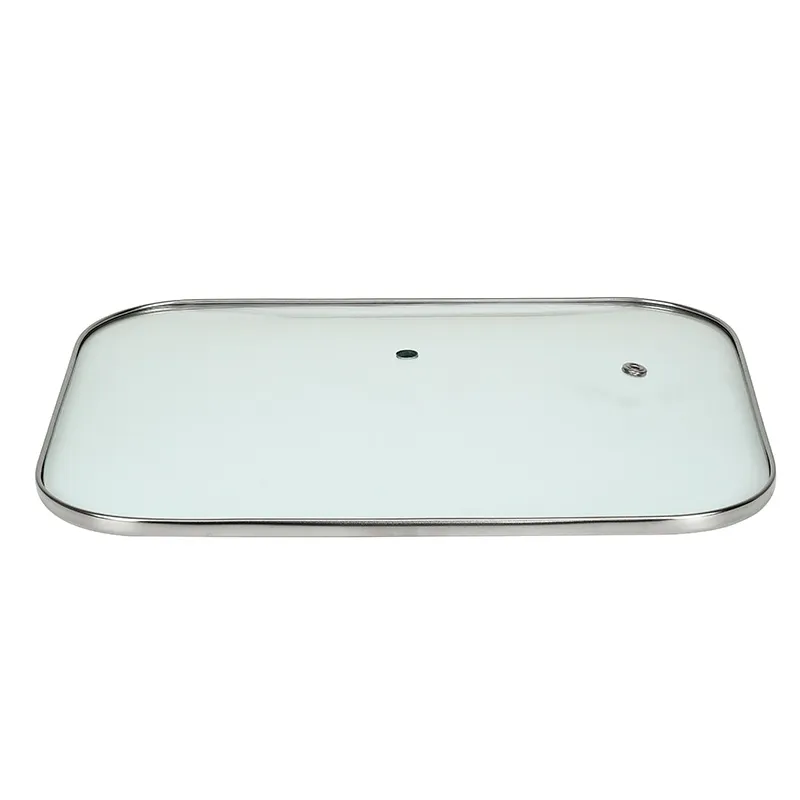
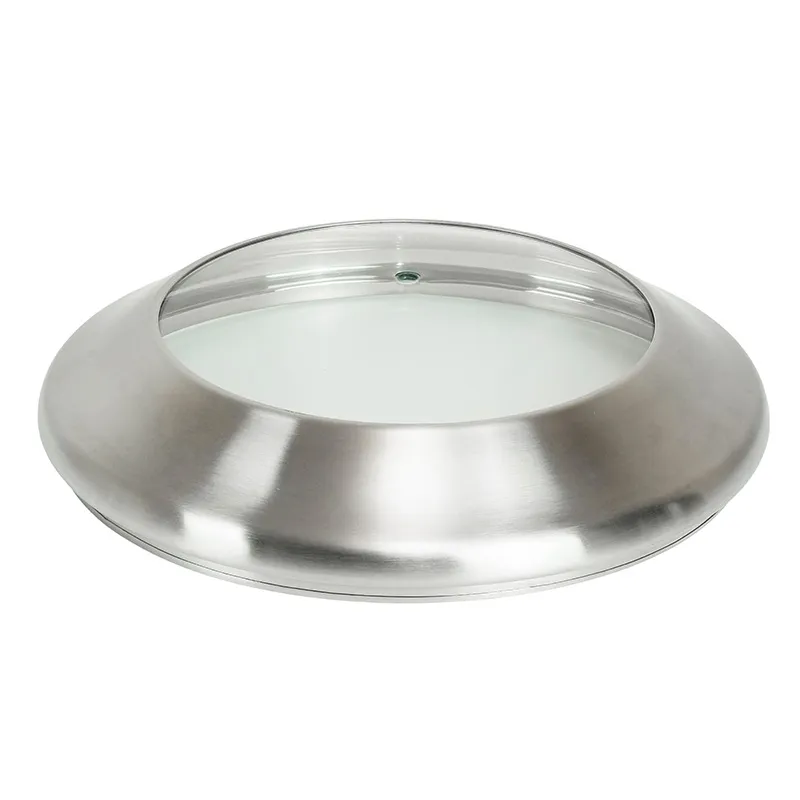
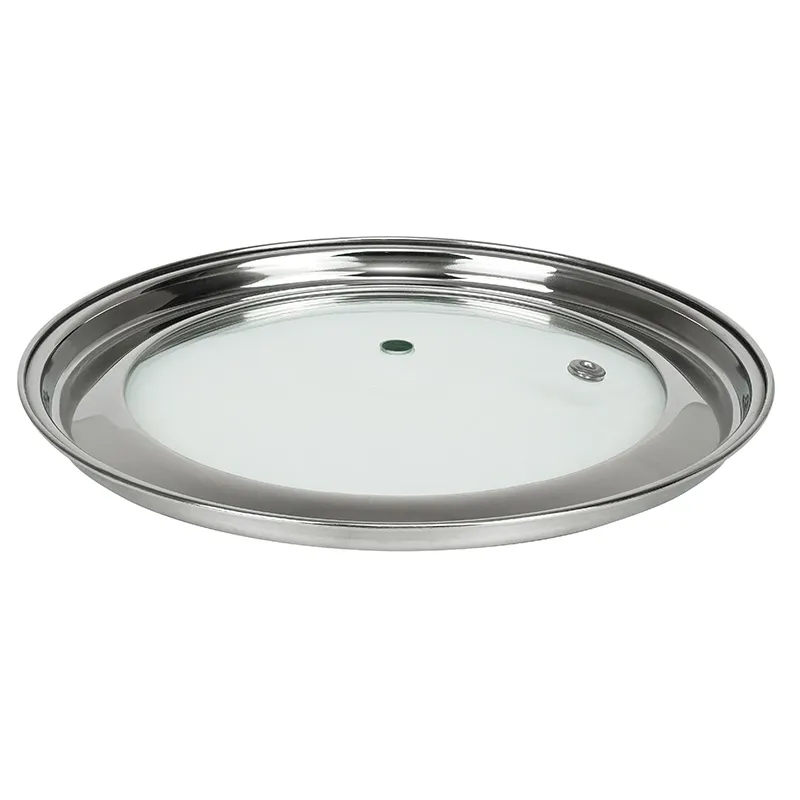
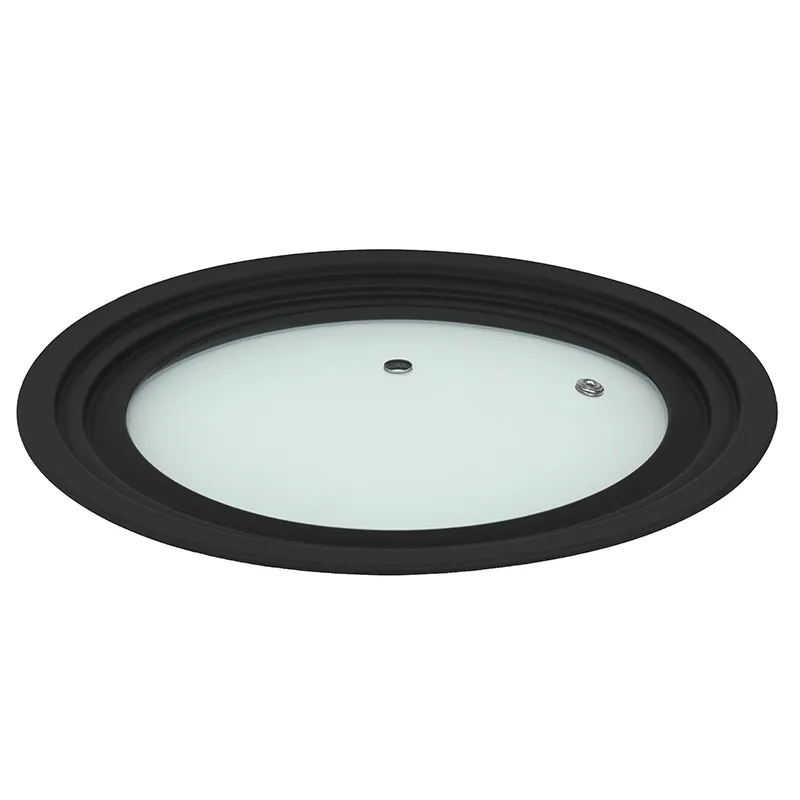
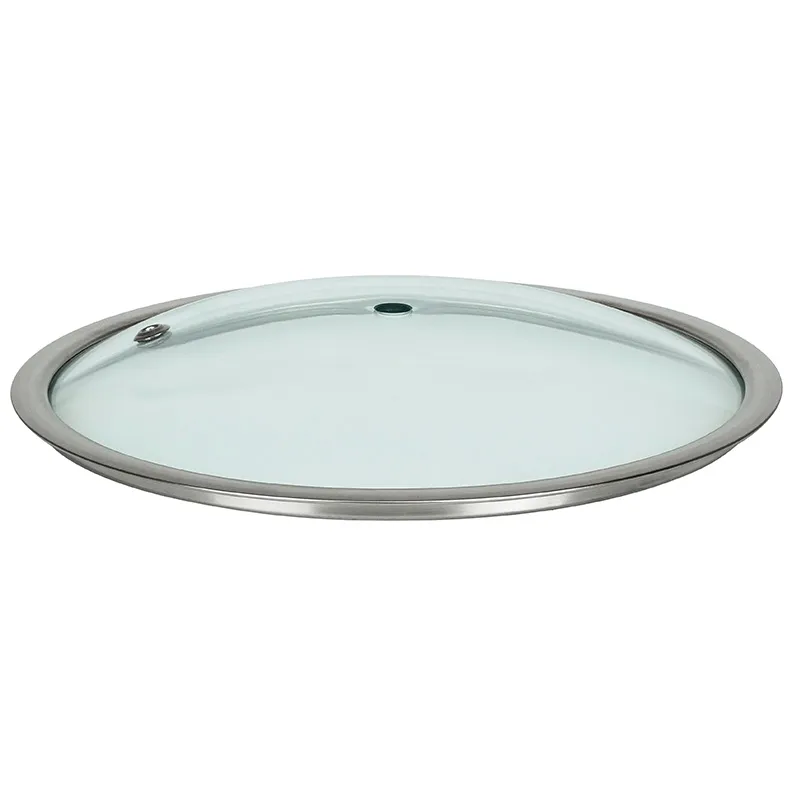
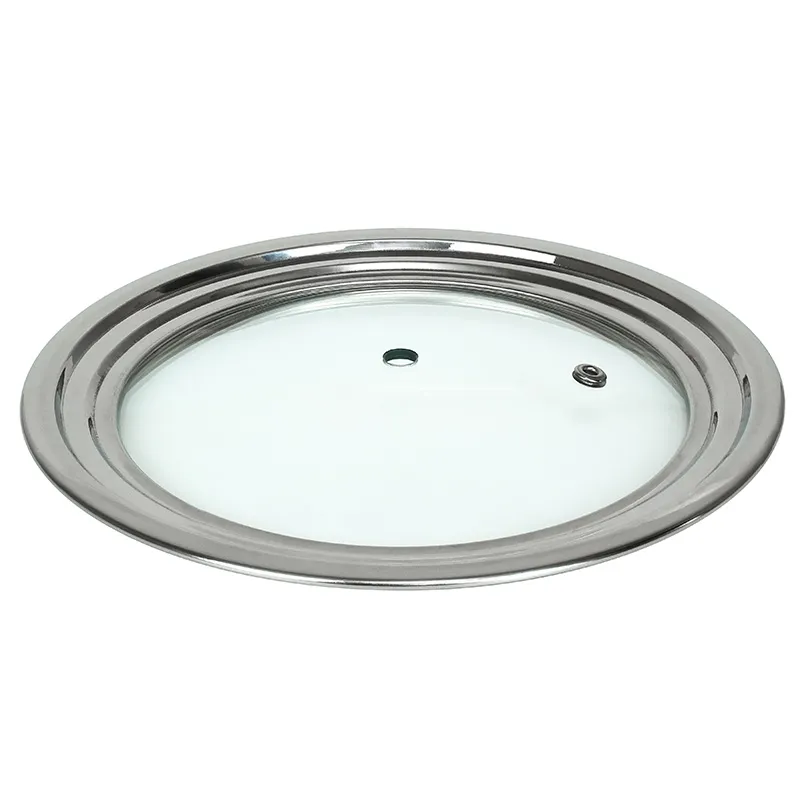
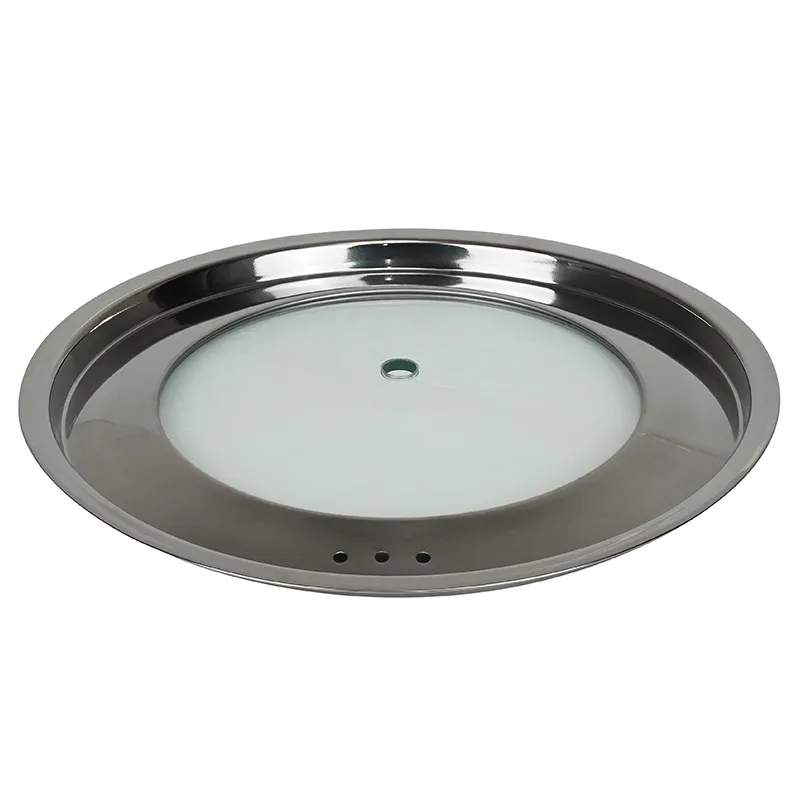
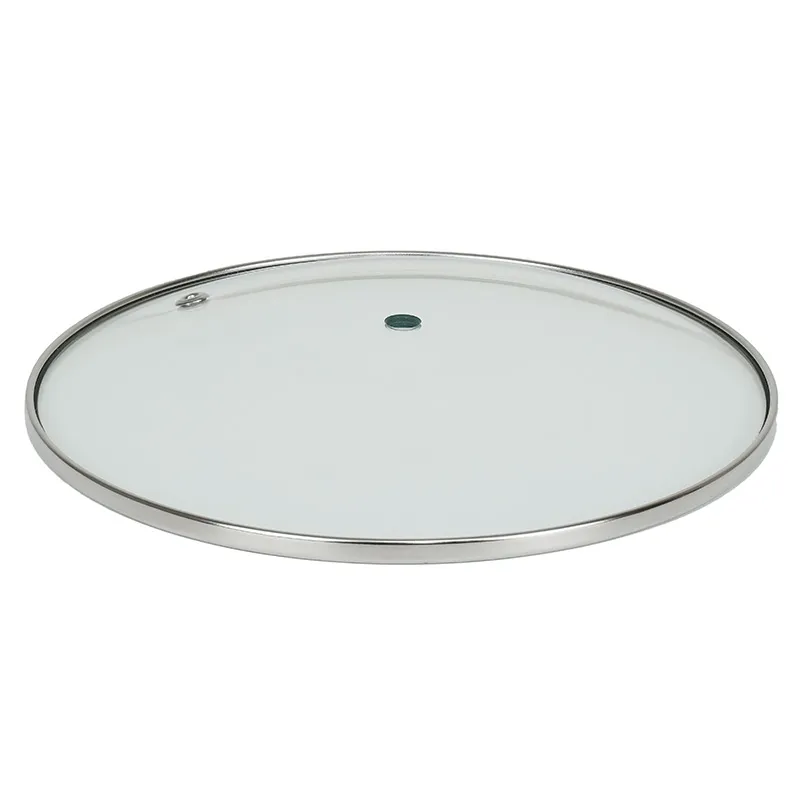
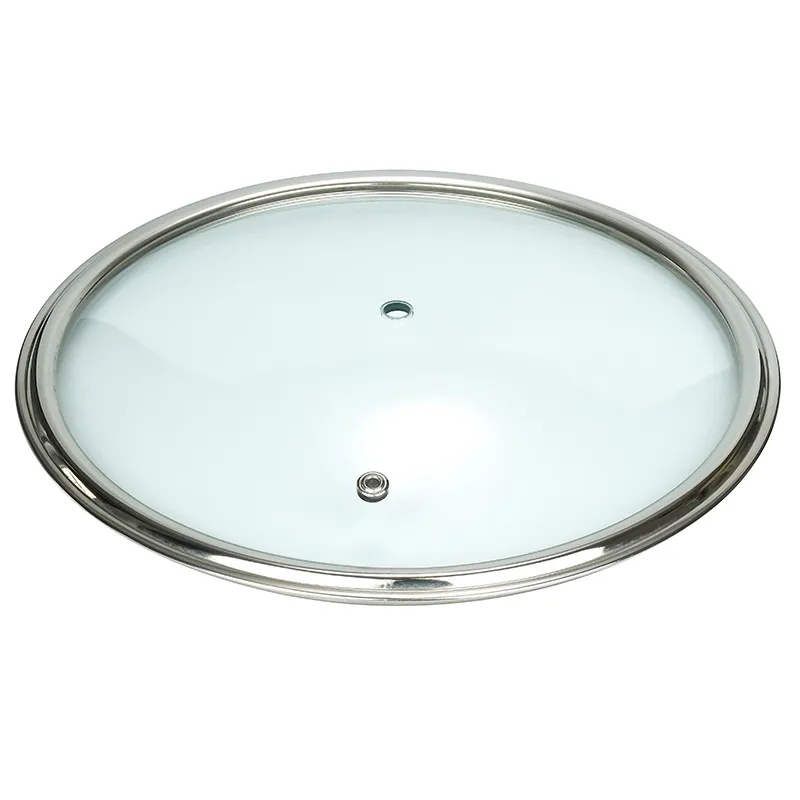
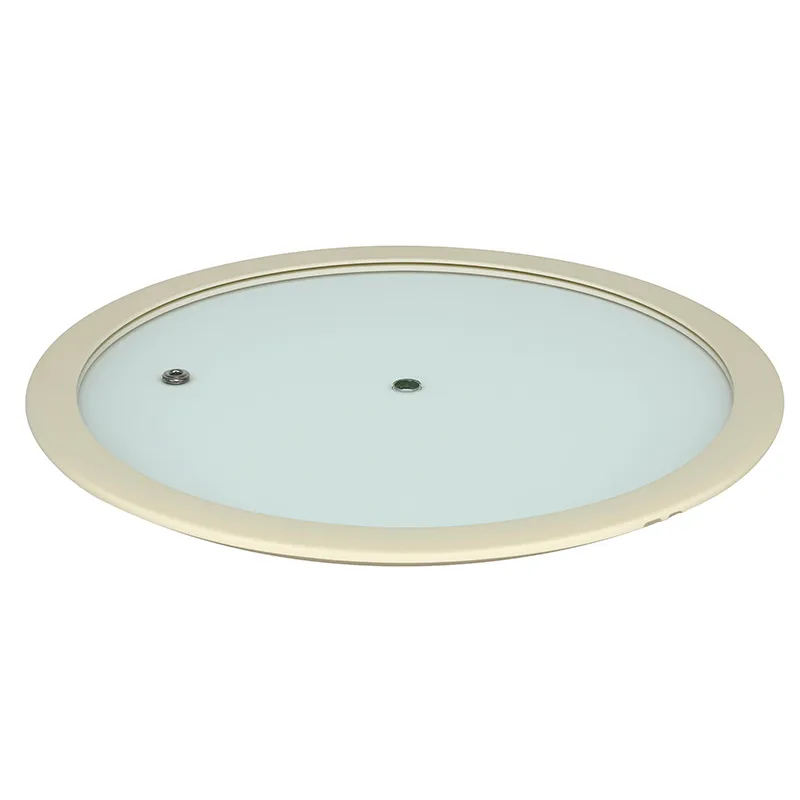
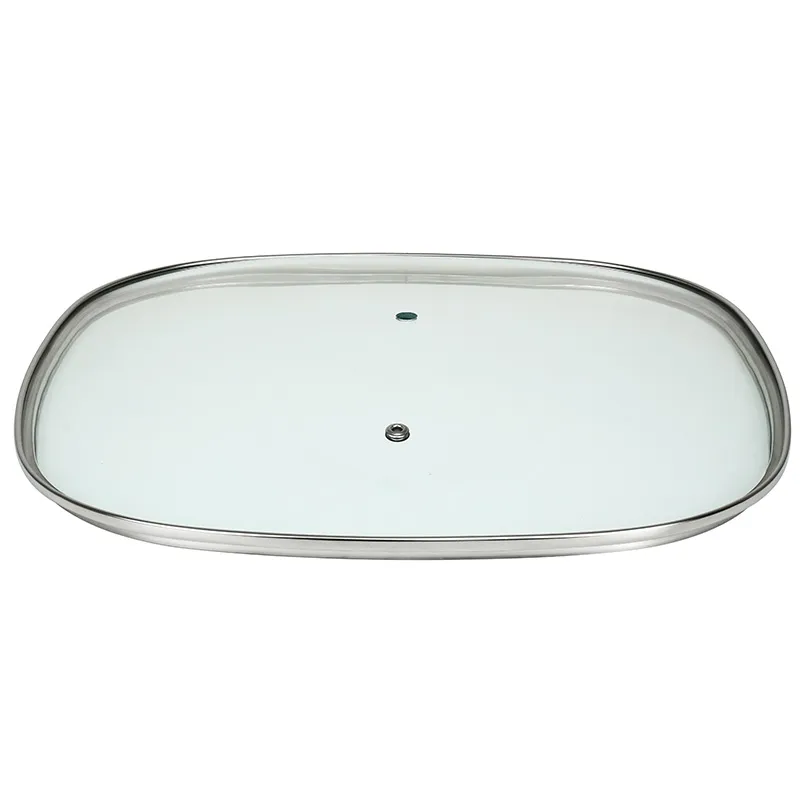
The specialization shows in the product mix. Visiting a plant, you don't just see 'glass covers'. You see racks of tempered glass lid samples in dozens of diameters, edge profiles (beveled, flat, polished), and handle attachment methods (stainless steel clamps, silicone rings, integrated plastic knobs). Each variation represents a different customer's specification and a different manufacturing challenge. The real test is consistency across a 100,000-piece order. Can the color of the ceramic printing on the lid (for heat resistance) stay identical from batch one to batch ten? That's where the specialist's controlled process wins.
Navigating the Pitfalls: Quality Beyond the Spec Sheet
Even with a specialist, the devil is in the details they don't automatically tell you. The spec sheet says 8mm tempered glass lid. It passes a basic impact test. But what about thermal shock resistance? A lid for a Dutch oven needs to withstand a temperature differential of over 300°C (from a hot stovetop to a cold counter) without shattering. Not all tempering is equal. The cycle time and temperature uniformity in the furnace are critical. I recall a project where lids kept failing in the field. The root cause wasn't the glass; it was the metal clamp handle. The maker had sourced a cheaper stainless steel that, under repeated heating, lost its spring tension, causing the lid to sit unevenly and creating stress points. The fix required joint R&D with the glass cover maker to redesign the clamp.
Another common pitfall is edge work. A perfectly tempered lid can be ruined by poor edge grinding. If the edge isn't smoothly arrised, it creates a micro-fracture point that can propagate under stress. During a factory audit, don't just look at the final product. Watch the edge grinding station. Are the diamond grinding wheels well-maintained? Is there a final polishing or flame polishing step? For EUR-ASIA, with their stated annual output of over 15 million pieces, their edge processing line must be highly automated and precise to maintain quality at that volume. That's a capital investment a smaller workshop can't match.
Communication of standards is vital. Good quality is meaningless. You need to define acceptable defect levels (AQL) for specific issues: bubbles or inclusions in the glass, degree of optical distortion, tolerance on diameter (±0.5mm or ±1mm?), and the adhesion test for printed logos. A professional maker will understand these terms and have their own QC checks aligned with them. Their willingness to provide detailed inspection reports before shipment is a key trust signal.
The Export Reality and Supply Chain Fit
The export data from companies like EUR-ASIA COOKWARE CO.,LTD. tells a story. Over 90% export to Europe (Germany, Italy, France, Poland, Denmark) and other developed markets like Japan and South Korea. This isn't accidental. It means their quality management system, product safety certifications (like LFGB for food contact in Germany), and packaging standards have been validated by some of the world's most demanding importers. For a new buyer, this history is a significant risk mitigator. It suggests they understand the logistical and compliance complexities of shipping fragile glass products across oceans—packing that prevents not just breakage but also condensation mold, proper palletization for container loading, and accurate documentation.
However, fitting into an existing supply chain requires more than just a good product. Lead times are crucial. From order placement to goods ready for shipment, a reliable maker for standard items should operate on a 30-45 day cycle, including production and final QC. For new tooling (a unique lid shape or handle design), add 60-90 days for sample development and approval. The production base in Taian National High-tech Development Zone likely affords them stable utilities and administrative efficiency, which directly impacts their ability to hit these timelines consistently.
Scaling up is another test. Can they handle a sudden 50% increase in order volume without quality slipping? This depends on their raw material buffer and workforce management. A maker with 15,000㎡ of building area and 90+ employees has a certain scalability buffer. But the real question is: are they running at 80% capacity, allowing room for your growth, or are they at 95%? That's a conversation you need to have before committing.
Beyond the Lid: The Integrated Kitchen Ecosystem
A sophisticated glass cover maker often evolves beyond being just a component supplier. They start to understand the entire cookware system. How does the glass lid interface with the pot's rim? Does it need a silicone gasket for a seal? What about the vent hole design to prevent boiling over? This systems-level thinking turns them into a development partner. You can see this on EUR-ASIA's website (glass-lid.com). While focused on glass lids, their context as a household glass products company means they likely have insights into complementary items like glass bowls or measurement cups, which can be valuable for a brand looking to develop a coordinated kitchen line.
Material innovation is slow but happening. While soda-lime tempered glass remains the workhorse, there's experimentation with ultra-clear, low-iron glass for a premium look, and different ceramic paint formulations for better durability against dishwasher detergents. The leading makers are not passive; they're responding to market trends, like the demand for lids compatible with induction cooking (requiring a metal component in the handle or rim) or lids for air fryers that need to withstand rapid air currents.
Ultimately, choosing the right partner in China is about aligning capabilities with needs. For a brand needing high-volume, reliable, and certified tempered glass lid production for the European market, a specialist exporter like EUR-ASIA represents a lower-risk proposition. Their long-term survival and growth, evidenced by their export footprint, depend on maintaining these standards. For more niche, design-forward projects, smaller, flexible studios might be the answer. But for the core of a cookware business, the stability and depth of a proven maker are usually the smarter bet. It's less about finding the cheapest, and more about finding the most predictably competent for your specific application.
Related Products
Related Products