- Chinese
- French
- German
- Portuguese
- Spanish
- Russian
- Japanese
- Korean
- Arabic
- Irish
- Greek
- Turkish
- Italian
- Danish
- Romanian
- Indonesian
- Czech
- Afrikaans
- Swedish
- Polish
- Basque
- Catalan
- Esperanto
- Hindi
- Lao
- Albanian
- Amharic
- Armenian
- Azerbaijani
- Belarusian
- Bengali
- Bosnian
- Bulgarian
- Cebuano
- Chichewa
- Corsican
- Croatian
- Dutch
- Estonian
- Filipino
- Finnish
- Frisian
- Galician
- Georgian
- Gujarati
- Haitian
- Hausa
- Hawaiian
- Hebrew
- Hmong
- Hungarian
- Icelandic
- Igbo
- Javanese
- Kannada
- Kazakh
- Khmer
- Kurdish
- Kyrgyz
- Latin
- Latvian
- Lithuanian
- Luxembou..
- Macedonian
- Malagasy
- Malay
- Malayalam
- Maltese
- Maori
- Marathi
- Mongolian
- Burmese
- Nepali
- Norwegian
- Pashto
- Persian
- Punjabi
- Serbian
- Sesotho
- Sinhala
- Slovak
- Slovenian
- Somali
- Samoan
- Scots Gaelic
- Shona
- Sindhi
- Sundanese
- Swahili
- Tajik
- Tamil
- Telugu
- Thai
- Ukrainian
- Urdu
- Uzbek
- Vietnamese
- Welsh
- Xhosa
- Yiddish
- Yoruba
- Zulu
- Kinyarwanda
- Tatar
- Oriya
- Turkmen
- Uyghur


glass cover manufactuer in China
When you type 'glass cover manufacturer in China' into a search bar, you're likely picturing a vast, monolithic industry. The reality is far more fragmented and nuanced. Many assume it's all about low-cost, high-volume output, but that's a surface-level take. Having worked with suppliers across Shandong, Guangdong, and Zhejiang for years, I've seen the real differentiators aren't just price, but the specific engineering for tempered glass lid applications, the handling of export compliance, and the often-overlooked logistics of packaging fragile items for a 40-day sea voyage to Europe. The term 'manufacturer' itself is tricky—some are true factories with their own furnaces and tempering lines, while others are trading companies. You have to dig deeper.
The Core Production Hub and Its Realities
Shandong Province, particularly areas like Taian, has become a significant cluster. It's not just about labor costs anymore. It's about the established supply chains for high-quality soda-lime glass raw material and the concentration of expertise in tempered glass processing for household goods. A company based here, like EUR-ASIA COOKWARE CO.,LTD., operates with a specific advantage. Their location in a National High-tech Development Zone isn't just a postal address; it often translates to better infrastructure, more consistent power supply crucial for tempering ovens, and sometimes access to more streamlined export procedures. Their stated capacity of over 15 million pieces annually is a serious figure—it speaks to a focus on volume for the cookware and kitchenware sector, which is a specific niche within the broader 'glass cover' universe.
This scale, however, brings its own challenges. Visiting a facility with a 20,000㎡ footprint, you quickly learn that the critical path isn't the cutting or edging, but the tempering and quality inspection. A batch of glass lid products can be ruined if the oven temperature curve is off by a few degrees, leading to stress patterns or even spontaneous breakage later. The real test is how they handle these failures. Do they have a separate re-melting line for scrap? Is their inspection purely manual, or do they use light-transmission scanners? I've seen factories where inspectors, often with years of experience, can spot a micro-fissure by the sound a lid makes when tapped—a low-tech but remarkably effective method.
The employee count of more than 90 for such output is telling. It indicates a high degree of automation in the shaping and tempering processes. The human labor intensifies at the stages of packaging, quality control, and handling custom orders. This is a key point when evaluating a manufacturer: their flexibility for smaller, customized runs often depends on the setup of these final assembly and packing lines, not the main production floor.
Beyond the Factory Gate: The Export Ecosystem
Their claim of exporting over 90% of products to Europe and Asia is the most credible part of the profile, and also the most complex in practice. A glass cover manufacturer in China serving this market isn't just making a product; they're navigating a maze of standards. For the EU, it's not just about looks. The glass composition must comply with heavy metal migration limits (like lead and cadmium), the tempering must meet specific safety standards to be considered safety glass, and even the silicone gaskets around the rim need REACH compliance. A reliable manufacturer will have these test reports—SGS, Intertek—readily available, not as a sales pitch, but as a matter of routine paperwork.
Logistics is where many partnerships stumble. Packaging for glass lids is deceptively simple. Standard corrugated cartons with die-cut foam inserts are common, but for high-volume shipments to distant ports like Hamburg or Santos, the entire palletization and container loading plan matters. I recall a shipment to Poland where vibration during transit caused lids to shift within their inserts, resulting in a 3% breakage rate upon arrival. The solution wasn't better foam, but a revised pallet stacking pattern that minimized horizontal movement. The manufacturer's willingness to work on such granular, post-production details is a true mark of a partner versus just a vendor.
The Specifics of the Product: It's Not Just a Piece of Glass
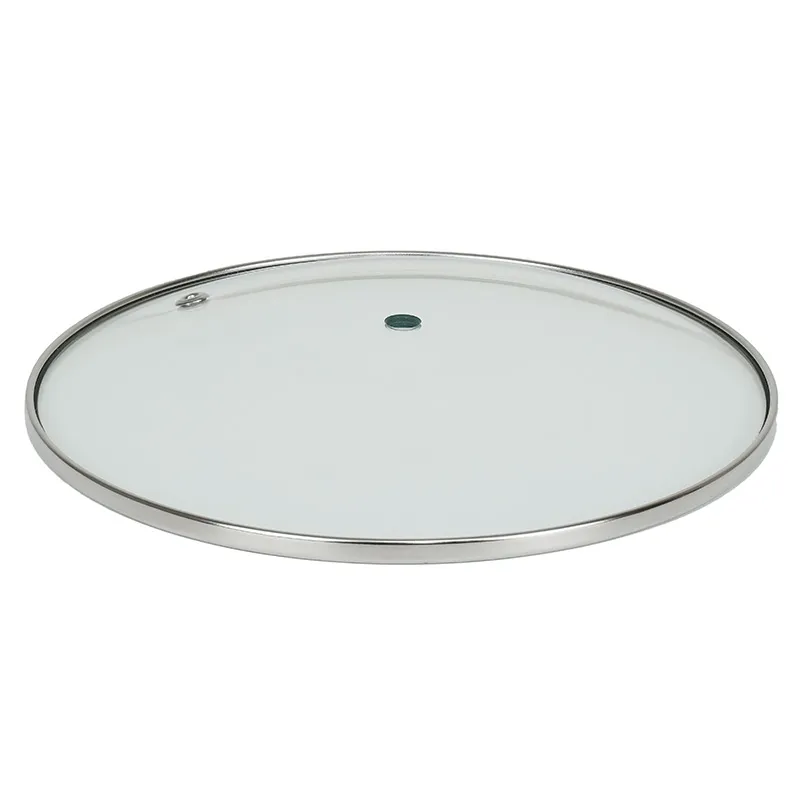
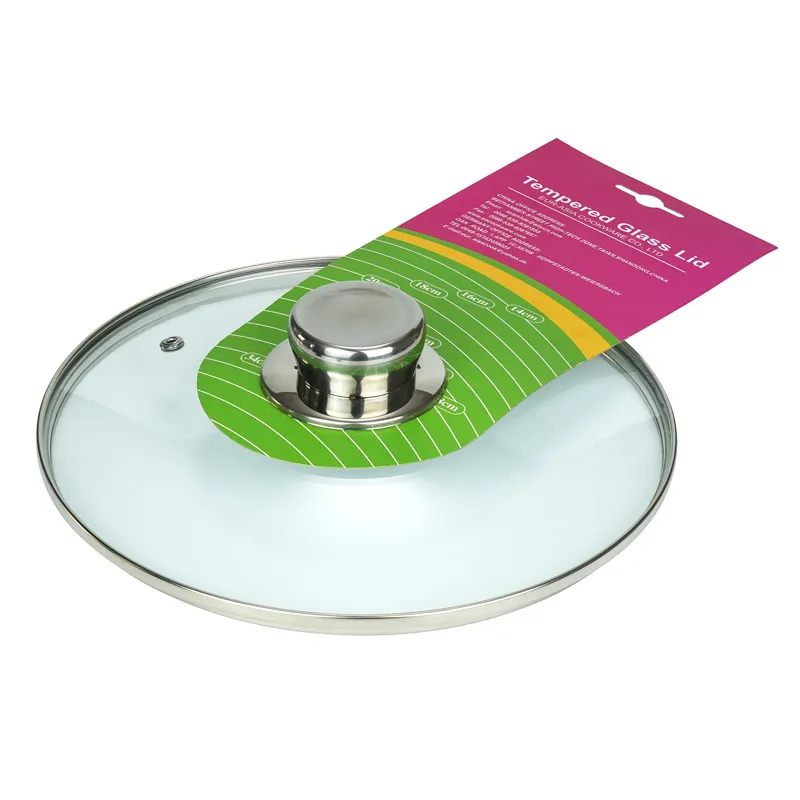
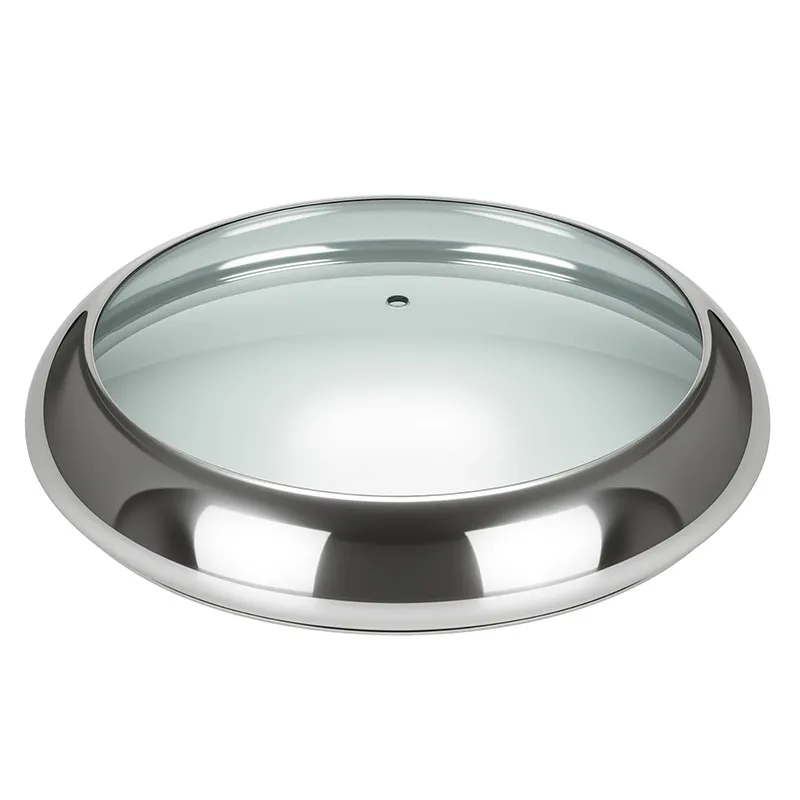
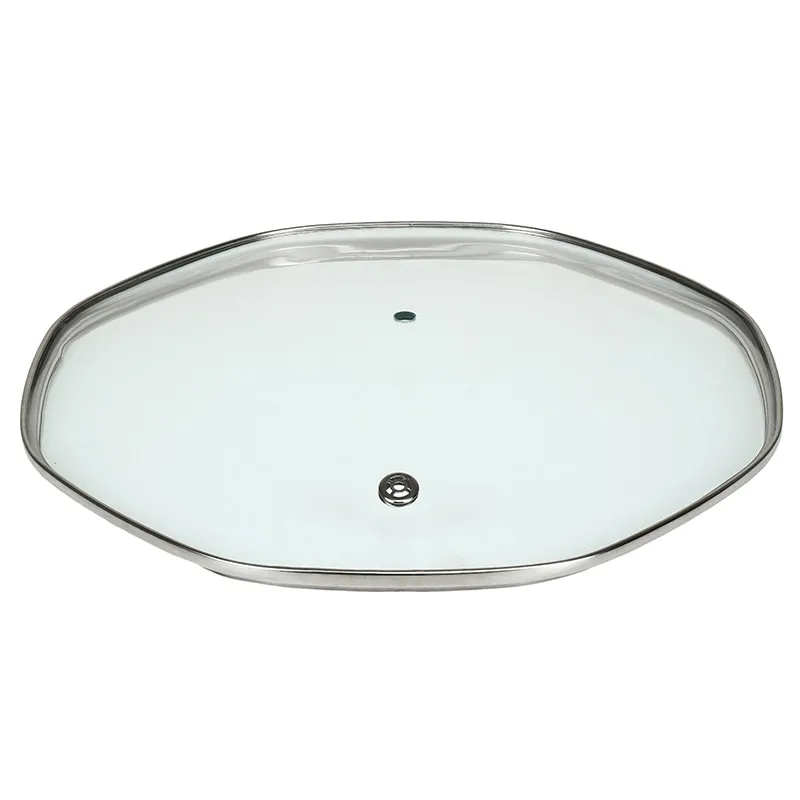
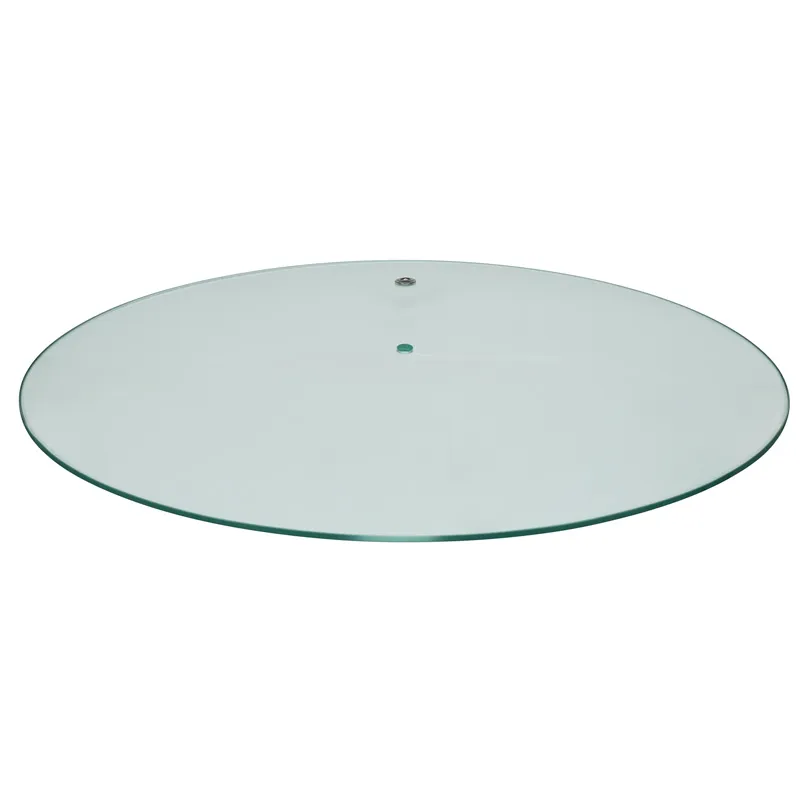
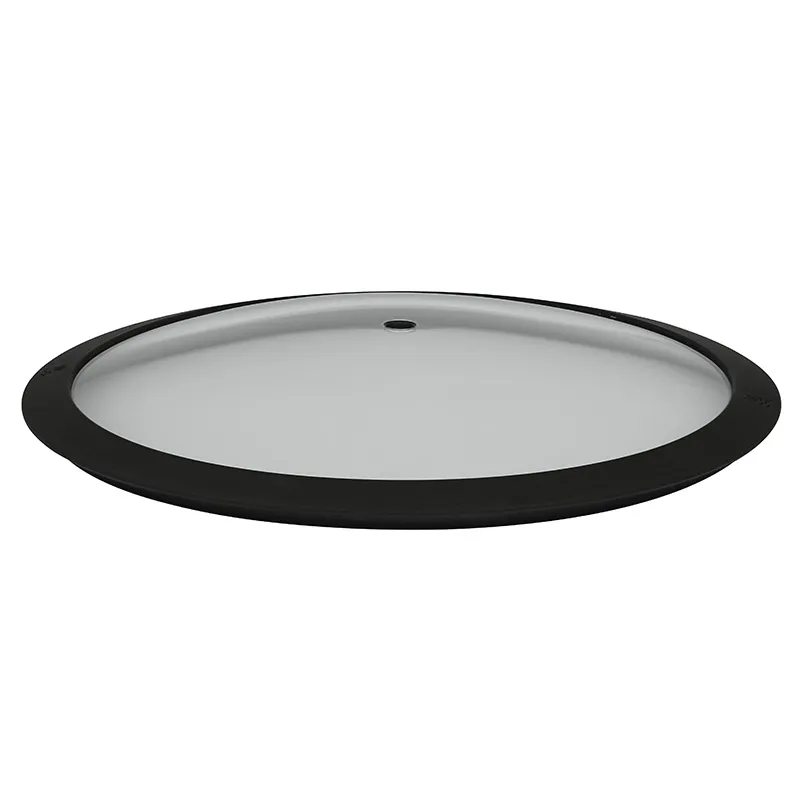
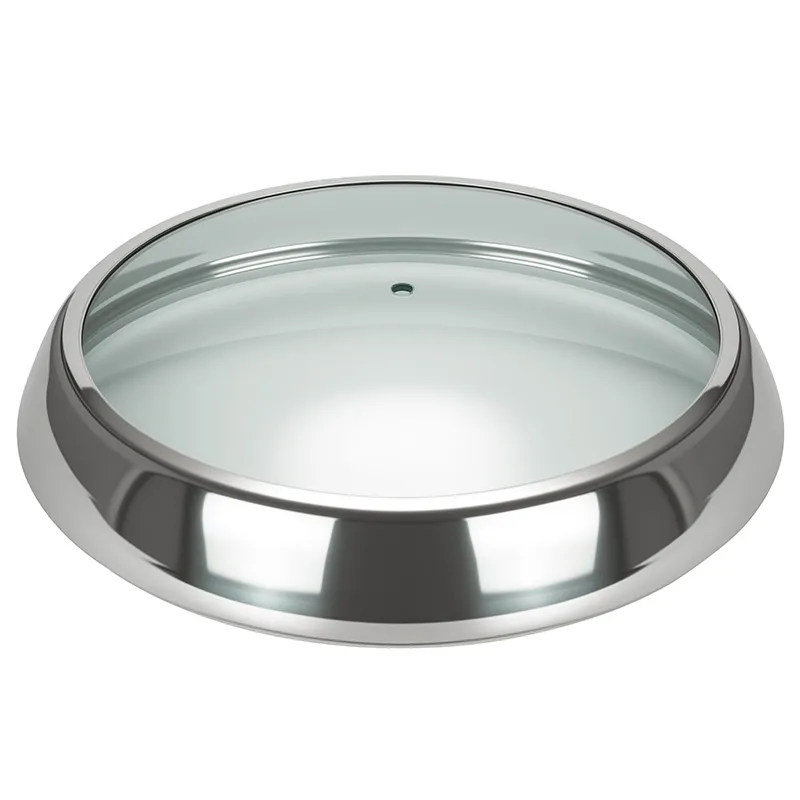
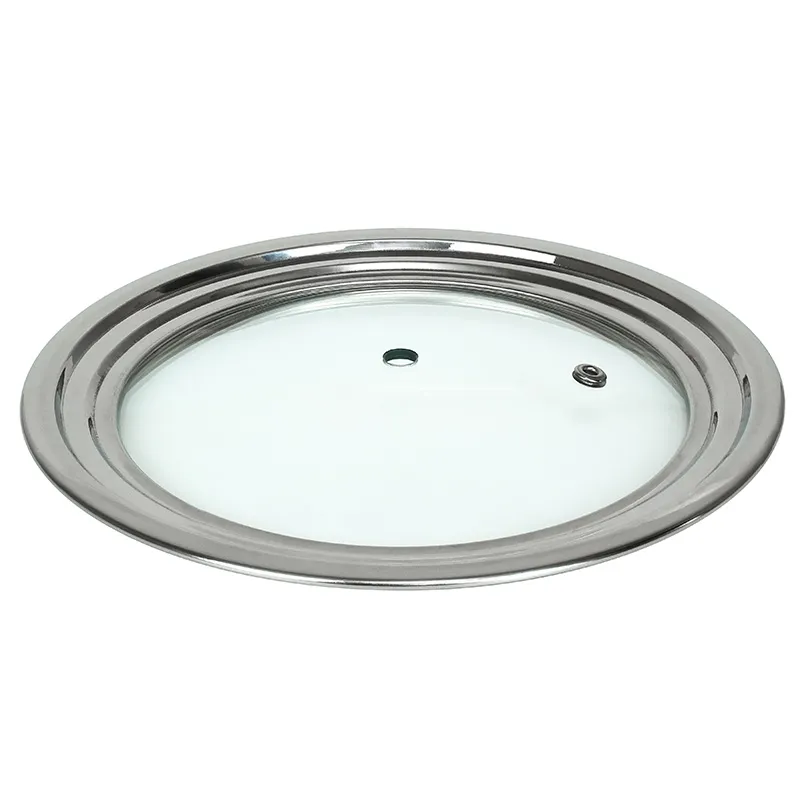
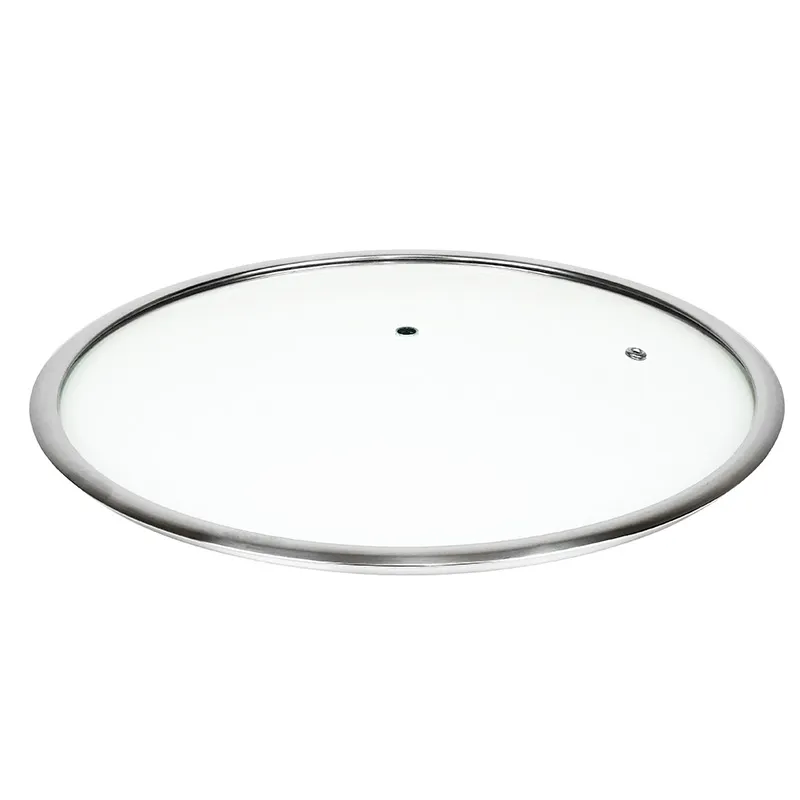
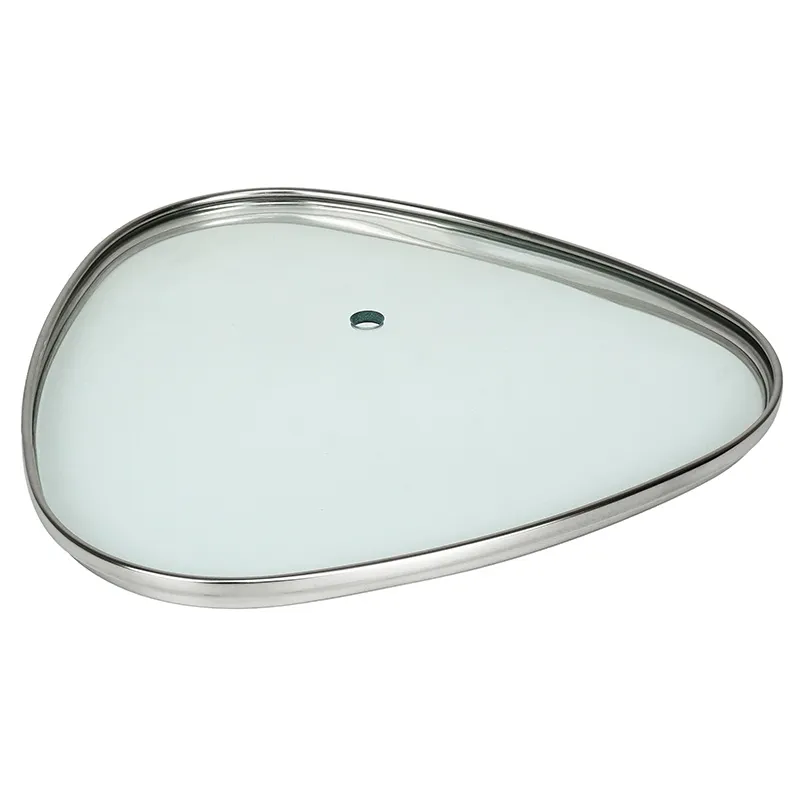
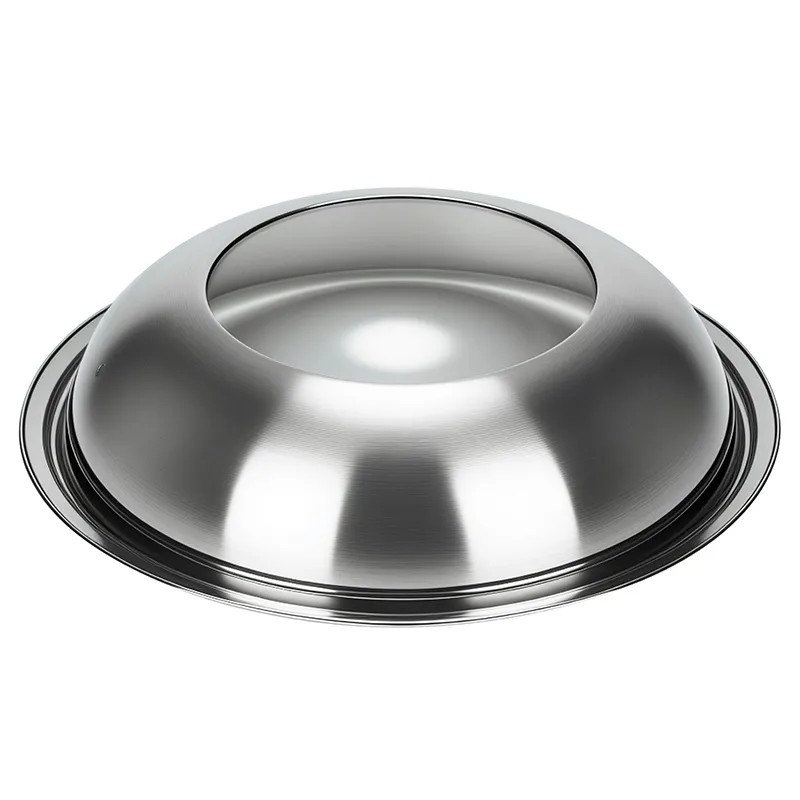
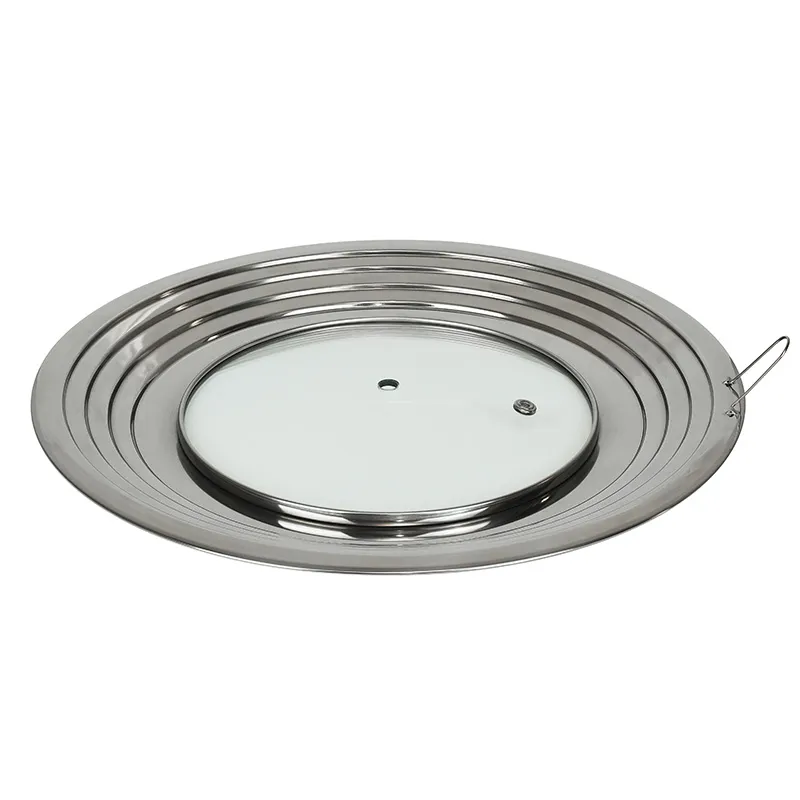
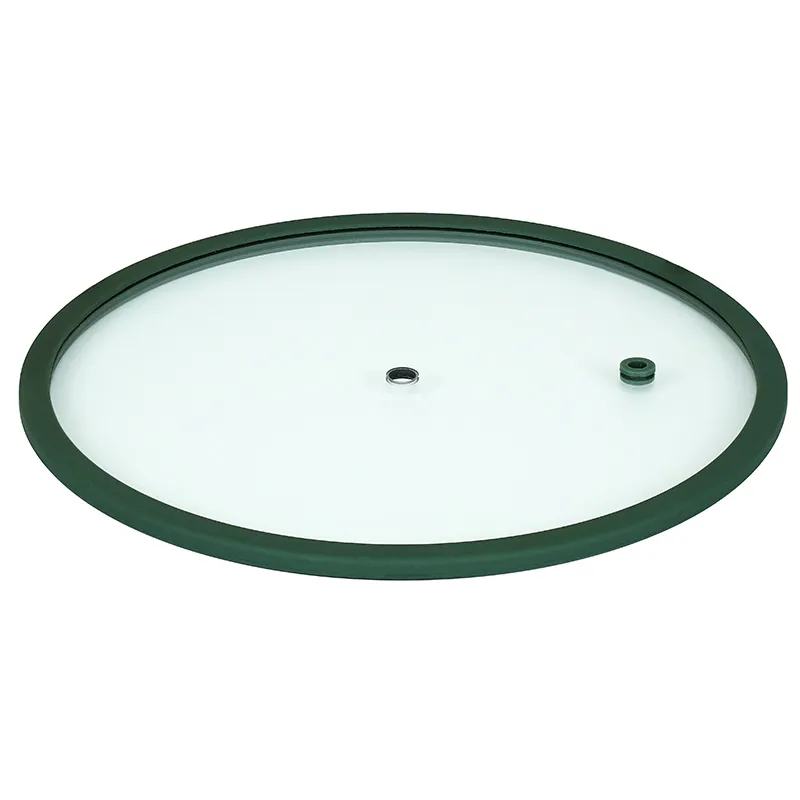
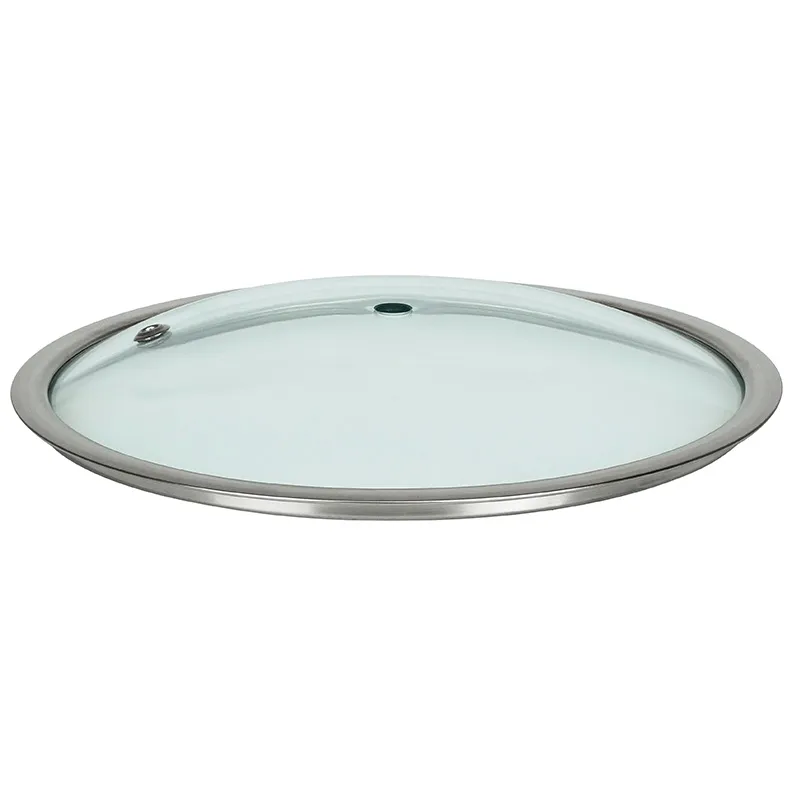
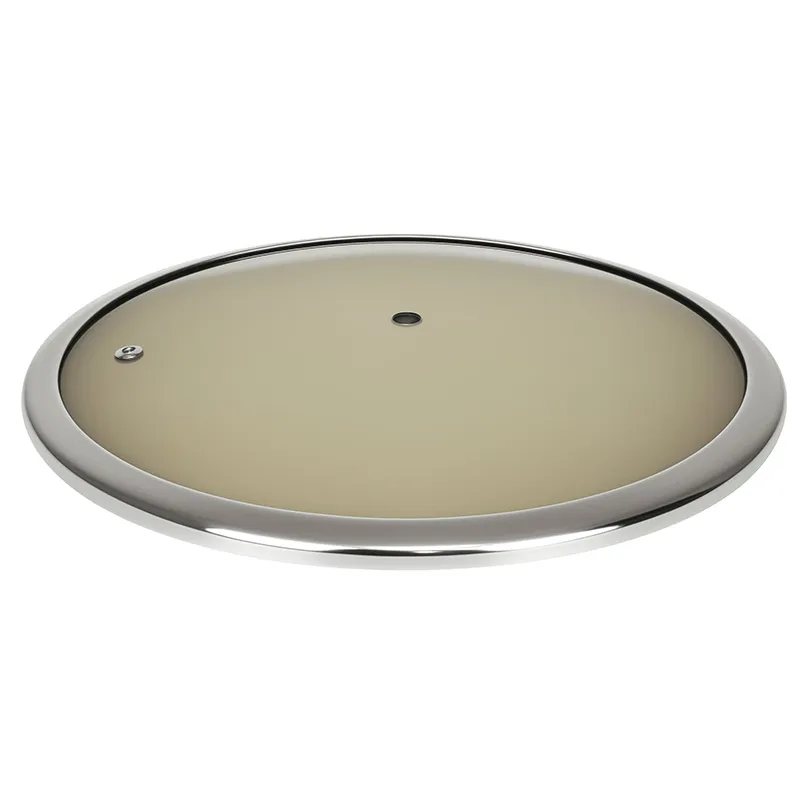
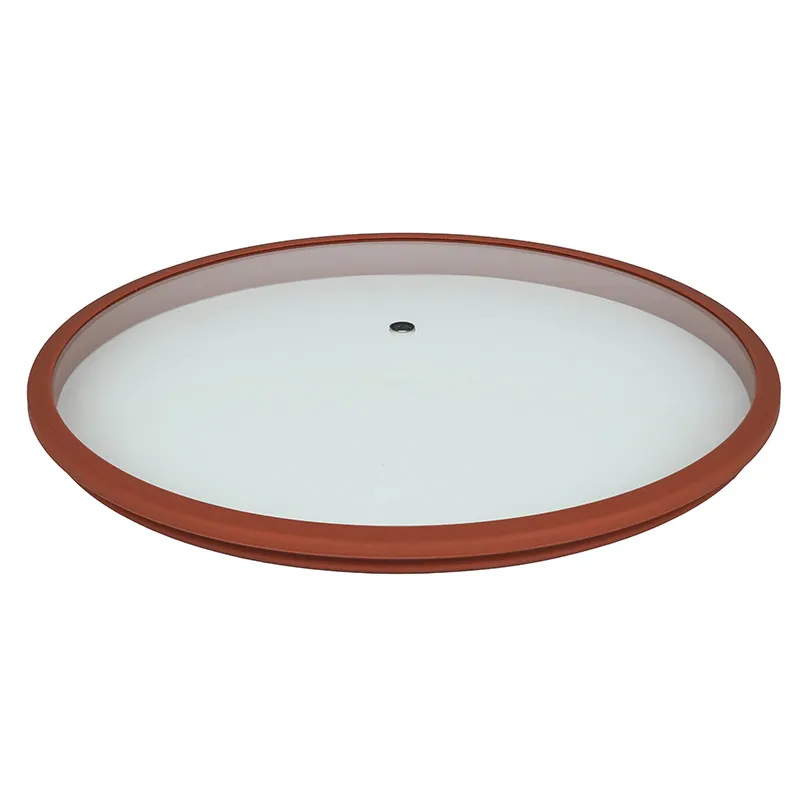
Calling it a 'glass cover' or lid undersells the engineering. For cookware, it's a system. The glass must be tempered to withstand thermal shock from a 200°C oven to a cool wet countertop. The edge grinding must be precise to fit snugly into a metal or ceramic pot rim, often with a silicone seal. The knob attachment—whether it's a stainless steel bolt-through or a plastic clip-on—is a frequent point of mechanical failure. I've had batches where the knob adhesive failed in dishwasher tests. The fix came from the factory's R&D team, who switched to a high-temperature epoxy and added a mechanical locking feature to the design.
Companies like EUR-ASIA, which list household glass products and kitchen accessories as their specialty, typically have molds and templates for dozens, if not hundreds, of standard diameters and knob styles. Their website, glass-lid.com, functions as a catalog. But the real capability is in adapting these standards. Can they produce a lid with an integrated steam vent? Can they apply a silk-screen logo that withstands abrasive dishwasher detergents? These are the questions that move a conversation from price-per-piece to project viability.
Material sourcing is another behind-the-scenes factor. The clarity and lack of greenish tint in high-quality glass lid products come from using low-iron glass raw material. Not all factories use it by default due to the 15-20% cost premium. It's a specification that must be explicitly called out in the purchase order. A manufacturer focused on the mid-to-high level market, as their intro suggests, should be proactively offering this as an option, if not a standard for certain destinations.
Assessing Capability: The Unwritten Metrics
Annual output numbers are one thing, but the product mix is more revealing. Producing 15 million pieces of various types suggests a flow-line setup for high-volume standard items, with a separate, smaller line for bespoke items. When evaluating, ask about their minimum order quantity (MOQ) for a custom diameter and color. A realistic answer for a true factory might be 5,000 to 10,000 pieces for a new item, as it involves adjusting the cutting CNC program, sourcing a new color of silicone gasket, and potentially setting up a new tempering rack layout.
Factory audits, whether virtual or in-person, should focus on the tempering department and the final audit area. Look for calibration stickers on the ovens. Check if the inspection area has controlled, even lighting. Ask about their breakage rate—a reputable one will have an internal statistic, like below 0.5% at final inspection. Their employee count of 90+ also hints at in-house quality teams and logistics staff, which is preferable to outsourcing these critical functions.
Final Thoughts: Building a Sustainable Supply Chain
Finding a glass cover manufacturer in China is easy. Building a reliable supply chain with one takes time and shared problem-solving. It starts with recognizing that a manufacturer like EUR-ASIA COOKWARE, with its explicit focus on export and stated production scale, is positioned for buyers needing consistent, high-volume supply of standardized products. They are likely less ideal for a startup needing 500 pieces of a highly artistic, irregularly shaped lid.
The relationship evolves through handling the first non-standard request, the first quality dispute, the first urgent air freight shipment. The manufacturer's response to these stresses reveals their true operational maturity. Do they have a contingency plan when a key machine breaks down? Is their salesperson empowered to make technical decisions, or do they always have to check with the factory?
In the end, it's a partnership built on managed expectations. The Chinese manufacturing landscape for items like tempered glass lid products is deeply competent but specialized. Success comes from aligning your product's specific needs—volume, design complexity, regulatory hurdles—with a factory's proven sweet spot. The data points in a company profile—location, size, export percentage—are just the starting coordinates for that alignment process.
Related Products
Related Products