- Chinese
- French
- German
- Portuguese
- Spanish
- Russian
- Japanese
- Korean
- Arabic
- Irish
- Greek
- Turkish
- Italian
- Danish
- Romanian
- Indonesian
- Czech
- Afrikaans
- Swedish
- Polish
- Basque
- Catalan
- Esperanto
- Hindi
- Lao
- Albanian
- Amharic
- Armenian
- Azerbaijani
- Belarusian
- Bengali
- Bosnian
- Bulgarian
- Cebuano
- Chichewa
- Corsican
- Croatian
- Dutch
- Estonian
- Filipino
- Finnish
- Frisian
- Galician
- Georgian
- Gujarati
- Haitian
- Hausa
- Hawaiian
- Hebrew
- Hmong
- Hungarian
- Icelandic
- Igbo
- Javanese
- Kannada
- Kazakh
- Khmer
- Kurdish
- Kyrgyz
- Latin
- Latvian
- Lithuanian
- Luxembou..
- Macedonian
- Malagasy
- Malay
- Malayalam
- Maltese
- Maori
- Marathi
- Mongolian
- Burmese
- Nepali
- Norwegian
- Pashto
- Persian
- Punjabi
- Serbian
- Sesotho
- Sinhala
- Slovak
- Slovenian
- Somali
- Samoan
- Scots Gaelic
- Shona
- Sindhi
- Sundanese
- Swahili
- Tajik
- Tamil
- Telugu
- Thai
- Ukrainian
- Urdu
- Uzbek
- Vietnamese
- Welsh
- Xhosa
- Yiddish
- Yoruba
- Zulu
- Kinyarwanda
- Tatar
- Oriya
- Turkmen
- Uyghur


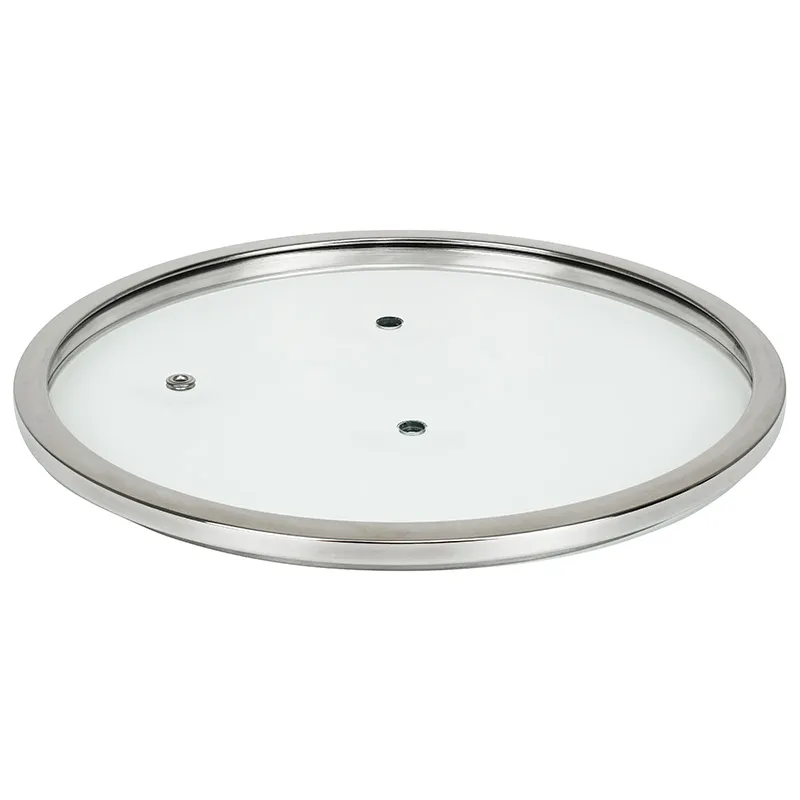
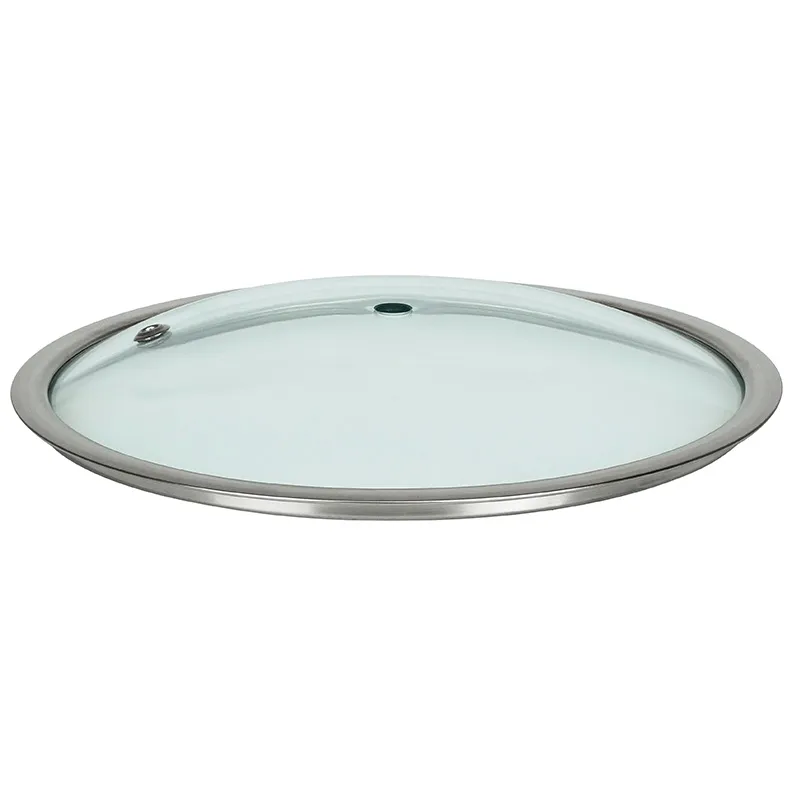
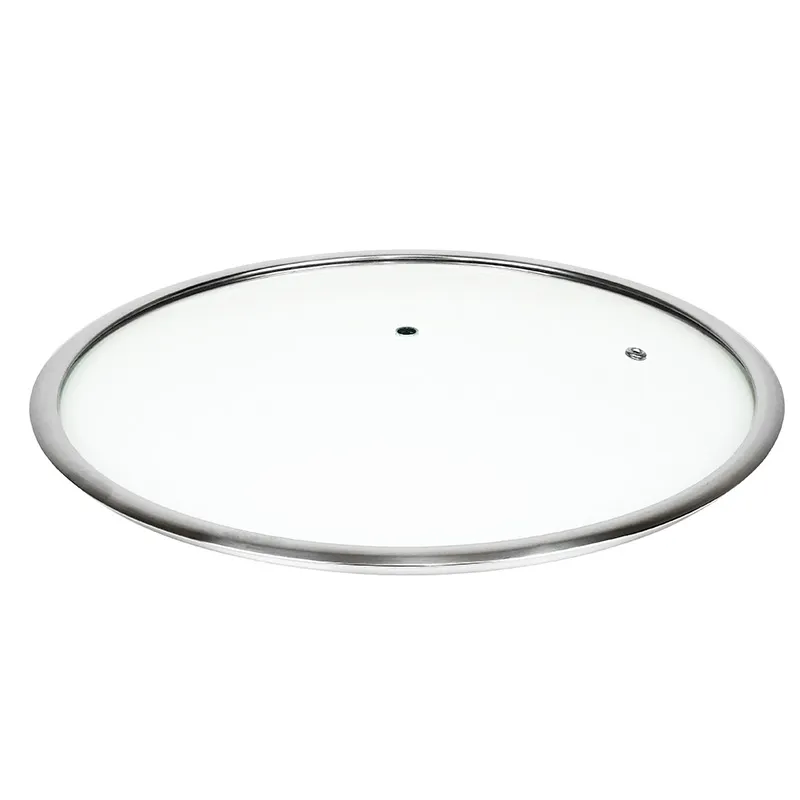
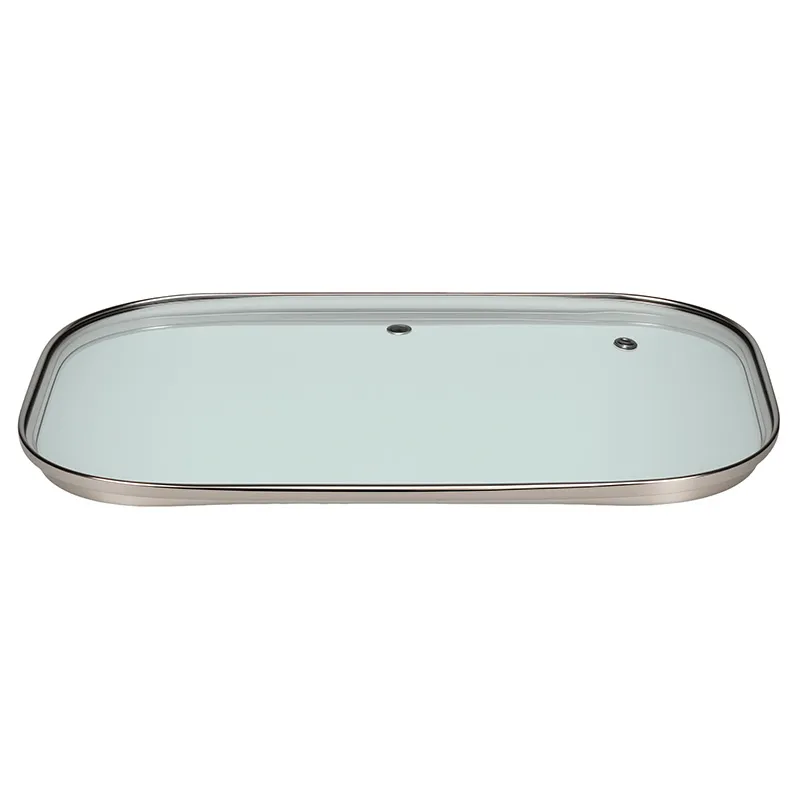
glass cover wholesale
When you hear 'glass cover wholesale', the immediate image might be of simple, generic lids stacked in a warehouse. That's the first misconception. In reality, it's a segment defined by nuance—temper levels, edge finishing tolerances, hinge compatibility, and the sheer unpredictability of bulk shipping for fragile items. It's not just about buying low and selling high; it's about understanding the breakage rates hidden in a proforma invoice, or why a 2mm thickness variation from one batch to another can stall an entire assembly line. I've seen buyers focus solely on FOB price, only to get burned by inconsistent quality that costs more in returns and lost retail partnerships. The real game is in the details most generic sourcing agents gloss over.
The Foundation: What Are You Actually Buying?
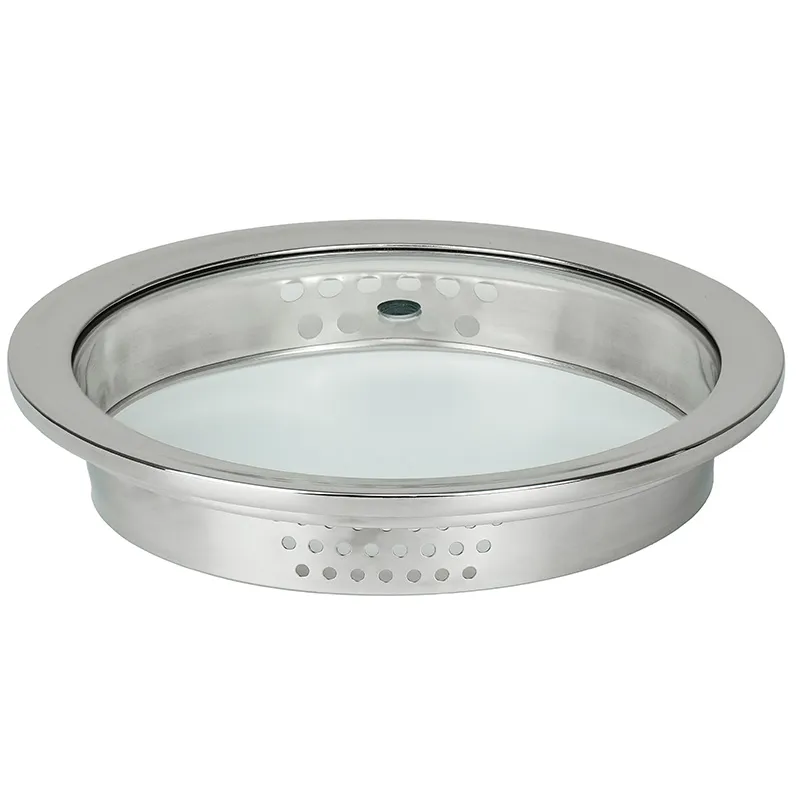
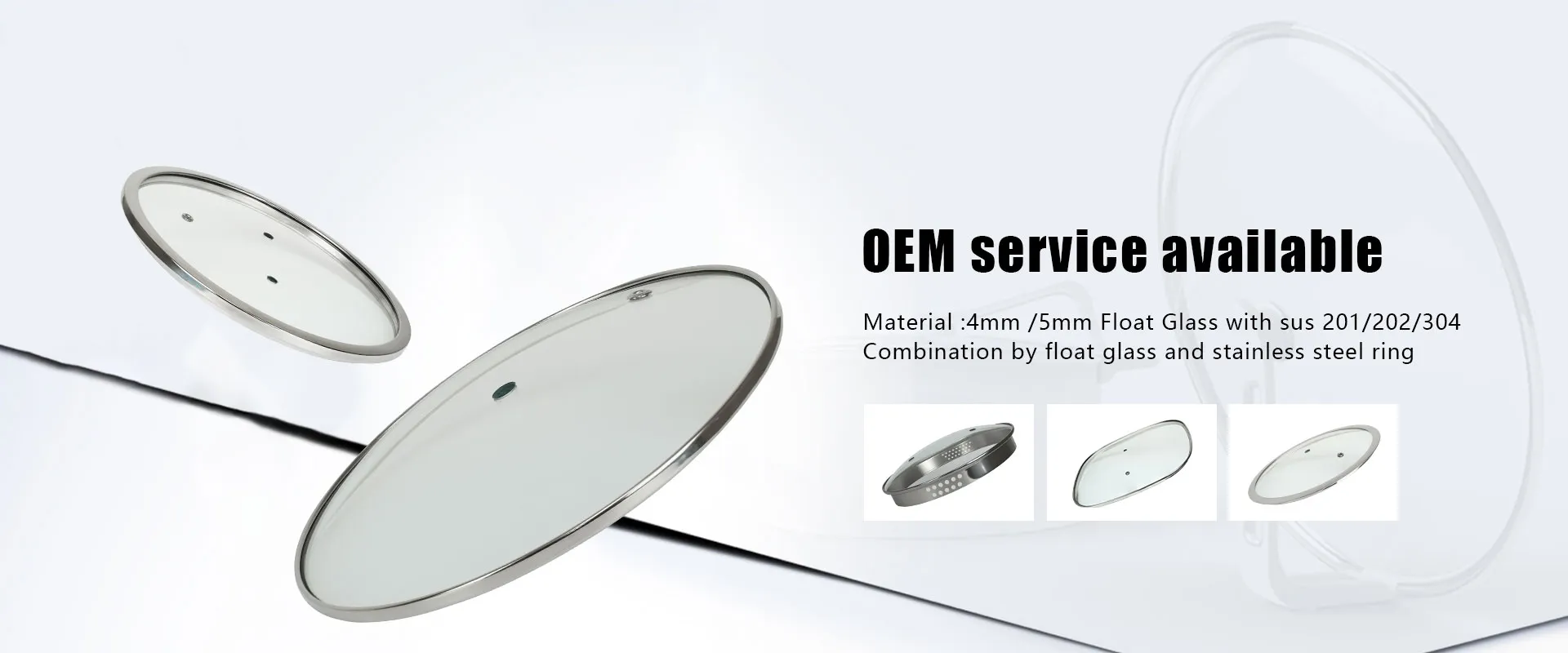
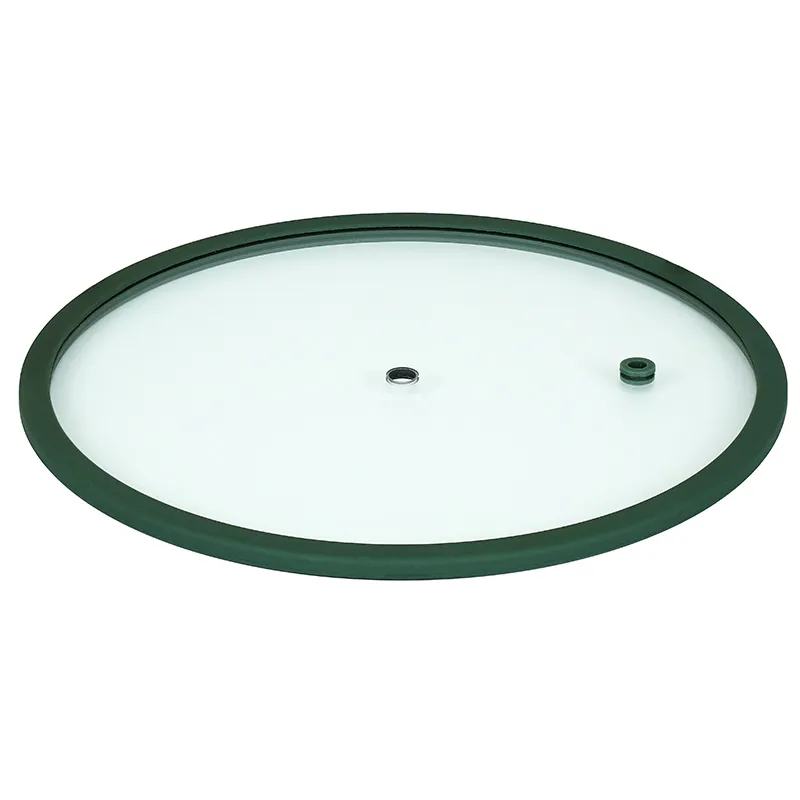
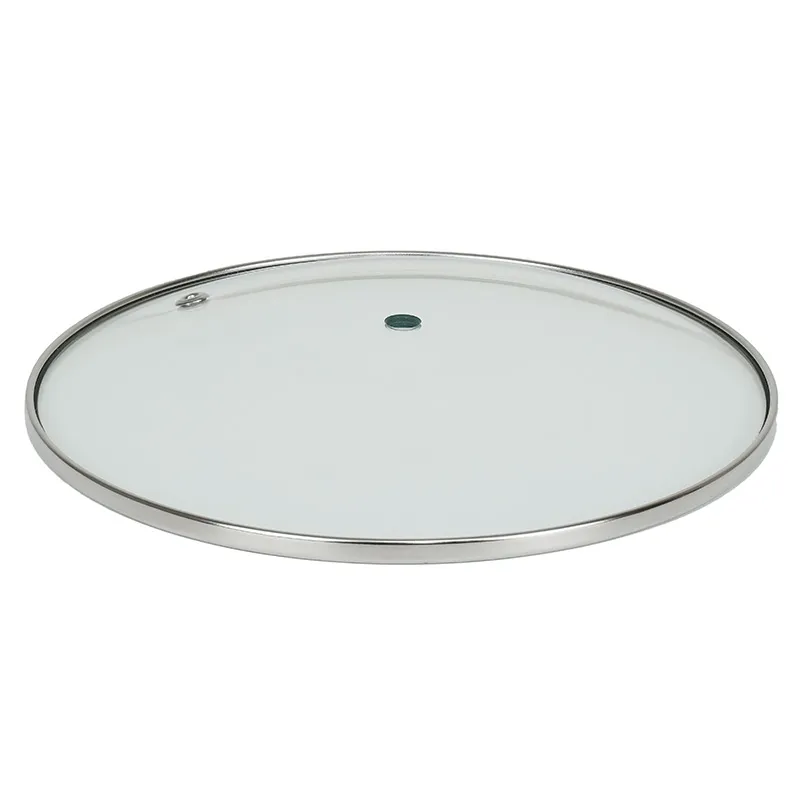
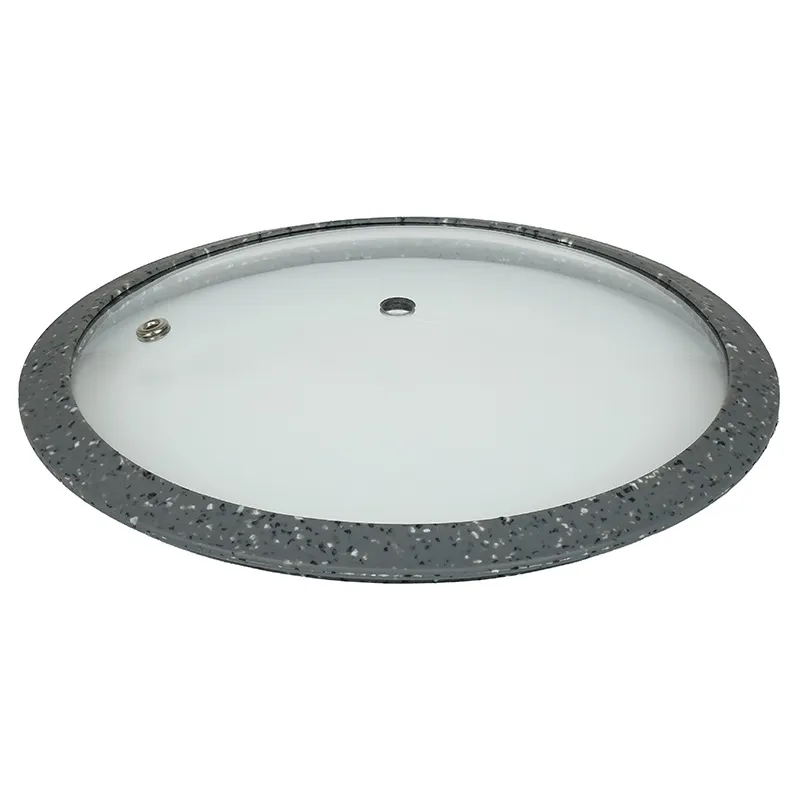
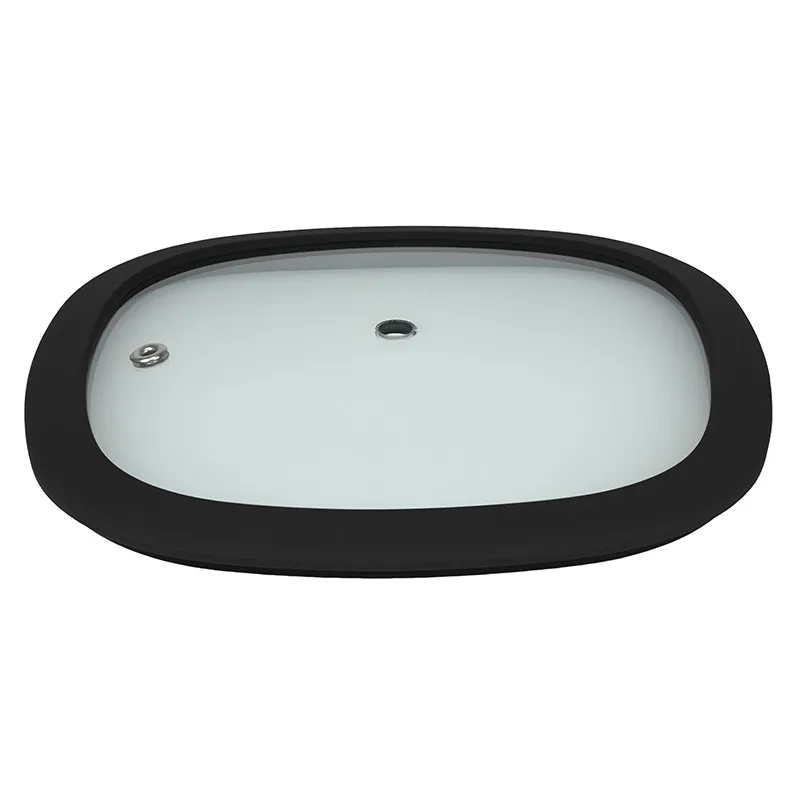
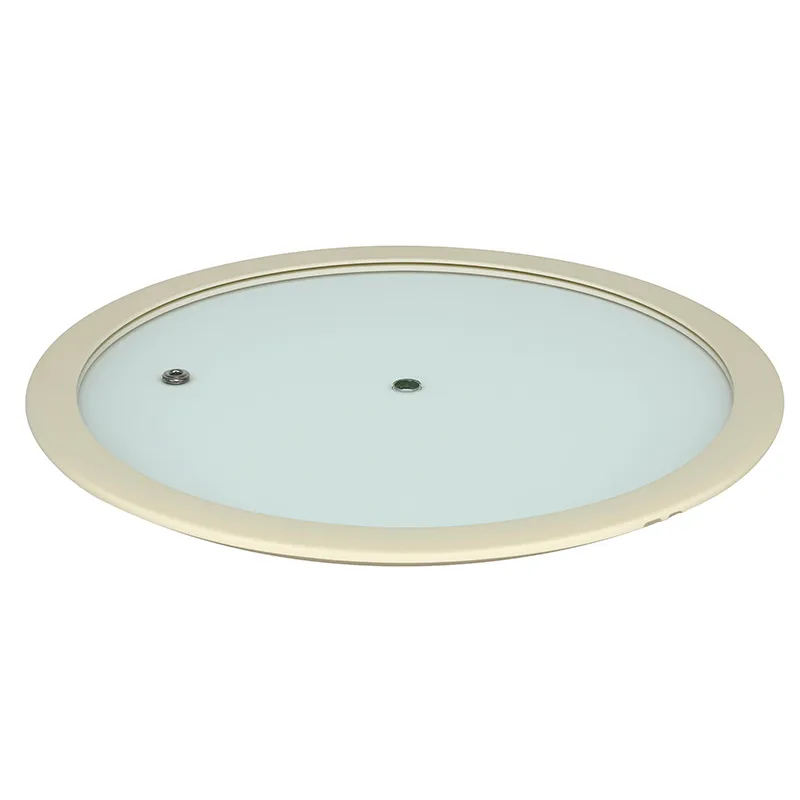
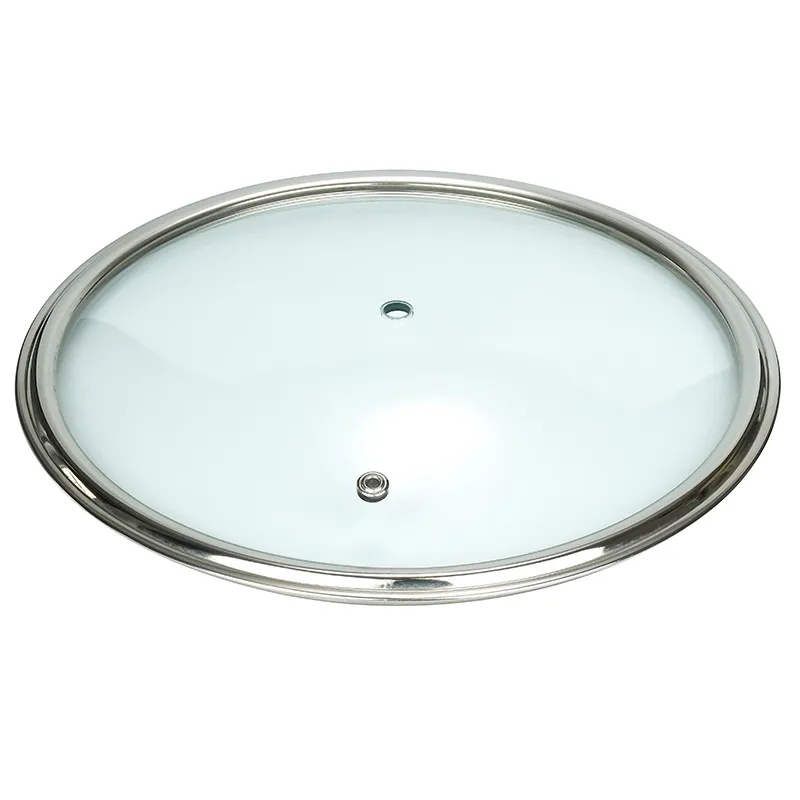
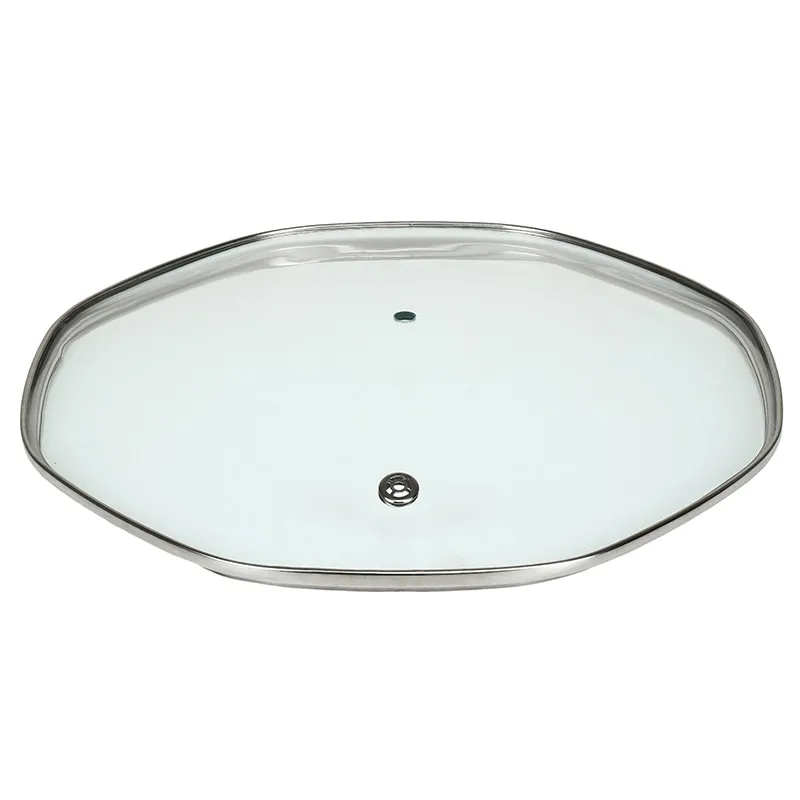
Let's get specific. A glass cover wholesale order isn't for 'glass lids'. It's for, say, 20,000 units of 24cm diameter, fully tempered, clear glass lids with a polished flat edge and a 5-hole stainless steel knob pattern, packed 100 per carton with individual foam sleeves. Miss one spec, and the product is useless. The term 'tempered' itself is a spectrum. You have safety tempering, which meets basic impact standards, and then you have what some factories call 'deep tempering' or 'high-strength' for premium lines, which involves tighter control over the heating and quenching process. The difference isn't always visible until you do a destructive test—or until a customer drops one. I learned this the hard way early on, assuming all tempered glass was created equal. A shipment for a client in Scandinavia failed their in-house drop test, and we had to absorb the cost. Now, the test report from the factory's lab is non-negotiable, and we sometimes do third-party checks on random samples.
Then there's the edge work. A ground and polished edge feels smooth, looks premium, and reduces micro-chipping during transit and handling. A seamed or arrised edge is cheaper but can feel rough and looks industrial. For a company like EUR-ASIA COOKWARE CO.,LTD, which exports over 90% of its output to markets like Germany and Japan, this finish is critical. Their production base in Taian has the grinding and polishing lines to handle this consistently, which isn't a given at every factory. You can find their full specs and process details at https://www.glass-lid.com. It's this kind of detail that separates a reliable wholesale partner from a commodity supplier.
Another often-overlooked point is packaging. Those individual foam sleeves I mentioned? They're not just for show. Without them, the glass surfaces clatter against each other, causing 'kiss marks'—tiny, permanent scratches that make the lid look used. I've had containers arrive where the outer cartons looked pristine, but 15% of the inner units were scuffed because the foam was too thin. The negotiation on price per unit must include the packaging spec. A saving of two cents on a cheaper sleeve can lead to a 10% defect rate. It's a false economy.
Sourcing Dynamics and Factory Relationships
Finding a true manufacturer versus a trading company is step one. Many websites advertise glass cover wholesale, but they're just middlemen. You want the factory that owns the furnace and the tempering oven. EUR-ASIA COOKWARE, for instance, with its 20,000㎡ facility and annual output of 15 million pieces, is clearly in the manufacturing camp. This matters because when you have a quality deviation or need a rush order, communicating with the actual production manager is possible. With a trader, you're just getting delayed messages and excuses.
Building a relationship means visits, but not just formal audits. It's about walking the production floor and seeing the raw glass sheets (their source and clarity), watching the handling by workers, and checking the quarantine area for rejected pieces. Why are they rejected? Edge chips? Bubbles? Optical distortion? The reasons tell you more about their quality control than any QC report. I remember at one factory, the rejection pile was tiny—suspiciously tiny. It turned out their standard was too loose, and we had to redefine the AQL (Acceptable Quality Level) together, which initially slowed down production but saved countless headaches later.
Minimum Order Quantities (MOQs) are another reality. For standard items, a 10,000-piece MOQ is common. For custom shapes, colors (like amber or smoked glass), or unique knob hole patterns, it can jump to 50,000 or more. This is where a factory's existing tooling and client portfolio helps. If they already supply to European brands, as EUR-ASIA does to Italy, France, and Poland, their standard designs might already align with your market needs, allowing for a lower effective MOQ by piggybacking on an existing production run. It's a practical tip: always ask, What are you already making for my target region?
The Logistics and Hidden Cost Pitfalls
Freight is where profits can vanish. Glass is heavy and fragile, a nightmare combination. You're paying for weight and volume (chargeable weight), and you need insurance that actually covers glass breakage—some policies have exclusions. We always opt for FCL (Full Container Load) over LCL (Less than Container Load) for glass cover wholesale shipments. In an LCL container, your pallets get jostled by other, heavier cargo. The risk of damage is exponentially higher.
Then there's the loading process itself. A skilled forklift driver at the factory loading bay is worth their weight in gold. I've witnessed a pallet being speared because the driver rushed. The factory had to reproduce that entire pallet, delaying shipment by three weeks. Now, we have a clause about proper loading and often send a photo/video of the sealed container as proof of condition. It sounds basic, but it's these operational trenches where deals succeed or fail.
Documentation is another subtle art. The HS code, the description on the commercial invoice, and the certificate of origin all need to be precise to avoid customs delays. For example, classifying it as kitchenware glass lids versus tempered glass parts can trigger different duties or inspections. Having a supplier that is experienced in export, like EUR-ASIA with its vast export footprint, means they usually have a competent shipping department that gets this right. It's one less thing to micromanage from overseas.
Market Specifics and Product Evolution
Not all glass covers are for pots and pans. The wholesale market spans replacement lids for slow cookers, blender jars, food storage containers, and even high-end coffee brewers. Each has its own ecosystem. The glass cover wholesale business for a company like EUR-ASIA likely started with universal pot lids but has probably expanded into OEM for specific appliance brands. This is a key differentiator. A factory making 15 million pieces a year isn't surviving on generic wholesale alone; they're engaged in contract manufacturing.
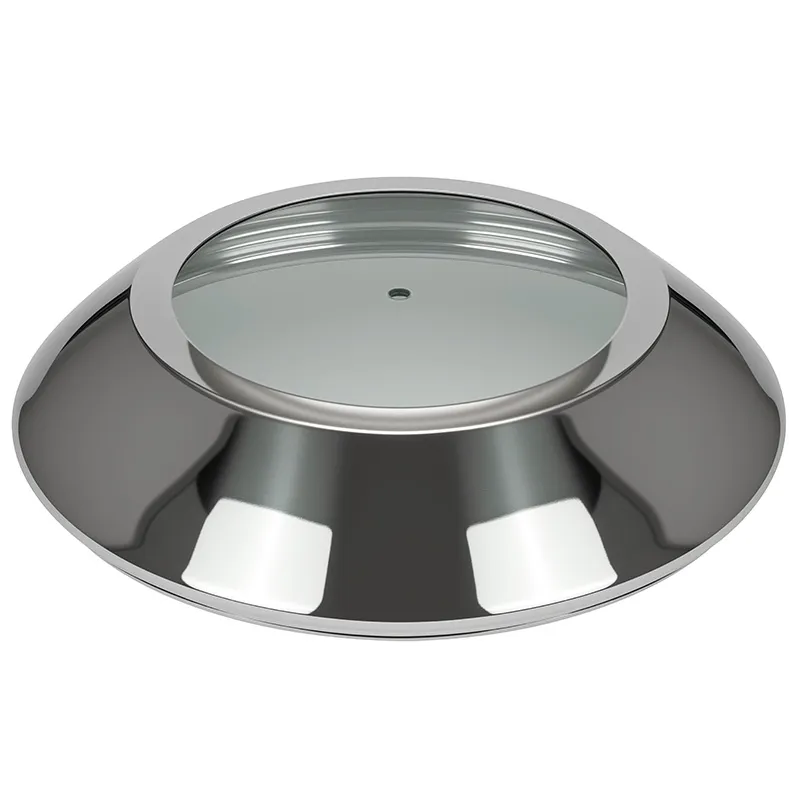
Observing trends is crucial. The shift towards induction cooking in Europe, for instance, demands lids that can withstand rapid, direct heat if placed down on an active cooktop. This might require a specific type of tempered glass or even a different material for the knob. Similarly, the North American preference for dishwasher-safe everything puts pressure on the bonding adhesive used for the knob. Will it hold through 500 wash cycles? You need a factory that tests for this, not just one that assembles parts.
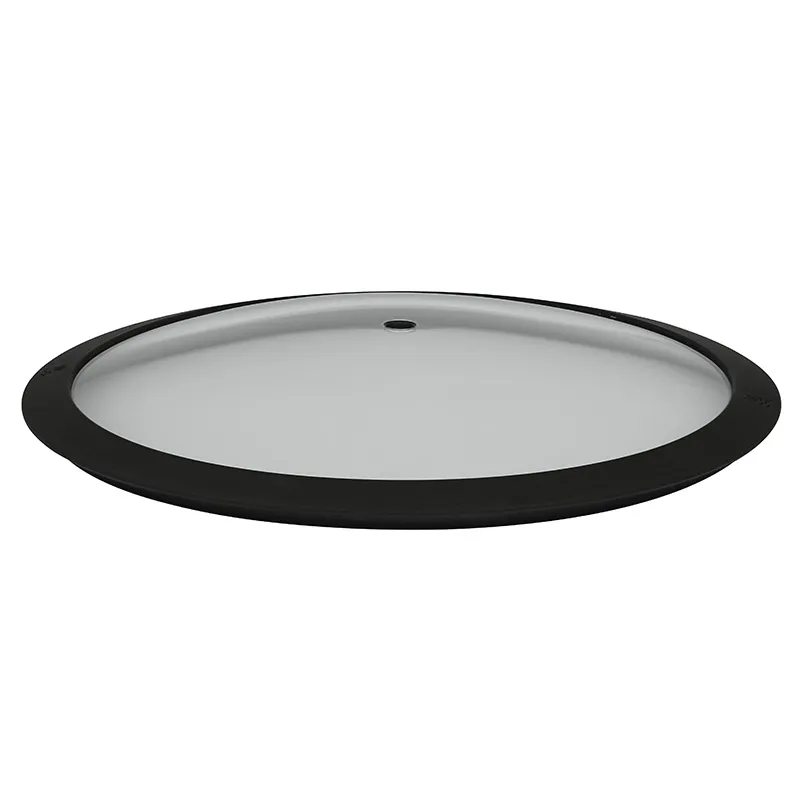
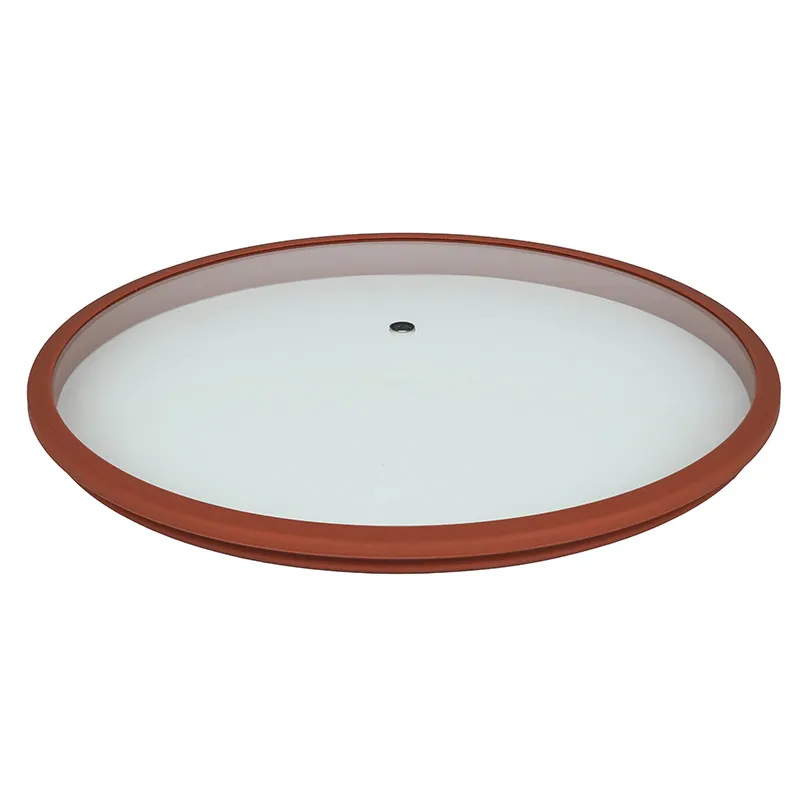
Sometimes, innovation is simple. One of the most practical designs I've seen is a lid with a small integrated steam vent or a silicone gasket for a better seal. These aren't revolutionary, but they add tangible value. When evaluating a wholesale supplier, I look at their R&D shelf—the prototypes and samples that haven't hit the market yet. It shows if they're thinking ahead or just stamping out the same product year after year.
Concluding Thoughts: It's a Margin Game
At the end of the day, glass cover wholesale is a business of thin margins managed through precision and risk mitigation. Your profit isn't just the difference between the factory price and your selling price. It's what's left after accounting for the 3% breakage allowance you negotiated, the customs duty you accurately projected, the storage cost for the extra 2% of buffer stock you wisely kept, and the avoided cost of not having a major recall because your supplier's tempering process was consistent.
It's not a glamorous sector. It's about checklists, sample approvals, and building trust with a factory floor manager 8,000 miles away. Success looks like a container arriving on time, with cartons that, when opened, reveal pristine glass lids that fit perfectly, ship after ship. It looks like a long-term relationship with a manufacturer that alerts you to a potential raw material price hike two months in advance, so you can plan. For those needing reliable volume, a direct engagement with a specialized producer, such as EUR-ASIA COOKWARE CO.,LTD, which focuses on the full spectrum from low to high-end household glass products, is often the most sustainable path. Their scale and export focus mean they've already navigated many of these pitfalls.
The key takeaway? Move beyond the keyword. See it as sourcing a precision component that happens to be made of glass. Your due diligence on the factory floor, your specificity in the order specs, and your management of the logistics chain will determine your actual landed cost and, ultimately, your viability in this market. It's a game of details, played one container, one lid, at a time.
Related Products
Related Products