- Chinese
- French
- German
- Portuguese
- Spanish
- Russian
- Japanese
- Korean
- Arabic
- Irish
- Greek
- Turkish
- Italian
- Danish
- Romanian
- Indonesian
- Czech
- Afrikaans
- Swedish
- Polish
- Basque
- Catalan
- Esperanto
- Hindi
- Lao
- Albanian
- Amharic
- Armenian
- Azerbaijani
- Belarusian
- Bengali
- Bosnian
- Bulgarian
- Cebuano
- Chichewa
- Corsican
- Croatian
- Dutch
- Estonian
- Filipino
- Finnish
- Frisian
- Galician
- Georgian
- Gujarati
- Haitian
- Hausa
- Hawaiian
- Hebrew
- Hmong
- Hungarian
- Icelandic
- Igbo
- Javanese
- Kannada
- Kazakh
- Khmer
- Kurdish
- Kyrgyz
- Latin
- Latvian
- Lithuanian
- Luxembou..
- Macedonian
- Malagasy
- Malay
- Malayalam
- Maltese
- Maori
- Marathi
- Mongolian
- Burmese
- Nepali
- Norwegian
- Pashto
- Persian
- Punjabi
- Serbian
- Sesotho
- Sinhala
- Slovak
- Slovenian
- Somali
- Samoan
- Scots Gaelic
- Shona
- Sindhi
- Sundanese
- Swahili
- Tajik
- Tamil
- Telugu
- Thai
- Ukrainian
- Urdu
- Uzbek
- Vietnamese
- Welsh
- Xhosa
- Yiddish
- Yoruba
- Zulu
- Kinyarwanda
- Tatar
- Oriya
- Turkmen
- Uyghur


glass cover wholessaler
When you hear 'glass cover wholesaler', most people picture a simple bulk supplier moving generic panes or lids. That's the first misconception. In reality, it's a nuanced field where the difference between a profitable line and a warehouse full of returns often hinges on specs you'd never think about initially—like the coefficient of thermal expansion in a borosilicate formula versus a soda-lime temper, or how the edge polishing affects not just safety but the perceived value in a European kitchenware set. It's not just about glass; it's about engineering for domestic use.
The Core Product Isn't Just Glass
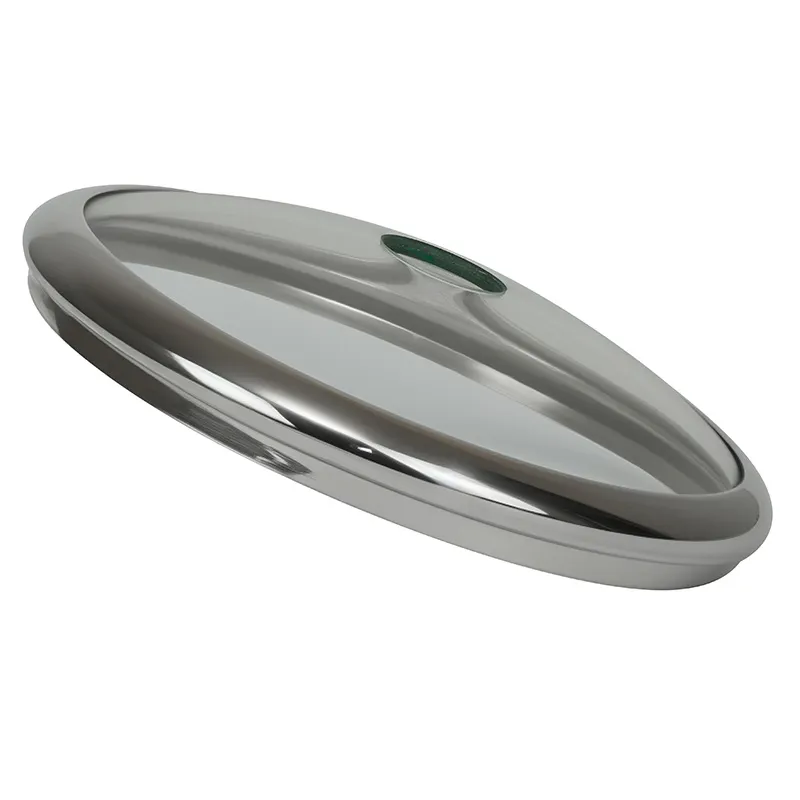
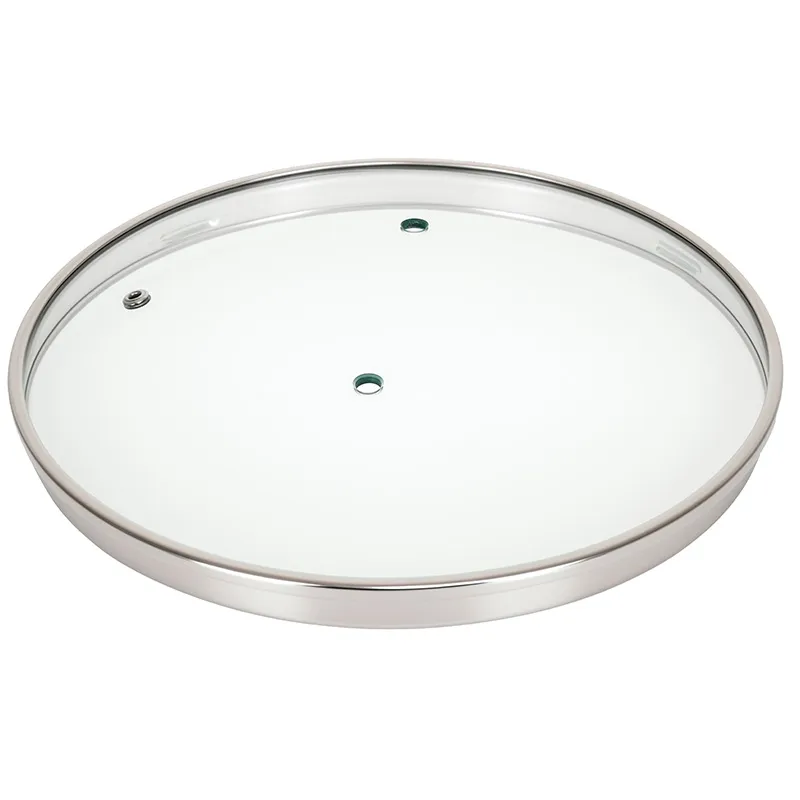
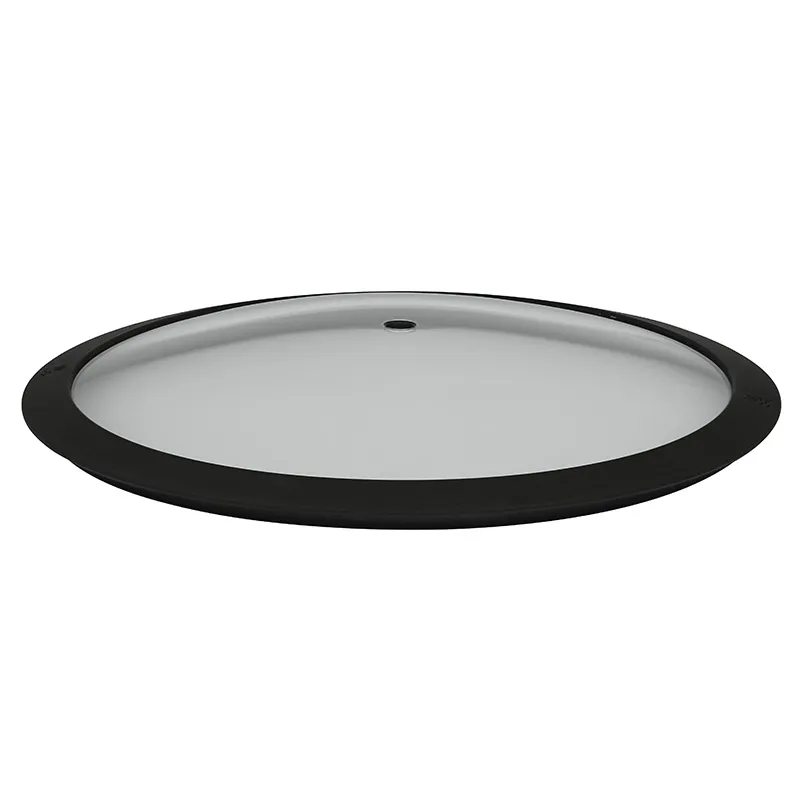
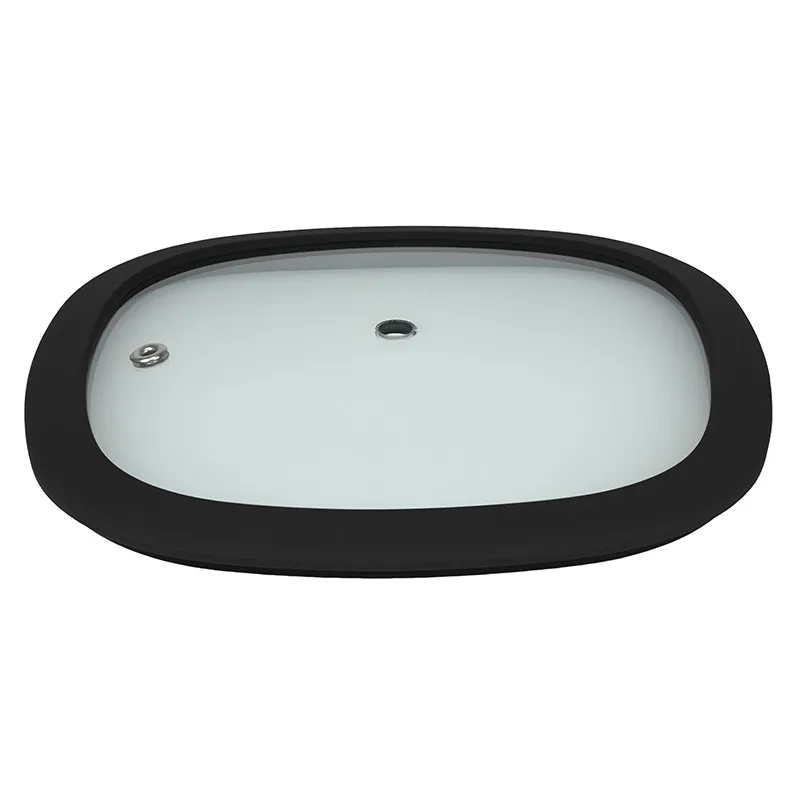
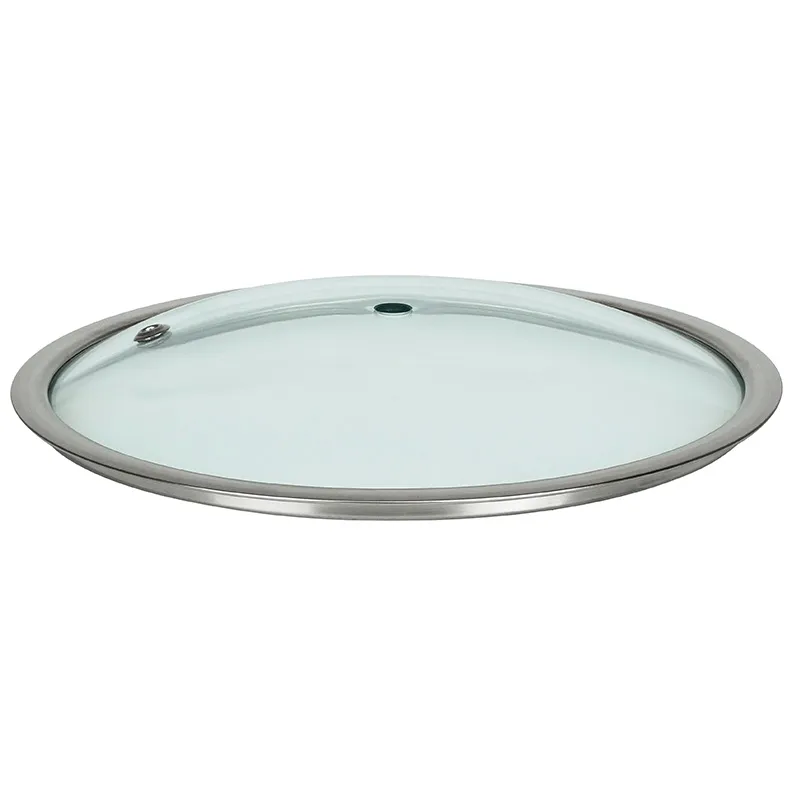
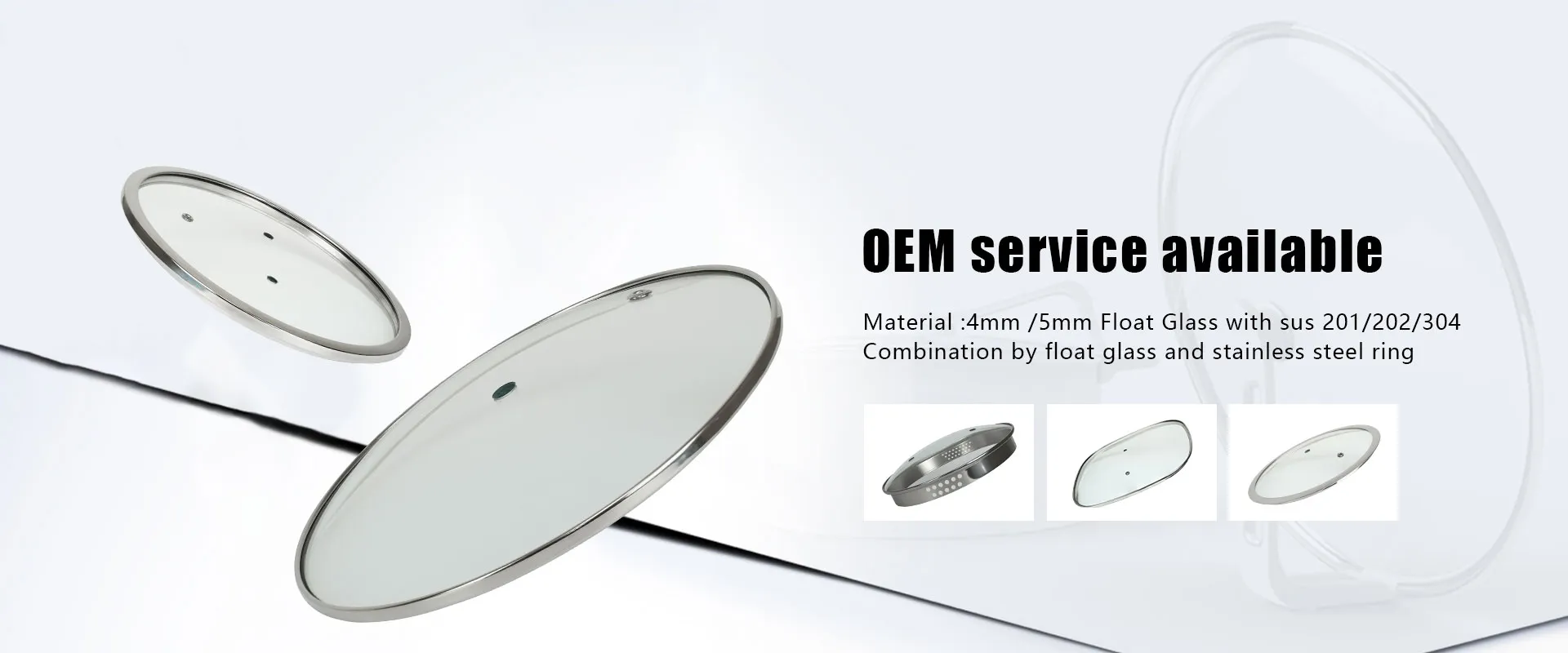
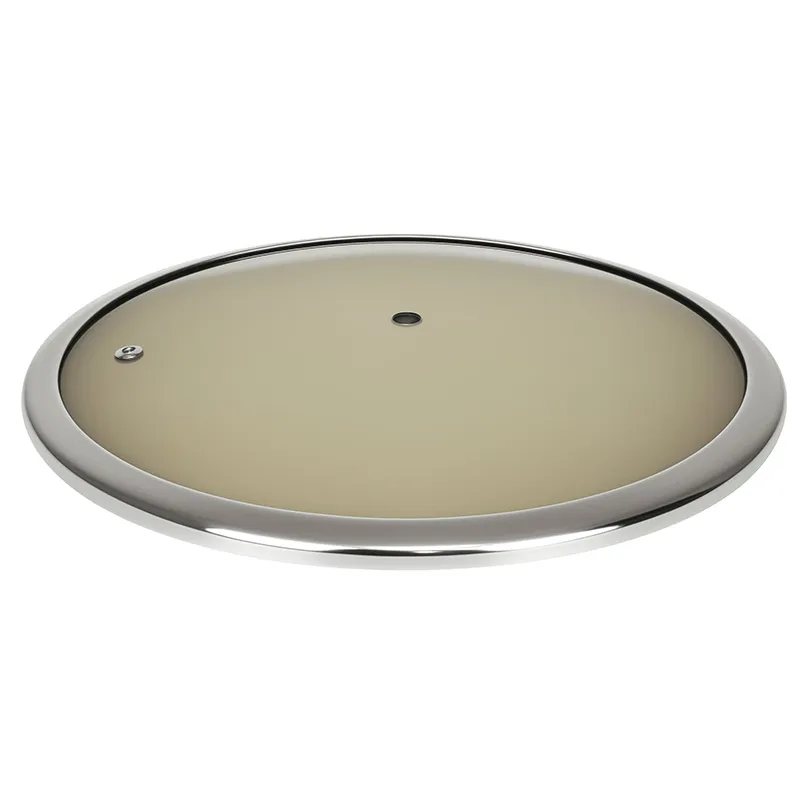
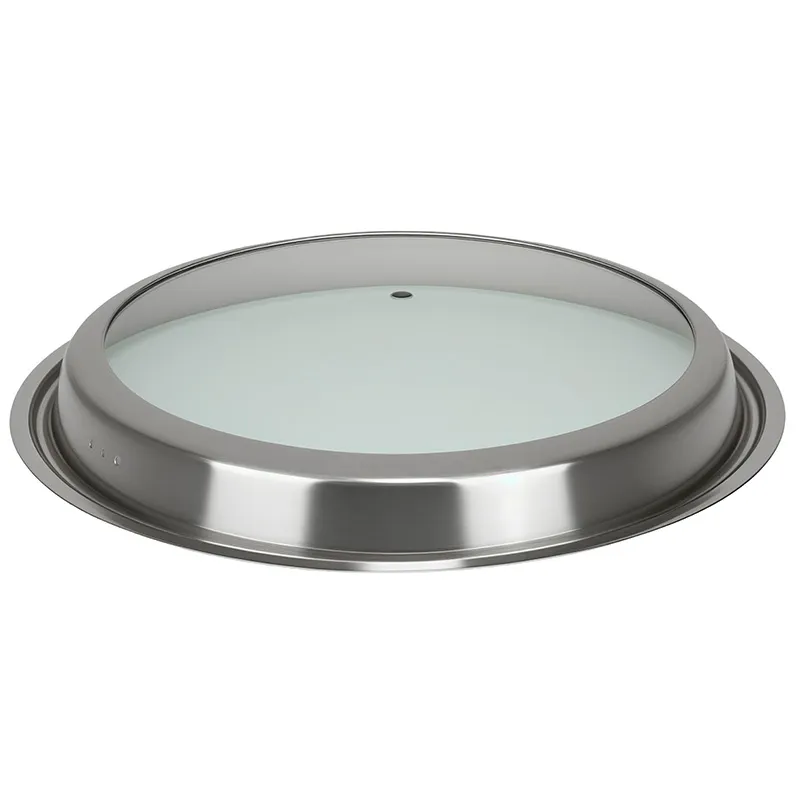
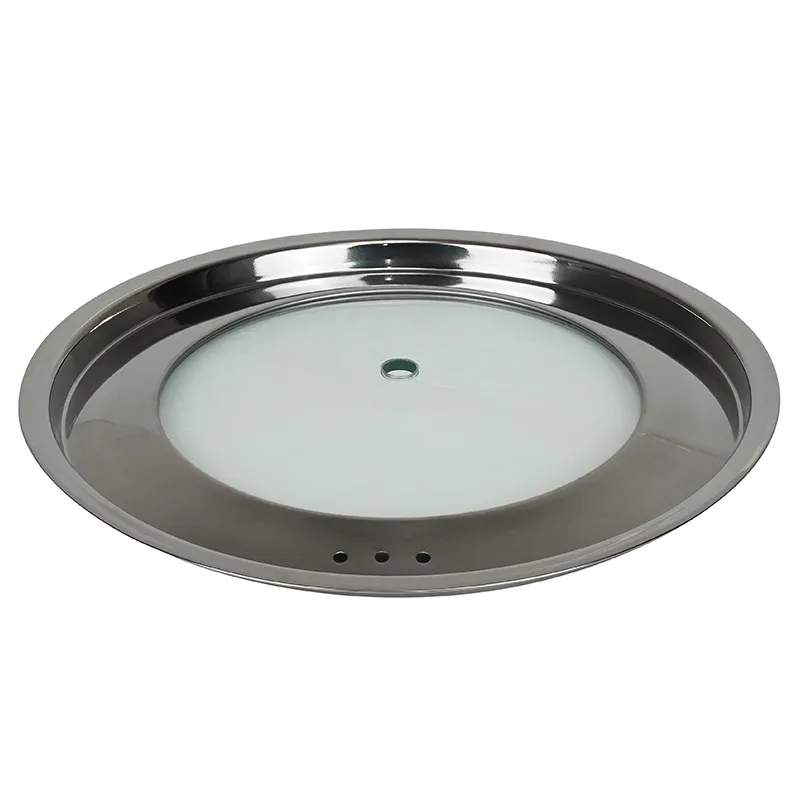
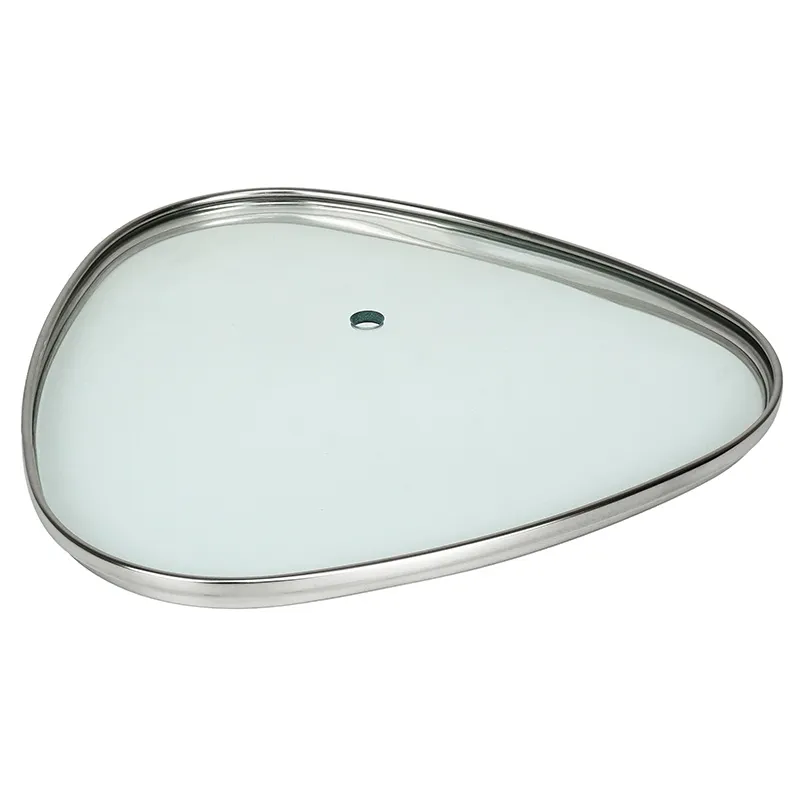
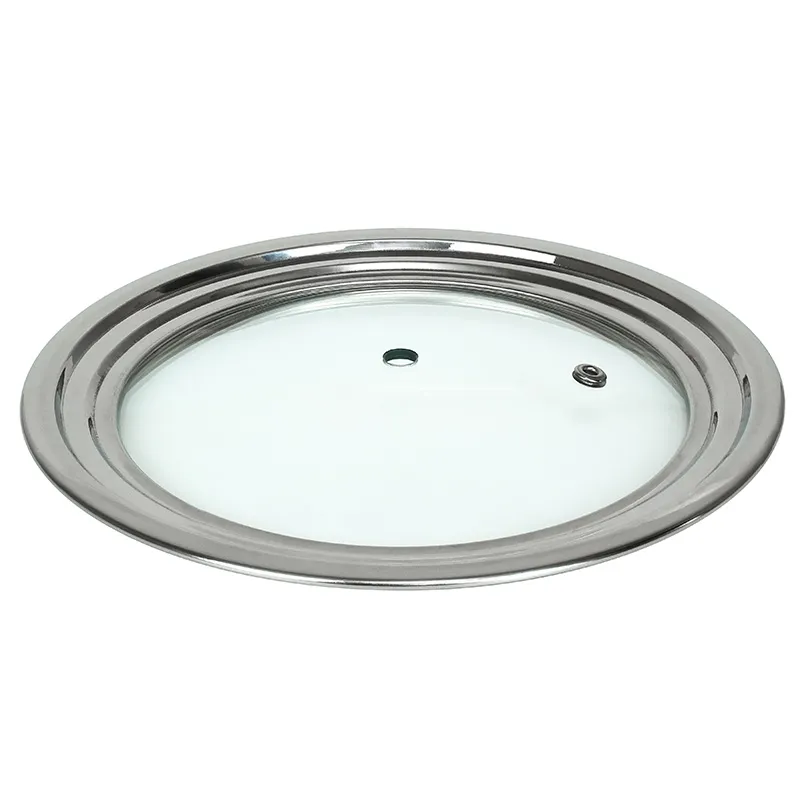
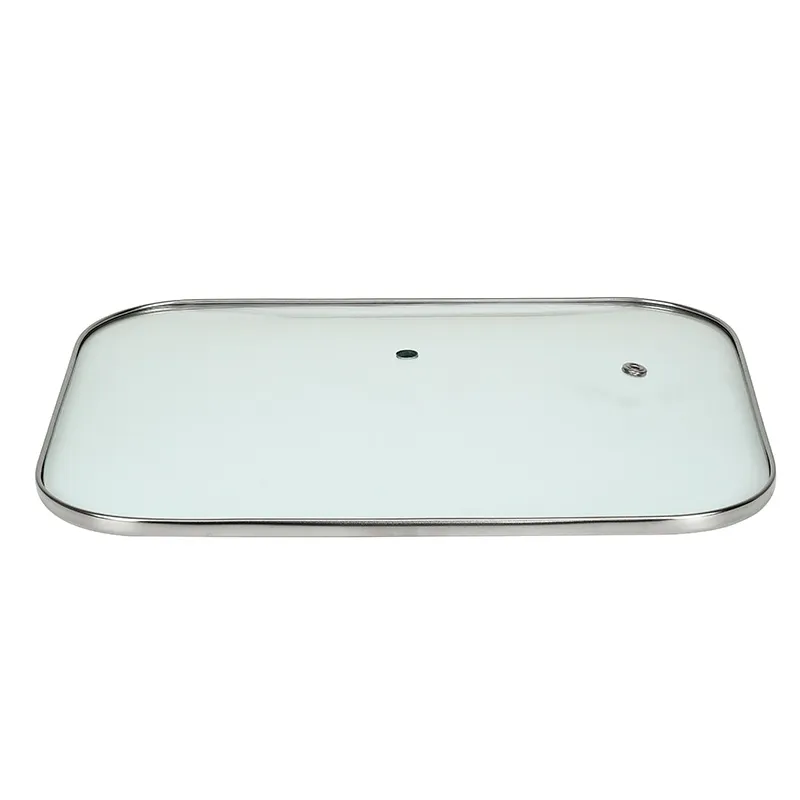
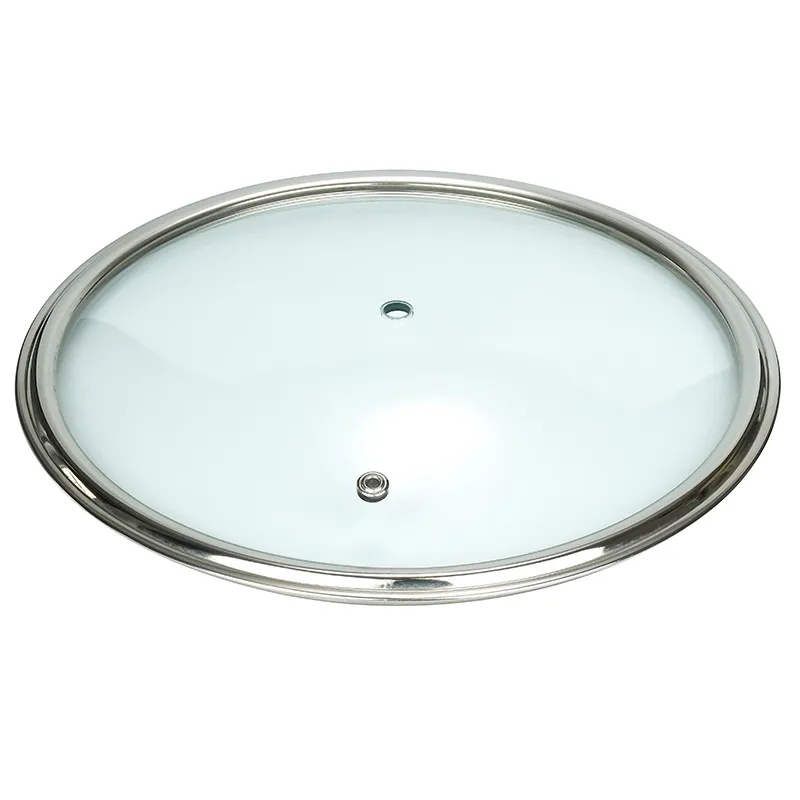
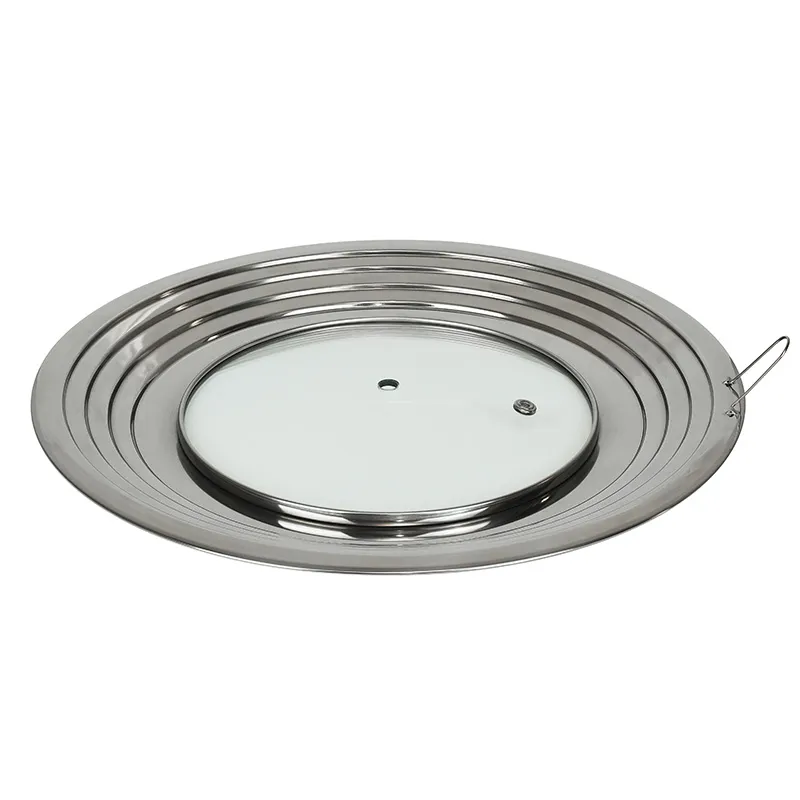
Let's get specific. The heart of the business for a serious glass cover wholesaler is often tempered safety glass lids for cookware. Not all tempered glass is equal. Early on, I learned the hard way that a supplier promising high-quality tempered lids could be referring to a product that passes basic impact tests but chips miserably on the edges after a few dishwasher cycles. The failure point? Usually the seaming and the heat treatment curve. A company that gets this right, like EUR-ASIA COOKWARE CO.,LTD, bases its entire operation on it. Their site, https://www.glass-lid.com, doesn't just sell lids; it telegraphs a specialization in low to high-level household glass, which in industry speak means they likely tier their products for different market segments—a crucial detail for a wholesaler.
Their production base in Taian City, Shandong, isn't just an address. That region has a cluster of glass and kitchenware manufacturing, implying access to a mature supply chain for raw materials and machinery. The stated annual output of over 15 million pieces tells you about scale. For a wholesaler, this scale suggests they can handle large, consistent orders, but the real question is about flexibility. Can they run a smaller batch of a custom diameter or a specific silicone gasket color for a mid-tier client? That's where the conversation starts.
I recall a project where we needed lids for a line of premium saucepans targeting the German market. The spec called for a ultra-clear, low-iron glass with a beveled edge that felt substantial. Several general glass cover wholesaler operations quoted quickly but samples revealed slight green tints (from iron content) and wavy distortions. The partner we eventually worked with (not unlike EUR-ASIA in focus) had the sense to ask about the target market first. Germany has strict norms on material safety and aesthetic finish. Their 90% export rate to countries like Germany and Switzerland listed on their site isn't a vanity metric; it's a de facto certification of their capability to meet those nuanced, market-specific standards.
Logistics and the Hidden Cost of Just a Lid
Wholesaling is as much about logistics as product. Glass is fragile, heavy, and volume-inefficient. A container of glass lids has a lot of air space unless packed with surgical precision. One of the biggest cost sinks isn't the unit price, but the damage rate during shipping and the cost of packaging itself. A good wholesaler has optimized this. From the EUR-ASIA intro, a building area of 15,000㎡ hints at significant space dedicated not just to production but likely to staging, packing, and QC.
We once took a chance on a cheaper per-unit quote from a new supplier. The lids arrived on time, but the packaging was flimsy—single-wall cartons with minimal corner protection. The damage rate was over 8%. After factoring in the time for claims, replacements, and annoyed clients, any initial savings were obliterated. Now, I always ask about packaging protocols. Do they use compartmentalized cartons? What's the average damage rate they guarantee for sea freight to, say, Brazil or Turkey (both markets EUR-ASIA mentions)? Their export footprint suggests they've solved this puzzle for long, varied supply chains.
Another logistical nuance is documentation and compliance. Exporting to 12+ countries means navigating a maze of customs codes, material declarations, and safety stamps. A proficient glass cover wholesaler doesn't just hand you a bill of lading; they should provide a packet with test reports (like FDA or LFGB for food contact), proper HS codes, and a certificate of tempering. This turns them from a simple vendor into a supply chain partner.
The Misstep of Ignoring Accessory Synergy
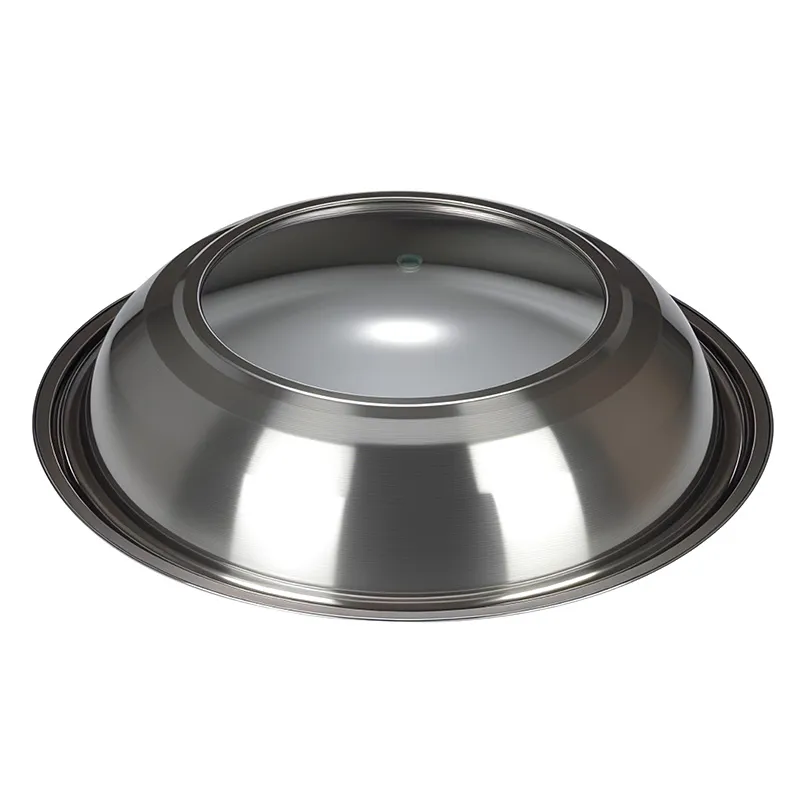
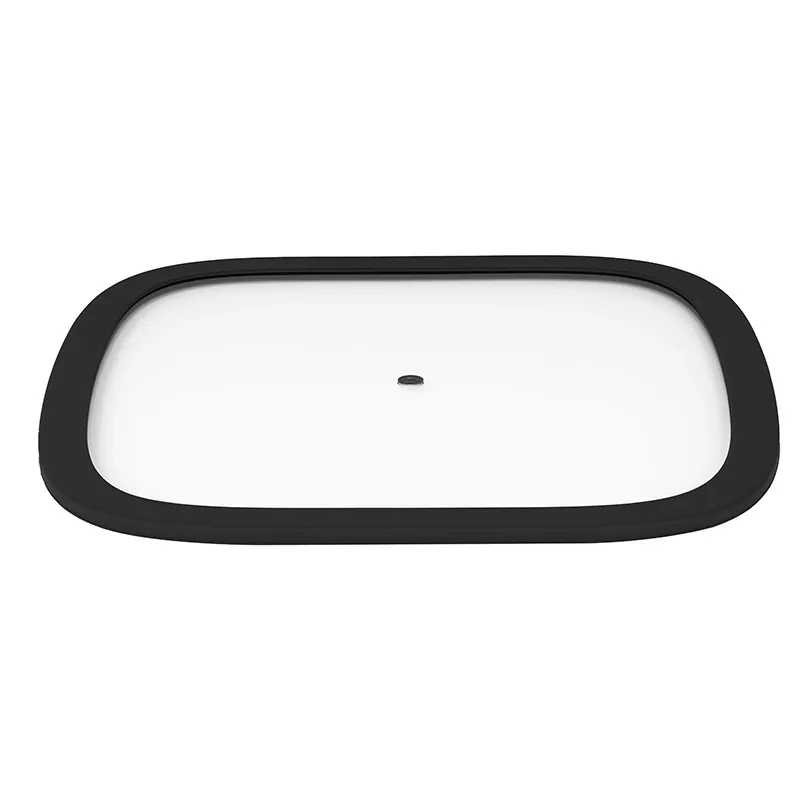
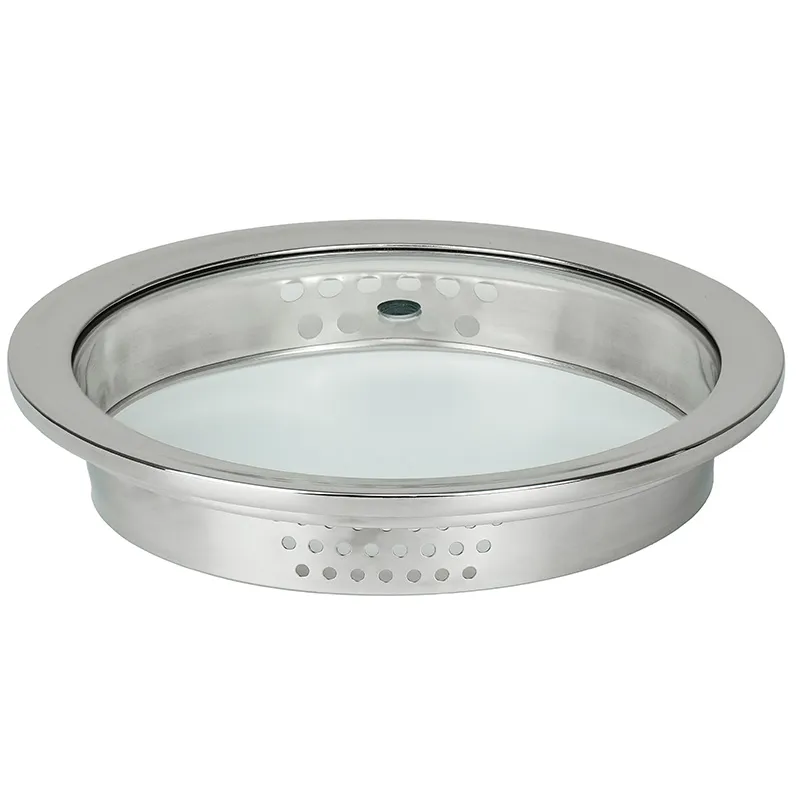
The term kitchen accessories in a company's description is a treasure trove often overlooked. For EUR-ASIA COOKWARE, it means they likely don't just sell a bare glass lid. The real value-add for a wholesaler is in the ecosystem. Can you also source the matching stainless steel knob? The silicone sealing ring? The strainer lid variant? Offering a complete SKU set for a cookware line is a massive advantage.
I made the mistake early on of sourcing lids from one place and knobs from another. The threading was off by a millimeter. Entire shipments were held up. A supplier integrated vertically or with strong accessory partnerships saves this headache. When a company says they produce various types of tempered glass lid and other glass products, probe into what other means. Is it measurement cups? Baking dishes? That synergy allows for bundled offerings, which improves your margin as a wholesaler and simplifies life for your buyer.
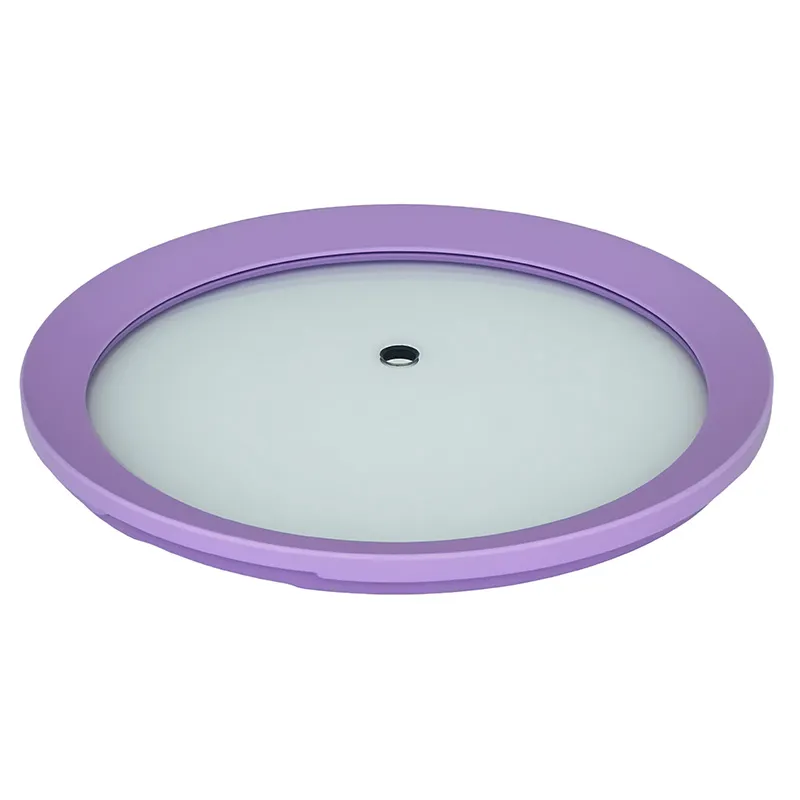
This also ties into the low-medium-high level segmentation. A low-level lid might be a simple, thin tempered disc for a budget supermarket line. A high-level one could be a tri-ply construction with an integrated stainless steel rim and a vapor-seal channel. Understanding which factory lines produce which tier prevents you from pushing a high-end product into a market that only competes on price, and vice versa.
Building a Relationship, Not Just a Contact
Finally, the human element. The fact that EUR-ASIA lists more than 90 employees is interesting. It's a mid-sized operation—large enough for stability, small enough where you might actually get to know the production or QC manager. In this business, having a direct line to the factory floor is worth more than a slick sales portal. A quick response on a sample revision or the honesty to say this tolerance is beyond our capability saves months.
The export-focused nature (over 90%) of such a company also means their communication is likely tuned for international business. They expect specifications in millimeters, technical drawings, and lead time negotiations. They're not a domestic trader dabbling in exports. This alignment is critical. A true partnership with a glass cover wholesaler evolves into collaborative problem-solving: Our client in Poland is seeing condensation issues. Can we adjust the vent hole design or the glass curvature?
It comes down to this: the keyword glass cover wholesaler points to a transactional function. But the sustainable business is built with manufacturers who are specialists, like a company focused on glass lids for cookware. You're not just buying a commodity; you're leveraging their specific R&D, their knowledge of thermal shock resistance for different cooking methods, and their established logistics to a dozen key markets. The website and numbers are just the entry point. The real work begins when you start asking about the minutiae of the glass itself.
Related Products
Related Products