- Chinese
- French
- German
- Portuguese
- Spanish
- Russian
- Japanese
- Korean
- Arabic
- Irish
- Greek
- Turkish
- Italian
- Danish
- Romanian
- Indonesian
- Czech
- Afrikaans
- Swedish
- Polish
- Basque
- Catalan
- Esperanto
- Hindi
- Lao
- Albanian
- Amharic
- Armenian
- Azerbaijani
- Belarusian
- Bengali
- Bosnian
- Bulgarian
- Cebuano
- Chichewa
- Corsican
- Croatian
- Dutch
- Estonian
- Filipino
- Finnish
- Frisian
- Galician
- Georgian
- Gujarati
- Haitian
- Hausa
- Hawaiian
- Hebrew
- Hmong
- Hungarian
- Icelandic
- Igbo
- Javanese
- Kannada
- Kazakh
- Khmer
- Kurdish
- Kyrgyz
- Latin
- Latvian
- Lithuanian
- Luxembou..
- Macedonian
- Malagasy
- Malay
- Malayalam
- Maltese
- Maori
- Marathi
- Mongolian
- Burmese
- Nepali
- Norwegian
- Pashto
- Persian
- Punjabi
- Serbian
- Sesotho
- Sinhala
- Slovak
- Slovenian
- Somali
- Samoan
- Scots Gaelic
- Shona
- Sindhi
- Sundanese
- Swahili
- Tajik
- Tamil
- Telugu
- Thai
- Ukrainian
- Urdu
- Uzbek
- Vietnamese
- Welsh
- Xhosa
- Yiddish
- Yoruba
- Zulu
- Kinyarwanda
- Tatar
- Oriya
- Turkmen
- Uyghur

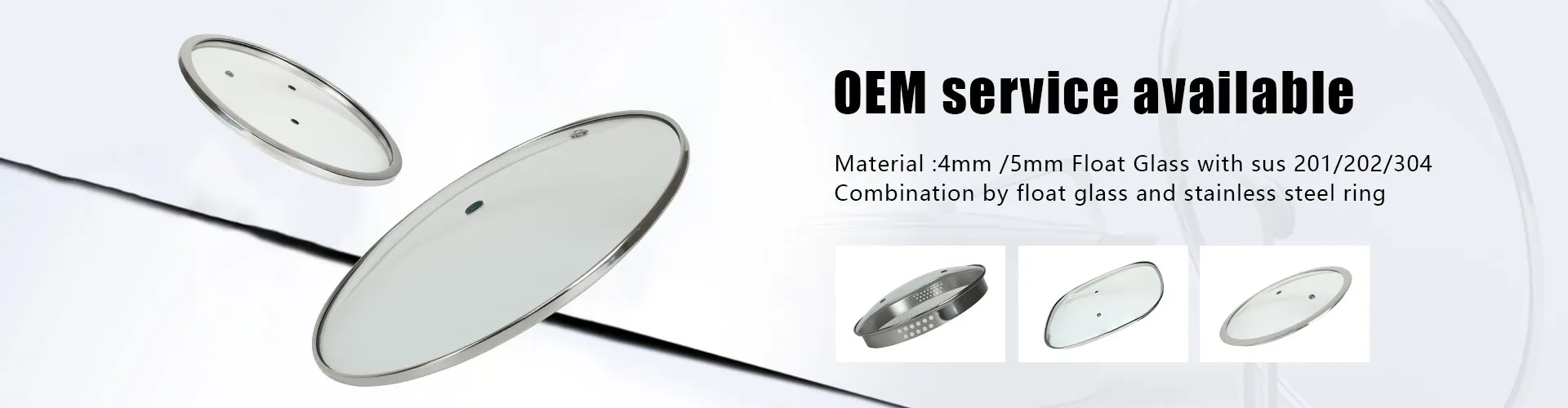
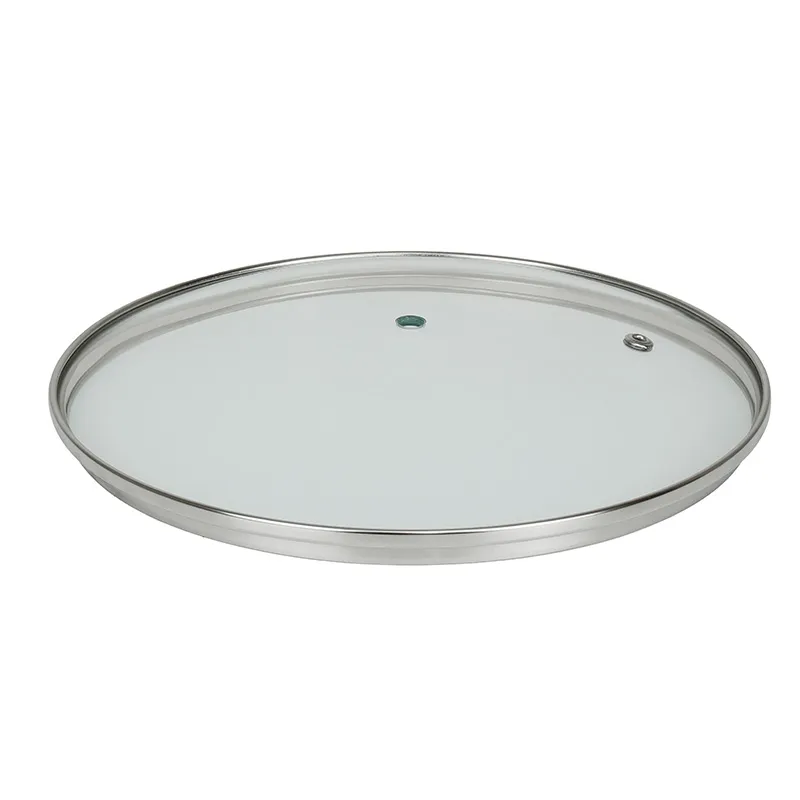
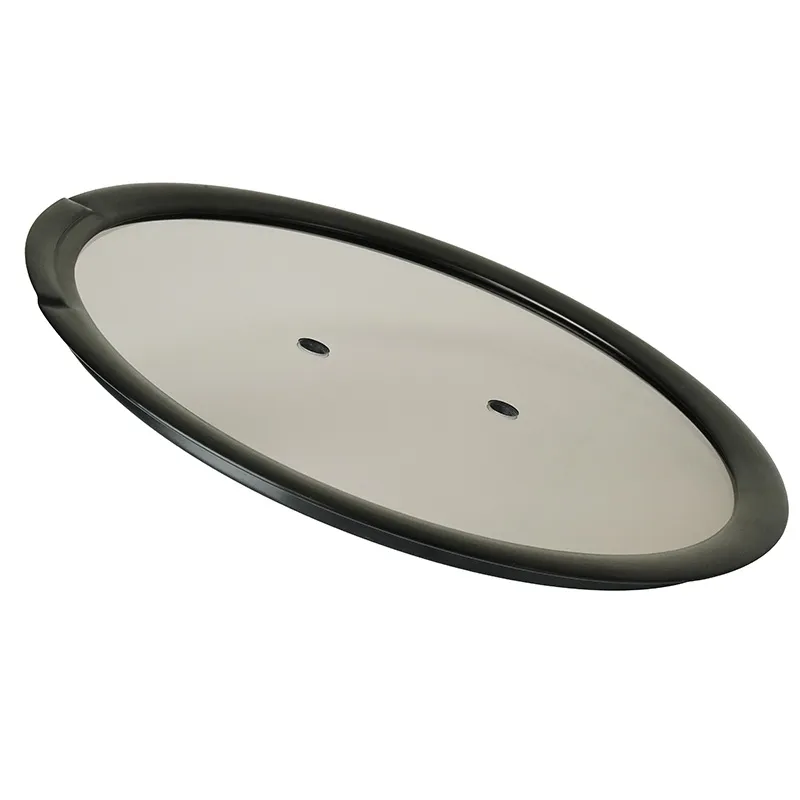
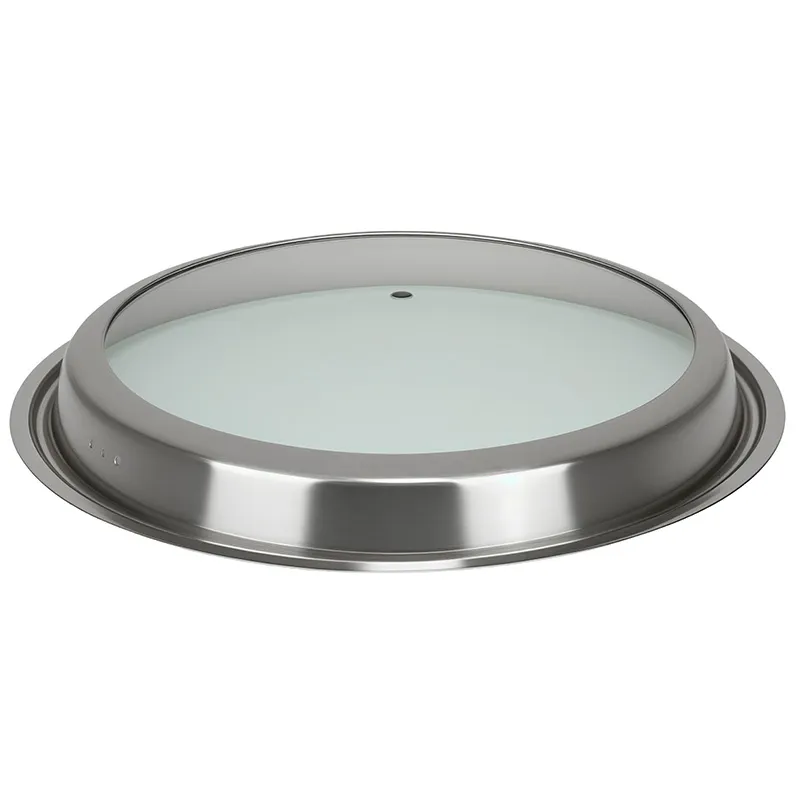
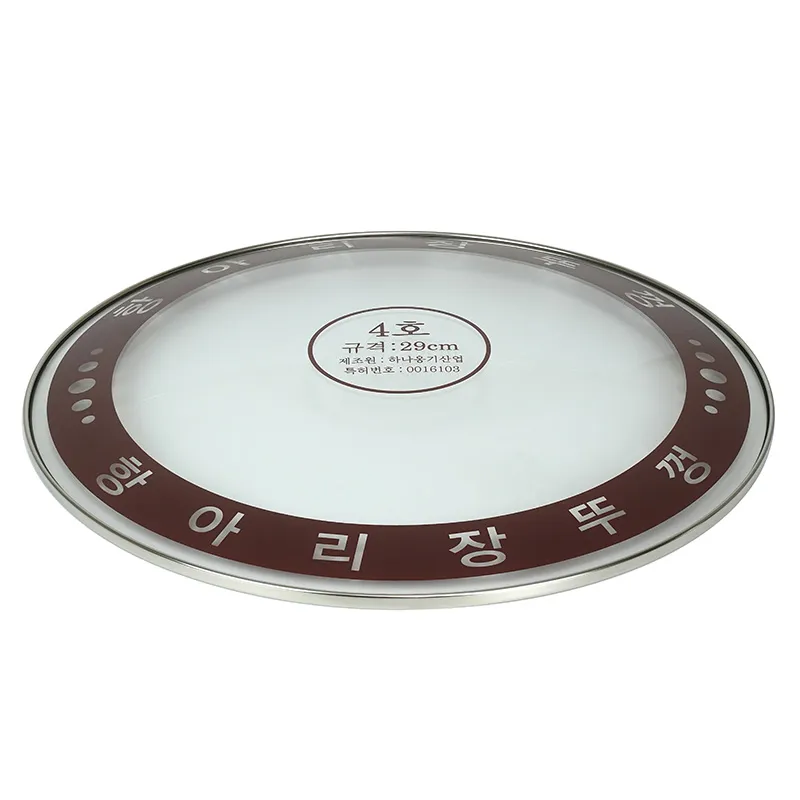
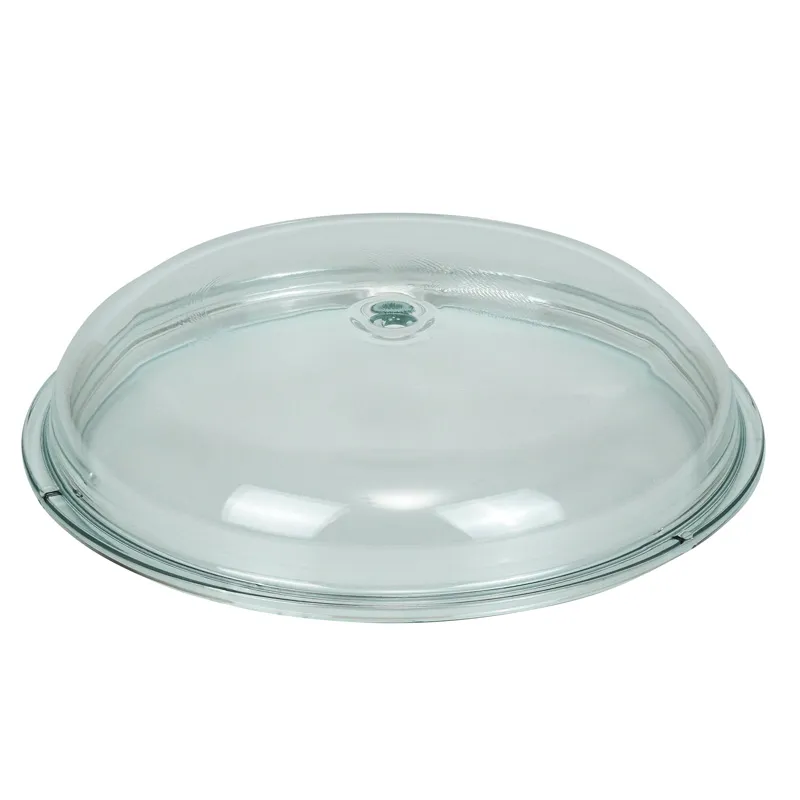
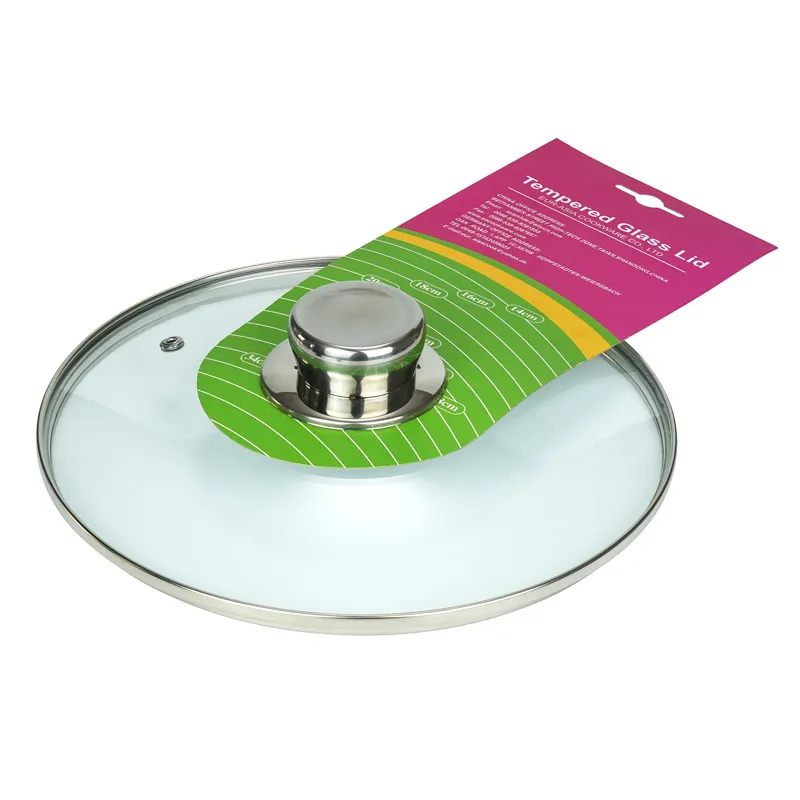
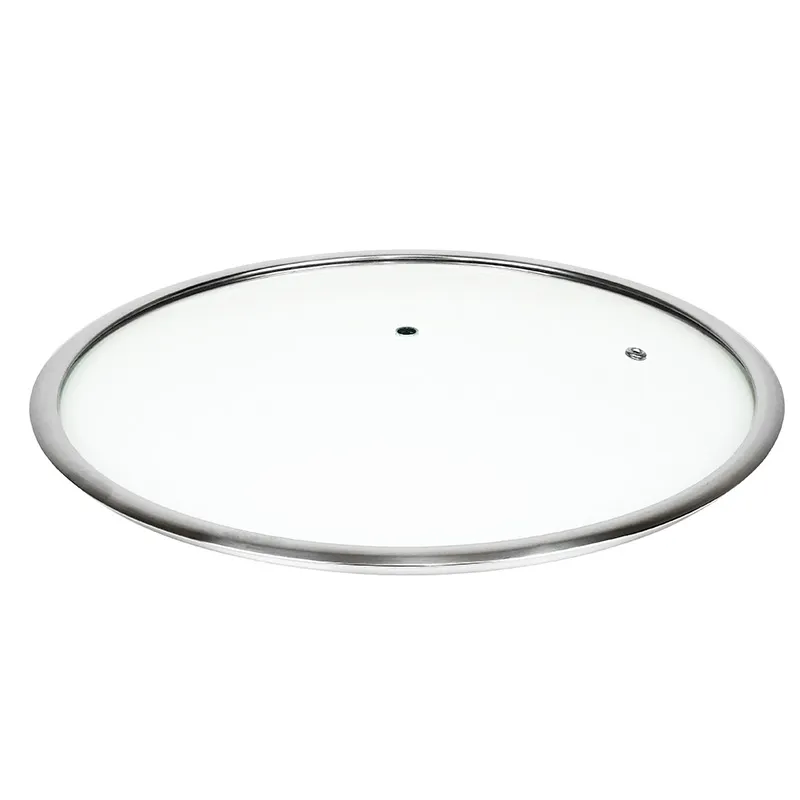
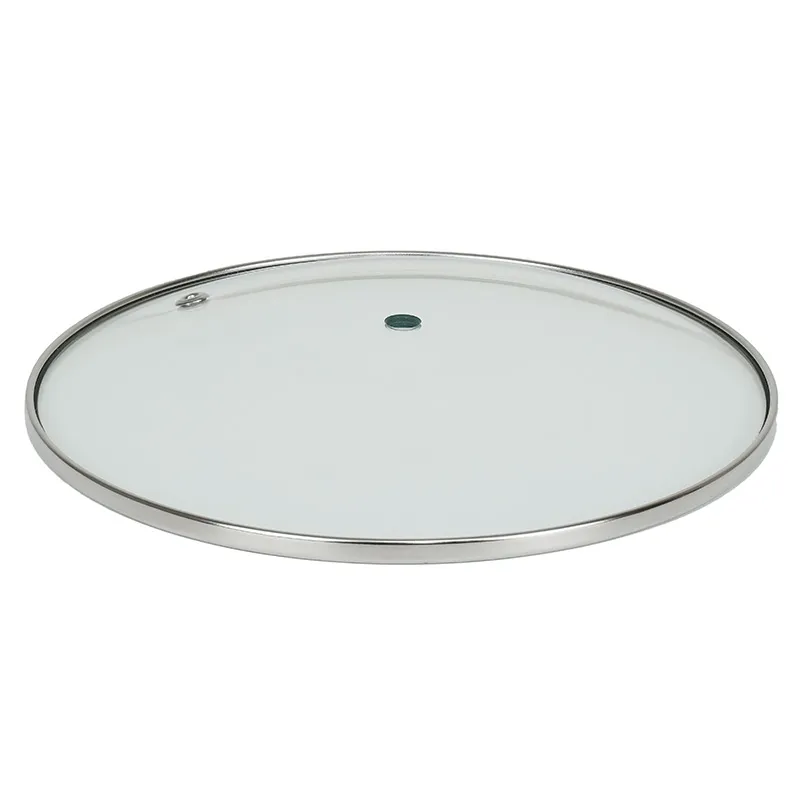
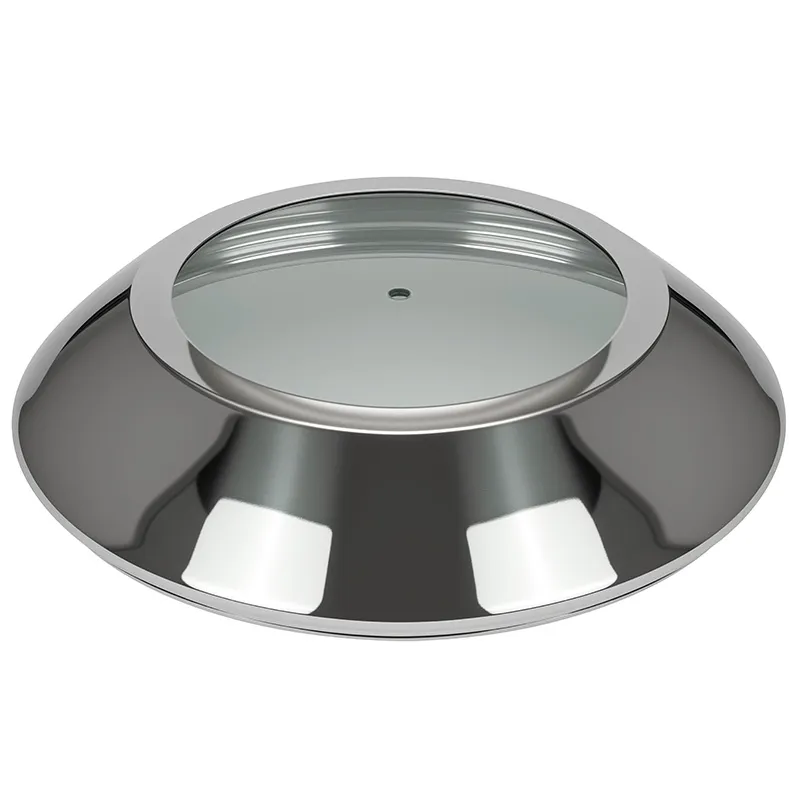
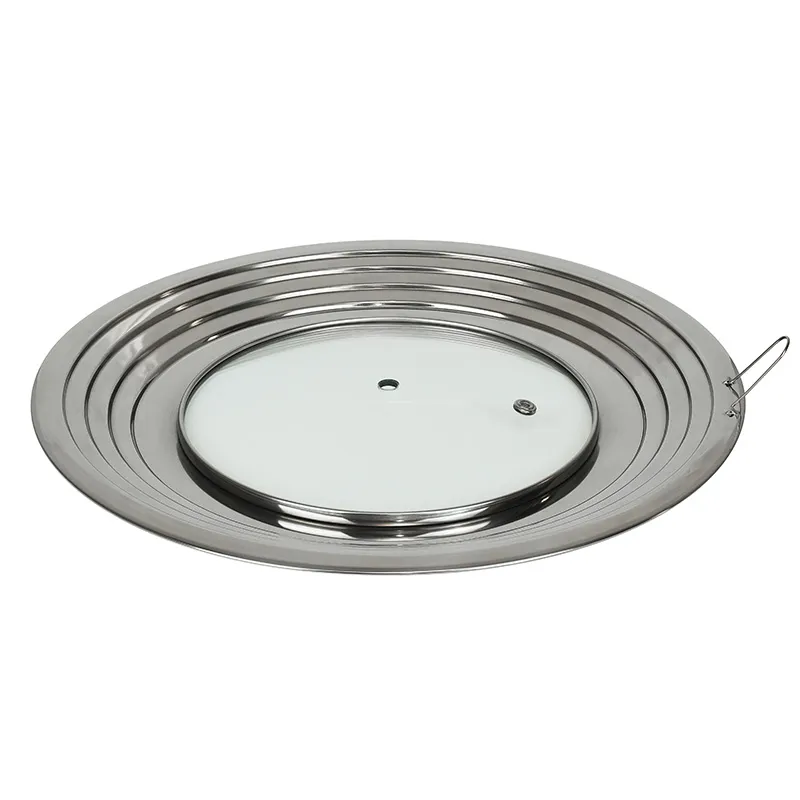
glass cover with handle
When most people hear 'glass cover with handle', they picture a simple lid you lift. That's the surface. The real conversation in our line of work starts when you ask about thermal shock resistance, the ergonomics of a recessed versus a bolt-on handle, or why a 3mm tempered edge matters for a 24cm casserole dish. It's not just a cover; it's a pressure regulator, a heat retainer, and a point of failure if you get the specs wrong. I've seen too many designs where the handle becomes an afterthought, leading to complaints about awkward lifting or, worse, thermal stress cracks radiating from the handle mounting point. Let's dig into what actually makes or breaks these pieces.
The Handle: More Than an Attachment
The first pitfall is treating the handle as a separate component. It isn't. Its integration dictates the product's lifespan. A poorly bonded handle on a glass cover with handle doesn't just detach; it creates a focal point for stress. We learned this early on with a batch for a European client. The handles were epoxy-bonded, which passed standard pull tests. But real-world use—cyclic heating, cooling, and the lateral torque from scraping it across a pot—caused micro-fractures. The failure wasn't dramatic; it was a slow propagation of cracks you could only see under specific light. The fix wasn't just stronger adhesive. It involved redesigning the glass thickness around the mounting area and switching to a silicone-based bonding agent that offered better flexibility under thermal expansion. The handle's material matters, too. Stainless steel is standard, but its coefficient of expansion is different from borosilicate or tempered soda-lime glass. If you don't account for that differential, the bond will fatigue.
Then there's the user's grip. A domed lid is heavy. A small, sleek handle might look minimalist, but if it forces the user to pinch with fingertips, it's a spill hazard. We moved towards slightly wider, flatter handle profiles with a subtle underside contour. This allows for a secure, full-finger grip even with a wet towel. It seems obvious, but you'd be surprised how many designs prioritize a 'clean look' over basic safety. I recall evaluating a competitor's lid where the handle was a polished metal sphere. Visually striking, functionally terrible—it offered zero purchase for a sideways push or pull to vent steam.
The mounting method is another rabbit hole. Bolt-through handles with a metal nut and washer on the interior side of the glass are the gold standard for durability. They distribute the load. However, they leave an interior protrusion that can trap food residue. For the high-end market, which demands seamless interiors for easy cleaning, this is a deal-breaker. That's where advanced bonding or even molded-over handles come in. Companies like EUR-ASIA COOKWARE CO.,LTD, which you can find at glass-lid.com, have to navigate these choices daily. Their production of over 15 million tempered glass lids annually means they're constantly balancing the robustness required for commercial kitchens (think a busy restaurant line) with the aesthetic and cleaning demands of European household brands. Their export focus to Germany, Italy, and Japan—markets with notoriously high standards—forces a precision in this balance that is instructive for the whole sector.
Glass as the Foundation: Tempering and Tolerance
You can't talk about the handle without talking about the glass it's attached to. The term 'tempered' gets thrown around, but the degree of temper and the resulting surface compression is what defines impact and thermal shock resistance. A lid isn't just dropped; it's slammed onto a boiling pot, hit with cold water, or stored in a freezing oven. The tempering process for a glass cover with handle is trickier than for a flat tray. The handle mounting points and the dome shape create uneven thicknesses, which can lead to stress patterns during the quenching phase. If the tempering isn't uniform, that's your weak spot.
We once had a issue with lids for a Brazilian client. They performed perfectly in our lab tests, which simulated sudden temperature changes from 220°C to 20°C. But in the field, in humid coastal kitchens, we got reports of spontaneous breakage. Not during use—during storage. The culprit? Microscopic surface imperfections, tiny nicks from handling during packaging or shipping, that we hadn't considered as critical failure points. In a highly tempered glass, these nicks can compromise the compressed surface layer, making it vulnerable to stress from ambient humidity and temperature swings. The solution was twofold: investing in more protective, form-fitting packaging and adjusting our post-tempering inspection to flag even minor edge flaws. It was a lesson in seeing the product's life beyond the factory floor.
Tolerance is another silent spec. The curvature of the lid must match the pot's rim within a millimeter or two to seal effectively. Too tight, and it sticks or cracks from pressure; too loose, and it rattles, lets steam escape uncontrollably, and doesn't retain heat. For a company like EUR-ASIA COOKWARE, with a 20,000㎡ production base, maintaining this tolerance across millions of pieces, for dozens of client-specific pot lines, is a logistical feat. It speaks to why they've succeeded in exporting to over a dozen countries—they've likely built systems to manage this variability that many smaller workshops can't.
The Unseen Function: Venting and Condensation
A handle isn't just for lifting; it's often the anchor for a venting mechanism. A simple hole or notch is common, but its placement relative to the handle is crucial. The vent should be on the side opposite the handle's primary axis. Why? When you lift the lid by the handle to drain condensation, you naturally tilt it. If the vent is on the same side as the handle, the condensate—often scalding hot—runs right over your hand. It's a basic but frequently overlooked ergonomic detail.
Then there's the condensation bead. A well-designed glass cover with handle will have a subtle inner lip or channel to guide condensation back into the pot, not off the edge and onto the stovetop. I've tested lids where the water just sheets across the entire dome and drips randomly. It's messy and can be a safety hazard on electric coils. The geometry of the dome, the angle of the sides—all of this influences fluid dynamics in a way that most consumers never think about, but which we spend hours prototyping. Sometimes, adding a 5-degree steeper slope to the sidewall solves 80% of the drip problem.
For glass-ceramic or induction cooktops, the bottom rim's flatness is paramount. Any warp, any high spot, and you get that infuriating rocking motion. It also prevents a proper seal. Achieving absolute flatness on a tempered, curved piece of glass is an art. It often requires custom-made annealing molds during the cooling phase to prevent warpage. This is where high-volume producers have an advantage—they can justify the cost of that precision tooling.
Material and Market Divergence
Borosilicate versus tempered soda-lime. This is the great divide. Borosilicate (think Pyrex) has superior thermal shock resistance but is more expensive and can be slightly heavier. Soda-lime is cheaper, very hard, and takes tempering well, making it highly impact-resistant, but it's less forgiving of extreme, uneven temperature changes. The choice dictates everything: marketing, pricing, and even the handle design. A borosilicate lid might allow for a more minimalist handle because the glass itself is less likely to crack from a localized hot spot near the handle mount.
Observing the product mix from a major exporter like EUR-ASIA COOKWARE CO.,LTD. is telling. Their specialization in low- to high-level household products suggests they're likely producing both types, catering to different price points and market expectations. The German market might demand borosilicate for its tradition of stovetop-to-oven cooking, while other markets prioritize cost and opt for high-quality tempered soda-lime. Their ability to ship over 15 million pieces globally means their production lines are incredibly flexible, capable of switching between materials and handle types based on order specs from Italy one week and South Korea the next.
This brings us to finishes. The glass edge. A seamed, ground, and polished edge feels premium and is safer to handle during cleaning. A raw, tempered edge is faster and cheaper to produce but can feel sharp. It's a small detail that massively impacts perceived quality. For their high-level products, you'd expect a fully finished edge. It's these subtle gradations that define the 'low, medium, high' levels in their company description.
Failures as Lessons: When the Spec Sheet Lies
Finally, a word on trusting specs alone. We once developed a beautiful lid: 5mm thick borosilicate, with a low-profile stainless handle bonded with aerospace-grade adhesive. It aced every lab test—thermal shock, impact, dishwasher cycling. We sent samples to a distributor in Southern Europe. They came back with reports of handles popping off. Not all, just some. After weeks of frustration, we realized the issue wasn't manufacturing; it was usage. The samples were being used on traditional clay cazuelas over open flame. The heat wasn't just coming from below; it was licking up the sides and superheating the handle and its bond in a way our standard pot testing didn't simulate. The spec sheet said suitable for stovetop use. It didn't account for a specific, localized, extreme heat source.
That experience changed how we write product guidelines and how we stress-test. Now, for any new glass cover with handle design, we try to think of the most abusive, non-standard application and test for that. Does the handle get too hot to touch if the lid is left on a pot under a broiler? What if someone uses it as a cutting board (they will)? These aren't theoretical. They're born from field returns and customer complaints. It's this gritty, problem-solving layer that separates a catalog product from a reliable tool. It's also what allows a company to maintain a 90% export rate to demanding markets—by building in resilience to both physical stress and user unpredictability.
So, the next time you pick up a glass lid, don't just look at it. Feel the handle's grip. Check how it's attached. Look at the edge. Notice the vent placement. That object is the endpoint of a long chain of material science, ergonomic consideration, and often-hard-won practical lessons. It's far more than just a cover.
Related Products
Related Products