- Chinese
- French
- German
- Portuguese
- Spanish
- Russian
- Japanese
- Korean
- Arabic
- Irish
- Greek
- Turkish
- Italian
- Danish
- Romanian
- Indonesian
- Czech
- Afrikaans
- Swedish
- Polish
- Basque
- Catalan
- Esperanto
- Hindi
- Lao
- Albanian
- Amharic
- Armenian
- Azerbaijani
- Belarusian
- Bengali
- Bosnian
- Bulgarian
- Cebuano
- Chichewa
- Corsican
- Croatian
- Dutch
- Estonian
- Filipino
- Finnish
- Frisian
- Galician
- Georgian
- Gujarati
- Haitian
- Hausa
- Hawaiian
- Hebrew
- Hmong
- Hungarian
- Icelandic
- Igbo
- Javanese
- Kannada
- Kazakh
- Khmer
- Kurdish
- Kyrgyz
- Latin
- Latvian
- Lithuanian
- Luxembou..
- Macedonian
- Malagasy
- Malay
- Malayalam
- Maltese
- Maori
- Marathi
- Mongolian
- Burmese
- Nepali
- Norwegian
- Pashto
- Persian
- Punjabi
- Serbian
- Sesotho
- Sinhala
- Slovak
- Slovenian
- Somali
- Samoan
- Scots Gaelic
- Shona
- Sindhi
- Sundanese
- Swahili
- Tajik
- Tamil
- Telugu
- Thai
- Ukrainian
- Urdu
- Uzbek
- Vietnamese
- Welsh
- Xhosa
- Yiddish
- Yoruba
- Zulu
- Kinyarwanda
- Tatar
- Oriya
- Turkmen
- Uyghur


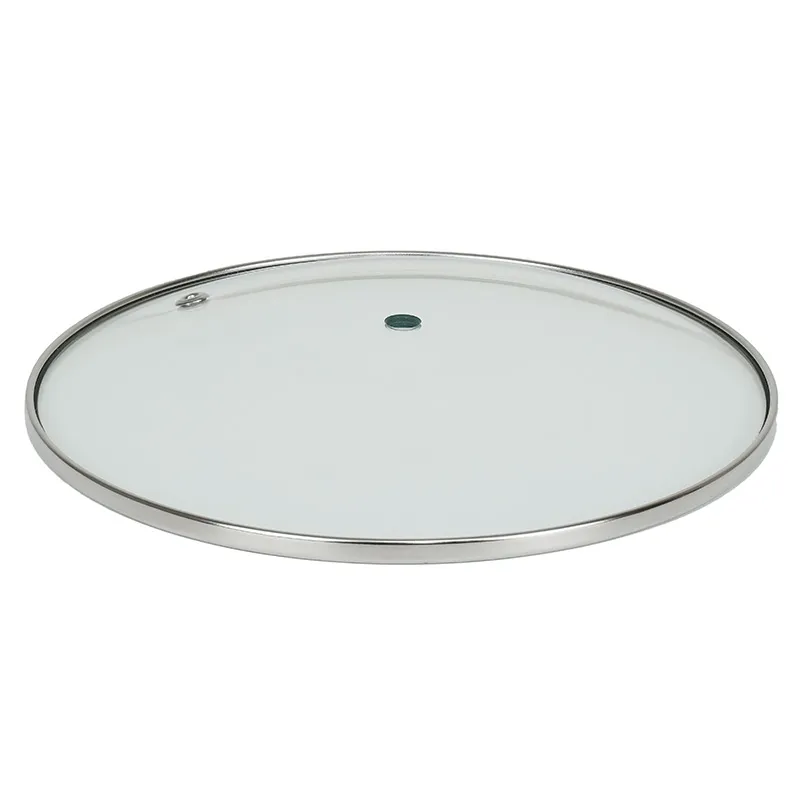
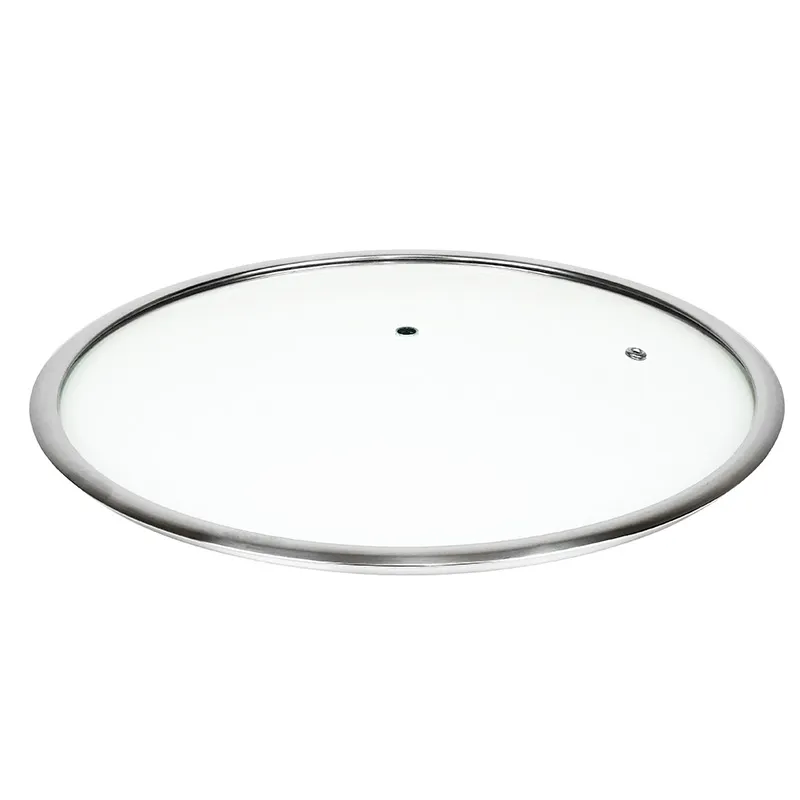
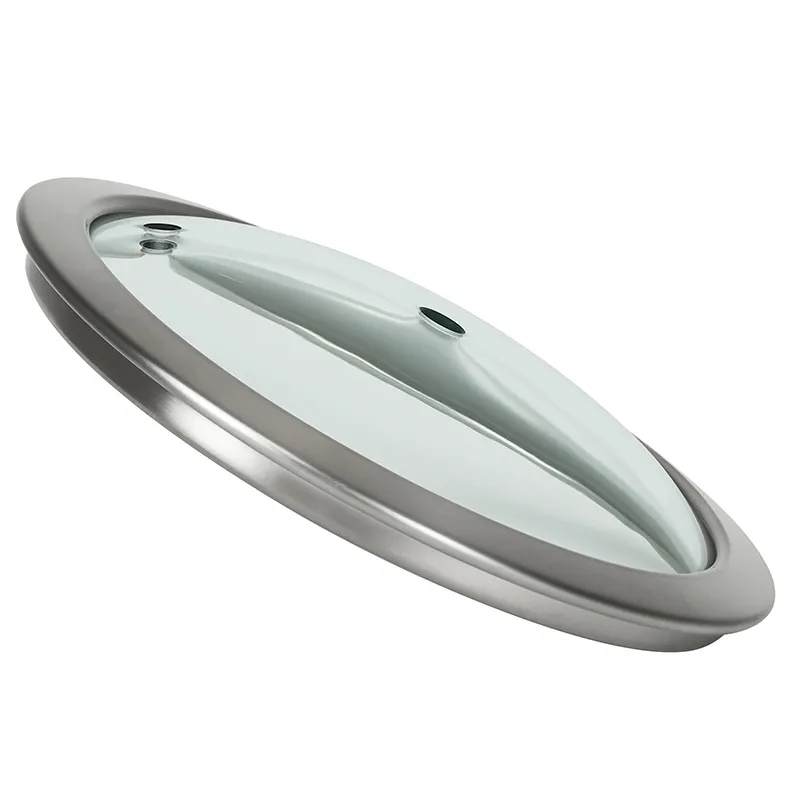
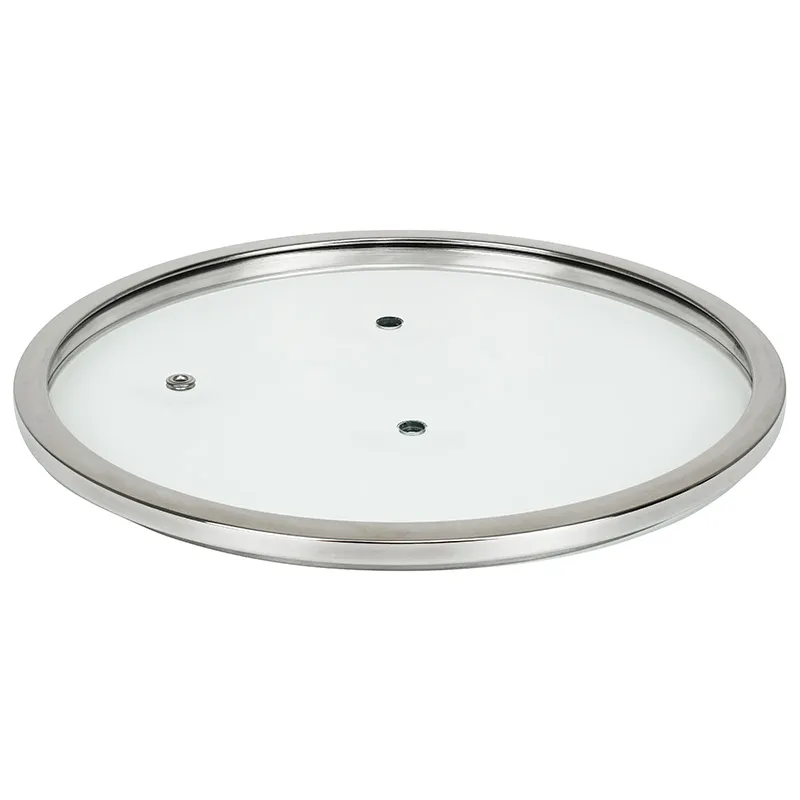
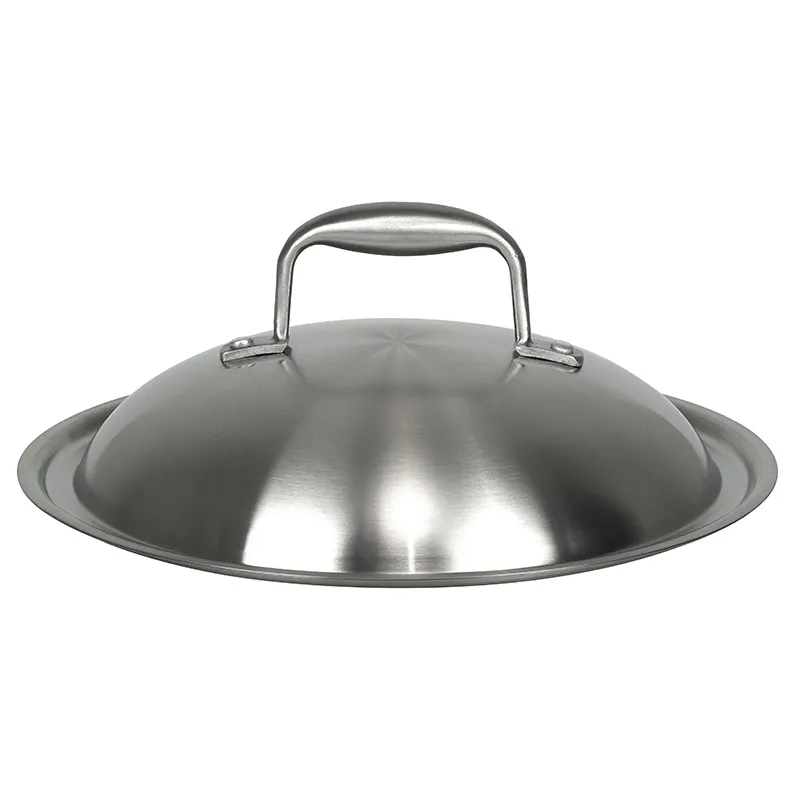
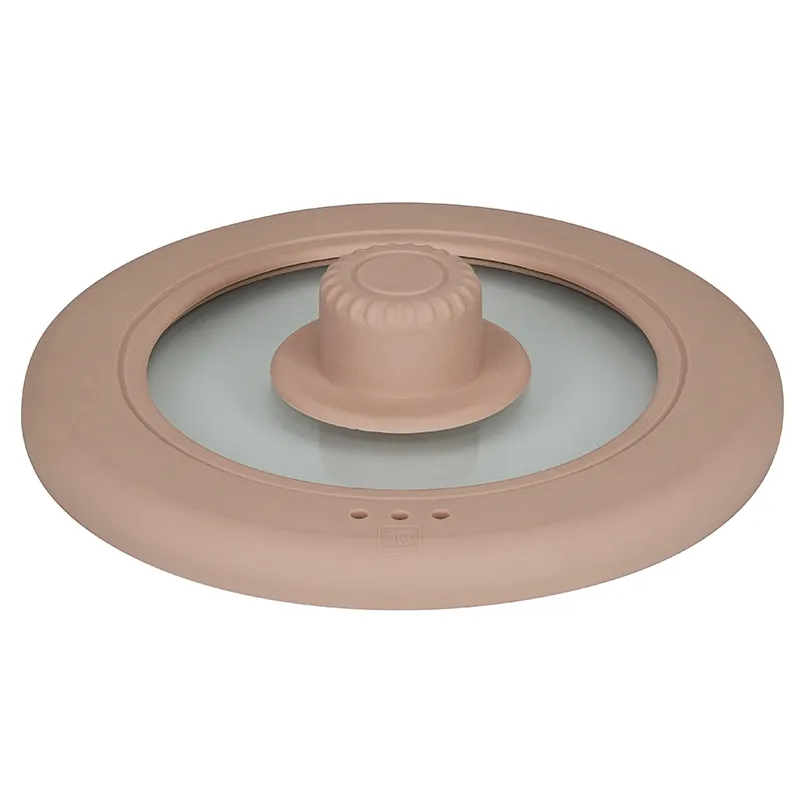
glass cover with knob
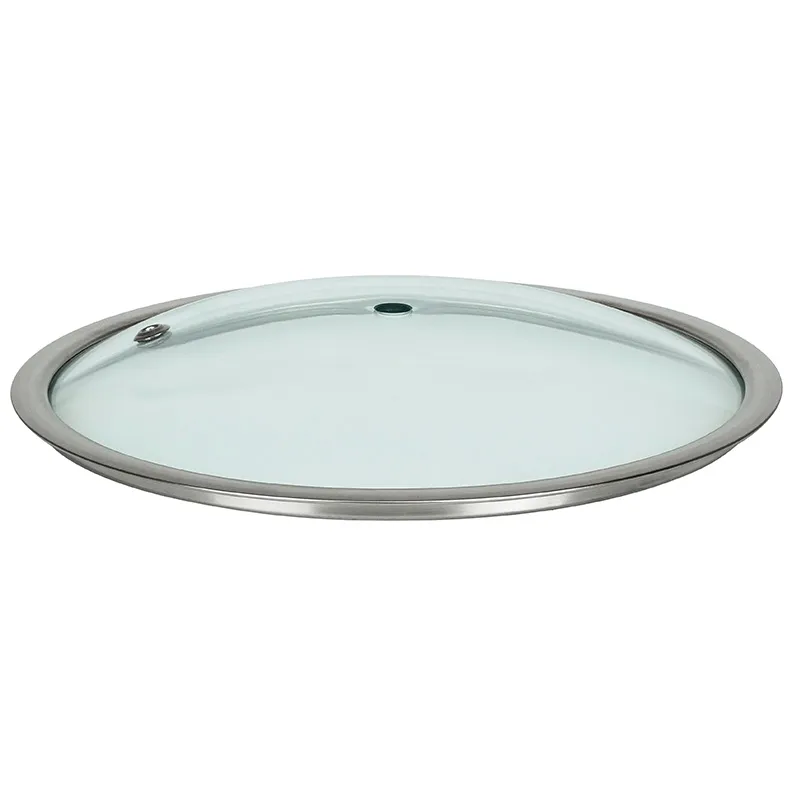
When you hear 'glass cover with knob', most people picture a simple piece of tempered glass with a plastic or metal handle screwed on. That's the common misconception. In reality, that knob is the critical failure point, the piece that separates a decent lid from a product that lasts through years of thermal shock and daily abuse. It's not just a handle; it's the primary user interface and the structural anchor. I've seen too many designs fail because the focus was solely on the glass, treating the knob as an afterthought. The truth is, if the knob assembly isn't engineered for the specific stresses of a cookware environment, you're just selling a potential hazard.
The Anatomy of a Reliable Knob Assembly
Let's break down what actually matters. You have the glass itself, usually 3-4mm tempered. Then you have the knob, which can be phenolic resin (Bakelite), stainless steel, or sometimes silicone-over-plastic. The connection is everything. A through-bolt with a wide, load-distributing metal washer and a locking nut on the interior is the gold standard. The cheap alternative is a self-tapping screw driven directly into a plastic post molded into the knob. That second type? It fails. It always fails. The plastic post cracks after repeated heating cycles, or the screw strips out. I've had clients come back with boxes of returns because of this exact issue. The through-bolt assembly might cost a few cents more, but it's non-negotiable for any serious manufacturer.
Thermal expansion coefficients are the silent killer here. The glass, the metal washer, the nut, and the knob material all expand and contract at different rates. If the assembly isn't designed with enough tolerance and the right material pairings, you get stress fractures in the glass around the mounting hole, or the knob becomes loose and wobbly. I recall a batch for a European client where we used a new, harder phenolic resin. Lab tests were fine, but real-world simmering for hours caused micro-gaps between the washer and the glass, leading to a faint but persistent rattling sound. Customers hated it. We had to revert to a slightly more forgiving composite material.
This is where a producer's experience shows. A company like EUR-ASIA COOKWARE CO.,LTD (you can see their focus at glass-lid.com) has this dialed in because they specialize. Their product line is dedicated to glass lids and kitchen glassware. When your entire output is over 15 million pieces of tempered glass lids annually, you've inevitably seen and solved every possible knob-related failure mode. Their specialization in exporting to markets like Germany and Japan, which have brutal quality standards, means their assembly process is likely built around that robust through-bolt system. It's not something a general glass factory can easily replicate.
Material Choices: Heat, Feel, and Cost
Phenolic resin (Bakelite) is the classic for a reason. It has excellent heat resistance, often rated for continuous use up to 180°C or higher, and it feels solid in the hand. The downside? It can be brittle if dropped on a hard floor. Stainless steel knobs look premium and are virtually indestructible, but they get extremely hot. You always need to pair them with a warning or a silicone sleeve, which adds complexity. Silicone-over-plastic is the modern favorite for mid-range products—it stays cool to the touch and is grippy. However, the bond between the silicone and the plastic core can degrade over time with aggressive dishwasher detergents.
The choice isn't just technical; it's about market positioning. For a high-end line destined for Western Europe, a matte-finished phenolic knob or a brushed stainless steel one conveys quality. For a high-volume, cost-sensitive market, a simple, brightly colored plastic knob might be the target. The mistake is trying to make one knob fit all markets. We tried that once with a universal design. It ended up being too expensive for the budget segment and not premium enough for the high-end segment. A lesson learned.
Looking at EUR-ASIA COOKWARE's scope—producing low, medium, and high-level household glass products—they have to master this entire spectrum. They need the supply chains and molds for all these knob types. That's a significant operational advantage. A buyer looking for a glass cover with knob for a premium cookware set would be directed to one material spec, while a buyer for a supermarket private label gets a completely different, value-engineered option, all from the same specialized facility.
The Manufacturing Pitfall: Tempering and the Hole
Here's a detail most people outside the industry never consider: the mounting hole in the glass. It must be drilled and edges polished before the glass is tempered. Once tempered, you cannot touch it without causing a total shatter. This means the hole's placement, size, and edge finish are locked in before the glass gets its strength. If the hole is even slightly off-center or the edges are chipped, the stress distribution during tempering is uneven. This might not cause an immediate failure, but it creates a weak point that could give way during a sudden temperature change.
I've visited lines where the drilling/polishing station was too far from the tempering furnace, leading to handling damage to the holes between processes. The result was a higher-than-acceptable defect rate that wasn't caught until final assembly when the knob was attached. The fix was re-engineering the production flow to have drilling and polishing as the final step right before the glass enters the furnace. This level of process optimization is what you get from a dedicated producer. Their 20,000㎡ plant and focus on this single product category suggest their line is set up with these precise considerations in mind to hit an output of 15 million pieces.
Fit and Function: It's About the Pot, Too
A glass cover with knob doesn't exist in a vacuum. Its diameter, the depth of the skirt (the vertical side), and the radius of the curvature must match a specific cookware line. A lid for a sauté pan has a very shallow skirt. A lid for a stockpot is deeper. The knob's height and profile also matter. A tall, ornate knob might look great on a casserole dish but will prevent stacking pots in a cupboard. For commercial kitchens, a low-profile knob is essential for stackability.
We once developed a beautiful lid for a high-end saucepan line, but the knob, while thermally perfect, was about 2mm too tall. It prevented the customer's preferred storage system from working. The entire batch, perfectly functional, was rejected over 2mm. It was a brutal lesson in the fact that a lid is a component, not a standalone product. Its entire design is dictated by the pot it sits on and the user's kitchen ecosystem. This is why manufacturers who work closely with cookware brands, as an export-focused company like EUR-ASIA likely does, develop a deep library of specs and molds to accommodate various client needs.
The Export Reality: Standards and Sensibilities
Selling a glass lid to Brazil is not the same as selling one to Germany. Beyond the obvious electrical safety standards (like LFGB in Germany), there are subtle differences. European consumers might prefer a clearer, more transparent glass with minimal green tint. Some markets prefer a pronounced, easy-grip knob, while others want something minimalist. Packaging requirements differ wildly. A 90% export rate, as stated by EUR-ASIA COOKWARE to markets across Europe, Asia, and South America, means they have to navigate this maze daily. It's not just about making a good lid; it's about documenting material certifications, ensuring packaging withstands long sea voyages, and understanding that a knob color that sells well in Turkey might sit on shelves in Japan.
This global experience filters back into the product itself. It forces a manufacturer to build incredible flexibility and rigorous quality documentation into their process. When a client from Poland asks for a lid that complies with a specific EU directive, a specialized factory can pull the records and confirm the exact batch of phenolic resin used meets the requirement. A general manufacturer might struggle with that traceability.
So, when you evaluate a glass cover with knob, you're not just looking at a piece of glass. You're looking at the endpoint of a complex manufacturing and design process that balances material science, mechanical engineering, user ergonomics, and international market logistics. The knob is your first clue. Pick it up. Feel its solidity. Check how it's attached. That will tell you more about the quality of the lid than the glass itself ever could. And that’s the real takeaway from years in this trade.
Related Products
Related Products