- Chinese
- French
- German
- Portuguese
- Spanish
- Russian
- Japanese
- Korean
- Arabic
- Irish
- Greek
- Turkish
- Italian
- Danish
- Romanian
- Indonesian
- Czech
- Afrikaans
- Swedish
- Polish
- Basque
- Catalan
- Esperanto
- Hindi
- Lao
- Albanian
- Amharic
- Armenian
- Azerbaijani
- Belarusian
- Bengali
- Bosnian
- Bulgarian
- Cebuano
- Chichewa
- Corsican
- Croatian
- Dutch
- Estonian
- Filipino
- Finnish
- Frisian
- Galician
- Georgian
- Gujarati
- Haitian
- Hausa
- Hawaiian
- Hebrew
- Hmong
- Hungarian
- Icelandic
- Igbo
- Javanese
- Kannada
- Kazakh
- Khmer
- Kurdish
- Kyrgyz
- Latin
- Latvian
- Lithuanian
- Luxembou..
- Macedonian
- Malagasy
- Malay
- Malayalam
- Maltese
- Maori
- Marathi
- Mongolian
- Burmese
- Nepali
- Norwegian
- Pashto
- Persian
- Punjabi
- Serbian
- Sesotho
- Sinhala
- Slovak
- Slovenian
- Somali
- Samoan
- Scots Gaelic
- Shona
- Sindhi
- Sundanese
- Swahili
- Tajik
- Tamil
- Telugu
- Thai
- Ukrainian
- Urdu
- Uzbek
- Vietnamese
- Welsh
- Xhosa
- Yiddish
- Yoruba
- Zulu
- Kinyarwanda
- Tatar
- Oriya
- Turkmen
- Uyghur

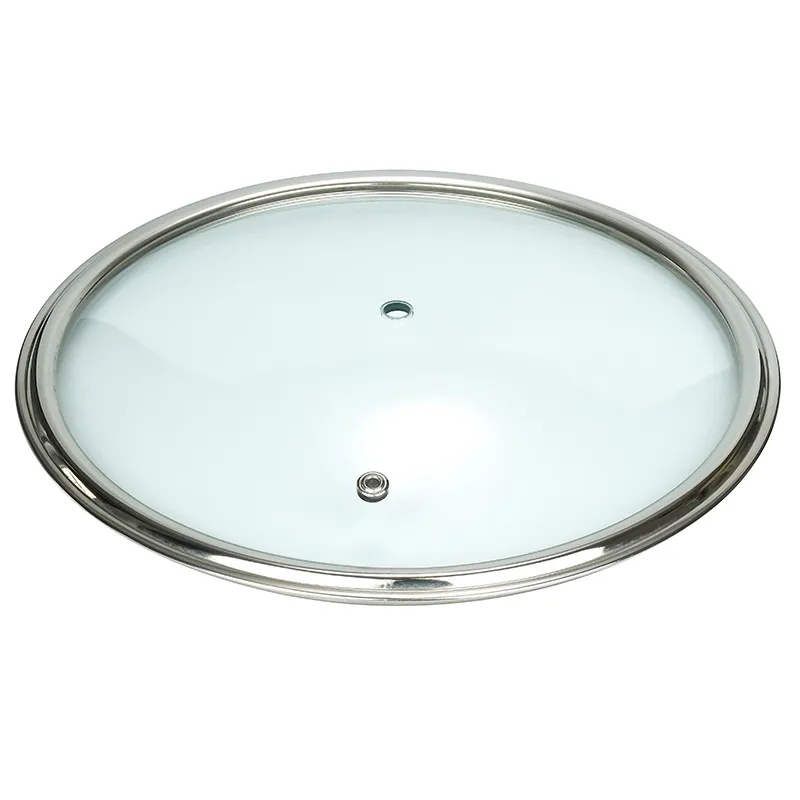
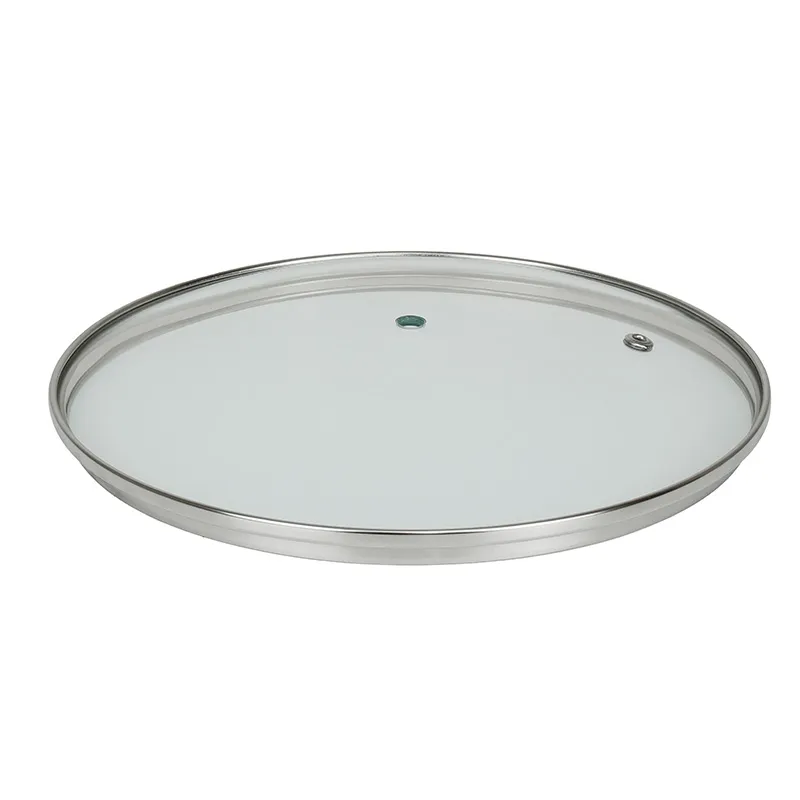
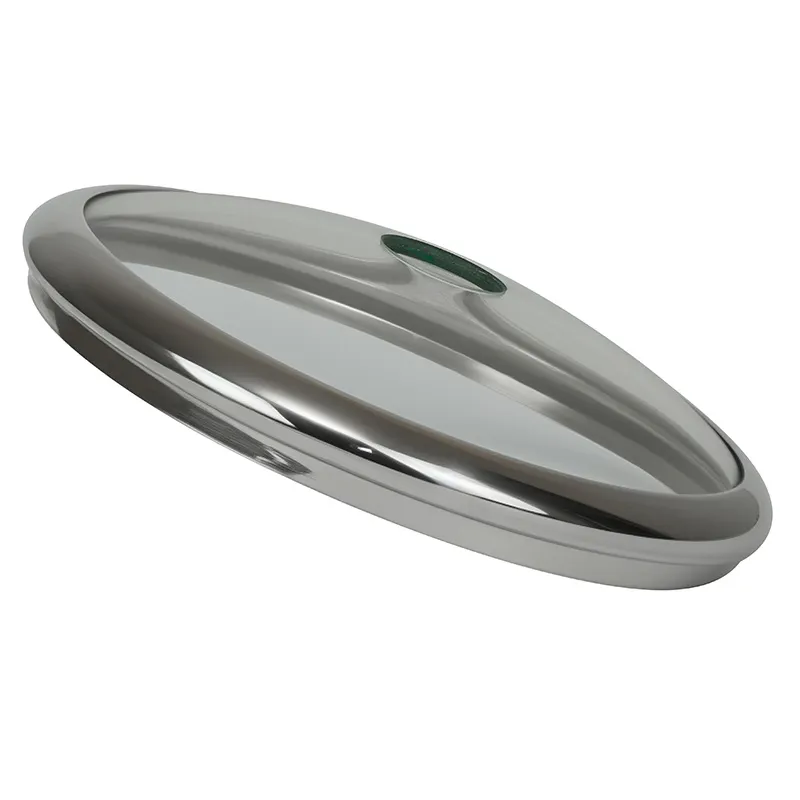
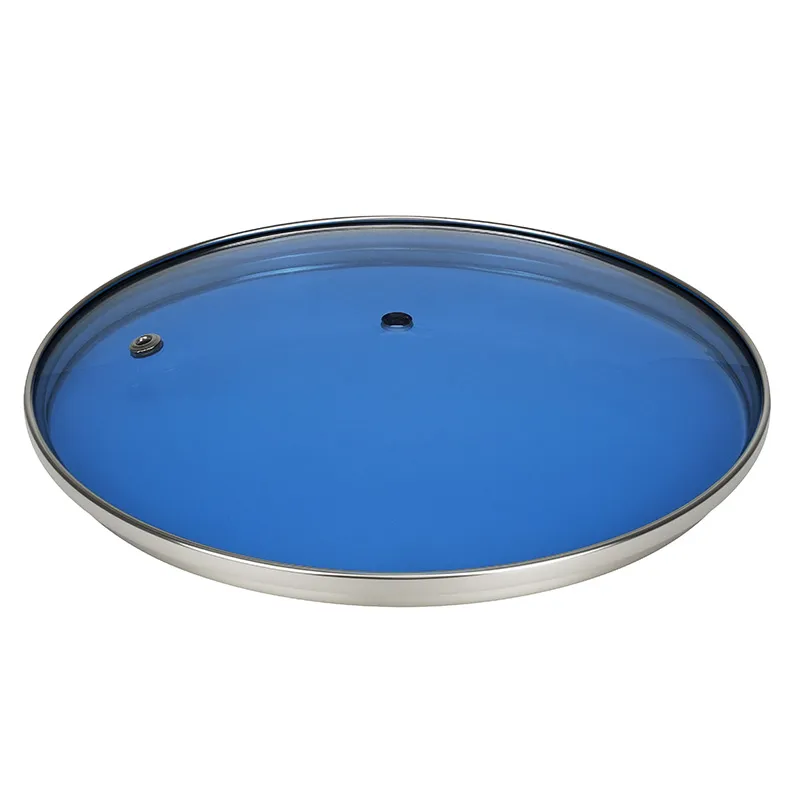
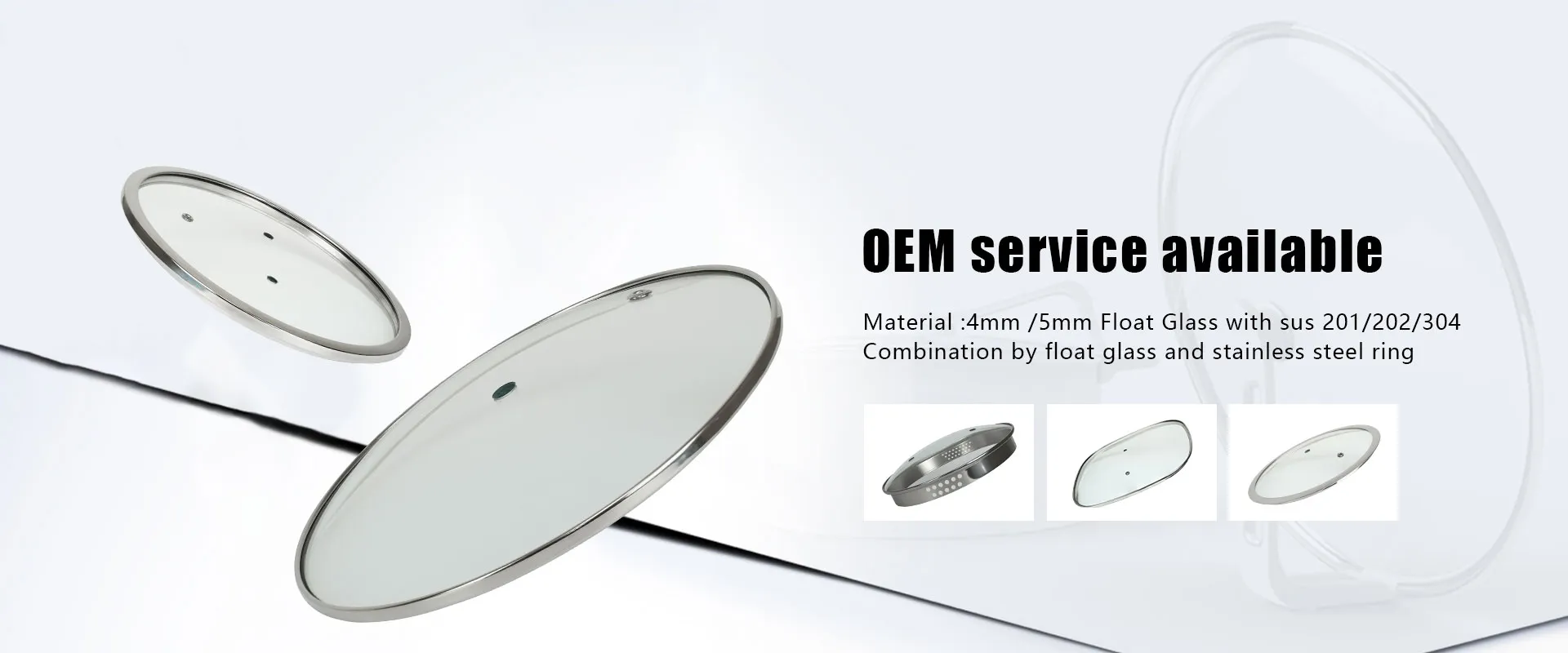
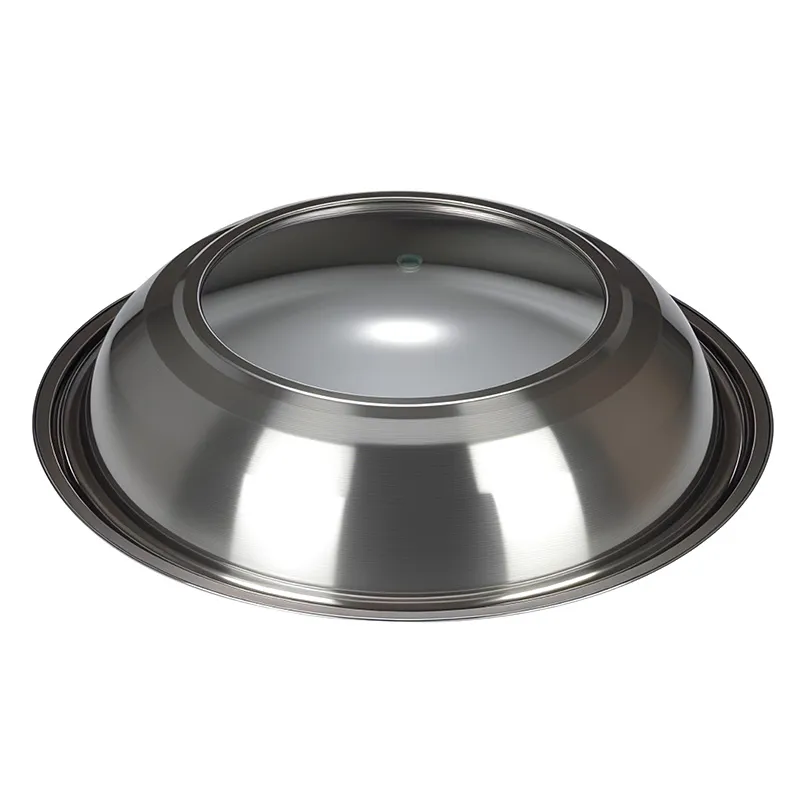
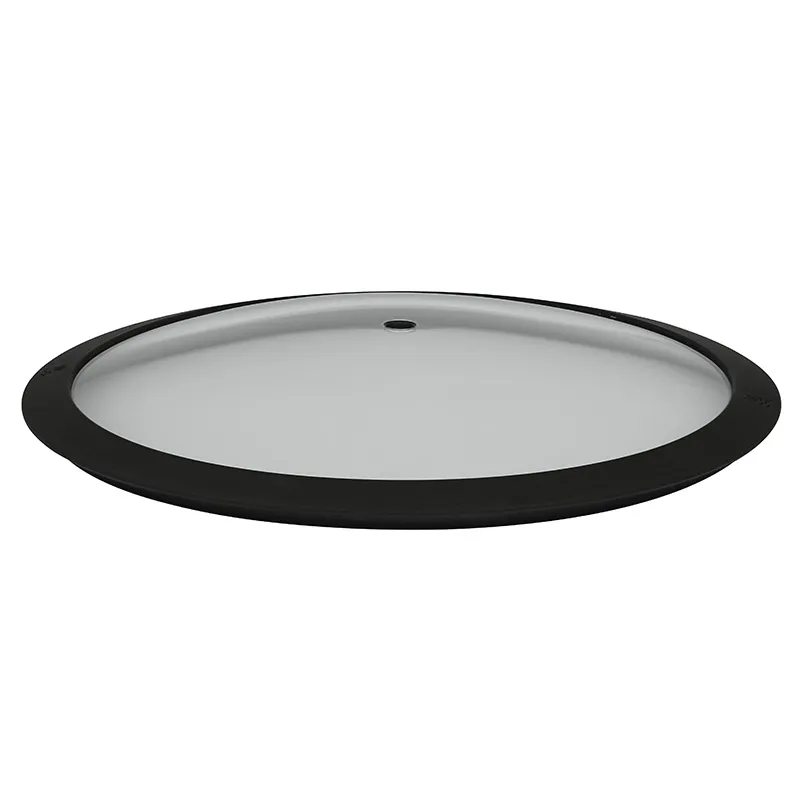
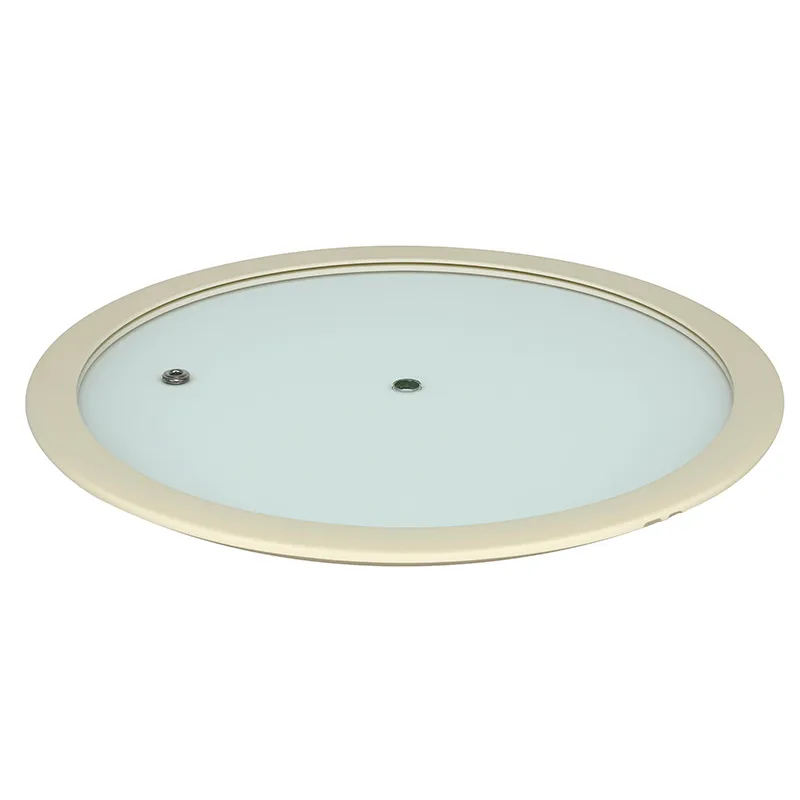
glass dome lid
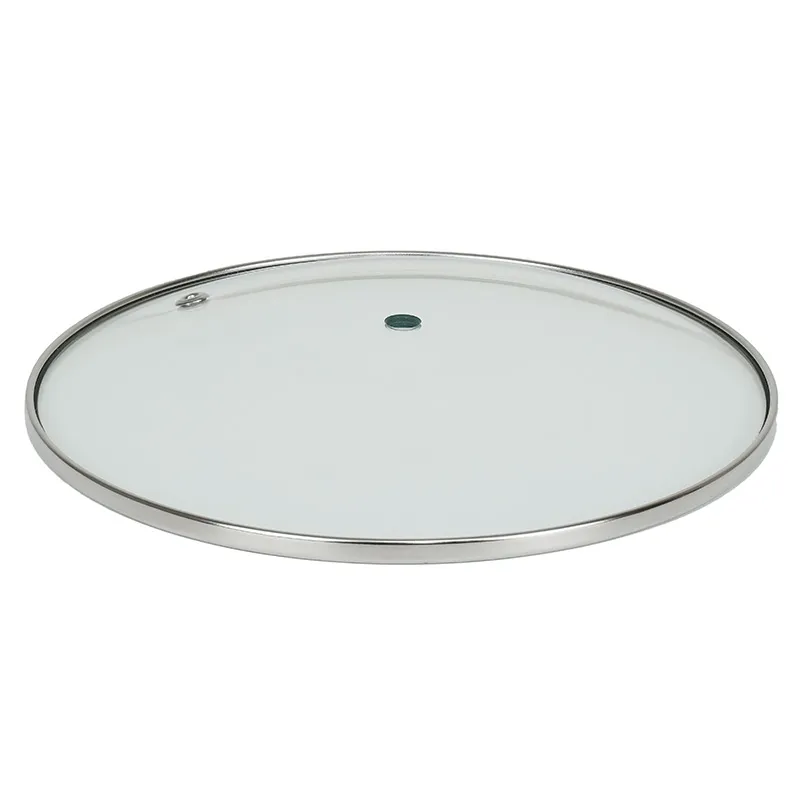
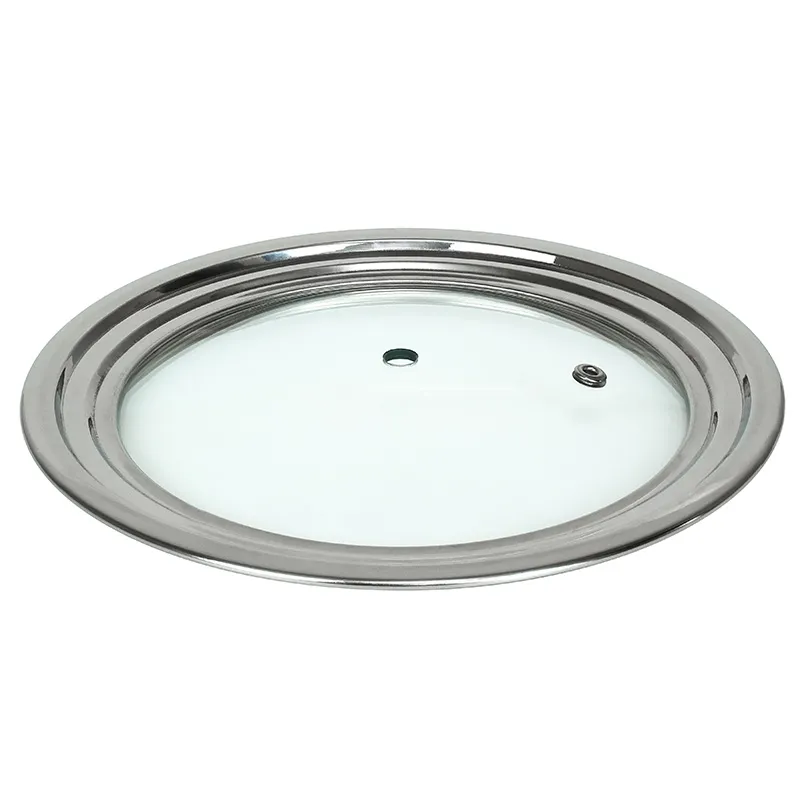
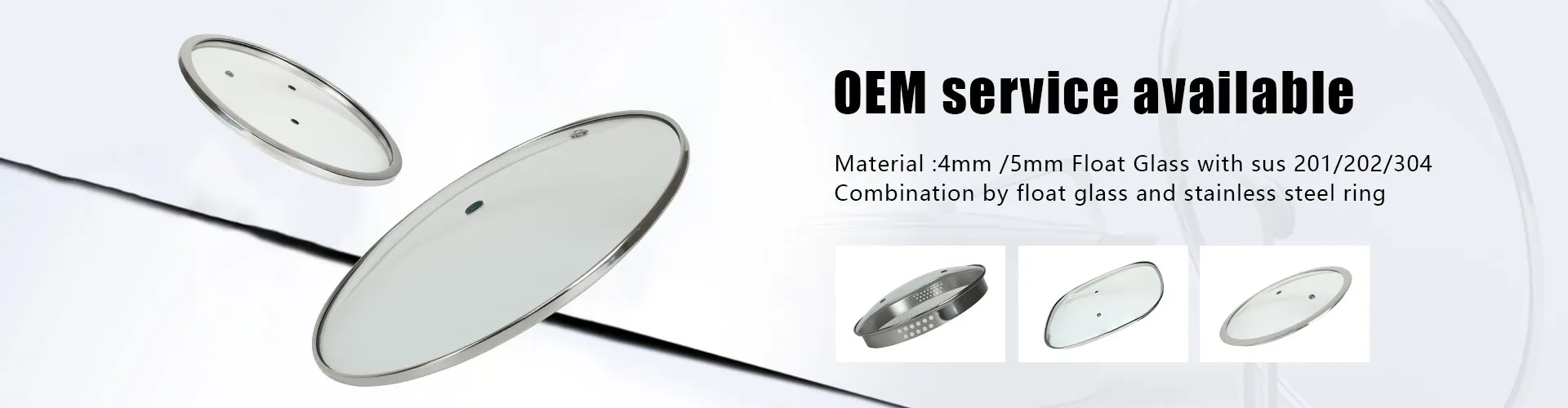
When most people hear 'glass dome lid', they picture a simple, clear cover for a pot. That's the surface-level view, and frankly, where a lot of the industry's generic marketing stops. But if you've been sourcing, specifying, or even just consistently using these in a commercial or high-end domestic setting, you know the reality is a web of material science, thermal dynamics, and frankly, a lot of trial and error. It's not just a piece of glass; it's a component that dictates cooking behavior, safety, and product longevity. The common mistake? Treating it as a commodity item. The reality? The gap between a good lid and a problematic one is often in details most spec sheets don't even mention.
The Core Misconception: Tempered Equals Unbreakable
Let's start with the biggest pitfall. The term 'tempered glass' gets thrown around like a universal guarantee. Clients, even some buyers, assume it means the lid can survive a drop onto a tile floor. That's a dangerous assumption. Tempering increases tensile strength, yes, making it more resistant to thermal shock and impact compared to annealed glass. But the process introduces inherent stress points, particularly at the edges and around any drilled holes for knobs or vents. I've seen lids from a batch shatter from what seemed like a minor tap against a faucet—not from the dome, but from the rim. The quality of the tempering cycle, the evenness of the heating and quenching, is everything. A supplier cutting corners here creates a product that's a liability.
This is where the operational history of a manufacturer matters. A company like EUR-ASIA COOKWARE CO.,LTD, with a stated annual output in the tens of millions, has the volume that suggests a mature, stabilized production line. That volume, if managed correctly, forces a degree of process consistency. Their specialization in tempered glass lids specifically, rather than glass products in general, is a relevant signal. It hints at dedicated tooling and expertise for this particular form factor, which is more complex than a flat glass tray.
The failure I recall wasn't with their product, but with a different vendor. We specified a 26cm glass dome lid for a braiser line. The first production samples were fine. The first bulk order? We had a 12% breakage rate in transit, almost exclusively from rim chips propagating into full fractures. The root cause was inconsistent edge grinding post-tempering, creating micro-fractures that vibration exploited. It was a failure in a secondary process, not the primary tempering. It taught me to ask not just is it tempered? but how are the edges finished after tempering?
The Knob & Vent Dilemma: More Than an Afterthought
This is a detail that gets minimal attention but causes maximum headaches. The attachment point for the knob is the single greatest point of mechanical failure. The industry standard is a metal bolt threaded into a drilled and tapped hole in the glass, secured with an adhesive. The thermal expansion coefficients of stainless steel and glass are different. During rapid heating or cooling, that joint is under stress. A poor adhesive bond, or an imprecisely drilled hole that concentrates stress, leads to knobs detaching—or worse, causing the glass to crack radially from the hole.
I've moved towards preferring lids where the knob is bonded to a wider metal plate or collar that distributes the stress over a larger area, rather than a single bolt point. Some European designs even use a full stainless steel band around the rim that incorporates the knob. It's more expensive, but it solves the problem elegantly. When reviewing a supplier's catalog, like the one you'd find at glass-lid.com, I don't just look at the shapes; I zoom in on the knob assembly. Is it a simple bolt? Is there a visible washer or plate? It tells me about their design philosophy.
Vents are another subtlety. A single small hole can create a whistle at a certain steam pressure. Multiple smaller holes or a notched design is often better for controlled steam release without the noise. It's a small user experience detail that separates a thoughtful design from a basic one.
Optical Clarity vs. Thermal Resilience: The Trade-Off
Everyone wants crystal clarity. But the additives and processes that achieve ultra-low iron content (making the glass appear water white instead of greenish) can sometimes, in my observation, subtly affect the thermal properties. It's not a hard rule, but a trend I've noted. The most optically perfect glass might be slightly more finicky in extreme, dry-heat scenarios, like under a broiler or on a high-BTU gas burner. A faint green tinge often indicates the presence of iron oxide, which can actually contribute to thermal stability.
The key is matching the lid to the application. For a slow-cooker or a stockpot where visual monitoring is key and heat is gentle and moist, prioritize clarity. For a sauté pan or a Dutch oven that will see high, direct heat, prioritize the resilience specs. A manufacturer exporting to markets like Germany and Japan, as EUR-ASIA COOKWARE CO.,LTD does, is likely dealing with clients who have stringent, market-specific standards for both optics and safety, forcing them to master a range of glass formulas.
I once insisted on the clearest possible glass for a high-end saucepan line. Aesthetic won. But in field testing, chefs using induction cooktops (which can create very localized, intense heat) reported a higher-than-expected incidence of thermal breakage when the lid was cold and placed directly onto a boiling pot. The lesson was that our perfect glass was optimized for the wrong primary stressor.
The Fit: Where Theory Meets Warped Reality
Specifying a diameter is just the beginning. A 24cm lid doesn't just sit on a 24cm pot. It sits on a rim that has a width, an angle, and a surface finish. The real-world tolerance stack-up between pot and lid is maddening. A lid that fits perfectly on one batch of pots might be too tight or too loose on another, due to minute variations in the metal stamping or enamel application on the pot's rim.
The dome height is critical here. A shallow dome might look sleek, but it offers less headroom for boiling contents and can lead to more frequent boil-overs. A taller dome provides space but can make the overall cookware piece awkward to store. The ideal is a parabolic curve that maximizes interior volume while keeping the external profile relatively low. It's a geometry problem. Good manufacturers provide not just diameter, but also dome height and a recommended rim-fit diagram.
Our most successful collaboration was when we provided the pot manufacturer's exact rim gauge (a physical sample) to the glass lid supplier for them to match. It added a step, but eliminated fit issues. A supplier with a large production base and experience in OEM work is set up for this kind of precise matching.
Logistics: The Silent Killer of Glass
You can have a perfectly engineered, beautifully tempered lid. If it's packed poorly, it's scrap. The dome shape is both a strength and a vulnerability. It distributes downward pressure well, but is susceptible to point impacts on its curve and, as mentioned, its edges. The packing material must not just cushion, but must also prevent lids from shifting and contacting each other. I've seen more damage from nesting lids in transit than from any drop test.
High-volume exporters necessarily become experts in this. Shipping millions of lids annually to diverse markets means developing packaging that survives long sea freight voyages and varied handling conditions. It's a cost center, but a critical one. A broken lid in a retail box means a total loss of that unit and a customer complaint. The economics of the business, at the scale of a company with 15,000㎡ of building area, depend on getting this right consistently.
In the end, a glass dome lid is a deceptively simple product. Its success lies in a chain of correct decisions: the right glass formula, a flawless tempering and finishing process, a well-engineered attachment method, a shape that fits both form and function, and packaging that delivers it intact. It's a component where the end-user should never have to think about it. And that's the mark of a good one—it just works, silently enabling the cooking process. The professional's job is to think about all the things that could go wrong, so the user doesn't have to.
Related Products
Related Products