- Chinese
- French
- German
- Portuguese
- Spanish
- Russian
- Japanese
- Korean
- Arabic
- Irish
- Greek
- Turkish
- Italian
- Danish
- Romanian
- Indonesian
- Czech
- Afrikaans
- Swedish
- Polish
- Basque
- Catalan
- Esperanto
- Hindi
- Lao
- Albanian
- Amharic
- Armenian
- Azerbaijani
- Belarusian
- Bengali
- Bosnian
- Bulgarian
- Cebuano
- Chichewa
- Corsican
- Croatian
- Dutch
- Estonian
- Filipino
- Finnish
- Frisian
- Galician
- Georgian
- Gujarati
- Haitian
- Hausa
- Hawaiian
- Hebrew
- Hmong
- Hungarian
- Icelandic
- Igbo
- Javanese
- Kannada
- Kazakh
- Khmer
- Kurdish
- Kyrgyz
- Latin
- Latvian
- Lithuanian
- Luxembou..
- Macedonian
- Malagasy
- Malay
- Malayalam
- Maltese
- Maori
- Marathi
- Mongolian
- Burmese
- Nepali
- Norwegian
- Pashto
- Persian
- Punjabi
- Serbian
- Sesotho
- Sinhala
- Slovak
- Slovenian
- Somali
- Samoan
- Scots Gaelic
- Shona
- Sindhi
- Sundanese
- Swahili
- Tajik
- Tamil
- Telugu
- Thai
- Ukrainian
- Urdu
- Uzbek
- Vietnamese
- Welsh
- Xhosa
- Yiddish
- Yoruba
- Zulu
- Kinyarwanda
- Tatar
- Oriya
- Turkmen
- Uyghur


glass jar cork ball lid
When you hear 'glass jar cork ball lid', the mind often jumps to a quaint, rustic image—a mason jar with a wire bail and a rubber-gasketed glass lid, maybe with a cork disc slapped on top for good measure. That's the common trap. In the actual trade, especially dealing with suppliers and manufacturers, this combination speaks to a specific, often misunderstood, category of closures. It's not just about aesthetics; it's about creating a reliable, multi-layered seal for contents that demand it, like high-end preserves, specialty oils, or dry goods where a perfect barrier is non-negotiable. Many buyers think it's an either/or situation: a cork stopper or a glass lid. The real challenge, and where the expertise comes in, is integrating them effectively.
The Anatomy of a Hybrid Seal
Let's break it down. The core is the glass jar itself. The rim finish is critical. For a system involving a ball lid (the kind with the integrated rubber ring and the metal wire bail that snaps over the jar's lip), the glass rim must be fire-polished to a flawless smoothness. Any micro-imperfections will compromise the primary seal of the rubber against the glass. I've seen batches where the supplier skimped on the polishing, leading to a failure rate of nearly 15% in vacuum seal tests. The jar becomes a liability before you even add the cork.
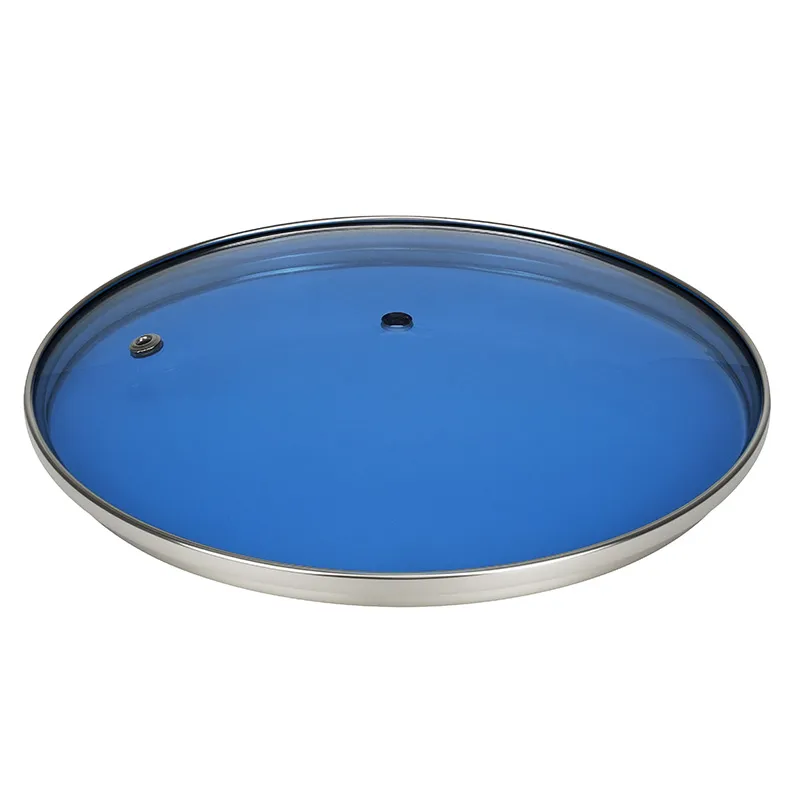
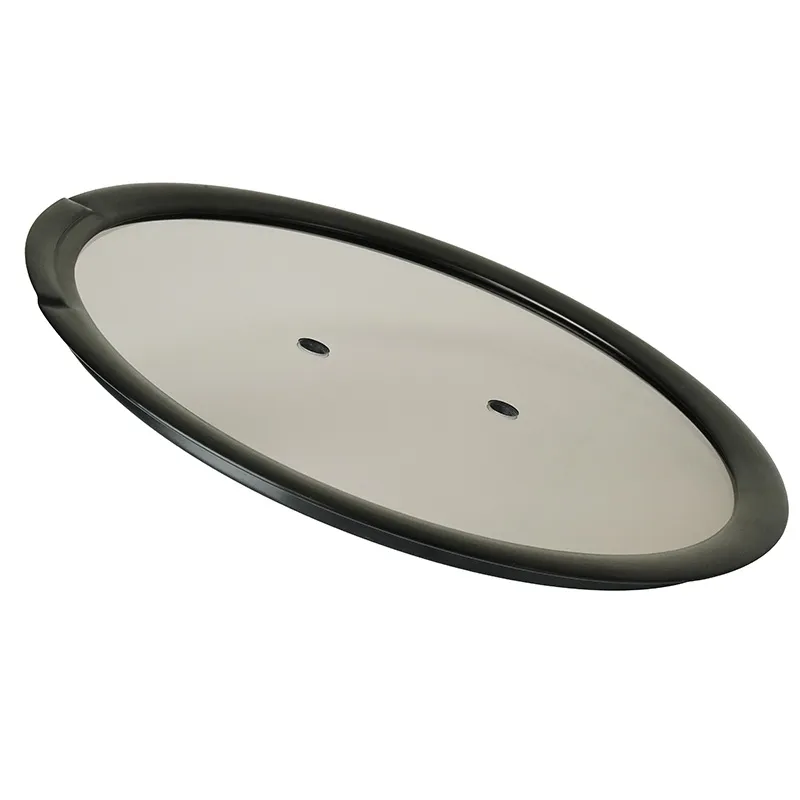
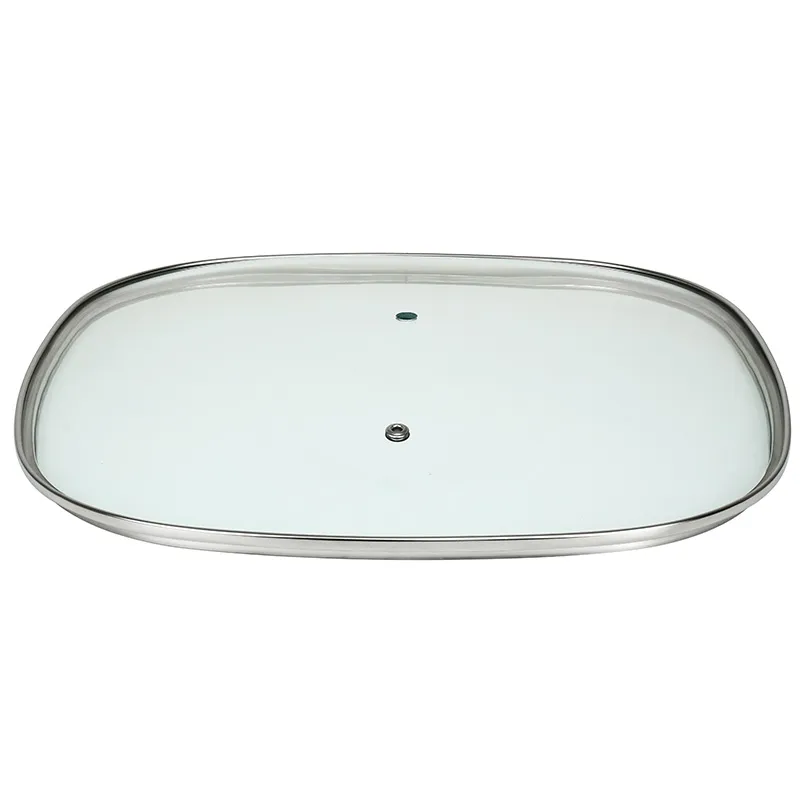
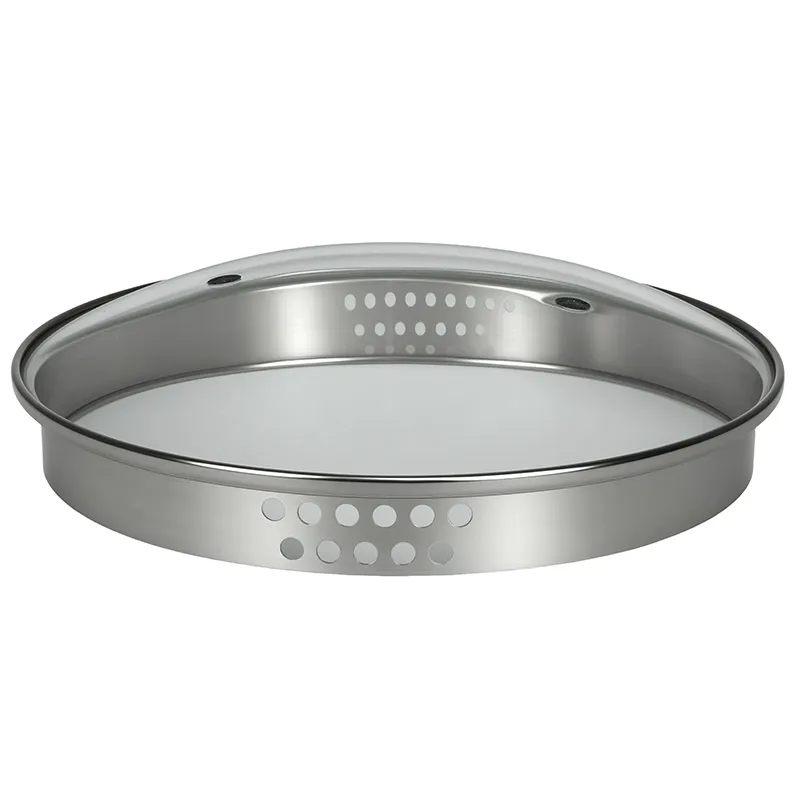
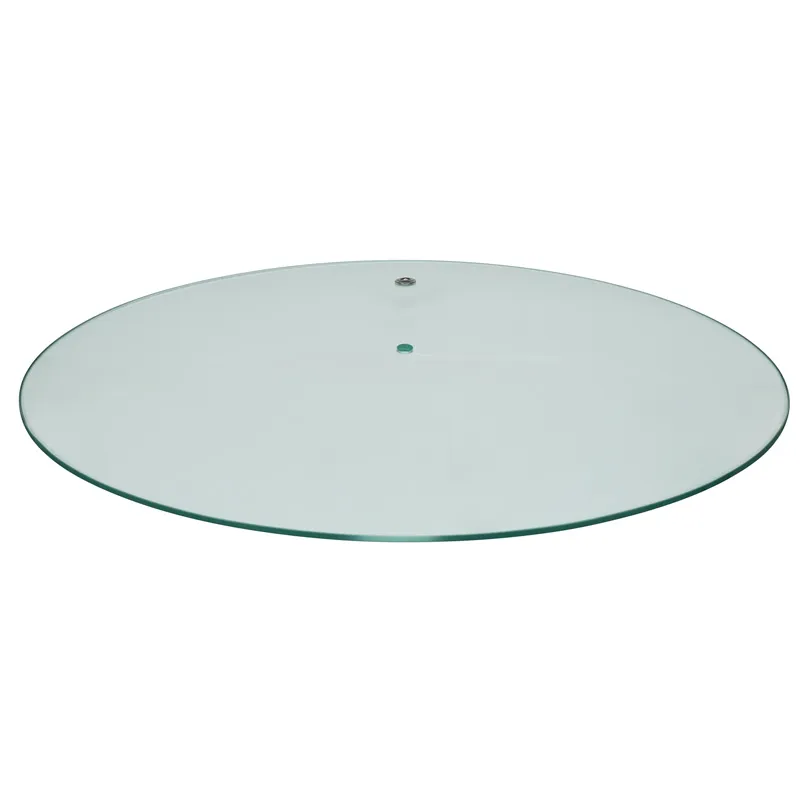
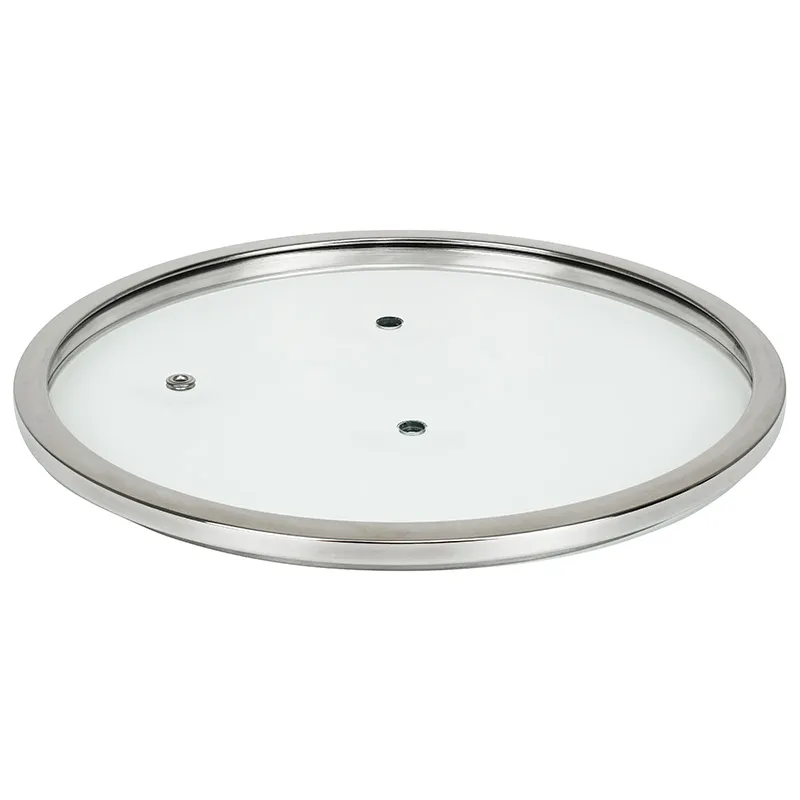
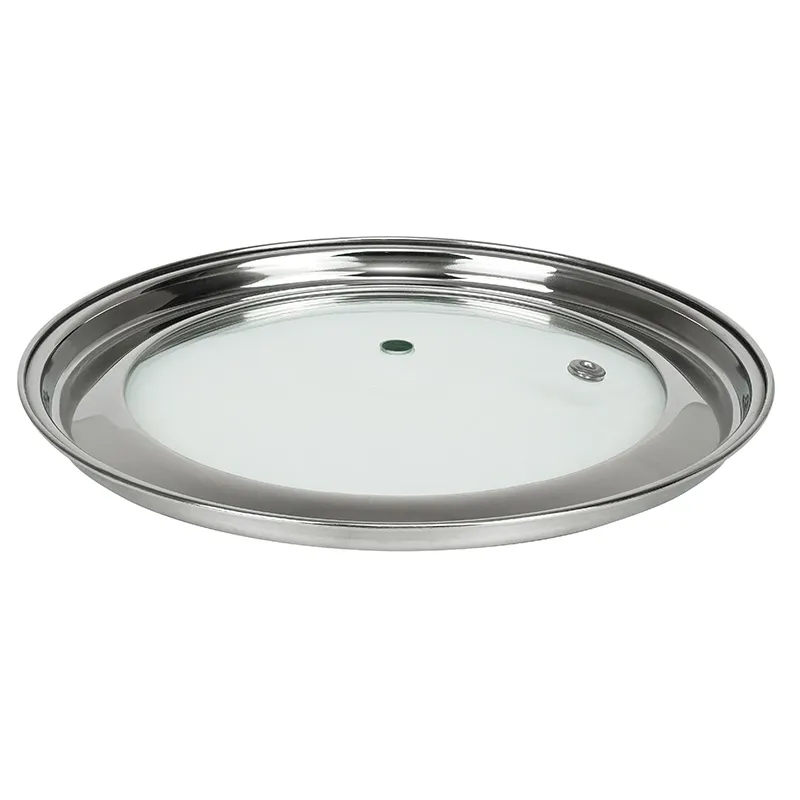
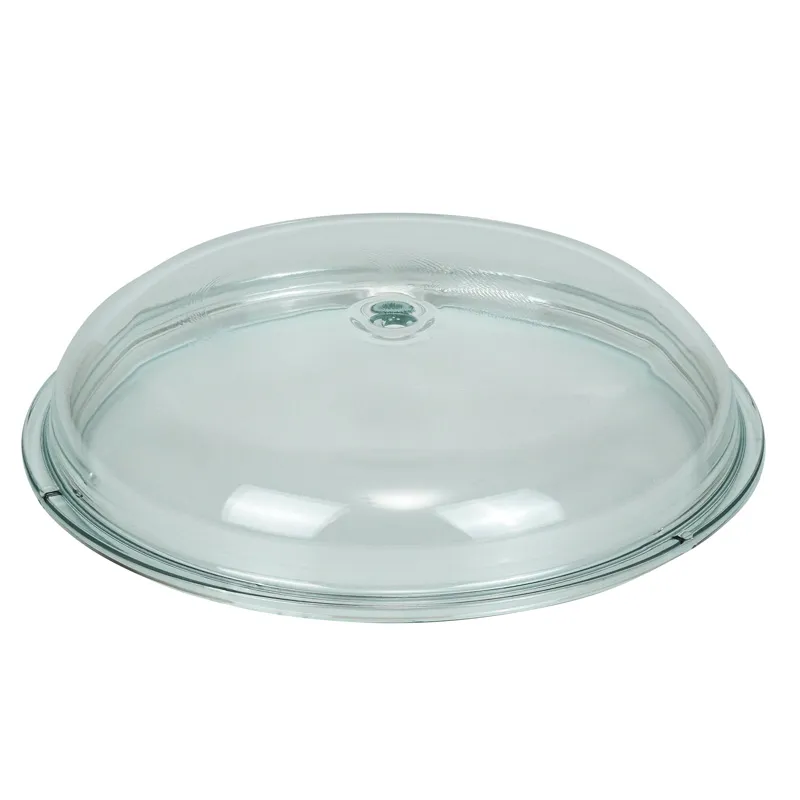
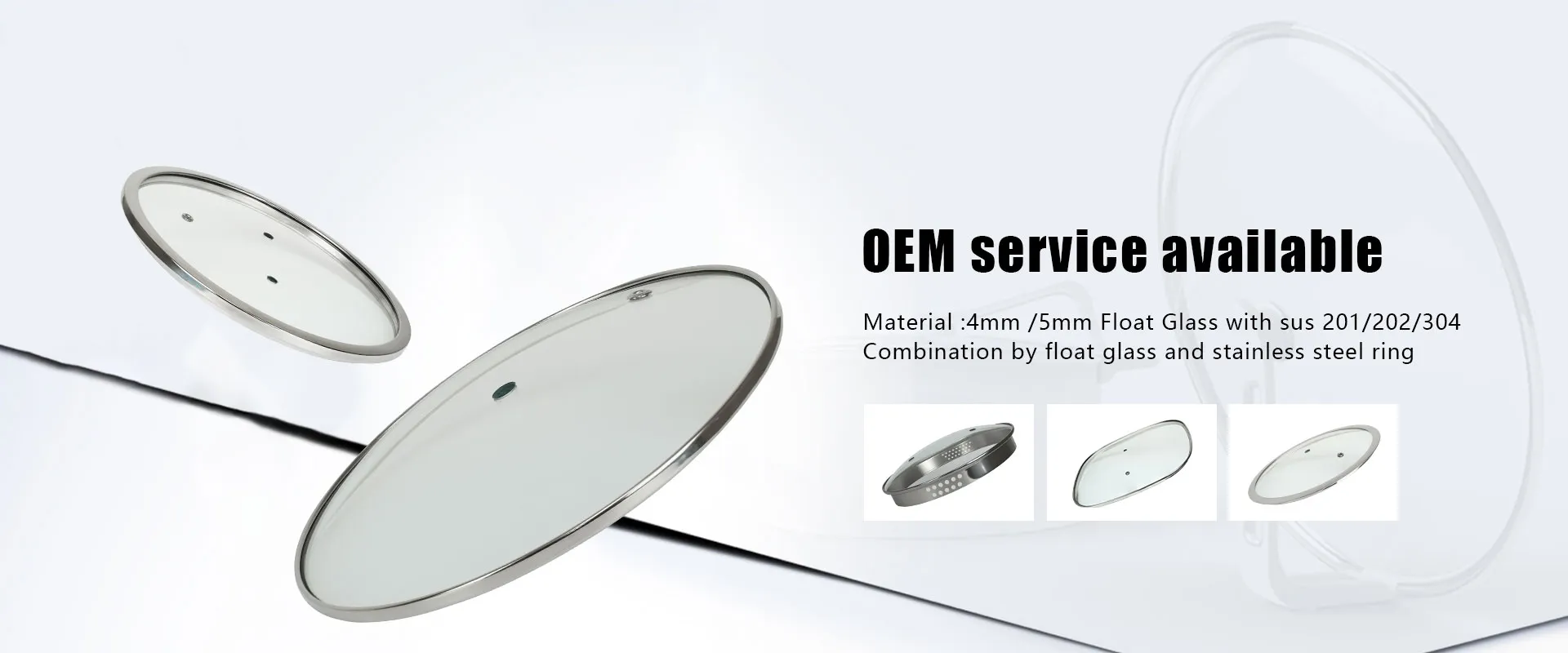
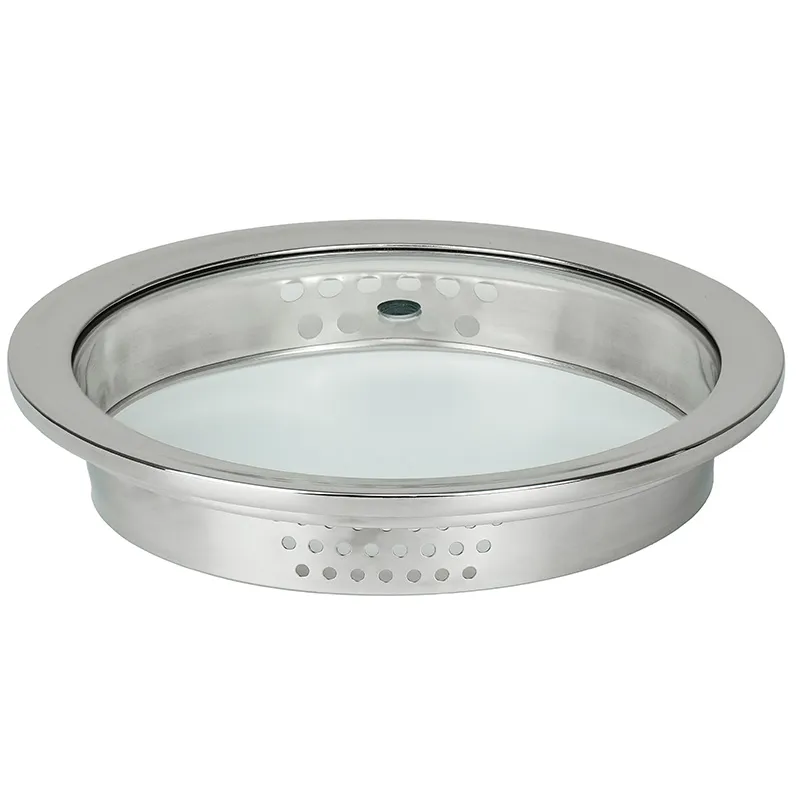
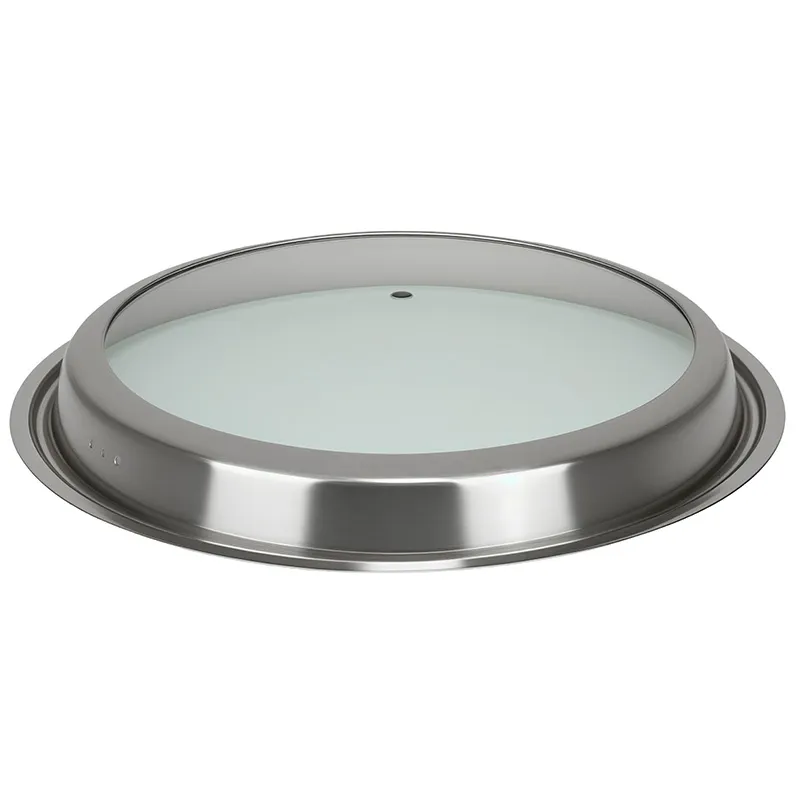
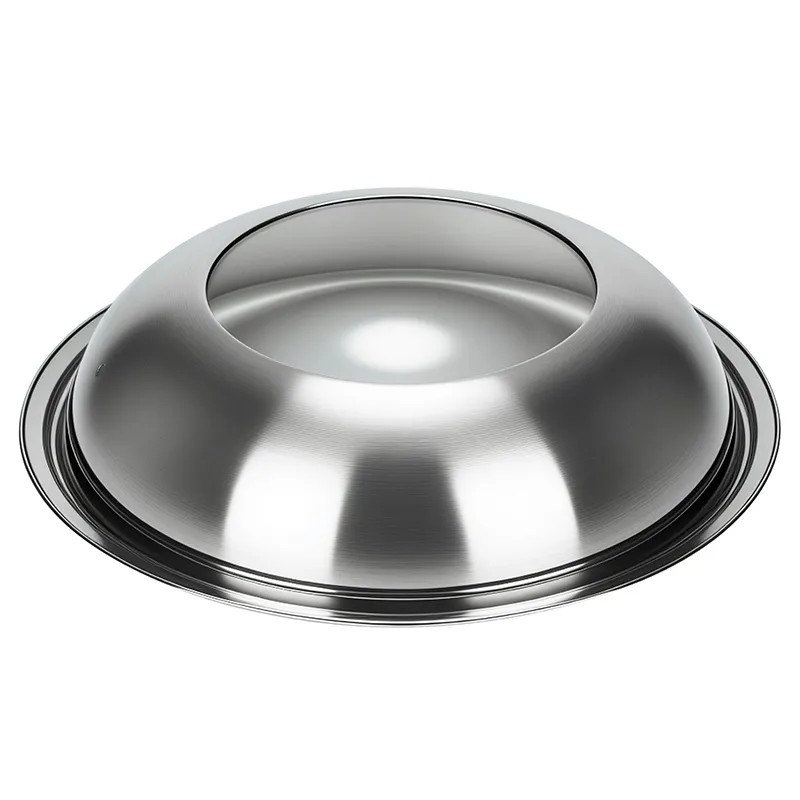
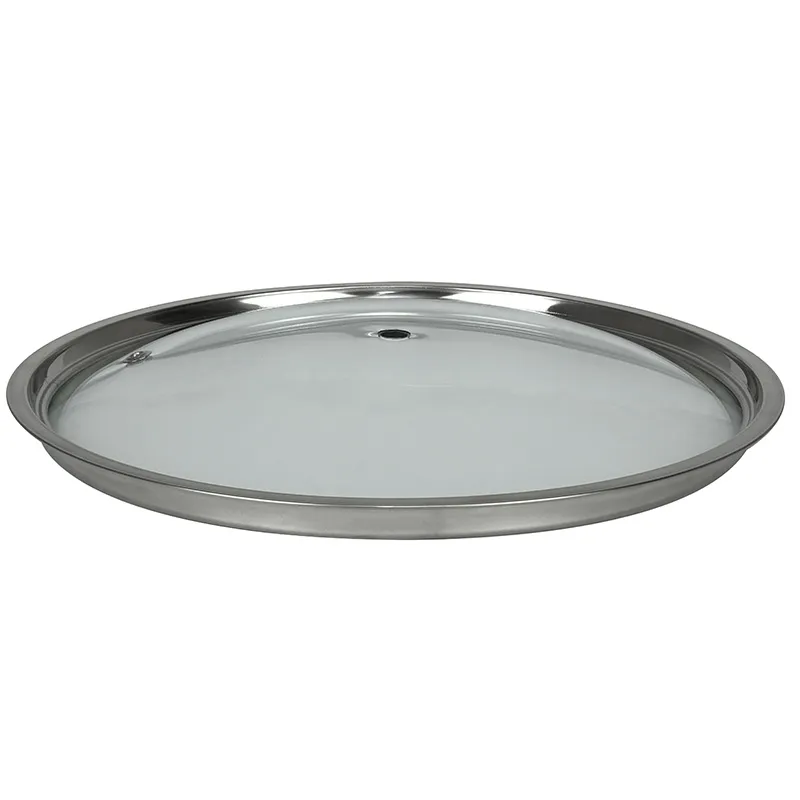
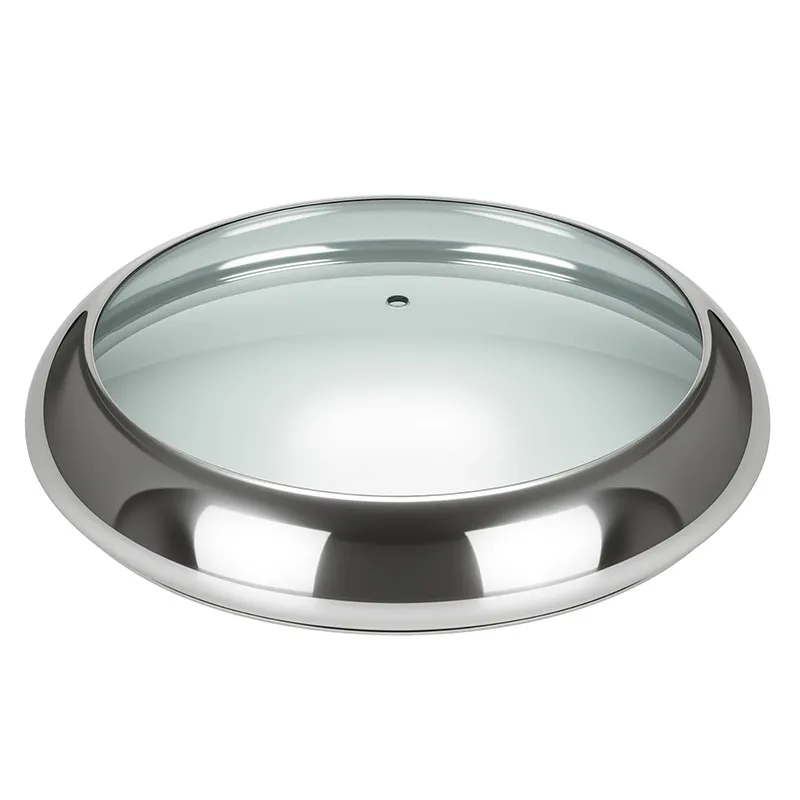
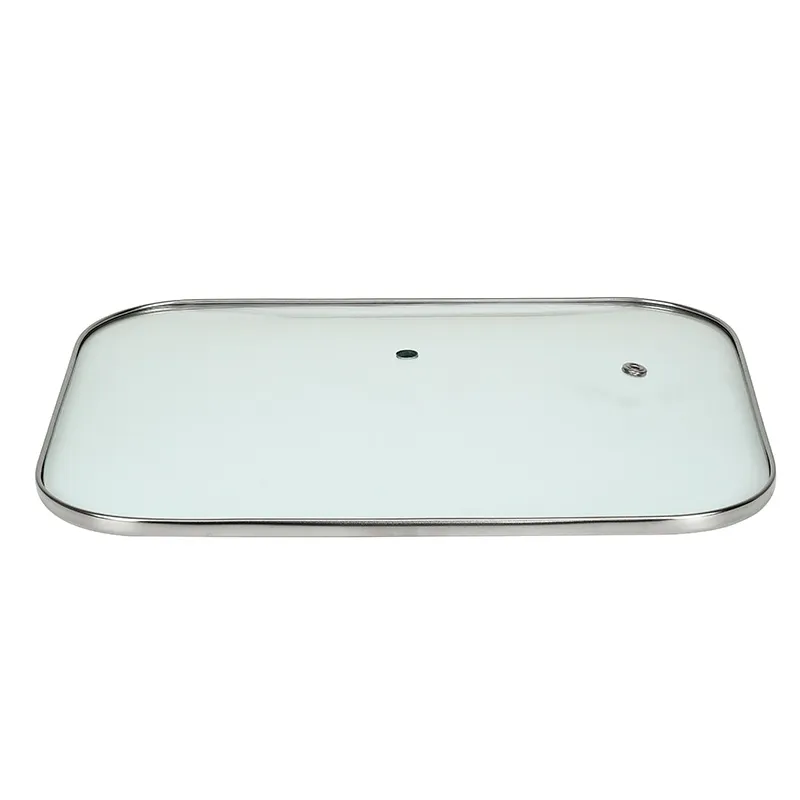
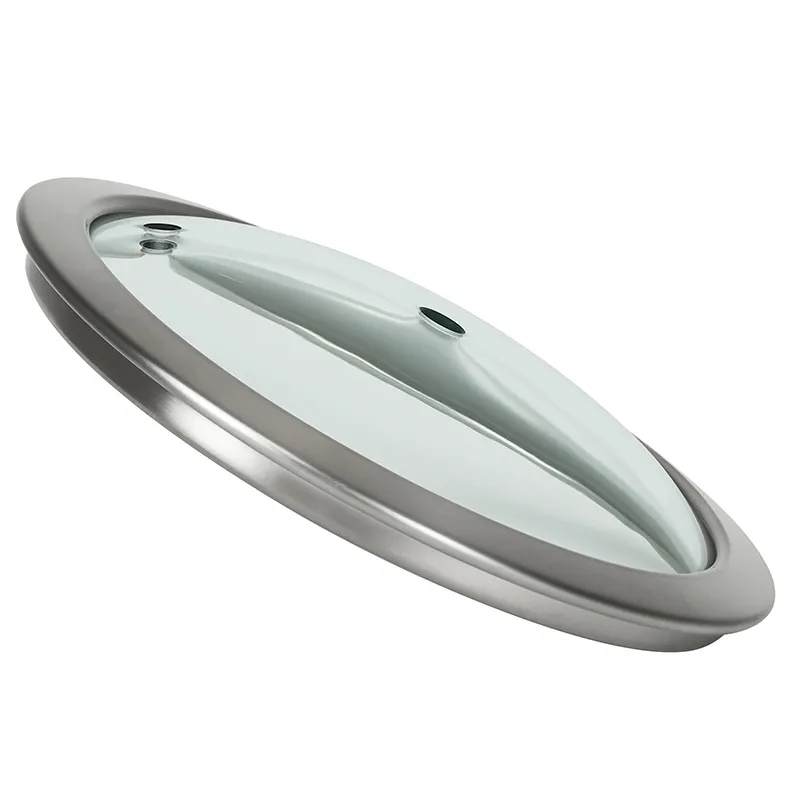
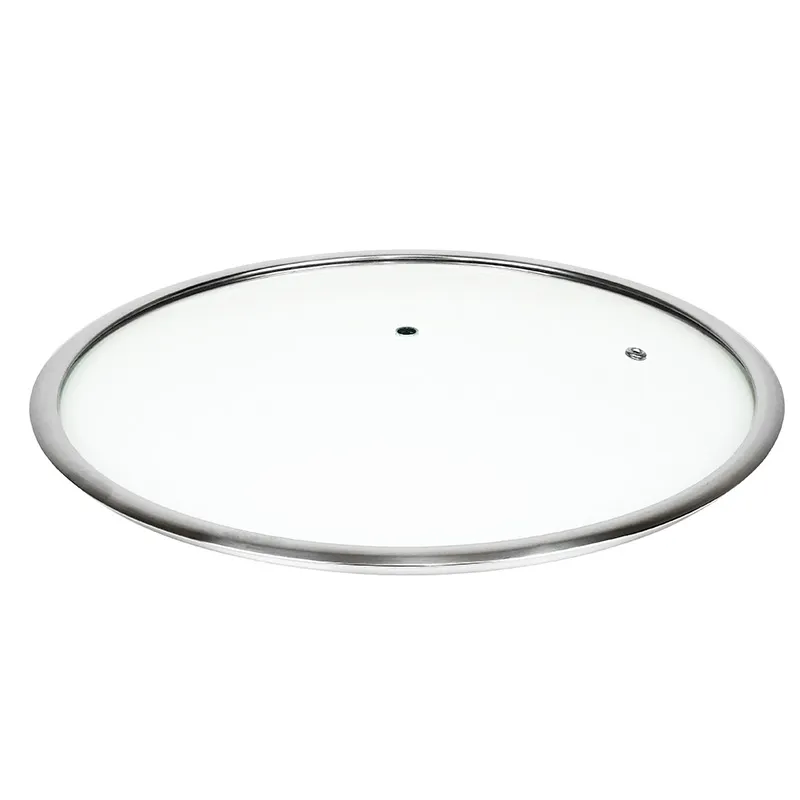
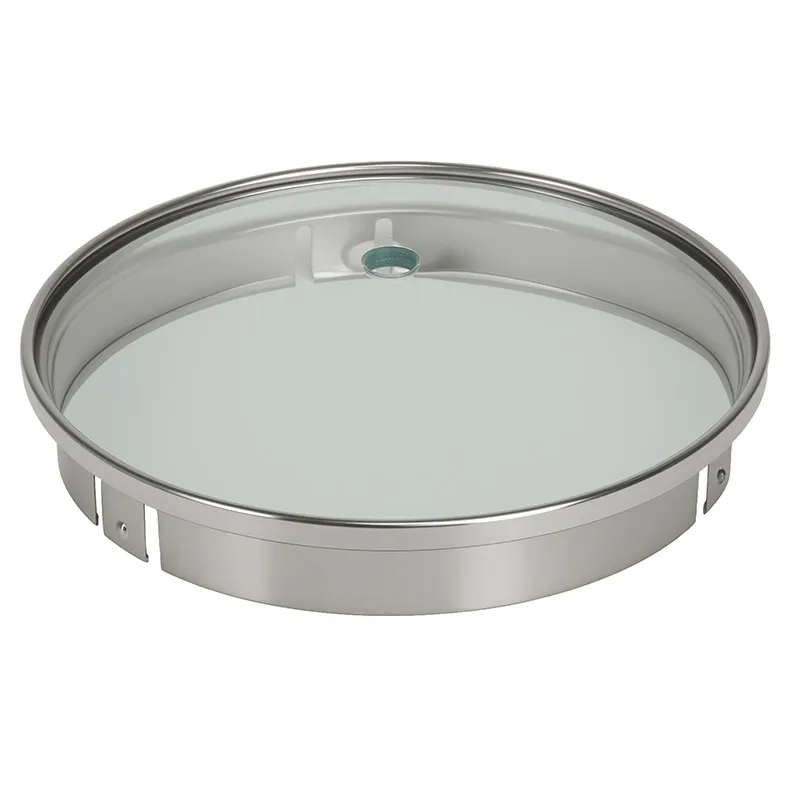
Then comes the glass lid. In this context, it's usually the flat, tempered glass disc that sits inside the metal band or under the bail clamp. Its job is to provide a rigid, inert surface for the rubber gasket to press against. The tempering process is key—it needs to withstand thermal shock from hot-filling and potential impacts. A company like EUR-ASIA COOKWARE CO.,LTD, with their stated annual output of over 15 million tempered glass lids, understands this scale. Their focus on export markets like Germany and Italy suggests they're catering to clients who have stringent durability standards. The lid isn't just a cover; it's a structural component of the seal.
Now, the cork ball. This is the nuance. The cork disc or sphere isn't the primary seal in a bail-and-glass-lid system. Its function is often secondary or tertiary. It can sit on top of the glass lid after the jar is sealed, acting as an additional barrier against dust and minor moisture ingress, or more commonly, it's used as a shim or cushion under the glass lid in certain DIY or low-tech applications to compensate for rim irregularities—a practice I generally advise against for commercial products because cork is porous and can harbor microbes. The ball descriptor sometimes refers to the shape of the cork stopper used in conjunction with, not instead of, the lid system for decorative or supplemental purposes.
Practical Pitfalls and Sourcing Realities
Sourcing these components as a cohesive system is where theory meets the messy ground. You rarely get them from a single supplier unless it's a very specialized outfit. More often, you're coordinating between a glass jar producer, a metal stamping factory for the bail and band, a rubber gasket maker, and a cork processor. The tolerances have to align perfectly. A 1mm deviation in the jar's outer lip diameter means the bail won't clamp with consistent pressure. A cork disc that's too thick prevents the glass lid from sitting flush, breaking the primary seal.
I recall a project for a client making infused sea salts. They wanted the classic look: a clear glass jar with a bail closure, a glass lid, and a branded cork disc on top. We sourced beautiful jars and lids, but the cork supplier delivered discs with inconsistent thickness. When the bail was clamped, the pressure was uneven—some jars sealed, some didn't. The cork, meant to be decorative, became the point of failure. We had to switch to a precision-milled synthetic cork composite, which solved the consistency issue but added cost. The lesson was that every element, even the seemingly decorative cork ball, must be engineered for its role in the system.
This is where a vertically-inclined manufacturer can have an advantage. Looking at EUR-ASIA COOKWARE CO.,LTD's operation—their 20,000㎡ base and focus on glass lid production—they likely have strong control over the critical glass component. For a buyer, partnering with such a source for the core glass elements (jar and lid) and then finding compatible metal and cork partners they recommend can streamline quality control immensely. Their export footprint across Europe suggests they're used to meeting the technical files and compliance checks that these markets demand for food-contact materials.
The Misconception of Airtight
A major point of contention is the term airtight. A ball lid system with a rubber gasket and glass lid can achieve a very good seal, often a vacuum seal if the contents are hot-filled and cool. But is it truly hermetic like a welded tin can? No. And adding a cork piece on top doesn't make it more airtight; in fact, if it's natural cork, it breathes. This hybrid system is best for products that benefit from a barrier against contaminants and moisture but don't require absolute anaerobic conditions for safety (like low-acid vegetables, which need pressure canning). It's perfect for dry herbs, certain confections, or skin care products where presentation and perceived quality are part of the value.
I've had clients insist on using this setup for fermented products, like kombucha or kimchi, which produce continuous CO2. That's a recipe for disaster—either the seal fails messily or, worse, the jar explodes. The glass jar and glass lid are strong, but they're not designed for positive pressure. Here, a simple plastic lid with a burp valve is far more functional. Understanding the limitations is as important as understanding the capabilities.
The choice of cork matters immensely. A whole piece of high-grade natural cork is different from agglomerated cork bits held together with glue. The former has better compressibility and longevity; the latter can crumble or impart off-odors. If the cork is intended to contact the product directly (e.g., as a stopper in an oil bottle), its food-grade certification and potential for causing cork taint must be evaluated. Often, for the lid-and-bail system, using a high-density EVA or silicone cork-like disk is a more reliable and hygienic choice, even if it sacrifices some of the romantic, artisanal appeal.
Integration and the Final Assembly
The final test is always in the filling and capping line. Automating the assembly of a glass jar, glass lid, rubber gasket, metal bail, and a cork accessory is a complex engineering task. For small-batch producers, it's often manual. The worker places the lid (with gasket fitted) on the filled jar, swings the bail over, and presses down until it clicks. Then, maybe, they press the cork disc onto the top of the glass lid. Consistency in human effort is a variable. For larger operations, custom capping machines are needed that can handle the multiple steps without breaking the glass lid.
A supplier's experience shows here. A manufacturer like the one mentioned, with high-volume output, likely has or can advise on semi-automated lines for their lids. They might not supply the cork or the bail, but they know the torque and clearance needed for their glass. This practical knowledge is gold. It prevents you from designing a beautiful package that can't be sealed at a rate of more than ten jars per minute.
In the end, the glass jar cork ball lid isn't a single product. It's a specification for a sealing system that balances tradition, function, and sensory appeal. Its success hinges on treating each component with technical seriousness—from the tempering of the glass to the durometer of the rubber to the density of the cork. Getting it right feels less like packaging and more like precision mechanics. And when you do, the satisfying thunk of the bail snapping into place, securing that glass lid over the jar's rim, with the cork element sitting proudly on top, tells you the system is working as intended. It’s a sound you learn to trust, but only after you’ve learned to question every single part of it first.
Related Products
Related Products