- Chinese
- French
- German
- Portuguese
- Spanish
- Russian
- Japanese
- Korean
- Arabic
- Irish
- Greek
- Turkish
- Italian
- Danish
- Romanian
- Indonesian
- Czech
- Afrikaans
- Swedish
- Polish
- Basque
- Catalan
- Esperanto
- Hindi
- Lao
- Albanian
- Amharic
- Armenian
- Azerbaijani
- Belarusian
- Bengali
- Bosnian
- Bulgarian
- Cebuano
- Chichewa
- Corsican
- Croatian
- Dutch
- Estonian
- Filipino
- Finnish
- Frisian
- Galician
- Georgian
- Gujarati
- Haitian
- Hausa
- Hawaiian
- Hebrew
- Hmong
- Hungarian
- Icelandic
- Igbo
- Javanese
- Kannada
- Kazakh
- Khmer
- Kurdish
- Kyrgyz
- Latin
- Latvian
- Lithuanian
- Luxembou..
- Macedonian
- Malagasy
- Malay
- Malayalam
- Maltese
- Maori
- Marathi
- Mongolian
- Burmese
- Nepali
- Norwegian
- Pashto
- Persian
- Punjabi
- Serbian
- Sesotho
- Sinhala
- Slovak
- Slovenian
- Somali
- Samoan
- Scots Gaelic
- Shona
- Sindhi
- Sundanese
- Swahili
- Tajik
- Tamil
- Telugu
- Thai
- Ukrainian
- Urdu
- Uzbek
- Vietnamese
- Welsh
- Xhosa
- Yiddish
- Yoruba
- Zulu
- Kinyarwanda
- Tatar
- Oriya
- Turkmen
- Uyghur


glass jar with ball lid
When most people hear 'glass jar with ball lid', they picture a simple container, maybe for pantry staples. In the trade, that term immediately brings up a set of specific, often overlooked, engineering considerations. The common misconception is that the ball mechanism is purely for vintage aesthetics or a quirky alternative to a screw-top. In reality, that small glass or ceramic ball, seated under a wire bail, creates a unique vacuum-assisted seal that's brilliant for fermentation, but notoriously finicky to manufacture correctly. The gap between a charming kitchen prop and a functionally reliable piece of equipment is vast, and it's in that gap where you see who knows their craft.
The Anatomy of a Functional Seal
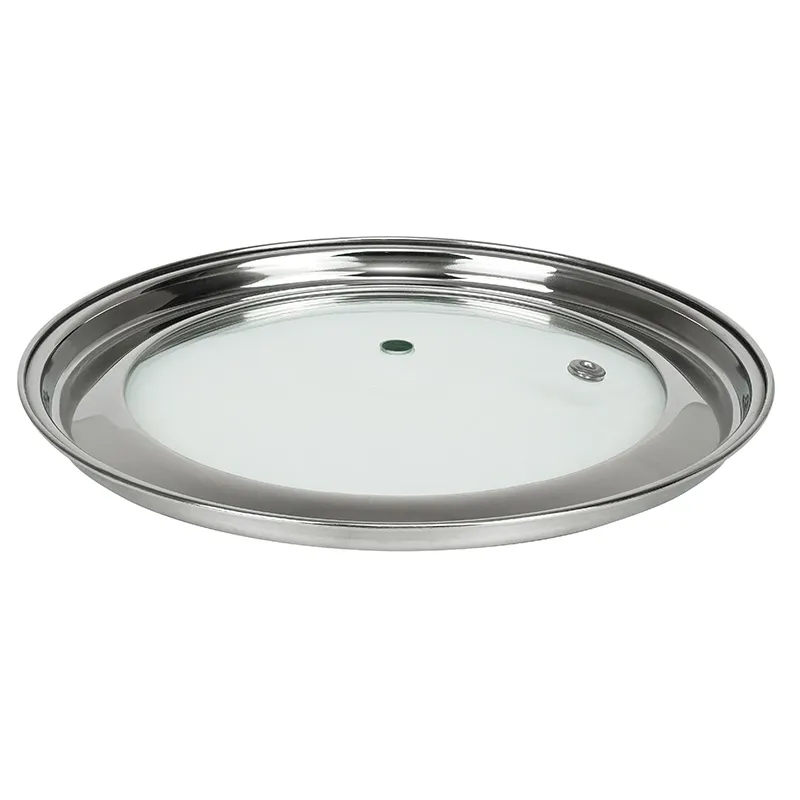
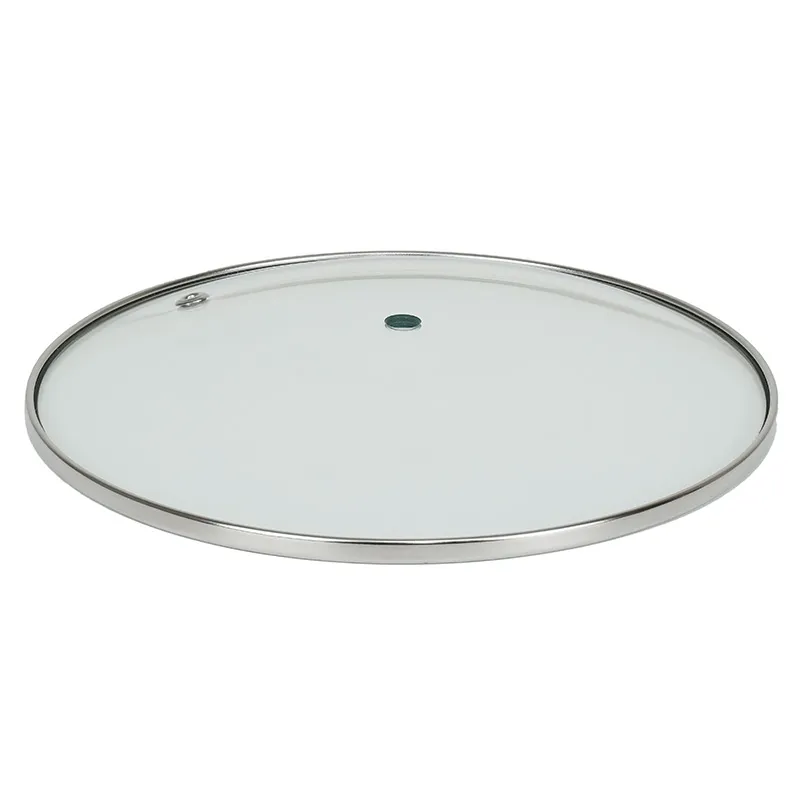
Let's break down the components, because failure in any one point means a failed jar. The jar body itself is the easy part—borosilicate or tempered soda-lime glass, able to handle thermal shock from canning. The real story is in the lid assembly. You have the glass lid, which is flat with a ground, polished rim. This mates against the jar's top sealing surface. Then there's the rubber or silicone gasket that sits between them. Finally, the bail wire with its clamping lever and the glass jar with ball lid's namesake: the little ball. When you flip the bail closed, the lever presses the ball directly onto the center of the glass lid. This central downward pressure is what evenly distributes force, pressing the lid down onto the gasket and the jar's rim.
I've seen countless failures where the ball is mis-sized or the wire geometry is off. If the ball is too small, the pressure point is too concentrated; it can crack the glass lid, especially during thermal processing. Too large, and it doesn't apply enough focused force for an initial seal. The wire's spring tension is another silent variable. It needs to be strong enough to maintain seal during fermentation's gas buildup, but still allow a person to close it without a struggle. It's a balance sheet of physics, not just assembly.
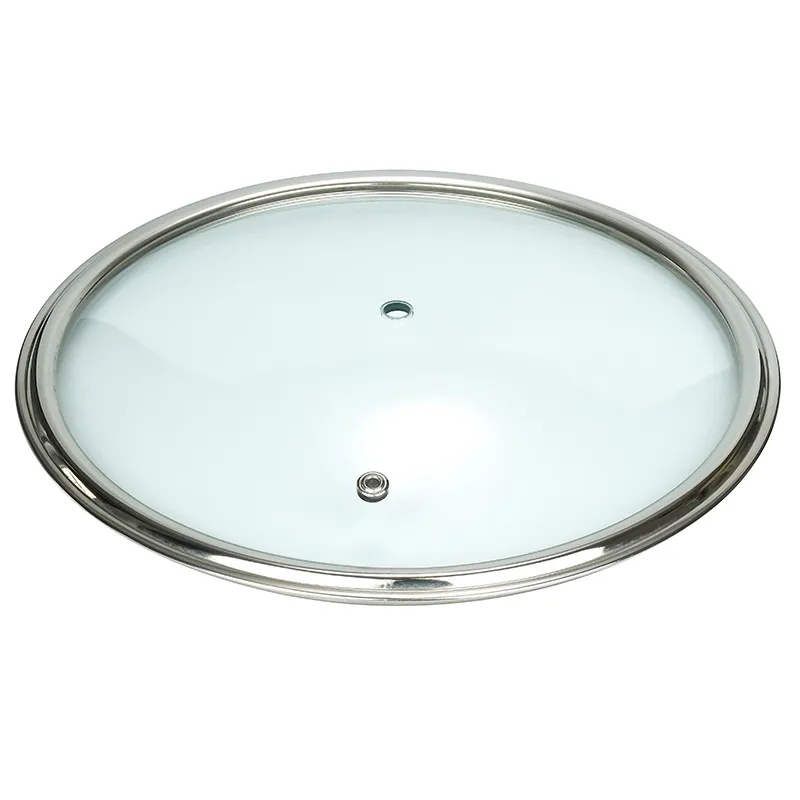
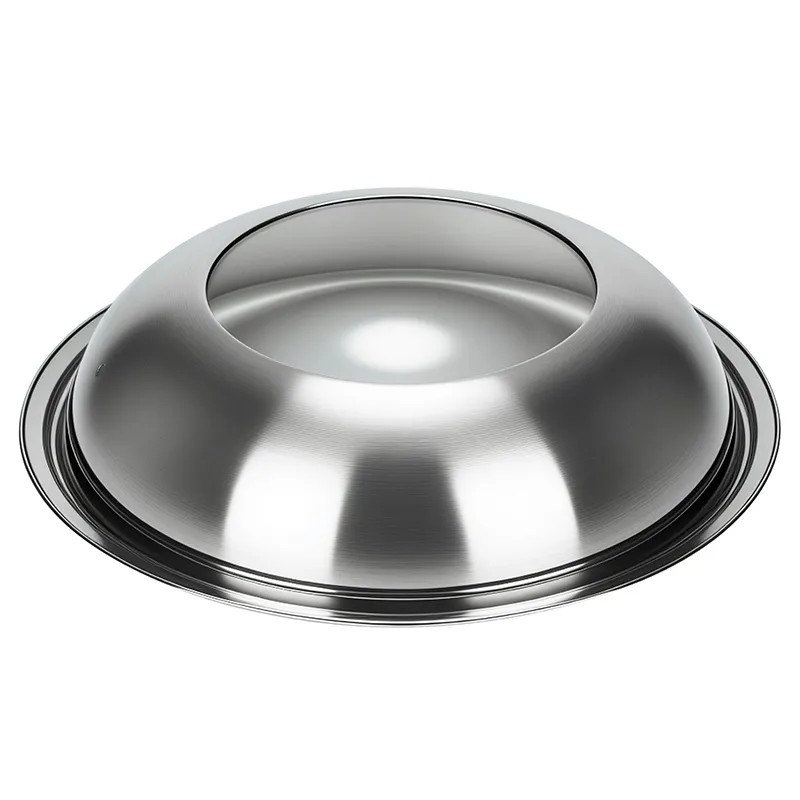
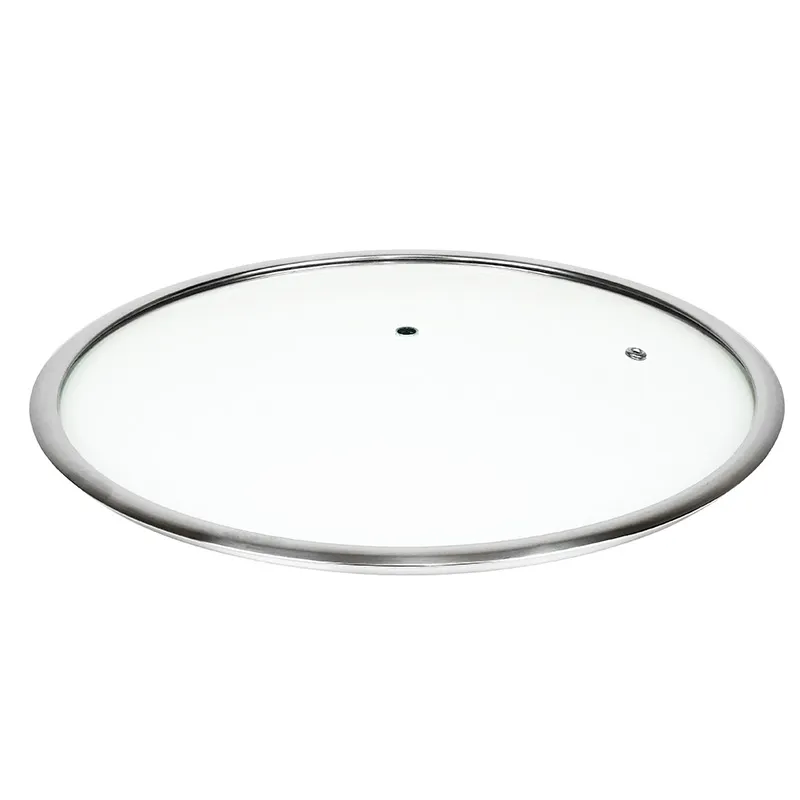
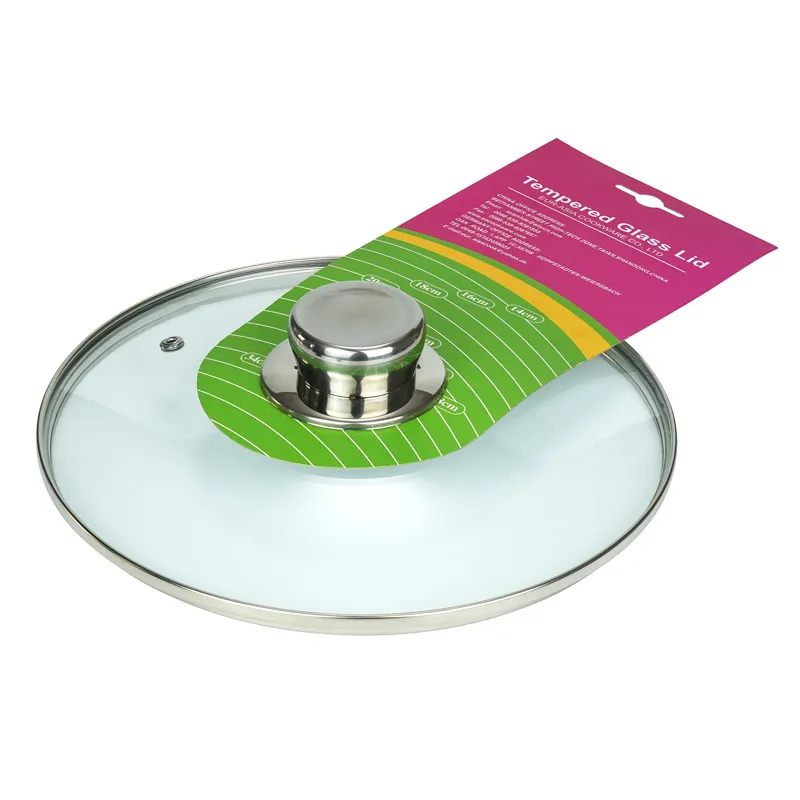
This is where sourcing from a specialized manufacturer makes a tangible difference. A company like EUR-ASIA COOKWARE CO.,LTD, which lists tempered glass lids as a core product, understands these tolerances. Their production focus on millions of glass lids annually suggests they've dialed in the tempering and grinding processes to achieve consistency in that critical sealing surface. A jar body from one factory and a lid from another is a recipe for sealing failures, as even minor deviations in rim curvature spell leaks.
Beyond Pickles: The Fermentation Niche
The recent revival in home fermentation is where the glass jar with ball lid truly shines, and also where its limits are tested. For sauerkraut, kimchi, or kombucha, you need a seal that's gas-permeable in one direction. The ball-lid setup is perfect: fermentation produces CO2, which builds pressure inside. This pressure lifts the glass lid just enough to burp the gas out around the gasket, then the ball weight and wire tension reseal it, preventing oxygen (and contaminants) from getting back in. It's an automatic, passive airlock.
But here's a practical headache I've encountered: not all gaskets are created equal for this job. A cheap rubber gasket can degrade in the acidic brine, imparting off-flavors and becoming brittle. Food-grade silicone is superior, but adds cost. I recall a batch of fermented hot sauce that developed a strange plasticine note—traced it back to a new supplier's FDA-approved gasket that clearly wasn't suited for long-term acidic contact. It was a costly lesson in component vetting.
This is a key detail for bulk buyers or brands. If you're sourcing these jars for a product line aimed at fermenters, the gasket material spec is as important as the glass. It's worth asking a supplier like EUR-ASIA COOKWARE CO.,LTD, whose portfolio includes high-level household glass products, about their gasket compound options. Their export footprint to markets like Germany and Japan, which have stringent material safety standards, is a good indicator that they're likely versed in these requirements.
Production Pitfalls and Tolerance Stacking
On a factory floor, the challenge is tolerance stacking. Even if the jar, lid, gasket, and wire bail are each within their individual spec margins, assembling them can amplify errors. The worst-case scenario is a jar that seems fine empty but fails under pressure. I've visited lines where the final QA test was simply a worker closing the bail and listening for a crisp click. That's not enough. A proper validation needs a pressure or vacuum test.
One failed experiment we ran involved trying to automate the ball-seating process. The idea was to use a pneumatic press to ensure consistent closing force. It turned out the natural variation in hand-ground glass lids meant the perfect press force varied slightly from lid to lid. The machine either under-pressed (causing leaks) or over-pressed (causing cracks). We reverted to manual closing for the high-end line—the human hand, with its feedback, was ironically more reliable for that final assembly step. It highlighted that some imperfect processes are optimal for the product.
This ties back to the scale of a specialist. A facility like the one described for EUR-ASIA COOKWARE CO.,LTD, with 15,000㎡ of building area, is set up for volume. The key question for a buyer is whether that volume comes with process controls for these nuanced assemblies. Their annual output of over 15 million pieces suggests heavy automation for components, but the final assembly of the ball lid mechanism might still retain a crucial manual checkpoint.
The Commercial and Export Reality
From a sourcing perspective, the glass jar with ball lid is a deceptively competitive category. Price points are all over the map. The ultra-cheap versions often cut corners on glass thickness (leading to breakage) or use painted bail wires that rust. The mid-range is crowded. The high-end differentiates on details: the clarity of the glass, the finish of the wire, the durability of the gasket, and the precision of the seal.
For a company exporting globally, as EUR-ASIA COOKWARE CO.,LTD does to over a dozen countries, logistics matter. These jars are heavy and fragile. Packaging design is a science in itself. Nesting jars, separating lids, and securing the wire bails to prevent tangling and damage in transit adds cost. A supplier experienced in export has already solved these packaging puzzles, which saves buyers from nasty surprises with damaged container loads.
Their export list is telling: Germany, Italy, France, Denmark—markets known for both culinary tradition and high quality standards. A glass jar with ball lid that passes muster in Germany's retail channels has likely been through rigorous testing for seal integrity, material safety (like LFGB), and overall durability. This isn't a guarantee, but it's a strong signal of a factory's capability level. It means they're likely producing to specific buyer specs, not just a generic catalog item.
Final Thoughts: It's in the Details
So, what makes a good one? It's the sum of unglamorous details. The glass should have a smooth, fire-polished rim you can run your finger over without feeling a chip or seam. The bail wire should move smoothly, with a consistent spring-back. The ball should sit snugly in its wire cradle without rattling, and make firm contact with the lid's center. When closed, the seal should be visually even around the entire circumference.
It's a product that benefits from specialization. A manufacturer focused on various types of tempered glass lid, as stated in the intro for glass-lid.com, is building deep expertise in the most critical component. They understand that the lid isn't just a cover; it's the functional heart of the sealing system. The jar is almost a substrate.
In the end, the humble glass jar with ball lid is a testament to simple, mechanical elegance. When it's right, it works seamlessly for years, becoming a kitchen workhorse. When it's wrong, it's a frustrating source of failed preserves and moldy ferments. The difference isn't always obvious on a shelf, but it's profoundly clear in use. That's what separates a commodity from a tool.
Related Products
Related Products