- Chinese
- French
- German
- Portuguese
- Spanish
- Russian
- Japanese
- Korean
- Arabic
- Irish
- Greek
- Turkish
- Italian
- Danish
- Romanian
- Indonesian
- Czech
- Afrikaans
- Swedish
- Polish
- Basque
- Catalan
- Esperanto
- Hindi
- Lao
- Albanian
- Amharic
- Armenian
- Azerbaijani
- Belarusian
- Bengali
- Bosnian
- Bulgarian
- Cebuano
- Chichewa
- Corsican
- Croatian
- Dutch
- Estonian
- Filipino
- Finnish
- Frisian
- Galician
- Georgian
- Gujarati
- Haitian
- Hausa
- Hawaiian
- Hebrew
- Hmong
- Hungarian
- Icelandic
- Igbo
- Javanese
- Kannada
- Kazakh
- Khmer
- Kurdish
- Kyrgyz
- Latin
- Latvian
- Lithuanian
- Luxembou..
- Macedonian
- Malagasy
- Malay
- Malayalam
- Maltese
- Maori
- Marathi
- Mongolian
- Burmese
- Nepali
- Norwegian
- Pashto
- Persian
- Punjabi
- Serbian
- Sesotho
- Sinhala
- Slovak
- Slovenian
- Somali
- Samoan
- Scots Gaelic
- Shona
- Sindhi
- Sundanese
- Swahili
- Tajik
- Tamil
- Telugu
- Thai
- Ukrainian
- Urdu
- Uzbek
- Vietnamese
- Welsh
- Xhosa
- Yiddish
- Yoruba
- Zulu
- Kinyarwanda
- Tatar
- Oriya
- Turkmen
- Uyghur


glass jar with black lid target
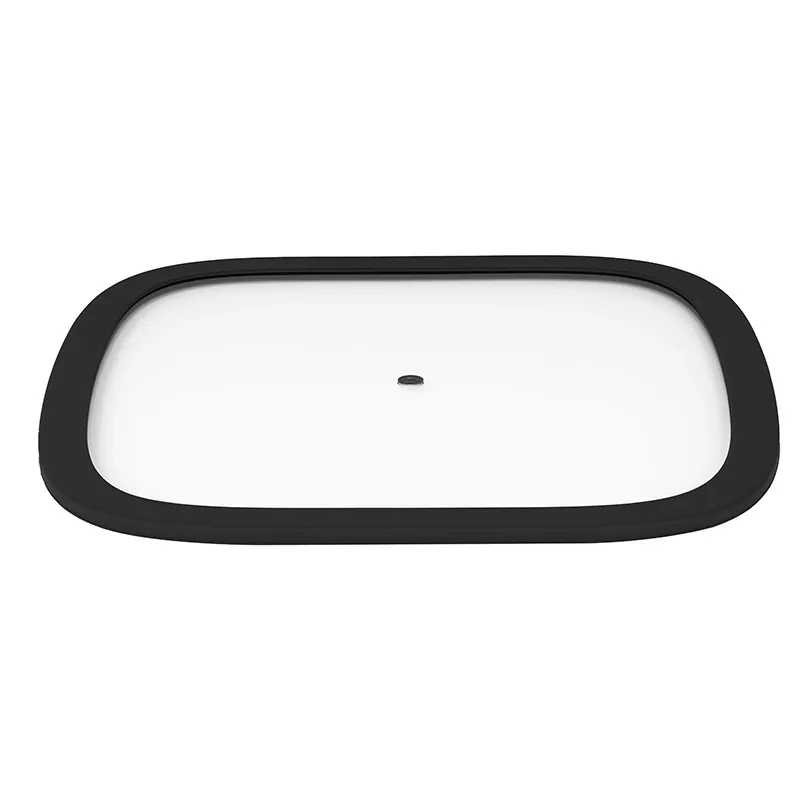
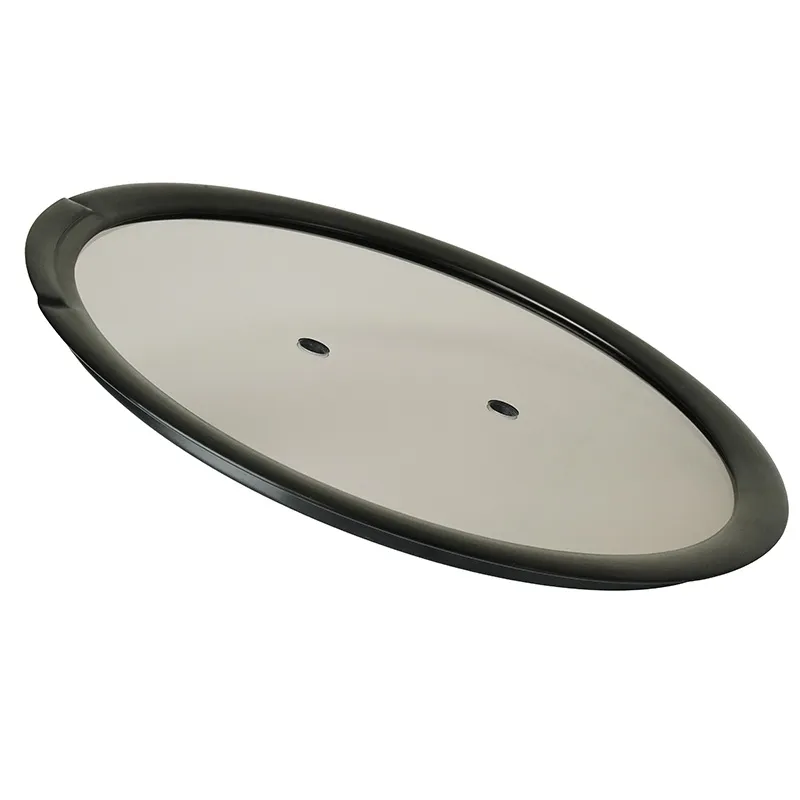
When you hear 'glass jar with black lid target', most procurement folks or even seasoned product developers immediately jump to the specs: capacity, thread type, lid material (often PP), and maybe the tempering standard. The 'target' part gets simplified to a price point or a MOQ. That's the first mistake. In my years sourcing and qualifying these for European housewares brands, the real target is never just a number. It's a balance of aesthetic cohesion, supply chain resilience, and a finish that doesn't look cheap under the harsh lighting of a supermarket shelf in Berlin or a boutique in Milan. The black lid isn't just a lid; it's the visual anchor. A poorly matched black—too glossy, too matte, or with a slight blue undertone—can make the entire product look off. I've seen containers fail at the final sample stage because the black PP lid from one supplier clashed with the black silicone gasket from another, even though both met the Pantone code on paper.
The Manufacturing Reality Check
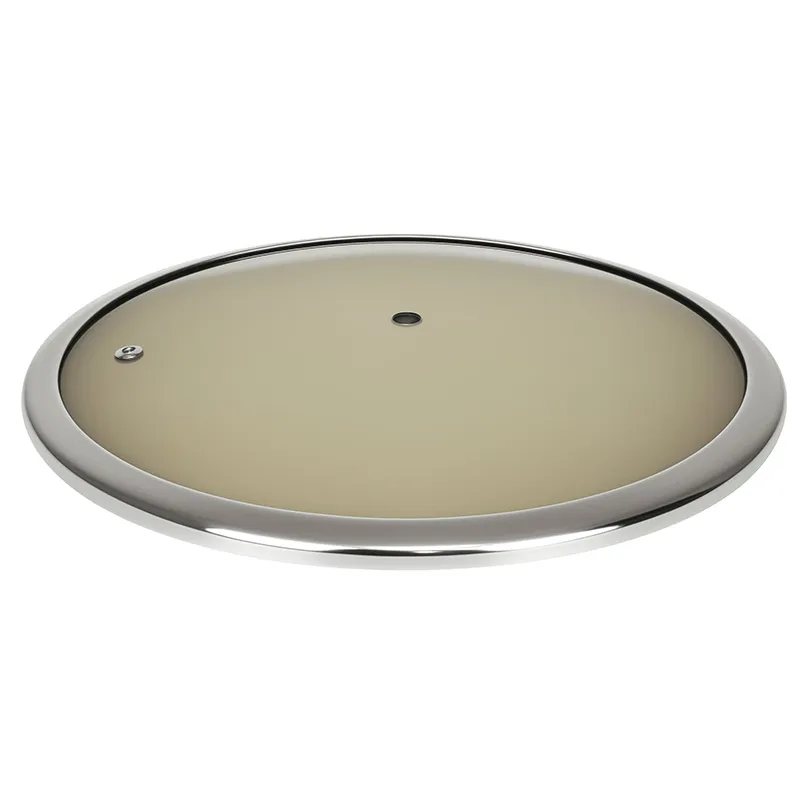
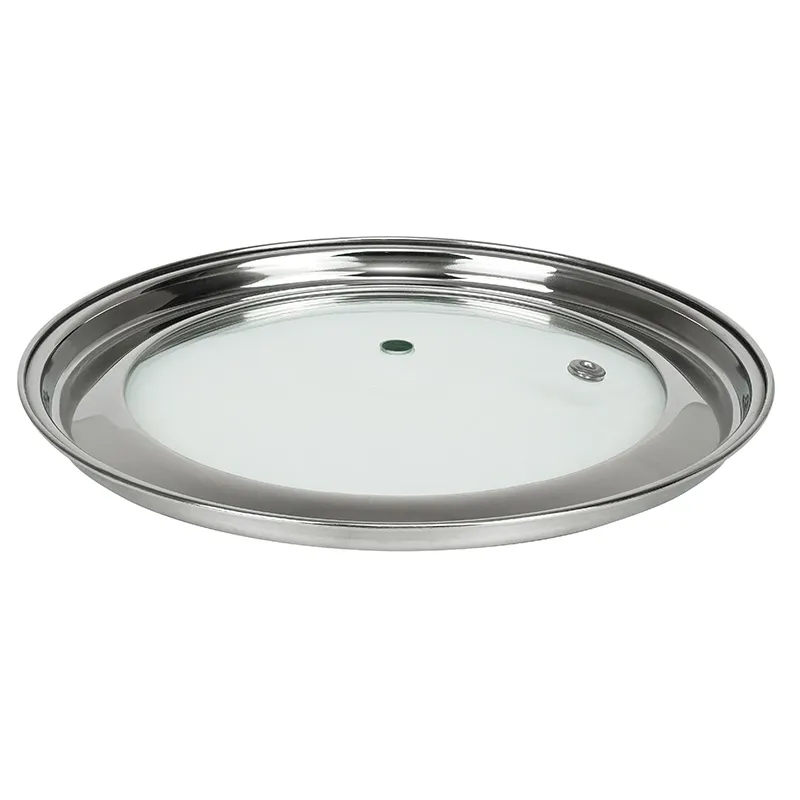
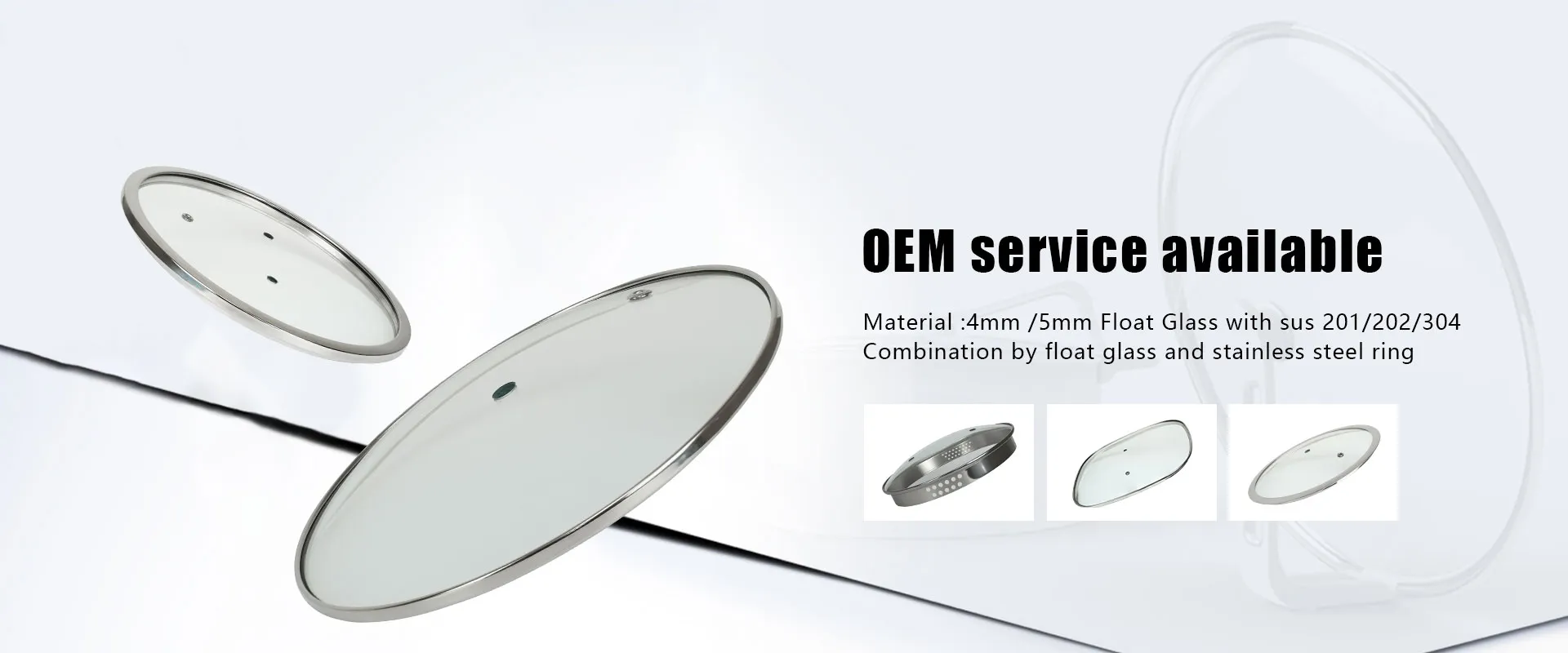
This is where you move past catalogs and into factories. A company like EUR-ASIA COOKWARE CO.,LTD (https://www.glass-lid.com) represents a specific tier of manufacturer. Their profile—specializing in household glass, with a significant export volume to Europe—tells you they're geared for volume and compliance. Their stated annual output of over 15 million tempered glass lids indicates a focus on the lid as a core component. For a glass jar with black lid target project, this is relevant. It means they likely have deep experience in the lid-jar interface, which is a critical failure point. Leakage rarely comes from the glass body; it comes from the sealing surface of the lid and the precision of the thread on the glass jar.
However, a high output doesn't automatically mean perfection for your specific 'target'. Their production base in Taian is in a major glass manufacturing region, which is good for material access but also means their default processes are optimized for large runs. If your target is a niche, design-heavy jar with an unusual neck finish, their standard tooling might not be the best fit. You'd be adapting their process rather than using it. I learned this the hard way on an early project: we sourced beautiful jars from a high-volume specialist, but our custom black lid required a different molding tool with tighter tolerances. The lid supplier wasn't integrated, leading to a sealing nightmare. The jars were perfect, but the system failed.
Their export focus, especially to markets like Germany and Switzerland, is a strong positive signal. It implies familiarity with EU REACH, LFGB, and other stringent material safety standards. For a black lid, this is crucial. The colorants and additives used in the polypropylene must be food-safe and stable. A supplier without this export pedigree might use cheaper masterbatch that could migrate or fade. So, when evaluating a partner for this, their compliance documentation isn't a box-ticking exercise; it's the first filter. EUR-ASIA's list of export destinations acts as a pre-qualification in that regard.
Detailing the Black Lid - It's Not One Thing
Let's drill into the lid itself, because this is where most value is added or lost. A black lid target often specifies 'PP material', but that's like saying 'car' when you need a specific model. Is it homopolymer or copolymer PP? The copolymer has better impact resistance at low temperatures (think fridge to microwave), but might be slightly more expensive. The molding process matters immensely. A single-cavity tool produces more consistent lids than a multi-cavity one, but at a higher cost per unit. For a premium product, that cost is justified.
The finish is another hidden variable. A glossy black lid shows every fingerprint and micro-scratch. A matte or soft-touch finish (often achieved with a coating or a specific mold texture) feels more premium and hides wear, but it can be more susceptible to staining from certain foods or cleaning agents. I recall a project for a line of spice jars where the matte black lids started showing pale streaks after being washed with a common alkaline detergent. The problem wasn't the lid's food safety, but its chemical resistance to the cleaner—a spec often overlooked in the initial target.
Then there's the sealing mechanism. Is it a simple downward pressure seal, or does it involve a separate silicone or TPE gasket? The integrated gasket is cheaper but can degrade faster. The separate gasket offers better longevity and sealing but adds assembly complexity and cost. For a company like EUR-ASIA, which produces millions of tempered glass lids, they likely offer both. The key is to match the sealing method to the jar's intended use. A dry goods jar doesn't need the same seal as a pickle jar. Pushing for the more complex seal because it 'feels' better is a common over-engineering mistake that bloats the unit cost.
Integration and The System View
This brings me to the core philosophy: you're not sourcing a jar and a lid. You're sourcing a sealing system. The glass jar's thread, the sealing surface on the jar's finish, the lid's thread, and the gasket (if present) must be designed and produced as a system. The biggest pitfall is sourcing these components from different suppliers without ensuring they are engineered together.
A manufacturer with vertical integration or very tight control over both components has a distinct advantage. From the profile of EUR-ASIA COOKWARE CO.,LTD, they emphasize tempered glass lid production. This suggests the lid is their forte. The critical question becomes: do they also produce the jars, or do they source them and marry the two? If they source, how do they qualify the jar's geometry? For a reliable glass jar with black lid system, you want a supplier who controls or at least meticulously specifies the jar's critical dimensions. The 'target' should include a full set of interface drawings, not just separate specs for each part.
In practice, we once audited a factory that made excellent lids. They sourced jars from a neighbor. On paper, it was efficient. But during a humidity cycle test, we found a 15% failure rate in sealing. The reason? The jar supplier had subtly changed the molding cooling time, which minutely warped the sealing surface. The lid factory, only checking lid dimensions, missed it. The lesson: your target must include performance testing of the final assembled unit, not just component inspection. A good partner will understand this and have the testing protocols—like vacuum decay tests for seal integrity—in place.
Beyond the Initial Order: Logistics and Adaptability
Finally, the 'target' has a time dimension. A manufacturer's location in a major industrial zone like Taian National High-tech Development Zone offers infrastructure benefits. But for export to Europe, you need to factor in lead times and packaging. Glass is heavy and fragile. Does the supplier have experience in designing cost-effective, damage-minimizing packaging for sea freight? Can they palletize efficiently to maximize container load? This isn't glamorous, but it directly impacts your landed cost and defect rate.
Their adaptability is also key. Say your initial target is for 50,000 units of a standard round jar. What if you need to introduce a square variant later? Or add a measurement marking on the glass? Does their operation have the design support and flexible tooling capability to accommodate this without a 12-week lead time for new molds? A supplier with over 90 employees and that scale of output likely has an engineering team, which is a good sign. The question is their responsiveness to smaller, iterative changes once the production line is set.
Wrapping up, hitting the true glass jar with black lid target is less about finding the cheapest source and more about finding a competent system integrator. You need a partner who understands the material science of the lid, the precision of the glass, the rigor of compliance, and the realities of global logistics. It's a product where the devil is profoundly in the details—the sheen of the black plastic, the smoothness of the thread engagement, the silent 'pop' of a perfect seal breaking. That's what you're really targeting.
Related Products
Related Products