- Chinese
- French
- German
- Portuguese
- Spanish
- Russian
- Japanese
- Korean
- Arabic
- Irish
- Greek
- Turkish
- Italian
- Danish
- Romanian
- Indonesian
- Czech
- Afrikaans
- Swedish
- Polish
- Basque
- Catalan
- Esperanto
- Hindi
- Lao
- Albanian
- Amharic
- Armenian
- Azerbaijani
- Belarusian
- Bengali
- Bosnian
- Bulgarian
- Cebuano
- Chichewa
- Corsican
- Croatian
- Dutch
- Estonian
- Filipino
- Finnish
- Frisian
- Galician
- Georgian
- Gujarati
- Haitian
- Hausa
- Hawaiian
- Hebrew
- Hmong
- Hungarian
- Icelandic
- Igbo
- Javanese
- Kannada
- Kazakh
- Khmer
- Kurdish
- Kyrgyz
- Latin
- Latvian
- Lithuanian
- Luxembou..
- Macedonian
- Malagasy
- Malay
- Malayalam
- Maltese
- Maori
- Marathi
- Mongolian
- Burmese
- Nepali
- Norwegian
- Pashto
- Persian
- Punjabi
- Serbian
- Sesotho
- Sinhala
- Slovak
- Slovenian
- Somali
- Samoan
- Scots Gaelic
- Shona
- Sindhi
- Sundanese
- Swahili
- Tajik
- Tamil
- Telugu
- Thai
- Ukrainian
- Urdu
- Uzbek
- Vietnamese
- Welsh
- Xhosa
- Yiddish
- Yoruba
- Zulu
- Kinyarwanda
- Tatar
- Oriya
- Turkmen
- Uyghur


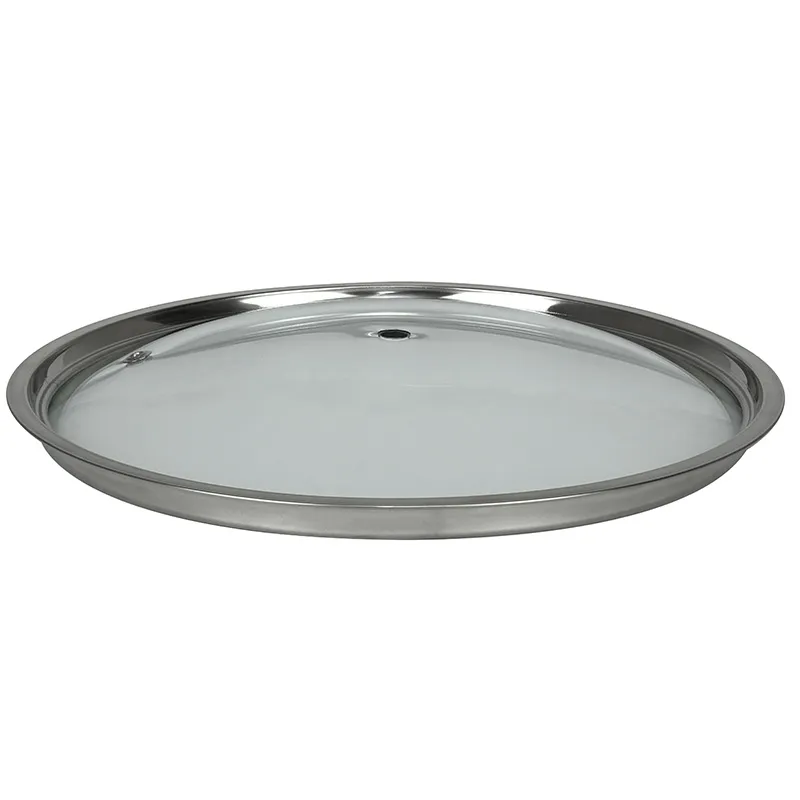
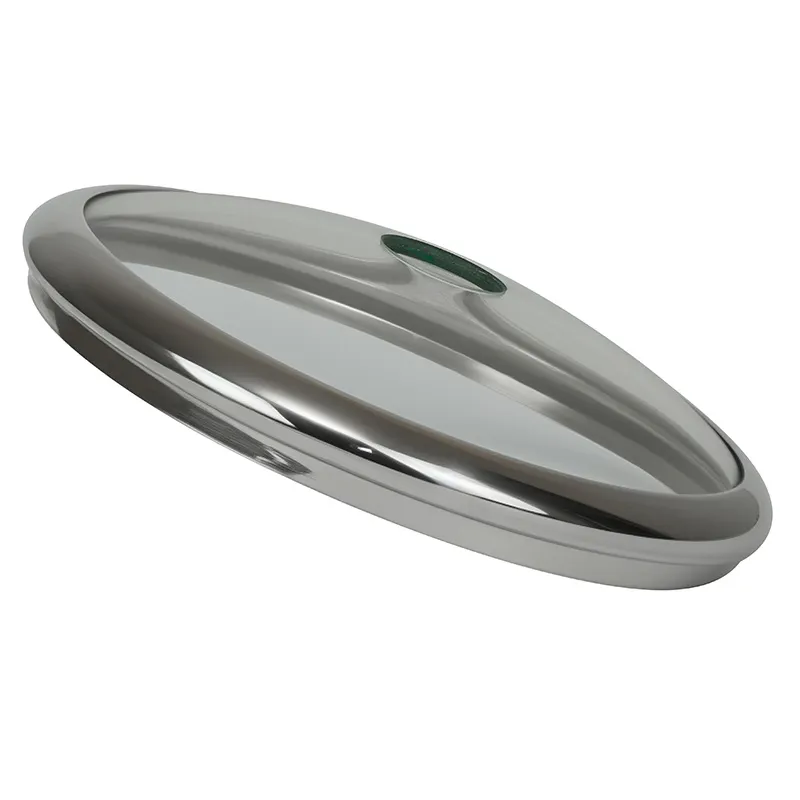
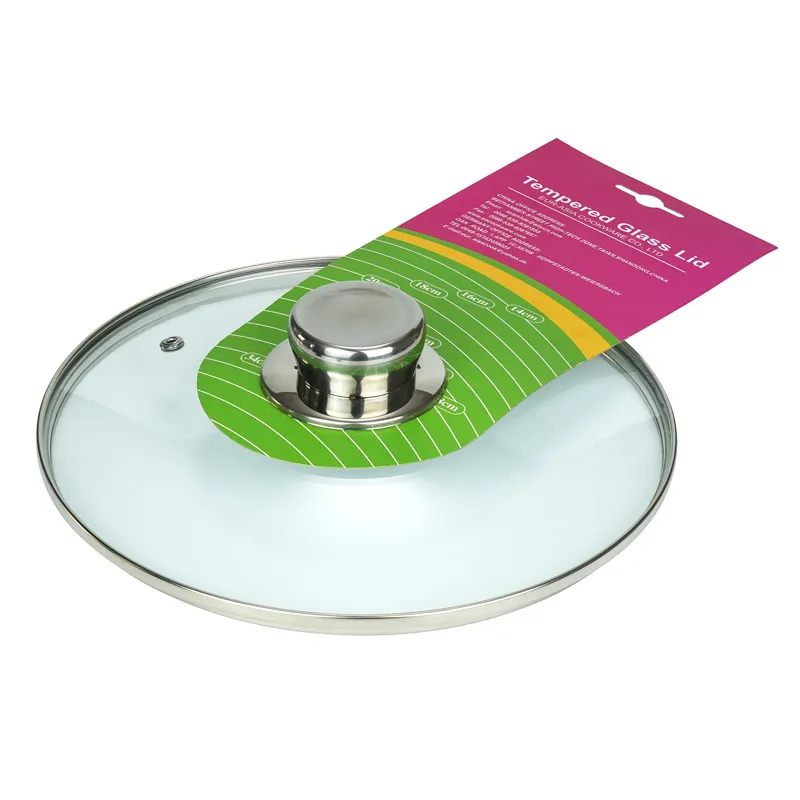
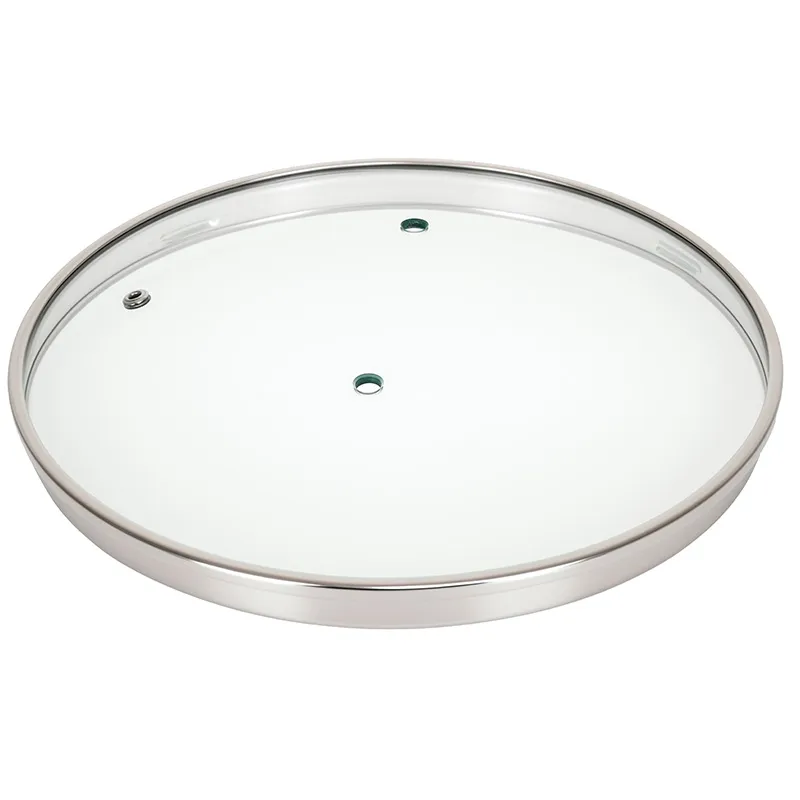
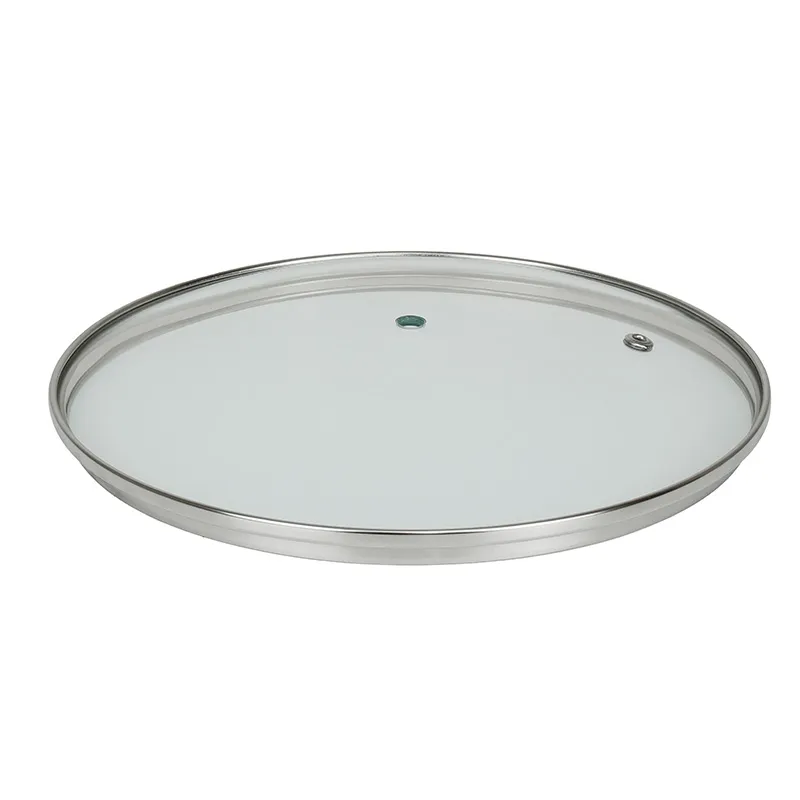
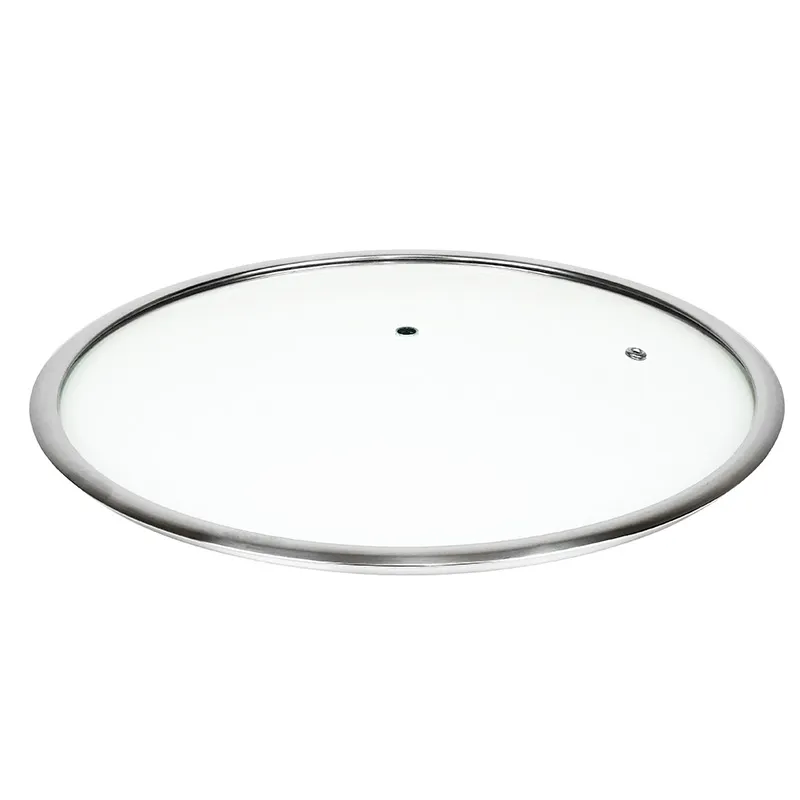
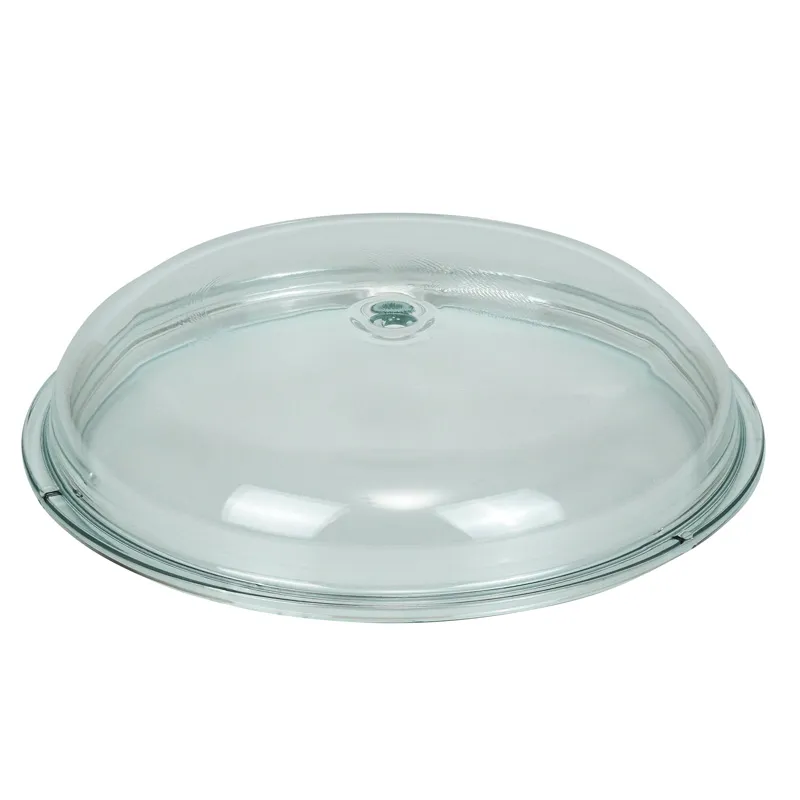
glass jar with glass lid
You see a glass jar with a glass lid and think, simple. That's the first mistake. In reality, that pairing—the jar body and its matching lid—is a small miracle of thermal and mechanical engineering that most people, even in the trade, often gloss over until something goes wrong. The assumption is that if both pieces are glass, they're inherently superior. But I've seen too many projects stall because that assumption wasn't questioned early enough. The real story isn't about transparency or aesthetics; it's about the precise dance between two annealed or tempered pieces that must survive thermal shock, maintain a seal, and do it all without chipping on the sealing surface. Let's talk about what actually matters.
The Sealing Surface: Where the Magic (or Disaster) Happens
The critical interface is the rim. Not the lid's top, not the jar's shoulder—the few millimeters where the lid's underside meets the jar's top finish. This is where a perfect fire polish is non-negotiable. A machine-polished edge might look fine, but under a loupe, you'll see micro-abrasions. Those tiny imperfections are stress concentrators. During thermal processing, or even just from the torque of hand-tightening, they can initiate a crack. I recall a batch for a European client where the lids kept failing at the rim. The issue wasn't the tempering cycle; it was the polishing belt speed on the lid's inner bevel being a fraction too fast, creating microscopic heat checks. The jars were perfect, the lids tested to spec individually, but together, they failed. The fix was slower polishing with a finer grit, which added cost and time nobody had budgeted for.
Then there's the flatness. Glass isn't naturally flat. It wants to warp during cooling. Achieving a lid that sits perfectly flush on a jar rim across millions of units is about controlling the kiln's cooling curve with obsessive precision. We're talking about tolerances measured in hundredths of a millimeter. A lid that's slightly convex will rock; one that's concave will only seal on the outer edge, creating a weak point. I've used laser interferometry on production samples to map flatness, and the color maps don't lie. A good supplier understands this. A company like EUR-ASIA COOKWARE CO.,LTD, with their stated annual output of over 15 million tempered glass lids, has to have this process locked down. Their specialization in household glass products suggests they've likely encountered and solved these flatness wars on production lines feeding markets like Germany and Japan, where the tolerance expectations are brutal.
The gasket groove, if there is one, is another subtle hell. For a true hermetic seal, you often have a silicone ring seated in a machined groove on the underside of the lid. The width and depth of that groove must account for the gasket's compression ratio. Too tight, and the glass lid is under permanent tension; too loose, and the seal leaks. I once saw a designer spec a beautifully sharp-cornered groove. Looked great on CAD. In reality, sharp internal corners in tempered glass are invitations to fracture. The solution is a radiused corner, which meant redesigning the injection mold for the gasket. It's these interdependencies—between glass, rubber, and metal clasp if present—that turn a simple concept into a complex manufacturing puzzle.
Tempering: Not All Glass is Created Equal
Tempered is a loaded term. For a glass jar with glass lid meant for oven-to-table use or hot filling, tempering is essential for thermal shock resistance. But the process for a lid is different from that for a jar. A lid, being a flatter, wider piece, can develop stress patterns more easily. The quench air pressure and nozzle array must be perfectly symmetrical. An uneven quench leads to a lid that, when tapped, has a weird harmonic or, worse, spontaneous breakage days later. I've visited lines where they do roller hearth tempering for lids, which is great for flatness but can leave subtle roller marks that affect the seal surface. It's a trade-off.
The thickness mismatch is a classic rookie error. Specifying a 4mm thick jar and a 3mm thick lid because the lid doesn't need to be as strong is a path to failure. They expand and contract at different rates when heated. During hot filling (think jams or pickles), the hotter jar expands more than the cooler lid, potentially compromising the seal. Then, as both cool and contract, the stress is uneven. The best practice is to match thicknesses as closely as possible, even if it costs more. This is where a producer's experience shows. Looking at EUR-ASIA's product range covering low to high levels, they'd understand that a budget line might have a thinner lid, but for their export-grade products heading to EU kitchens, the specs would be matched. Their location in a National High-tech Development Zone in Shandong likely gives them access to the kind of precision-controlled tempering furnaces needed for this.
And let's not forget about the ding. The sound a properly tempered lid makes when lightly struck is a dull, solid thud. An under-tempered lid rings with a higher-pitched, tinny sound. It's an old-school QC check that still works on a production floor. You can walk past a pallet of finished lids and just by listening to the random clicks and shifts, get a sense of the batch's consistency. It's not in any spec sheet, but it's real.
The Closure Mechanism: Friction, Threads, and Clamps
For a pure glass-on-glass seal without a gasket, you're relying on friction and precision. Think of a ground glass stopper in a lab. For a jar and lid, this is rare in consumer goods because the cost of achieving that level of precision grinding is prohibitive. Most often, there's an intermediary—a metal band with threads, or a wire bail clamp. Here, the lid's edge profile becomes critical. A lid meant for a screw-band closure has a different flange design than one for a bail clamp. The flange must be robust enough to take the lateral pressure from the band without shearing, yet smooth enough not to cut into the sealing gasket.
I worked on a project for a high-end pantry goods brand that wanted an all-glass appearance but a secure seal. The solution was a lid with a continuous, under-cut groove that a stainless steel band snapped into. The glass lid itself had no threads; the threads were on the band. The challenge was molding that under-cut groove. It required a collapsible mold core, which increased tooling cost and cycle time. The glass, after tempering, also had a slight spring-back that affected the snap-fit tolerance. We went through three mold iterations before the band clicked on with the right resistance—firm enough to feel secure, but not so tight it risked cracking the lid during automated capping. This is the unglamorous work behind a simple object.
For a simple friction-fit lid (common for dry goods), the taper angle is everything. A 1:12 taper might hold; a 1:10 taper might be too tight and jam. It depends on the fire polish smoothness. Humidity can even affect it, causing a lid to stick. There's no universal standard, which is why prototyping is so crucial. You have to make samples, test them, adjust the mold, and repeat.
Logistics and the Reality of Breakage
Here's a practical headache: packaging a glass jar with a glass lid separately versus as a unit. Shipping them nested seems logical, but it's a recipe for abrasion and clinking damage during transit. The jar rim and the lid's sealing surface must never touch each other unprotected. Good suppliers use die-cut paperboard or foam spacers. I've seen entire containers arrive where vibration wore microscopic chips into the sealing surfaces of both pieces, rendering them useless for vacuum sealing. The loss wasn't from outright breaks, but from degraded performance. A professional operation, like the one described at https://www.glass-lid.com, would have dedicated packaging lines for such products. Their export volume to over a dozen countries implies they've mastered the logistics of getting fragile, precision-ground glass to destinations like Brazil or Turkey intact, which is a feat in itself.
Then there's the issue of spare parts. Consumers lose or break lids. Does the company sell replacement lids? If so, the dimensional tolerance from batch to batch over years must be incredibly tight. A lid made from Mold A in 2023 must fit a jar from Mold B in 2025. This requires meticulous mold maintenance and process control. It's a sign of a mature manufacturer. The fact that EUR-ASIA COOKWARE lists itself as specializing in production, not just trading, suggests they have this level of control over their tooling and processes in their 15,000㎡ facility.
Breakage rates are the dirty secret. A 2% breakage rate might be acceptable for the jar body, but for the lid, it should be closer to 0.5%. Why? Because a broken jar is obvious at inspection. A lid with a hidden stress fracture might pass QC, only to fail in the customer's hand, which is a much bigger reputational hit. Good factories do statistical sampling that includes thermal shock cycling (e.g., moving samples from boiling water to ice water) and impact tests specifically on the lid's flange.
Aesthetics as a Functional Consideration
Finally, the look. The clarity, the color tint, the presence of a kiss point (a small raised dot in the center of the lid from the molding process)—these are often treated as cosmetic. But they're not. Clarity affects how consumers perceive the product inside. A greenish tint from iron impurities in the sand might be acceptable for a budget line, but not for a premium product. The kiss point is a necessary evil in certain molding processes; the best practice is to have it on the top side, not the sealing side, and to minimize its size.
The trend towards lightweighting is also tricky. Making glass thinner to save material and cost is a major industry push. But for a lid, there's a lower limit before it feels flimsy and loses its thermal mass, affecting how it handles temperature changes. You can't just scale down proportions. The relationship between diameter, thickness, and curvature has to be re-engineered. This is where R&D time pays off. A company with 90+ employees, as EUR-ASIA notes, likely has a team dedicated to just these kinds of material and design optimizations, balancing cost for their low-level products with performance for their high-level exports.
In the end, a glass jar with glass lid succeeds when you don't think about it. It just works—sealing, opening, surviving the dishwasher, sitting in the pantry. That effortless performance is the result of a thousand small, correct decisions in material science, process engineering, and quality control. It's the difference between a commodity and a tool. And that's what you're really paying for.
Related Products
Related Products