- Chinese
- French
- German
- Portuguese
- Spanish
- Russian
- Japanese
- Korean
- Arabic
- Irish
- Greek
- Turkish
- Italian
- Danish
- Romanian
- Indonesian
- Czech
- Afrikaans
- Swedish
- Polish
- Basque
- Catalan
- Esperanto
- Hindi
- Lao
- Albanian
- Amharic
- Armenian
- Azerbaijani
- Belarusian
- Bengali
- Bosnian
- Bulgarian
- Cebuano
- Chichewa
- Corsican
- Croatian
- Dutch
- Estonian
- Filipino
- Finnish
- Frisian
- Galician
- Georgian
- Gujarati
- Haitian
- Hausa
- Hawaiian
- Hebrew
- Hmong
- Hungarian
- Icelandic
- Igbo
- Javanese
- Kannada
- Kazakh
- Khmer
- Kurdish
- Kyrgyz
- Latin
- Latvian
- Lithuanian
- Luxembou..
- Macedonian
- Malagasy
- Malay
- Malayalam
- Maltese
- Maori
- Marathi
- Mongolian
- Burmese
- Nepali
- Norwegian
- Pashto
- Persian
- Punjabi
- Serbian
- Sesotho
- Sinhala
- Slovak
- Slovenian
- Somali
- Samoan
- Scots Gaelic
- Shona
- Sindhi
- Sundanese
- Swahili
- Tajik
- Tamil
- Telugu
- Thai
- Ukrainian
- Urdu
- Uzbek
- Vietnamese
- Welsh
- Xhosa
- Yiddish
- Yoruba
- Zulu
- Kinyarwanda
- Tatar
- Oriya
- Turkmen
- Uyghur


glass jar with lid and straw
When you hear 'glass jar with lid and straw', most people picture a simple mason jar with a hole punched in the lid for a plastic straw. That's the common starting point, and frankly, where a lot of cheap imports and DIY projects stop. But in the professional sourcing and product development space, that phrase represents a specific, and surprisingly nuanced, category of drinkware. It's not just about containment; it's about material compatibility, thermal shock resistance, sealing integrity, and user safety—details that become glaringly obvious only after you've dealt with a container failure or a customer complaint about a strange taste. The assumption that any glass jar and any lid can be paired with any straw is the first and biggest mistake I see newcomers make.
The Core Trio: Glass, Lid, Straw – A Fragile Alliance
Let's break down the alliance. The glass isn't just 'glass'. For a jar meant for cold brews, smoothies, or iced tea, you need borosilicate or a reliably tempered soda-lime glass. I've seen batches where the tempering was uneven, leading to spontaneous breakage when a cold jar was hastily filled with a slightly warmer liquid. Not a good look. The jar's rim finish is critical too. A rough or uneven lip will never achieve a proper seal, no matter how good the gasket in the lid is. We learned this the hard way early on, receiving a shipment where the sealing surface had microscopic chips—every single unit leaked.
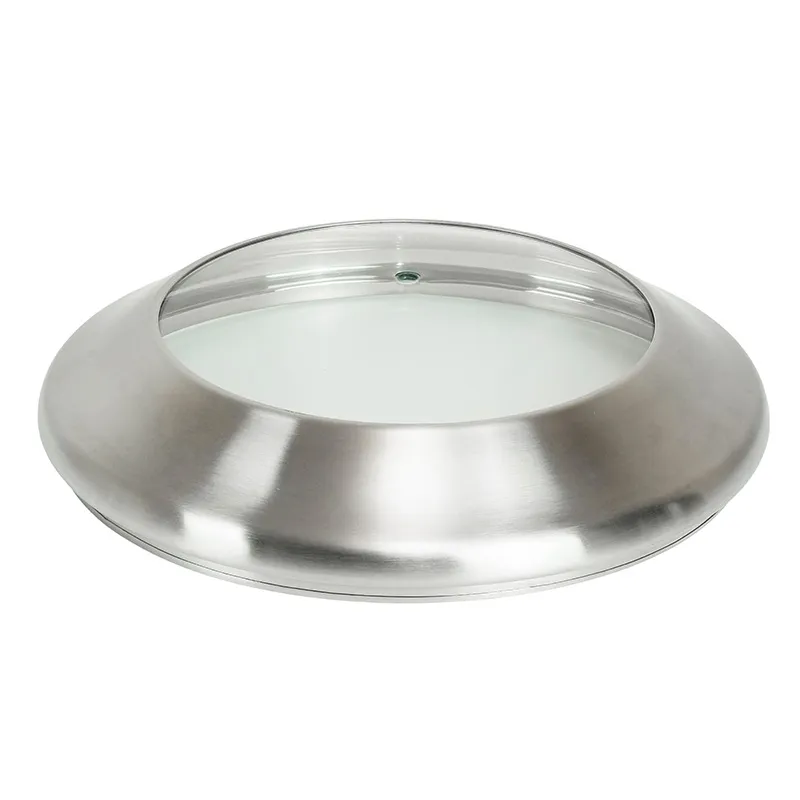
The lid is the unsung hero, or the point of failure. The most common design for a glass jar with lid and straw uses a stainless steel or plastic screw-on lid with a silicone gasket and a pre-cut hole. The hole's diameter and its deburring (smoothing the cut edge) are vital. A poorly deburred hole will shred a silicone straw or create a sharp edge that's a lip hazard. The gasket material is another battlefield. Food-grade silicone is standard, but its durometer (hardness) matters. Too soft, and it deforms under pressure, compromising the seal; too hard, and it requires excessive torque to seal, making it user-unfriendly.
Then there's the straw. The shift from cheap, thin-walled plastic to silicone or borosilicate glass straws changed the game. Silicone is safe and flexible but can be a pain to clean if it's not wide-bore. Borosilicate glass straws are elegant and easy to clean but introduce a new risk factor—breakage. The lid's straw port must be designed to cushion and secure a rigid glass straw, often requiring a secondary silicone sleeve or a specially shaped gasket. I recall a project where we sourced beautiful glass straws from one vendor and lids from another. The tolerances were off by half a millimeter, resulting in a wobbly fit that either leaked or felt insecure. The alliance had failed.
Sourcing and Manufacturing Realities
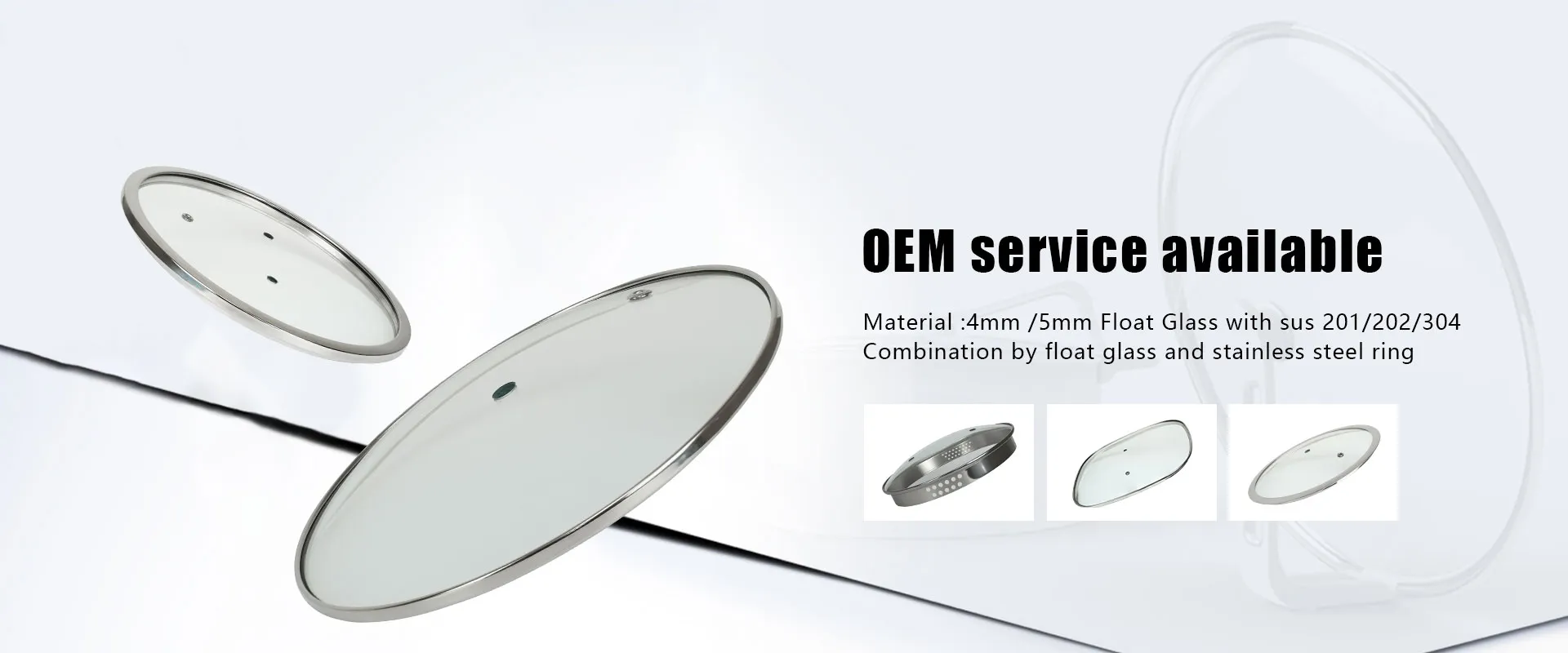
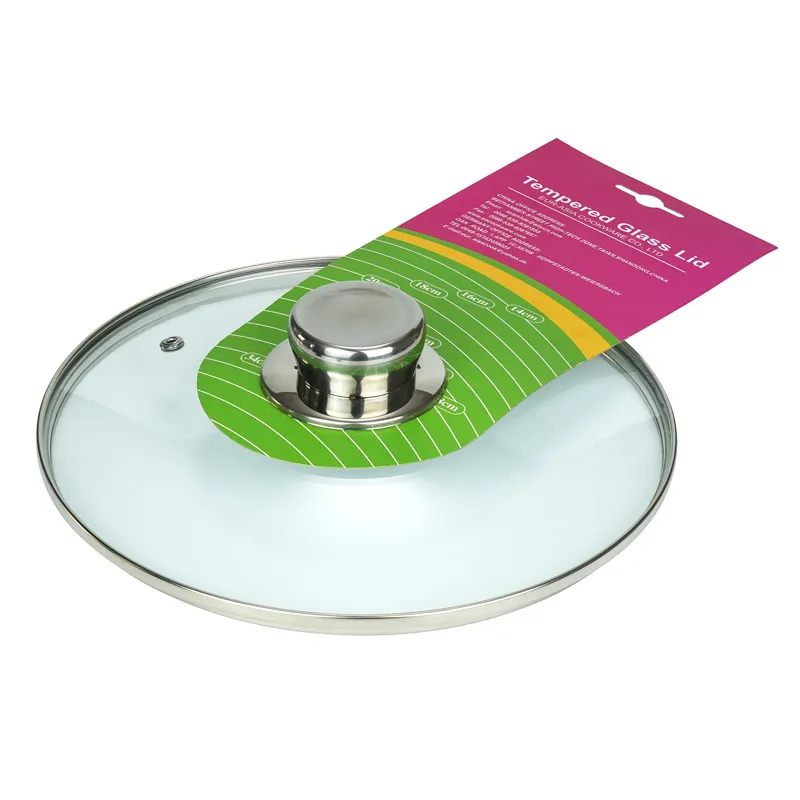
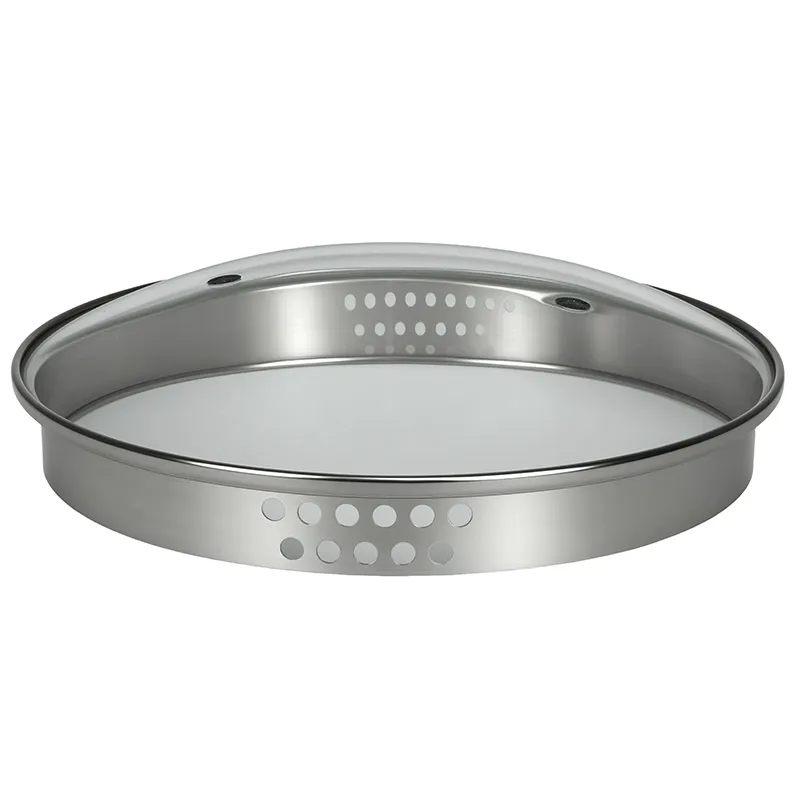
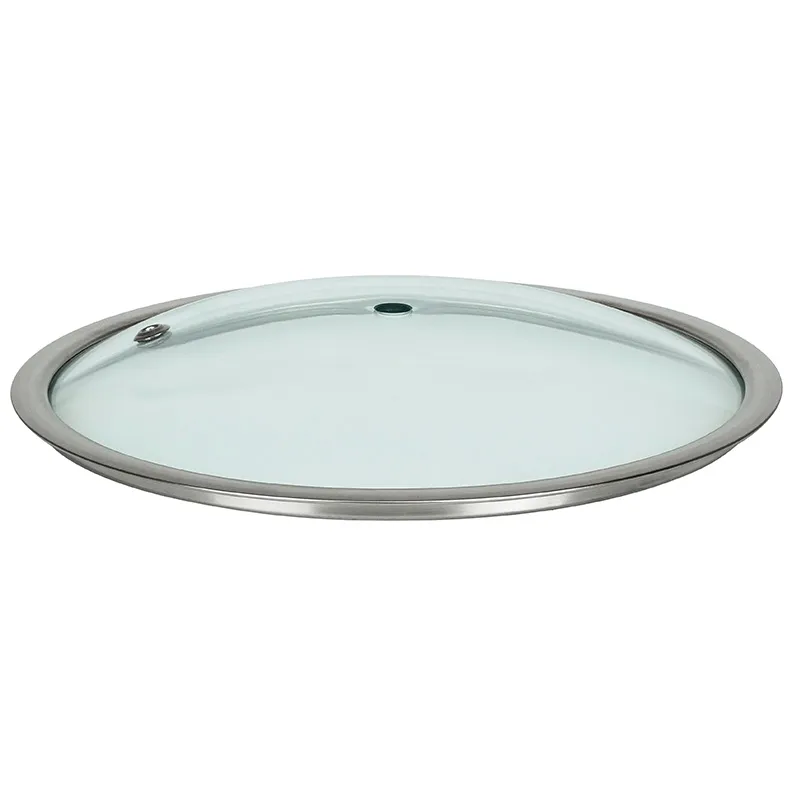
This is where working with a specialized manufacturer makes all the difference. It's not about finding a lid maker and a jar maker; it's about finding a partner who understands the system. A company like EUR-ASIA COOKWARE CO.,LTD, for instance, which specializes in household glass products, operates from a different mindset. Visiting a facility that produces over 15 million tempered glass lids annually, like their base in Taian, you see the integration. They're not just stamping out lids; they're engineering them to match the jars they produce or source, understanding that the lid's thread pitch must perfectly marry the jar's thread.
Their export focus to markets like Germany, Japan, and South Korea is a telling detail. These markets have stringent consumer safety and quality standards (think LFGB in Germany). A manufacturer surviving there has already solved the basic material safety and consistency issues that plague cheaper, unbranded products. When they produce a glass jar with lid and straw system, they're likely testing for thermal shock (sudden temperature change resistance), seal integrity under pressure, and repeated use durability. It's baked into their process.
The pitfall, even with good manufacturers, is in the customization. Requesting a non-standard straw hole size or a unique lid coating can throw off their calibrated production line. We once asked for a matte powder coating on a stainless steel lid to match a brand color. The coating, while beautiful, subtly changed the thread dimensions and the compression on the silicone gasket, leading to a higher rate of leakers in the first production run. It was a lesson in not modifying a core functional component for purely aesthetic reasons without extensive prototyping.
User Scenarios and Unseen Problems
In practice, these jars live a tough life. They go from fridge to dishwasher, get tossed in bags, and are used for everything from water to acidic juices. The straw, especially a fixed one, becomes a dirt magnet. A design I appreciate incorporates a wide-mouth jar that allows easy hand-cleaning inside, paired with a lid where the straw port assembly can be fully disassembled. If the straw port is a fixed, molded part of the lid, residue will build up in the crevices, leading to mold—a major hygiene fail.
Carbonation is another stealth test. A customer might use the jar for sparkling water or homemade kombucha. The pressure buildup is real. A lid that seals perfectly for still liquids can fail under internal pressure, either by leaking or, in a worst-case scenario, by having the straw become a projectile when opened. A good system either vents pressure slightly through the straw port design or uses a sturdier locking mechanism. I haven't seen many off-the-shelf glass jar with lid and straw designs that confidently handle carbonation; it's usually an afterthought.
The Straw Itself: Material and Logistics
Let's dwell on the straw a bit longer. Silicone is the safe, popular choice. But not all silicone is equal. You want food-grade, platinum-cured silicone for odor and stain resistance. The cheaper peroxide-cured variants can retain a chemical smell and discolor quickly. The straw's wall thickness and internal diameter define the drinking experience. A thin wall makes it floppy; a narrow bore makes sucking a thick smoothie a chore. For a product targeting the European or Japanese market, the straw length must also be considered—taller, narrower jars are popular there, requiring a longer straw.
Then there's the logistics of the straw. Does it come attached? Packed separately? If it's a glass straw, how is it protected in transit? We had an order where the glass straws were packed loose in the box alongside the jar. The result was a 40% breakage rate in shipping. The solution was a simple cardboard sleeve or, better yet, a slot in the packaging insert that cradled the straw separately. These are the mundane, critical details that separate a prototype from a shippable product.
Brushes. If you're selling a glass jar with lid and straw as a premium kit, including a narrow cleaning brush is almost mandatory. It signals that you understand the usage cycle. Sourcing a brush that actually fits the straw's internal diameter and is long enough is another tiny but significant component headache. Omitting it invites negative reviews about cleanliness.
Closing Thoughts: It's a System, Not Parts
So, after all this, what's the takeaway? The keyword 'glass jar with lid and straw' points to a consumer product, but for anyone in the trade, it represents a carefully balanced system of materials, tolerances, and user behaviors. Success isn't found in sourcing the cheapest jar, the cheapest lid, and the cheapest straw and assembling them. It's found in partners who view these elements as interconnected, who have the production scale and quality control—like a facility producing 15 million lids a year—to ensure consistency, and who have already navigated the regulatory hurdles of demanding export markets.
The final product should feel intuitive: the lid should screw on with consistent, smooth resistance and seal with a satisfying snap or compression; the straw should fit snugly without force, and the entire assembly should survive the dishwasher cycle without warping, leaking, or retaining odors. When it does, that simple jar becomes a reliable daily tool. When it doesn't, it becomes a frustrating piece of counter clutter. The difference is in all the details you never see until they go wrong.
Related Products
Related Products