- Chinese
- French
- German
- Portuguese
- Spanish
- Russian
- Japanese
- Korean
- Arabic
- Irish
- Greek
- Turkish
- Italian
- Danish
- Romanian
- Indonesian
- Czech
- Afrikaans
- Swedish
- Polish
- Basque
- Catalan
- Esperanto
- Hindi
- Lao
- Albanian
- Amharic
- Armenian
- Azerbaijani
- Belarusian
- Bengali
- Bosnian
- Bulgarian
- Cebuano
- Chichewa
- Corsican
- Croatian
- Dutch
- Estonian
- Filipino
- Finnish
- Frisian
- Galician
- Georgian
- Gujarati
- Haitian
- Hausa
- Hawaiian
- Hebrew
- Hmong
- Hungarian
- Icelandic
- Igbo
- Javanese
- Kannada
- Kazakh
- Khmer
- Kurdish
- Kyrgyz
- Latin
- Latvian
- Lithuanian
- Luxembou..
- Macedonian
- Malagasy
- Malay
- Malayalam
- Maltese
- Maori
- Marathi
- Mongolian
- Burmese
- Nepali
- Norwegian
- Pashto
- Persian
- Punjabi
- Serbian
- Sesotho
- Sinhala
- Slovak
- Slovenian
- Somali
- Samoan
- Scots Gaelic
- Shona
- Sindhi
- Sundanese
- Swahili
- Tajik
- Tamil
- Telugu
- Thai
- Ukrainian
- Urdu
- Uzbek
- Vietnamese
- Welsh
- Xhosa
- Yiddish
- Yoruba
- Zulu
- Kinyarwanda
- Tatar
- Oriya
- Turkmen
- Uyghur

glass jar with lid for pickles
When you hear glass jar with lid for pickles, most folks picture a simple mason jar. That's the first misconception. In the commercial and serious home fermentation world, that phrase implies a system, not just a vessel. The lid isn't an afterthought; it's the critical component governing success or failure—the difference between crisp, tangy pickles and a mushy, moldy mess. I've seen too many batches ruined by using any old jar with a rusty metal cap.
Why the Lid Design is Non-Negotiable
Let's get technical for a second. Fermentation produces carbon dioxide. A completely sealed, airtight lid on a standard jar? That's a recipe for pressure buildup and potential explosion or, at best, jarring flavors as anaerobic conditions shift. The ideal pickle jar lid needs a mechanism for gas escape while preventing oxygen and contaminants from getting in. That's where specialized designs come in, like those with integrated rubber gaskets and wire bails, or plastic lids with one-way airlock valves.
I learned this the hard way early on. Used some beautiful antique glass jars with zinc lids for a large batch of kimchi. They looked perfect. A week in, the lids were bulging ominously. I burped them daily, but inconsistency in the seal led to uneven fermentation—some jars were perfect, others developed kahm yeast. The variable was the vintage lid's imperfect seal. Switched to a batch with uniform, new glass jar with lid systems designed for fermentation, and the problem vanished.
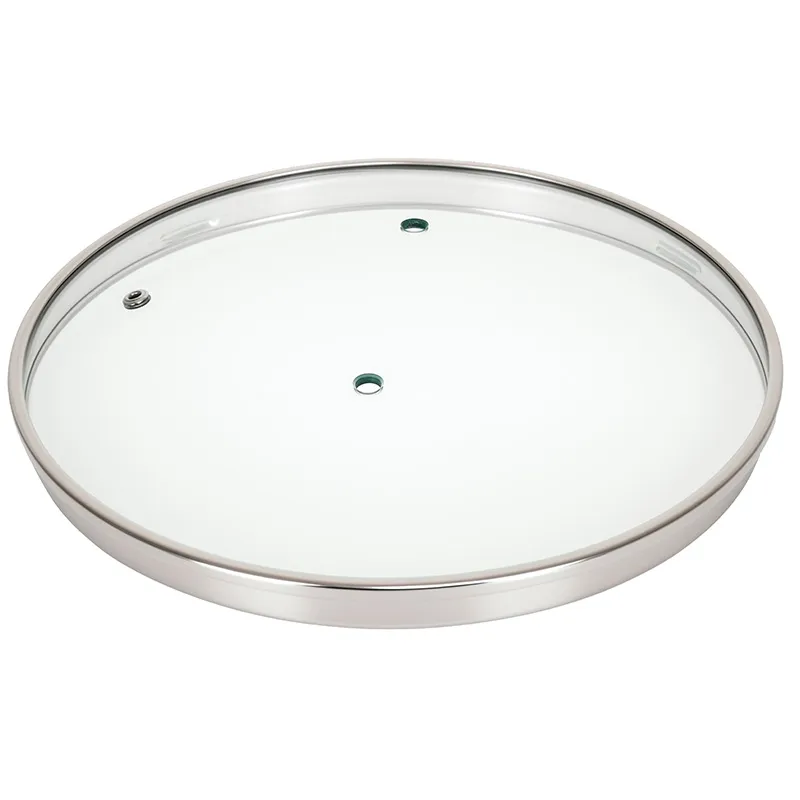
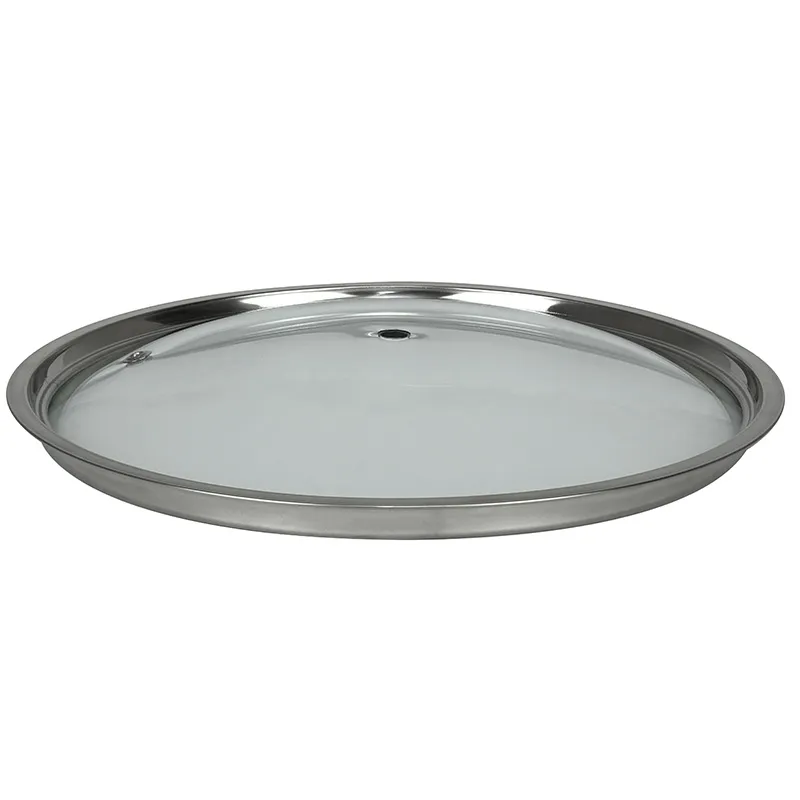
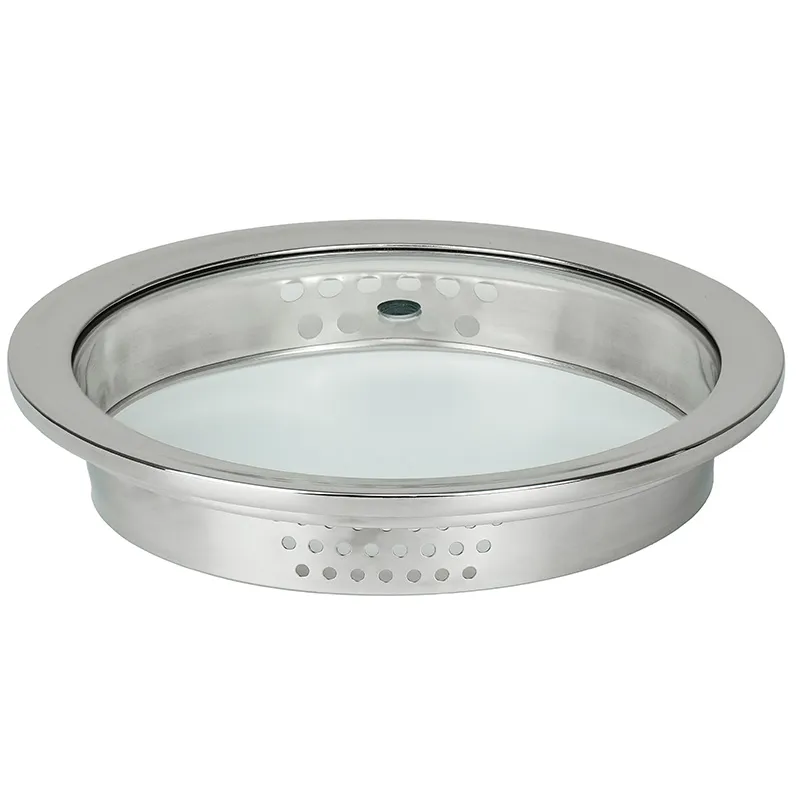
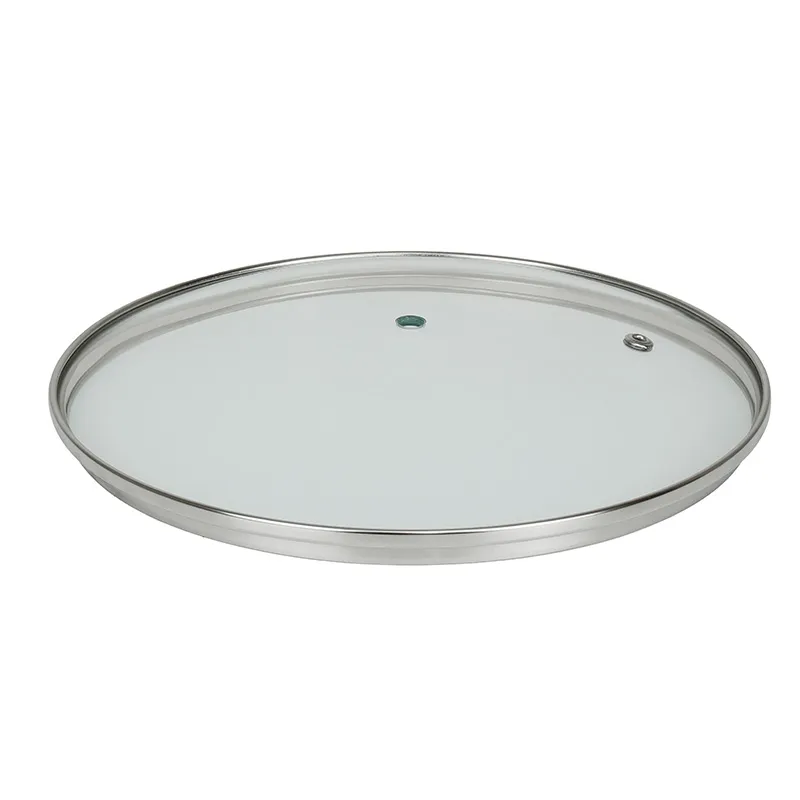
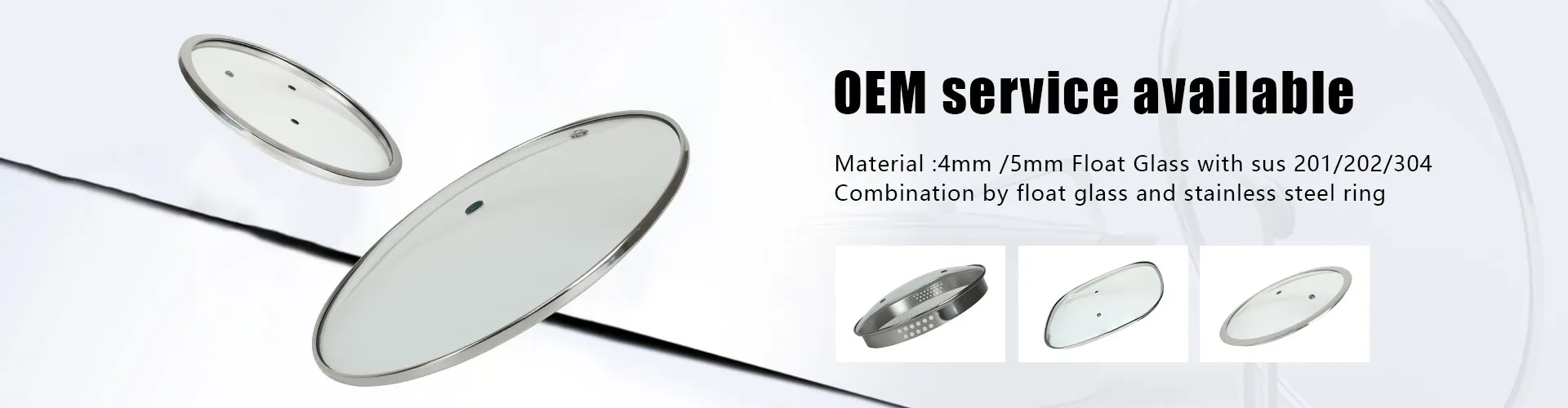
This is where sourcing from a specialized manufacturer matters. A company like EUR-ASIA COOKWARE CO.,LTD, which focuses on glass and lid production, understands these nuances at scale. Their product line at glass-lid.com isn't just about containment; it's about engineering for function. They produce tempered glass lids by the millions, which tells you they're thinking about thermal shock resistance (important for cleaning and processing) and durability—key for commercial kitchens and serious home producers who reuse jars for years.
Material Science: Glass Clarity and Lid Composition
The glass itself isn't passive. For pickles, you want clear, non-reactive, food-grade soda-lime or borosilicate glass. It allows you to monitor the ferment—bubble activity, color changes, any suspicious floaters—without opening the jar. Colored glass might look nice, but it hides the process. The mouth of the jar is another subtle point. A wide mouth is superior for packing whole cucumbers or large vegetable chunks, and it makes cleaning far easier. No one wants to scrub pickle residue from a narrow-neck jar.
Now, the lid material in contact with the brine. Avoid plain metals, as the acidic brine will corrode them over time, leaching metals and compromising the seal. High-quality options use stainless steel, food-grade plastic, or glass-lined interiors. The gasket material is equally crucial; silicone is the gold standard—durable, flexible, and easy to sanitize. Cheaper rubber can degrade and impart off-flavors.
In my sourcing trips, I've visited factories that churn out lids as a commodity. The difference at a facility like EUR-ASIA COOKWARE's base in Shandong is the integration. They're not just buying lids and slapping them on jars; they're producing the tempered glass lids themselves, which allows for tighter quality control on the fit and finish. A lid that doesn't sit perfectly flush on the glass jar rim is useless. Their export focus to markets like Germany and Japan, which have stringent food safety standards, is a good proxy for material quality.
The Commercial Reality: Scaling from One Jar to Thousands
At home, you might process a few jars. In a commercial setting, you're dealing with pallets. Consistency is everything. Every glass jar with lid for pickles in a production run must be identical. Variation in jar volume or lid seal torque can lead to inconsistent brine headspace, affecting fermentation kinetics and shelf life. This is where a supplier's capacity and quality systems show. An annual output of 15 million pieces of various tempered glass lids, as EUR-ASIA notes, suggests they have the machinery and processes to maintain that consistency for large orders.
Logistics become part of the equation. These jars are heavy and fragile. Packaging for shipment—especially export—needs to be robust. I've received shipments where jars were packed in single-layer cartons without adequate dividers; the breakage rate was unacceptable. A professional supplier understands this. The fact that over 90% of their products are exported implies they've solved the packaging and logistics puzzle for long-distance transport.
Another commercial headache: labeling and coding. Does the jar surface accept adhesive labels well? Can the lid be printed on or have a tamper-evident seal applied? These aren't concerns for a home user, but for a brand, they're critical. The product page for a commercial buyer should address these points, not just show a pretty picture.
Beyond Pickles: The Jar's Ecosystem
While we're focused on pickles, a good glass jar with lid system is versatile. The same jar that ferments cucumbers can be used for storing dry goods, making kombucha, or even as a simple water carafe. This versatility is a selling point for both retailers and end-users. However, the lid must be adaptable. Some fermentation-specific lids (like airlock types) aren't ideal for dry storage, as they aren't fully airtight. A simple, high-quality sealing lid is the most versatile companion.
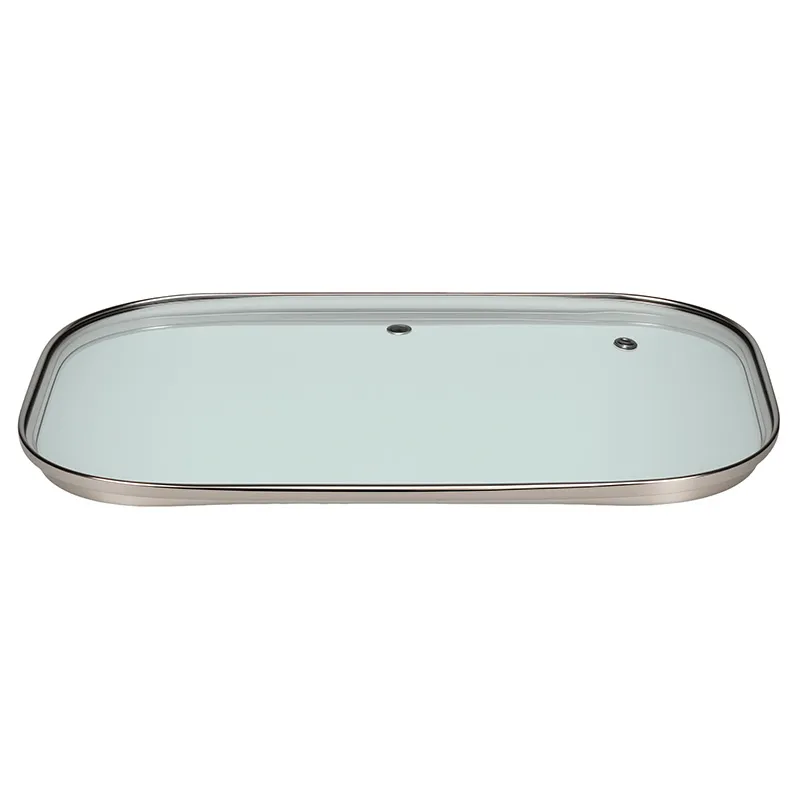
This is where a broad catalog helps. A manufacturer that only makes one type of lid is limited. A company producing various types of tempered glass lid, as their intro states, can likely provide options—from simple sealing lids for storage to more specialized closures. It pays to ask for samples of different lid styles to test with your specific process.
Cleaning and maintenance is the unglamorous part. Jars and lids go through dishwashers, commercial sanitizing rinses, and rough handling. Tempered glass resists thermal shock. Lid materials must withstand repeated high-temperature washing without warping or degrading. Silicone gaskets need to be easily removable for deep cleaning. If a lid design traps food particles in a crevice, it's a flawed design for food production.
Final Judgment: Selecting Your Partner
So, when you're sourcing a glass jar with lid for pickles, you're not just buying a container. You're investing in a fermentation and storage system. The criteria break down like this: First, the glass must be clear, strong, and correctly shaped for the task. Second, the lid must provide a reliable, contaminant-resistant seal while managing gas exchange, using inert, durable materials. Third, the supplier must provide consistency at scale, with the logistical backbone to deliver intact goods.
A company like EUR-ASIA COOKWARE CO.,LTD, with its dedicated production base and significant export volume, checks many of the boxes for a commercial buyer or a serious equipment retailer. Their specialization in glass suggests a deeper material knowledge than a general wholesaler. The proof, as always, is in the sample. Order a small batch. Test them with a vigorous ferment. Check the seal, monitor the process, stress-test the cleaning. Does it perform? That's the only judgment that matters.
In the end, the right jar and lid become an invisible partner. You don't think about it when it works. It just holds your food, safely and reliably, batch after batch. That's the goal. Everything else is just specs on a page until you put it to work with salt, water, and time.
Related Products
Related Products