- Chinese
- French
- German
- Portuguese
- Spanish
- Russian
- Japanese
- Korean
- Arabic
- Irish
- Greek
- Turkish
- Italian
- Danish
- Romanian
- Indonesian
- Czech
- Afrikaans
- Swedish
- Polish
- Basque
- Catalan
- Esperanto
- Hindi
- Lao
- Albanian
- Amharic
- Armenian
- Azerbaijani
- Belarusian
- Bengali
- Bosnian
- Bulgarian
- Cebuano
- Chichewa
- Corsican
- Croatian
- Dutch
- Estonian
- Filipino
- Finnish
- Frisian
- Galician
- Georgian
- Gujarati
- Haitian
- Hausa
- Hawaiian
- Hebrew
- Hmong
- Hungarian
- Icelandic
- Igbo
- Javanese
- Kannada
- Kazakh
- Khmer
- Kurdish
- Kyrgyz
- Latin
- Latvian
- Lithuanian
- Luxembou..
- Macedonian
- Malagasy
- Malay
- Malayalam
- Maltese
- Maori
- Marathi
- Mongolian
- Burmese
- Nepali
- Norwegian
- Pashto
- Persian
- Punjabi
- Serbian
- Sesotho
- Sinhala
- Slovak
- Slovenian
- Somali
- Samoan
- Scots Gaelic
- Shona
- Sindhi
- Sundanese
- Swahili
- Tajik
- Tamil
- Telugu
- Thai
- Ukrainian
- Urdu
- Uzbek
- Vietnamese
- Welsh
- Xhosa
- Yiddish
- Yoruba
- Zulu
- Kinyarwanda
- Tatar
- Oriya
- Turkmen
- Uyghur


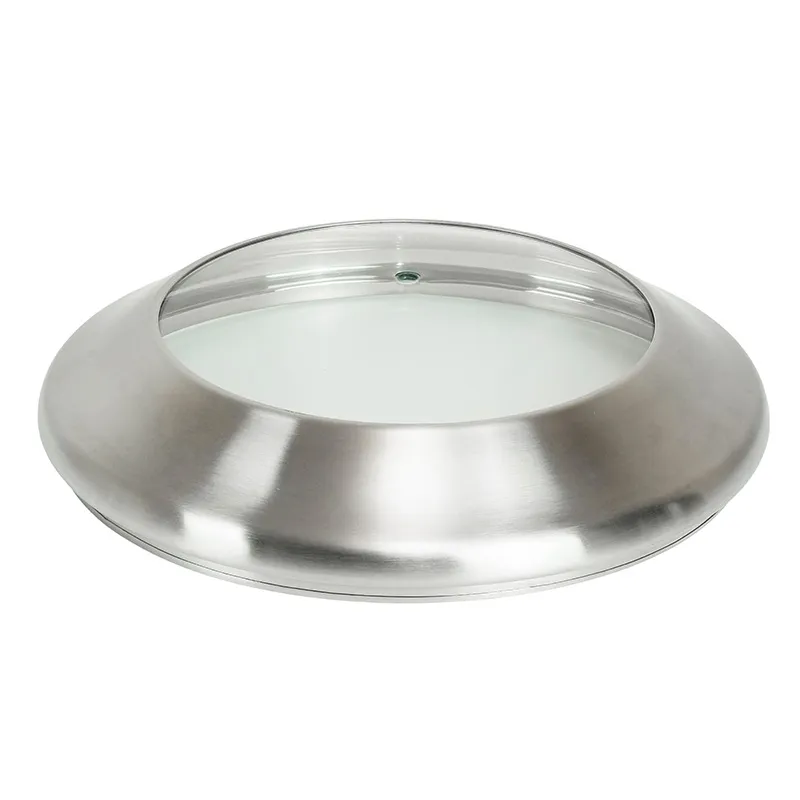
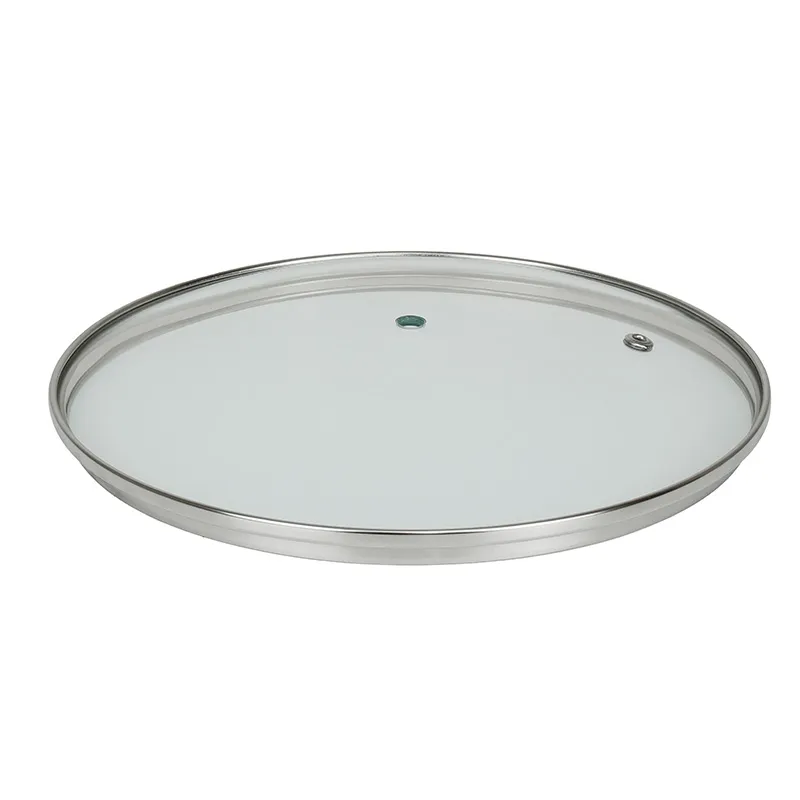
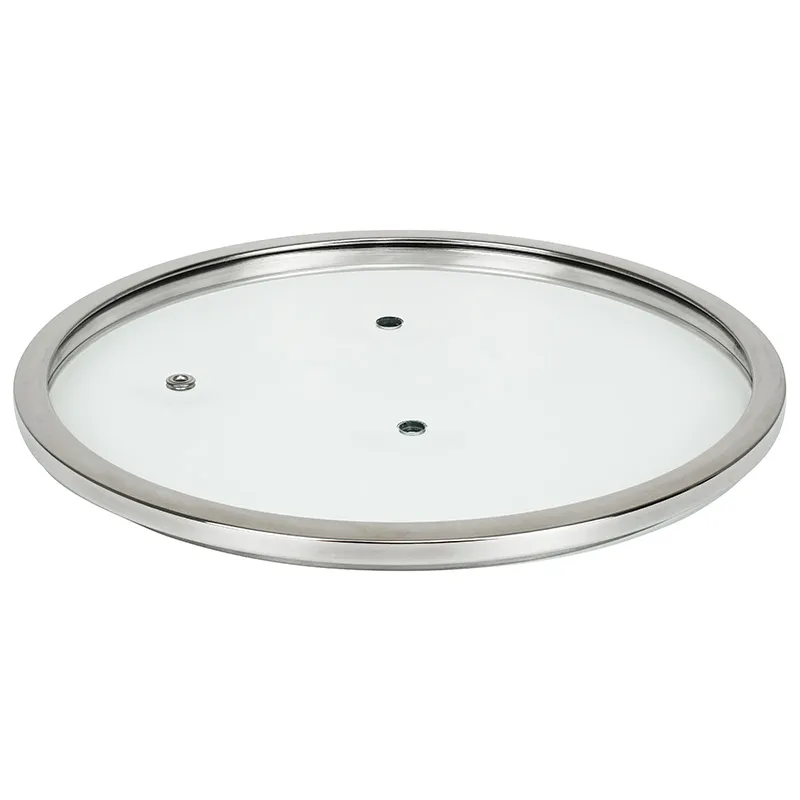
glass jar with silver lid
When most people hear 'glass jar with silver lid', they picture a generic pantry item. In the trade, that phrase immediately splits into a dozen technical and commercial considerations—material grade, thread finish, sealing integrity, and whether that 'silver' is actually aluminum, tinplate, or a coated steel. It's a classic case where the consumer sees a simple object, and the producer sees a checklist of potential failure points. I've spent years sourcing and specifying these for kitchenware lines, and the gap between a good jar and a great one is all in the details most never think about.
The Core Spec: It's All About the Seal
The primary function is preservation, and 90% of that hinges on the lid, not the jar. The glass body is straightforward—borosilicate or tempered soda-lime, chosen for thermal shock resistance or cost. But the lid system is a marriage of materials. The silver-colored metal cap is usually tinplate or aluminum with a lacquer coating to prevent food reaction. The critical component is the liner, the plastisol or PVC gasket fused inside the cap. Its durometer (hardness) and compression set (ability to bounce back) determine the seal's longevity.
I've seen batches fail because the liner formula was off by a fraction. They'd seal initially, pass QC, but after a few weeks on the shelf, the compression set was poor and the seal relaxed. Result: returned goods for 'loss of vacuum'. The fix wasn't changing the metal, but working with the compound supplier to adjust the polymer blend. This is where a supplier's expertise is tested. A company like EUR-ASIA COOKWARE CO.,LTD, which specializes in household glass and produces over 15 million tempered glass lids annually, has likely dialed in these material specs through sheer volume and feedback from markets like Germany and Japan, where standards are punishing.
Another nuance is the thread design. European-style continuous threads versus American-style lugs require different cap application torques. For a glass jar with silver lid destined for a global market, the producer must have tooling for both, or design a hybrid thread that accommodates standard capping equipment across regions. It's a small detail that becomes a huge logistics headache if overlooked.
The Aesthetics and Perceived Value
'Silver' here is a finish, not a metal. It conveys a clean, modern, slightly premium feel compared to gold or white. But achieving a consistent, blemish-free coating that withstands processing and handling is tricky. The metal blank needs proper cleaning and priming before coating. Any oil residue leads to fish-eyes or peeling later. I recall a project where the lids developed microscopic pinholes in the coating after retort processing (heat sterilization). The cause was traced back to an inconsistent electroplating layer before the final lacquer was applied. The jar was fine, but the lid looked corroded.
This is where scale matters. A production base like EUR-ASIA's, covering 20,000㎡, likely integrates coating lines in-house. Controlling that step internally, rather than outsourcing it, reduces variables. You can visit their site at https://www.glass-lid.com to see their focus—it's on the lid as a critical component. Their specialization suggests they've invested in getting this surface finish right, which is why they can supply major export markets. The finish isn't just about looks; it's the first barrier against rust, especially for wet kitchen environments or acidic contents.
The glass clarity matters too. For a premium product, the jar should have low iron content to be extra clear ('crystal glass'), not have a greenish tint. Pairing that with a bright, smooth silver lid creates a visual contrast that pops on shelf. But it's a cost balance. Not every product needs that level; for a robust storage jar, thicker, slightly green-tinted glass might be chosen for strength and cost. The producer's job is to match the material to the price point and use case.
Logistics and the Reality of Breakage
Glass is fragile. The biggest hidden cost in this business isn't the unit price, but the breakage rate through the supply chain—from factory, to container ship, to warehouse, to store. A glass jar with silver lid presents a double challenge: you can pack the jars tightly, but the lids, often shipped nested, can scratch each other's finish if not properly separated. I've opened containers to find a perfect pallet of jars rendered unsellable because the lids were scuffed from in-transit vibration.
Good suppliers solve this with clever packaging. Sometimes, lids are shipped attached to the jars, with a cardboard separator between each layer. Other times, they're bagged separately. EUR-ASIA COOKWARE's experience exporting to over a dozen countries means they've had to master this. Shipping to Brazil involves different humidity and jostling than shipping to Switzerland. Their packaging R&D is as important as their product R&D. A failure here erases all the quality work done on the production line.
Then there's compatibility. A brand might source jars from one factory and lids from another to save cost. It's a risky game. Even if the thread size is nominally the same (e.g., 70mm), minor tolerances in thread pitch or glass finish height can cause leakers. It's always safer to source the jar and lid as a married set from a single supplier that takes full responsibility for the seal performance. The company's integrated production, from glass tempering to lid fabrication, mitigates this risk.
The Misconception of One-Size-Fits-All
A common buyer mistake is treating all glass jars as commodities. They'll get a quote from a general glassware factory and one from a specialist like EUR-ASIA, which focuses on glass lid systems and kitchen accessories, and wonder about the price difference. The difference is in the testing. A specialist will have protocols for torque testing, vacuum decay testing, and thermal cycle testing. They'll know that a jar for pickling needs a different liner compound (acid-resistant) than one for dry goods.
I learned this through a failure. We launched a line of jars for infused oils. Standard food-grade liner. Within months, we got reports of the lids swelling and seals failing. The oils, especially citrus-infused, had essential oils that degraded the standard plastisol. We had to switch to a specific, oil-resistant liner compound. A supplier without deep material knowledge just provides a standard BOM; a good one asks, What are you putting in it? and How will the end-user handle it?
This is the professional judgment that comes from volume and variety. Producing 15 million pieces a year across low, medium, and high-level products, as EUR-ASIA does, means encountering every possible customer requirement and failure mode. That institutional knowledge gets baked into their standard process, even for a seemingly simple item.
Where the Industry is Heading
The trend isn't just about storage anymore; it's about multi-functionality and aesthetics. The glass jar with silver lid is now a countertop display piece, a coffee brewer (like cold brew jars), or a premium gift set component. This demands design touches: lids with integrated silicone seals for easier opening, hinge mechanisms, or even bamboo accents combined with the silver metal. The lid becomes a functional interface.
Suppliers are responding. You can see evolution on sites like glass-lid.com—it's not just about selling a component, but providing a solution for brands. The production capability to temper glass for thermal shock resistance (crucial for jars that go from fridge to microwave) is a baseline. The next level is design collaboration for custom shapes and finishes.
Ultimately, the humble jar and lid combo is a lesson in supply chain integrity. From the silica sand and steel coil arriving at the factory in Taian, to the finished product on a shelf in Berlin, every step—glass forming, tempering, metal stamping, coating, lining, assembly, testing, packing—has to be controlled. When it's done right, the user just sees a simple, perfect container. They never think about the thread pitch or the liner's compression set. And that's the point. Our job is to make sure they never have to.
Related Products
Related Products