- Chinese
- French
- German
- Portuguese
- Spanish
- Russian
- Japanese
- Korean
- Arabic
- Irish
- Greek
- Turkish
- Italian
- Danish
- Romanian
- Indonesian
- Czech
- Afrikaans
- Swedish
- Polish
- Basque
- Catalan
- Esperanto
- Hindi
- Lao
- Albanian
- Amharic
- Armenian
- Azerbaijani
- Belarusian
- Bengali
- Bosnian
- Bulgarian
- Cebuano
- Chichewa
- Corsican
- Croatian
- Dutch
- Estonian
- Filipino
- Finnish
- Frisian
- Galician
- Georgian
- Gujarati
- Haitian
- Hausa
- Hawaiian
- Hebrew
- Hmong
- Hungarian
- Icelandic
- Igbo
- Javanese
- Kannada
- Kazakh
- Khmer
- Kurdish
- Kyrgyz
- Latin
- Latvian
- Lithuanian
- Luxembou..
- Macedonian
- Malagasy
- Malay
- Malayalam
- Maltese
- Maori
- Marathi
- Mongolian
- Burmese
- Nepali
- Norwegian
- Pashto
- Persian
- Punjabi
- Serbian
- Sesotho
- Sinhala
- Slovak
- Slovenian
- Somali
- Samoan
- Scots Gaelic
- Shona
- Sindhi
- Sundanese
- Swahili
- Tajik
- Tamil
- Telugu
- Thai
- Ukrainian
- Urdu
- Uzbek
- Vietnamese
- Welsh
- Xhosa
- Yiddish
- Yoruba
- Zulu
- Kinyarwanda
- Tatar
- Oriya
- Turkmen
- Uyghur

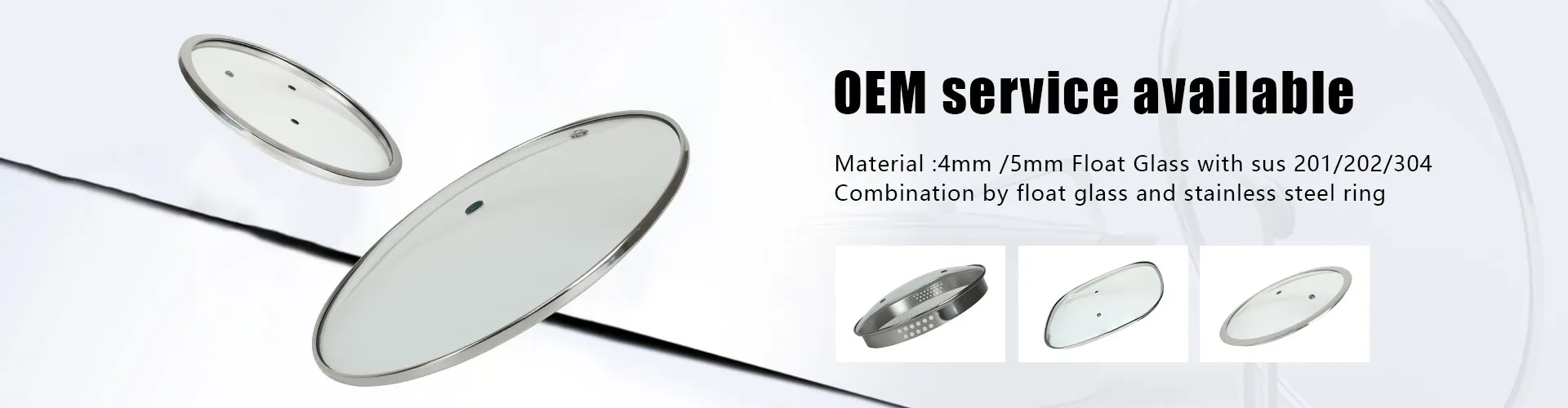
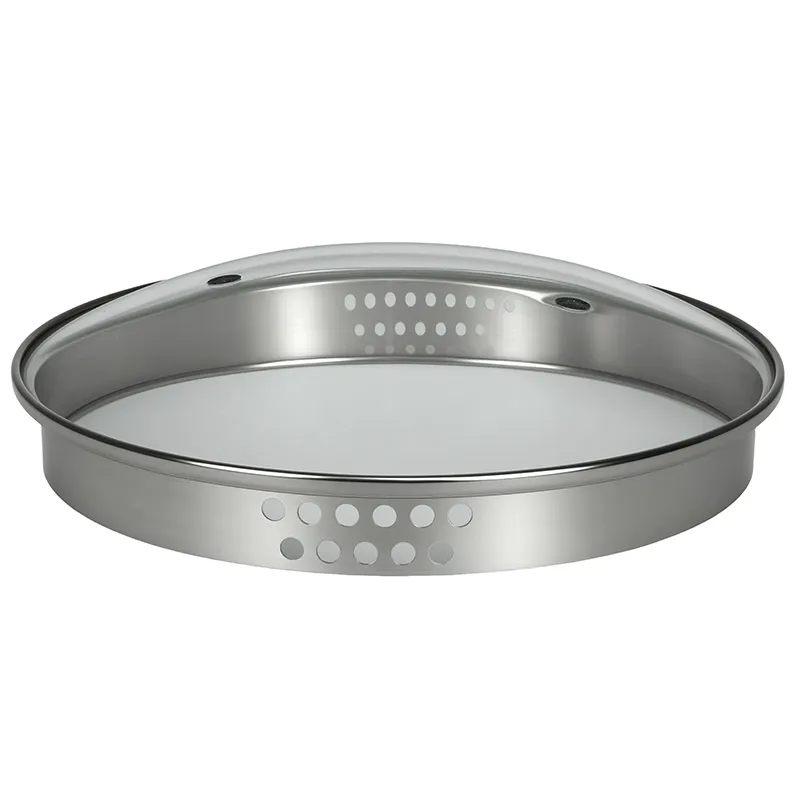
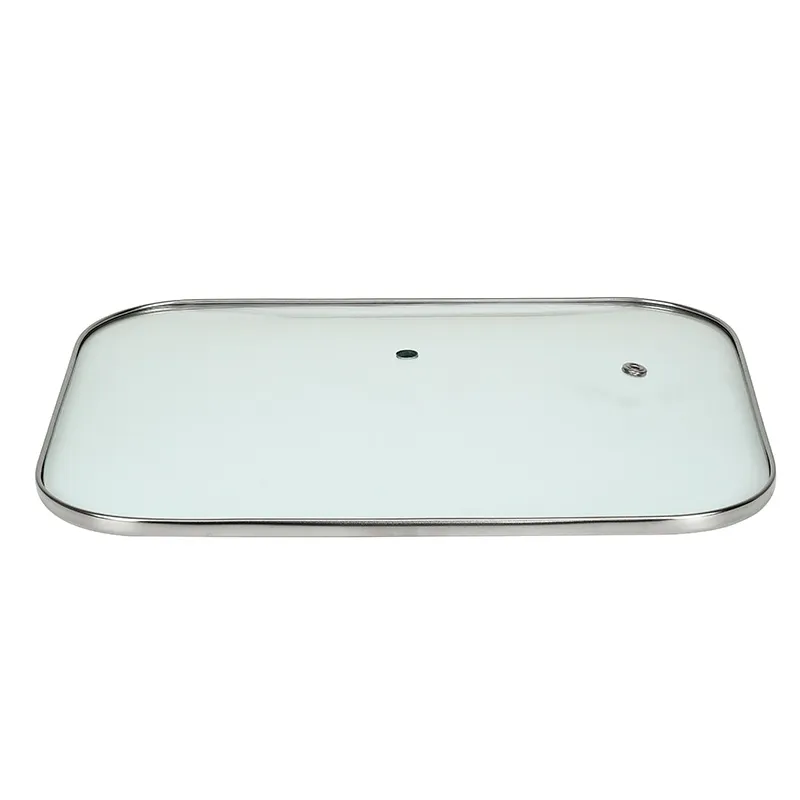
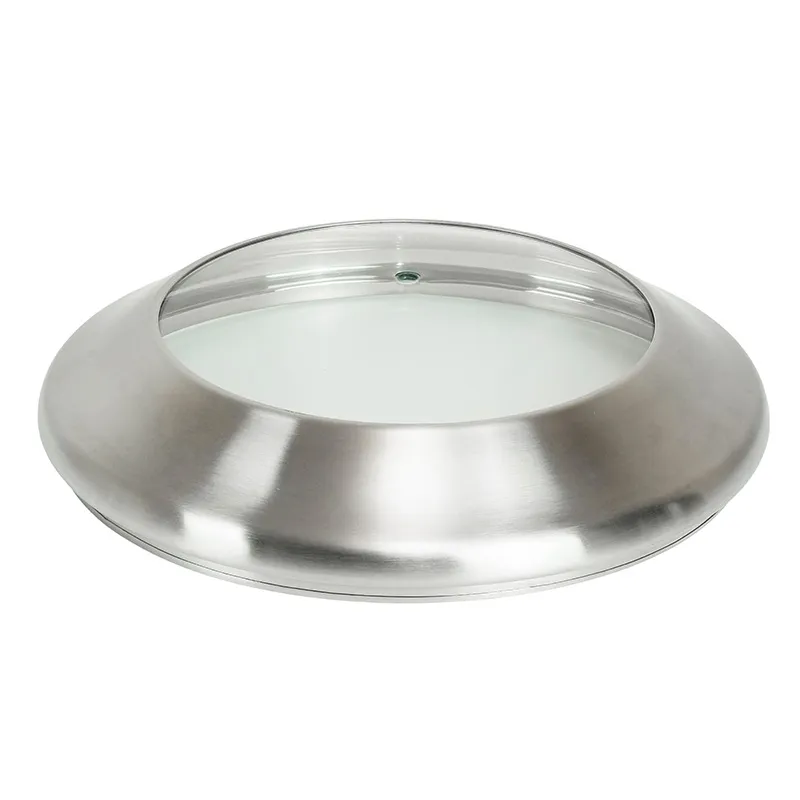
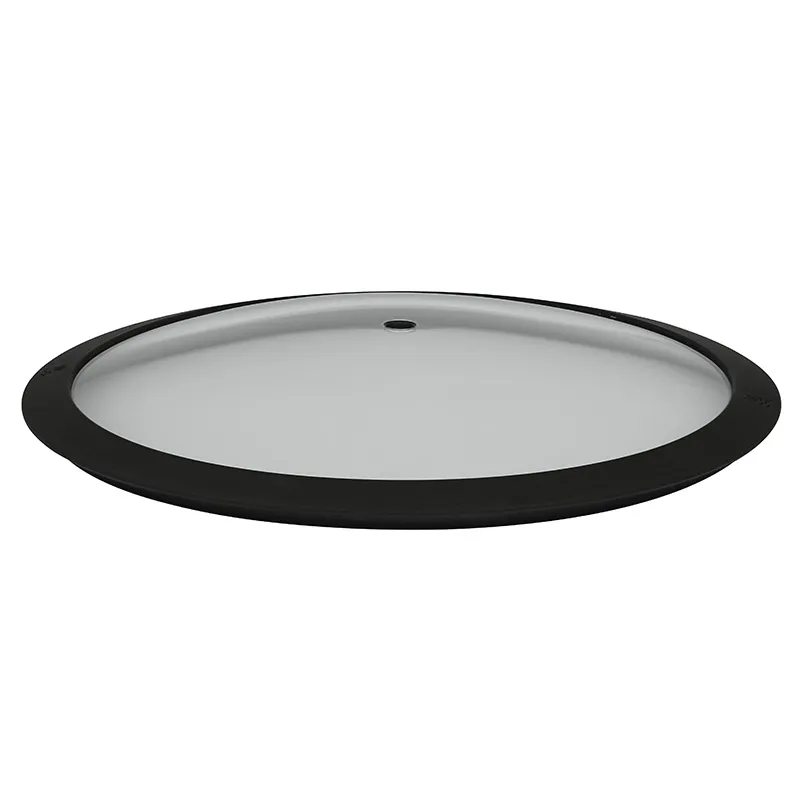
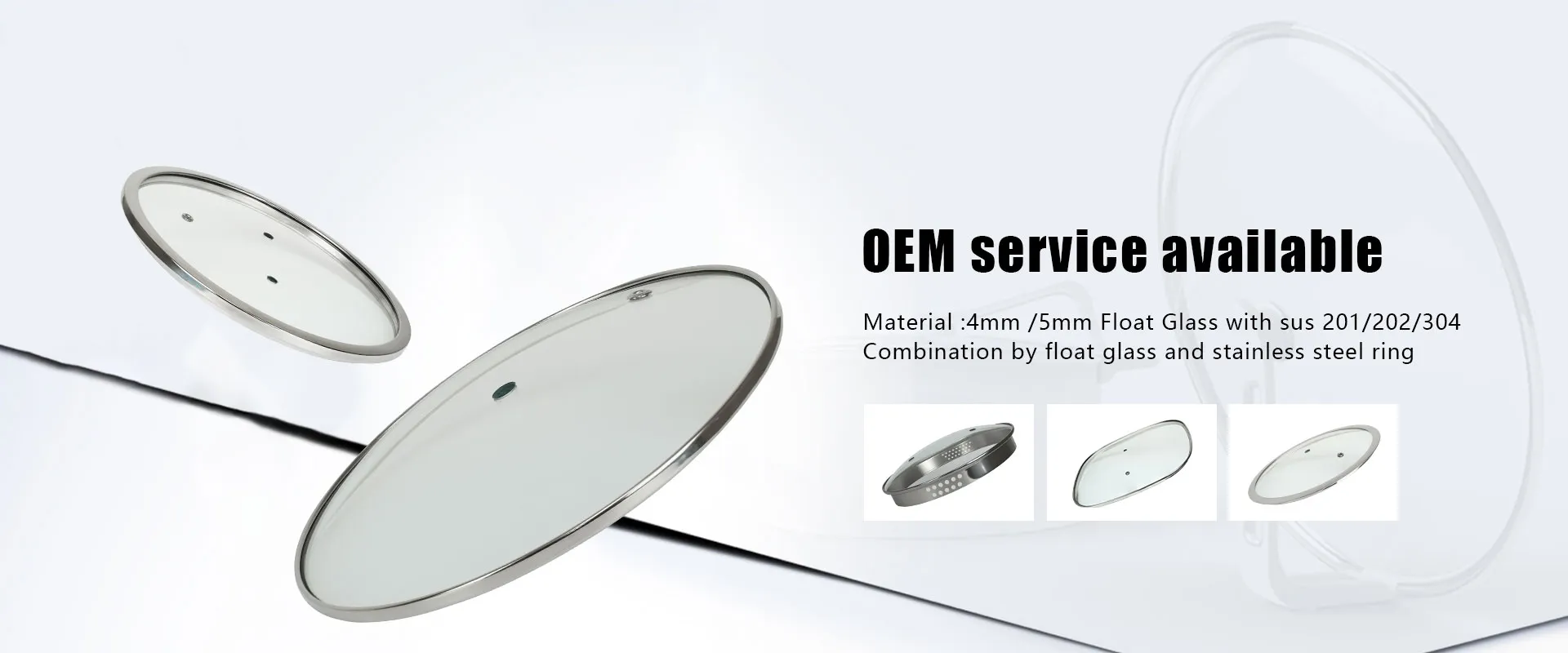
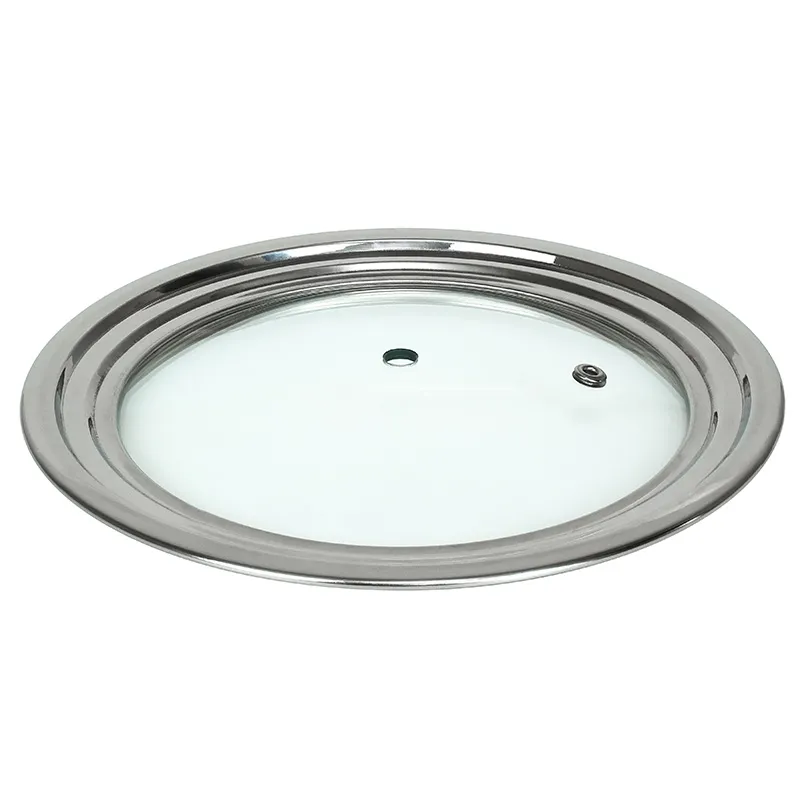
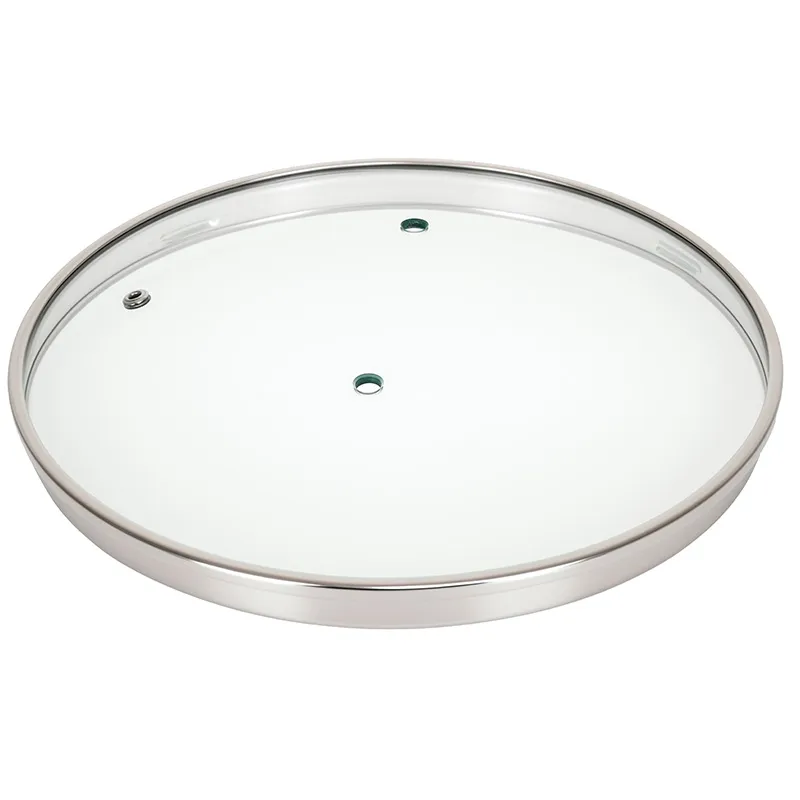
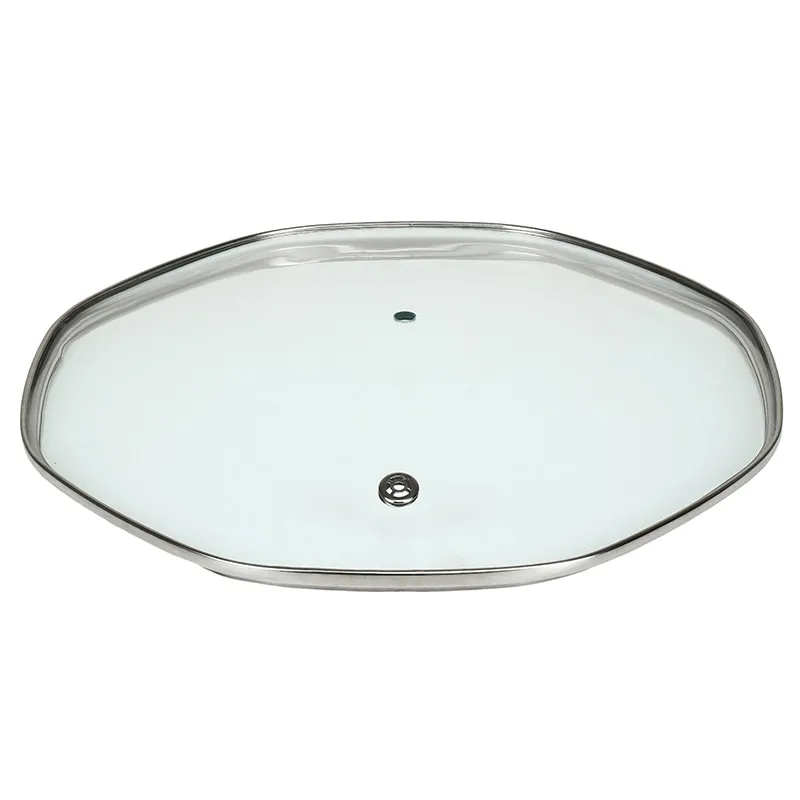
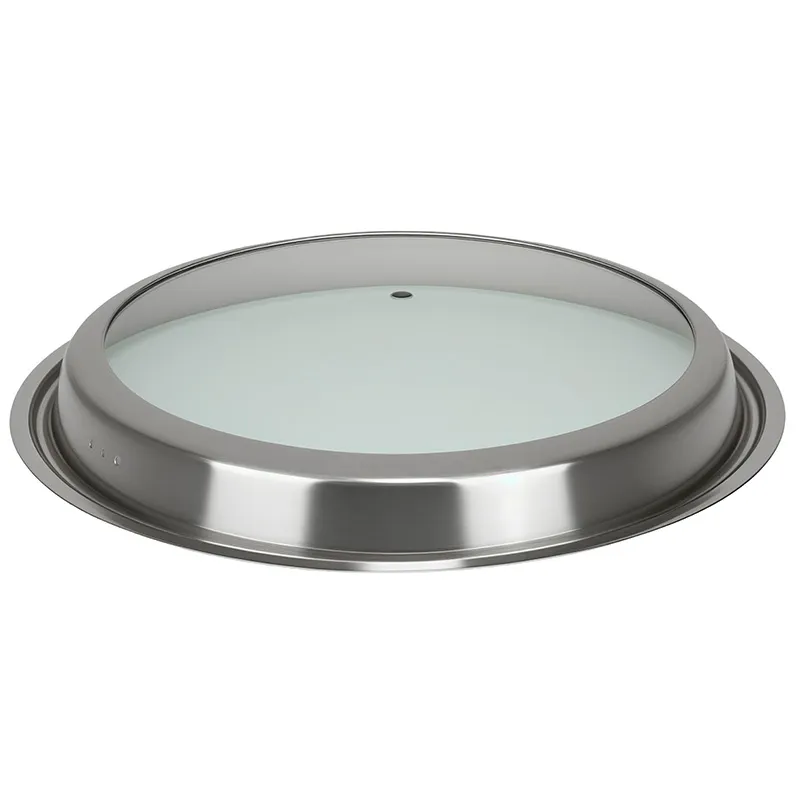
glass jar with steel lid
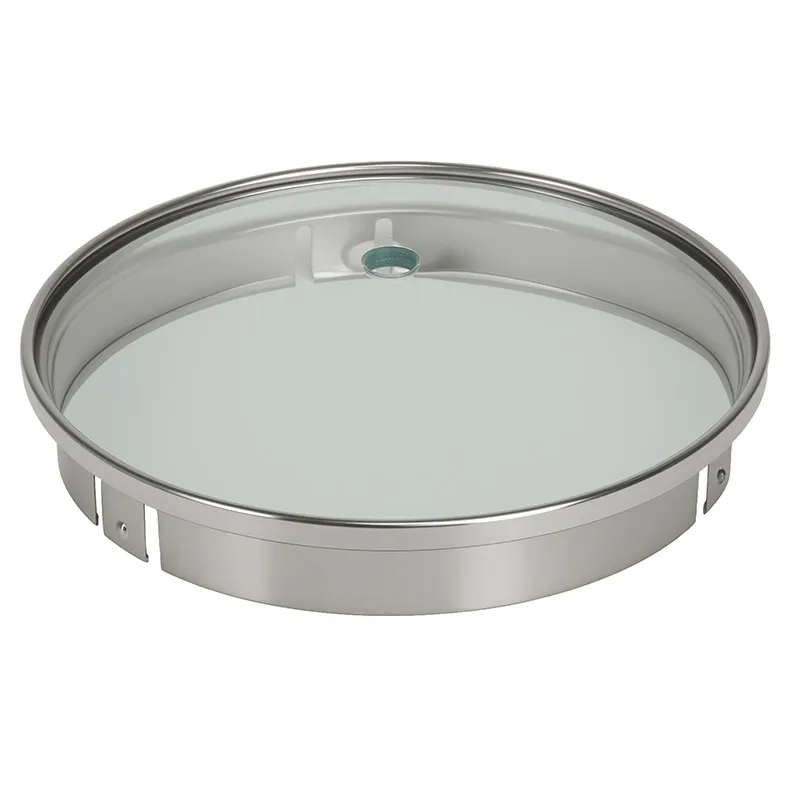
You see 'glass jar with steel lid' and think it's straightforward—glass holds, steel seals. But that's where most misconceptions start. The real challenge isn't in making a jar or a lid; it's in making them work as one coherent system under stress—thermal, mechanical, seasonal. I've seen too many designs fail because someone treated the lid as an afterthought, just a piece of stamped metal. The truth is, that steel component is the functional heart of the jar, dictating shelf life, user experience, and ultimately, brand reputation.
The Critical Interface: Where Glass Meets Metal
Let's talk about the seal. It's not just about the rubber gasket (though that's a whole other deep dive). The precision of the glass finish at the sealing surface—the rim—is everything. If the glass lip has even a micron-level irregularity from the molding or tempering process, you'll get a failure. I recall a batch for a European client where we had consistent seal failures. After days of troubleshooting, we found it wasn't the steel lid or the gasket, but a nearly invisible 'chill mark' on the glass rim from the molding machine. The steel, being rigid, couldn't conform. The fix involved recalibrating the mold temperature cycles, not changing the lid specs.
This leads to the steel itself. Not all steel is equal for this application. You need a specific grade with the right ductility. Too hard, and it won't 'give' slightly to accommodate minor glass imperfections during the capping process. Too soft, and it loses its 'memory'—the ability to spring back and maintain downward force on the gasket. For high-acid content preserves, a coated tinplate is non-negotiable to prevent corrosion, but for dry goods, a simpler enamel coating might suffice. It's a cost vs. application decision many get wrong initially.
At a place like EUR-ASIA COOKWARE CO.,LTD, with their volume (15 million pieces annually), this precision is scaled. Their production base in Taian's high-tech zone likely has automated optical inspection for the glass rim, but even then, human sampling is crucial. The synergy between the glass forming line and the lid stamping line has to be managed. If the lid diameter tolerance drifts by half a millimeter on the press, you'll have thousands of jars that are either too loose or impossible to close.
Thermal Dynamics and Real-World Stress
Here's a scenario most catalogs don't cover: thermal cycling in transit. A container ship from China to Europe goes through massive temperature swings. The glass and steel expand and contract at different rates. A jar sealed at 20°C in a factory in Shandong might be on a dock at 5°C, then in a Brazilian warehouse at 35°C. The internal pressure changes. A well-designed glass jar with steel lid system accounts for this. The vacuum inside a properly sealed jar will pull the lid's center into a slight concave dip—a sign of good seal. But if the headspace was miscalculated or the filling temperature was off, you can get 'false seals' or buckling.
We learned this the hard way with a line of coffee jars bound for Northern Europe. The lids were sealing perfectly at the factory. Months later, we got complaints of popped seals. The issue? We had filled the coffee at a higher temperature to drive out oxygen, but the cooling profile was too rapid. It created a higher-than-anticipated vacuum. Combined with the low atmospheric pressure in the hold of an aircraft (for a segment of the journey), the differential pressure was too great, and the lids' safety buttons popped. The solution was adjusting the cooling tunnel parameters and specifying a thicker-gauge steel for the lid's center panel to increase its buckling resistance. It wasn't a defect, but a design mismatch for the logistics chain.
This is where a manufacturer's export experience matters. EUR-ASIA COOKWARE exporting to markets like Germany, Japan, and Brazil means they've had to solve for these varied climatic and logistical challenges. A jar that works in dry, stable Switzerland might fail in humid, tropical Brazil if the steel coating isn't robust against condensation-induced corrosion. Their product range likely reflects these adaptations.
The User End: Threads, Grips, and Feel
Moving from engineering to ergonomics. The thread design on the glass and the corresponding curl on the steel lid is a masterpiece of subtle engineering if done right. The pitch, the depth, the lead-in angle—it all affects how many turns it takes to seal, the required torque, and the audible 'click' or break of the seal on opening. Consumers associate that smooth, consistent turn with quality. A jerky or gritty feel often comes from misalignment in the thread-forming tools for the glass or slight burrs on the steel curl edge.
Then there's the grip. A completely smooth lid is a nightmare for wet or oily hands. Embossing or knurling around the skirt adds cost but is essential for functionality. Some clients opt for a larger diameter lid to facilitate opening, but that changes the entire cost structure—more steel, potentially a wider jar neck requiring more glass. It's a trade-off. I've advocated for a standard 70mm or 82mm diameter for many applications because the tooling and component supply chain is more mature, leading to better consistency and lower cost.
For their household glass products, these human factors are critical. A glass jar for pasta sauce in Italy needs to be easy for an older person to open, yet seal securely. The same jar for pickles in South Korea might prioritize a sleek, minimalist lid aesthetic. The production of over 15 million pieces suggests they have mastered the tooling and stamping to deliver this consistency, but it's never 'set and forget'. Tooling wears, especially on the steel stamping dies for lids, requiring constant monitoring to maintain that perfect curl and thread engagement.
Failures as Learning: The Good Enough Trap
The biggest pitfall in this industry is accepting 'good enough' from component suppliers. Early on, we sourced glass from one factory and lids from another, assembling them ourselves. It seemed cost-effective. But when seal failure rates crept above an acceptable 2%, the blame game started. The glass maker said the lids were out of spec; the lid maker said the glass rims were inconsistent. The reality was both were true within their own, broad tolerances. The lesson: tight, integrated control over the critical interface is key. Either produce both in-house under one quality regime or have an extremely tight, co-developed specification with a single-source partner.
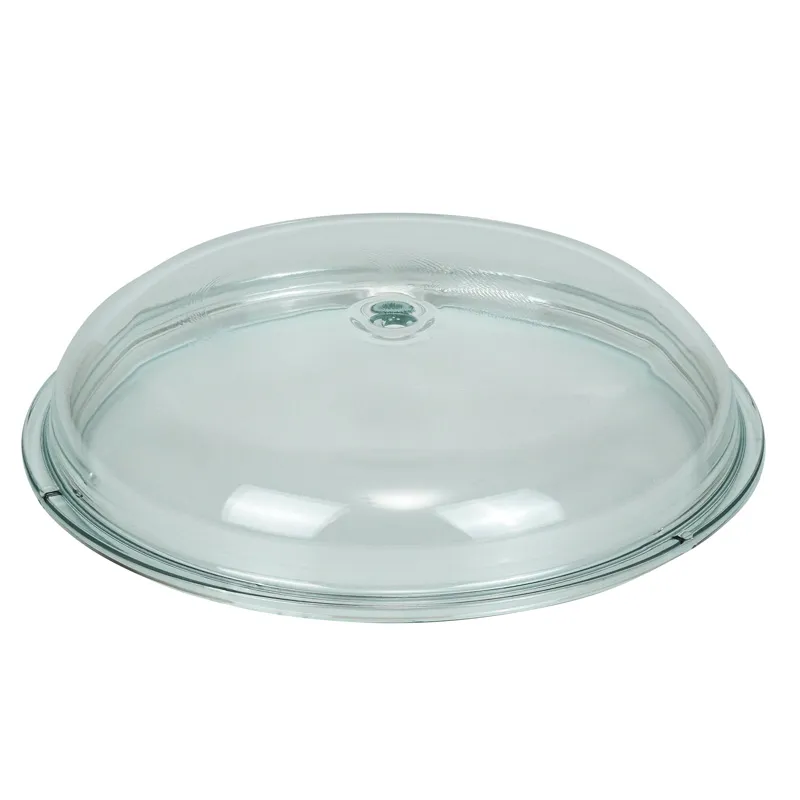
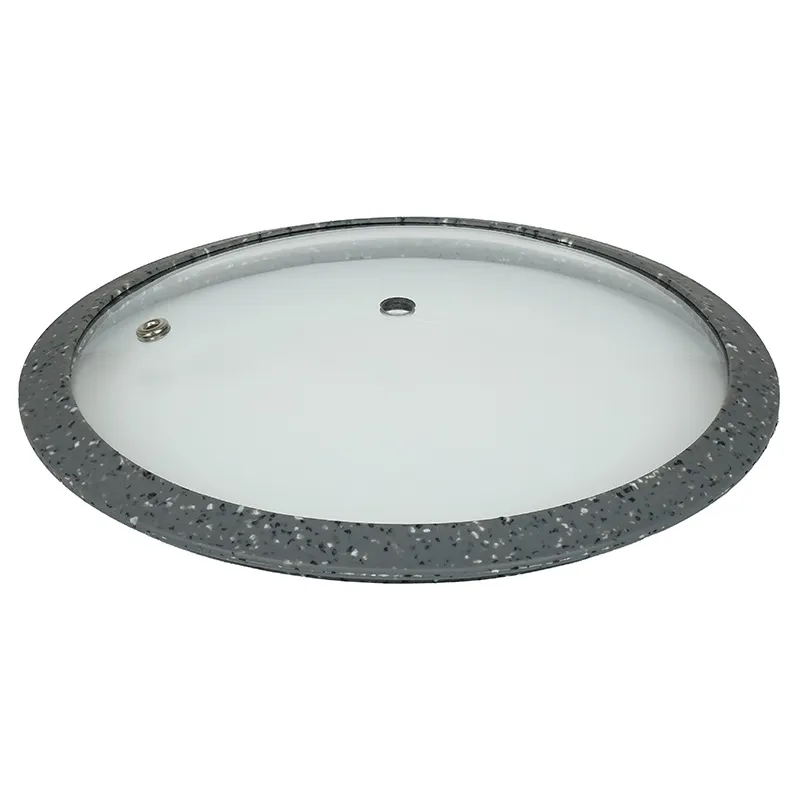
This is likely a strength of an integrated manufacturer. While EUR-ASIA COOKWARE CO.,LTD specializes in glass, their deep focus on tempered glass lid and related products implies a vertically integrated approach or very strong supplier partnerships. Controlling the tempering process for the glass lids (which is different from jar bodies) is vital for strength and thermal shock resistance. A lid that sits on a hot pot needs to withstand sudden temperature changes without shattering—a key selling point for their cookware-adjacent products.
Another failure point is overlooking secondary processes. For instance, the printing on the lid. If the ink or coating isn't fully cured or isn't compatible with the steel coating, it can become tacky in humid conditions or degrade during retort sterilization (for canned goods). I've seen beautifully printed lids arrive from a decorator, only to have the ink smudge off during the steam cleaning process just before filling on the client's line. It's a total loss. Now, we always test the full process chain, not just the component in isolation.
Sustainability and the Modern Imperative
Finally, the conversation today inevitably turns to sustainability. A glass jar with steel lid scores well—infinitely recyclable materials. But the devil's in the details. The steel lid often has a glued-in plastisol or rubber gasket. That complicates recycling. The industry is moving towards separable gaskets or food-grade silicone rings that consumers can pop out. It adds a step, but it's the right direction. Also, lightweighting is a constant pressure. Thinner glass requires more precise tempering; thinner steel needs better alloy to maintain strength. It's a balancing act between material reduction and functional integrity.
For a company exporting globally, REACH, FDA, and other food-contact regulations are the baseline. The real next step is designing for the circular economy from the outset. Does the lid use a standard size that can be replaced separately if the jar is reused? This extends the life of the glass body. It's a small design consideration with significant environmental impact.
Wrapping up, the humble glass jar with steel lid is a deceptively complex product. Its success hinges on a deep understanding of material science, production tolerances, thermal dynamics, human factors, and supply chain logistics. It's not just a container; it's a preservation system. When you see a jar from a seasoned exporter that seals perfectly every time, opens smoothly, and survives a global journey, you're looking at the result of countless iterations, failures, and refinements—a quiet testament to practical, hard-won manufacturing expertise.
Related Products
Related Products