- Chinese
- French
- German
- Portuguese
- Spanish
- Russian
- Japanese
- Korean
- Arabic
- Irish
- Greek
- Turkish
- Italian
- Danish
- Romanian
- Indonesian
- Czech
- Afrikaans
- Swedish
- Polish
- Basque
- Catalan
- Esperanto
- Hindi
- Lao
- Albanian
- Amharic
- Armenian
- Azerbaijani
- Belarusian
- Bengali
- Bosnian
- Bulgarian
- Cebuano
- Chichewa
- Corsican
- Croatian
- Dutch
- Estonian
- Filipino
- Finnish
- Frisian
- Galician
- Georgian
- Gujarati
- Haitian
- Hausa
- Hawaiian
- Hebrew
- Hmong
- Hungarian
- Icelandic
- Igbo
- Javanese
- Kannada
- Kazakh
- Khmer
- Kurdish
- Kyrgyz
- Latin
- Latvian
- Lithuanian
- Luxembou..
- Macedonian
- Malagasy
- Malay
- Malayalam
- Maltese
- Maori
- Marathi
- Mongolian
- Burmese
- Nepali
- Norwegian
- Pashto
- Persian
- Punjabi
- Serbian
- Sesotho
- Sinhala
- Slovak
- Slovenian
- Somali
- Samoan
- Scots Gaelic
- Shona
- Sindhi
- Sundanese
- Swahili
- Tajik
- Tamil
- Telugu
- Thai
- Ukrainian
- Urdu
- Uzbek
- Vietnamese
- Welsh
- Xhosa
- Yiddish
- Yoruba
- Zulu
- Kinyarwanda
- Tatar
- Oriya
- Turkmen
- Uyghur

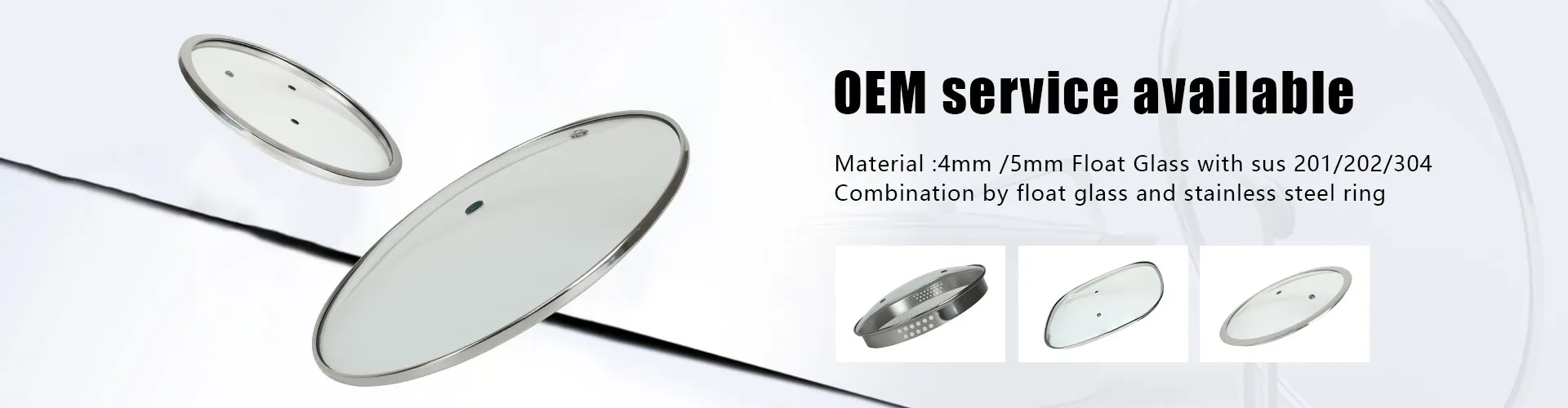
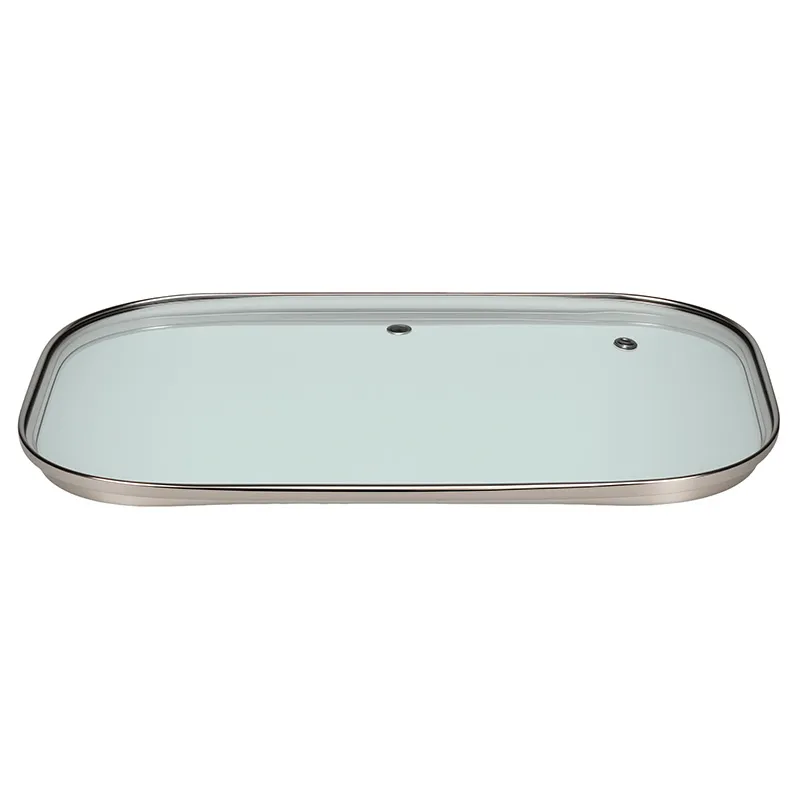
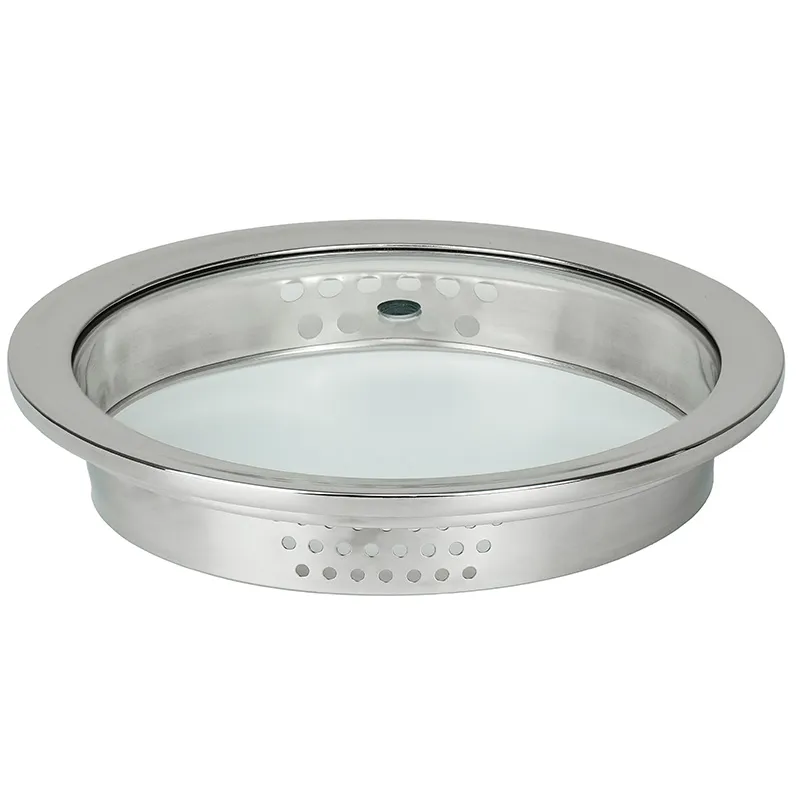
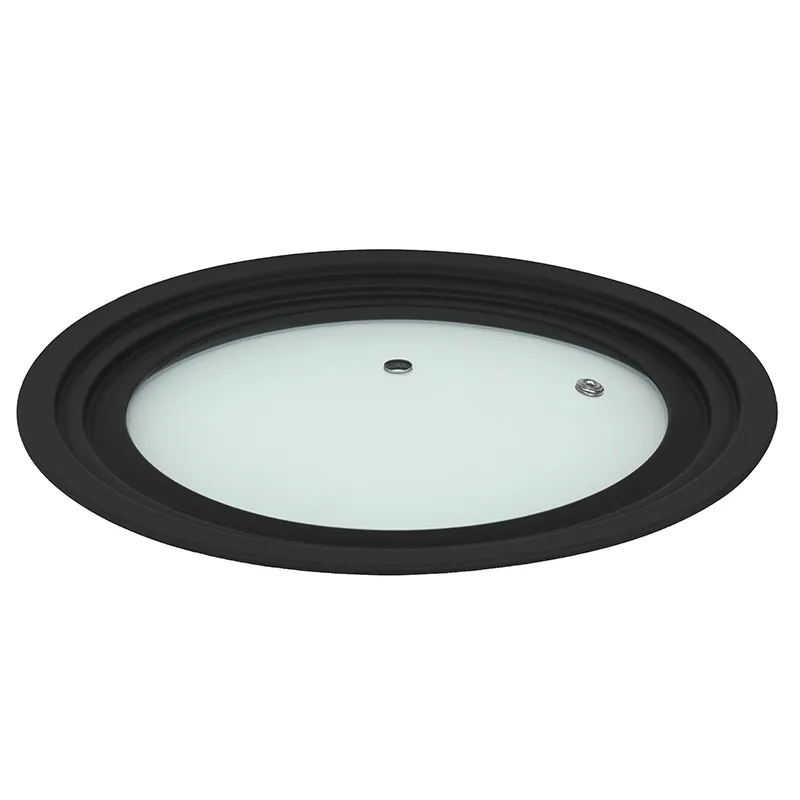
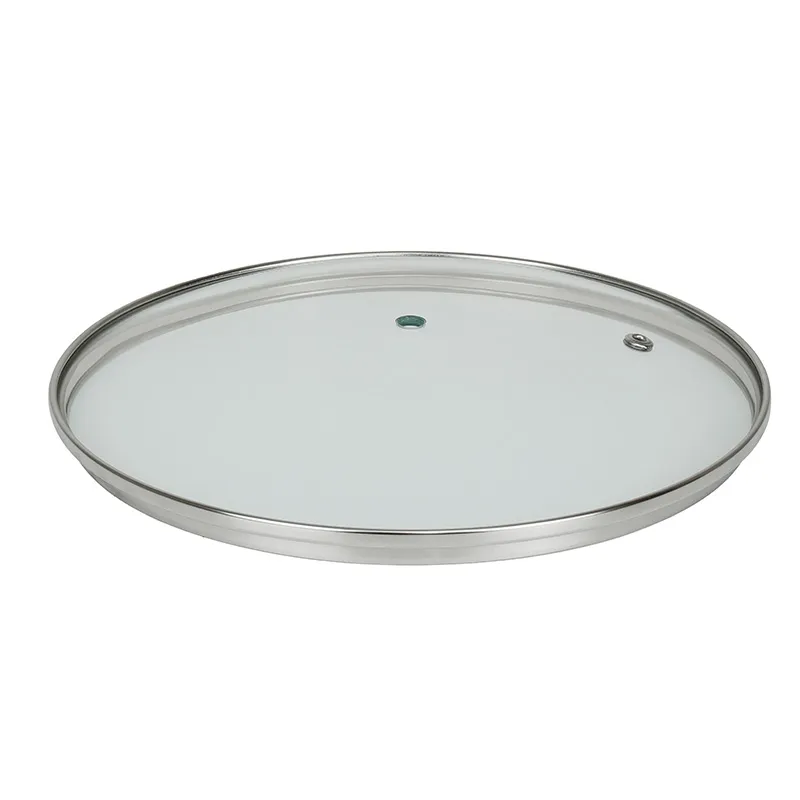
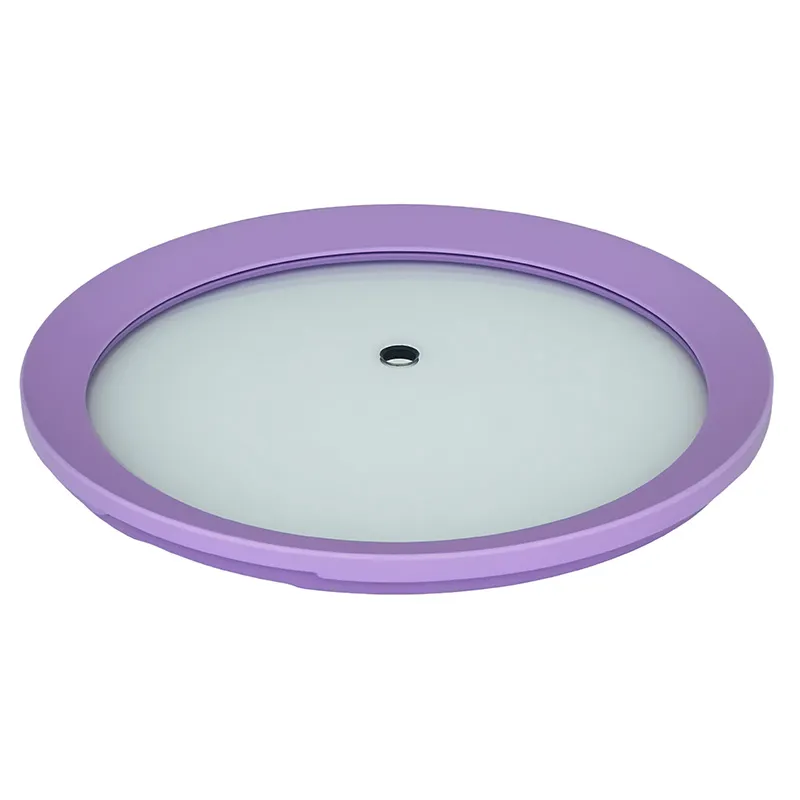
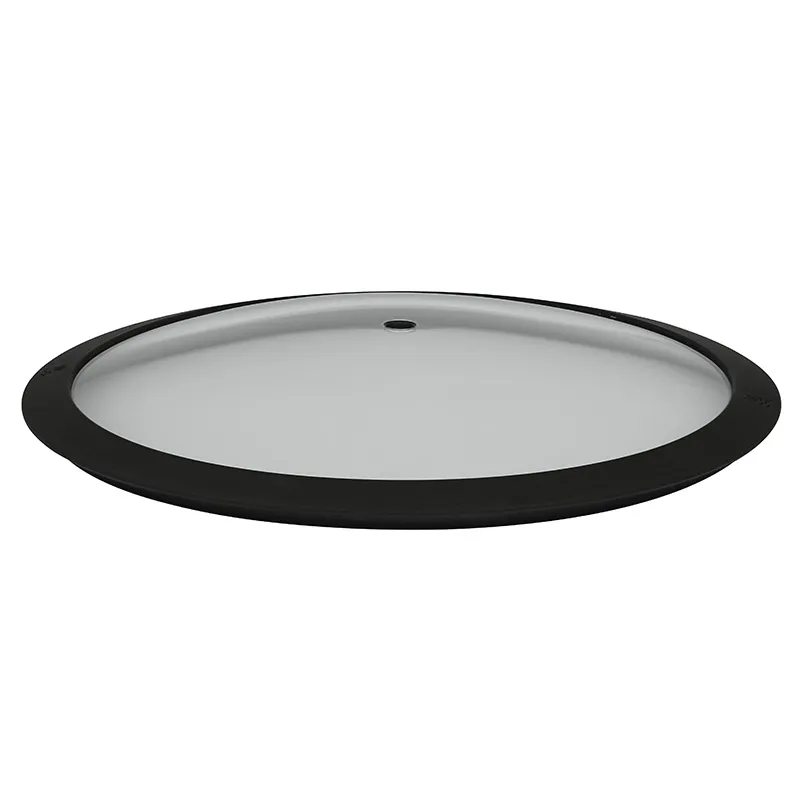
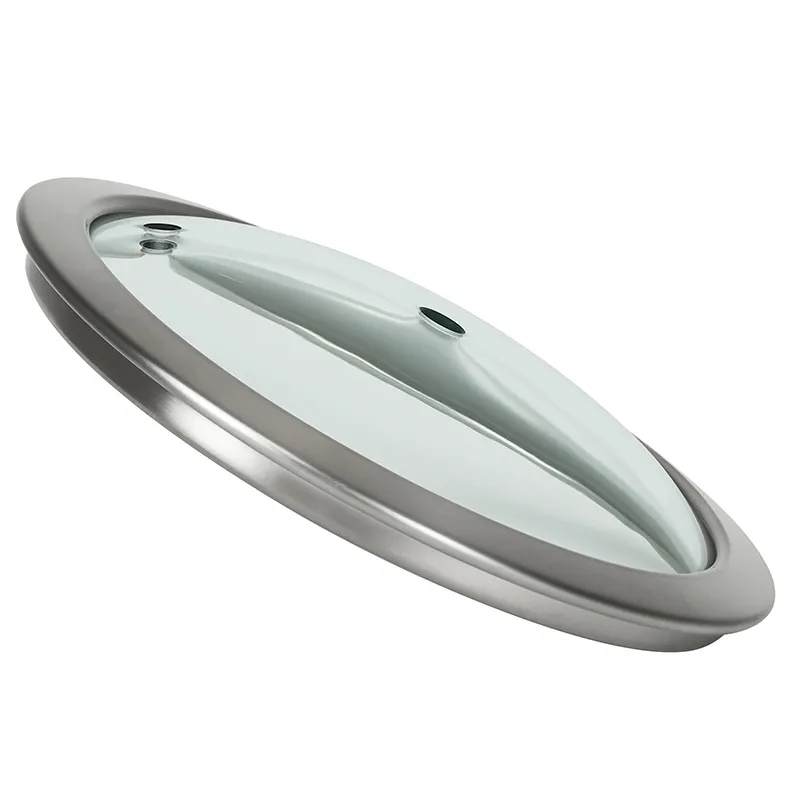
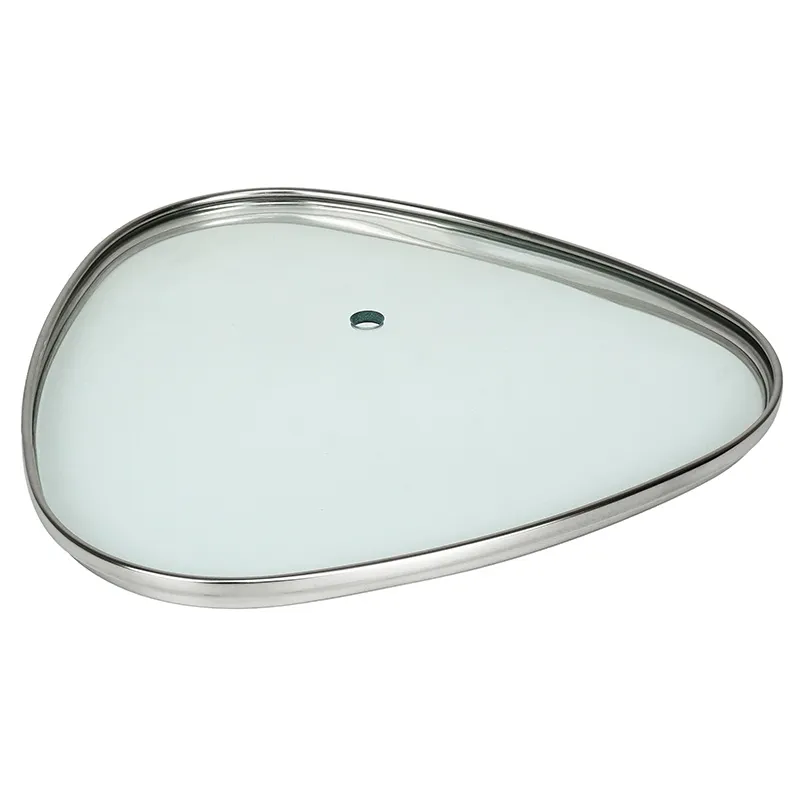
glass lasagna pan with lid
You see 'glass lasagna pan with lid' and think it's all about visibility and even baking. That's the common pitch, and it's not wrong, but it misses the nuance. The real test isn't in a pristine showroom; it's in a home oven with a 400°F (205°C) preheat, a heavy, cold, saucy load, and the sudden thermal shock that comes with it. That's where most generic promises fall apart. I've seen pans craze, lids that warp and no longer seal, and handles that get uncomfortably hot. The industry often treats glass as a single material, but the formulation, the tempering process, and the lid's fit are what separate a durable workhorse from a potential hazard.
The Core Material: It's Not Just Glass
When we specify glass for bakeware, we're almost always talking about borosilicate or tempered soda-lime. For a deep pan meant for layered, wet dishes like lasagna, thermal shock resistance is non-negotiable. Borosilicate is the classic choice for labware for a reason—its low coefficient of expansion. But it's more expensive. Many mass-market pans use tempered soda-lime, which is strong but more susceptible to sudden, extreme temperature changes. I recall a batch from a supplier a few years back where the lids, made from a lower-quality tempered glass, started developing micro-cracks around the rim after just a few cycles from fridge to oven. The pans were fine, but the lid failed. That mismatch is a critical flaw.
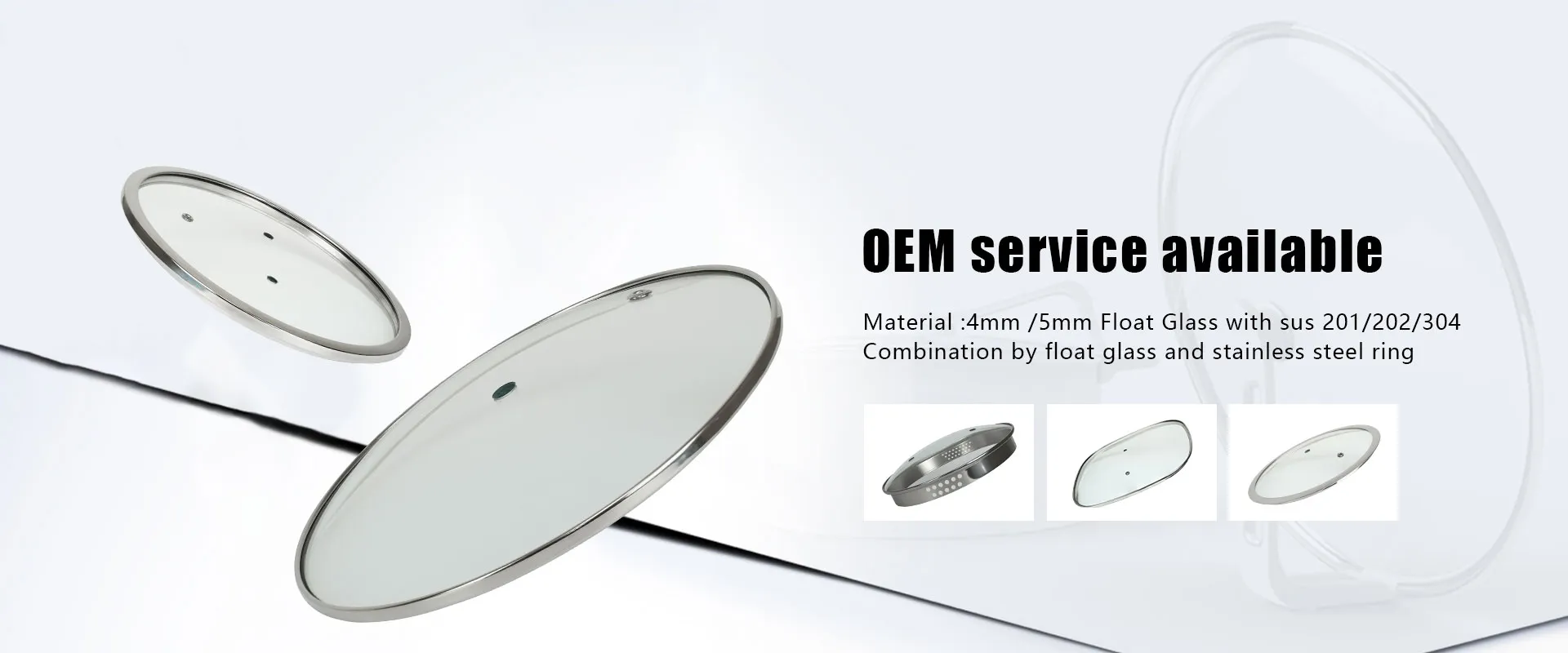
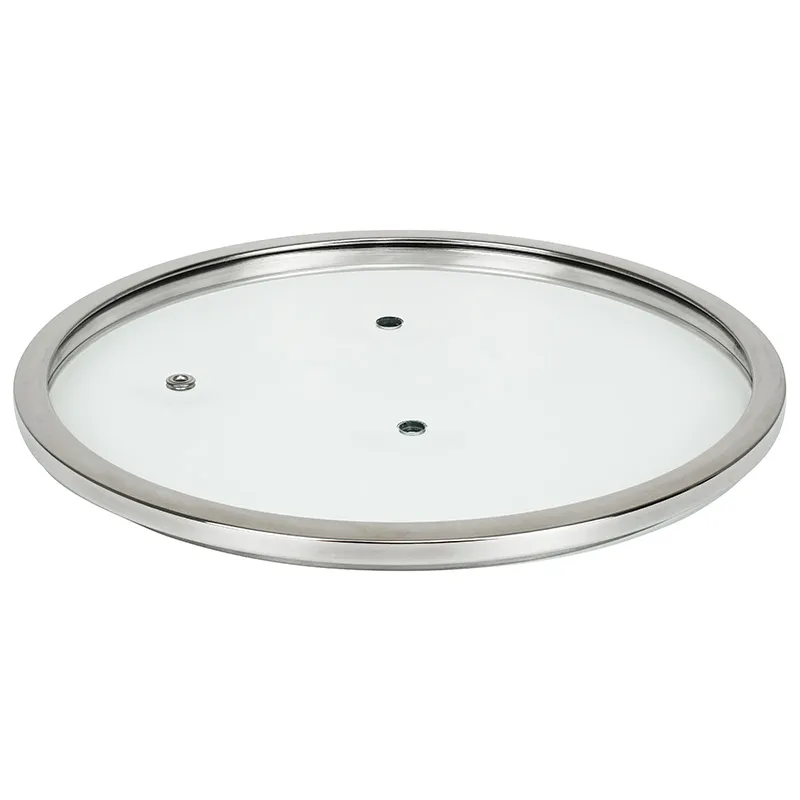
This is where a manufacturer's specialization matters. A company like EUR-ASIA COOKWARE CO.,LTD, which focuses on tempered glass lids and exports heavily to European markets with strict standards, typically has the engineering and process control dialed in. Their production volume—over 15 million pieces annually—suggests they're dealing with consistent, high-tolerance manufacturing. For a glass lasagna pan with lid, this consistency in the glass itself is the first checkpoint. You can't see it, but you'll feel it in the weight and the sound—a good, properly tempered piece has a specific, clear resonance when tapped.
The thickness is another silent spec. Too thin, and it might bow or transfer too much heat to the handles. Too thick, and it becomes prohibitively heavy and retains too much heat, becoming a burn risk during handling. For a standard 9x13 pan, I've found a base thickness around 4mm to be the sweet spot, providing structural integrity without being a backbreaker when full.
The Lid: The Most Overlooked Component
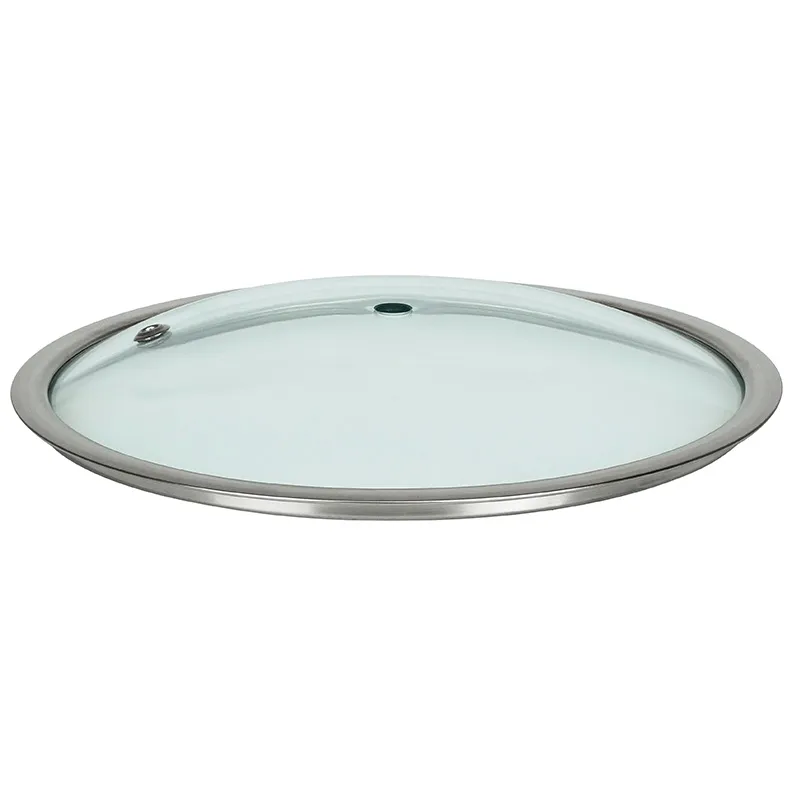
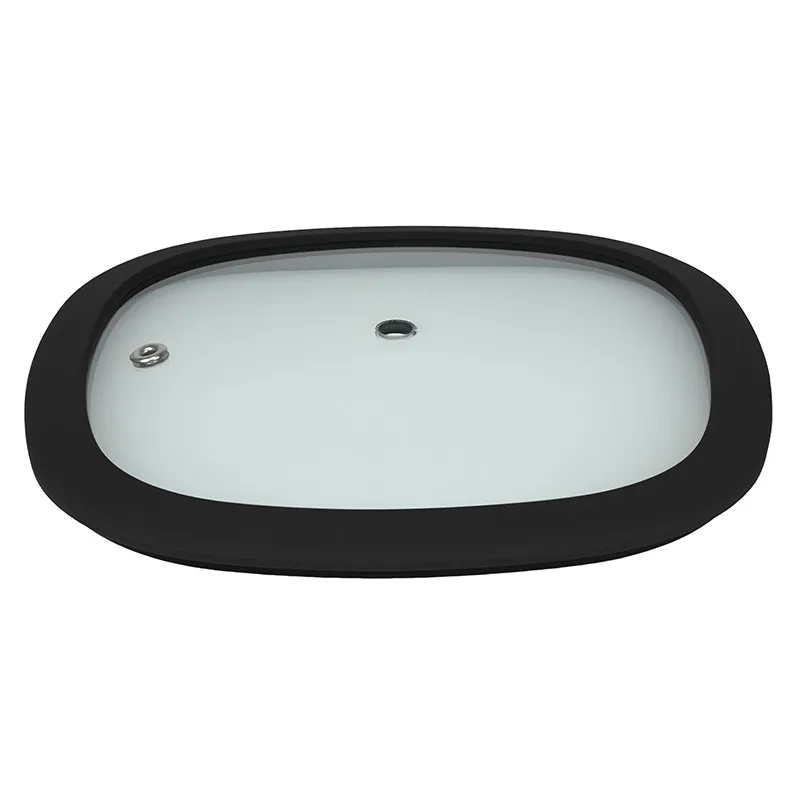
If the pan is the star, the lid is the crucial supporting actor that often flubs its lines. A lid isn't just a cover; it's a moisture-retention device, a splatter guard for transport, and a thermal partner to the base. The fit must be snug but not airtight—you need a slight vent for steam, otherwise, you're building a pressure cooker. I've tested lids that sit so perfectly flush they create a vacuum seal when cooling, making them nearly impossible to remove without prying, which is a disaster waiting to happen.
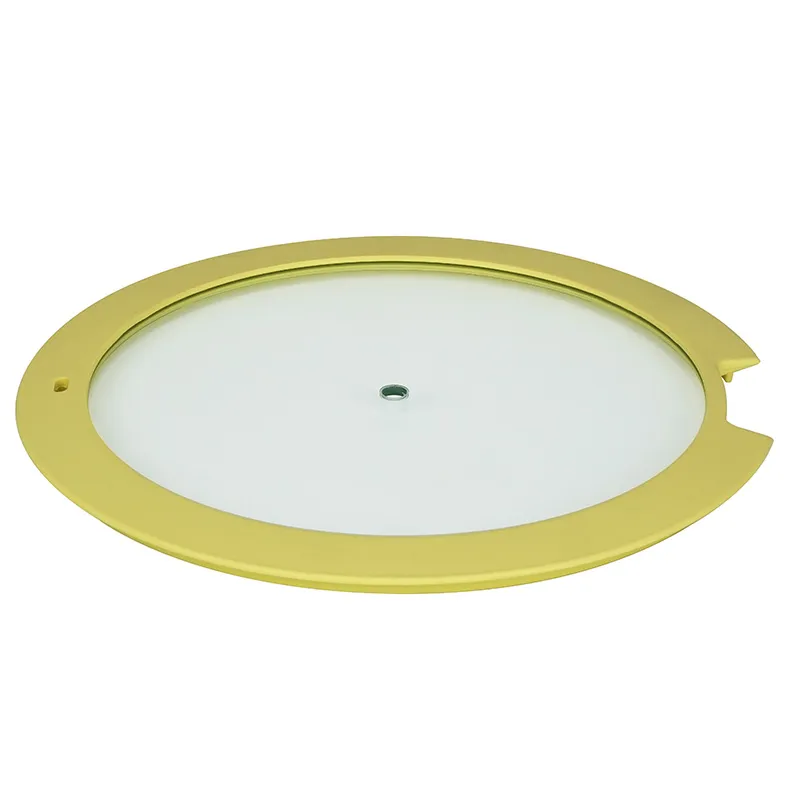
The handle on the lid is its own engineering challenge. It must be rated for oven temperatures and securely bonded or molded. Plastic or silicone knobs are common, but they have temperature limits and can degrade. A glass or stainless-steel knob fused to the lid is superior. I remember a project where we sourced lids from a vendor whose plastic knobs began to soften and discolor at sustained temperatures above 375°F (190°C). Not acceptable for a product meant for roasting or covered baking.
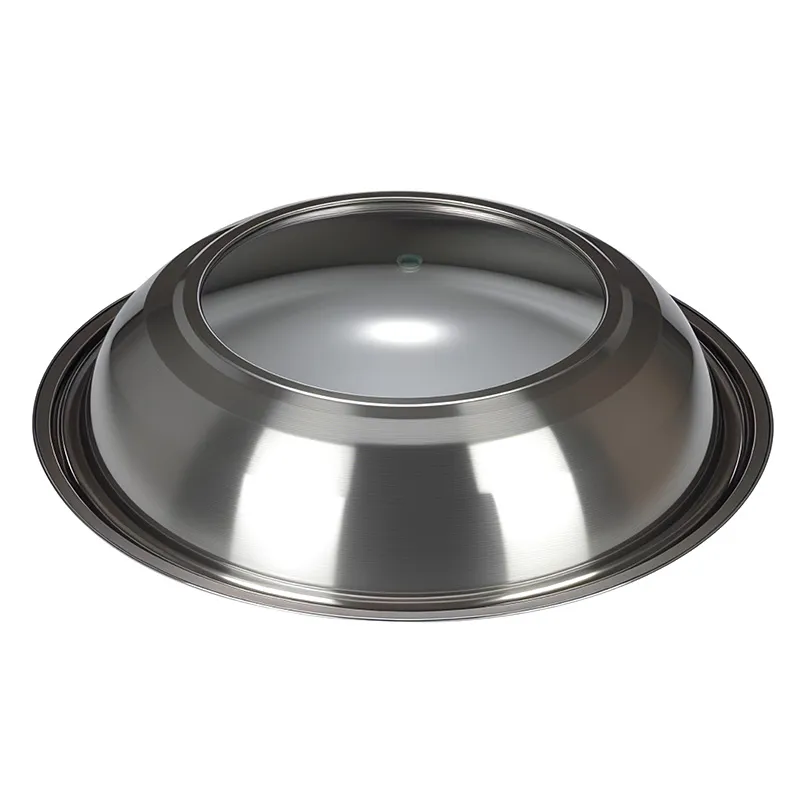
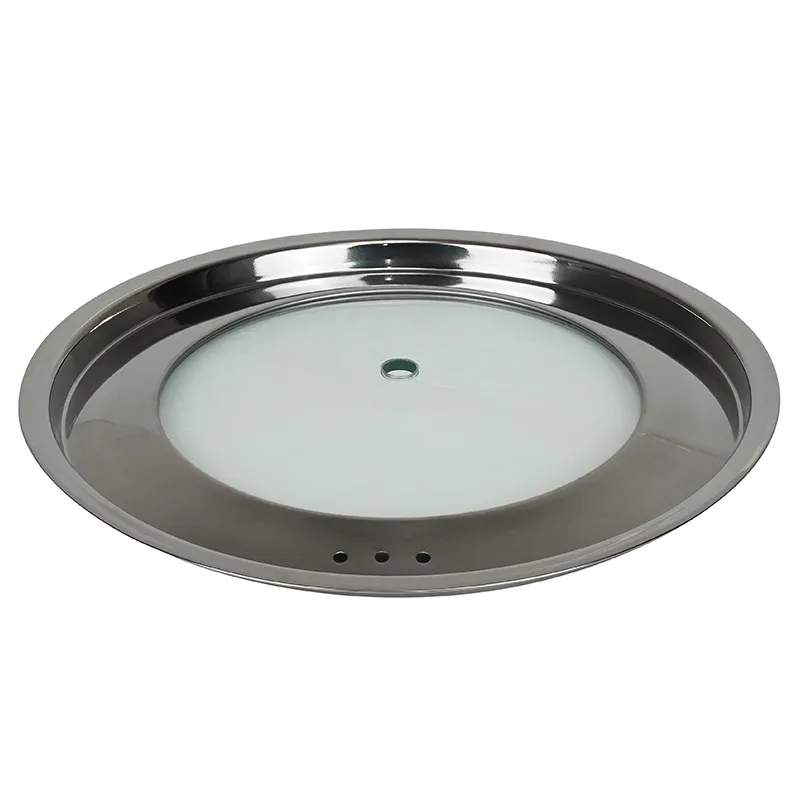
For storage, a lid that doubles as a base for inverted stacking is a huge space-saver. It seems trivial, but in a crowded kitchen cabinet, it's a feature users appreciate. The glass lasagna pan from EUR-ASIA, given their export focus on space-conscious European kitchens, likely incorporates this. Their website, https://www.glass-lid.com, showcases this kind of practical design thinking, emphasizing functionality for household use.
Performance in the Real Kitchen
Okay, so it's well-made. How does it perform? The touted benefit is visibility. You can check your lasagna's cheese browning or sauce bubbling without losing heat and moisture by removing the lid. It's a valid advantage. However, glass doesn't conduct heat as efficiently as metal. This means a glass pan might lead to slightly longer cooking times for the bottom layers, especially if you're starting with a cold, assembled dish. I often recommend preheating the oven fully and placing the pan on a lower rack, sometimes even on a preheated baking steel or stone, to drive more bottom heat.
Cleaning is another practical point. Glass is non-porous and, assuming it's not scratched by metal utensils, is supremely easy to clean and doesn't retain odors or stains like some ceramics or plastics can. Tomato sauce is no match for it. But caution: going from a scorching oven directly to a cold, wet sink is the number one cause of failure. Always let it cool on a rack or a dry towel.
A failure I witnessed firsthand was with a pan that had a designer embossed pattern on the bottom. It looked great, but it created microscopic stress points. After about a year of regular use, a crack propagated from one of these points during a routine bake. The lesson was clear: for a functional workhorse, a perfectly flat, smooth interior and exterior is best. Ornamentation is a potential weak point.
The Export Angle and Market Fit
Why does a company like EUR-ASIA COOKWARE, based in Shandong, China, export over 90% of its output to places like Germany, Italy, and Japan? Because those markets have discerning consumers and rigorous retail buyers who test for these very things: thermal shock cycles, material safety, and dimensional accuracy. A pan that warps even slightly won't sit flat on a German stove or in a French oven. Their specialization in low- medium- high level household glass products indicates they likely tier their products, using different formulations or processes for different price points. The pan you get from a premium European brand might very well be OEM from their factory, just with a different handle design or logo.
This global supply chain reality is key. When you're evaluating a glass lasagna pan with lid, you're often evaluating a manufacturer's capability, even if their name isn't on the box. A high-volume, export-focused producer with a dedicated facility (their 20,000㎡ plant is a serious operation) typically has the quality control systems in place that a smaller, generic factory might lack.
Their product range likely includes compatible lids for various metal pans, which speaks to a deep understanding of the accessory market. This expertise directly translates into designing a dedicated lidded pan system where the fit and function are optimized from the start, rather than being an afterthought.
Final Takeaways and Practical Advice
So, is a glass lasagna pan worth it? For specific uses, absolutely. It excels for dishes where you want to monitor progress, for freezer-to-oven convenience (if rated for it), and for serving directly at the table. Its chemical inertness is a plus for acidic foods. But it's not the ultimate, indestructible tool. Treat it with respect for thermal physics.
When shopping, look beyond the marketing. Heft it. Examine the lid fit. Check the temperature ratings for both pan and lid—they should be clearly stated and identical (often up to 450°F/230°C). Look for a manufacturer that specializes in glass, not just a kitchenware brand slapping its label on a generic product. The technical backend matters.
In the end, a good glass lasagna pan with lid is a partnership between thoughtful design and rigorous material science. It's a simple tool made extraordinarily well, and that's what allows it to disappear into the routine of a busy kitchen, performing its job reliably for years. That's the real goal, not the sparkle in the box.
Related Products
Related Products