- Chinese
- French
- German
- Portuguese
- Spanish
- Russian
- Japanese
- Korean
- Arabic
- Irish
- Greek
- Turkish
- Italian
- Danish
- Romanian
- Indonesian
- Czech
- Afrikaans
- Swedish
- Polish
- Basque
- Catalan
- Esperanto
- Hindi
- Lao
- Albanian
- Amharic
- Armenian
- Azerbaijani
- Belarusian
- Bengali
- Bosnian
- Bulgarian
- Cebuano
- Chichewa
- Corsican
- Croatian
- Dutch
- Estonian
- Filipino
- Finnish
- Frisian
- Galician
- Georgian
- Gujarati
- Haitian
- Hausa
- Hawaiian
- Hebrew
- Hmong
- Hungarian
- Icelandic
- Igbo
- Javanese
- Kannada
- Kazakh
- Khmer
- Kurdish
- Kyrgyz
- Latin
- Latvian
- Lithuanian
- Luxembou..
- Macedonian
- Malagasy
- Malay
- Malayalam
- Maltese
- Maori
- Marathi
- Mongolian
- Burmese
- Nepali
- Norwegian
- Pashto
- Persian
- Punjabi
- Serbian
- Sesotho
- Sinhala
- Slovak
- Slovenian
- Somali
- Samoan
- Scots Gaelic
- Shona
- Sindhi
- Sundanese
- Swahili
- Tajik
- Tamil
- Telugu
- Thai
- Ukrainian
- Urdu
- Uzbek
- Vietnamese
- Welsh
- Xhosa
- Yiddish
- Yoruba
- Zulu
- Kinyarwanda
- Tatar
- Oriya
- Turkmen
- Uyghur

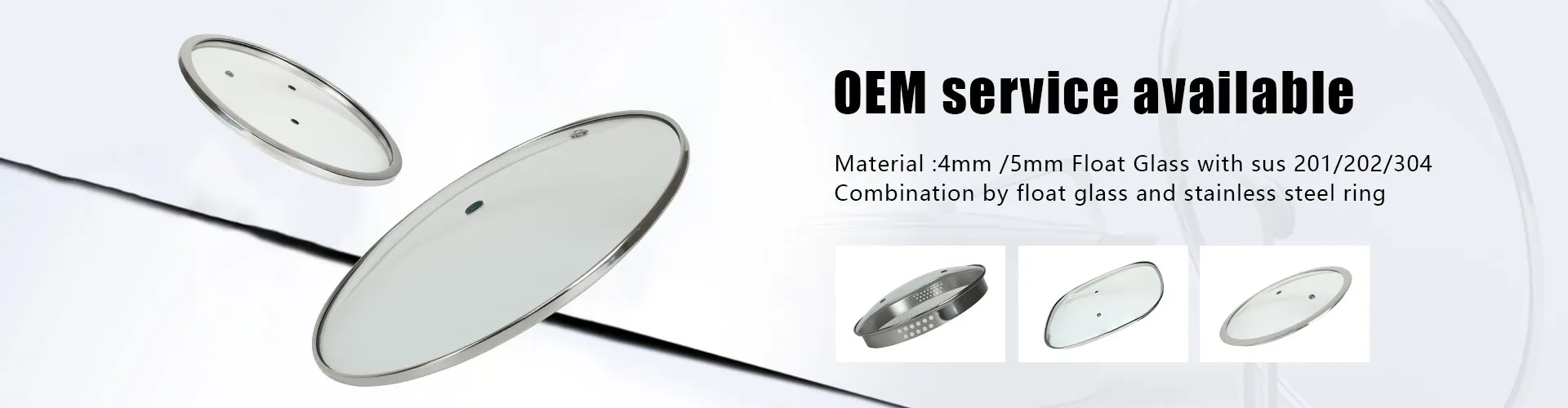
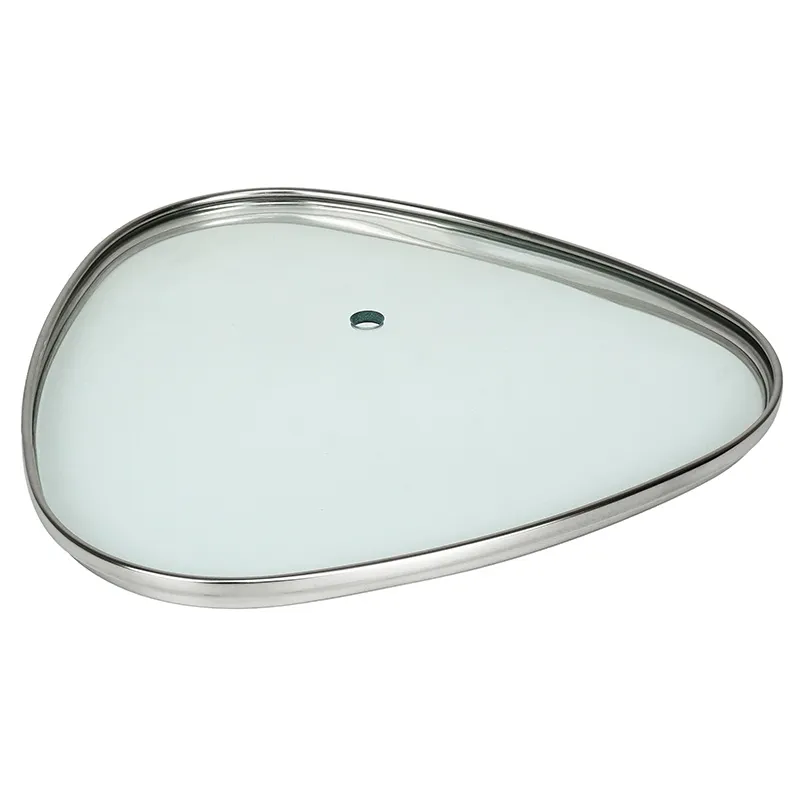
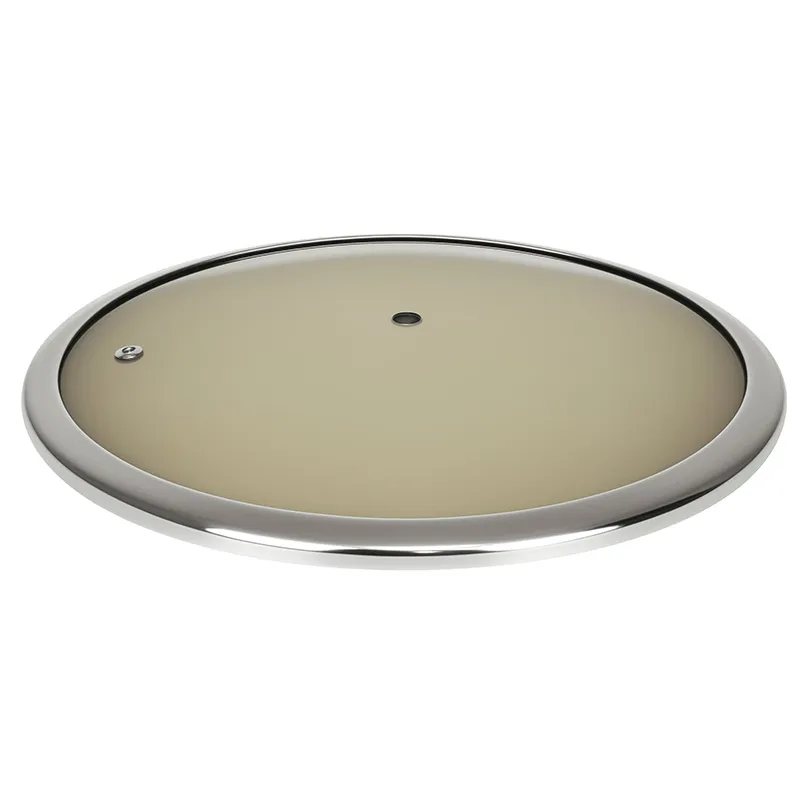
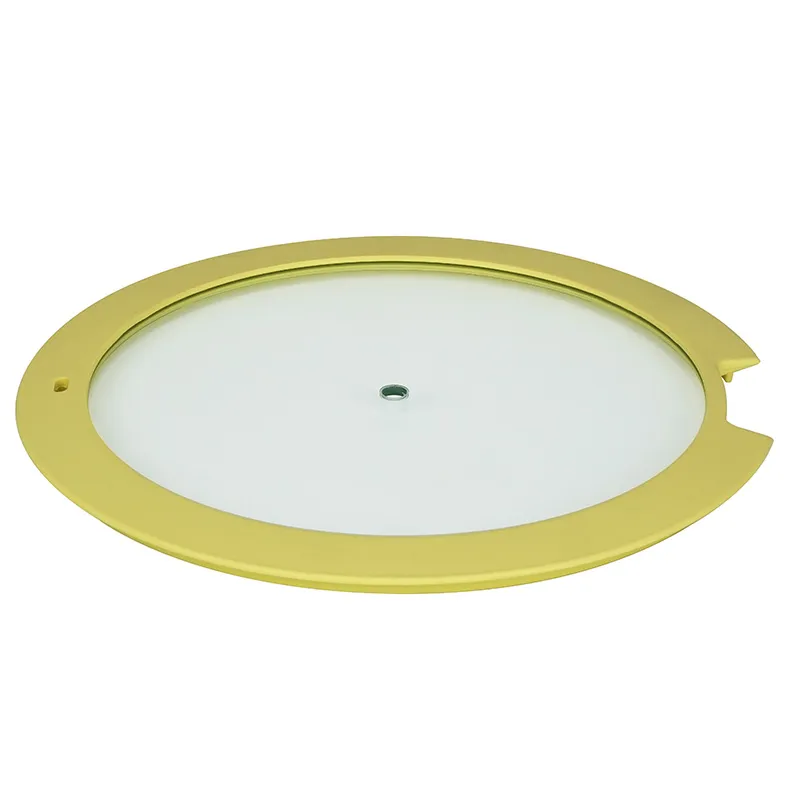
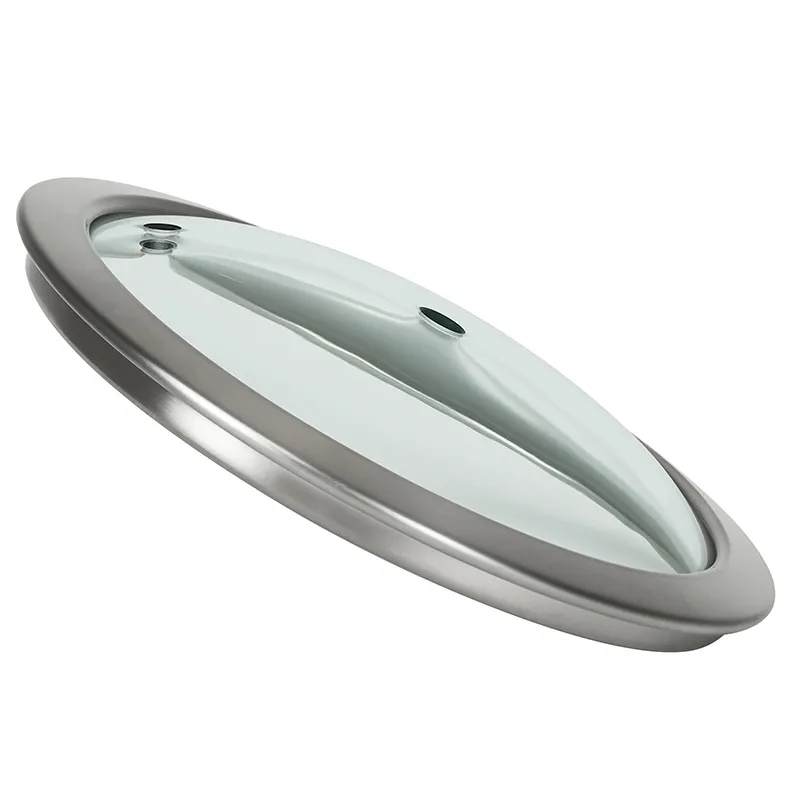
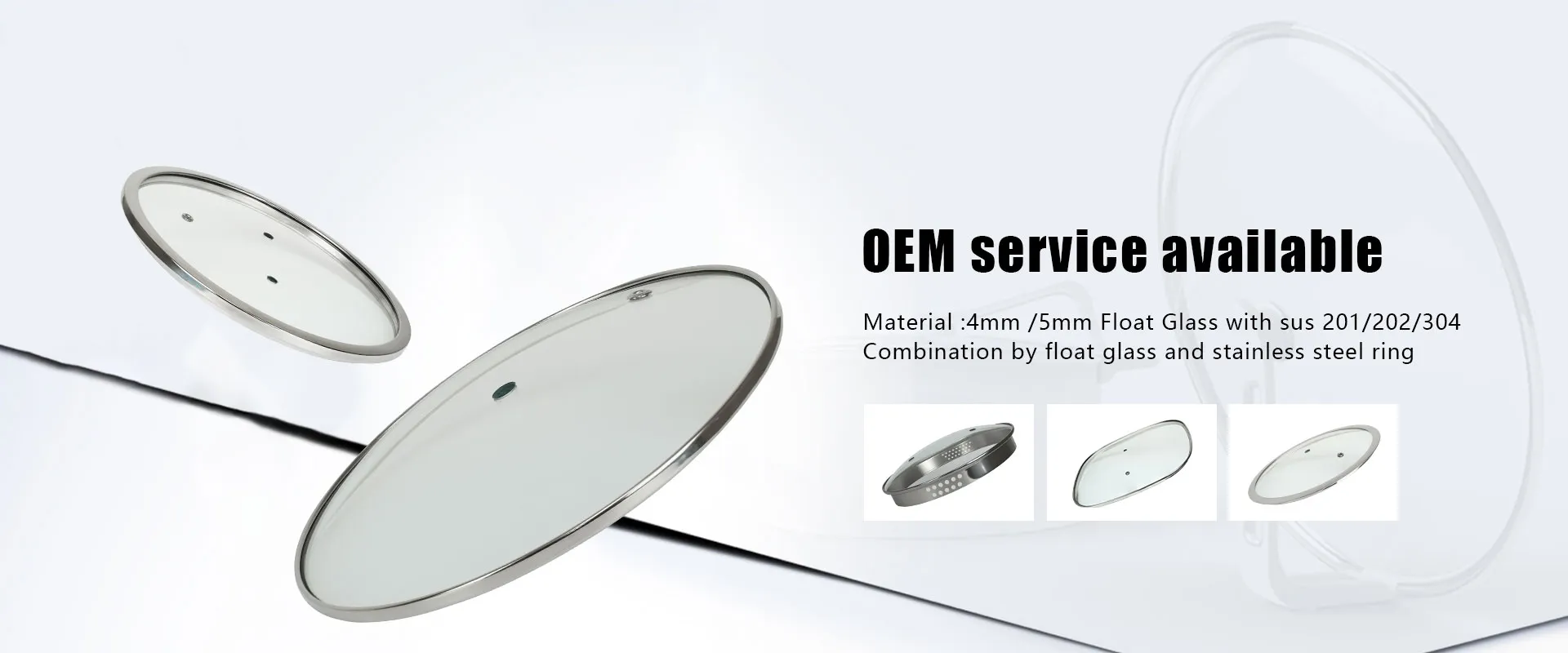
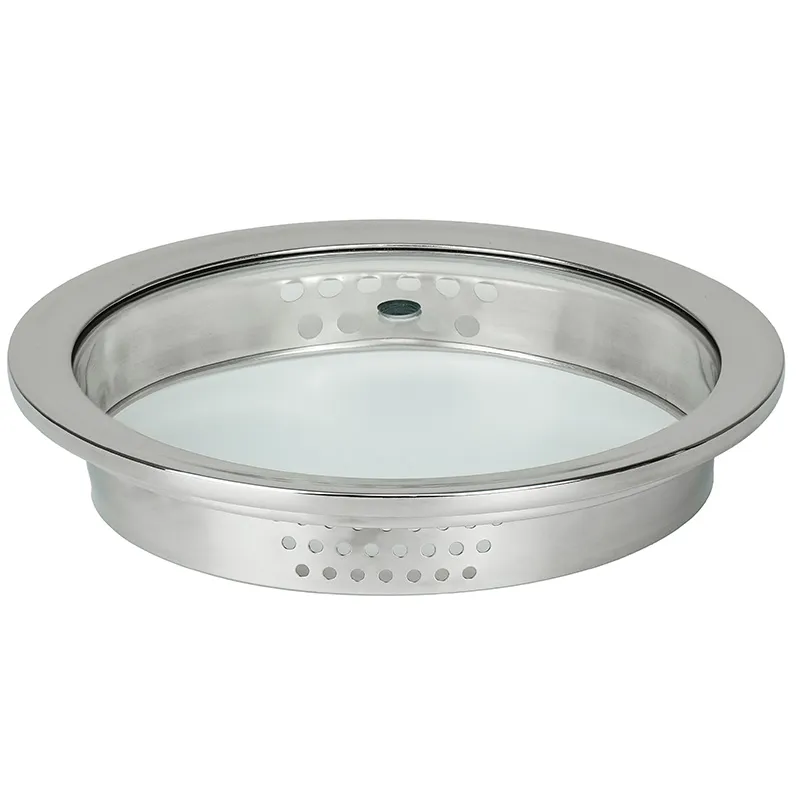
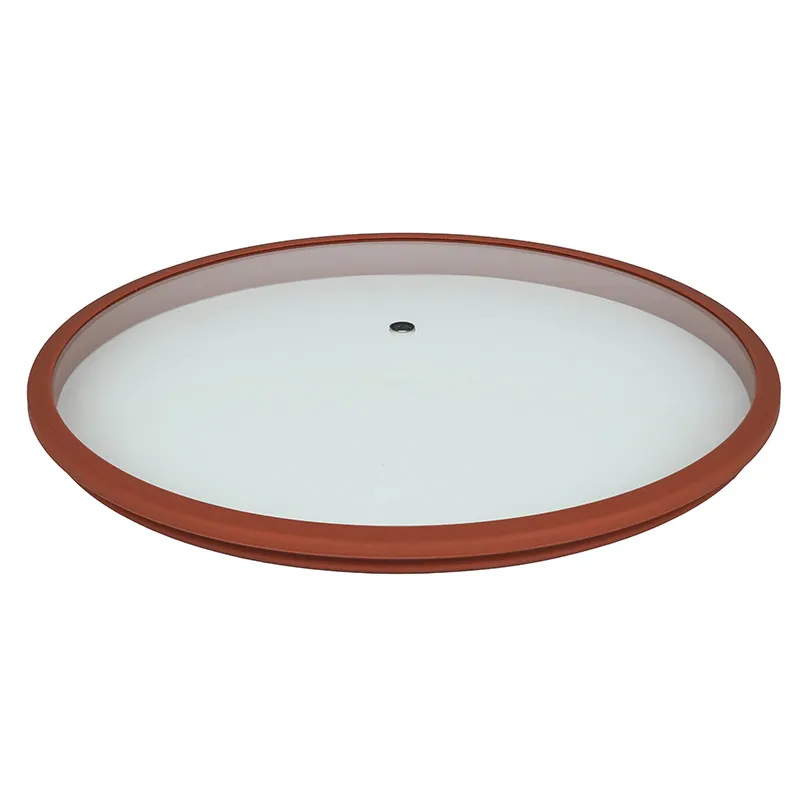
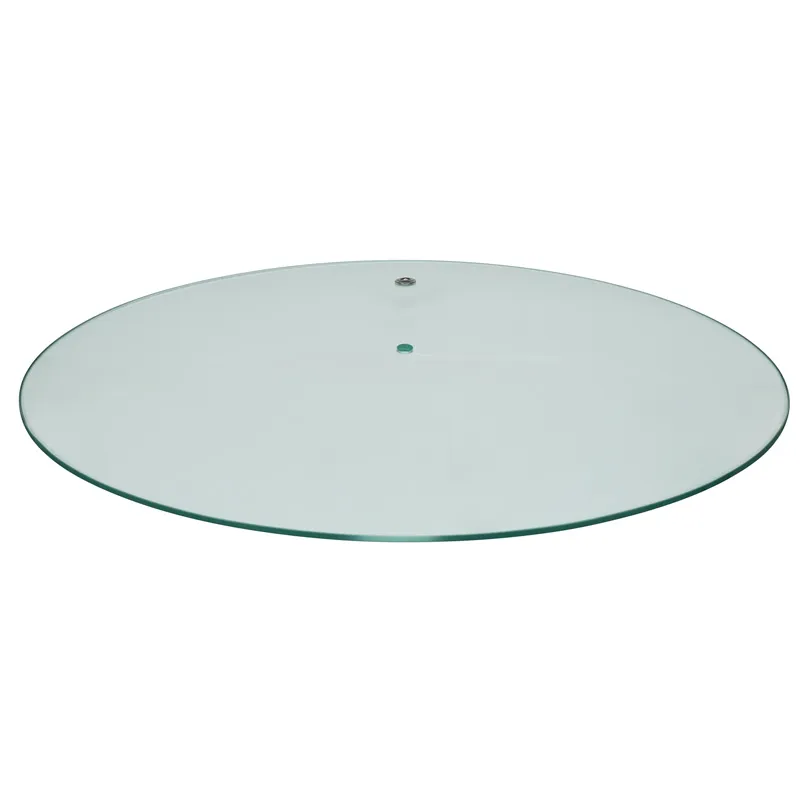
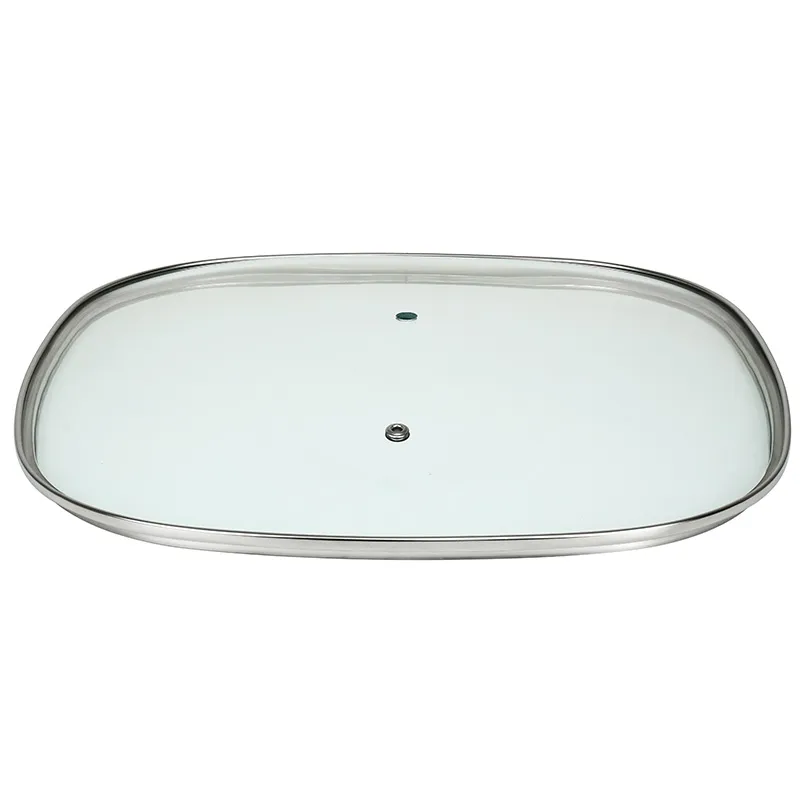
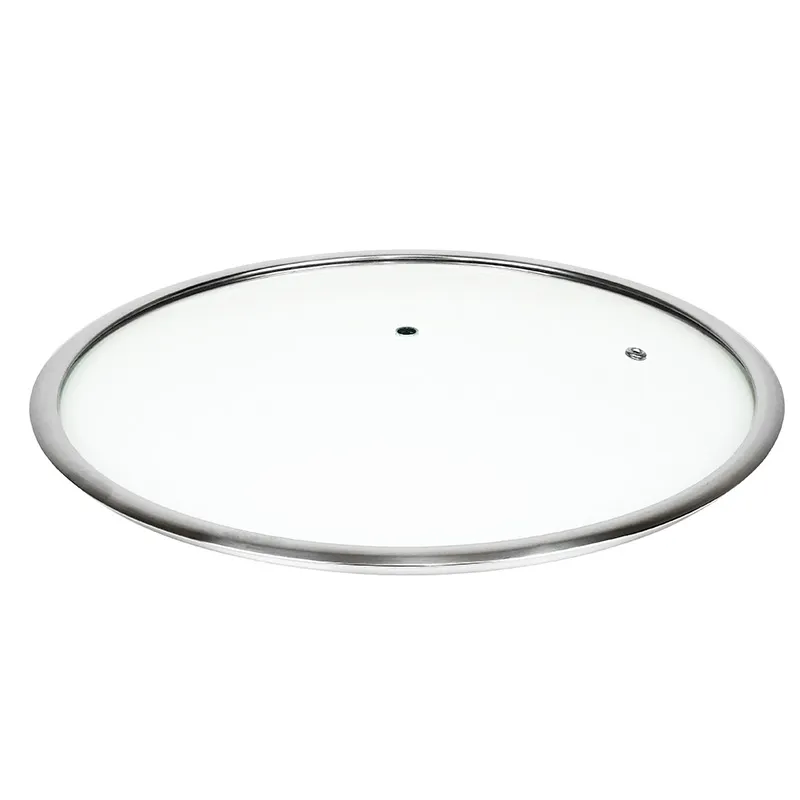
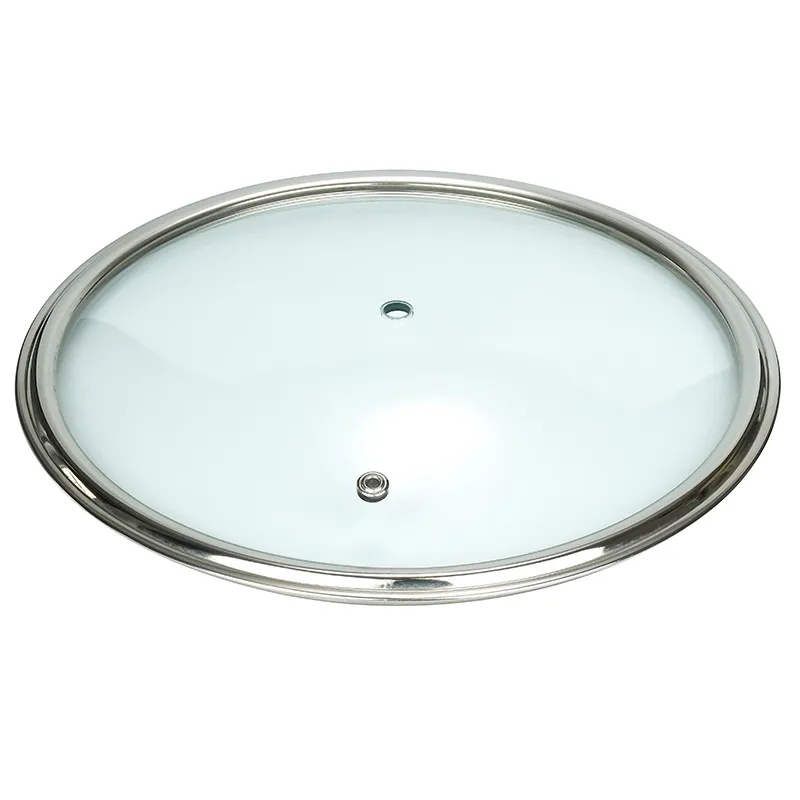
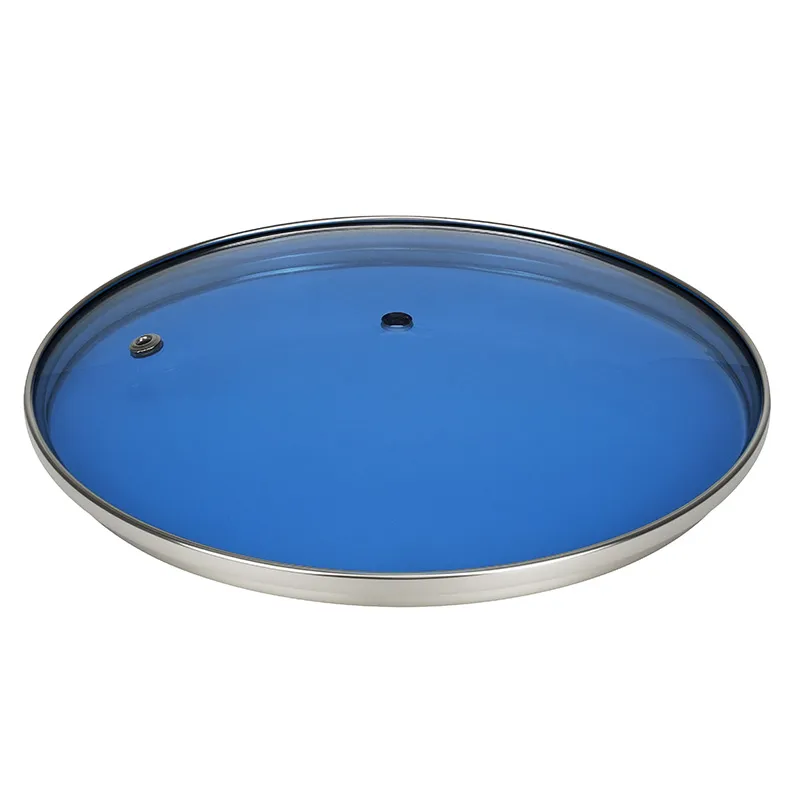
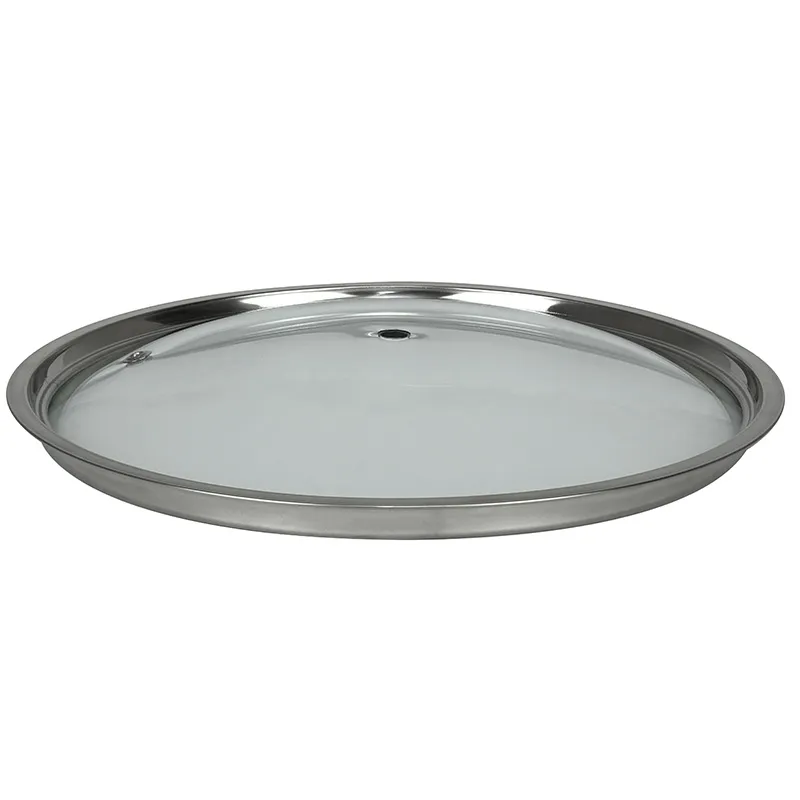
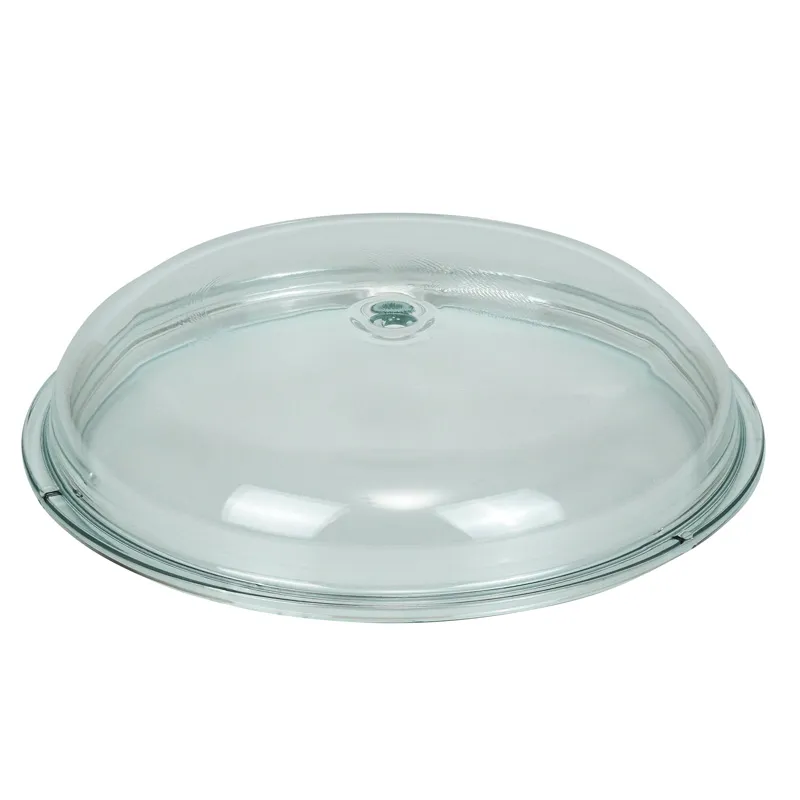
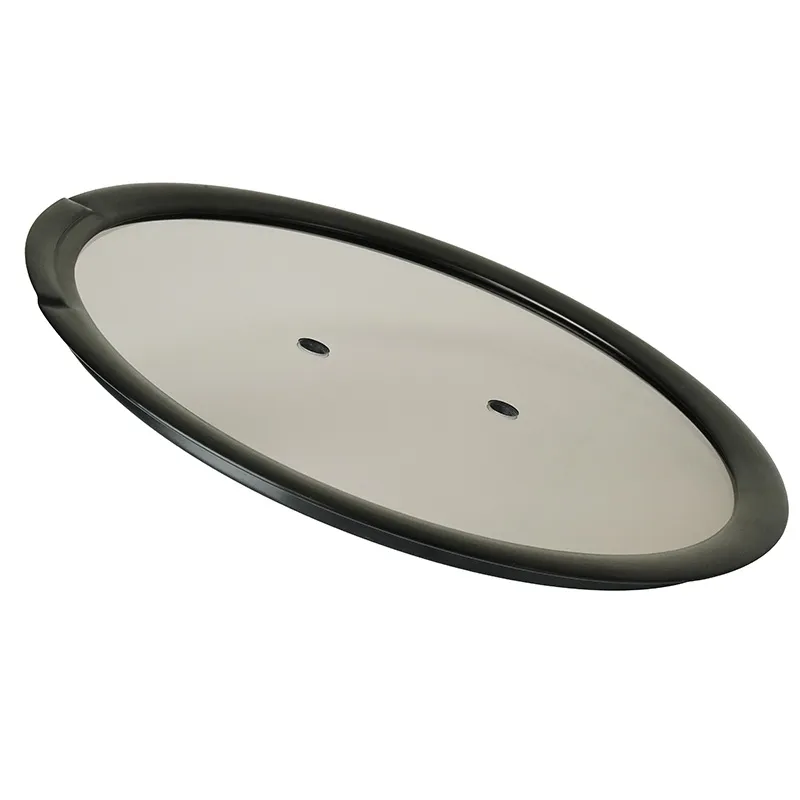
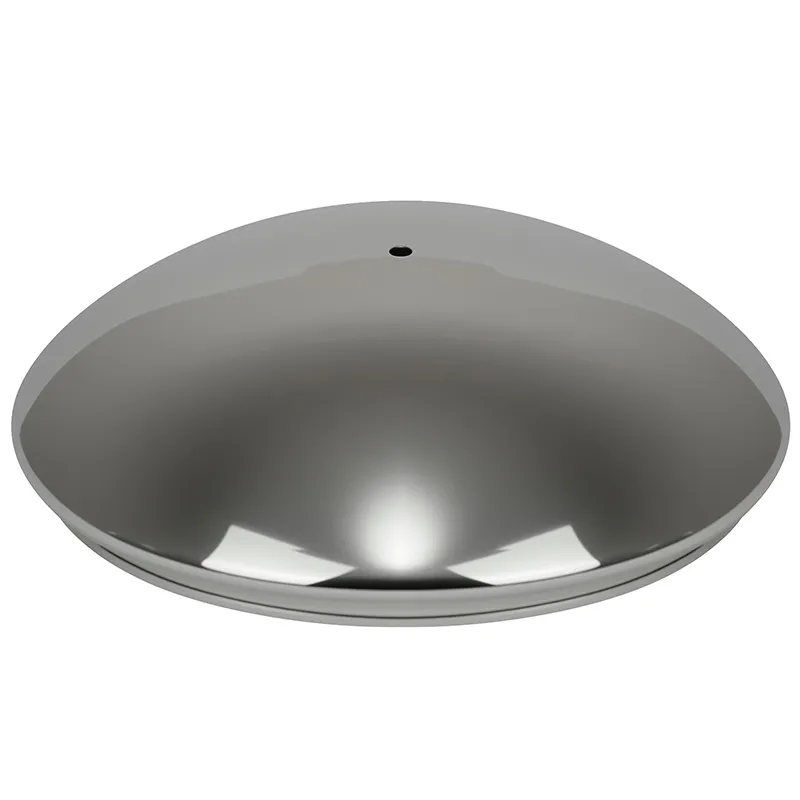
glass lid
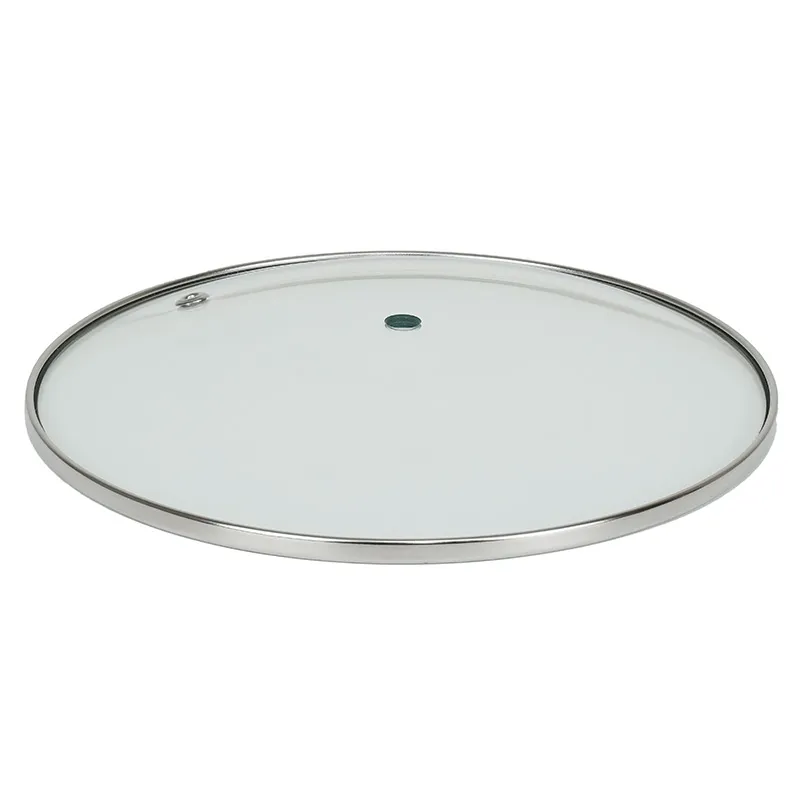
When most people think about a glass lid, they picture a simple piece of tempered glass sitting on a pot. That's the biggest misconception. In reality, it's a critical interface between the cook and the food, a component where thermal shock resistance, ergonomic handle design, and precise dimensional tolerances aren't just specs—they're what prevent a dinner disaster. I've seen too many brands treat it as an afterthought, a cheap add-on to a cookware set, and it shows in the returns and complaints.
The Material Reality: It's Not Just Glass
Let's get specific. The term tempered gets thrown around, but the process matters. We're talking about soda-lime silicate glass, heated to around 620-650°C and then rapidly cooled with air jets. The goal is a surface compression of at least 10,000 psi. I recall a batch from a supplier a few years back where the quenching was uneven; the lids didn't shatter immediately, but they developed microscopic stress cracks after a few cycles on a Dutch oven. They'd pass a basic impact test but fail in real-world use. That's the difference between a spec sheet and lived experience.
Thickness is another trap. 3mm is common, but for larger diameters over 26cm, especially for heavy cast iron cookware, you need 4mm or even 5mm to handle the warp and weight. A thin lid on a heavy pot will rock, letting steam escape unevenly. I learned this the hard way when we scaled a 30cm lid design down from 4.5mm to 3.8mm to save cost. The failure rate in thermal shock testing jumped by 15%. We reverted.
Then there's the edge finishing. A ground and polished edge isn't just for safety; it's for creating a consistent seal. A rough-cut edge can prevent the lid from sitting flush, which is catastrophic for slow braising. Companies that specialize, like EUR-ASIA COOKWARE CO.,LTD., have the grinding and polishing lines dialed in for this specifically. You can see it on their portfolio at glass-lid.com—the consistency in the bevel is a telltale sign of a proper production setup, not a job-shop operation.
Design Nuances That Make or Break the Seal
The seal is everything. It's not about being airtight—that's a pressure cooker's job—but about controlling moisture and heat loss. The underside of the rim is where the magic happens. A shallow, continuous channel or a stepped design is often used to cradle the pot's rim. The tolerance here is tight, often within 0.5mm. Too loose, and steam billows out; too tight, and the lid binds or cracks from stress concentration.
The handle and knob are the user's touchpoint. Material choice is critical. Phenolic resin (Bakelite) is the gold standard for heat resistance, but it's brittle and expensive. Thermoset plastics like melamine are common, but they can degrade with repeated high-heat cleaning. I've seen knobs warp after being left on a hot lid in a dishwasher's dry cycle. The fix? Using stainless steel cores in plastic knobs for structural integrity, or going full stainless with a silicone grip. The mounting is another pain point—metal bolts going through glass require a specific torque and a soft metal or silicone washer to distribute pressure. Overtighten, and you create a stress riser that will cause a radial crack.
Venting. Some lids have a steam vent, a small hole or a notch. Its placement is a subtle art. Put it directly under the knob, and condensation drips down the handle. Put it near the edge, and it can disrupt the seal's continuity. For most western-style cooking, a small notch or a hole with a raised rim (to prevent boil-over from clogging it) works. The team at EUR-ASIA, exporting to markets like Germany and Italy, would know this intimately—European cooking styles demand precise control over reduction sauces, making vent design non-trivial.
Production and the Scale Challenge
Producing a high-quality glass lid at scale, like the 15 million pieces annual output mentioned for EUR-ASIA, is a logistics and quality control marathon. It starts with cutting blanks from large sheets of raw glass. Any micro-flaws at the edges here become failure points later. Then comes the edge grinding, tempering, drilling (for handles/vents), printing (for measurement markers or logos), and finally assembly and inspection.
The tempering furnace is the heart of the operation. The temperature uniformity across the furnace bed is paramount. A cold spot means a lid with uneven stress, a future break waiting to happen. Maintaining this across thousands of cycles is what separates a dedicated factory from a general glass shop. With a 20,000㎡ facility, a company builds that expertise into the plant itself.
Inspection is where cost and quality collide. You can do sample-based testing, but for export to stringent markets, 100% inspection for bubbles, inclusions, and distortion is often required. This is manual, visual work. It's expensive. Automated optical inspection is coming, but it struggles with the reflective surface and curved edges. This human element—those 90+ employees looking at every piece—is still a huge part of the value. It's why a lid from a specialized producer feels and performs differently from a generic import.
Failure Modes and Real-World Lessons
You learn more from failures than specs. Thermal shock failure is the classic. Pouring cold water on a hot lid. It doesn't always explode dramatically; sometimes it's a single crack from the edge to the center. The cause is usually a flaw in the tempering process or a scratch on the surface introduced during handling. We once had a customer complaint where lids were cracking in normal oven use. Turned out they were placing the cold lid from the fridge directly onto a hot ceramic baking dish. The thermal gradient was too steep. Was it the lid's fault? Technically, it was outside spec. Practically, we had to consider if our design could accommodate that common misuse. Sometimes the answer is no, and you just have to be clear in the instructions.
Another subtle failure is creep in the seal. Over years of use, the constant heating and cooling can slightly deform the glass rim if the tempering isn't perfect. The lid starts to rock. It's a slow degradation. You only see this in long-term durability tests or in products that have been in a professional kitchen for a decade.
Handle failure is more immediate. The bond between the metal bolt, the washer, and the glass fails. Either the glass chips around the hole, or the bolt loosens. This is almost always an assembly or material choice issue. Using a low-quality rubber washer that degrades with heat and grease is a common culprit. It's a few cents saved that costs dollars in returns.
The Market Niche and Specialization
This brings us to why specialization matters. A company like EUR-ASIA COOKWARE CO.,LTD., focusing on low to high-level household glass lid products, develops a deep muscle memory. They're not making phone screens one day and lids the next. Their production line is optimized for the specific shapes, hole patterns, and handling requirements of cookware lids. Their export footprint—over 90% to countries like Germany, France, Japan—forces them to meet a mosaic of standards: DIN, NF, JIS. That's a brutal but effective quality filter.
For a buyer or a cookware brand sourcing lids, this specialization translates to reliability. It means the 24cm lid for a skillet will have the same curvature and rim profile in batch 001 and batch 100. It means the black enamel printing for measurement markers won't flake off after 50 dishwasher cycles. It's the accumulation of a thousand small details, solved through repetition and focused iteration.
In the end, a good glass lid disappears. It becomes a seamless extension of the pot, a clear window into the simmering contents, a tool that performs its function without fuss. That invisibility is the hallmark of good design and solid manufacturing. It's what you're really paying for when you choose a product from a maker who lives and breathes this specific, unglamorous, but utterly essential kitchen component. The website glass-lid.com isn't just a sales page; it's a reflection of that depth of focus, a portal into a factory where the goal is to make the humble lid so well, you forget it's even there.
Related Products
Related Products