- Chinese
- French
- German
- Portuguese
- Spanish
- Russian
- Japanese
- Korean
- Arabic
- Irish
- Greek
- Turkish
- Italian
- Danish
- Romanian
- Indonesian
- Czech
- Afrikaans
- Swedish
- Polish
- Basque
- Catalan
- Esperanto
- Hindi
- Lao
- Albanian
- Amharic
- Armenian
- Azerbaijani
- Belarusian
- Bengali
- Bosnian
- Bulgarian
- Cebuano
- Chichewa
- Corsican
- Croatian
- Dutch
- Estonian
- Filipino
- Finnish
- Frisian
- Galician
- Georgian
- Gujarati
- Haitian
- Hausa
- Hawaiian
- Hebrew
- Hmong
- Hungarian
- Icelandic
- Igbo
- Javanese
- Kannada
- Kazakh
- Khmer
- Kurdish
- Kyrgyz
- Latin
- Latvian
- Lithuanian
- Luxembou..
- Macedonian
- Malagasy
- Malay
- Malayalam
- Maltese
- Maori
- Marathi
- Mongolian
- Burmese
- Nepali
- Norwegian
- Pashto
- Persian
- Punjabi
- Serbian
- Sesotho
- Sinhala
- Slovak
- Slovenian
- Somali
- Samoan
- Scots Gaelic
- Shona
- Sindhi
- Sundanese
- Swahili
- Tajik
- Tamil
- Telugu
- Thai
- Ukrainian
- Urdu
- Uzbek
- Vietnamese
- Welsh
- Xhosa
- Yiddish
- Yoruba
- Zulu
- Kinyarwanda
- Tatar
- Oriya
- Turkmen
- Uyghur


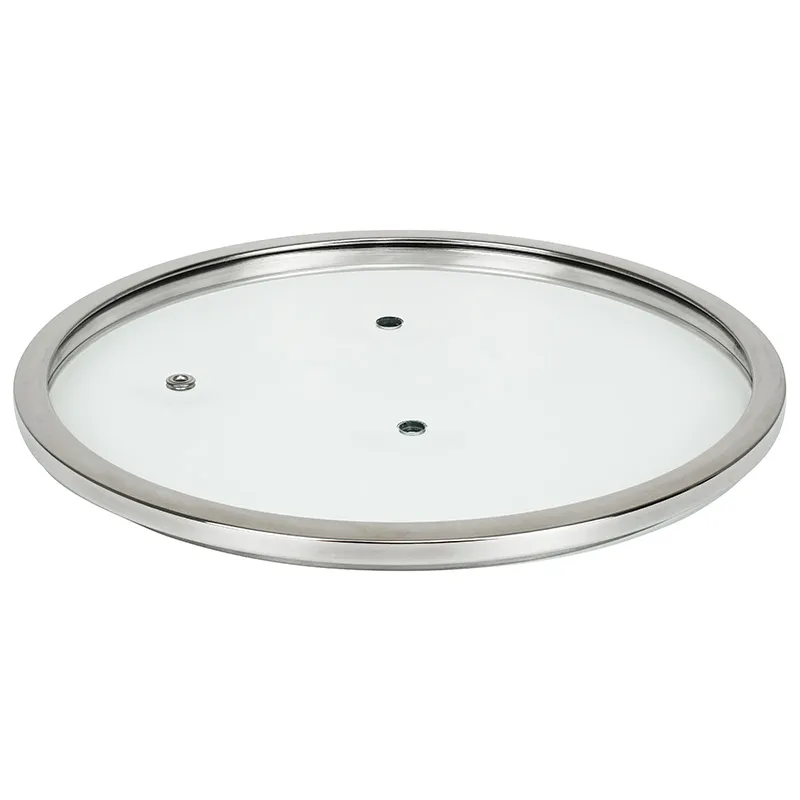
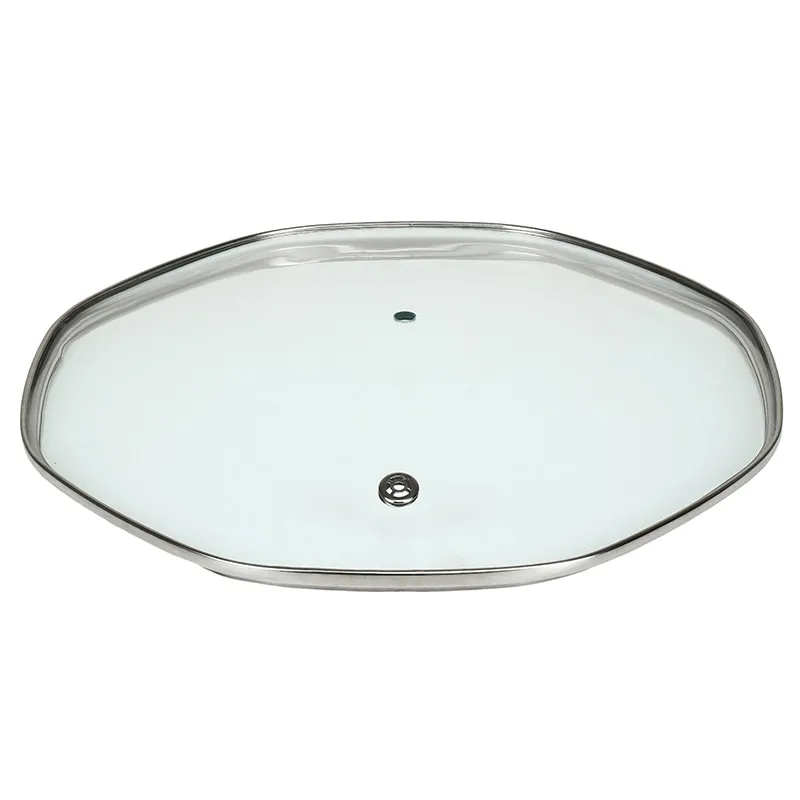
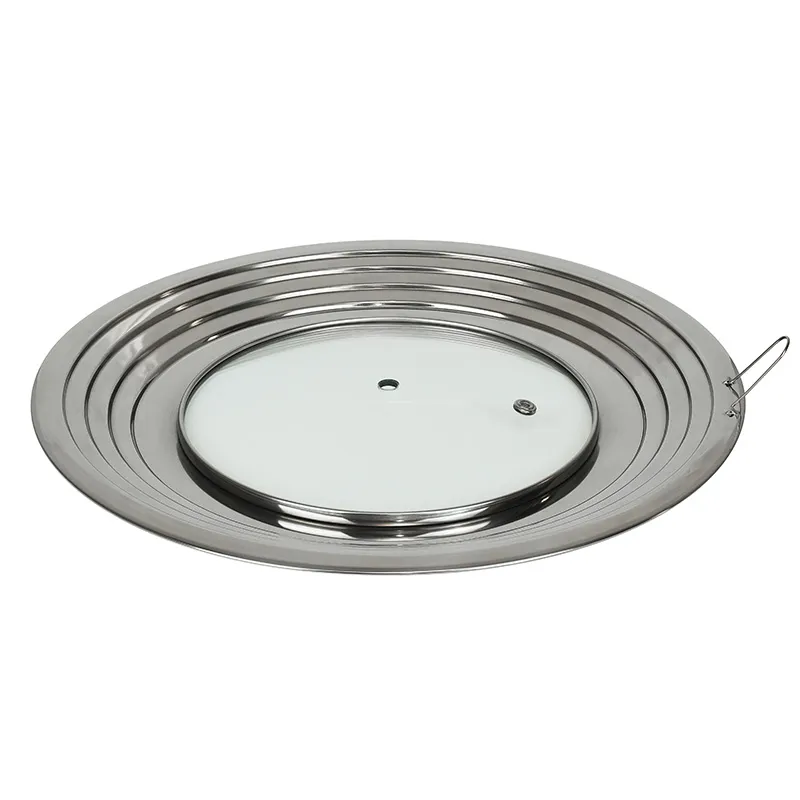
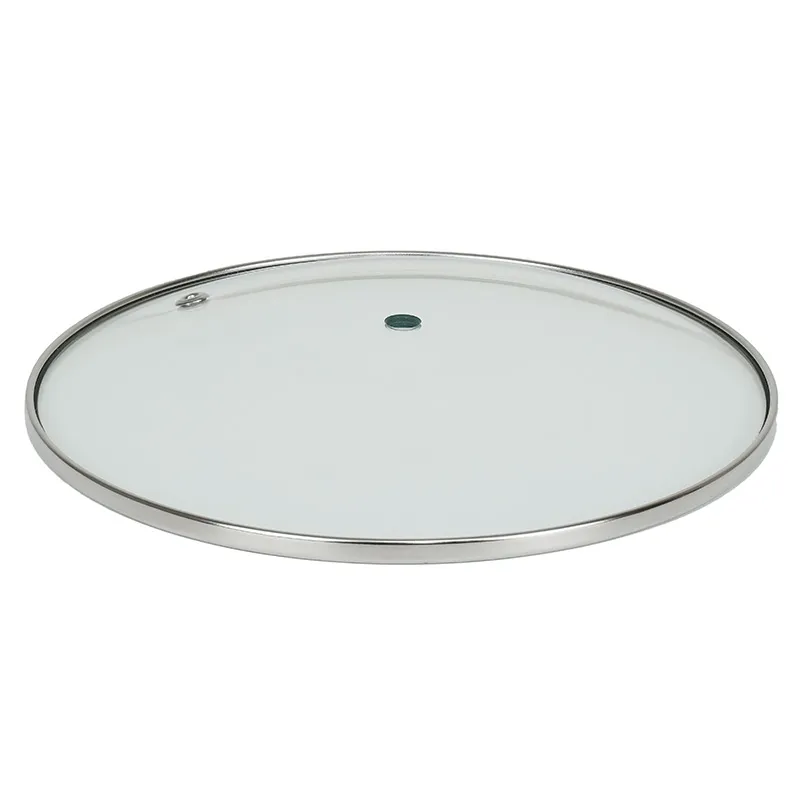
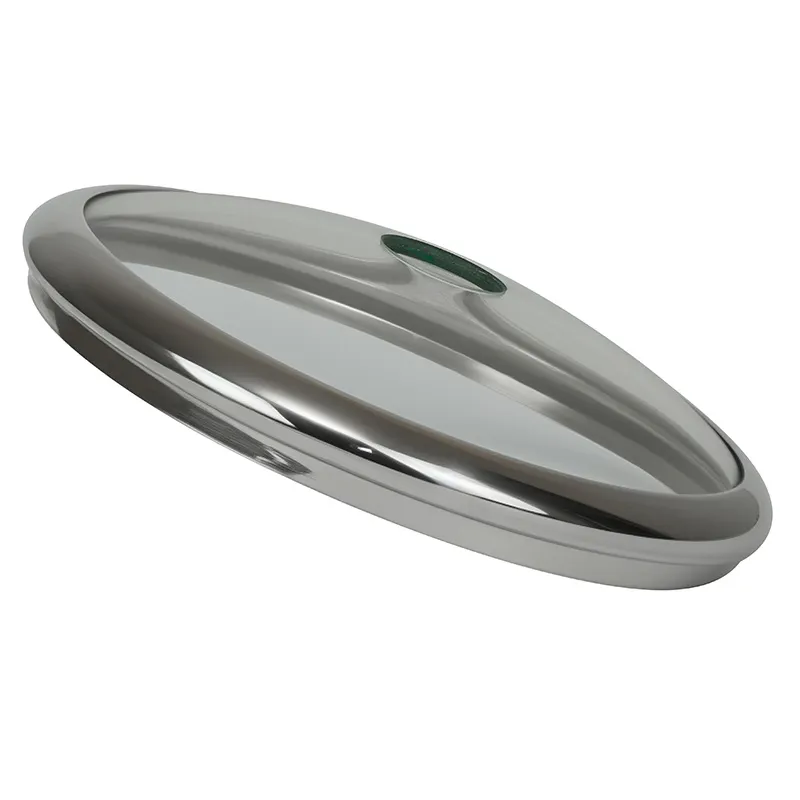
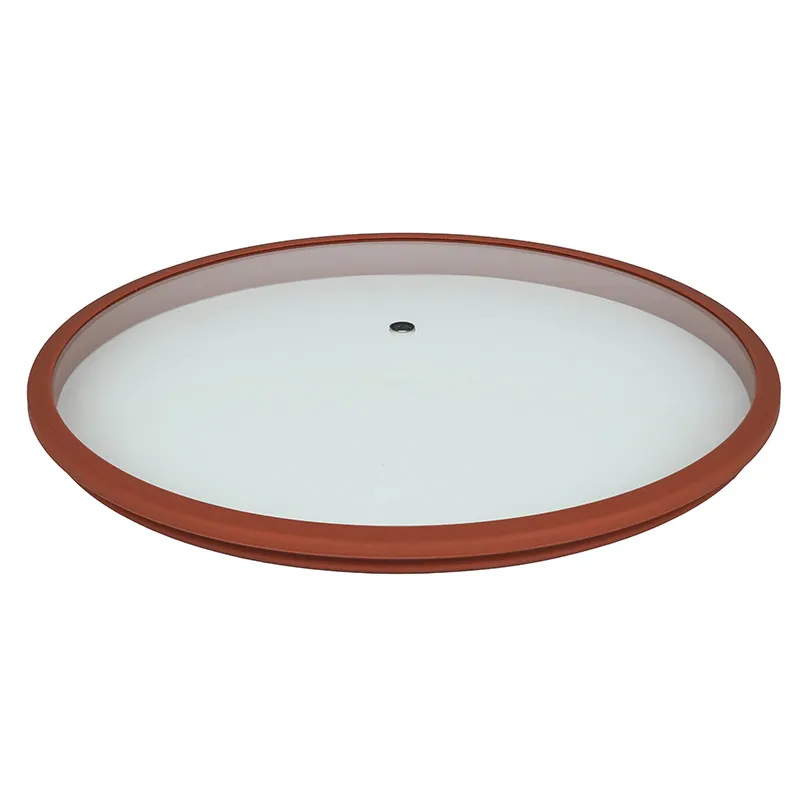
glass lid distribution
When people hear 'glass lid distribution', they often picture a simple linear flow: factory to warehouse to store shelf. That's the first misconception. The reality is a tangled web of logistical nuance, quality fade points, and market-specific demands that can make or break a shipment's profitability. It's less about moving boxes and more about managing fragility—both of the product and the supply chain itself.
The Core Challenge: It's Not Just Shipping Glass
The fundamental issue in glass lid distribution isn't the transit. Modern packaging solutions from companies that specialize, like EUR-ASIA COOKWARE CO.,LTD, can handle that. The real challenge is the 'last-mile' of quality control before the lid meets the pot. A lid can survive a container ship journey from China to Europe only to be rejected because its finish doesn't match the cookware batch it's supposed to pair with. I've seen entire pallets sidelined in a German warehouse for a color shade variance invisible to most, but critical for brand consistency.
This is where the production philosophy matters. A factory floor layout that integrates final inspection and sorting directly before packing, like the setup in Taian, reduces these downstream failures. If the sorting happens at the distribution center halfway across the world, you've doubled your handling and your risk. The goal is to ship a ready-to-sell unit, not a component that needs further work.
Another subtle point: air flow in containers. Tempered glass lids stacked tightly in a humid, sealed container during a long sea voyage can sometimes develop micro-condensation issues, leading to packaging mold. It sounds minor, but a retailer won't accept a box with water stains. We learned to mandate specific desiccant levels and pallet spacing in the B/L instructions—a small detail with huge cost implications if ignored.
Sizing Up the Production Base: Capacity vs. Flexibility
Looking at a spec sheet like EUR-ASIA's—15 million pieces annual output, 20,000㎡ facility—tells you about scale. What it doesn't tell you is how that capacity is allocated. The real test for a glass lid supplier isn't running a massive batch for a single big-box retailer; it's handling 15 different small-batch, high-spec orders for European mid-market brands simultaneously. Can the production line switch from a 24cm clear, bevelled edge lid for the French market to a 28cm smoked glass lid with a specific silicone gasket requirement for South Korea without a three-day downtime? That's the flexibility that defines reliable distribution.
Their export map is telling: over 90% to markets like Germany, Italy, Japan. These aren't the easiest entry points. They demand precise documentation, rigorous safety certifications (like LFGB for Germany), and on-time delivery to just-in-time manufacturing schedules. A distribution partner that can consistently navigate these channels has already solved the hardest parts of the logistics puzzle. It implies a matured backend system for compliance and shipping documentation.
I recall a failed attempt early on with a different factory. We had a smooth run for Poland, figured the process was 'standardized'. Then a rush order for Switzerland came in. The Swiss import specs had a different clause on glass thickness tolerance and required a separate, stamped test report. The factory couldn't produce the report quickly, the shipment missed its slot at the Basel warehouse, and we ate the storage fees. The lesson? True distribution capability is market-adaptive, not just volume-based.
The Packaging Paradox: Protection vs. Cost
This is a daily battle. Every cent added to packaging—better corner braces, thicker EPE foam, individual pulp trays—eats directly into margin. But a broken lid upon arrival costs you the product, the freight, and the customer's trust. The optimal solution is never universal; it's a calculation based on the destination's handling infrastructure.
For distribution to Brazil or Turkey, where port handling can be notoriously rough, we often over-spec the packaging. Double-walled cartons, full perimeter cardboard inserts. For Denmark or Japan, where logistics are generally gentler, a more streamlined package suffices. The key is working with a producer who understands this and can tailor packaging lines. A one-size-fits-all approach from the factory will lead to either excessive cost or excessive breakage. You need a partner who listens when you describe the unloading dock at the destination warehouse.
We once forced a lightweight packaging model on a shipment to Italy to meet a strict price point. The breakage rate was under 0.5% in-warehouse, which we celebrated. Then we got the feedback: the retailer's staff hated it because the lids, while intact, were harder to unbox quickly without feeling like they'd crack. It slowed their shelf-stocking process. The 'cost' wasn't just in breakage, but in ergonomics. Now that's a detail you only learn from field reports, not spreadsheets.
Inventory and the Just-In-Time Mirage
Everyone wants JIT inventory for glass lid distribution. Zero capital tied up in stock, lids arriving as the cookware assembly line starts. It's a beautiful theory. The reality is that ocean freight is unpredictable. A two-week delay at the Suez Canal, a customs inspection in Rotterdam—these aren't anomalies; they're part of the schedule.
The practical model is strategic buffer stock held regionally. For a supplier feeding the European market, this might mean contracting a 3PL warehouse in Poland or the Netherlands to hold 4-6 weeks of forecasted demand. This turns the 8-week ocean transit variable into a 2-week local trucking certainty. The producer's role is to feed this buffer stock reliably. This requires them to have a firm grasp on their own raw material lead times (glass stock, silicone, metal handles) to avoid creating a bottleneck at the source.
A company with a stable workforce of 90+ employees, as mentioned in EUR-ASIA's profile, suggests lower turnover, which is critical for maintaining consistent production quality and schedule adherence for this buffer model. A high-turnover factory creates variability you can't afford when you're managing a lean regional stock.
Beyond the Lid: The System Integration
Ultimately, successful distribution is about the lid being a perfect component in someone else's system. It's not an isolated product. The lid must match the pot's diameter within a sub-millimeter tolerance, the hinge holes must align, the steam vent must not interfere with the handle. The best distribution partners act as an extension of the cookware brand's QC team.
This means the factory must be willing and able to run pre-shipment audits where lids are test-fitted on sample pots provided by the client. I've worked with suppliers who saw this as an unnecessary burden and others, who understood it was the core service. The latter are the ones you build long-term glass lid distribution channels with. They save you from the catastrophic cost of a recall or a container full of incompatible parts.
It comes down to this: you're not just distributing a piece of glass. You're distributing a critical interface between a cooking vessel and a consumer. Every scratch, every misfit, every delayed shipment breaks that interface. The operation, from the factory floor in Shandong to the retailer's shelf in Munich, has to be engineered with that singular truth in mind. The companies that get it, like those with the depth of export experience to diverse, demanding markets, become invisible—because their product simply works, every time. And in this business, invisibility is the highest form of success.
Related Products
Related Products