- Chinese
- French
- German
- Portuguese
- Spanish
- Russian
- Japanese
- Korean
- Arabic
- Irish
- Greek
- Turkish
- Italian
- Danish
- Romanian
- Indonesian
- Czech
- Afrikaans
- Swedish
- Polish
- Basque
- Catalan
- Esperanto
- Hindi
- Lao
- Albanian
- Amharic
- Armenian
- Azerbaijani
- Belarusian
- Bengali
- Bosnian
- Bulgarian
- Cebuano
- Chichewa
- Corsican
- Croatian
- Dutch
- Estonian
- Filipino
- Finnish
- Frisian
- Galician
- Georgian
- Gujarati
- Haitian
- Hausa
- Hawaiian
- Hebrew
- Hmong
- Hungarian
- Icelandic
- Igbo
- Javanese
- Kannada
- Kazakh
- Khmer
- Kurdish
- Kyrgyz
- Latin
- Latvian
- Lithuanian
- Luxembou..
- Macedonian
- Malagasy
- Malay
- Malayalam
- Maltese
- Maori
- Marathi
- Mongolian
- Burmese
- Nepali
- Norwegian
- Pashto
- Persian
- Punjabi
- Serbian
- Sesotho
- Sinhala
- Slovak
- Slovenian
- Somali
- Samoan
- Scots Gaelic
- Shona
- Sindhi
- Sundanese
- Swahili
- Tajik
- Tamil
- Telugu
- Thai
- Ukrainian
- Urdu
- Uzbek
- Vietnamese
- Welsh
- Xhosa
- Yiddish
- Yoruba
- Zulu
- Kinyarwanda
- Tatar
- Oriya
- Turkmen
- Uyghur


glass lid distributior
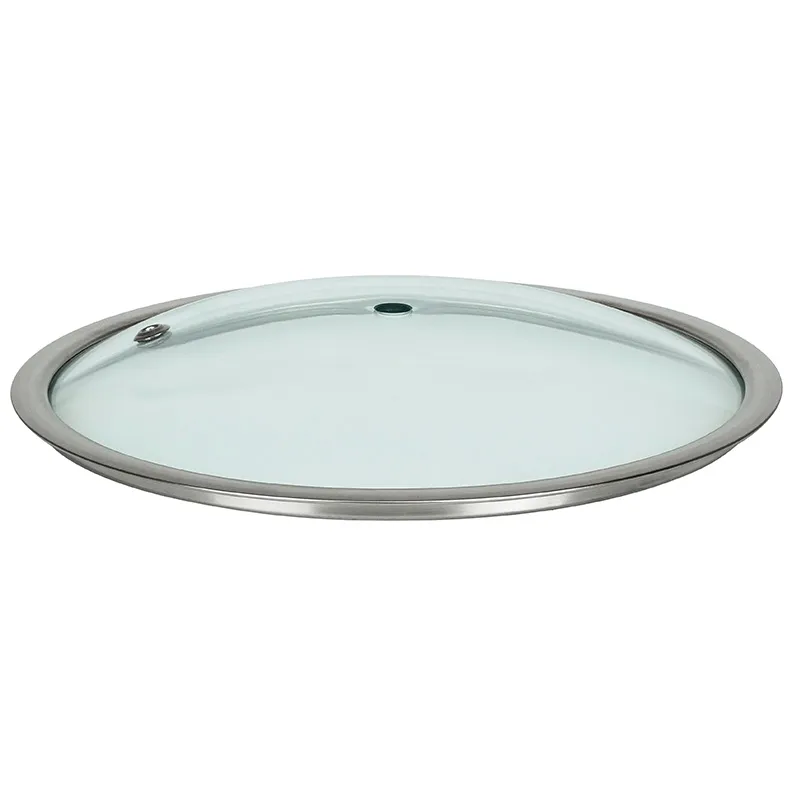
When you hear 'glass lid distributor', the immediate image might be a simple box-mover, a middleman between a factory and a retailer. That's the first misconception. In reality, it's a role defined by managing fragility, precision, and a surprising amount of technical nuance. It's not just about having stock; it's about understanding the tempering process, the fit tolerances for different cookware brands, and the logistical nightmare of shipping something that's essentially a large, thin, brittle sheet across continents without turning it into expensive confetti.
The Core Function: More Than Logistics
My entry into this was almost accidental, linked to a project for a European cookware brand. They needed a consistent supply of 24cm and 28cm tempered glass lids for a new saucepan line. The initial thought was to go direct to a manufacturer. We did. The factory in China could produce them, sure, but their minimum order quantity was a 40-foot container for a single size and finish. For a brand testing a new line, that was capital suicide—tying up funds and warehouse space in a single SKU.
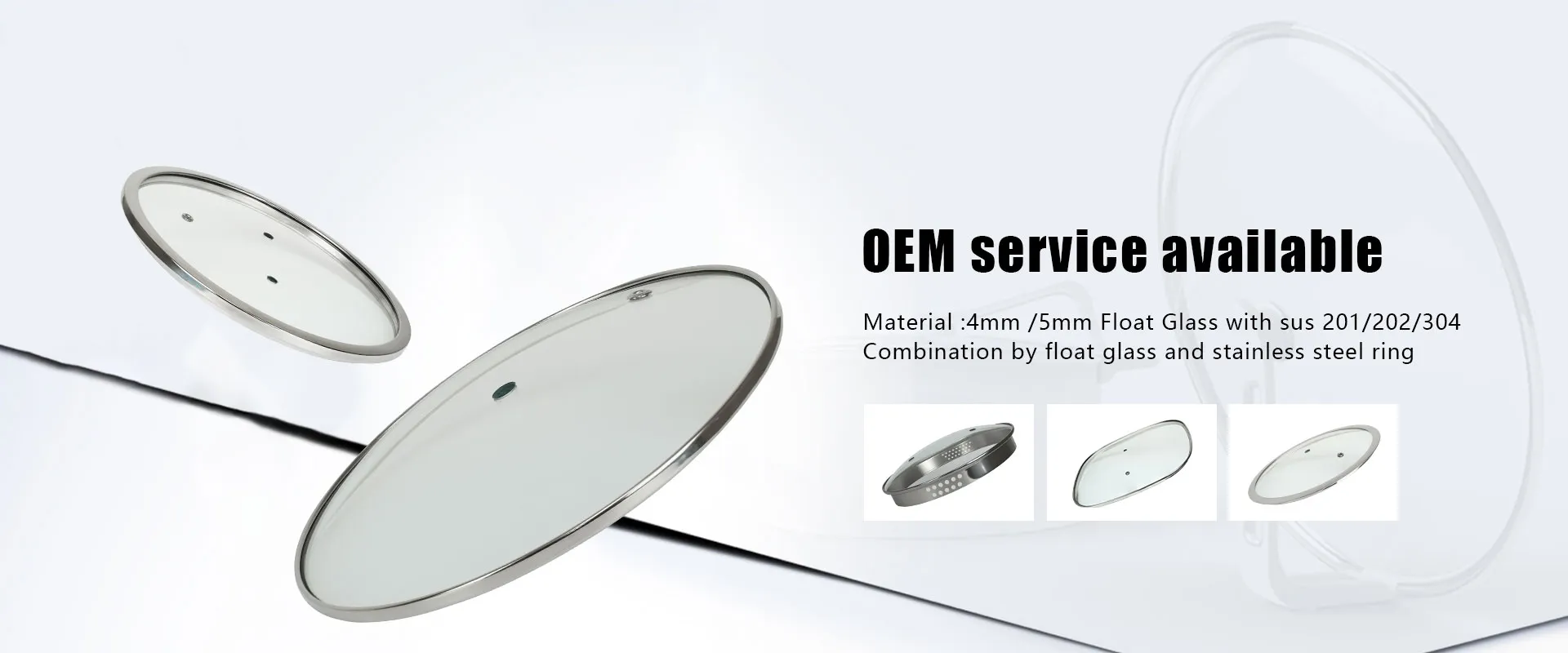
This is where a competent glass lid distributor adds value. A good one doesn't just break bulk; they consolidate. They work with factories that have the scale, like EUR-ASIA COOKWARE CO.,LTD, which has the capacity for 15 million pieces annually, and they build mixed container loads. You can get 500 pieces of one size, 800 of another, maybe some glass bowls or other accessories to fill the container. They absorb the factory-level MOQ risk. I remember reviewing the specs from EUR-ASIA's site—their focus on low, medium, and high-level products isn't marketing fluff. It speaks to a critical understanding: a lid for a €10 discount store pot and one for a high-end German brand require different edge finishing and packaging, even if the base glass is the same.
The technical liaison is another hidden task. A retailer says, We need lids for this existing cookware set. The distributor has to reverse-engineer the fit: the inner diameter, the outer flange, the knob attachment thread. I've spent hours on calls with factory techs, using caliper measurements from a client's sample, arguing over a 0.5mm tolerance that could mean the difference between a smooth rotation and a lid that sticks or rattles. The distributor becomes the translator between the designer's intent and the production floor's reality.
Sourcing and the Factory Relationship
Choosing a manufacturing partner is the bedrock. It's tempting to chase the lowest price per unit, but that's a classic pitfall. A cheaper lid often means less controlled tempering or inferior raw glass, leading to higher breakage rates before it even leaves the factory. You develop a sense for it. When I first visited a production base in a place like Taian, Shandong—which is where EUR-ASIA is situated—you look for order. Is the glass stock clean? How automated is the cutting and edging? The tempering furnace is the heart; its calibration consistency is everything.
EUR-ASIA's setup, with its 20,000㎡ area and focus on export to Europe and Japan, signals an operation built for foreign market standards. Exporting to Germany or Switzerland means your quality control has to be obsessive. These markets have near-zero tolerance for defects. A single shipment with a 3% breakage rate due to poor packaging can blacklist you with a major buyer. Their export footprint to over a dozen countries isn't just a sales achievement; it's a testament to a QC system that can meet diverse, stringent requirements.
The relationship is symbiotic. As a distributor, you provide the factory with predictable, rolling orders. They provide you with stability and priority during material shortages. I learned this the hard way during the soda ash price volatility a few years back. Factories were prioritizing large, long-term partners. Those of us with purely transactional, price-haggle relationships got our deliveries delayed by months. Now, it's about partnership. You discuss raw material forecasts with them, not just purchase orders.
The Tangible Hurdles: Breakage and Logistics
Breakage is the eternal enemy. It starts at the factory. Early on, I accepted a shipment where the lids were packed flat, stacked with only a thin paper sheet between them. The result? Micro-scratches on every third piece, making them unsellable as first quality. The learning: insist on individual sleeve packaging or vertical compartmentalization. EUR-ASIA's product pages often show this—it's a selling point they understand.
Sea freight is the next gauntlet. Even with perfect packaging, a container experiences G-forces, humidity shifts, and rough handling. We moved to using inflatable air bags to immobilize pallets within the container, not just relying on straps. The cost added $50 to a container, but it reduced in-transit breakage from a worrying ~2% to under 0.5%. That's a huge saving when you're dealing with thousands of units.
Then comes last-mile delivery. A pallet of glass lids arriving at a retailer's warehouse on a wooden pallet is a disaster waiting to happen if they use forklifts carelessly. We started including clear, pictorial handling instructions in four languages on every pallet. It seems obvious, but it cut down the arrived damaged claims significantly. The devil is in these details that no textbook on distribution ever mentions.
Market Specifics and Product Evolution
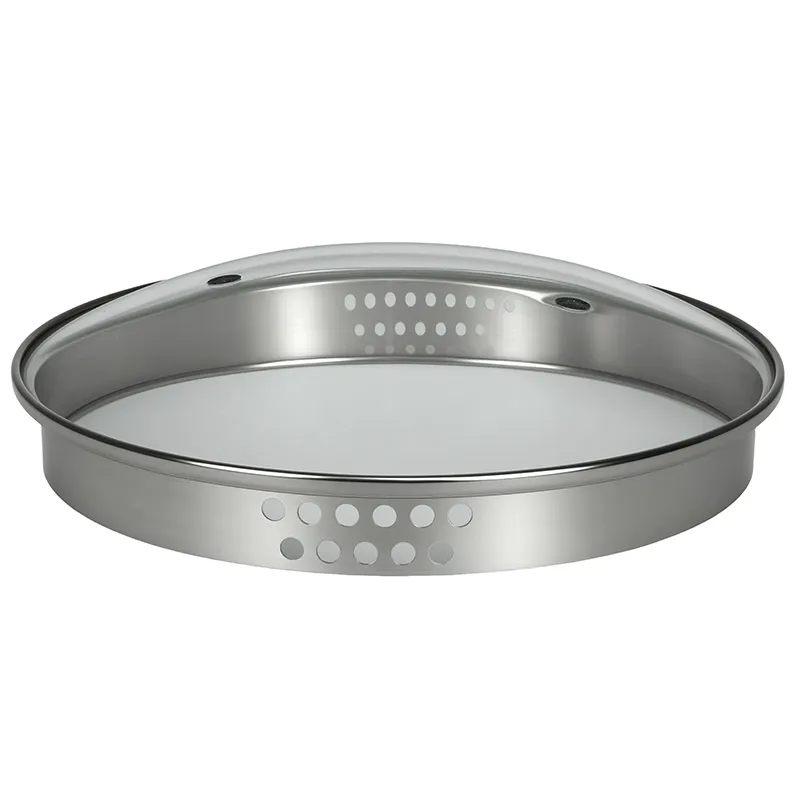
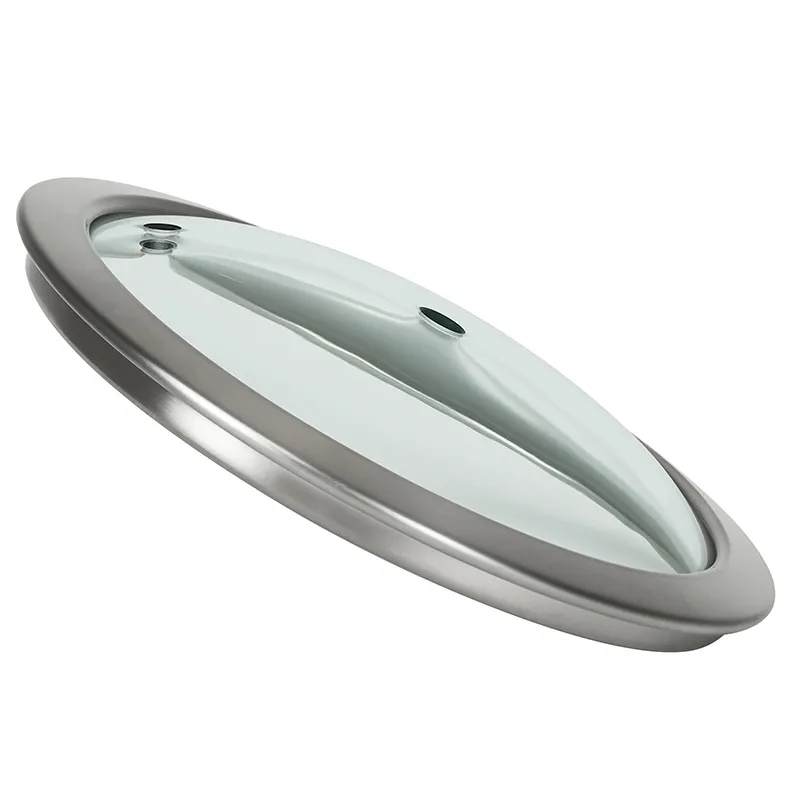
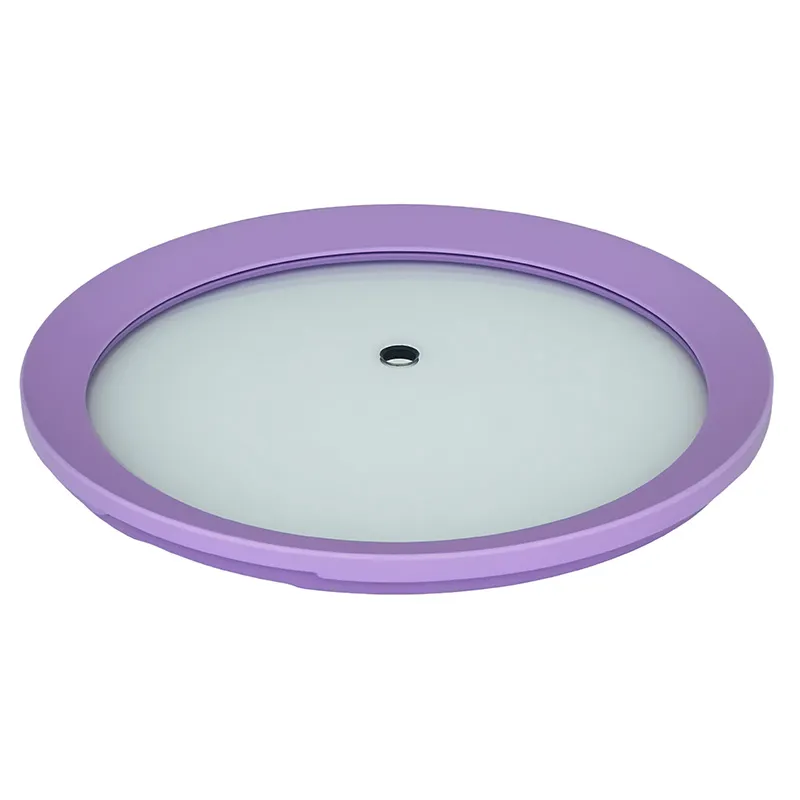
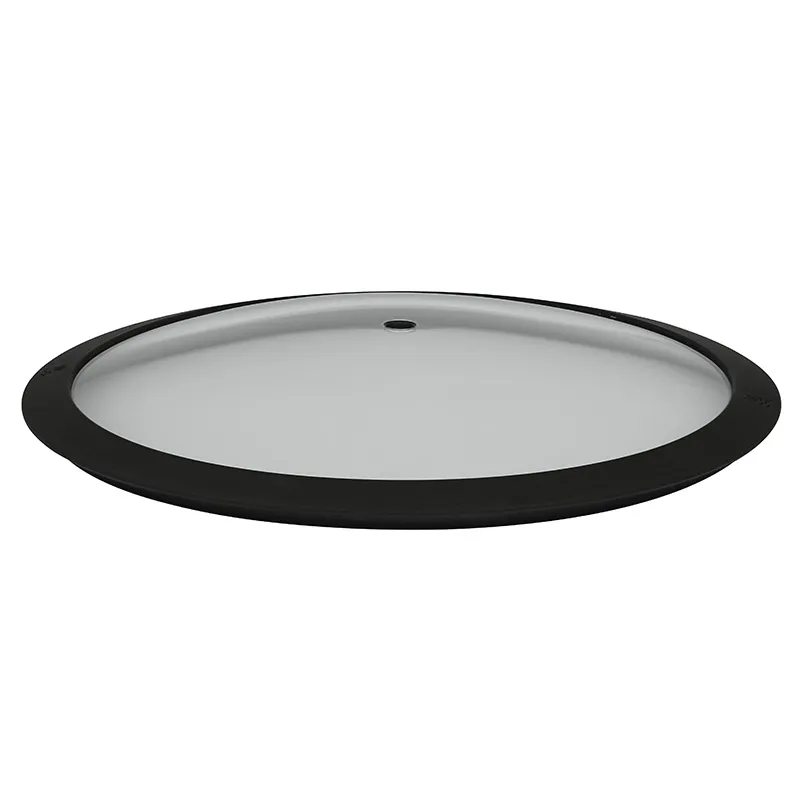
The product isn't static. The European market, for instance, has driven demand for lids with integrated steam vents and silicone-banded edges for a better seal. A distributor has to spot these trends and feed them back to the factory. It's not about selling what the factory makes; it's about collaborating to make what the next market cycle will demand.
We tried to introduce a premium line with colored glass patterns silk-screened onto the lid. It failed. The reason? The repeated heating and cooling in kitchen use caused the paint to craze and peel over time, even though it was food-safe. A costly lesson in distinguishing between aesthetic innovation and functional durability. The factory, to their credit, had warned us about the thermal cycling stress, but we pushed for the sample run. Now, any decorative element must be fired on, not printed, which limits design flexibility but ensures longevity.
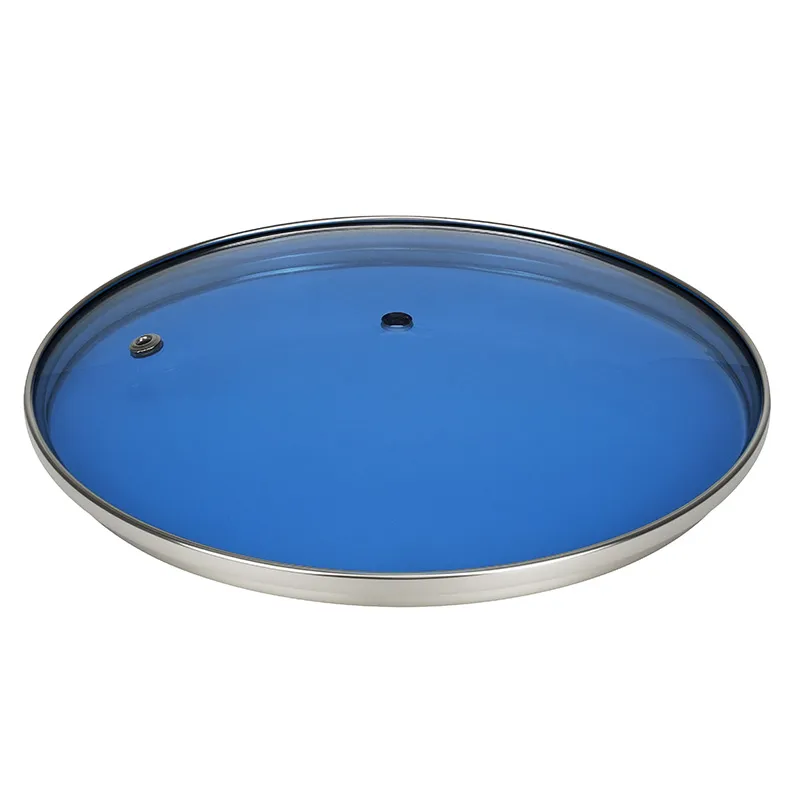
Another observation is the rise of composite knobs. The classic all-stainless steel knob gets scorching hot. We're now sourcing more lids with phenolic resin or silicone-top knobs from specialist suppliers, adding another layer of assembly and QC. The glass lid distributor becomes a system integrator, not just a commodity seller.
The Future: Consolidation and Value-Add
The role is consolidating. The simple arbitrage model of buying cheap and selling high is dead. The value is in providing a seamless, low-risk supply chain. For a company like EUR-ASIA COOKWARE, a distributor is an extension of their sales and service arm into markets where they don't have a direct presence. We handle the customs clearance, the warehousing, the small-order fulfillment, and the after-sales issues.
Looking ahead, sustainability pressures will shape the game. Recyclable packaging is already a requirement from major EU retailers. The next step is looking at the carbon footprint of the glass itself. Can we source from factories using higher cullet (recycled glass) ratios? It's a technical question that will become a commercial one.
Ultimately, being a glass lid distributor is a practice in managed tension. You're balancing the fragility of the product against the brutality of global logistics, the precision of engineering against the cost pressures of retail, and the long lead times of production against the immediacy of market demand. It's a niche, unglamorous, but deeply technical field where success is measured in the quiet absence of problems—the containers that arrive intact, the lids that fit perfectly, and the phone that doesn't ring with an angry client on the line.
Related Products
Related Products