- Chinese
- French
- German
- Portuguese
- Spanish
- Russian
- Japanese
- Korean
- Arabic
- Irish
- Greek
- Turkish
- Italian
- Danish
- Romanian
- Indonesian
- Czech
- Afrikaans
- Swedish
- Polish
- Basque
- Catalan
- Esperanto
- Hindi
- Lao
- Albanian
- Amharic
- Armenian
- Azerbaijani
- Belarusian
- Bengali
- Bosnian
- Bulgarian
- Cebuano
- Chichewa
- Corsican
- Croatian
- Dutch
- Estonian
- Filipino
- Finnish
- Frisian
- Galician
- Georgian
- Gujarati
- Haitian
- Hausa
- Hawaiian
- Hebrew
- Hmong
- Hungarian
- Icelandic
- Igbo
- Javanese
- Kannada
- Kazakh
- Khmer
- Kurdish
- Kyrgyz
- Latin
- Latvian
- Lithuanian
- Luxembou..
- Macedonian
- Malagasy
- Malay
- Malayalam
- Maltese
- Maori
- Marathi
- Mongolian
- Burmese
- Nepali
- Norwegian
- Pashto
- Persian
- Punjabi
- Serbian
- Sesotho
- Sinhala
- Slovak
- Slovenian
- Somali
- Samoan
- Scots Gaelic
- Shona
- Sindhi
- Sundanese
- Swahili
- Tajik
- Tamil
- Telugu
- Thai
- Ukrainian
- Urdu
- Uzbek
- Vietnamese
- Welsh
- Xhosa
- Yiddish
- Yoruba
- Zulu
- Kinyarwanda
- Tatar
- Oriya
- Turkmen
- Uyghur


glass lid export
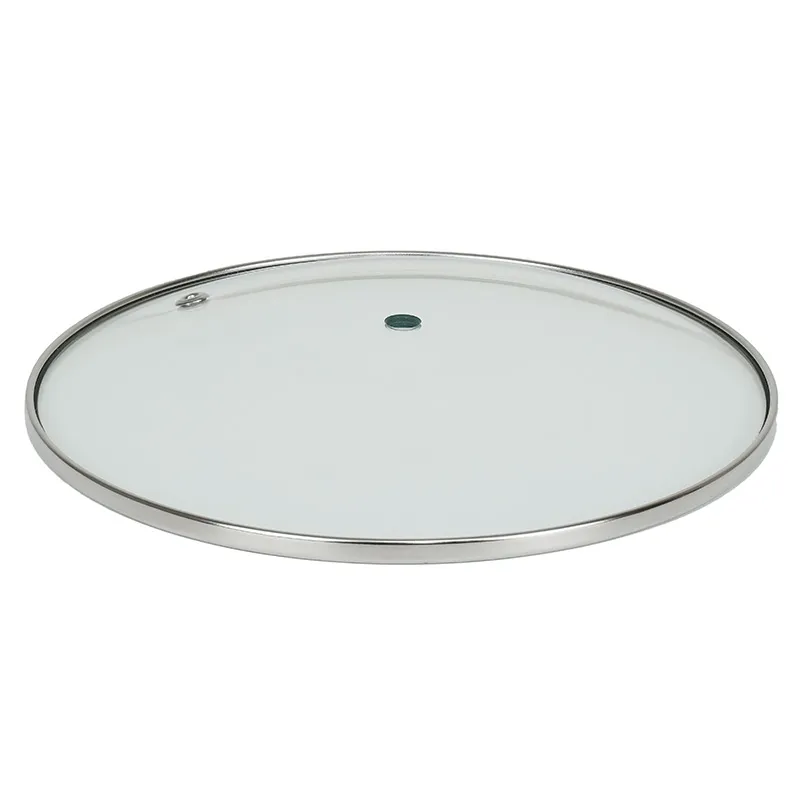
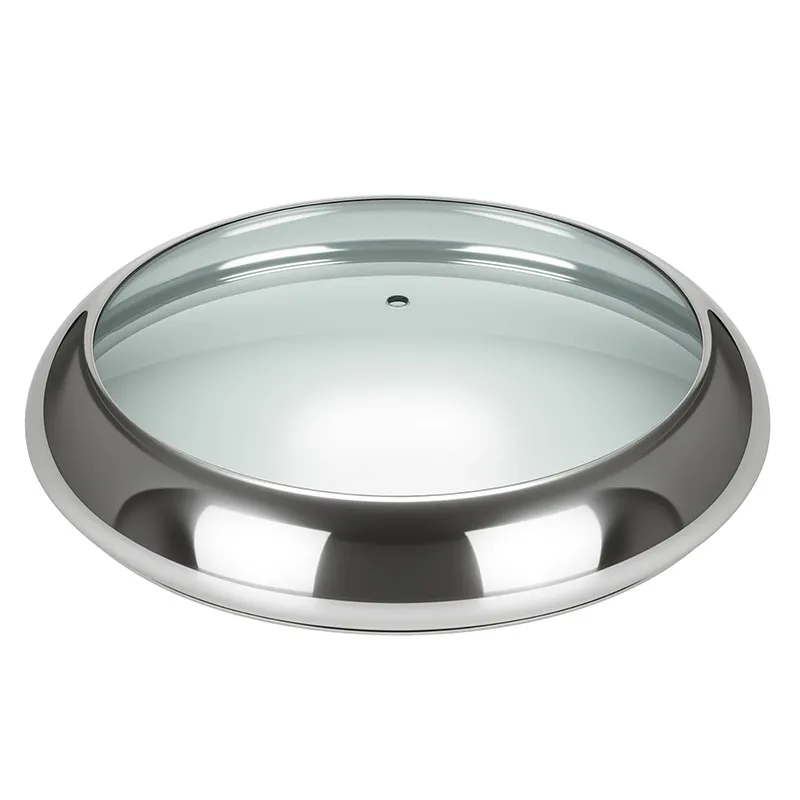
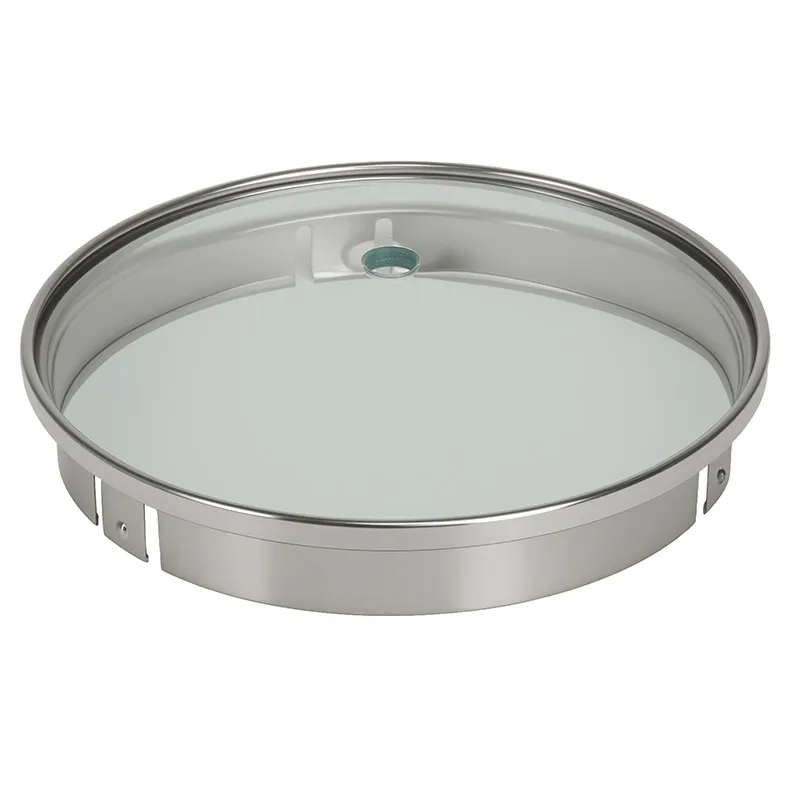
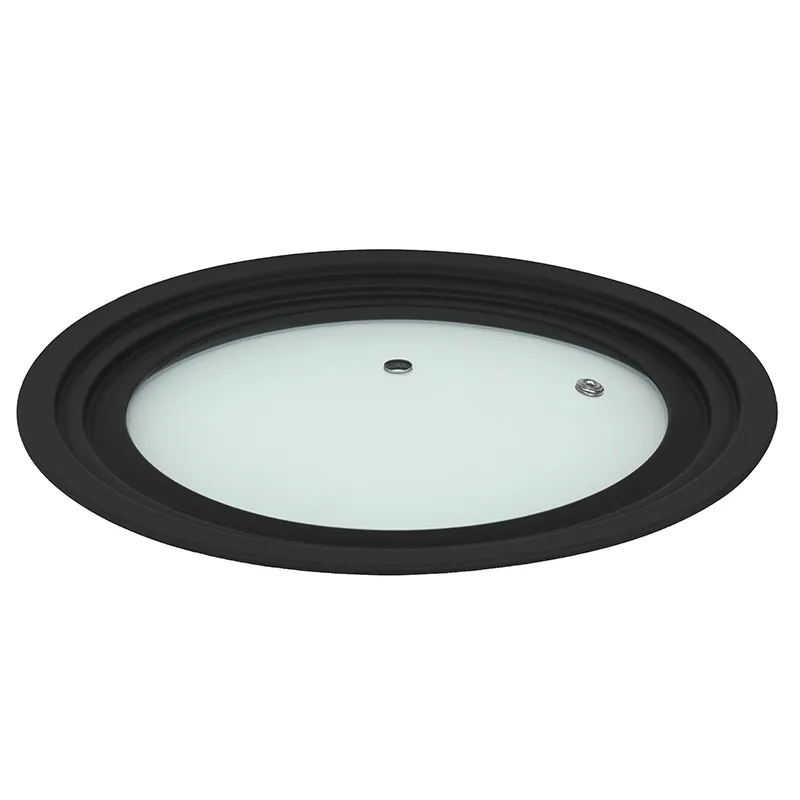
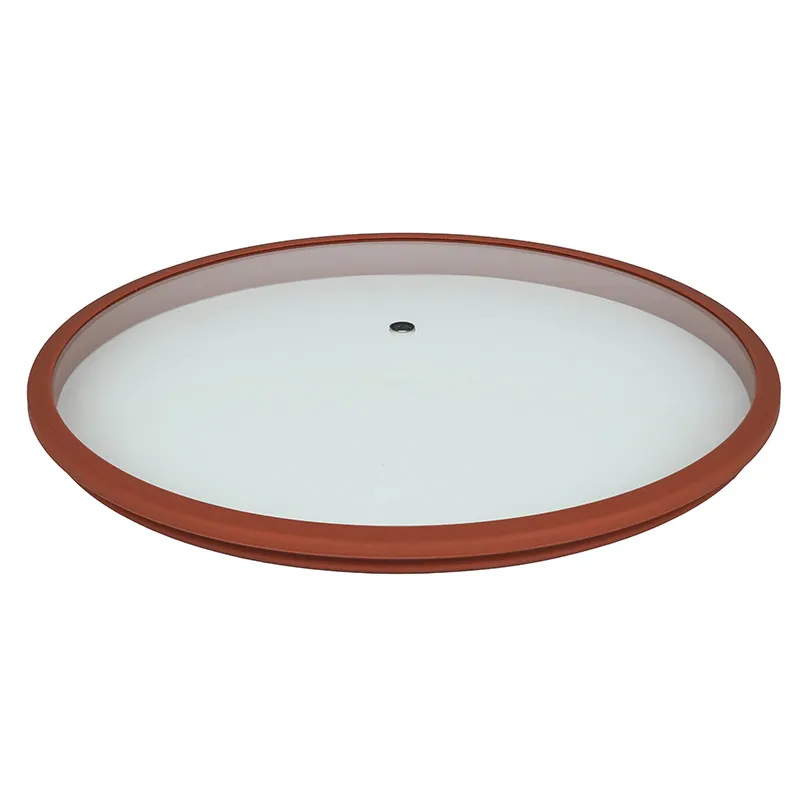
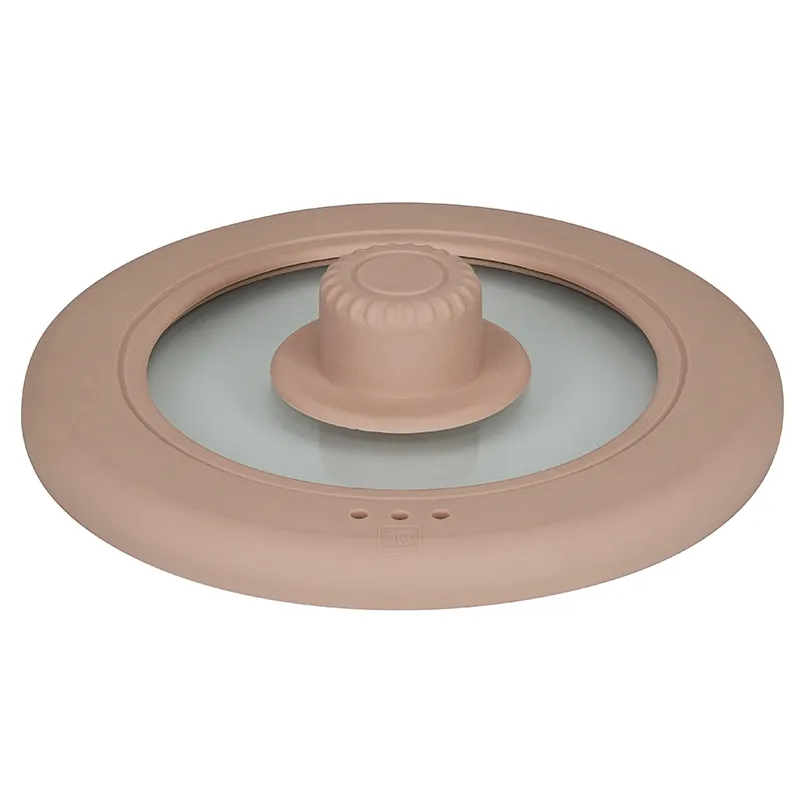
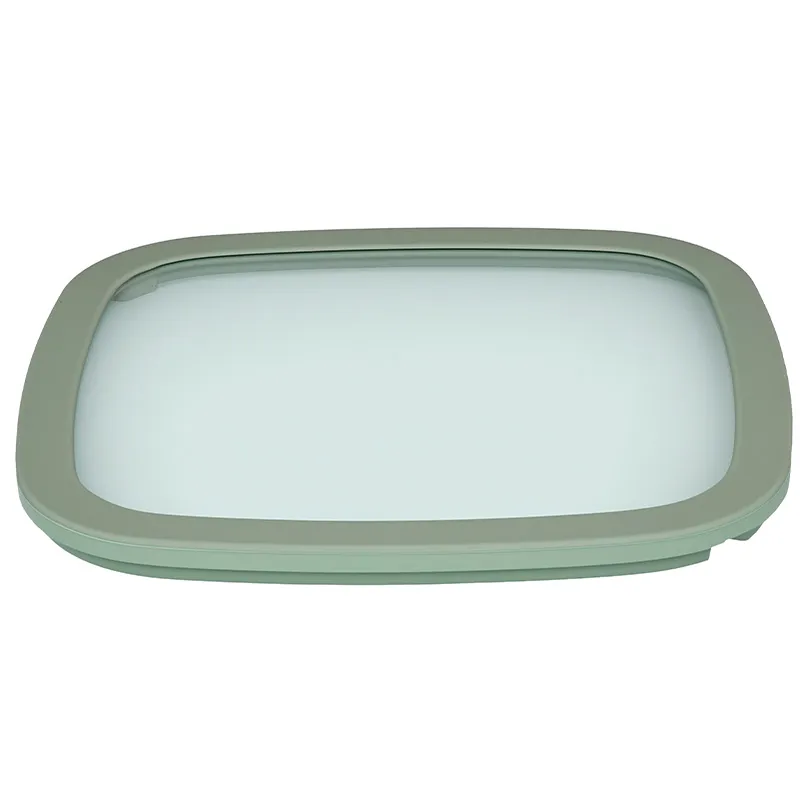
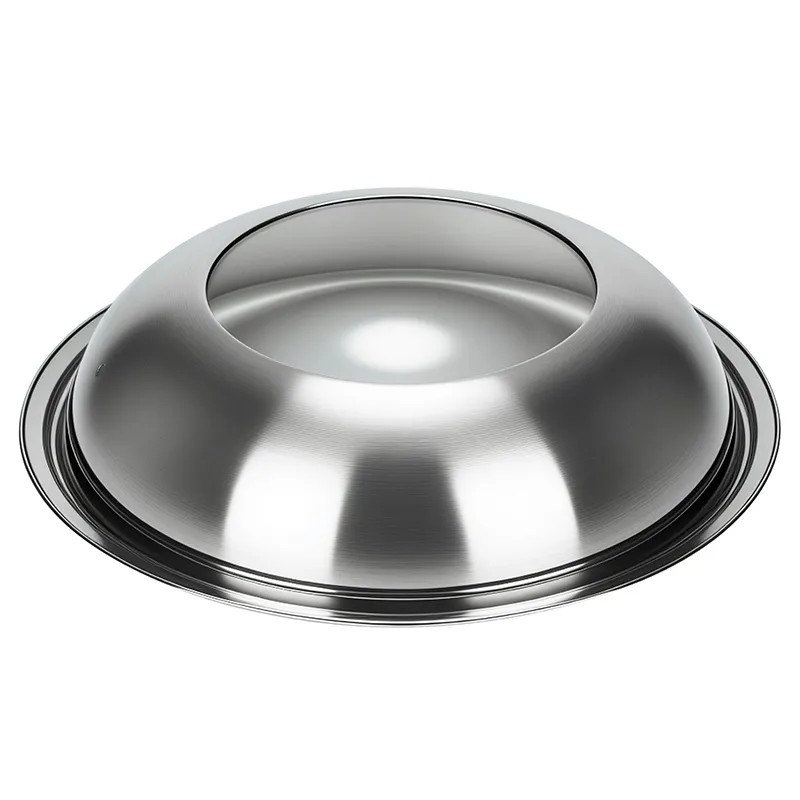
When you hear 'glass lid export', the immediate image is often just boxes on a pallet. That's the first misconception. It's not about moving units from point A to B; it's about managing a fragile ecosystem of thermal shock resistance, hinge compatibility, and retail packaging that can survive a 40-foot container's journey from Shandong to Stuttgart. Many think the core competency is manufacturing, but in export, your product is only as good as its weakest packaging seam or its least understood destination market regulation.
The Foundation: It Starts with the Glass, But Doesn't End There
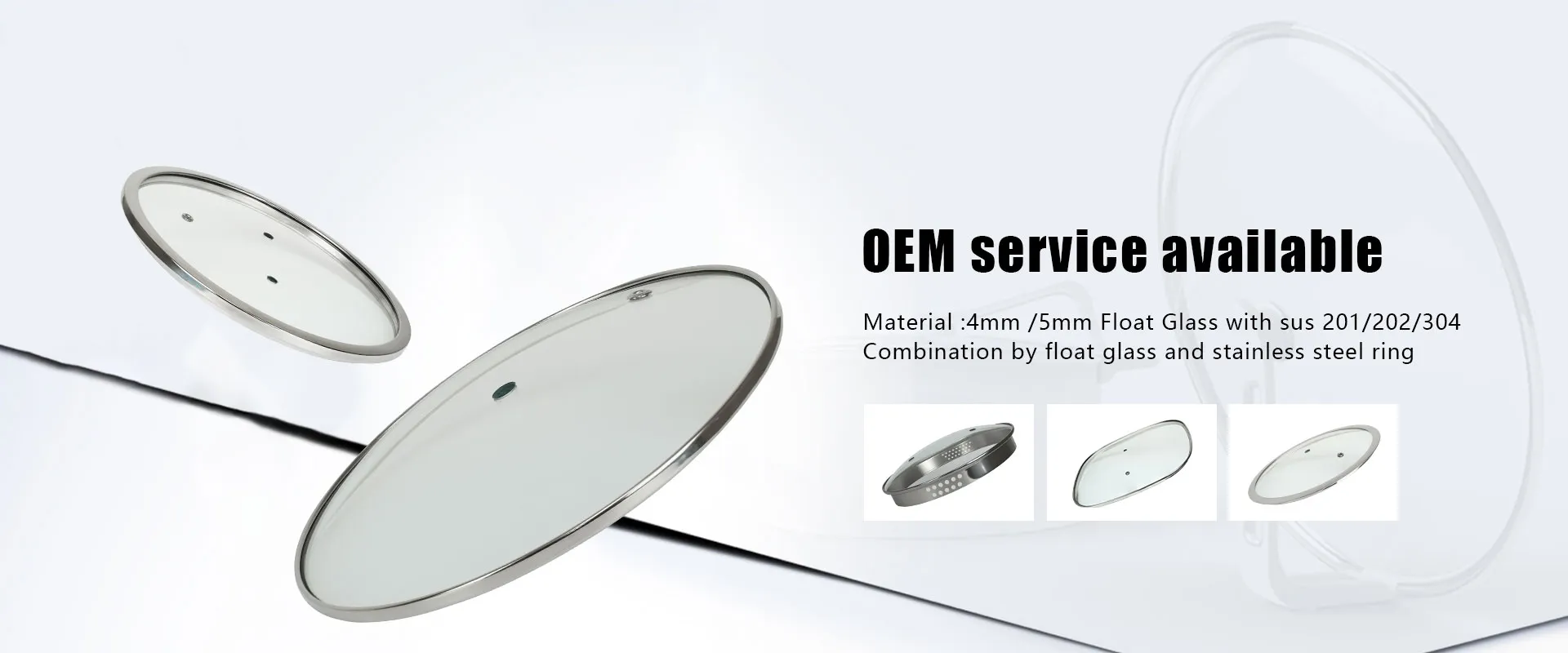
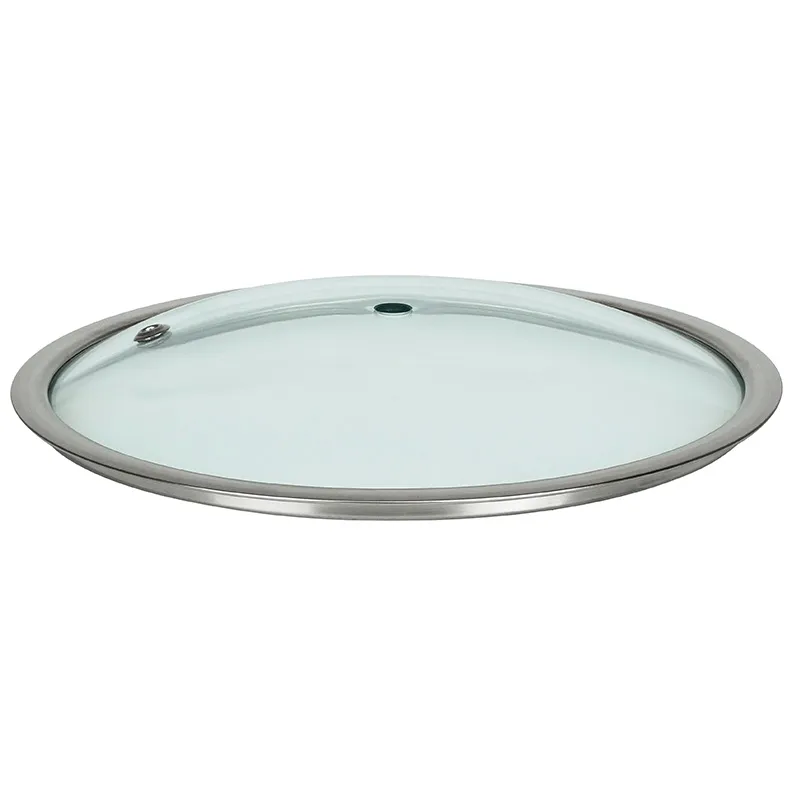
Our base, like many serious players, is in a specialized industrial zone. Take EUR-ASIA COOKWARE CO.,LTD. out of Taian. Their location in that National High-tech Development Zone isn't just an address; it signals access to consistent raw material supply chains and a labor pool familiar with precision handling. You need that when your annual output target is over 15 million pieces. The 'tempered' in 'tempered glass lid' is non-negotiable, but the degree of tempering, the edgework finish (polished vs. seamed), and even the clarity—these are the variables clients fight over.
I've seen orders fall through because a buyer assumed all tempered glass is equal. A lid for a Brazilian casserole dish faces different thermal cycles than one for a German slow cooker. Brazil might prioritize impact resistance for their cooking styles, while German importers will have a checklist a mile long on dimensional tolerance to fit their proprietary cookware lines. You have to bake that into production, not try to fix it post-hoc.
The 90+ employees figure isn't just headcount. It speaks to a scale where you likely have dedicated QC teams for export orders, people who understand that a barely visible edge chip is a critical defect for a supermarket chain in France, but might be a 'B-grade' pass for a discount retailer elsewhere. This operational granularity is what separates a real export partner from a factory that just happens to ship overseas.
Logistics: The Silent Profit Killer
This is where theory meets the brutal reality of cost sheets. Exporting glass lid products means you're essentially exporting air and fragility. The volumetric weight will kill your margin if you're not strategic. Standard corrugated cartons are a recipe for disaster. We learned this the hard way early on with a shipment to Poland. The lids survived, but the retail-ready boxes were crushed at the corners, making them unsellable on store shelves. The entire profit from that container was wiped out by repackaging costs at the destination warehouse.
Now, the solution is often a hybrid: master cartons designed for container optimization, with inner retail boxes suspended and separated by high-density inserts. It adds maybe 8-12% to the unit cost, but it's the difference between a successful delivery and a claim. For a company like EUR-ASIA, shipping to over a dozen countries, they've probably standardized 3-4 master carton sizes that fit most of their product range, just to simplify loading and documentation.
Then there's documentation. A commercial invoice that just says glass lids will get your shipment held up in customs. You need the precise HS code, material composition, origin declarations, and for markets like the EU or South Korea, proof of compliance with food contact material regulations. It's tedious, but getting it wrong once teaches you to build a compliance database for each key market.
Market Nuances: Europe Isn't a Monolith
Their export list is telling: Germany, Russia, Italy, France, Poland... each is a distinct beast. German buyers are process-driven. They will audit your factory, demand batch testing reports, and have exacting standards on packaging recyclability. A lid for the German market might need a different, more eco-friendly ink on the packaging. It's a high-value but high-maintenance relationship.
Contrast that with, say, the Brazilian market. The focus might be on vibrant colors, resistance to sudden temperature changes (think moving a pot from fridge to stove), and cost-competitiveness above all. The same base glass lid from the same production line might get a different final inspection standard and packaging aesthetic for these two destinations. You can't just produce one 'export quality' and hope it fits all.
This is where a supplier's experience shows. The fact that a company exports to Japan and Switzerland—two markets notorious for obsessive quality control—suggests they've likely invested in automated optical inspection systems and have a robust traceability system. You don't just walk into those markets.
The Digital Handshake: When the Website is Your Factory Floor
In today's game, your online presence is your first export warehouse. A site like glass-lid.com isn't just a brochure. For a potential buyer in Spain or Turkey, it's the first credibility check. They're looking for evidence of specialization. Does the site show the product range depth? Are there technical specs on thickness, diameter tolerance, and heat resistance? Can they see the packaging options?
For EUR-ASIA COOKWARE, their site needs to communicate that they're not just a generic glass products factory. The mention of low- medium- high level products is crucial. It tells a buyer they can source a budget line for a promotional campaign and a premium line for a branded partnership from the same place, ensuring consistency. The listed 20,000㎡ area and 15,000㎡ building space subconsciously signal capacity and stability—a buyer needs to know you can handle a 100,000-piece rush order without breaking a sweat.
The limitation of any site, of course, is that it can't convey the tactile feel—the solid 'clink' of a well-made lid settling onto a pot, or the smooth action of a stainless steel knob. That's why successful glass lid export still relies heavily on sample shipments. The digital handshake must be followed by a physical one.
Failure as a Forcing Function
Let's be honest, you learn more from a lost container than a hundred smooth shipments. We once had an issue with condensation marks. The lids were perfect out of the factory, but after a 6-week sea voyage to a humid destination, they arrived with faint, milky condensation patterns etched between the layers of pallet wrap. The glass was fine, but the appearance was ruined. The cause? A mismatch between the wrapping plastic's permeability and the humidity cycles inside the container. A small, overlooked detail with a six-figure consequence.
Another classic is hinge point failure. You're exporting the lid, but the buyer supplies the pot and the metal hinge assembly. If your glass lid's drilling tolerance is off by half a millimeter, their assembly line jams. We now insist on receiving sample hinge hardware from the client for fitting trials before mass production, even if it delays the schedule by a week. It saves months of headache.
These failures force you to build better processes. They lead to creating climate-controlled staging areas for final packaging, or investing in laser-guided drilling for absolute consistency. The annual output of 15 million pieces isn't just a boast; it's a testament to having survived these lessons and scaled past them.
Looking Ahead: The Real Value Isn't in the Glass
So, what are you really exporting? You're not exporting a lid. You're exporting a guarantee that a product will perform safely under intense heat, that it will arrive in a condition ready for immediate sale, and that it will fit a specific cookware line on the other side of the world. The glass is the commodity; the embedded knowledge of thermal dynamics, logistics, packaging science, and international compliance is the value.
The future of glass lid export for established players lies in moving further up the value chain. It's not just being a supplier, but a solutions partner. Can you co-design a lid for a client's new cookware series? Can you manage drop-shipping to multiple distribution centers across Europe? The production base, the employees, the annual capacity—all that infrastructure documented on a site like EUR-ASIA's—is just the ticket to the game. Winning it requires a mindset that treats every shipment as a unique project, with its own hidden pitfalls and specific demands, far beyond the simple act of putting glass into a box.
Related Products
Related Products