- Chinese
- French
- German
- Portuguese
- Spanish
- Russian
- Japanese
- Korean
- Arabic
- Irish
- Greek
- Turkish
- Italian
- Danish
- Romanian
- Indonesian
- Czech
- Afrikaans
- Swedish
- Polish
- Basque
- Catalan
- Esperanto
- Hindi
- Lao
- Albanian
- Amharic
- Armenian
- Azerbaijani
- Belarusian
- Bengali
- Bosnian
- Bulgarian
- Cebuano
- Chichewa
- Corsican
- Croatian
- Dutch
- Estonian
- Filipino
- Finnish
- Frisian
- Galician
- Georgian
- Gujarati
- Haitian
- Hausa
- Hawaiian
- Hebrew
- Hmong
- Hungarian
- Icelandic
- Igbo
- Javanese
- Kannada
- Kazakh
- Khmer
- Kurdish
- Kyrgyz
- Latin
- Latvian
- Lithuanian
- Luxembou..
- Macedonian
- Malagasy
- Malay
- Malayalam
- Maltese
- Maori
- Marathi
- Mongolian
- Burmese
- Nepali
- Norwegian
- Pashto
- Persian
- Punjabi
- Serbian
- Sesotho
- Sinhala
- Slovak
- Slovenian
- Somali
- Samoan
- Scots Gaelic
- Shona
- Sindhi
- Sundanese
- Swahili
- Tajik
- Tamil
- Telugu
- Thai
- Ukrainian
- Urdu
- Uzbek
- Vietnamese
- Welsh
- Xhosa
- Yiddish
- Yoruba
- Zulu
- Kinyarwanda
- Tatar
- Oriya
- Turkmen
- Uyghur

glass lid exporter
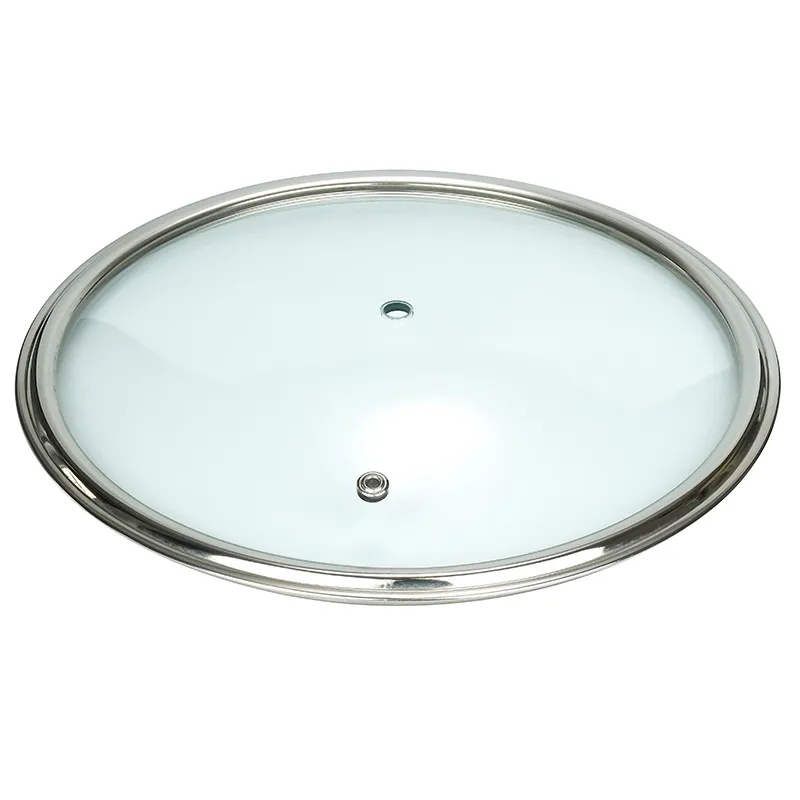
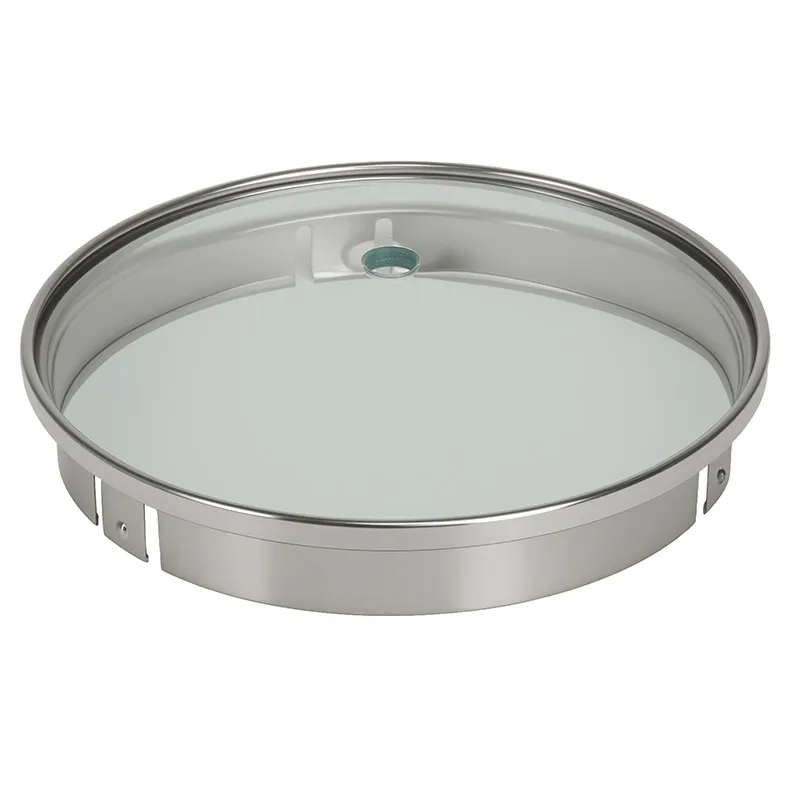
When you hear 'glass lid exporter,' most think it's just about shipping boxes of tempered glass overseas. That's the first misconception. It's not merely a logistics game; it's a tightrope walk between material science, precision manufacturing, and navigating a maze of international standards that vary wildly from a buyer in Hamburg to one in S?o Paulo. The real expertise isn't in moving the product, but in understanding what makes a lid not just a piece of glass, but a functional, safe, and compliant component of someone's kitchen halfway across the globe.
The Core: It's All About the Tempering
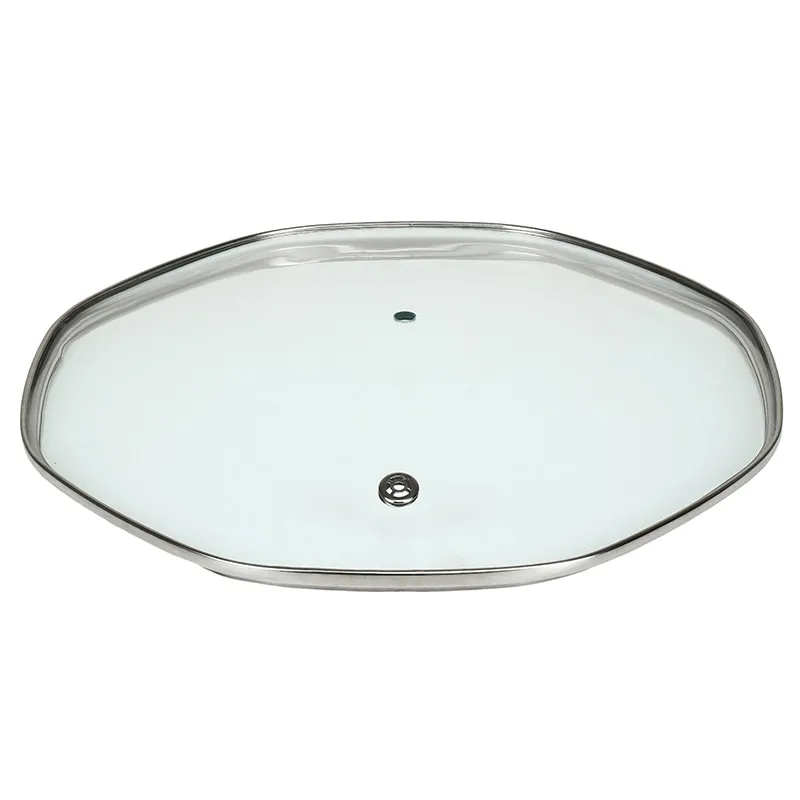
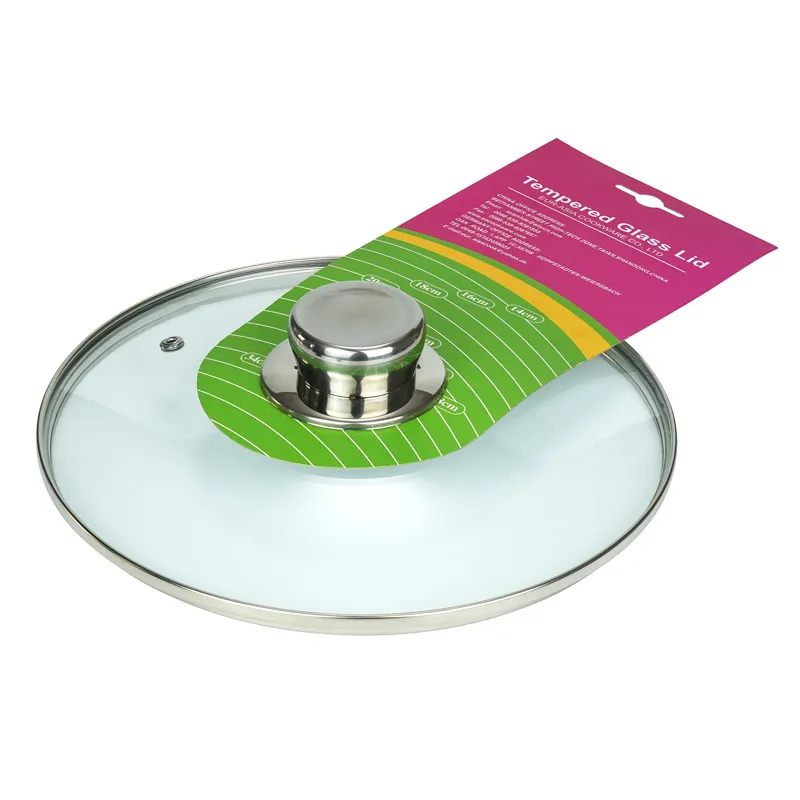
Let's get technical for a second. The heart of being a reliable glass lid exporter is the tempering process. You can't just cut and ship annealed glass. I've seen orders fall apart because a supplier cut corners here. The glass must be heated to around 700°C and then rapidly cooled. This creates surface compression, making it 4-5 times stronger than regular glass. But the trick isn't just doing it; it's doing it consistently for millions of pieces. If the quenching isn't uniform, you get stress patterns, and eventually, spontaneous breakage—a nightmare scenario for any importer. I recall a batch for the Polish market years back where we had a 2% failure rate in transit due to a subtle inconsistency in the cooling air flow. That 2% cost us the entire profit margin and then some. It's a brutal lesson in quality control.
This is where a production base like the one EUR-ASIA COOKWARE operates from becomes critical. Being located in an industrial zone like Taian's High-tech Development Zone isn't just about land cost. It's about having the infrastructure and skilled labor to maintain these precise, high-temperature processes day in, day out. Their stated annual output of over 15 million pieces isn't a vanity metric; it's a testament to having the tempering lines and process control dialed in. Without that scale and consistency, you're just a trader, not a real exporter.
And strength isn't the only factor. The edge work post-tempering is crucial. Smooth, polished edges aren't just for aesthetics; they prevent chipping during handling and, more importantly, are safer for end-users. A rough edge on a lid that gets handled daily is a complaint waiting to happen. It's these unglamorous details that separate the pros from the amateurs.
Navigating the Export Maze: Standards and Sensibilities
Exporting isn't shipping. It's a compliance puzzle. Germany's LFGB standards for food contact materials are notoriously stringent, testing for heavy metal migration and overall safety. A lid that passes general Chinese export inspection might fail LFGB. I learned this the hard way early on with a shipment held at Hamburg customs. The testing documentation wasn't specific enough. Now, we insist on pre-shipment testing at certified labs for the target market. For a company like EUR-ASIA, exporting over 90% of its products to Europe and other mature markets, this isn't optional—it's baked into their operational DNA. Their product listing on glass-lid.com likely doesn't scream about LFGB or FDA, but any serious buyer will ask, and their ability to supply the test reports is what closes the deal.
Then there are the unspoken standards. The hand feel. Buyers from Italy and France have a different expectation for the weight and balance of a lid compared to buyers from South Korea. It's subtle, but it affects the perceived quality. An Italian importer once rejected a sample because the stainless steel rim, while perfectly functional, felt too light and insubstantial for their market. We had to source a slightly thicker gauge. This is where being a specialized producer, not just a general glass goods factory, matters. EUR-ASIA's focus on household glass products means they're likely attuned to these nuances across different regions.
Logistics is its own beast. Glass is fragile and heavy. You can't just throw lids into a container. The packaging must be designed for vertical stacking to prevent lateral pressure, and the container must be properly braced. A poorly loaded container can lead to a 30% breakage rate upon arrival, turning a profitable order into a total loss. The fact that they're exporting globally to over a dozen countries suggests they've mastered this art—or have a very competent freight forwarder.
The Market Reality: From High-End to High-Volume
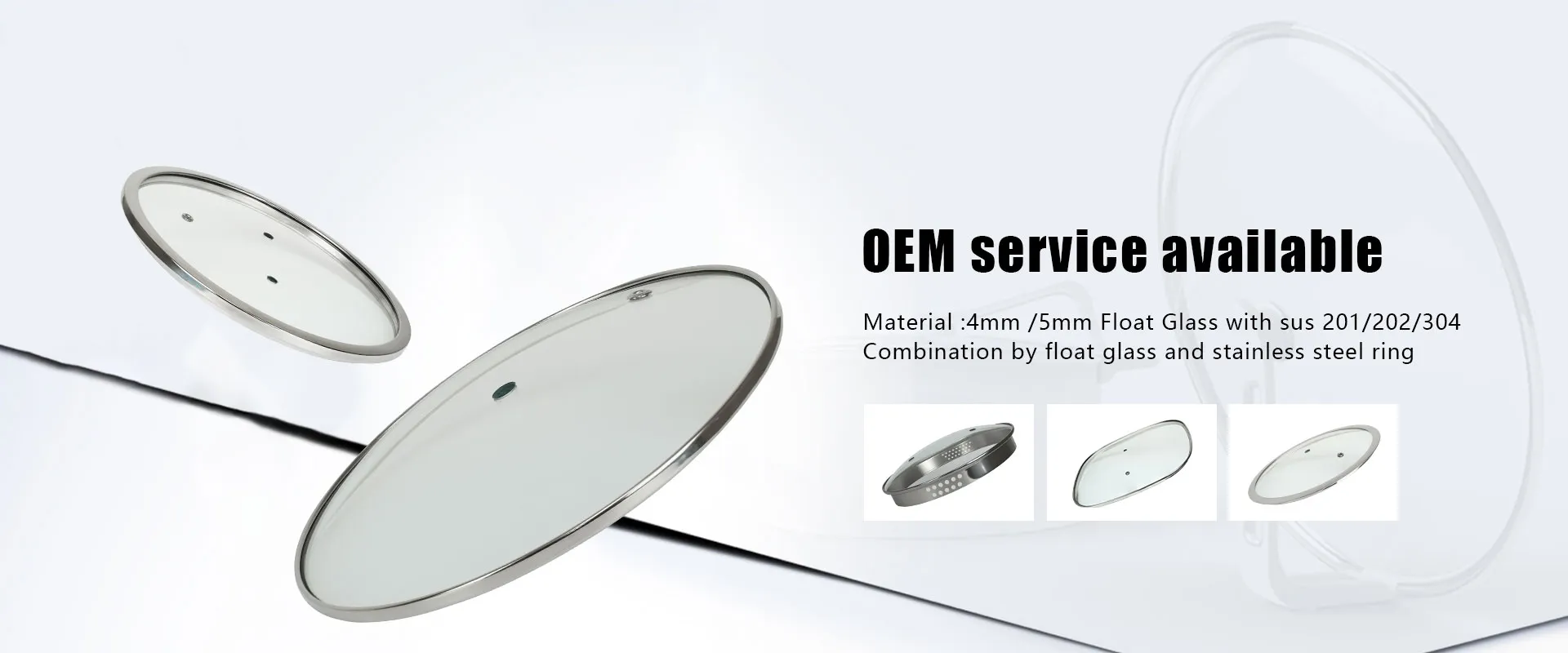
The term 'glass lid exporter' covers a vast spectrum. You have the high-end, often for European brands where the lid is part of a premium cookware set. Here, the clarity of the glass, the precision of the fit, and the finish of the handle are paramount. Tolerances are measured in fractions of a millimeter. Then you have the high-volume market, supplying replacement lids or for mid-range cookware. Here, cost efficiency and durability are king. A company like EUR-ASIA COOKWARE, with its mention of low-medium-high level products, is strategically positioned to play in both fields. Their production scale allows for competitive pricing on volume orders, while their technical base in a high-tech zone gives them the capability to meet higher specifications when required.
Observing their export list—Germany, Russia, Italy, Brazil, Japan—is a mini-case study in market diversification. Germany and Japan represent the quality-conscious, high-standards end. Russia and Brazil might lean more towards value and durability. Cracking the German market is a badge of honor for any Chinese glass lid exporter; it implies a level of quality control that opens doors elsewhere.
The real challenge now isn't just making and shipping. It's about value addition. More buyers are looking for ready-to-sell products—lids already packaged in retail-ready boxes with polybags, labels, and barcodes. The exporter's role is expanding into final-stage fulfillment. I wonder if their 15,000㎡ facility includes dedicated packaging lines for this. It's the next logical step for a serious player.
Failures and Pivots: The Learning Curve
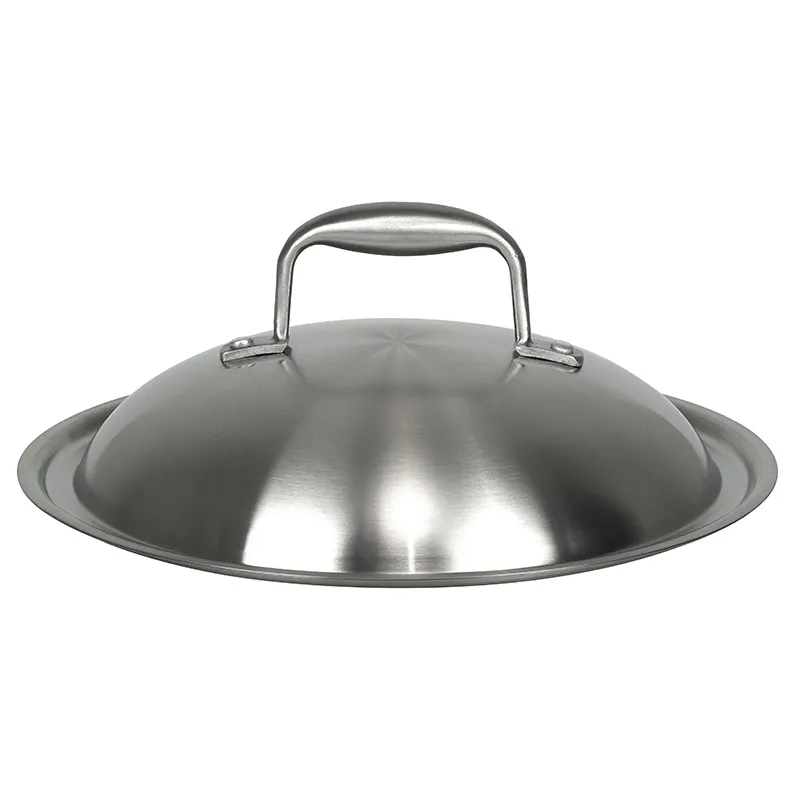
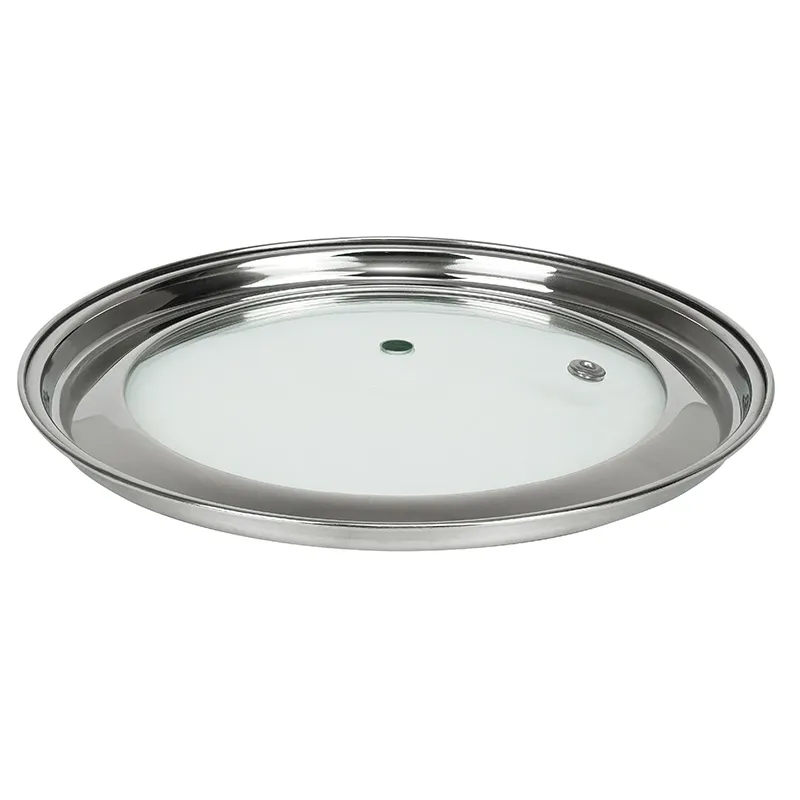
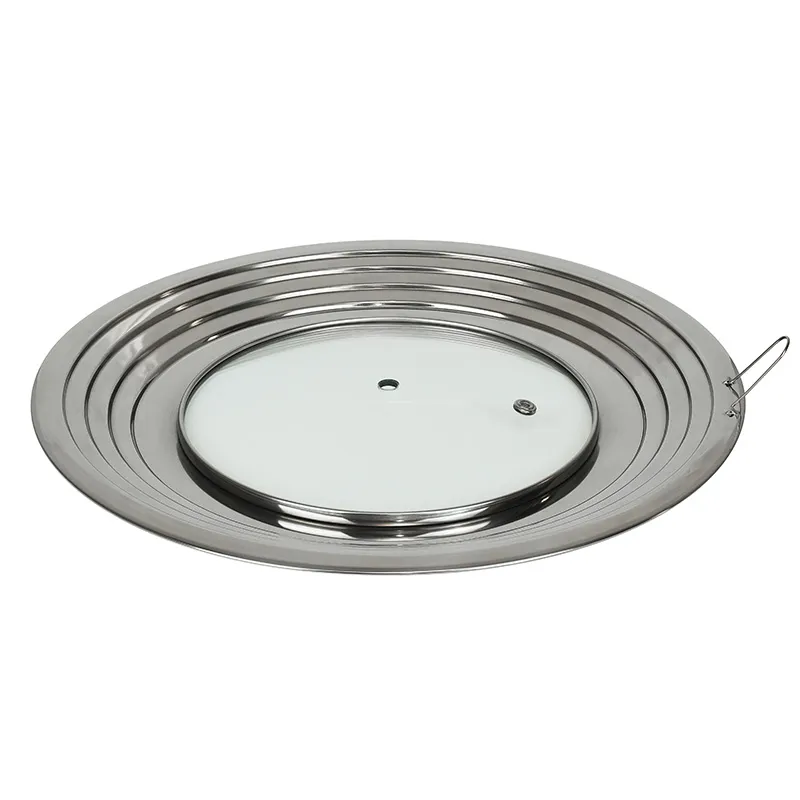
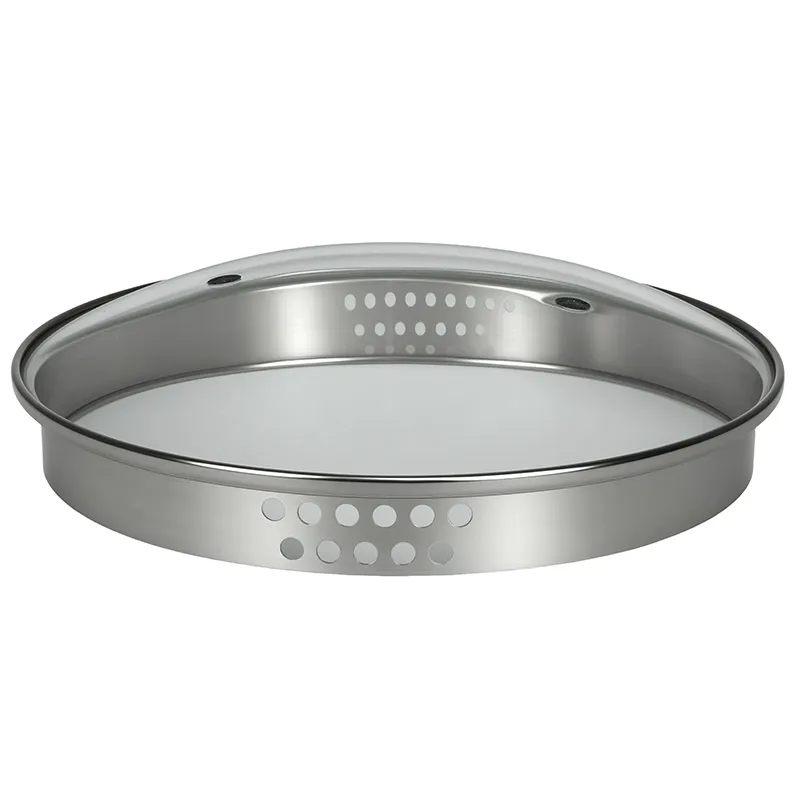
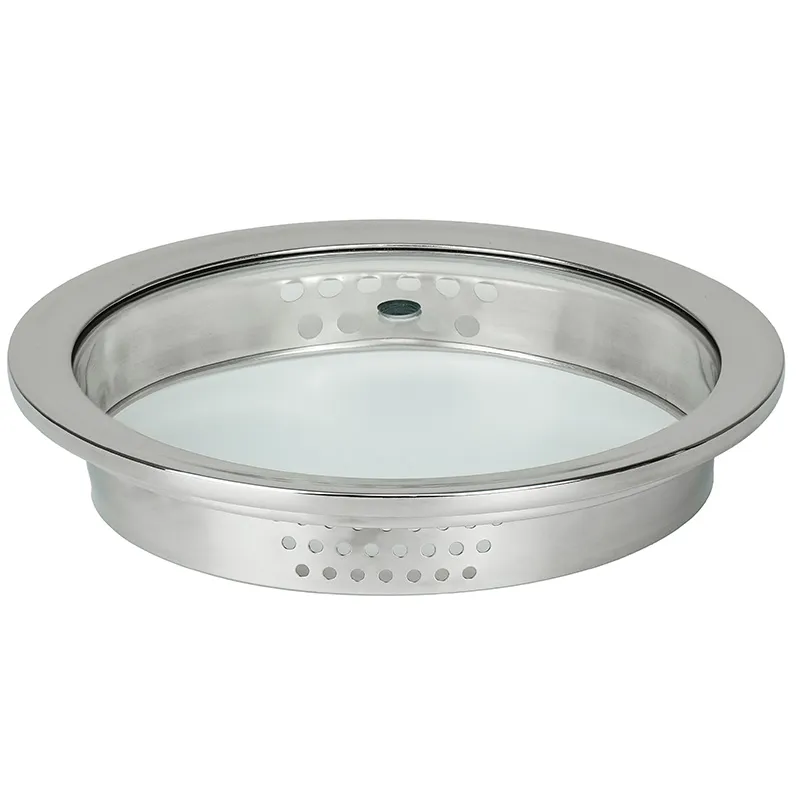
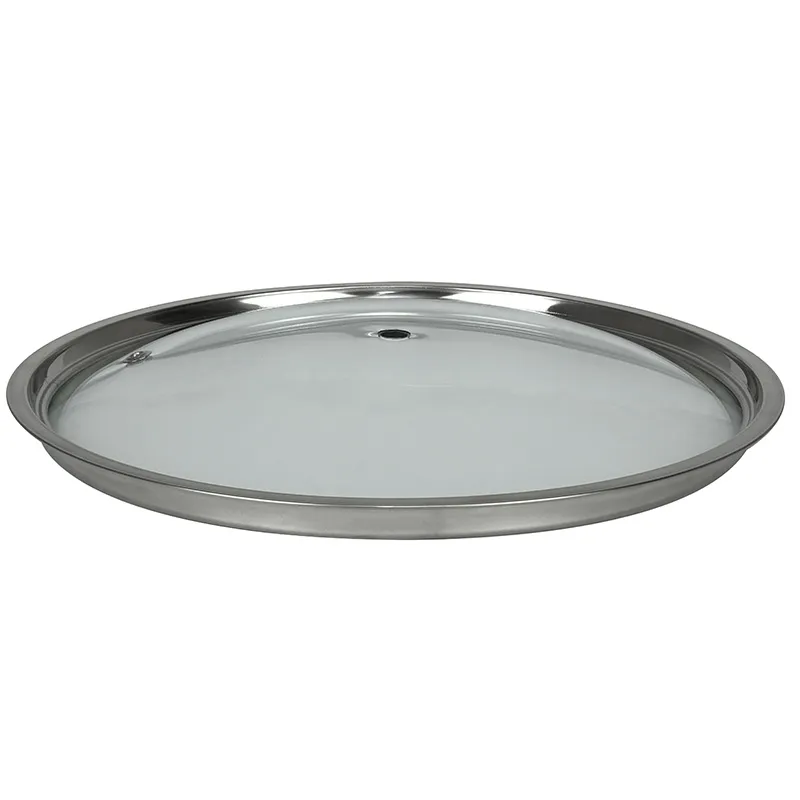
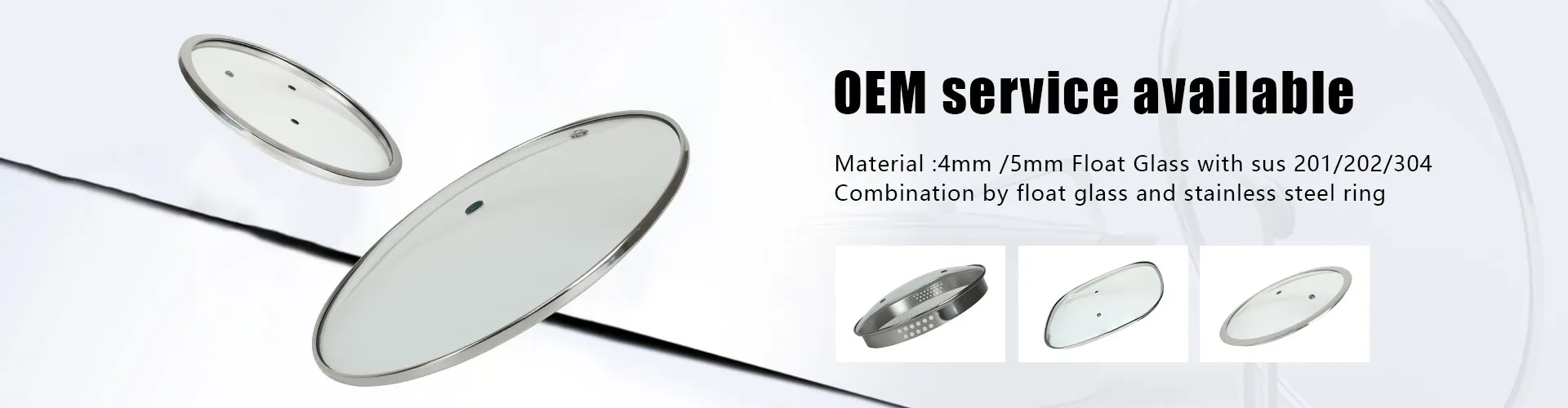
Nobody gets this right from day one. One of my earliest missteps was assuming one lid design fits all pots. We produced a large batch of universal lids for the European market. They fit, technically, but the universal design meant a less secure fit on specific pot diameters, leading to steam escape and customer complaints. We ended up selling that batch at a deep discount in a less discerning market. The lesson was clear: know your buyer's exact application. Is it for a stockpot? A sauté pan? A casserole dish? The curvature and rim design differ. Now, specifications are obsessive. A glance at a professional site like glass-lid.com will show they likely offer a range of diameters, rim types (like stainless steel cladding or simple polished edge), and handle options. This specificity is born from past mistakes.
Another failure was in communication. We once had a beautiful lid sample approved, but in mass production, the glass hue shifted slightly due to a new batch of raw silica sand. It was still perfectly functional, but the color was off by a shade. The buyer noticed and refused the shipment. The cost of re-melting and re-producing was astronomical. Now, we lock down not just dimensions and standards, but the material source and colorimetry data for the glass itself. It's about controlling every variable.
These failures are what build the professional in a professional exporter. They force you to build systems, not just rely on relationships. It moves the business from being transactional to being process-driven.
Looking Ahead: Sustainability and Smart Manufacturing
The conversation is shifting. It's not just about price and quality anymore. European buyers, in particular, are starting to ask about the carbon footprint of the glass—recycled content, energy efficiency of the furnace. The tempering process is energy-intensive. Exporters who can demonstrate greener manufacturing or use of cullet (recycled glass) will have an edge. I'm curious if the production processes in a National High-tech Development Zone, like where EUR-ASIA is based, are under pressure or incentives to adopt more sustainable practices. This could become a unique selling point.
Then there's automation. With over 90 employees producing 15+ million pieces, there's a significant labor component. The future for a competitive glass lid exporter lies in smart manufacturing—using vision systems for automatic defect detection, robotic handling to reduce breakage and labor costs, and data analytics to optimize the tempering cycle. This isn't sci-fi; it's the next frontier for maintaining margins while meeting rising quality demands.
Finally, the role of the digital footprint. A website like glass-lid.com is more than a brochure. For a serious buyer, it's the first checkpoint. Does it show technical details? Does it convey professionalism and stability? The fact that EUR-ASIA COOKWARE has a dedicated domain and presents their scale and export markets clearly is a basic but crucial signal of legitimacy in a crowded field. It says they're in it for the long haul, not just a quick deal. In this business, that permanence is everything.
Related Products
Related Products