- Chinese
- French
- German
- Portuguese
- Spanish
- Russian
- Japanese
- Korean
- Arabic
- Irish
- Greek
- Turkish
- Italian
- Danish
- Romanian
- Indonesian
- Czech
- Afrikaans
- Swedish
- Polish
- Basque
- Catalan
- Esperanto
- Hindi
- Lao
- Albanian
- Amharic
- Armenian
- Azerbaijani
- Belarusian
- Bengali
- Bosnian
- Bulgarian
- Cebuano
- Chichewa
- Corsican
- Croatian
- Dutch
- Estonian
- Filipino
- Finnish
- Frisian
- Galician
- Georgian
- Gujarati
- Haitian
- Hausa
- Hawaiian
- Hebrew
- Hmong
- Hungarian
- Icelandic
- Igbo
- Javanese
- Kannada
- Kazakh
- Khmer
- Kurdish
- Kyrgyz
- Latin
- Latvian
- Lithuanian
- Luxembou..
- Macedonian
- Malagasy
- Malay
- Malayalam
- Maltese
- Maori
- Marathi
- Mongolian
- Burmese
- Nepali
- Norwegian
- Pashto
- Persian
- Punjabi
- Serbian
- Sesotho
- Sinhala
- Slovak
- Slovenian
- Somali
- Samoan
- Scots Gaelic
- Shona
- Sindhi
- Sundanese
- Swahili
- Tajik
- Tamil
- Telugu
- Thai
- Ukrainian
- Urdu
- Uzbek
- Vietnamese
- Welsh
- Xhosa
- Yiddish
- Yoruba
- Zulu
- Kinyarwanda
- Tatar
- Oriya
- Turkmen
- Uyghur


glass lid factory
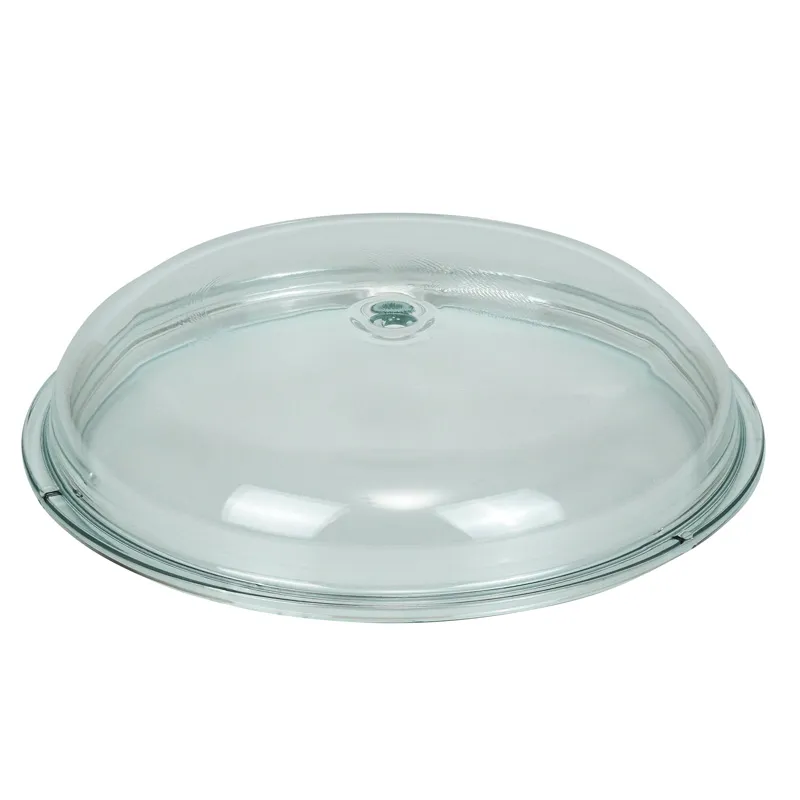
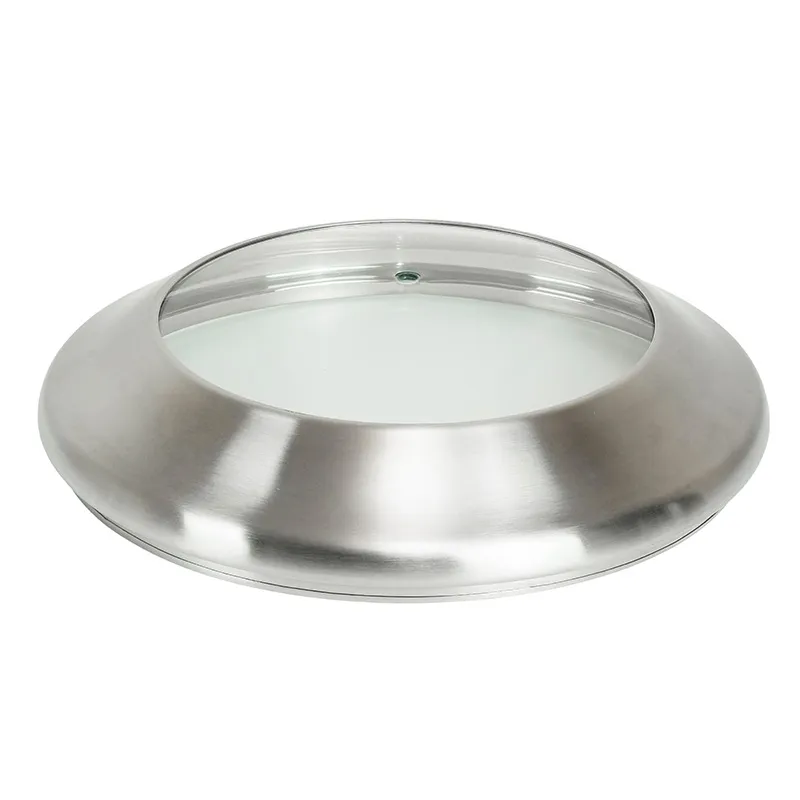
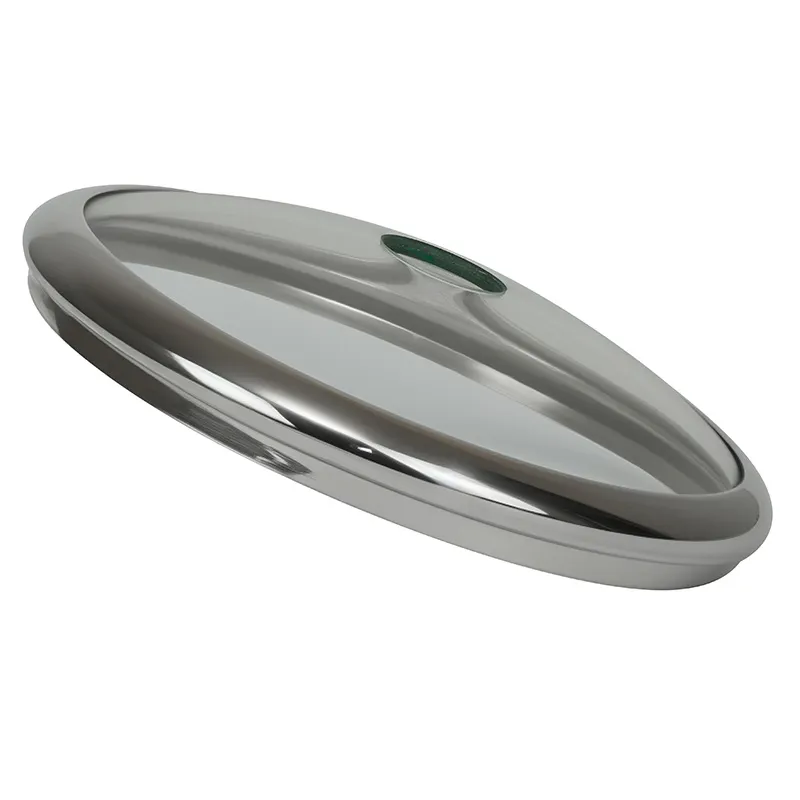
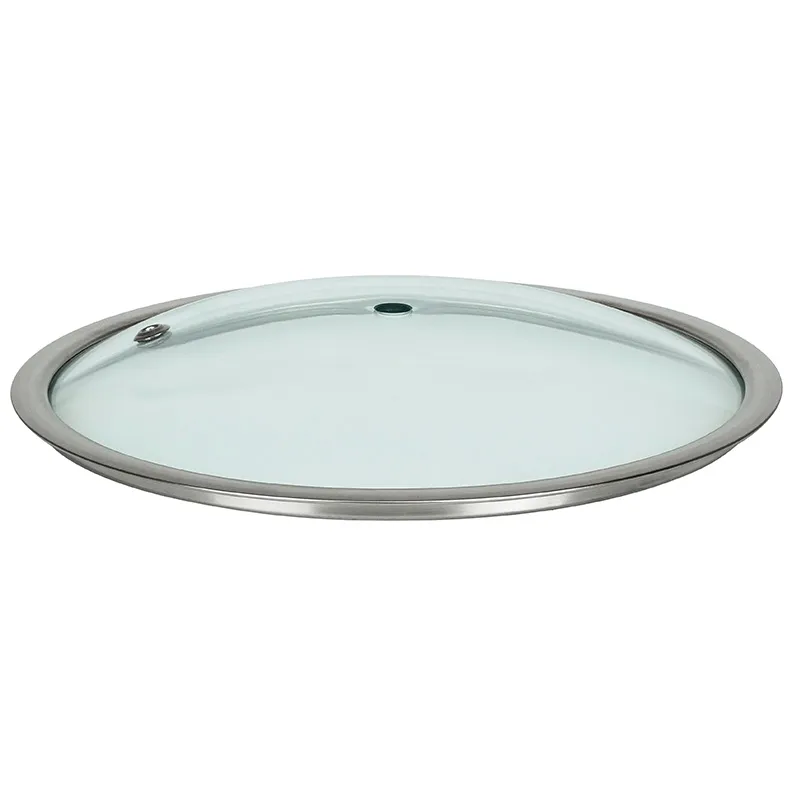
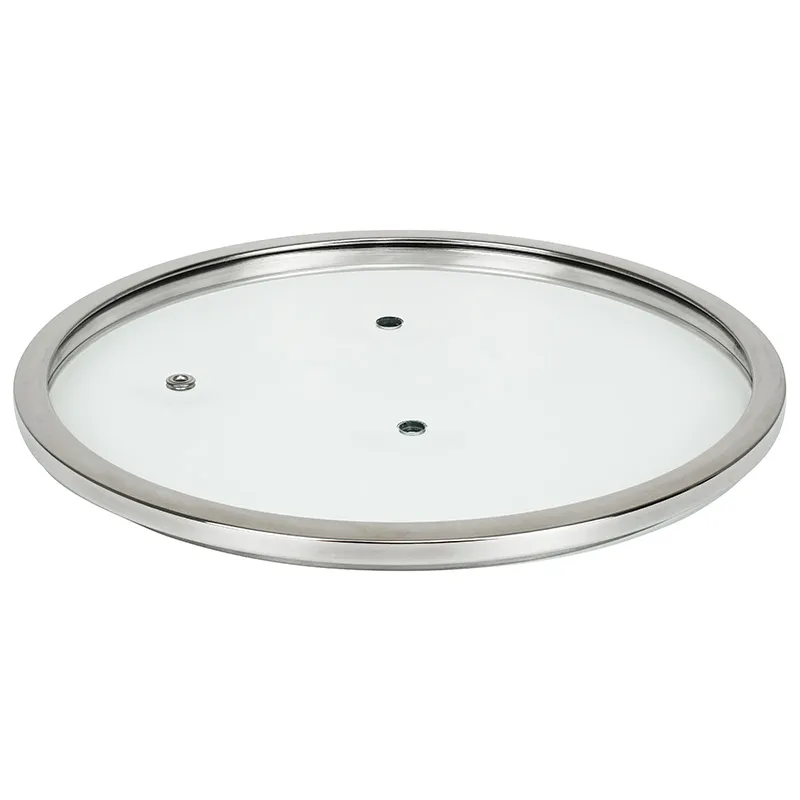
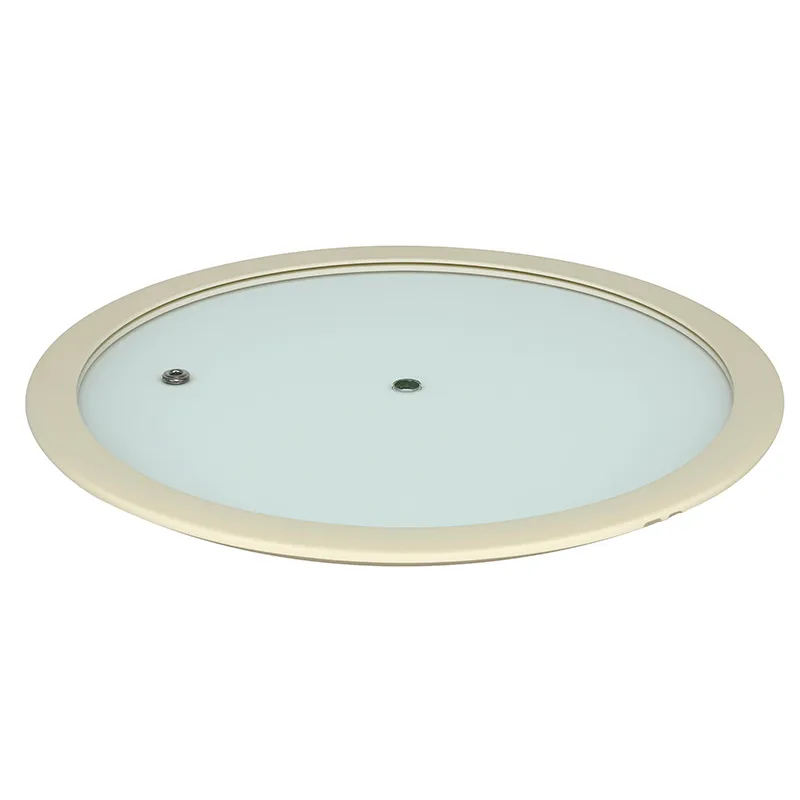
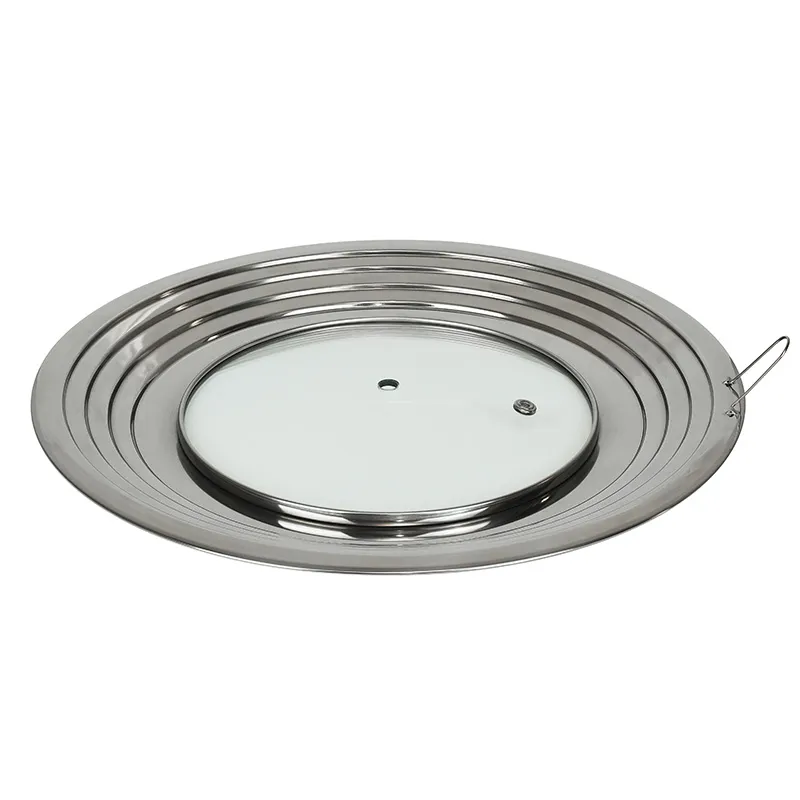
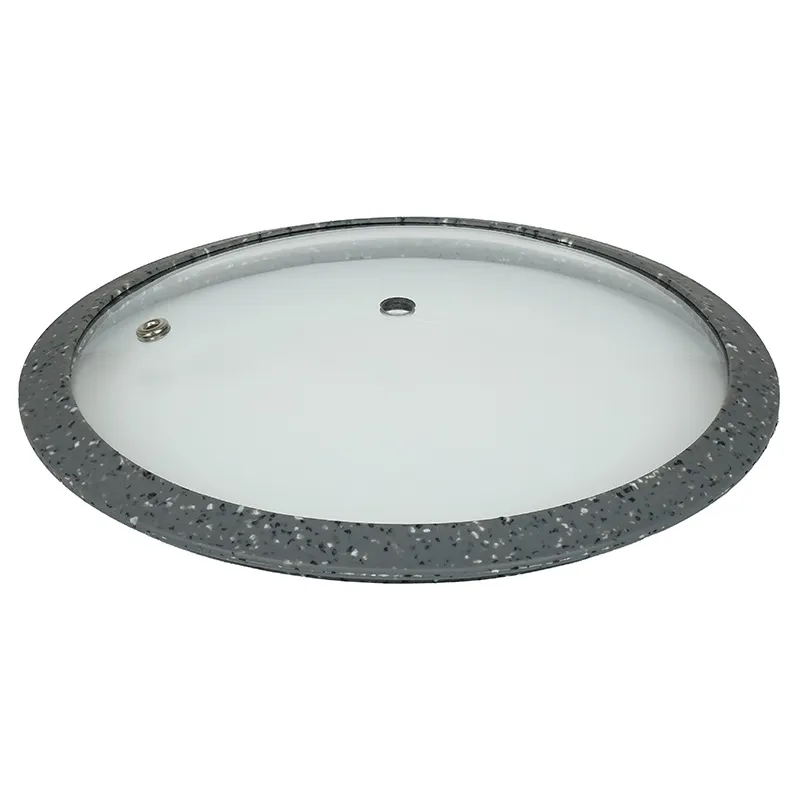
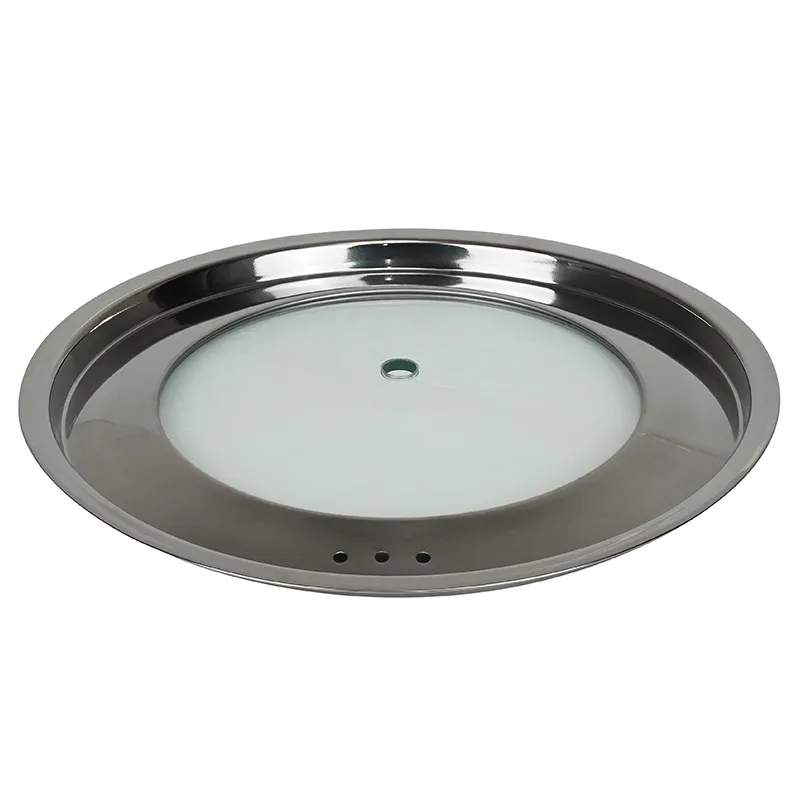
When most people hear 'glass lid factory,' they picture a noisy, dusty place churning out identical circles of glass. That's the first misconception. The reality, especially in operations like EUR-ASIA COOKWARE CO.,LTD., is a tightly controlled environment where the difference between a high-margin export product and a pile of scrap often comes down to handling details most buyers never see. It's not just about making a lid; it's about engineering a component that survives thermal shock, fits a myriad of cookware profiles from Berlin to S?o Paulo, and does so consistently across 15 million pieces a year. The website, https://www.glass-lid.com, lists the specs, but the real story is in the execution.
The Core Challenge: It's Not Just Tempering
Everyone in sourcing knows you need tempered glass for safety. The spec sheet always says tempered. But specifying that is like saying a car needs an engine. The real work starts with the raw glass. We learned early on that not all clear float glass is equal. Sourcing from different mills meant subtle variations in composition and flatness. For a standard 26cm lid, maybe it's fine. But for larger diameters, say 32cm and above, or for those oval casserole lids popular in Europe, those variations cause warping during the tempering heat cycle. You end up with a lid that rocks on a flat surface—an instant reject for any quality-conscious buyer in Germany or Japan. So the first control point isn't even in our factory; it's in vetting and testing the raw material batches before they hit the cutting line.
Then there's the cutting and edging. The CNC cutting is precise, but the edge grinding is an art. A polished edge feels premium, sure, but it also reduces micro-cracks that can become failure points. We moved from a basic seamed edge to a fully polished, arced edge years ago, which increased our grinding time per piece by about 18%. Our cost accountants hated it. But it dropped our customer return rate for chipped edges during shipping by over 60%. That's a trade-off you only understand after seeing thousands of lids returned in boxes, and realizing the failure wasn't in transit, but was baked in at the edging station.
The tempering furnace itself is a beast to tune. The quenching process—blasting the hot glass with air—has to be perfectly even. A slightly blocked nozzle or an uneven airflow creates stress patterns. Sometimes they're invisible until the lid is on a pot and the steam heat hits one spot harder. That's when you get a spontaneous break, the kind that makes a home cook never trust glass lids again. Our factory in Taian's High-tech Zone runs the furnace with a differential of less than 5°C across the chamber. It took us nearly two years of failed batches and collaboration with the furnace manufacturer to get there. The spec sheet just says thermally tempered. It doesn't mention the two years of tweaking.
The Handle & Knob Dilemma: Where Engineering Meets Touch
This is a surprisingly complex subsystem. The glass lid itself is inert. The handle is where the user interacts with it. It has to be heat-resistant, mechanically secure, and ergonomic. We've tried everything: phenolic resin, stainless steel, silicone-over-stainless. Phenolic is cheap and heat-resistant but can feel brittle and plasticky to the European market. Stainless steel looks great but gets dangerously hot if it's a solid piece. Our current best solution, which we supply to clients in Denmark and Switzerland, is a stainless steel base bolted through the glass (with a high-temp silicone washer to distribute stress) topped with a silicone sleeve. It sounds simple.
The failure mode here is fascinating. It's rarely the bolt pulling out. It's the silicone sleeve degrading over time with steam and cleaning chemicals, becoming loose or discolored. We spent months on accelerated aging tests, cycling lids through dishwashers with different detergents. The silicone formulations from different suppliers behaved wildly differently. One would last 500 cycles looking new, another would crack and fade at 150. You can't tell by looking at a fresh sample. This is the kind of supplier qualification that separates a reliable glass lid factory from a commodity shop. It's buried in the QA logs, not on the product page.
Then there's the attachment. The hole in the tempered glass is a major stress concentrator. Drilling must happen before tempering. The position has to be exact, and the edge of the hole must be perfectly smooth. We once had a batch where the drill bit was slightly worn, creating a microscopic jagged edge around the hole. The lids tempered fine, passed a basic inspection, but started developing radial cracks from the hole after a few months of use in the field. The root cause was a $20 drill bit. The lesson was a million-dollar one in proactive tooling maintenance.
Logistics & Packaging: The Silent Quality Killer
You can make a perfect lid and ruin it in the box. For a company like EUR-ASIA COOKWARE, exporting over 90% of its output, packaging is a core competency. Stacking lids directly on each other, even with a paper interleaf, is asking for trouble. The edges grind against each other during a rough sea or road freight journey, creating fritting or microscopic chips. Our standard pack now uses individual molded pulp cradles for each lid, separating them completely. It takes more space, costs more, but the reduction in transit damage was dramatic.
Climate is another factor. Shipping to humid Brazil versus dry Switzerland requires different considerations for the cardboard and any internal desiccants. We learned this the hard way with a shipment to Turkey where moisture caused the printed labels on the boxes to bleed and stick to the glass surface, requiring a massive and costly cleaning operation at the distributor's warehouse. Now, our packaging specs are as detailed as our product specs, tailored to destination climate zones.
The annual output of 15 million pieces isn't just a big number. It means you're loading a 40-foot container every other day. The stacking pattern inside that container, the bracing, the humidity control—all of it is part of the factory's deliverable. A lid that arrives broken is a lid we didn't really make correctly, because making it correctly includes delivering it intact.
Customization & The Low-Medium-High Level Reality
EUR-ASIA's description of producing low, medium, and high-level products is telling. It's not just about price. A low-level lid might be for a budget supermarket line—thinner glass, a simpler phenolic knob, standard diameters. It's still tempered, still safe, but the margins are razor-thin and the volumes are huge. The high-level line is a different beast. Here, you're dealing with custom shapes for high-end cookware brands, often with logos sandblasted onto the surface, specific handle colors to match a pot line, and tolerances under half a millimeter.
This is where a factory proves its mettle. Sandblasting a logo seems straightforward, but achieving consistent depth and clarity without creating a stress point is tricky. The mask must be perfectly applied. We failed on an early order for a French client where the logo looked grainy. The issue was ambient humidity affecting the adhesive on the stencil, causing micro-leaks. The solution was a climate-controlled booth for the sandblasting operation. That's a capital investment you make for a high-level client relationship, not for the commodity business.
The real test is managing these lines simultaneously. You can't let the practices from the high-volume, low-margin line bleed into the custom, high-precision work. It requires separate production scheduling, sometimes dedicated tooling, and certainly a different mindset on the shop floor. The fact that a single glass lid factory in Taian can span this spectrum, serving markets from Poland to Japan, speaks to a highly flexible and compartmentalized operation. It's less a single assembly line and more a cluster of specialized workshops under one roof.
Looking Forward: The Unseen Pressures
The pressure isn't just on cost anymore. European buyers, in particular, are starting to ask harder questions about the supply chain: energy consumption of the tempering furnace, recyclability of the packaging, even the working conditions. These are the new specs. Our location in a National High-tech Development Zone actually helps with some of this—environmental regulations are stricter, which forced us to invest in more efficient furnace insulation and filtration systems earlier than some competitors. What felt like a compliance cost is now a talking point with clients from Denmark and Germany.
Then there's automation. Fully automating the handling of clear, fragile glass lids between processes is incredibly difficult and expensive. Robots need sophisticated vision systems to locate edges without contact. For high-mix, lower-volume custom work, it's often not worth it. So you see a hybrid model: automated cutting and tempering lines, but manual handling for inspection, packing, and custom work. That's why the employee count (90+ at EUR-ASIA) remains significant. It's not a dark, fully robotic factory. It's a place where skilled workers visually inspect each lid for optical distortions under specific lighting, something machines still struggle with reliably.
So, when you think of a glass lid factory, don't just think of the furnace. Think of the climate-controlled sandblasting booth, the tooling maintenance logs, the silicone aging tests, and the container loading diagrams. The product on the website is just the output. The factory is the sum of ten thousand controlled details, most of which are invisible to the end-user, but are the only things that make a lid truly reliable. That's what you're really sourcing.
Related Products
Related Products