- Chinese
- French
- German
- Portuguese
- Spanish
- Russian
- Japanese
- Korean
- Arabic
- Irish
- Greek
- Turkish
- Italian
- Danish
- Romanian
- Indonesian
- Czech
- Afrikaans
- Swedish
- Polish
- Basque
- Catalan
- Esperanto
- Hindi
- Lao
- Albanian
- Amharic
- Armenian
- Azerbaijani
- Belarusian
- Bengali
- Bosnian
- Bulgarian
- Cebuano
- Chichewa
- Corsican
- Croatian
- Dutch
- Estonian
- Filipino
- Finnish
- Frisian
- Galician
- Georgian
- Gujarati
- Haitian
- Hausa
- Hawaiian
- Hebrew
- Hmong
- Hungarian
- Icelandic
- Igbo
- Javanese
- Kannada
- Kazakh
- Khmer
- Kurdish
- Kyrgyz
- Latin
- Latvian
- Lithuanian
- Luxembou..
- Macedonian
- Malagasy
- Malay
- Malayalam
- Maltese
- Maori
- Marathi
- Mongolian
- Burmese
- Nepali
- Norwegian
- Pashto
- Persian
- Punjabi
- Serbian
- Sesotho
- Sinhala
- Slovak
- Slovenian
- Somali
- Samoan
- Scots Gaelic
- Shona
- Sindhi
- Sundanese
- Swahili
- Tajik
- Tamil
- Telugu
- Thai
- Ukrainian
- Urdu
- Uzbek
- Vietnamese
- Welsh
- Xhosa
- Yiddish
- Yoruba
- Zulu
- Kinyarwanda
- Tatar
- Oriya
- Turkmen
- Uyghur


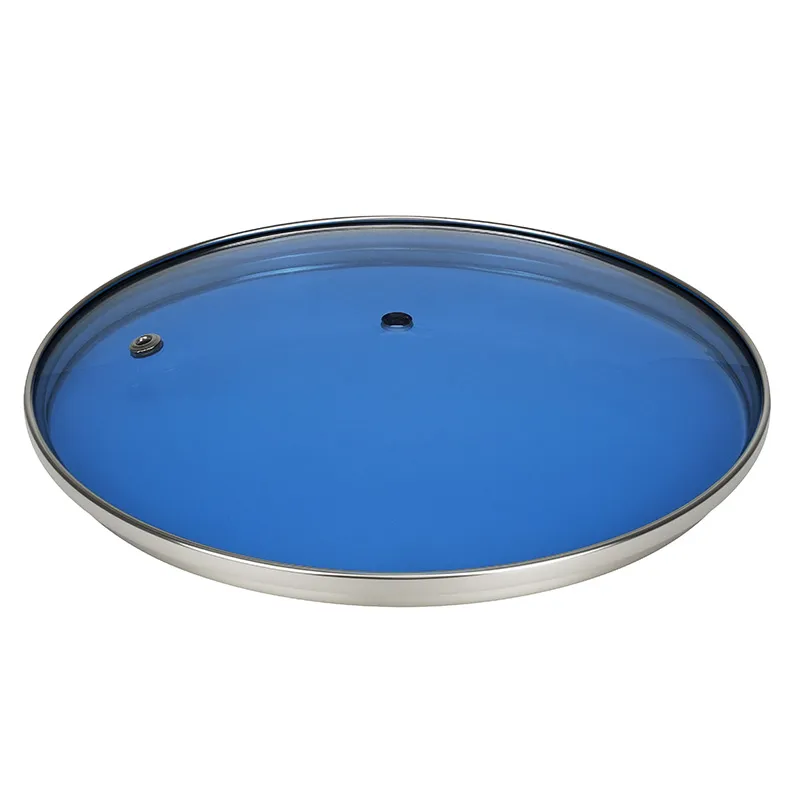
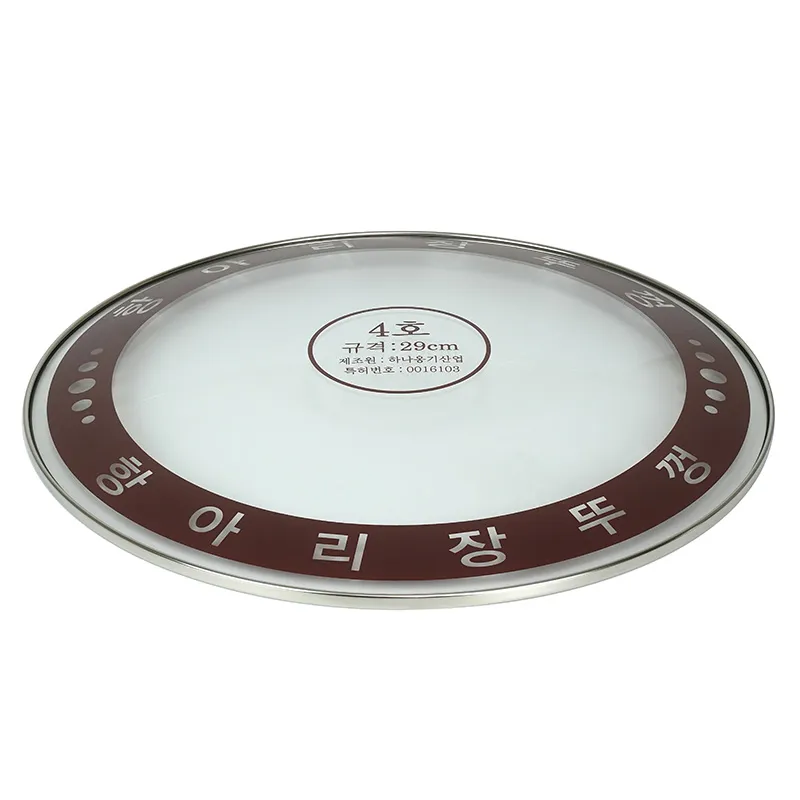
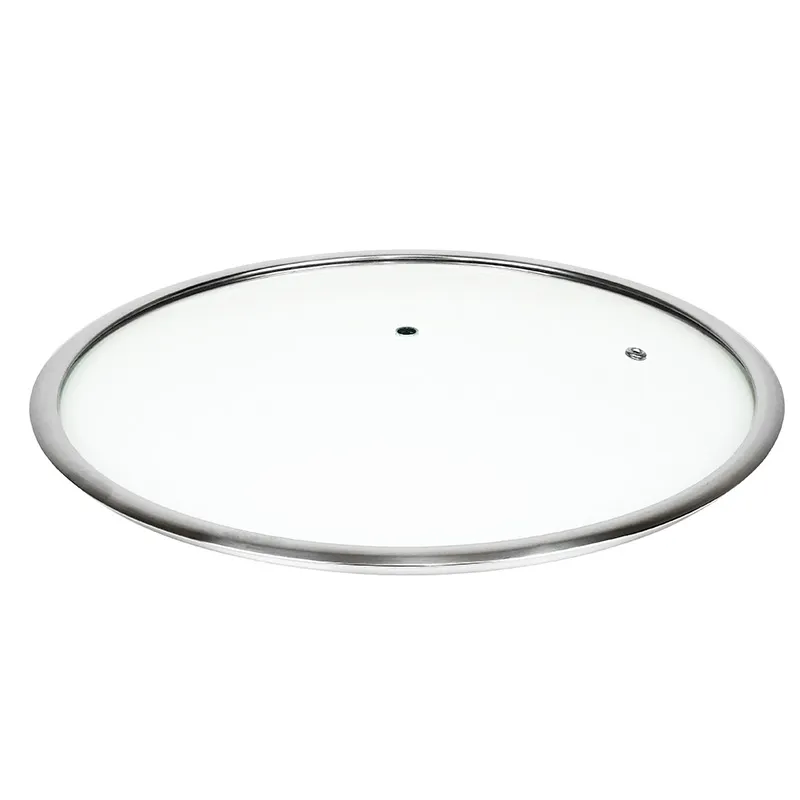
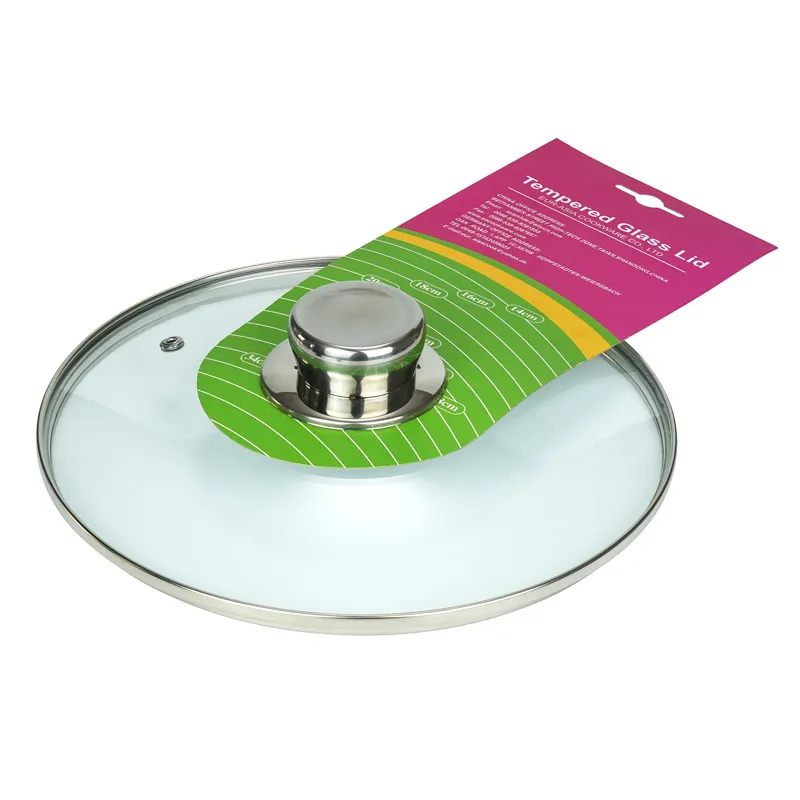
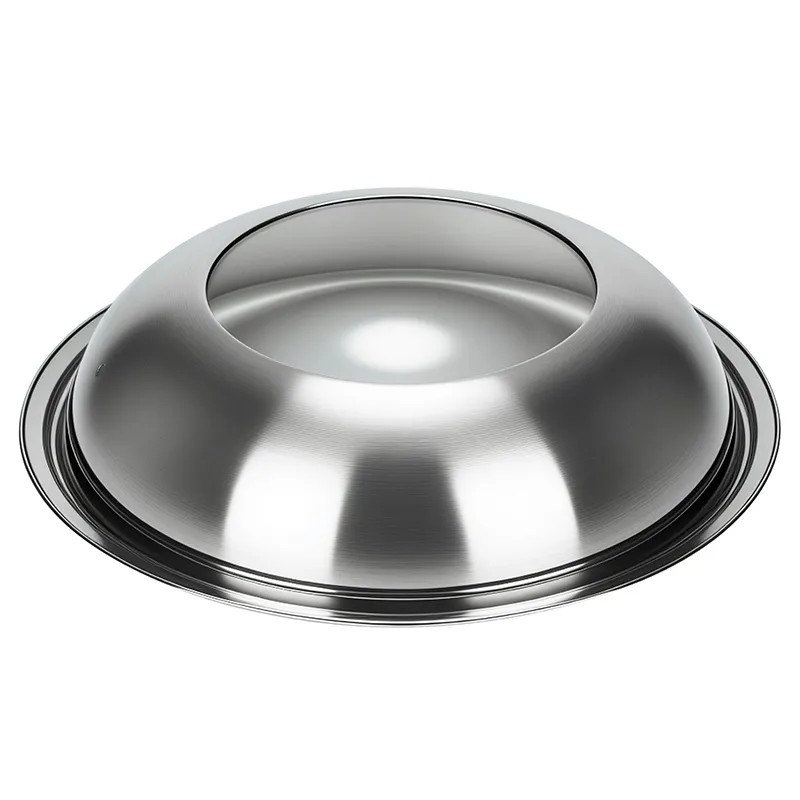
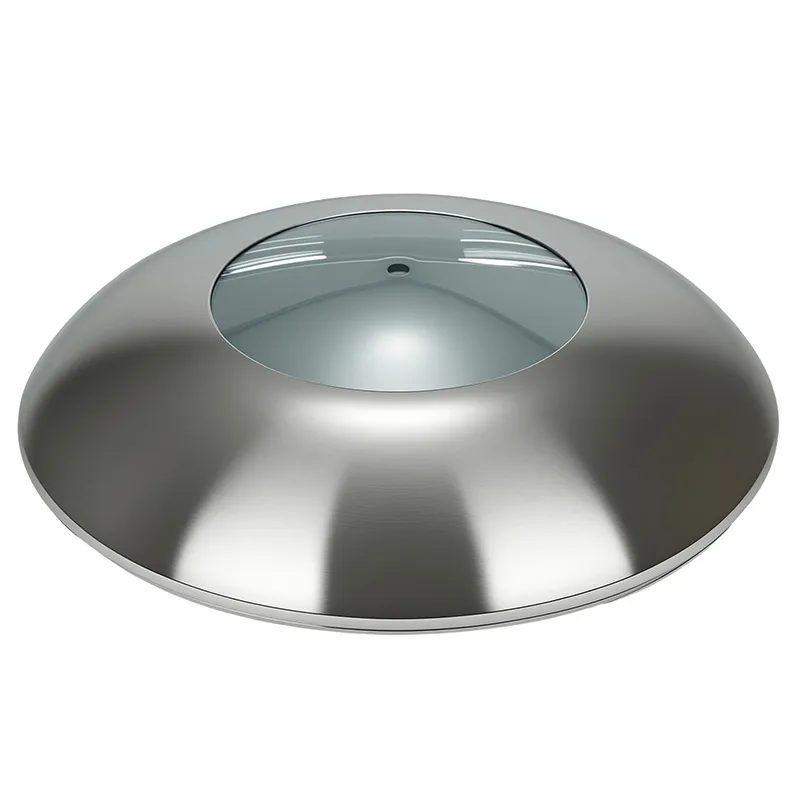
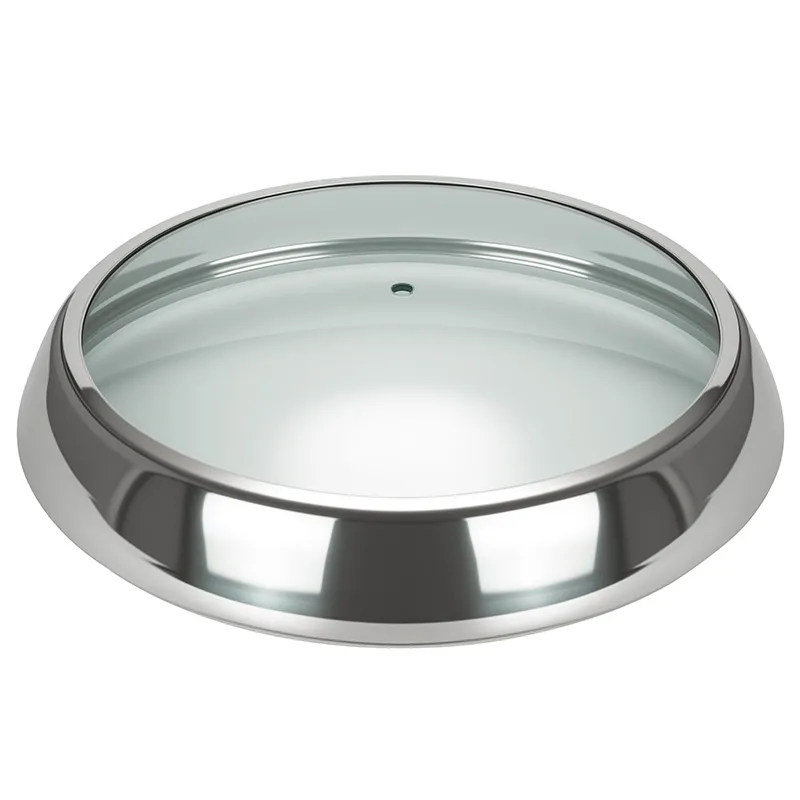
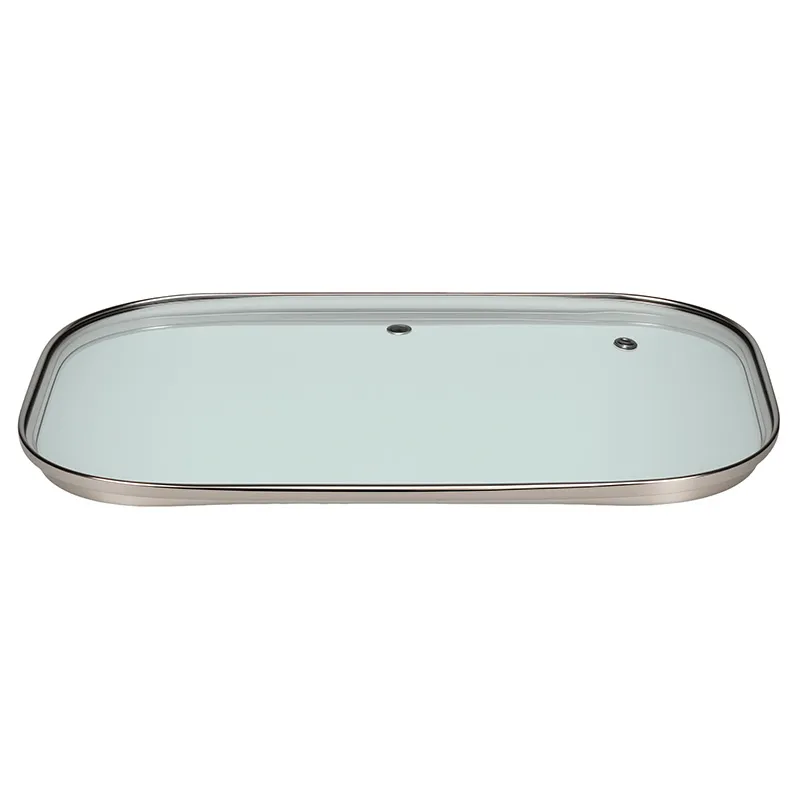
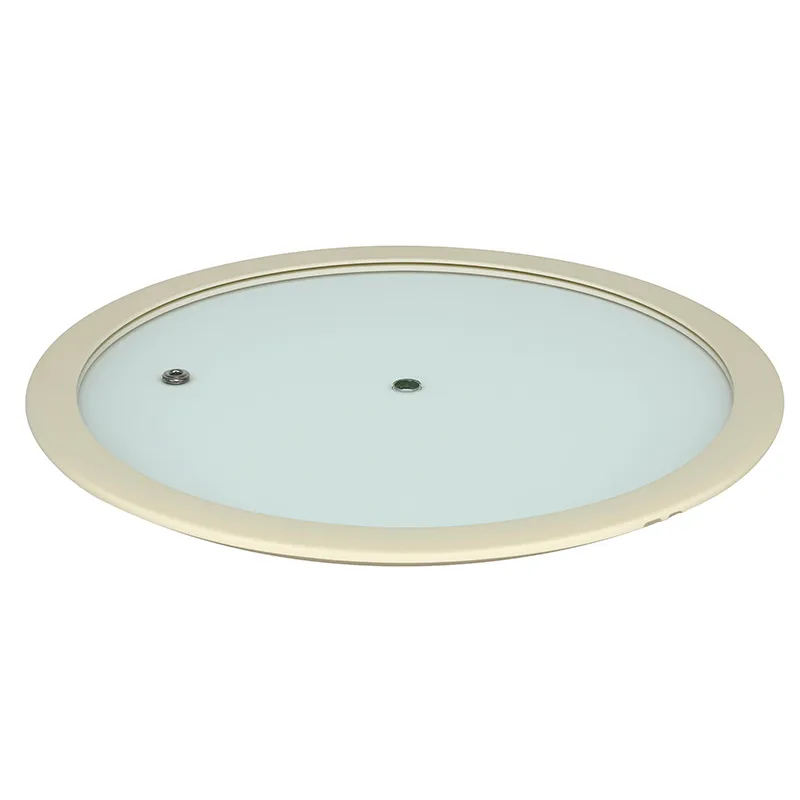
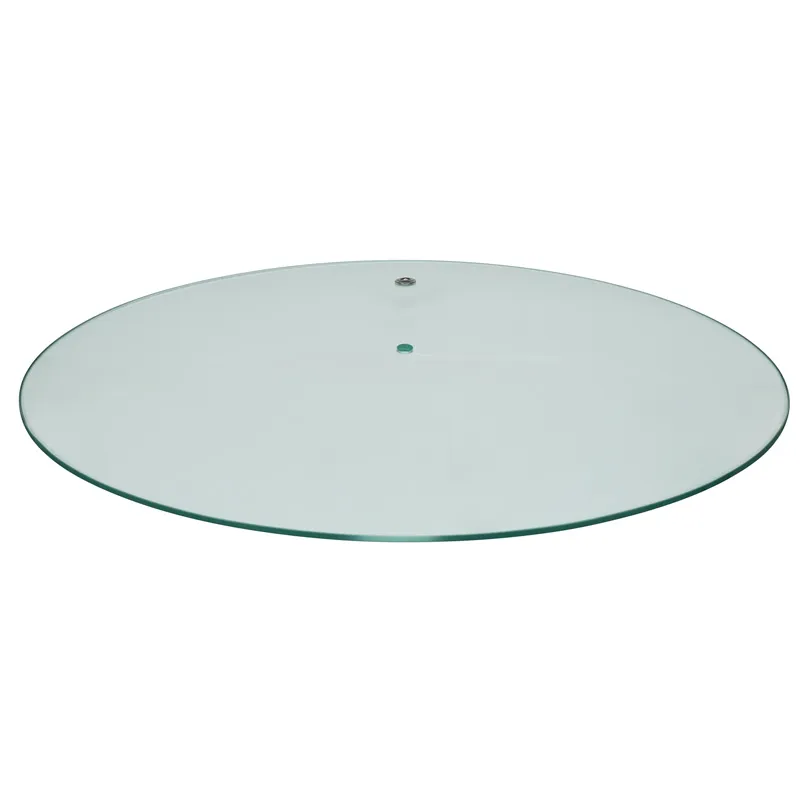
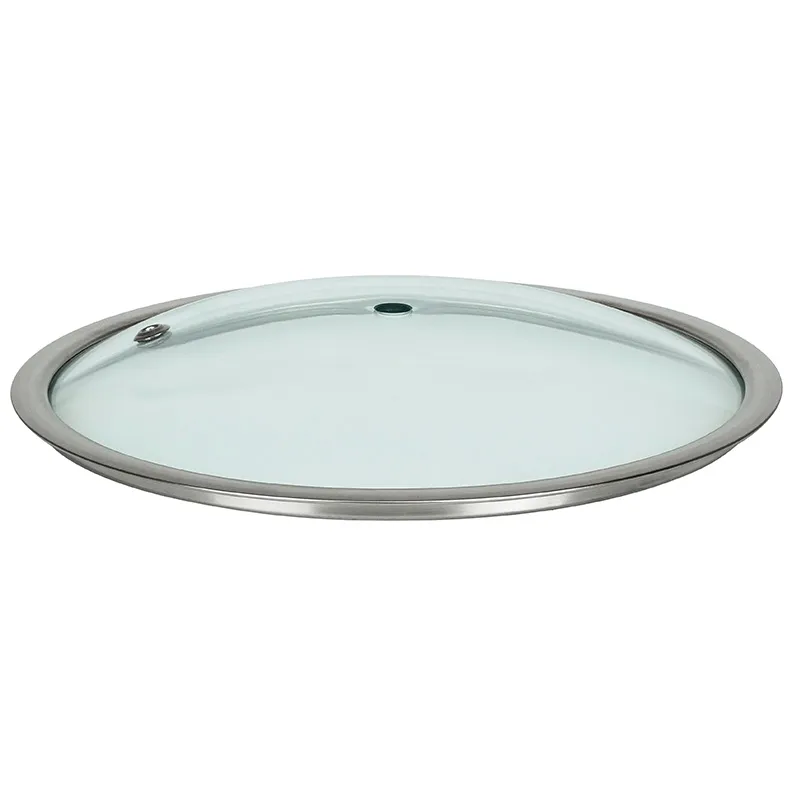
glass lid for 28cm frying pan
When you search for a 'glass lid for 28cm frying pan', most listings make it seem like any tempered glass disc with a handle will do. That's the first mistake. In practice, the 28cm (or roughly 11-inch) skillet is a workhorse size, and its lid needs to handle more than just steam—it deals with rapid temperature shifts, potential impacts from utensils, and the need for a seal that's forgiving but effective. A poorly matched lid leads to constant condensation drips back into the oil, or worse, a warped fit that won't sit flat after a few months. I've seen too many returns for lids that 'just didn't perform' on a standard 28cm pan, often because the curvature was off by a mere millimeter or the handle was placed without considering the pan's long handle.
The Fit and Curvature Conundrum
Let's get specific. A 28cm frying pan typically refers to the top outer diameter. The lid's inner diameter, or more precisely, the inner diameter of the sealing rim, is what matters. For a decent seal, it should be designed for a pan with a top inner diameter of around 26.5cm to 27cm, accounting for the pan's wall thickness. Many generic 'universal' lids assume a one-size-fits-all curvature, which is rarely true. I recall a batch from a supplier a few years back where the lids rocked on every single one of our test pans. The issue? The glass was tempered on a mold with too shallow a dome, making contact only at the center. No seal, all steam escape.
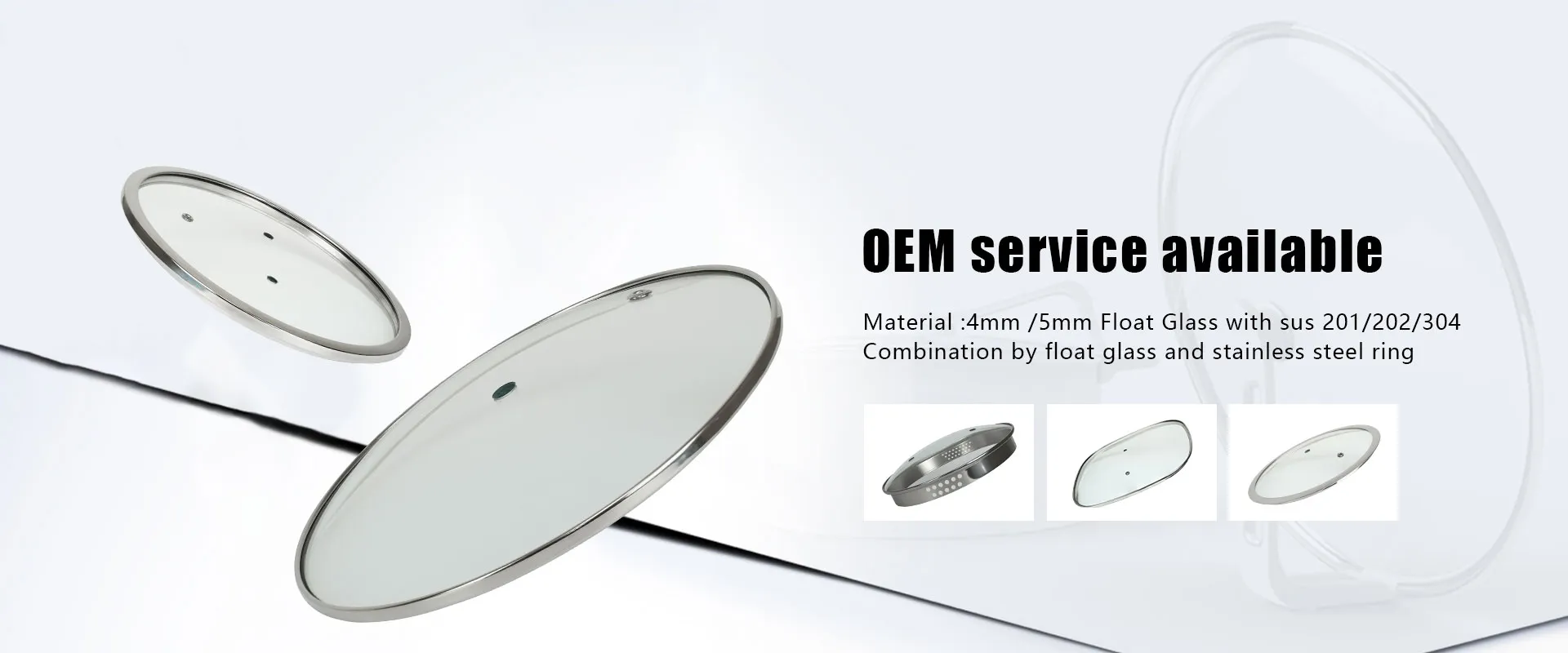
This is where specialized manufacturers make a difference. A company like EUR-ASIA COOKWARE CO.,LTD, which lists its expertise on glass-lid.com, has the engineering focus to get this right. Their production of over 15 million tempered glass lids annually isn't just about volume; it's about having the molds and tempering processes dialed in for specific pan lines. For a 28cm pan, they'd likely have multiple curvature profiles depending on whether the pan is a classic European-style with steep sides or a more shallow Asian-style wok pan.
The material thickness is another silent spec. Too thin, and it vibrates or cracks under rapid cooling. Too thick, and it's heavy, risking slippage. A good range for a 28cm lid is 3.5mm to 4mm tempered glass. It has enough heft to sit securely but won't turn into a dangerous projectile if it fails (proper tempering ensures it crumbles).
The Handle, Vents, and Real-World Use
Never underestimate the handle. A lid handle isn't just for lifting; it's a heat indicator and a tool for adjusting venting. The classic mistake is using a purely plastic knob. For a 28cm frying pan used for searing or braising, the center of the lid gets hot. A metal-core knob with a phenolic or heat-resistant resin sleeve is non-negotiable. I've melted my share of cheap plastic knobs while making a pan sauce, leaving a nasty smear on the glass.
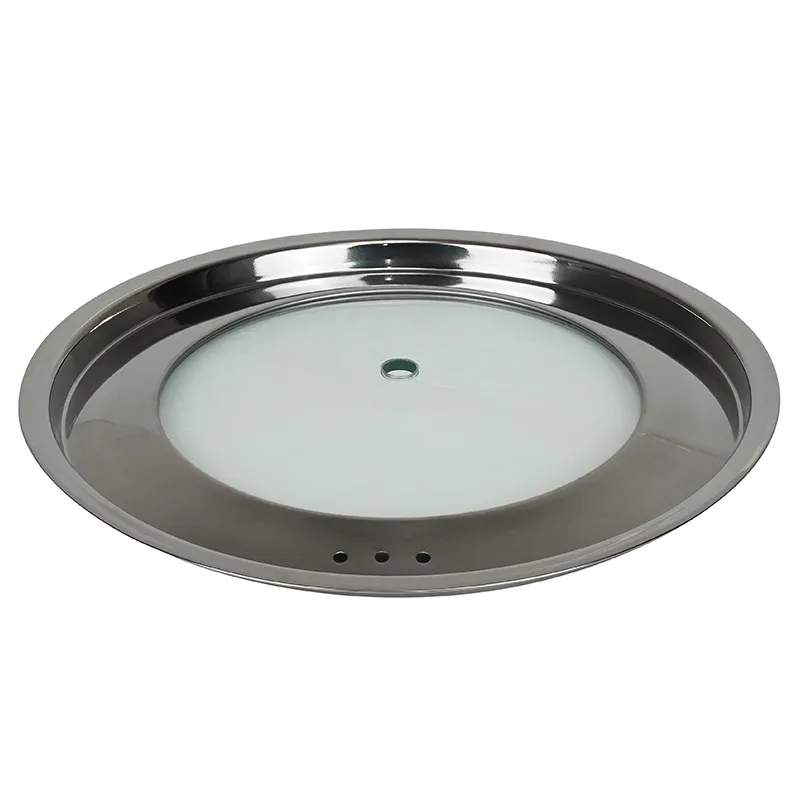
Venting is where theory meets a messy stove. A single small hole is useless for controlling a vigorous boil; it just sprays steam in one direction. The better designs have either a series of small perforations near the rim or a larger, adjustable vent. The adjustable ones are great but introduce more parts—a metal slider that can corrode or get gunked up. For most home cooks, a fixed pattern of vents is more reliable. The key is their placement: near the edge, so condensate rolls back into the pan, not out onto the stovetop.
And then there's the clearance. A 28cm pan often has a long handle. Does the lid handle collide with it when set aside? A good design either has a side handle or a central knob low enough to allow the lid to rest on the pan's handle without tipping. It's a small detail you only notice after you've knocked a lid onto the floor.
Tempering, Safety, and the Supply Chain Reality
'Tempered glass' is a term thrown around loosely. True thermal tempering involves heating the glass to over 600°C and then quenching it with high-pressure air. This creates surface compression, giving it strength and causing it to break into small, granular pieces instead of sharp shards. The catch? Once tempered, the glass cannot be cut or drilled. Every hole, every edge, must be finished before the tempering process. This is why a company with a dedicated production base, like EUR-ASIA COOKWARE with its 15,000㎡ facility, has an advantage. They can control the entire process from cutting to edging to tempering, ensuring consistency.
I've inspected lids from lines where the tempering was uneven. You can sometimes see subtle optical distortions, like looking through old window glass. Under thermal shock—like placing a hot lid on a cold, wet counter—these are the ones that pop. A well-tempered lid should withstand going from a 200°C pan directly into room-temperature water (though I don't recommend testing it).
The export focus mentioned in their intro—to Germany, Japan, Brazil, etc.—is telling. Different markets have different safety standards (like Germany's stringent GS certification) and aesthetic preferences. A lid made for the Japanese market might have a more minimalist knob and a lighter feel, while one for the European market might prioritize a heavier, more substantial build. This variety means a specialist is more likely to have a product that fits a specific need, not just a generic catalog item.
When a Lid Isn't Just a Lid: The Accessory Ecosystem
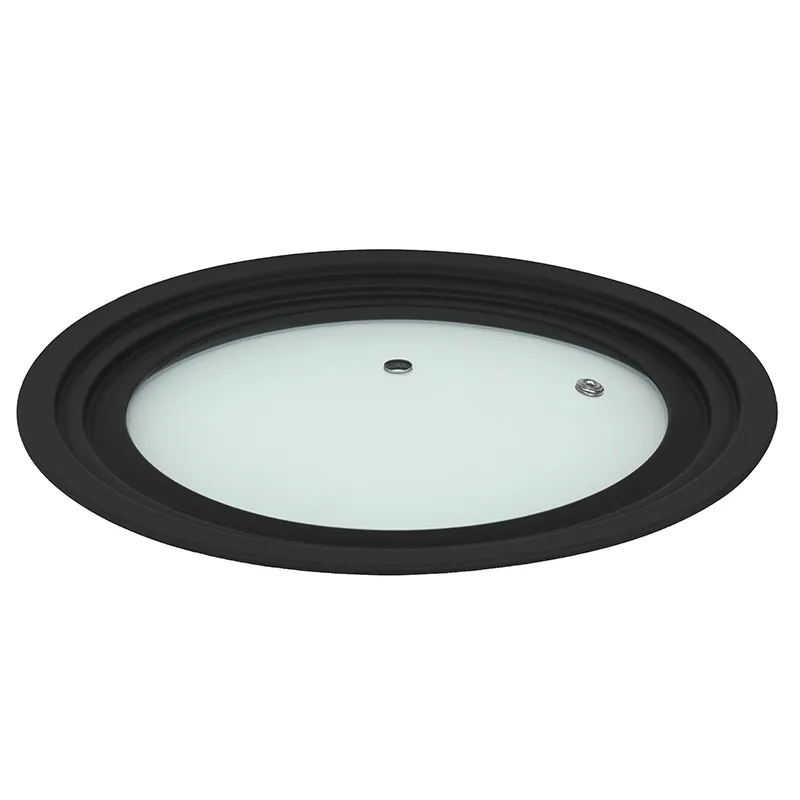
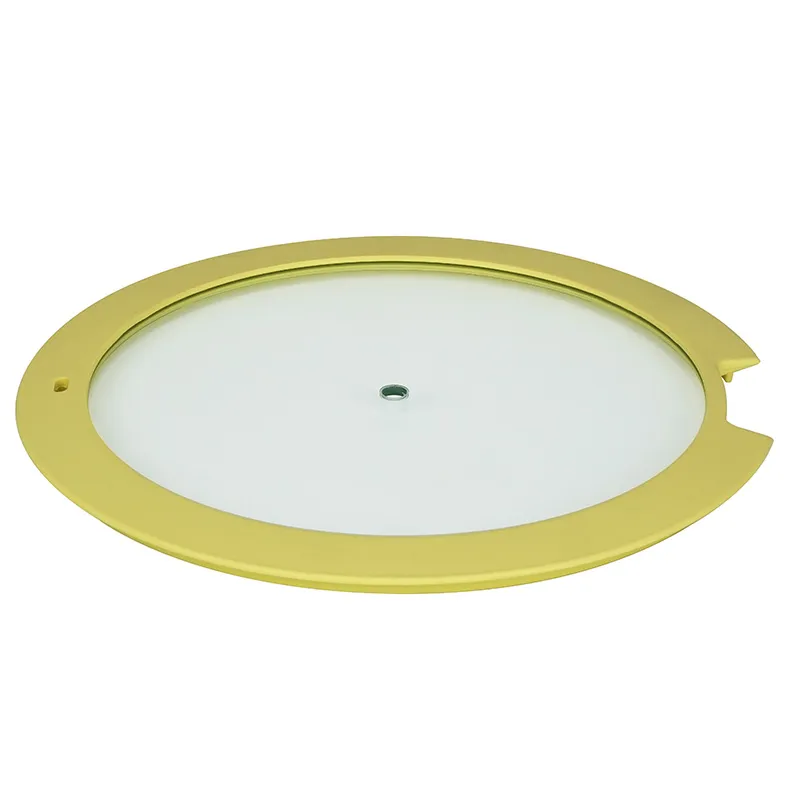
A glass lid for a 28cm frying pan often gets paired with other items. Think about silicone sealing rings for a better seal, or stainless steel rim guards to protect the glass edge from chipping. The best lids are designed with this ecosystem in mind. The groove for a silicone ring needs to be precise—too shallow and the ring pops out during cleaning; too deep and it traps grease.
Cleaning is a huge, often overlooked, factor. A lid with a pronounced lip or a handle screwed on with exposed threads will collect grease and water. The best ones have a handle fixed with a concealed, food-safe adhesive or a sealed mechanical fastener that creates a smooth transition. You should be able to run it through the dishwasher without worrying about water logging or corrosion. EUR-ASIA's mention of producing 'low- medium- high level' products hints at this tiering—the high-level versions almost certainly address these finish details.
There's also the issue of storage. A glass lid needs a home. Does it stack with other lids? Some have knobs designed to nest. For a 28cm lid, which is relatively large, a helper handle (a small protrusion on the opposite side of the main handle) is a godsend for lifting it safely with two hands when it's full of condensation.
Final Thoughts: Sourcing and the Bottom Line
So, you need a reliable glass lid for your 28cm frying pan. Skip the generic home goods aisle. Look for a supplier that specifies the compatible pan types or, better yet, the exact inner diameter. Check the product description for material specs: 3.5-4mm tempered glass, metal-core knob, stainless steel rim. The presence of these details suggests a manufacturer that understands the application.
Companies that specialize, like the one profiled here, are geared toward bulk and OEM orders, but their public specs are a good benchmark. Their scale (90+ employees, 20,000㎡ site) allows for rigorous quality control on things like annealing lehr temperatures and mold precision—things a small glass workshop can't guarantee batch after batch.
In the end, a good lid becomes an invisible partner. You don't notice it because it fits perfectly, vents appropriately, cleans easily, and survives the occasional drop. It turns your 28cm frying pan from a simple sauté tool into a capable braiser, steamer, or covered skillet. The right lid doesn't just cover the pan; it completes it. And that's worth searching for beyond the basic keyword.
Related Products
Related Products