- Chinese
- French
- German
- Portuguese
- Spanish
- Russian
- Japanese
- Korean
- Arabic
- Irish
- Greek
- Turkish
- Italian
- Danish
- Romanian
- Indonesian
- Czech
- Afrikaans
- Swedish
- Polish
- Basque
- Catalan
- Esperanto
- Hindi
- Lao
- Albanian
- Amharic
- Armenian
- Azerbaijani
- Belarusian
- Bengali
- Bosnian
- Bulgarian
- Cebuano
- Chichewa
- Corsican
- Croatian
- Dutch
- Estonian
- Filipino
- Finnish
- Frisian
- Galician
- Georgian
- Gujarati
- Haitian
- Hausa
- Hawaiian
- Hebrew
- Hmong
- Hungarian
- Icelandic
- Igbo
- Javanese
- Kannada
- Kazakh
- Khmer
- Kurdish
- Kyrgyz
- Latin
- Latvian
- Lithuanian
- Luxembou..
- Macedonian
- Malagasy
- Malay
- Malayalam
- Maltese
- Maori
- Marathi
- Mongolian
- Burmese
- Nepali
- Norwegian
- Pashto
- Persian
- Punjabi
- Serbian
- Sesotho
- Sinhala
- Slovak
- Slovenian
- Somali
- Samoan
- Scots Gaelic
- Shona
- Sindhi
- Sundanese
- Swahili
- Tajik
- Tamil
- Telugu
- Thai
- Ukrainian
- Urdu
- Uzbek
- Vietnamese
- Welsh
- Xhosa
- Yiddish
- Yoruba
- Zulu
- Kinyarwanda
- Tatar
- Oriya
- Turkmen
- Uyghur

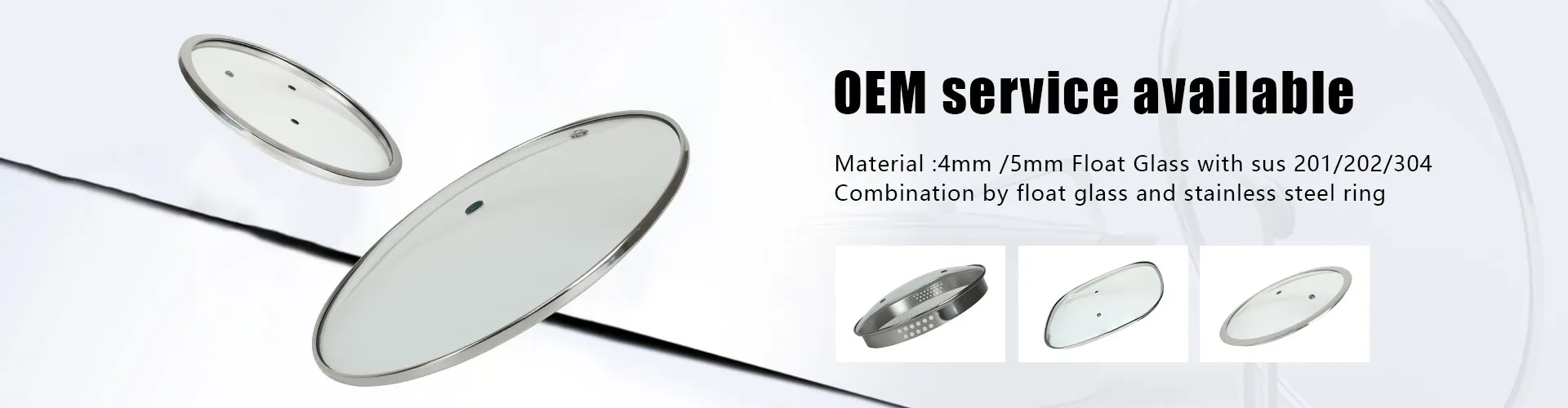
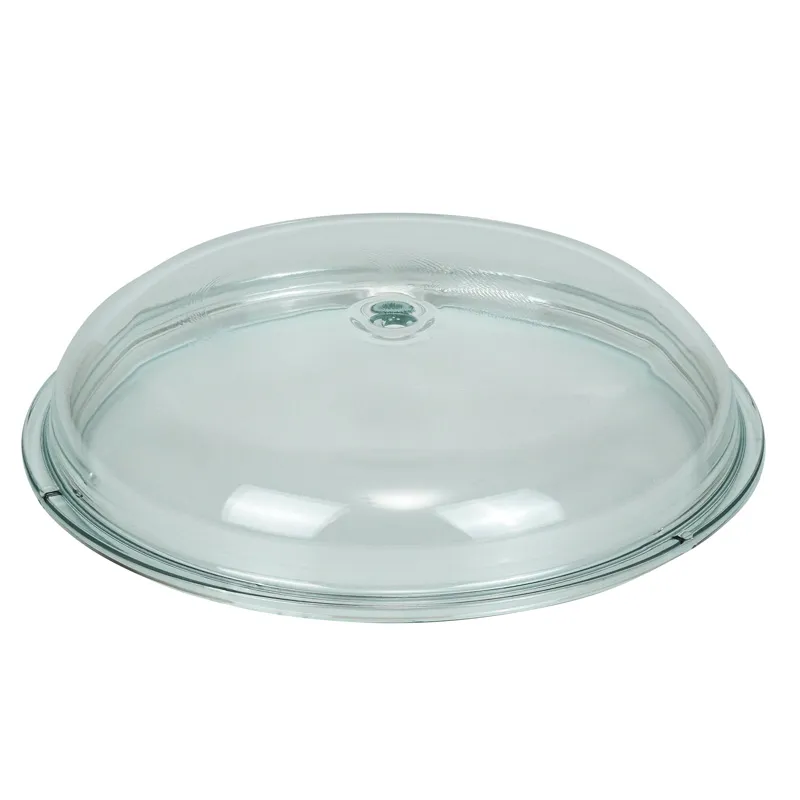
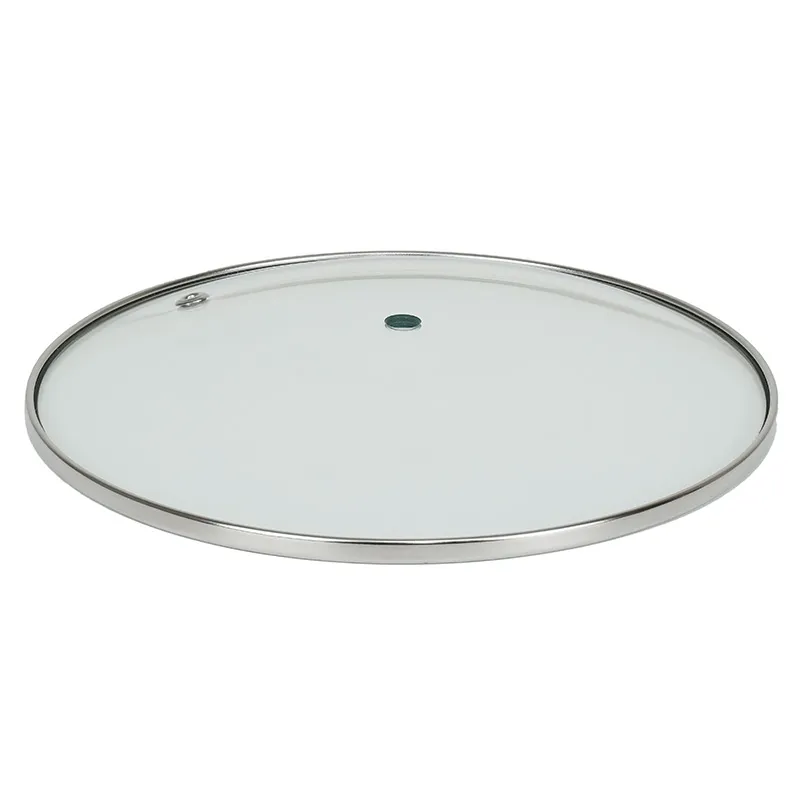
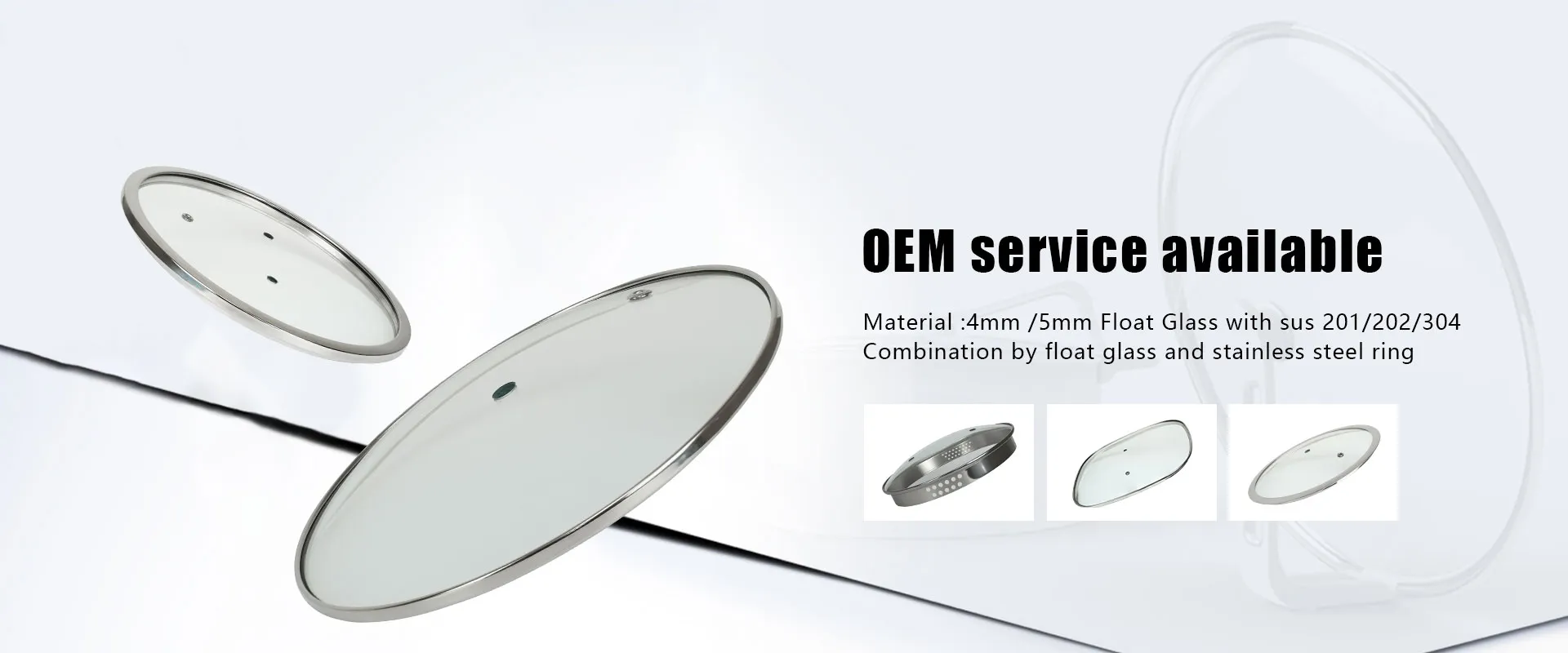
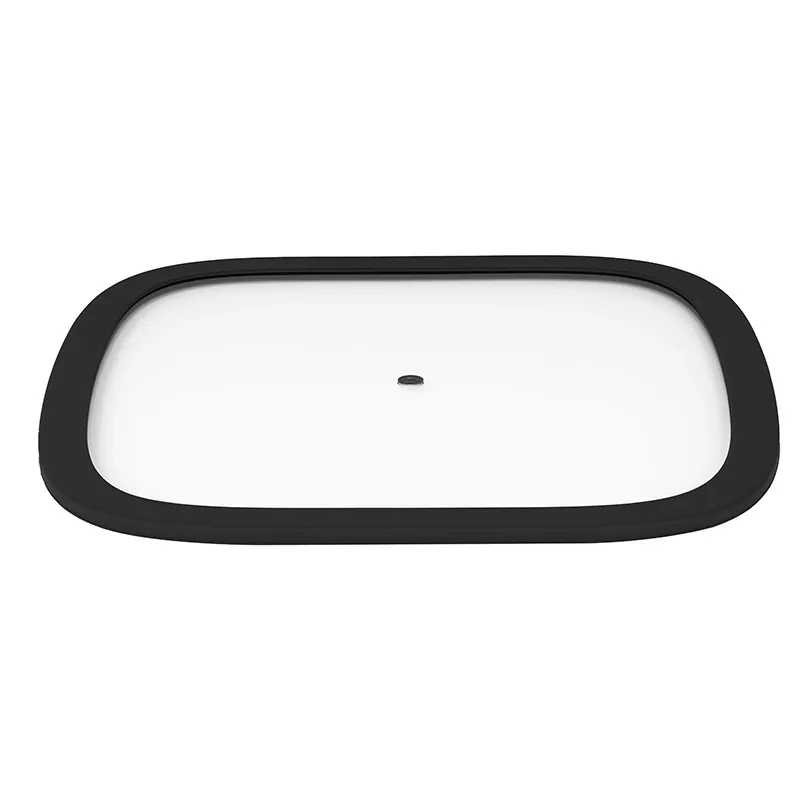
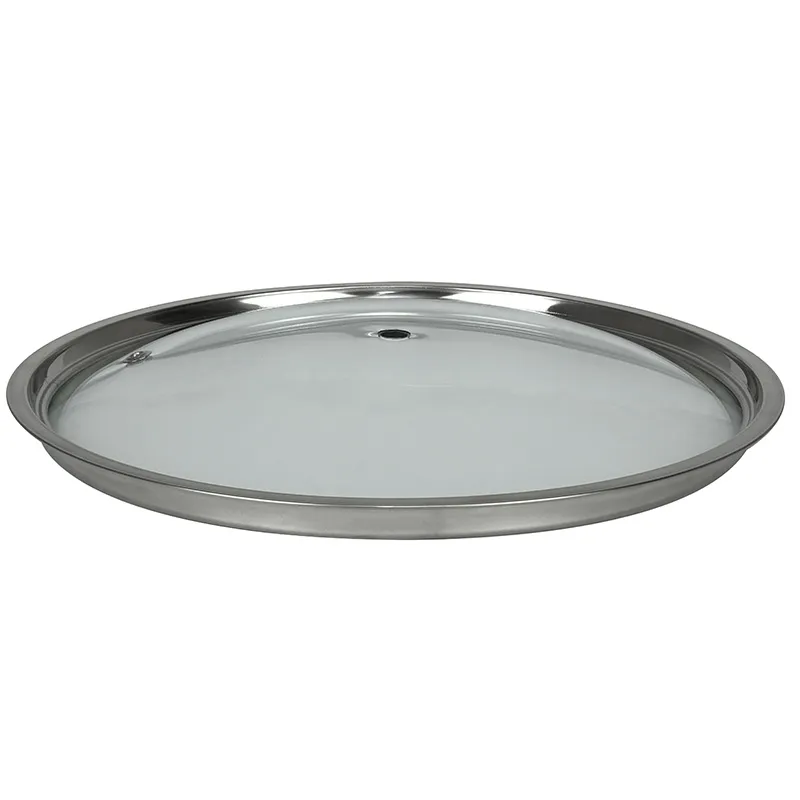
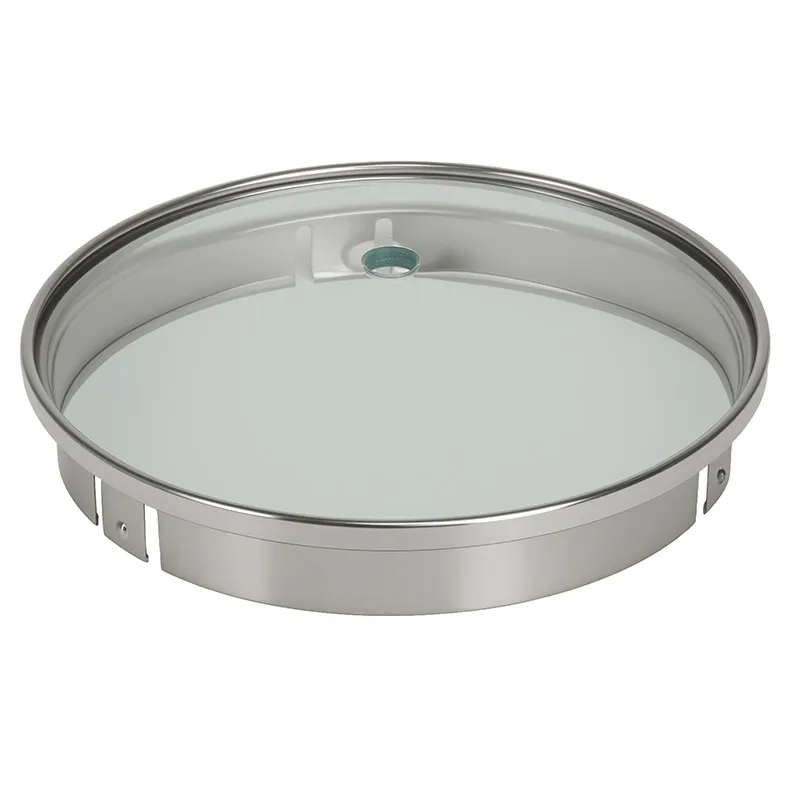
glass lid for 3 qt instant pot
Look, if you're searching for a glass lid for your 3 qt Instant Pot, you've probably hit the same wall I did years ago. The immediate assumption is that any universal lid will fit, but that's where most folks, even some retailers, get it wrong. The 3-quart model has a specific inner pot diameter—roughly 7 inches (about 18 cm)—and that's the critical measurement, not just the 3 qt label. A lid that's off by even a quarter-inch will either sit loosely, risking steam escape and poor heat retention, or won't sit flat at all. I've seen too many returns because of this simple oversight.
The Fit and Function Dilemma
When we first started sourcing these for our shop, we made the classic mistake of ordering a batch of universal glass lids from a general supplier. They were marketed as fitting 6-8 quart pots, and we assumed scaling down would be fine. It wasn't. The 3 qt Instant Pot's rim is subtly different—it's not just a smaller version of the larger pots. The silicone sealing ring groove is shallower, so a lid designed for a deeper rim won't seal properly. We ended up with a stack of lids that would wobble during slow cooking, completely defeating the purpose of using a lid for simmering or keeping food warm.
This led us to manufacturers who specialize in precision glassware for cookware, not just general kitchen accessories. That's how we came across operations like EUR-ASIA COOKWARE CO.,LTD. (https://www.glass-lid.com). Their focus on producing tempered glass lids specifically for various pot lines, rather than generic covers, made a tangible difference. They understand that a lid for a pressure cooker brand like Instant Pot isn't just a piece of glass; it's a component that needs to match the original equipment's thermal and dimensional specs.
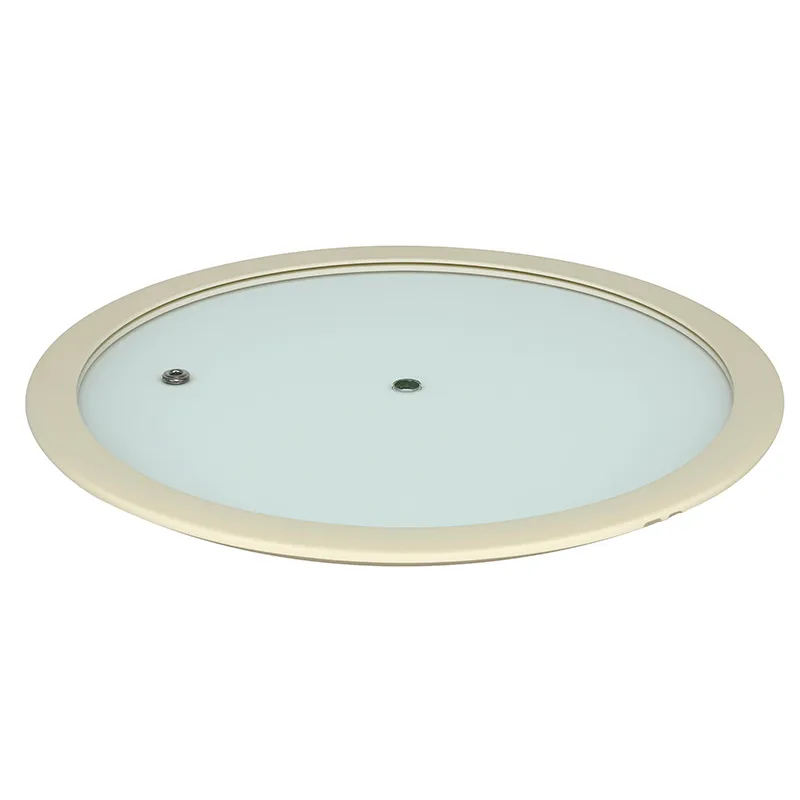
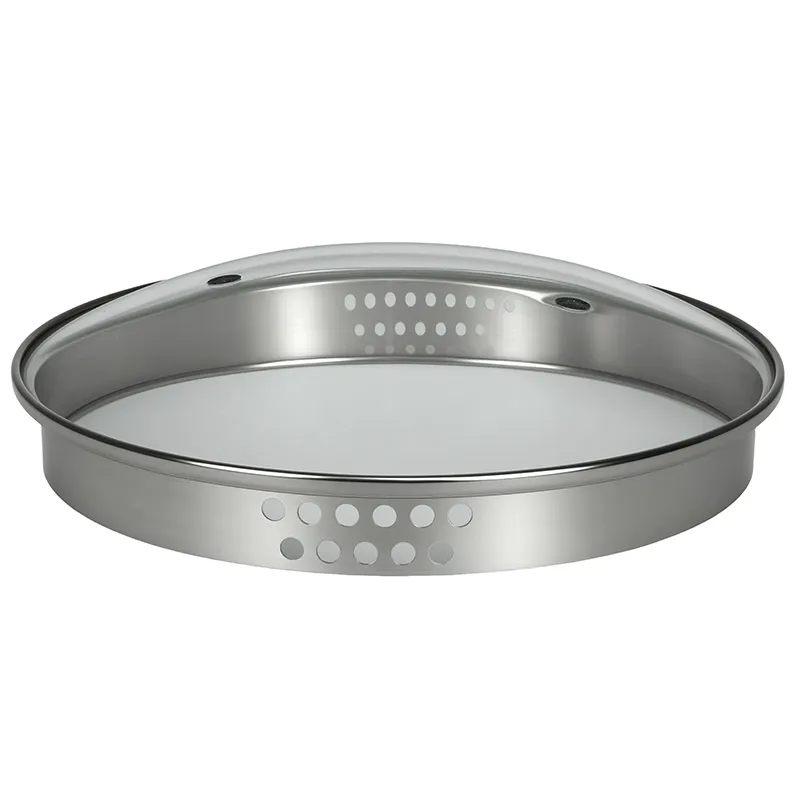
The key detail often missed is the handle. For a 3 qt pot, a large, heavy glass handle can make the lid front-heavy and prone to tipping when placed on a counter. The better designs, like some from specialized exporters, use a lower-profile, heat-resistant phenolic handle that's lighter and offers a more secure grip. It's a small thing, but it changes the daily user experience completely.
Material and Safety: Beyond Just Tempered Glass
Everyone says tempered glass, but the quality of the tempering process is everything. Cheap lids can shatter into larger, dangerous pieces if subjected to sudden thermal shock—like placing a hot lid on a wet granite countertop. A proper lid should be made from borosilicate or similarly shock-resistant glass that's been evenly tempered. From my dealings with factories, I know that a company like EUR-ASIA COOKWARE, with its dedicated production base and volume output, typically has stricter quality control on the tempering ovens to ensure consistency. Their product description mentioning an annual output of over 15 million pieces suggests they have the scale to invest in proper machinery, which is a good proxy for reliability.
Thickness is another spec to eyeball. A good glass lid for a 3 qt Instant Pot should be around 3.5mm to 4mm thick. Thinner than that, and it feels flimsy, heats up too quickly, and risks cracking. Thicker isn't always better either, as it adds unnecessary weight. The lid should feel substantial but not clumsy.
The edge finishing is a dead giveaway of quality. Run your finger along the rim. It should be smoothly ground and polished, not sharp or gritty. A poorly finished edge not only feels cheap but can also chip over time, compromising the seal against the pot's rim. This is where high-volume exporters aiming at markets like Germany and Japan (as noted in EUR-ASIA's profile) tend to excel, as those markets have stringent standards for finish and safety.
The Silicone Seal: The Unsung Hero
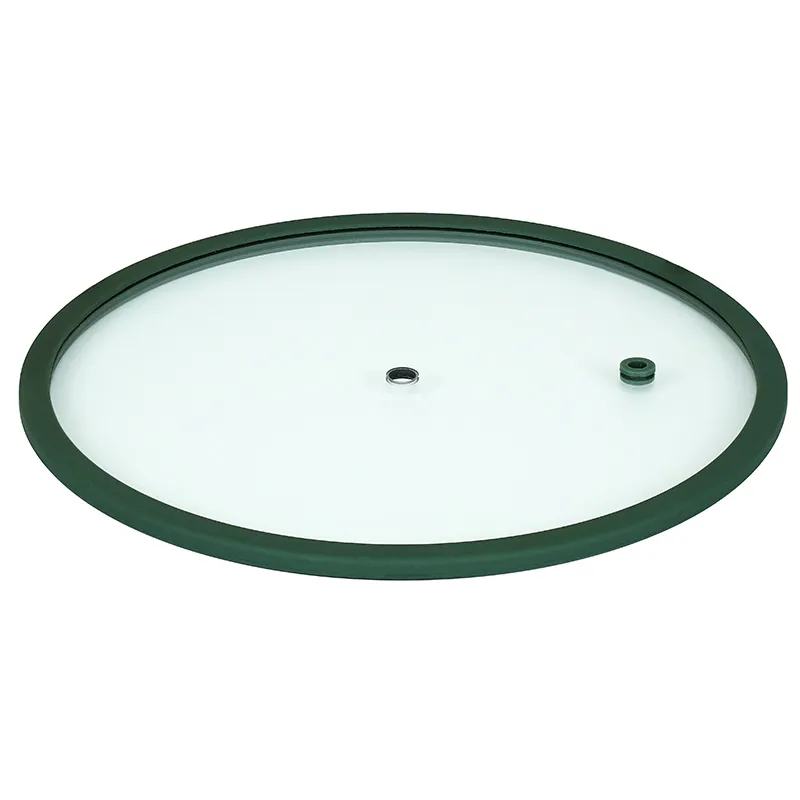
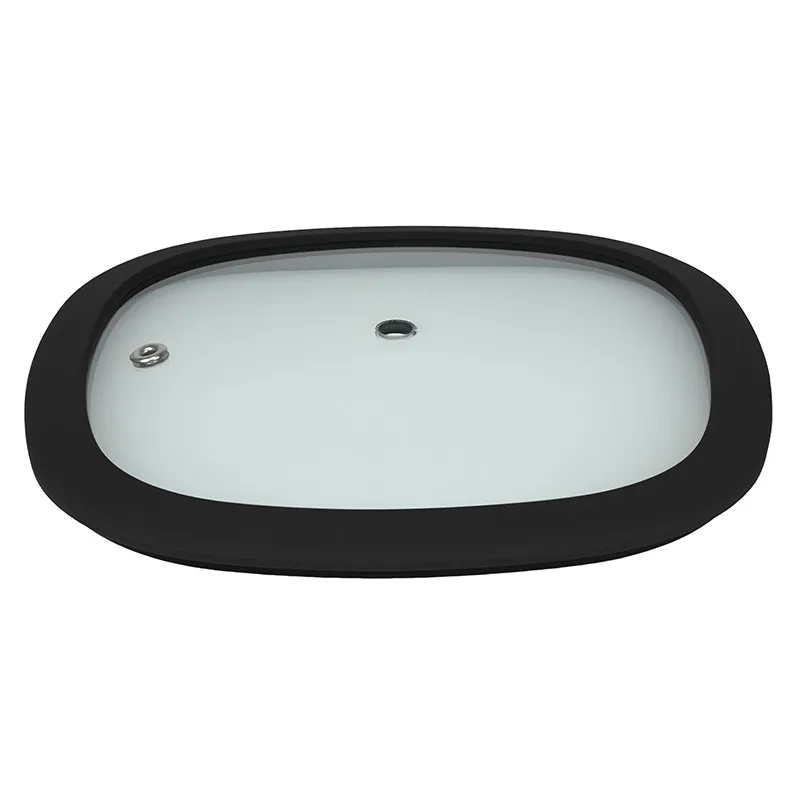
This might be the most overlooked part. A glass lid itself doesn't create a seal; the silicone gasket embedded in its underside does. On inferior lids, this gasket is often too hard or too thin. It should be a food-grade, flexible silicone ring that sits snugly in a channel around the lid's perimeter. If it's loose or pops out during cleaning, it's useless.
In our testing, we found that lids where the silicone is co-molded or securely locked into the glass edge perform far better over time. They withstand repeated dishwasher cycles without degrading or detaching. This is a manufacturing detail that separates a accessory from a genuine functional replacement. When you're producing millions of lids annually for export, as the company info states, getting this small component right is non-negotiable to avoid mass returns.
For the 3 qt size specifically, the silicone seal's inner diameter must match perfectly. A seal that's even slightly too small will constrict and not sit flat, while one too large will buckle. It's a precision component, not an afterthought.
Practical Use Cases and Common Pitfalls
So, when do you actually use a glass lid for an Instant Pot? Primarily for any function where you're not pressure cooking: sautéing (to reduce splatter), slow cooking, yogurt making, or keeping food warm. The clear lid is invaluable for monitoring without releasing heat and steam.
A practical pitfall: condensation dripping. A well-designed lid will have a slightly domed shape, causing condensation to run back down the sides into the pot, not drip off the edge onto your stove. Cheaper flat lids create a mess. Also, ensure the lid you get is truly dishwasher safe. Some handles or seals aren't, and the high heat can warp or crack them over time.
From a sourcing perspective, finding a reliable supplier for a niche item like this is half the battle. A manufacturer with a clear specialization, like EUR-ASIA COOKWARE CO.,LTD. stating its focus on household glass products and kitchen accessories, is more likely to have the technical drawings and molds for specific models like the 3 qt Instant Pot. Their export history to Europe suggests adherence to higher material and safety standards, which translates to a more dependable product for the end-user.
Sourcing and Final Thoughts
If you're a retailer or just a discerning buyer, don't just look for the lowest price on a generic glass lid. Check the product specifications for the exact inner pot diameter it's designed for. Look for mentions of material (borosilicate is a plus) and dishwasher safety. The presence of a detailed company background, like one noting a 20,000㎡ production base and specific export markets, often indicates a more serious OEM/ODM manufacturer rather than a trading company repackaging unknown goods.
For the 3 qt Instant Pot, the market is flooded with options that are close enough. But in practice, close enough is a leaky, ill-fitting lid that sits in your cupboard. The right lid should snap onto the pot with a gentle, even pressure, sit perfectly level, and have a robust feel. It's a simple accessory, but its execution separates the useful from the useless.
Ultimately, whether you're buying one for home use or a thousand for retail, the principle is the same: precision matters. The glass lid for 3 qt instant pot isn't a commodity; it's a tailored component. Sourcing from specialists who understand the dimensions and thermal properties, rather than general glassware shops, is the only way to get a product that actually works as intended.
Related Products
Related Products