- Chinese
- French
- German
- Portuguese
- Spanish
- Russian
- Japanese
- Korean
- Arabic
- Irish
- Greek
- Turkish
- Italian
- Danish
- Romanian
- Indonesian
- Czech
- Afrikaans
- Swedish
- Polish
- Basque
- Catalan
- Esperanto
- Hindi
- Lao
- Albanian
- Amharic
- Armenian
- Azerbaijani
- Belarusian
- Bengali
- Bosnian
- Bulgarian
- Cebuano
- Chichewa
- Corsican
- Croatian
- Dutch
- Estonian
- Filipino
- Finnish
- Frisian
- Galician
- Georgian
- Gujarati
- Haitian
- Hausa
- Hawaiian
- Hebrew
- Hmong
- Hungarian
- Icelandic
- Igbo
- Javanese
- Kannada
- Kazakh
- Khmer
- Kurdish
- Kyrgyz
- Latin
- Latvian
- Lithuanian
- Luxembou..
- Macedonian
- Malagasy
- Malay
- Malayalam
- Maltese
- Maori
- Marathi
- Mongolian
- Burmese
- Nepali
- Norwegian
- Pashto
- Persian
- Punjabi
- Serbian
- Sesotho
- Sinhala
- Slovak
- Slovenian
- Somali
- Samoan
- Scots Gaelic
- Shona
- Sindhi
- Sundanese
- Swahili
- Tajik
- Tamil
- Telugu
- Thai
- Ukrainian
- Urdu
- Uzbek
- Vietnamese
- Welsh
- Xhosa
- Yiddish
- Yoruba
- Zulu
- Kinyarwanda
- Tatar
- Oriya
- Turkmen
- Uyghur

glass lid for 6 qt instant pot
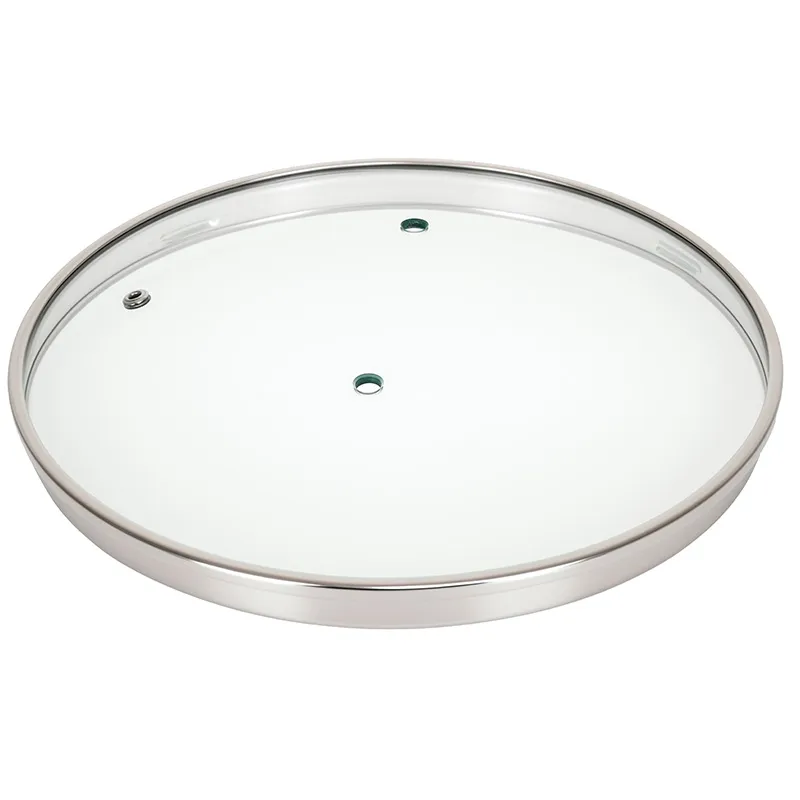
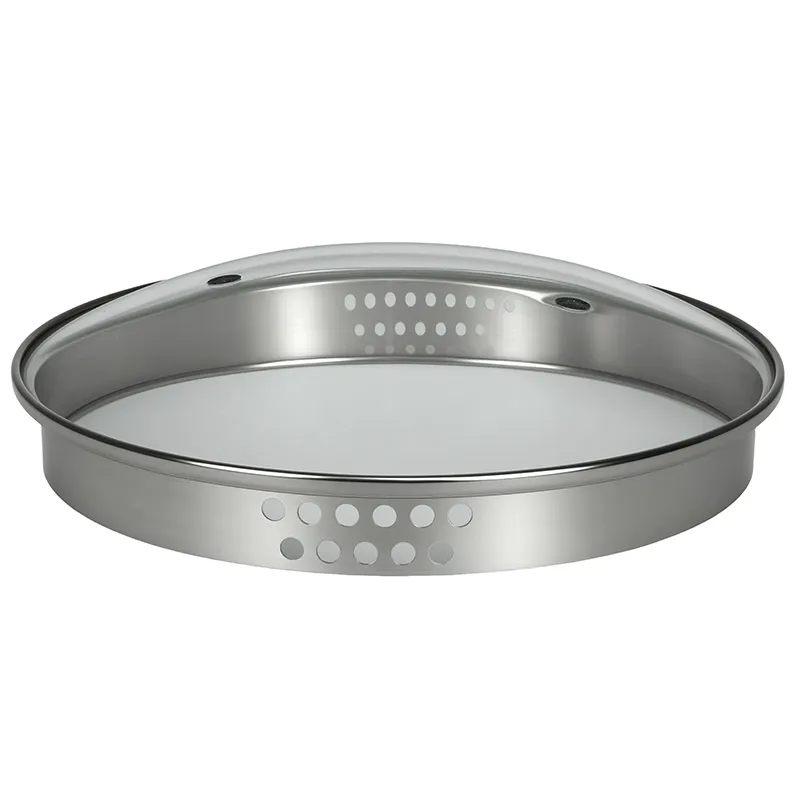
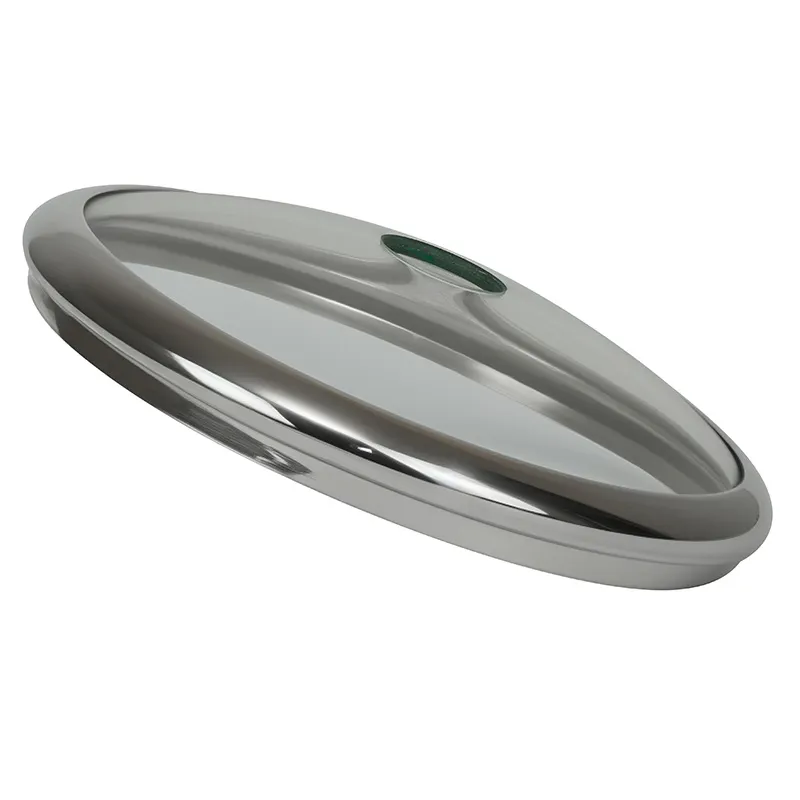
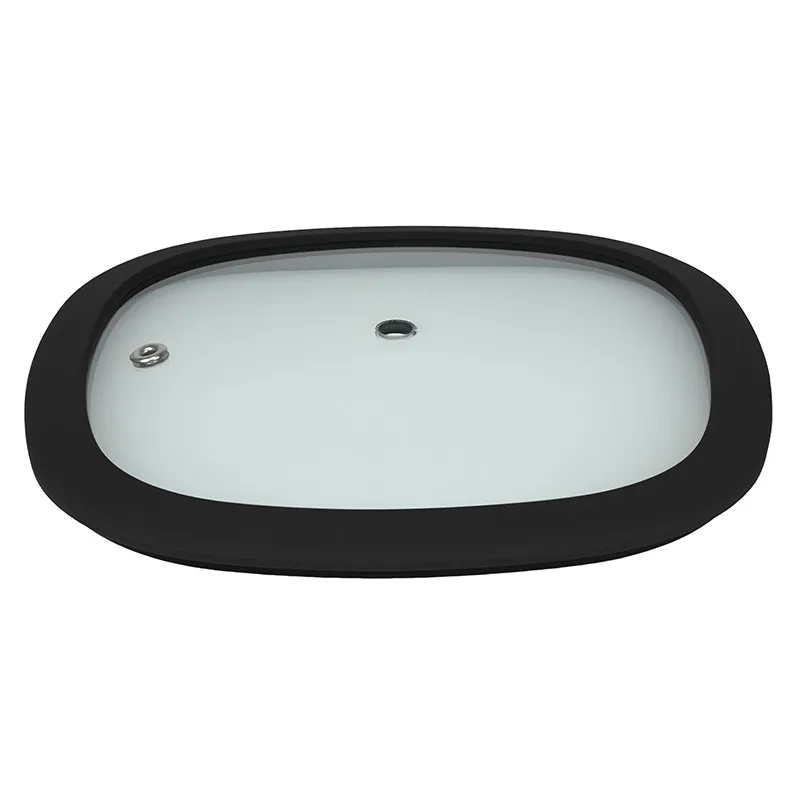
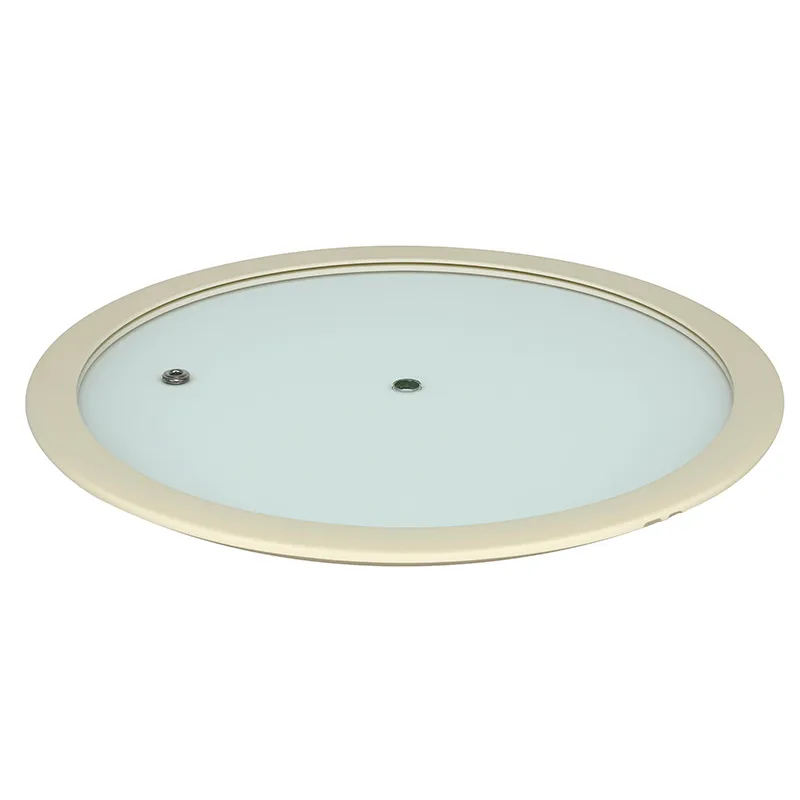
When people search for a glass lid for 6 qt instant pot, most just want a clear cover to monitor their stew. That's the basic ask. But in the cookware trade, especially dealing with suppliers like EUR-ASIA COOKWARE CO.,LTD (you can check their range at https://www.glass-lid.com), the conversation quickly shifts from a piece of glass to tempering standards, rim fit, and steam vent design. A lot of users, and frankly some retailers, don't realize that a lid for pressure cooking isn't just about covering a pot—it's about creating a safe, functional seal for non-pressurized cooking modes like sauté or slow cook, which is precisely where these glass lids come into play.
The Fit is Everything (And Often Wrong)
I've seen countless samples. The biggest headache with a glass lid for 6 qt instant pot isn't the glass quality—it's the silicone or rubber gasket embedded in the rim. If the supplier cuts corners on the gasket's durometer (hardness), you get a lid that either sits too loose, wobbling and letting all the steam escape, or sits too tight, making it a two-handed operation to remove. The 6-quart Instant Pot inner pot has a very specific outer lip curvature. A proper lid from a specialized manufacturer, like EUR-ASIA COOKWARE, which notes its focus on tempered glass lids, will have a mold taken from an actual pot, not a generic 6 qt measurement. Their production volume—over 15 million pieces annually—suggests they've likely dialed in these specs for various brands, which is a good sign.
Then there's the diameter. Sounds simple. But fits 6 qt Instant Pot is not a universal truth. Early Duo models versus newer Pro or Ultra models have subtle differences in the inner pot height and lip. A good lid will account for this, sometimes with a slightly deeper skirt. A bad one will balance precariously. I recall a batch we tested where the lid fit the pot but wouldn't sit flat on a counter—the handle weight was off. That's a small but telling detail in manufacturing precision.
The handle attachment is another fail point. It's usually stainless steel screwed into the tempered glass. The torque on those screws and the use of a high-temp washer matter. If they're too tight, they can stress the glass; too loose, the handle spins. Seeing that EUR-ASIA's products are exported to markets with strict standards like Germany and Japan implies their assembly process likely has quality checks for this. You don't keep those markets happy with wobbly handles.
Tempered Glass: It's Not Just About Being Strong
Everyone says tempered safety glass. The key is how it's tempered and to what standard. For a lid, you need thermal shock resistance. Going from a cold counter to a hot, steamy pot creates stress. Cheap lids might temper for impact but not for rapid temperature swings, leading to spontaneous cracks—not shattering, but a clean crack that ruins the lid. A professional manufacturer's spec sheet should mention thermal shock resistance up to a certain ΔT (temperature difference).
Thickness is a common misconception. Thicker isn't automatically better. A very thick glass lid becomes heavy, changes the pot's center of gravity, and retains more heat, becoming a burn hazard. Most well-engineered lids for this application are around 3-4mm thick. It's a balance between durability, weight, and function. The glass also needs to be exceptionally flat. Any warp, and the seal is broken. This is where a company with a dedicated production base, like EUR-ASIA's 20,000㎡ facility, typically has an advantage in controlling the annealing process to minimize warping.
The clarity of the glass matters for the user experience. It should be low-iron glass for better transparency, so you can actually see the simmer level without lifting the lid and losing heat. Some budget lids have a greenish tint, which is a sign of higher iron content. It works, but it's not premium. Given their export profile to design-conscious regions like Italy and Denmark, I'd expect their product lines to include this low-iron option.
The Steam Vent & Condensation Management
This is a subtle but critical design feature often overlooked. A solid glass lid would just drip condensation back into the food in a random pattern. Good lids have a raised pattern or small bumps on the underside to channel condensation to the rim, where it drips back down the side of the inner pot, not onto your rice or chicken. It's a small touch that separates a thoughtful accessory from a mere cover.
The vent hole, if present, is another point. Some glass lids have a small hole with a sliding shutter to control steam release. The mechanism needs to be easy to slide yet stay in place, and it must be made of a heat-resistant material like stainless steel. Plastic components here can degrade or melt over time. In my experience, a simple, solid lid without a vent is often more reliable for slow cooking, as the Instant Pot's own sealing ring and float valve manage pressure; the glass lid is for non-pressurized modes only.
Real-World Failures and Lessons
I've had lids fail. Not catastrophically, but in annoying ways. One had a silicone gasket that, after about 20 dishwasher cycles, became brittle and cracked, ruining the seal. That taught me to check the gasket material—food-grade silicone rated for high temps is a must. Another lid's stainless steel handle developed hot spots because the metal was too thin, transferring heat quickly. A well-designed handle often has a thicker gauge or a slight thermal break in its design.
Compatibility claims can be tricky. We once sourced a lid marketed as universal for 6 qt pots. It technically fit, but it was too shallow, causing massive condensation buildup that would then spill over the rim when lifted. It was a mess. That's why I now prefer suppliers who are explicit about compatibility, listing specific Instant Pot models. The specialization mentioned in EUR-ASIA COOKWARE's intro in producing household glass products suggests they might offer such model-specific fits, which is more valuable than a generic claim.
Packaging is part of the product. A lid shipped without proper corner protection will arrive cracked. A professional supplier understands this. The fact that a company exports globally to over a dozen countries, as EUR-ASIA does, means their logistics and packaging have to be robust to survive long shipping distances. It's an indirect but valid indicator of overall product care.
Sourcing and the Professional Perspective
When you're looking at a product page for a glass lid for 6 qt instant pot, don't just look at the image. Look for mentions of tempering standards (like CE or similar), material specs for the gasket, and exact dimensions. The presence of a company like EUR-ASIA COOKWARE CO.,LTD, with a clear physical footprint and export history, adds a layer of credibility over anonymous resellers. Their focus on tempered glass lids as a core product, rather than a side item, usually means better R&D.
Price is a signal, but not an absolute one. Extremely cheap lids almost always compromise on the gasket, the flatness of the glass, or the handle assembly. You're buying a component that deals with heat, steam, and frequent handling. It's worth the extra few dollars for a unit from a dedicated manufacturer. Their annual output of 15 million pieces indicates scale, which can mean better consistency and the ability to invest in proper tooling for a precise fit.
Finally, think about the use case. If you only use the pressure cook function, you don't need this lid. But if you use sauté, slow cook, or yogurt functions regularly, a proper glass lid is indispensable. It retains moisture and heat better than a makeshift cover like a plate. The goal is to find one that feels like a seamless part of the original appliance—secure, clear, and safe. That comes down to details in manufacturing that a casual buyer might not consider, but that define the product's real value.
Related Products
Related Products