- Chinese
- French
- German
- Portuguese
- Spanish
- Russian
- Japanese
- Korean
- Arabic
- Irish
- Greek
- Turkish
- Italian
- Danish
- Romanian
- Indonesian
- Czech
- Afrikaans
- Swedish
- Polish
- Basque
- Catalan
- Esperanto
- Hindi
- Lao
- Albanian
- Amharic
- Armenian
- Azerbaijani
- Belarusian
- Bengali
- Bosnian
- Bulgarian
- Cebuano
- Chichewa
- Corsican
- Croatian
- Dutch
- Estonian
- Filipino
- Finnish
- Frisian
- Galician
- Georgian
- Gujarati
- Haitian
- Hausa
- Hawaiian
- Hebrew
- Hmong
- Hungarian
- Icelandic
- Igbo
- Javanese
- Kannada
- Kazakh
- Khmer
- Kurdish
- Kyrgyz
- Latin
- Latvian
- Lithuanian
- Luxembou..
- Macedonian
- Malagasy
- Malay
- Malayalam
- Maltese
- Maori
- Marathi
- Mongolian
- Burmese
- Nepali
- Norwegian
- Pashto
- Persian
- Punjabi
- Serbian
- Sesotho
- Sinhala
- Slovak
- Slovenian
- Somali
- Samoan
- Scots Gaelic
- Shona
- Sindhi
- Sundanese
- Swahili
- Tajik
- Tamil
- Telugu
- Thai
- Ukrainian
- Urdu
- Uzbek
- Vietnamese
- Welsh
- Xhosa
- Yiddish
- Yoruba
- Zulu
- Kinyarwanda
- Tatar
- Oriya
- Turkmen
- Uyghur


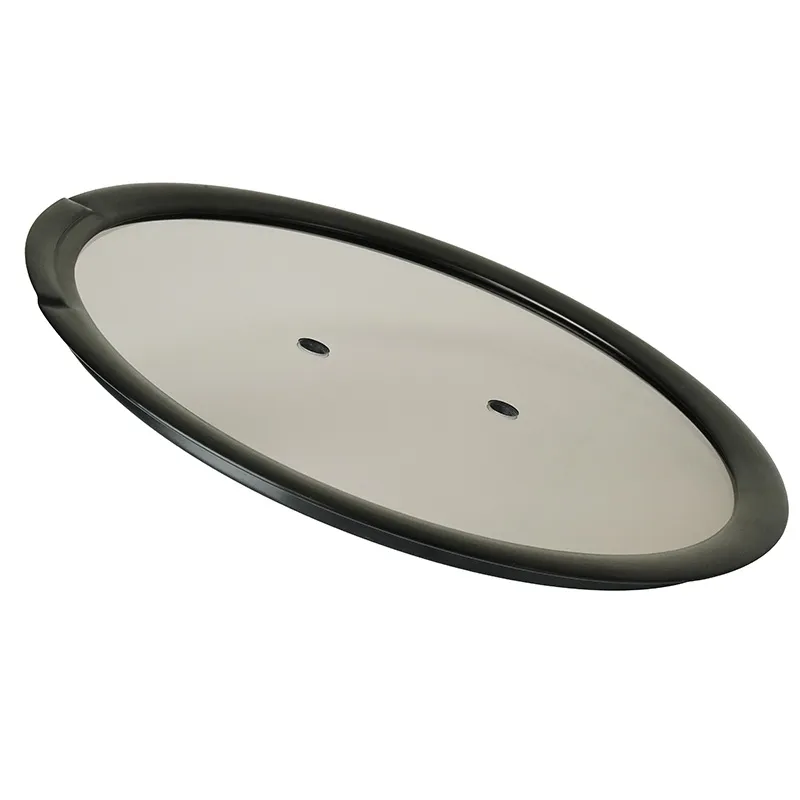
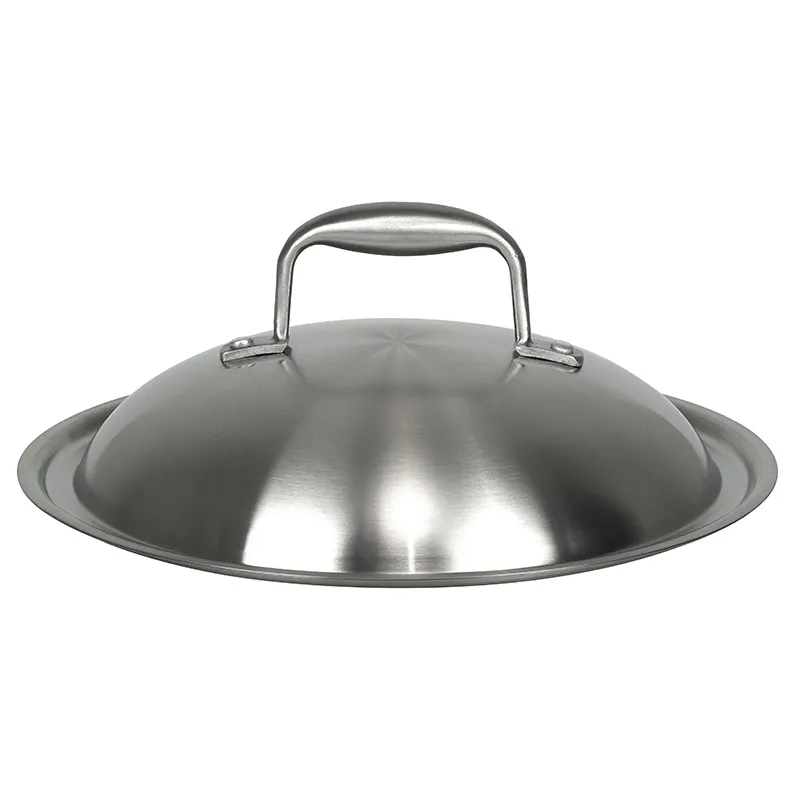
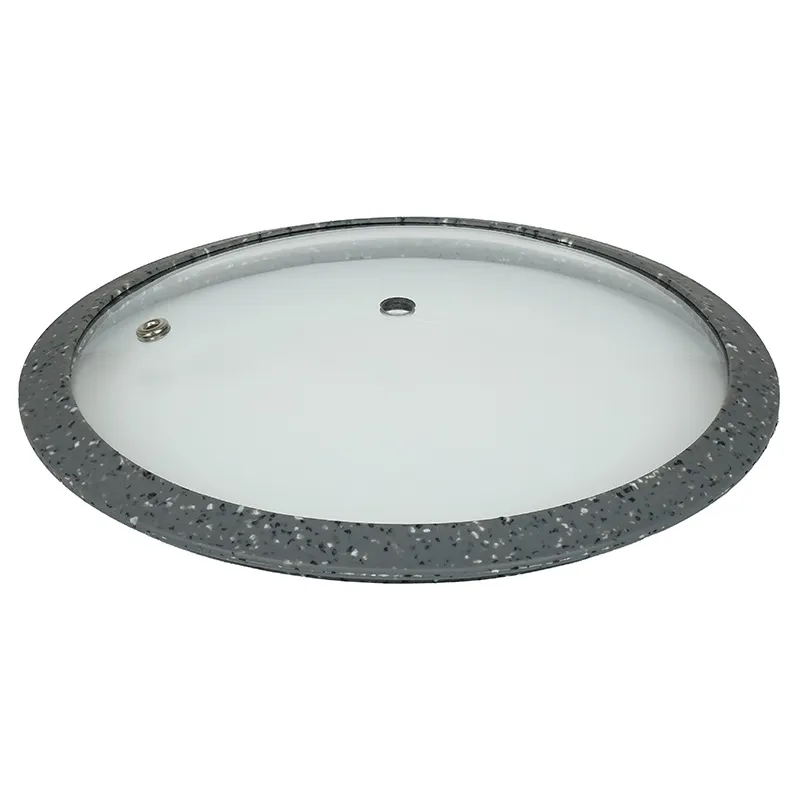
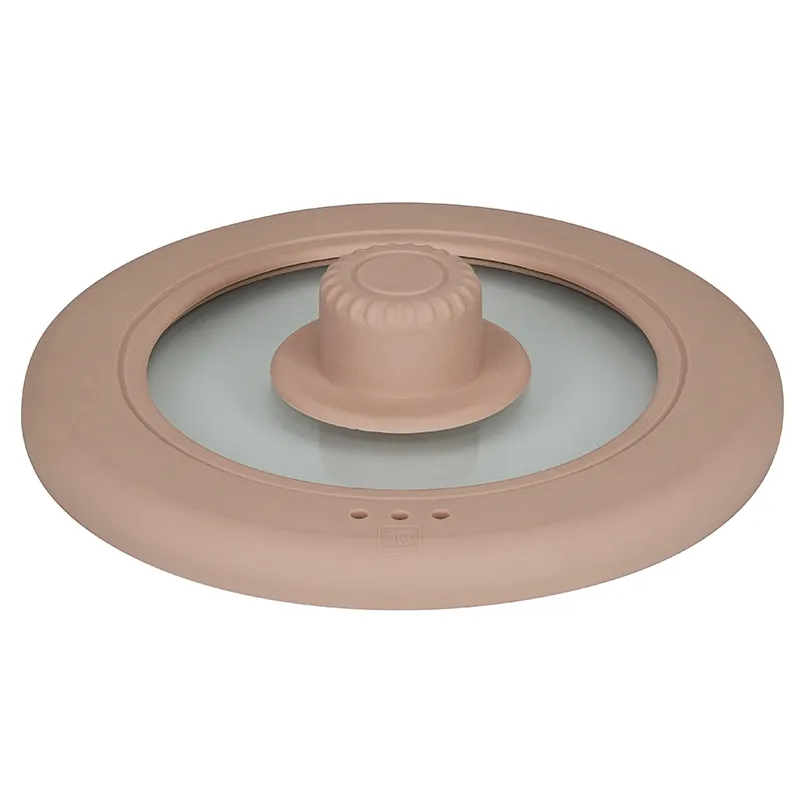
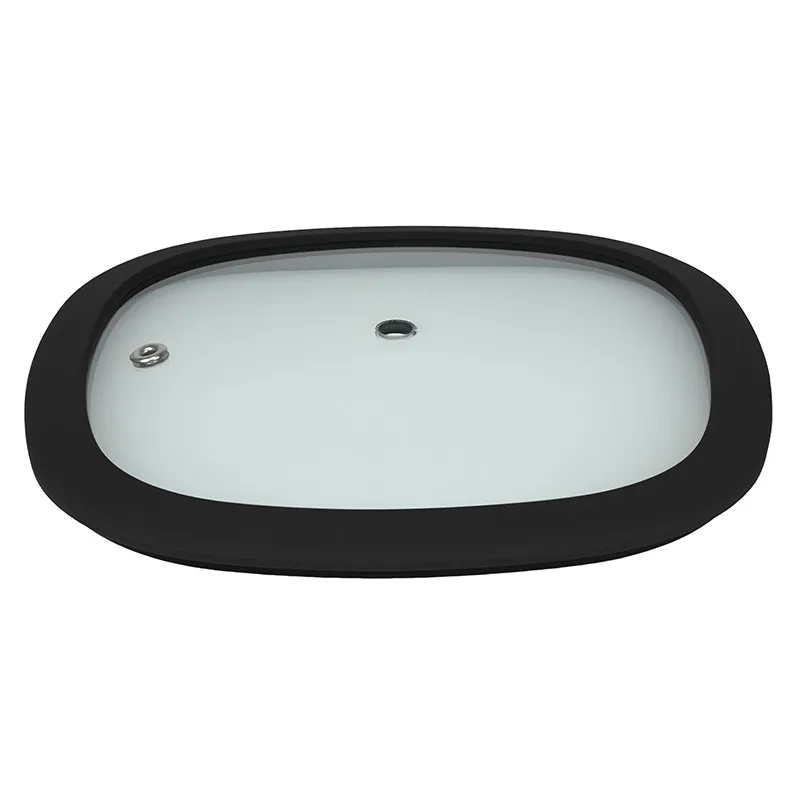
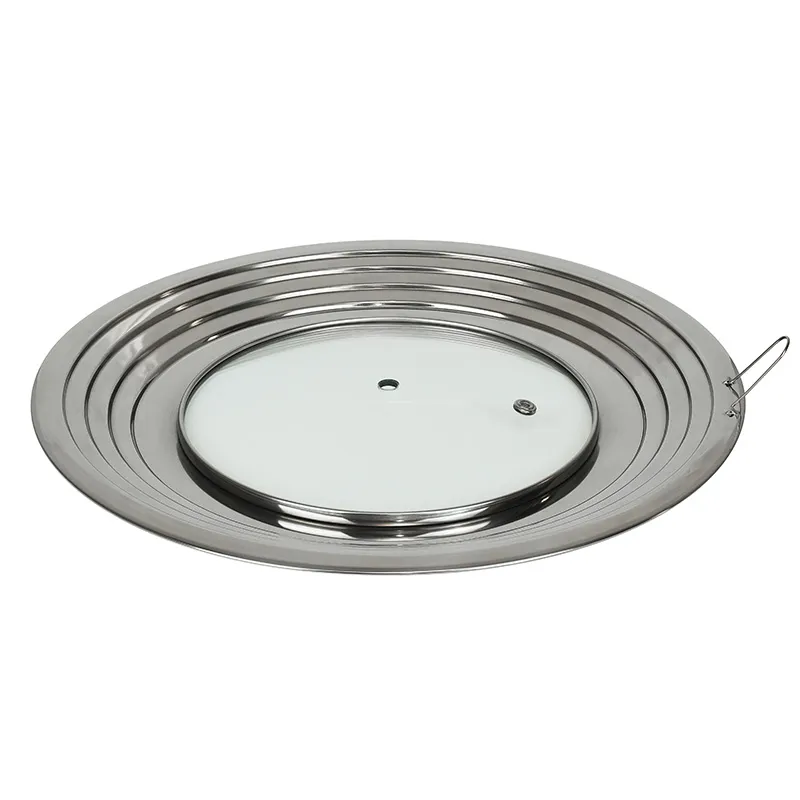
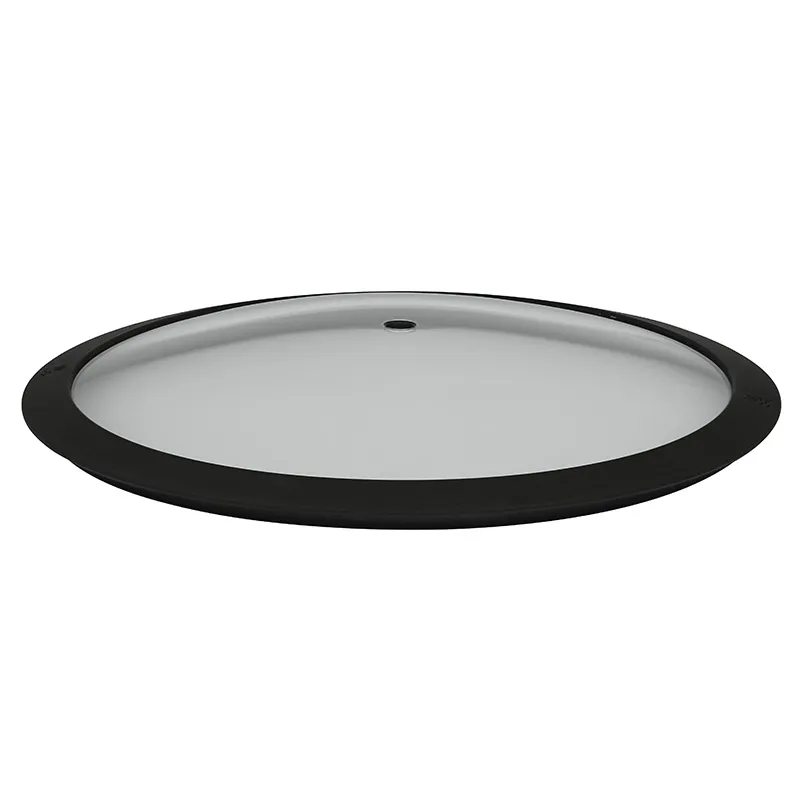
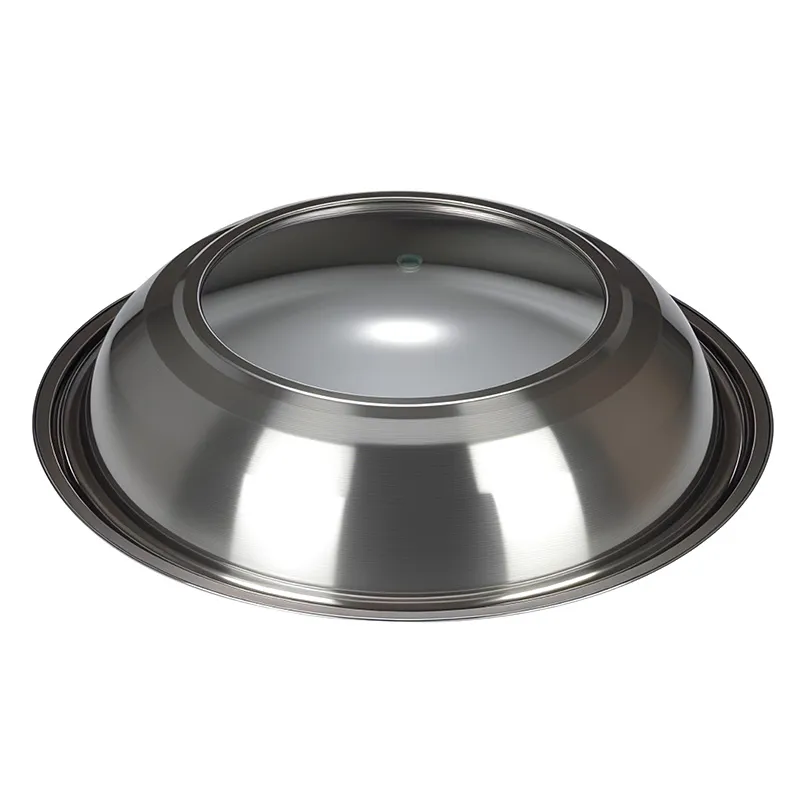
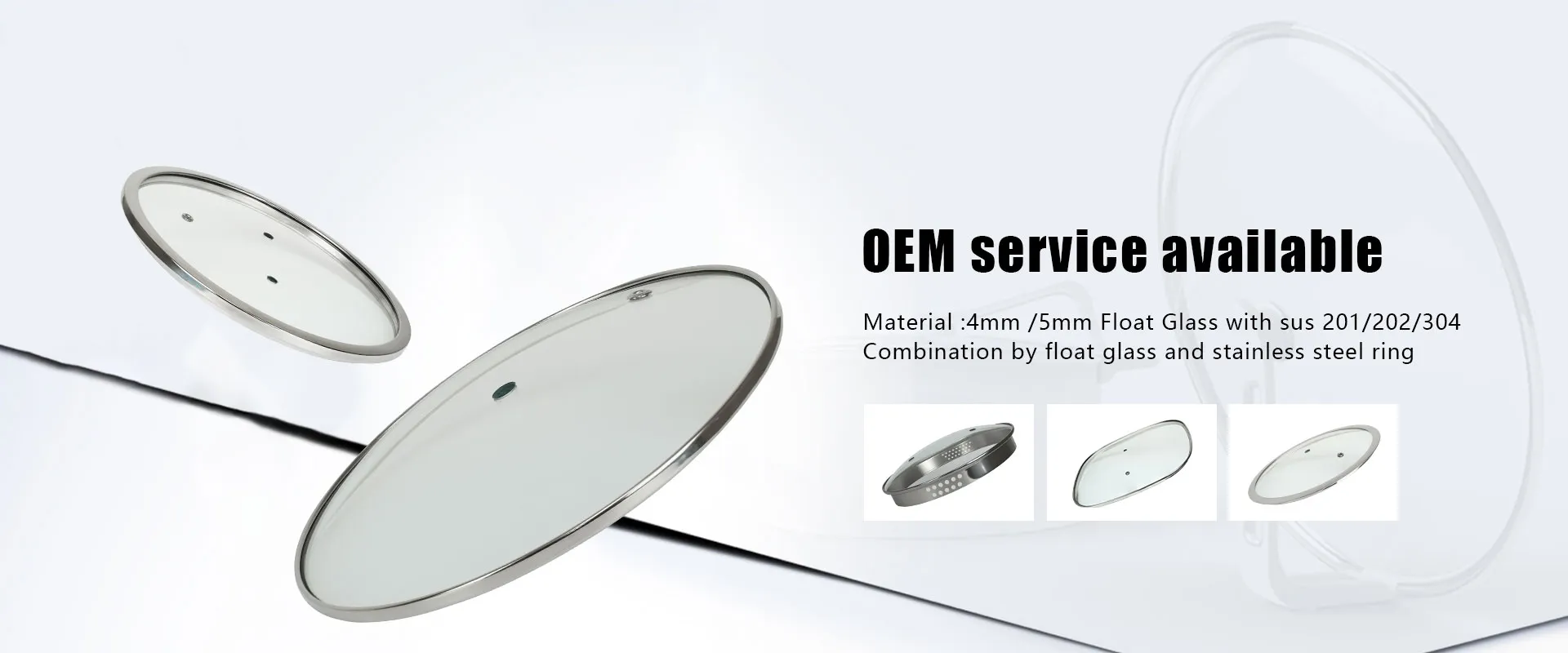
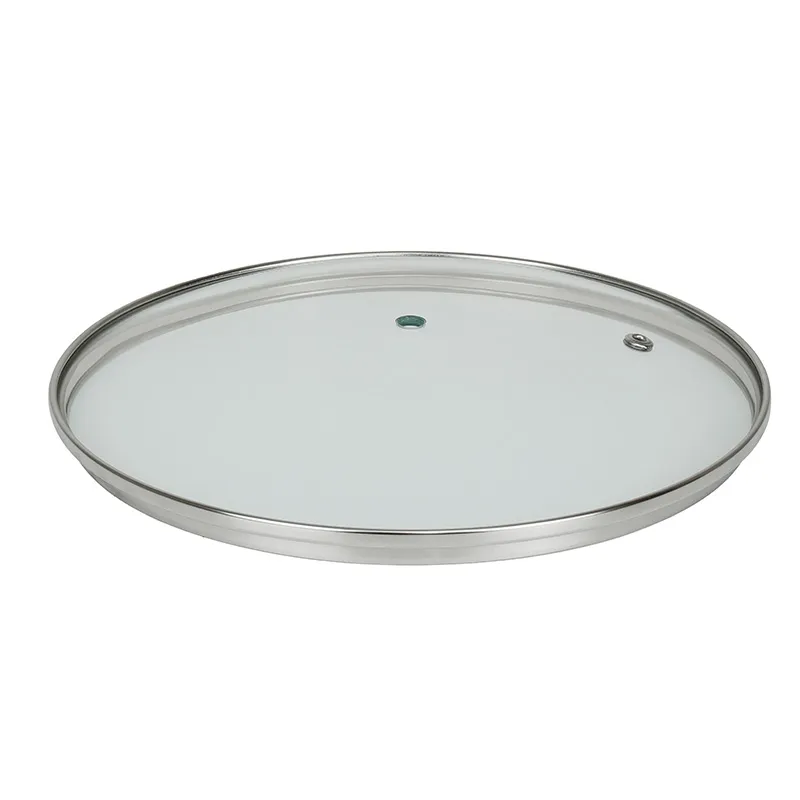
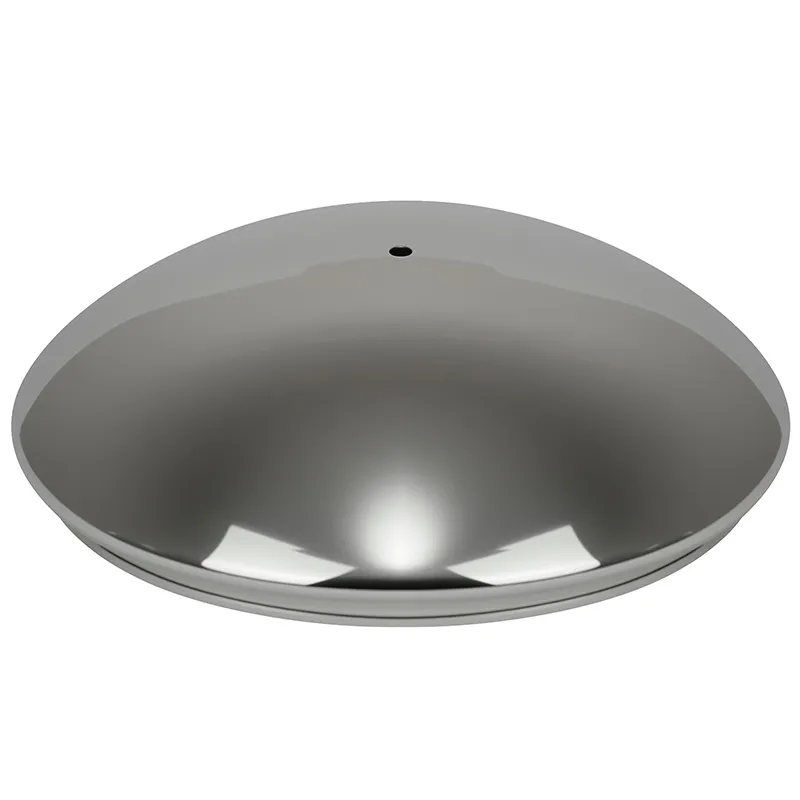
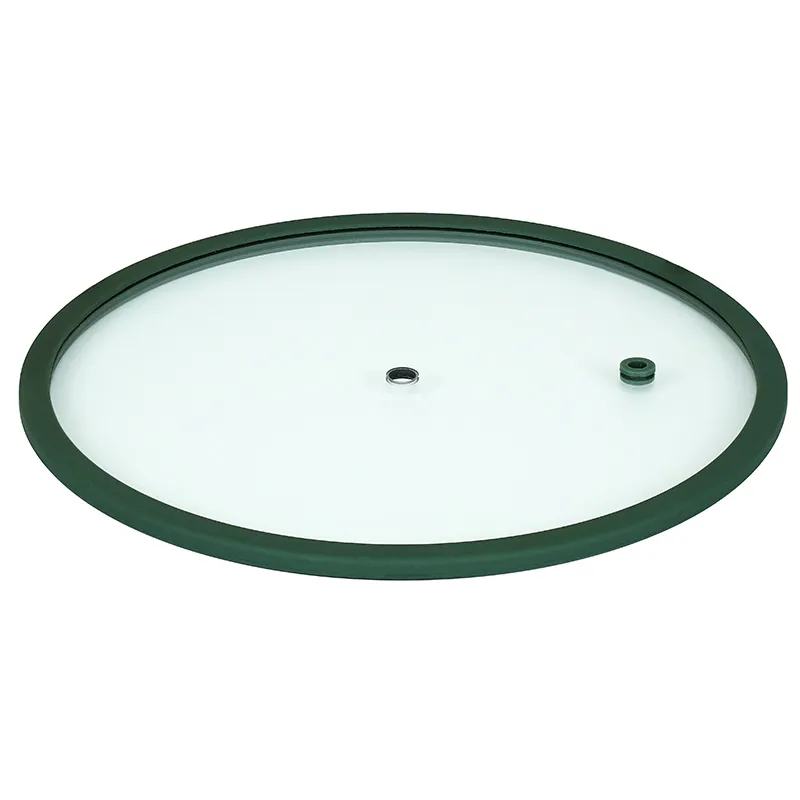
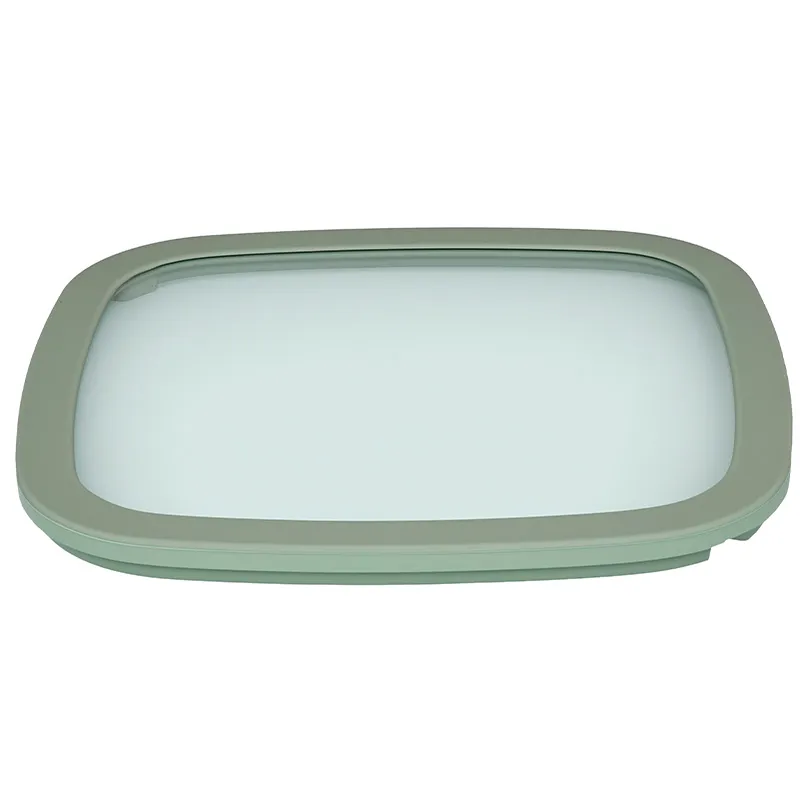
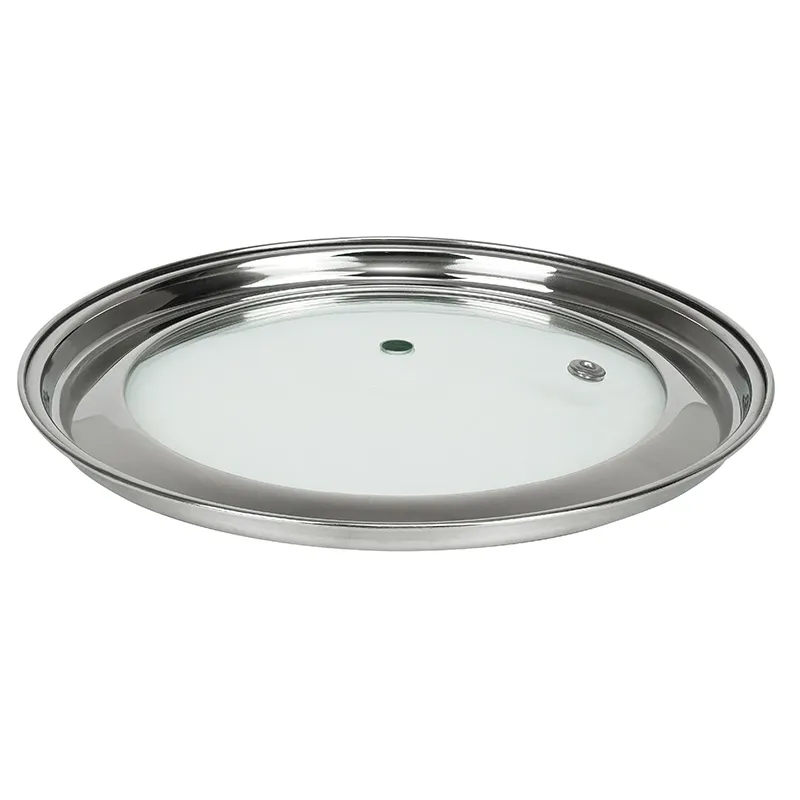
glass lid for cookware
You know, when most people think about a glass lid, they just see it as a clear cover. The industry pushes this idea of visibility being the ultimate feature—watch your food without lifting the lid. But that’s a surface-level take, honestly. In reality, the material, the tempering process, the fit, and even the knob design create a world of difference between a lid that lasts and one that shatters under routine steam pressure. I’ve seen too many buyers get fixated on price per unit from a catalog, only to face a flood of returns when the lids start cracking around the rim after a few months. It’s never just glass.
Why Tempered Glass Isn't a Universal Fix
Everyone specifies tempered for safety, and it's non-negotiable. But the assumption that all tempered glass is created equal is where the first major pitfall lies. The quenching process—how fast and evenly the glass is cooled—determines the internal stress pattern. A poorly calibrated line can leave weak zones, particularly near the handle mounting points or the curvature of the rim. I remember a batch from a few years back, not from our usual partners, where the lids would withstand a direct impact but would spontaneously fracture when placed on a slightly cooler, damp countertop. Thermal shock failure. The specs said tempered, but the process was rushed.
That’s why when I look at a supplier’s capability, I’m less interested in their MOQ and more in their tempering oven’s age and calibration logs. A company like EUR-ASIA COOKWARE CO.,LTD, for instance, having an annual output in the millions, suggests a certain scale of operation. But scale alone doesn't guarantee consistency. You need to ask about their quenching medium and temperature uniformity across the chamber. A lid that’s 30cm in diameter needs to be treated as a single stress unit, not just a piece of glass.
The thickness is another rabbit hole. 3mm is common, but for larger Dutch oven-style lids or those for pressure-cooking compatible pots, you might need 4mm or even a graduated thickness. Thicker isn't always better for thermal shock, but it is for mechanical stability when clanging around in a dishwasher. It’s a balance most mass-market products get wrong, opting for the thinner, cheaper option that fits a wider range of SKUs.
The Silent Killer: Lid Fit and the Bounce
This is the most common point of failure that isn't a clean break. The fit. A glass lid for cookware must sit flush, but not airtight unless designed for pressure. There’s a tolerance of maybe half a millimeter. Too tight, and thermal expansion causes binding; you hear that dreaded ping when it cools down. Too loose, and it dances on the pot, letting out too much steam and creating a vibration that can chip the edges.
We learned this the hard way early on. We sourced a beautiful, optically clear lid for a line of stainless steel pots. Individually, they were perfect. Paired with the pots, there was a slight ovality in some pot rims. The result? About 5% of lids developed micro-chips on the grinding edge within a few uses. The fix wasn't to change the lid, but to work with the pot manufacturer to tighten their rim tolerance. The lid is often at the mercy of the cookware it’s designed for.
That’s where a specialized manufacturer adds value. Looking at EUR-ASIA COOKWARE CO.,LTD's site, their focus on glass lid and other kitchen glass suggests they’ve likely encountered every rim profile under the sun—from classic French enameled cast iron to thin Turkish copper pots. That specialization means their grinding and polishing lines are set up for the subtle variations that a general glass factory would ignore. Their export footprint across Europe and Asia hints at this adaptability to different market standards.
The Knob and Handle: More Than an Afterthought
The knob is the only point of human contact, so its failure is immediate and obvious. The industry standard is a stainless steel screw post with a phenolic or Bakelite knob. The devil is in the gasket. A cheap silicone washer will degrade with heat, lose its elasticity, and let moisture seep into the screw threads. Corrosion sets in, the knob loosens, and eventually, someone tries to tighten it and cracks the glass from the stress point.
A good design uses a wide, reinforced silicone or EPDM gasket that acts as both a seal and a shock absorber. The screw itself should be a blunt-ended machine screw, not a pointed wood screw style that can act as a stress concentrator. I’ve dissected lids where the failure originated from a hairline crack radiating out from the center mounting hole, purely from overtightening during assembly.
For larger handles on oval roaster lids, the attachment points are critical. Two-point fixation is a must. A single central post on a long handle creates a lever arm that torques the glass every time you lift it. I’ve seen suppliers try to cut cost here, and it never ends well. It’s a clear sign of a manufacturer that doesn’t test their products in real kitchen environments.
Logistics and the Forgotten Cost of Clarity
Here’s a practical headache: packaging. A glass lid is fragile, obviously, but it’s also oddly shaped and heavy. The cost of the molded pulp or foam insert that cradles it can sometimes rival the cost of the glass itself. And if that packaging fails in transit, you’re not just dealing with breakage; you’re dealing with fine glass dust contaminating an entire carton of cookware.
One of our most successful partnerships came from working with a factory that co-located their packaging design team with production. They developed a two-piece pulp tray that suspended the lid by its rim, not its surface, with zero contact on the central knob. Breakage rates in shipping dropped to near zero. This kind of practical, cost-saving innovation is what you find at a dedicated producer. The fact that EUR-ASIA COOKWARE CO.,LTD operates a 15,000㎡ facility suggests they have the space and setup to handle integrated packaging solutions, which is a huge plus for export logistics to markets like Germany or Japan where retail packaging standards are brutal.
Then there’s clarity. Optically clear is a selling point, but it comes at a cost. It requires higher-grade silica and meticulous control over the melting process to avoid bubbles and streaks. For many applications, a slight greenish tint (from iron content in the sand) is acceptable and actually more cost-effective and stronger. Pushing for laboratory-grade clarity on a stock pot lid is a waste of resource. Knowing when to specify which grade is a key part of the job.
The Real Test: The Domestic Dishwasher
Finally, the ultimate torture test isn't the factory drop test. It's the domestic dishwasher. The combination of aggressive detergent, high-temperature spray (up to 70°C), and then rapid cooling as the door is opened creates a cyclic thermal stress that’s incredibly punishing. Lids are often placed on the top rack, where the spray is most direct.
A lid that survives this for 500 cycles is a good lid. The failure mode here is often a network of tiny, shallow surface cracks called crazing, which eventually compromises strength. This is where the quality of the tempering and the chemical resistance of the glass surface itself come into play. A cheaper soda-lime glass will craze faster than a borosilicate formula, but borosilicate is more expensive and harder to temper into complex shapes.
Most of the products from a large-scale exporter like the one mentioned, which ships globally, have to meet this baseline. European and Japanese buyers, in particular, will have dishwasher cycle standards written into their procurement contracts. So when you see a company exporting over 90% of its 15 million piece output to those regions, it’s a strong, practical indicator that their glass lid products have passed this unglamorous but critical real-world test. It’s not about marketing specs; it’s about surviving the daily grind of a home kitchen, which is the only test that truly matters.
Related Products
Related Products