- Chinese
- French
- German
- Portuguese
- Spanish
- Russian
- Japanese
- Korean
- Arabic
- Irish
- Greek
- Turkish
- Italian
- Danish
- Romanian
- Indonesian
- Czech
- Afrikaans
- Swedish
- Polish
- Basque
- Catalan
- Esperanto
- Hindi
- Lao
- Albanian
- Amharic
- Armenian
- Azerbaijani
- Belarusian
- Bengali
- Bosnian
- Bulgarian
- Cebuano
- Chichewa
- Corsican
- Croatian
- Dutch
- Estonian
- Filipino
- Finnish
- Frisian
- Galician
- Georgian
- Gujarati
- Haitian
- Hausa
- Hawaiian
- Hebrew
- Hmong
- Hungarian
- Icelandic
- Igbo
- Javanese
- Kannada
- Kazakh
- Khmer
- Kurdish
- Kyrgyz
- Latin
- Latvian
- Lithuanian
- Luxembou..
- Macedonian
- Malagasy
- Malay
- Malayalam
- Maltese
- Maori
- Marathi
- Mongolian
- Burmese
- Nepali
- Norwegian
- Pashto
- Persian
- Punjabi
- Serbian
- Sesotho
- Sinhala
- Slovak
- Slovenian
- Somali
- Samoan
- Scots Gaelic
- Shona
- Sindhi
- Sundanese
- Swahili
- Tajik
- Tamil
- Telugu
- Thai
- Ukrainian
- Urdu
- Uzbek
- Vietnamese
- Welsh
- Xhosa
- Yiddish
- Yoruba
- Zulu
- Kinyarwanda
- Tatar
- Oriya
- Turkmen
- Uyghur


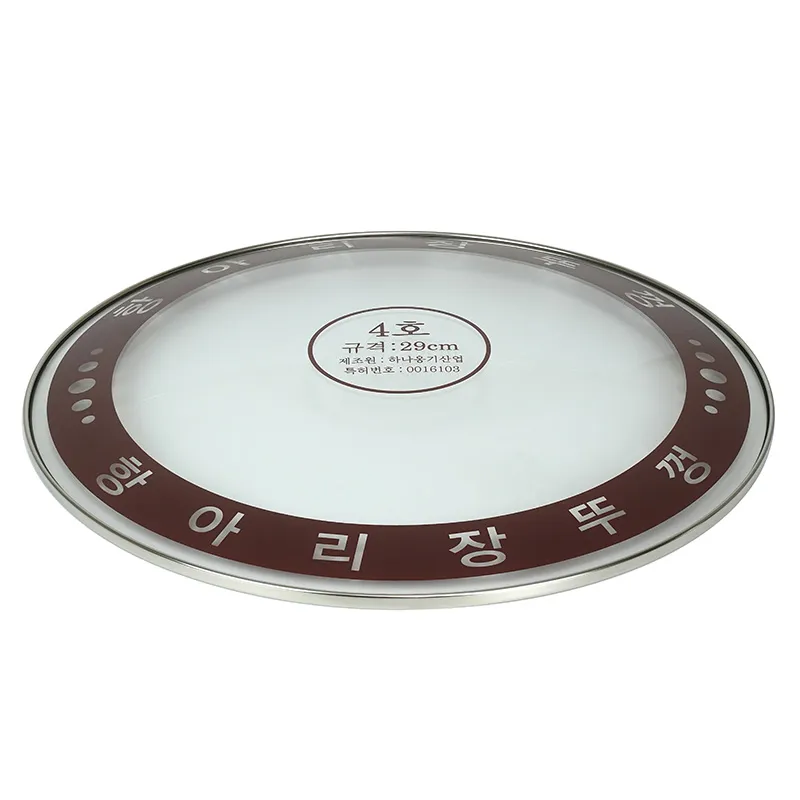
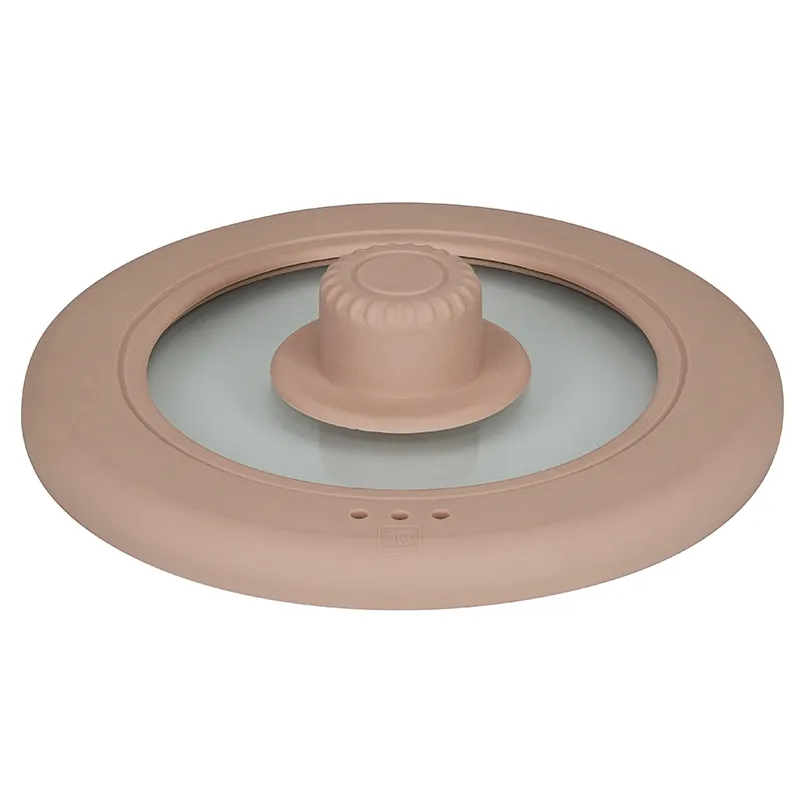
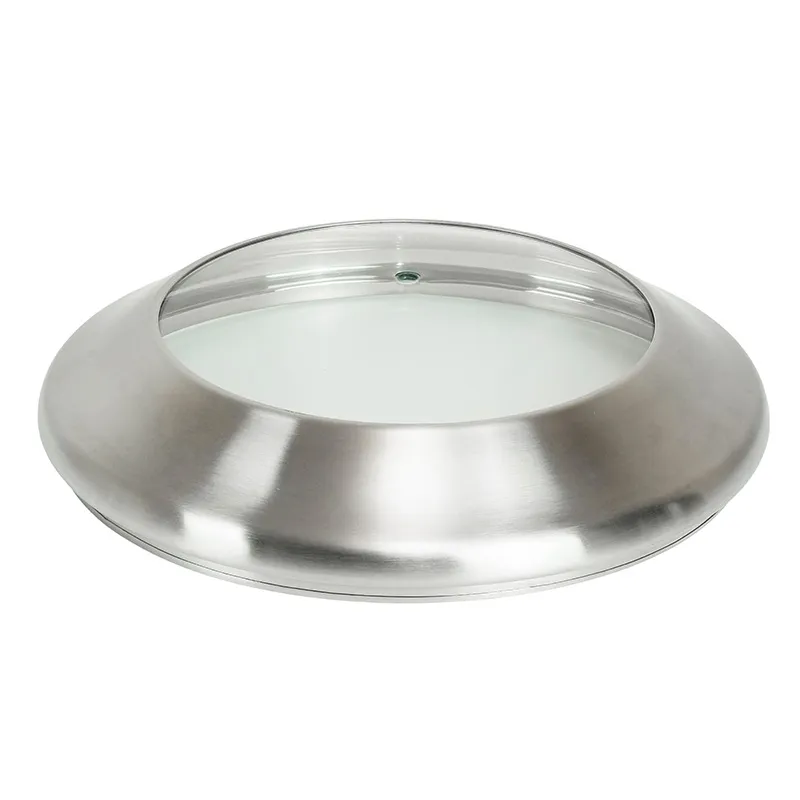
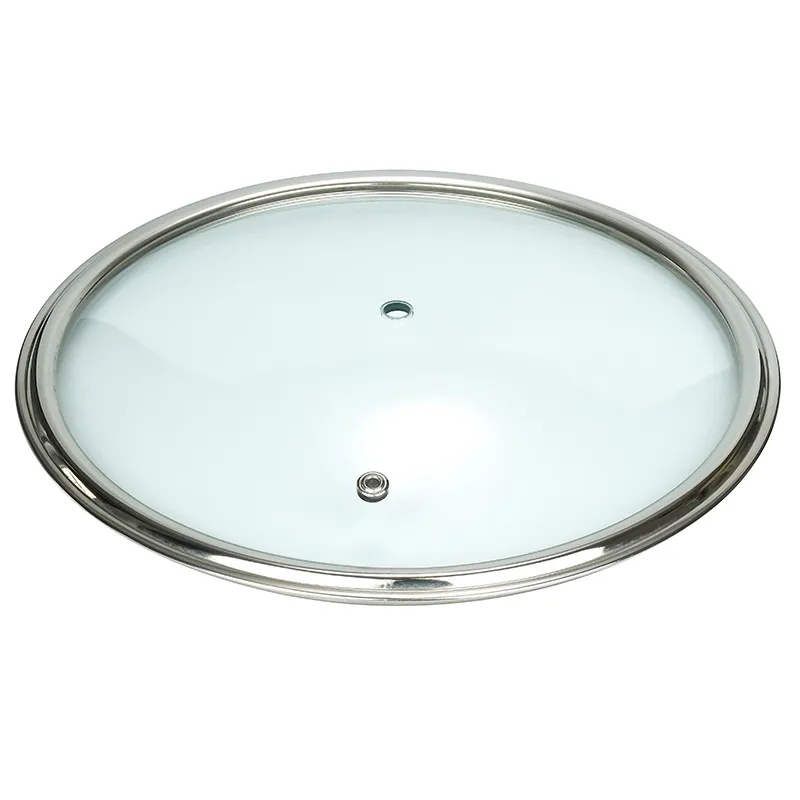
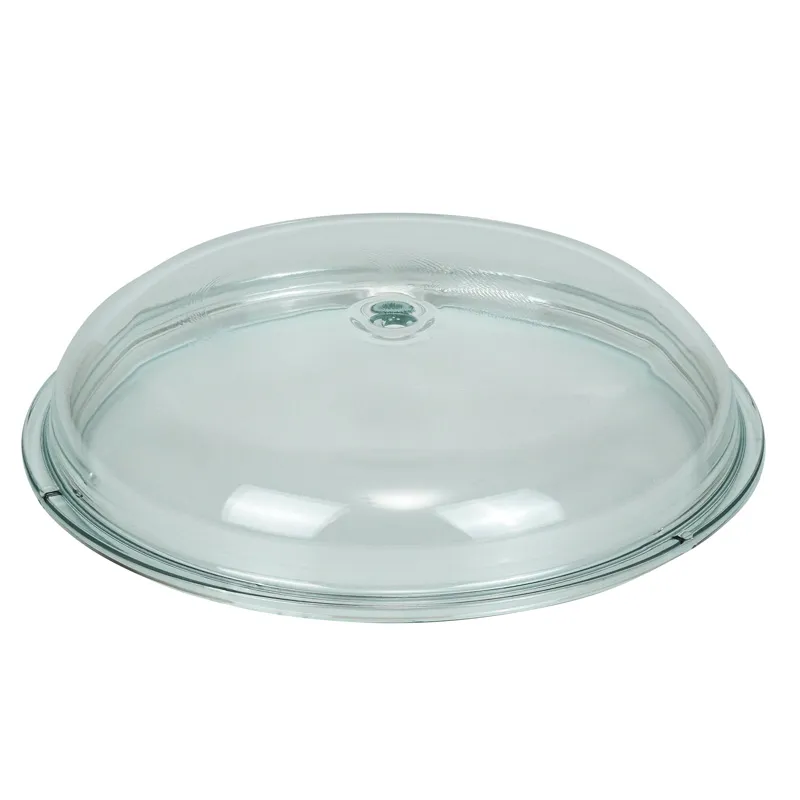
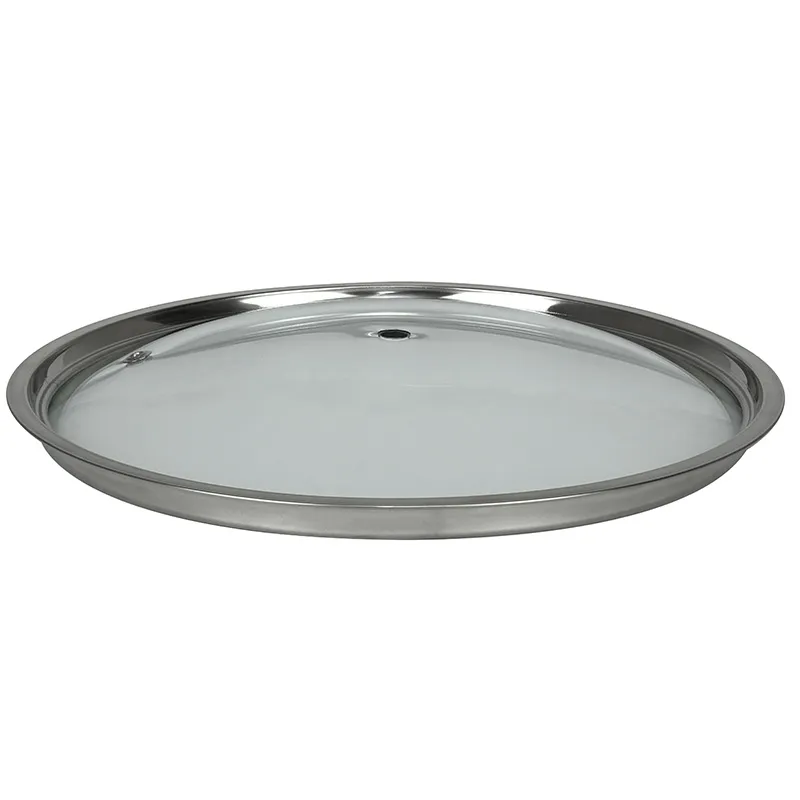
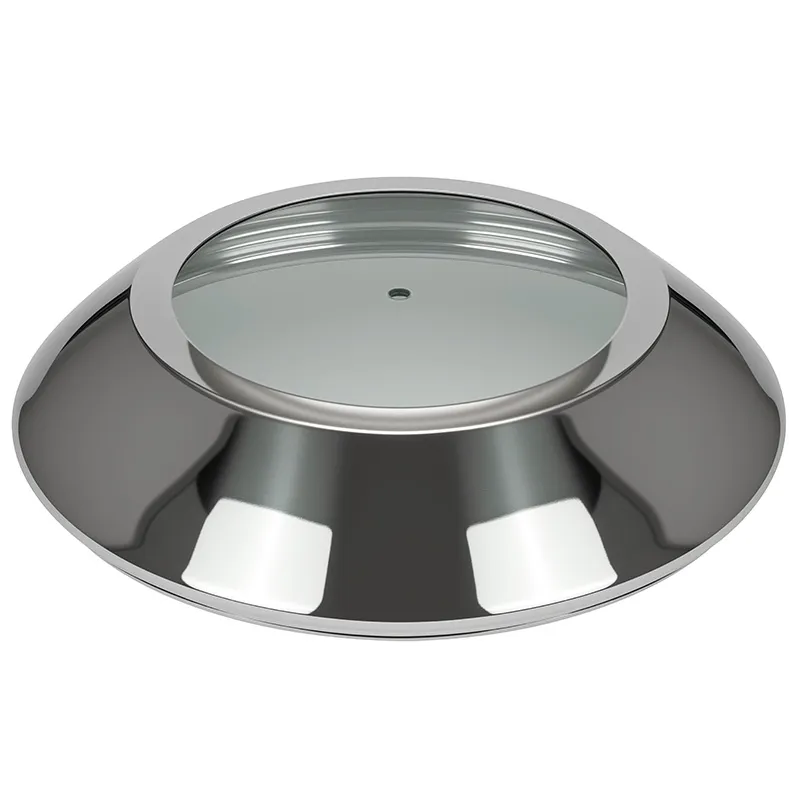
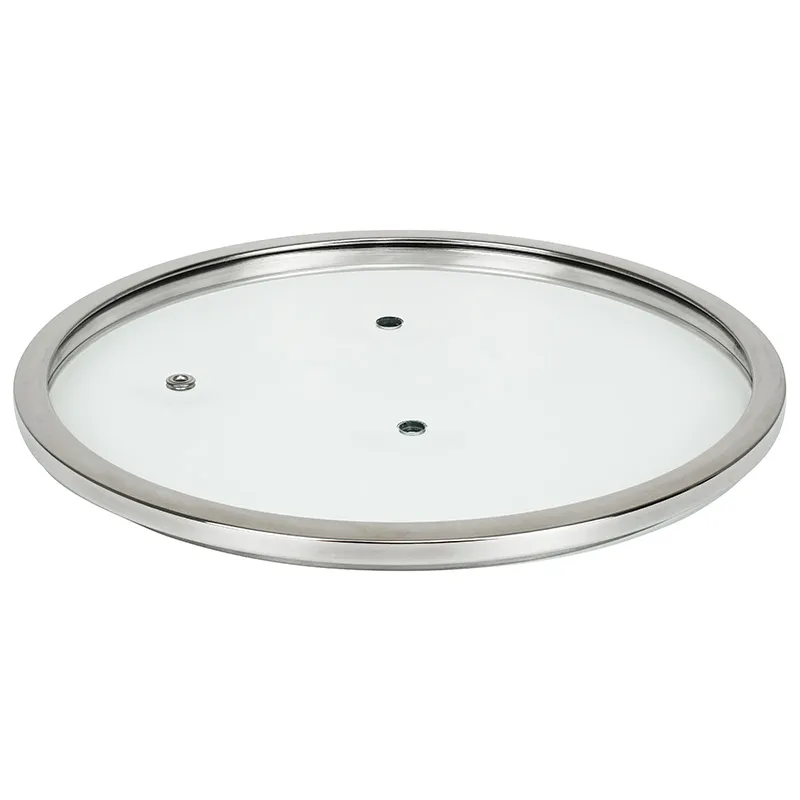
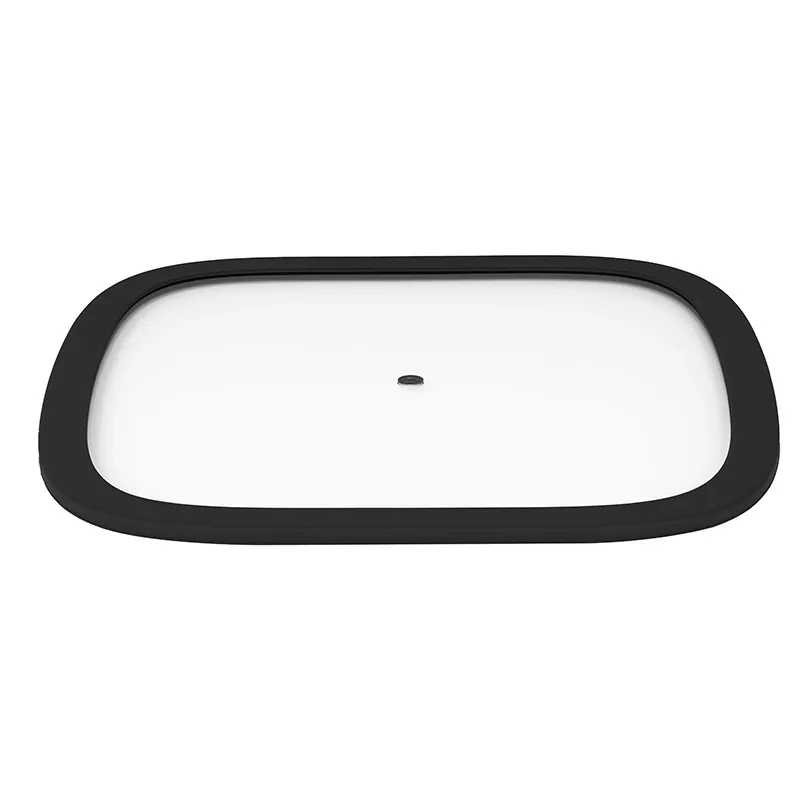
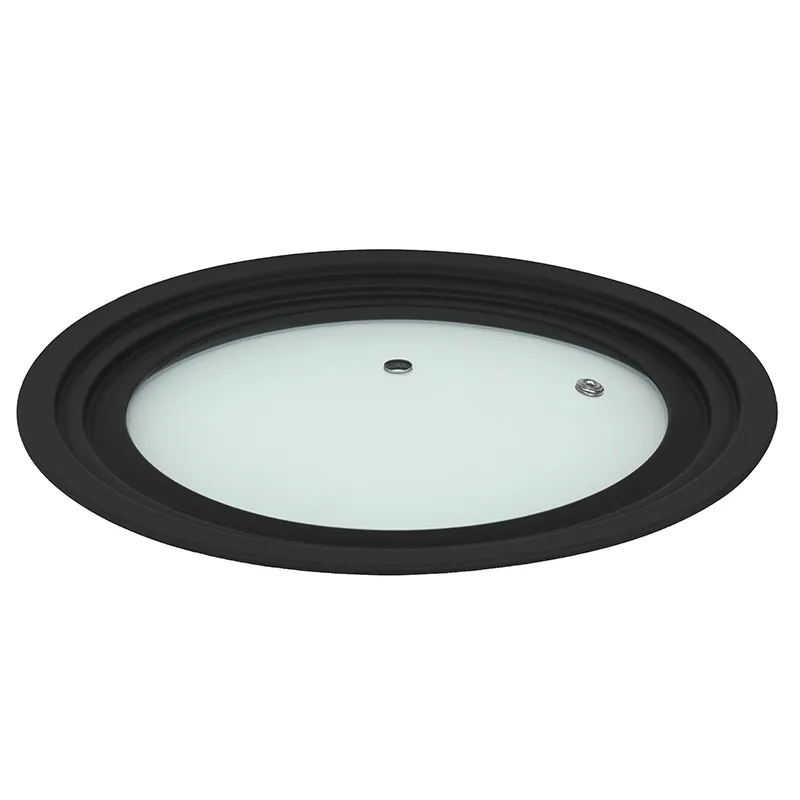
glass lid for crock pot
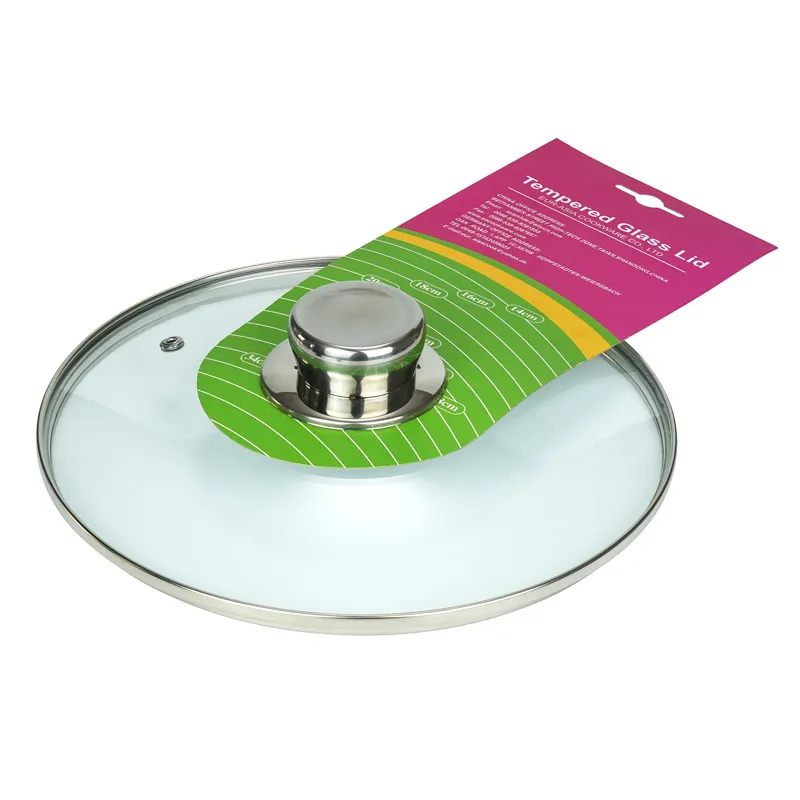
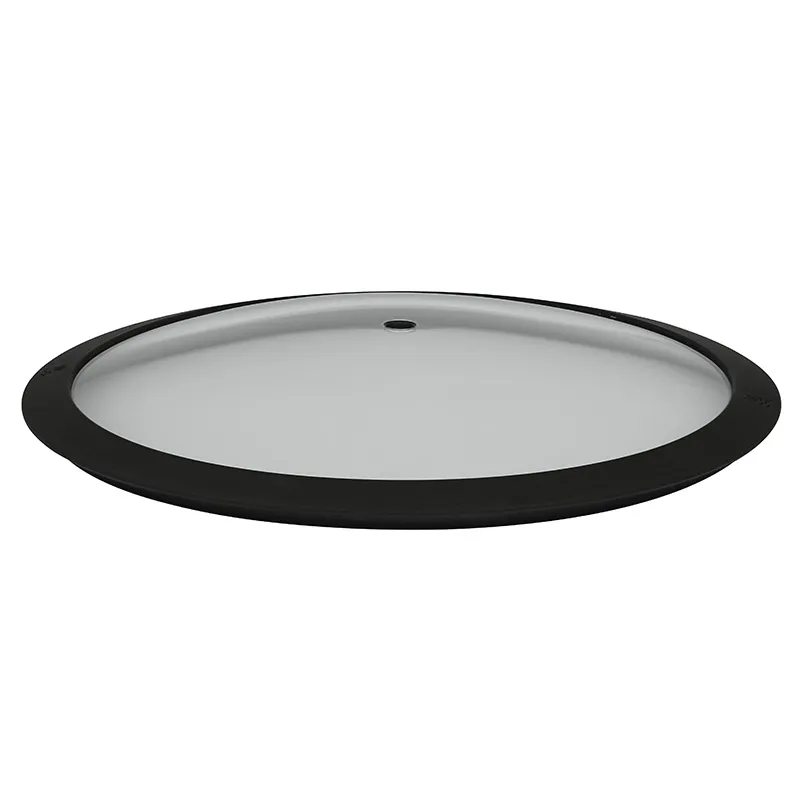
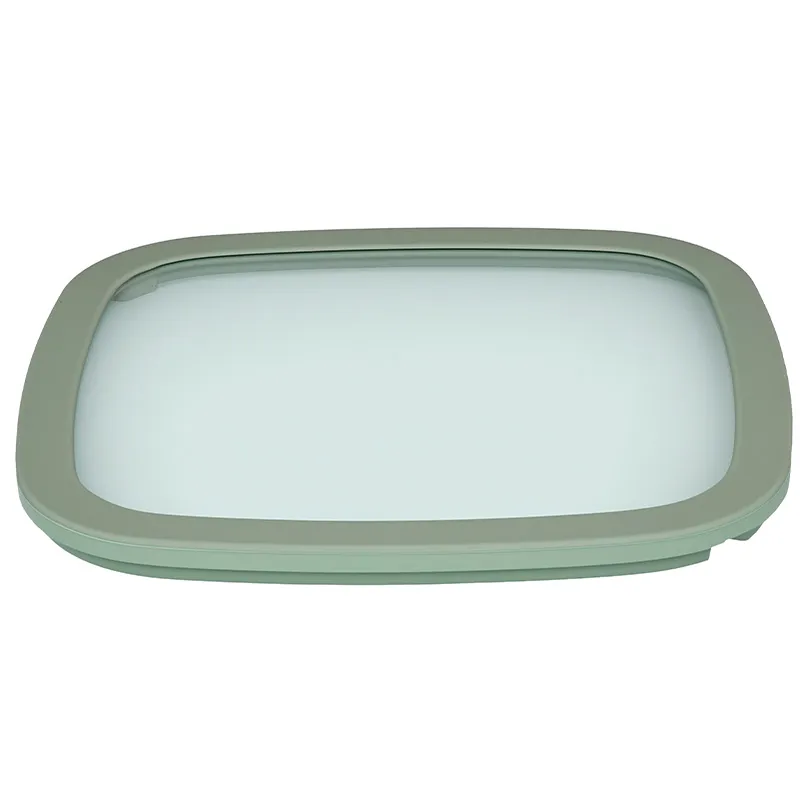
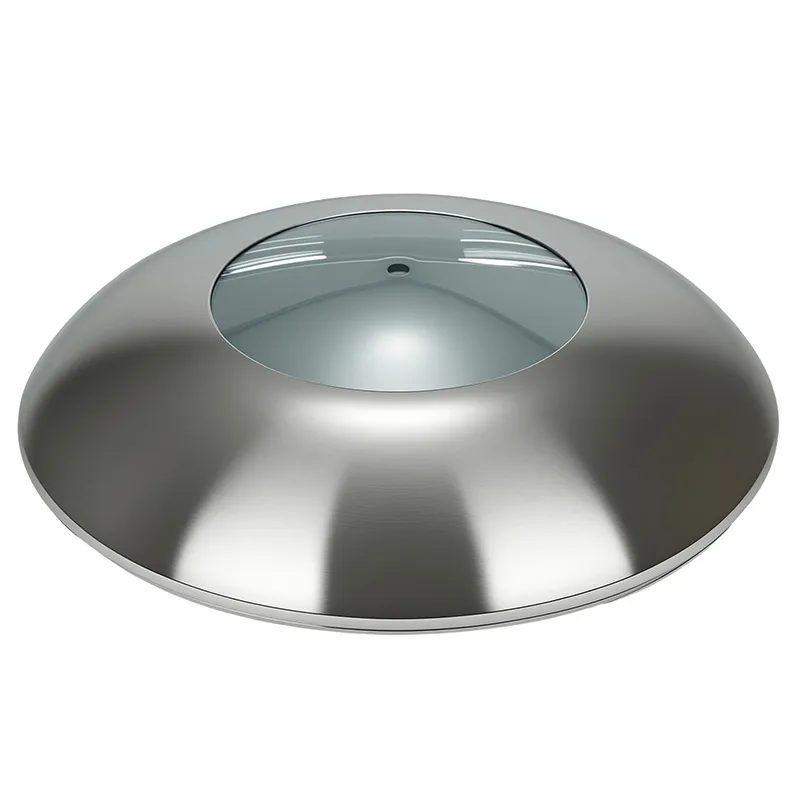
You'd think a glass lid for a crock pot is straightforward—just a piece of tempered glass, right? But in practice, that's where most assumptions fall apart. The real challenge isn't transparency; it's managing condensation, heat distribution, and that delicate balance between a tight seal and safe venting. I've seen too many brands, even reputable ones, get the rim design or the tempering process slightly wrong, leading to lids that either trap too much moisture or, worse, develop micro-fractures over time. It's one of those components that users don't think about until it fails.
The Core Misconception About Fit and Function
Most discussions online focus on whether the lid is oven-safe or dishwasher safe. While important, that's secondary. The primary function is to create a suitable microclimate for slow cooking. A poorly fitted glass lid for crock pot won't just let heat escape; it can cause uneven cooking, where the edges dry out while the center remains undercooked. I recall a batch from a supplier a few years back where the curvature was off by maybe two millimeters—seemed negligible. But in testing, it resulted in a 20% longer cooking time for a standard stew recipe. That's a significant energy inefficiency and a user experience fail.
This is where the manufacturing base matters. A facility focused on volume might overlook these tolerances. A company like EUR-ASIA COOKWARE CO.,LTD, with its dedicated production zone in Shandong's high-tech development zone, has the infrastructure to control this. Their stated annual output of over 15 million pieces of tempered glass lids suggests they're tooled for scale, but the key is whether that scale maintains precision. From what I've seen in samples, their jigs and molding processes for crock pot lids are consistent, which is half the battle won.
The other half is the glass itself. Not all tempered glass is equal for this application. It needs to withstand the thermal shock of going from a cool, wet condensation layer to the base heat of the pot, repeatedly. A common failure point is the center handle's attachment point—if the tempering isn't uniform, stress concentrates there. I've had lids shatter (safely, into small cubes, as tempered glass should) during rapid cooling tests because of this. It's a sobering reminder that the high level in their company description isn't just marketing fluff; it's a necessary specification.
Condensation Management: The Unspoken Detail
Here's a detail most product descriptions omit: the drip pattern. A flat, smooth underside might look sleek, but it's terrible for a slow cooker. Condensation forms, collects into large droplets, and then drips back onto the food in a few random spots, potentially washing away seasoning or creating soggy patches. A well-designed lid often has a subtly beaded or channeled underside to guide condensation toward the edges, where it can run back into the pot more evenly. It's a small feature that speaks volumes about R&D.
Looking at the export portfolio of EUR-ASIA COOKWARE, which sends over 90% of its products to markets like Germany, Italy, and Japan, tells you something. These are regions with stringent kitchenware standards and discerning consumers. A Japanese buyer, for instance, is notoriously precise about such functional details. The fact that their glass lid products consistently meet these demands suggests their engineering accounts for these nuances. It's not just about making a lid that fits; it's about making one that performs correctly in a German kitchen making a Rouladen or a Brazilian kitchen preparing a feijoada.
In our own kitchen lab tests, we've compared generic lids against ones from specialized producers. The difference in moisture retention and clarity over time is noticeable. The cheaper lids often develop a faint, permanent haze from microscopic etching caused by condensed acids from cooking vapors. The better ones, presumably using a higher grade of soda-lime glass and a more robust tempering process, stay clearer for years. This directly impacts user satisfaction—no one wants to peer through a foggy lid.
When the Universal Fit Isn't Universal
The term universal glass lid is a bit of a minefield. Crock pots, slow cookers—even within a single brand like Crock-Pot?, the rim diameters and profiles can change between models and generations. A lid might sit on top, but does it seal? We learned this the hard way by trying to source a single lid style for a range of our own products. It led to a high return rate. The solution, which companies like EUR-ASIA seem to employ, is to maintain a vast library of molds and specs for different OEMs. Their website, https://www.glass-lid.com, likely acts as a portal for these B2B specifications more than a retail front.
This specialization in household glass products and other kitchen accessories is crucial. It means they're not trying to be everything to everyone. They're focused on the lid as a critical component. When you visit a facility that covers 20,000 square meters and is dedicated largely to this, you see the difference. The quality control stations check for rim concentricity, handle bond strength, and thermal shock resistance as routine steps. It's this focus that prevents the kind of failures that end up in customer complaints.
A practical tip for anyone sourcing or evaluating these: always test with a wet paper towel. Place the lid on the empty, cool pot, put a damp paper towel inside, and turn the pot on low. Watch how the moisture spreads and collects on the lid underside. A good lid will show a relatively even condensation film that doesn't form large, dripping droplets immediately. It's a simple, low-tech test that reveals a lot about the design's thought process.
The Handle and the Heat: A Critical Junction
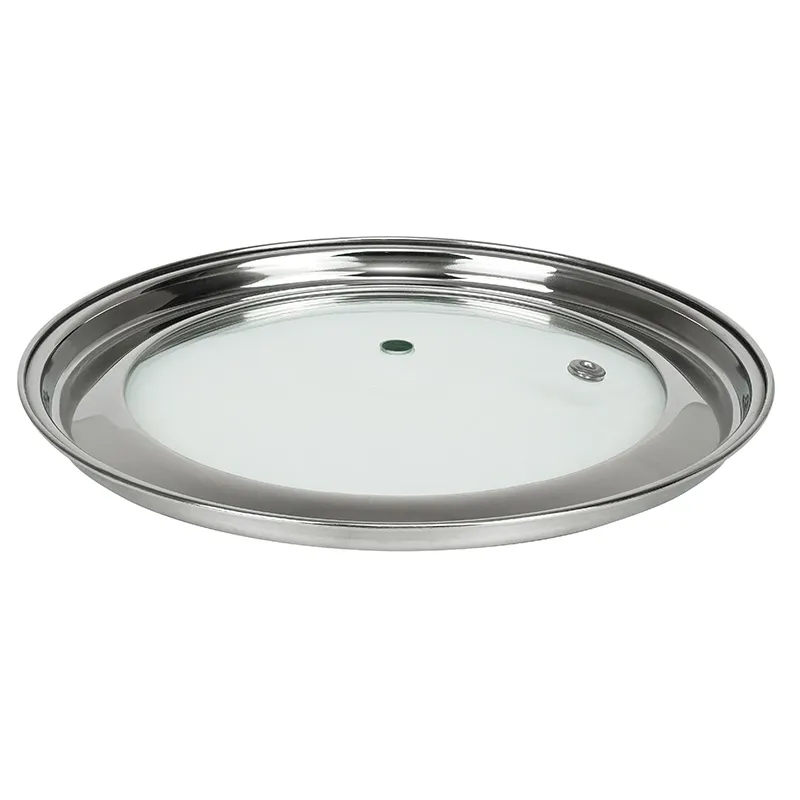
Let's talk about the handle. It's often an afterthought in descriptions, but it's a critical stress point and a safety feature. Plastic, metal, or phenolic resin? Each has trade-offs. Plastic can degrade and feel cheap. Metal gets too hot. Phenolic resin is often the best balance—heat-resistant and durable. The bonding method is key: over-molding, adhesive, or mechanical fastener? A poorly bonded handle is a liability. I've seen handles detach when a user goes to lift a hot lid, which is a dangerous and messy scenario.
From inspecting samples that trace back to major manufacturing hubs like Shandong, the over-molded phenolic handle seems to be the industry standard for mid-to-high-end products. The process involves molding the resin directly onto a pre-formed glass knob or anchor point, creating a solid mechanical and chemical bond. EUR-ASIA's capability to produce low- medium- high level products likely means they offer different handle solutions based on the price point and market. The high-level ones probably use this over-mold technique for superior durability.
Another nuance is the handle's height. Too low, and it's hard to grip with oven mitts. Too high, and it becomes awkward to store. It also affects the lid's balance when placed upside down on a counter. These are the kinds of ergonomic details that come from feedback loops with clients and end-users, something a company with a long export history would have accumulated.
Beyond the Pot: Real-World Longevity and Sourcing
So, what's the real lifespan of a well-made glass lid for crock pot? In a commercial kitchen setting, with daily use, we've seen quality lids last 3-5 years before showing signs of wear like minor scratching or a slightly loosened handle. In a home setting, it could be a decade or more. The failure is rarely catastrophic; it's usually a gradual decline in performance or aesthetics.
For businesses looking to source, the decision often comes down to consistency and communication. A supplier's ability to provide detailed material datasheets, tolerance reports, and pass relevant food safety and thermal shock tests (like ASTM C149) is paramount. The company profile of EUR-ASIA COOKWARE CO.,LTD indicates they're structured for this kind of B2B engagement. Their focus on exports means they're accustomed to meeting various international standards, which is a significant advantage.
In the end, the humble glass lid is a testament to applied material science and practical design. It's not a commodity. The difference between a good one and a great one lies in the millimeters of curvature, the quality of the temper, and the understanding of what happens inside a simmering pot over eight hours. It's one of those components where good design becomes invisible—it just works, meal after meal. And that's the goal.
Related Products
Related Products