- Chinese
- French
- German
- Portuguese
- Spanish
- Russian
- Japanese
- Korean
- Arabic
- Irish
- Greek
- Turkish
- Italian
- Danish
- Romanian
- Indonesian
- Czech
- Afrikaans
- Swedish
- Polish
- Basque
- Catalan
- Esperanto
- Hindi
- Lao
- Albanian
- Amharic
- Armenian
- Azerbaijani
- Belarusian
- Bengali
- Bosnian
- Bulgarian
- Cebuano
- Chichewa
- Corsican
- Croatian
- Dutch
- Estonian
- Filipino
- Finnish
- Frisian
- Galician
- Georgian
- Gujarati
- Haitian
- Hausa
- Hawaiian
- Hebrew
- Hmong
- Hungarian
- Icelandic
- Igbo
- Javanese
- Kannada
- Kazakh
- Khmer
- Kurdish
- Kyrgyz
- Latin
- Latvian
- Lithuanian
- Luxembou..
- Macedonian
- Malagasy
- Malay
- Malayalam
- Maltese
- Maori
- Marathi
- Mongolian
- Burmese
- Nepali
- Norwegian
- Pashto
- Persian
- Punjabi
- Serbian
- Sesotho
- Sinhala
- Slovak
- Slovenian
- Somali
- Samoan
- Scots Gaelic
- Shona
- Sindhi
- Sundanese
- Swahili
- Tajik
- Tamil
- Telugu
- Thai
- Ukrainian
- Urdu
- Uzbek
- Vietnamese
- Welsh
- Xhosa
- Yiddish
- Yoruba
- Zulu
- Kinyarwanda
- Tatar
- Oriya
- Turkmen
- Uyghur


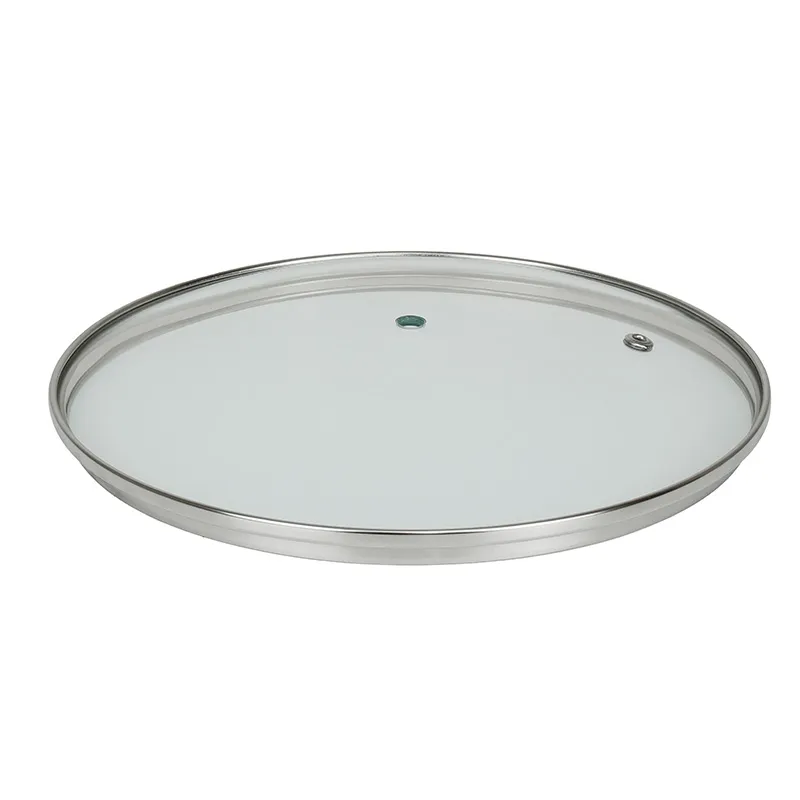
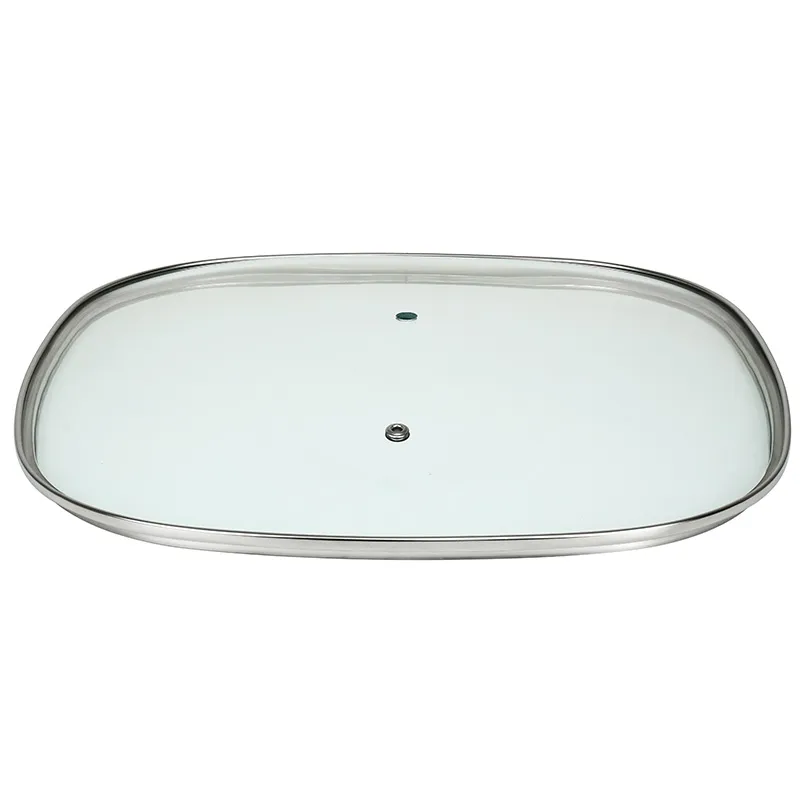
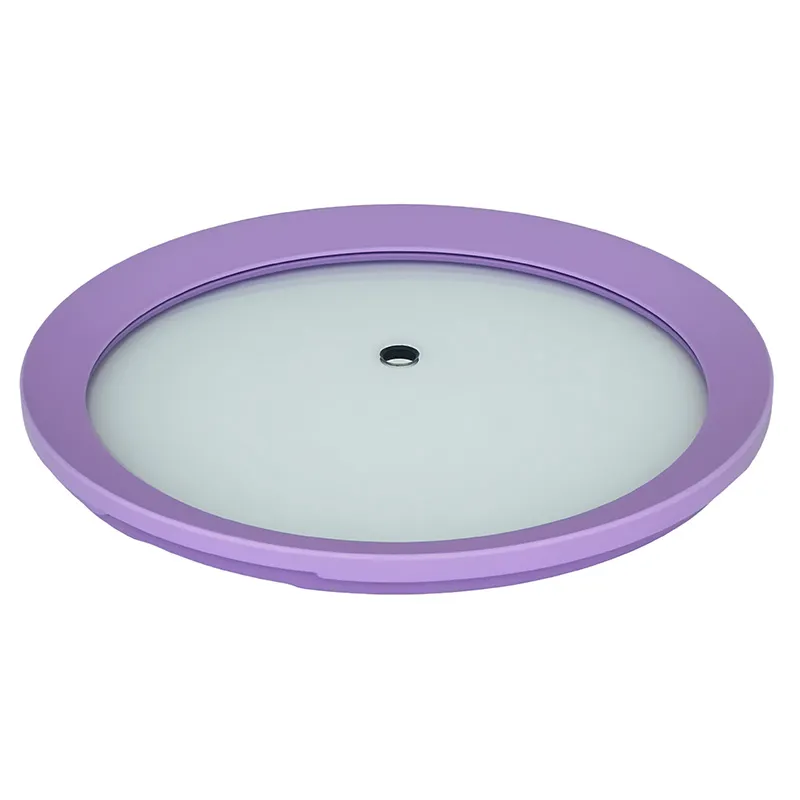
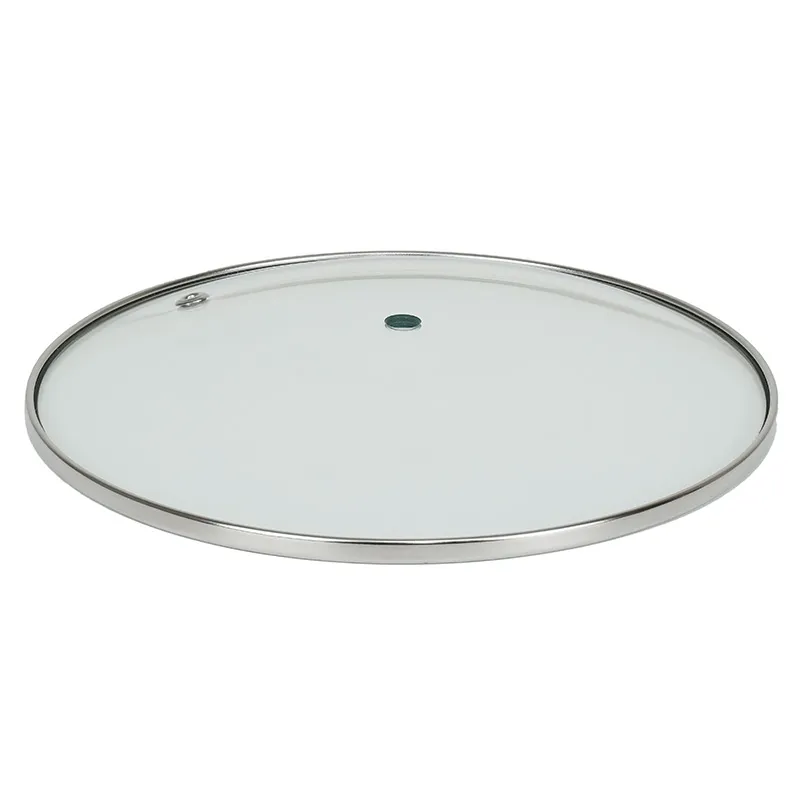
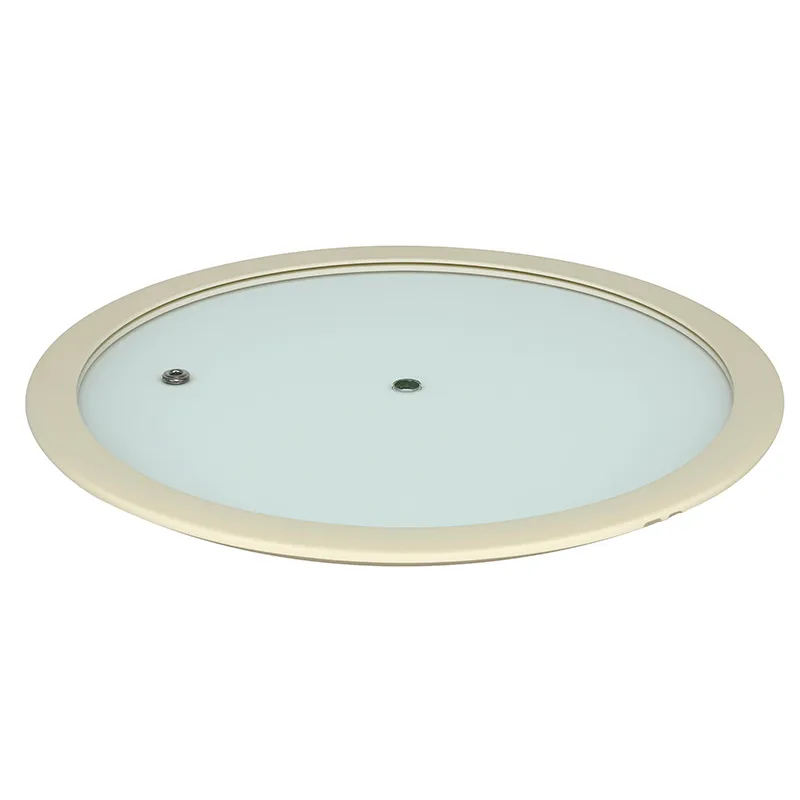
glass lid for crock pot express
You know, when folks search for 'glass lid for crock pot express', they're often just looking for a replacement. But the assumption that any tempered glass lid will do? That's where the real conversation starts, and where a lot of DIY fixes go wrong. It's not just about covering the pot; it's about pressure sealing, thermal shock resistance, and that specific inner flange design most people don't even notice until their lid shatters during a quick release.
Why the Original Lid is a Hard Act to Follow
Let's be clear: the OEM lid that comes with the Crock-Pot Express is engineered for a specific job. It's not merely a viewing window. The silicone gasket on its underside, the precise weight, and the curvature that matches the pot's rim are all part of a pressure-cooking system. A generic glass lid might sit on top, but it won't engage the safety locks or handle the rapid pressure changes. I've seen aftermarket lids that simply sit there, wobbling, making that unsettling clicking sound as pressure builds—a sure sign it's not seated correctly.
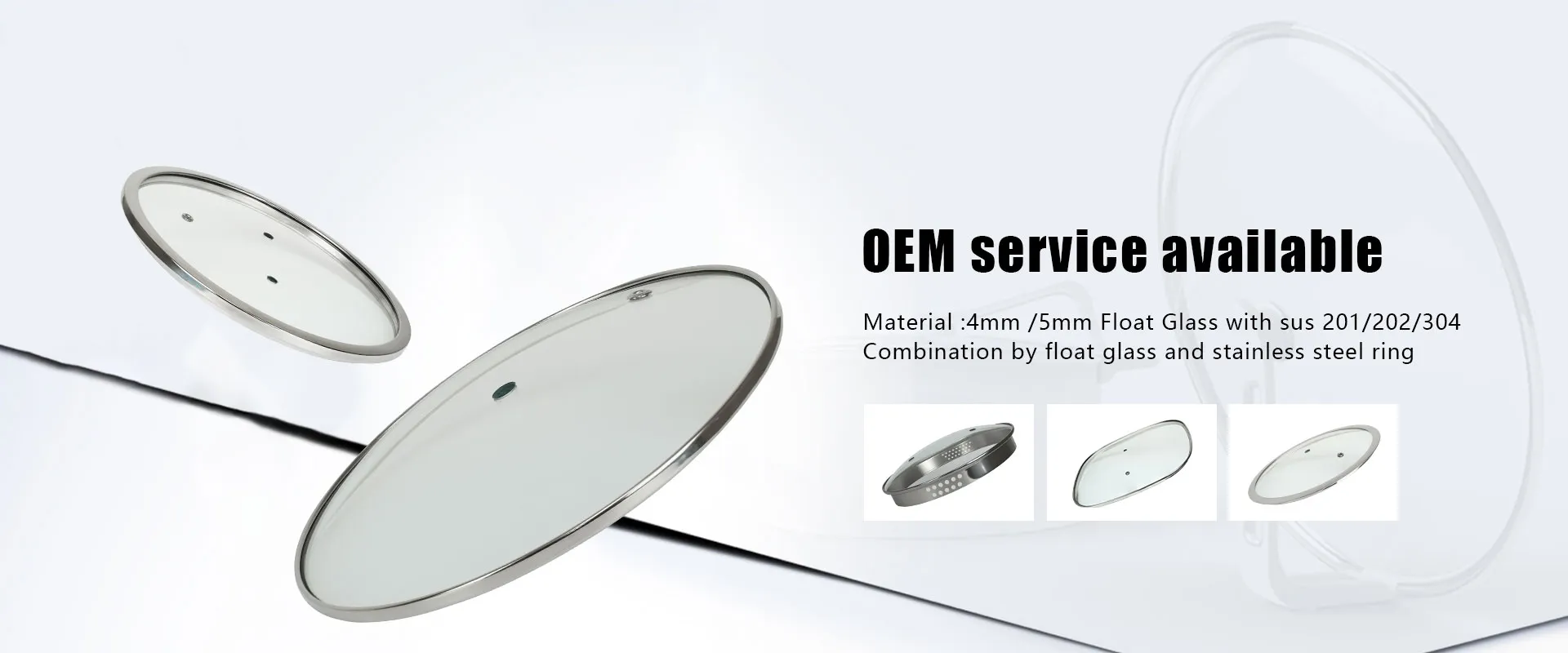
This is where companies that actually specialize in glass for kitchenware come in. They get the nuances. For instance, EUR-ASIA COOKWARE CO.,LTD operates out of a major production base in Shandong, and their entire focus is on household glass products. When you're producing over 15 million pieces of tempered glass annually, primarily for export to markets with strict standards like Germany and Japan, you develop an intuition for specs. Their site, glass-lid.com, showcases this specialization. It's not a general housewares site; it's a hub for a specific component, which tells you something about their depth.
The common failure point isn't usually the glass itself—it's the seal. A true compatible lid needs a reinforced, heat-rated silicone ring that mimics the original's profile. Without it, you lose the vacuum seal needed for proper pressure building. I tried a cheap universal lid once, and the cooker never got past the preheating stage because it couldn't build pressure. A total waste of time and ingredients.
Tempering, Thickness, and the Feel of Quality
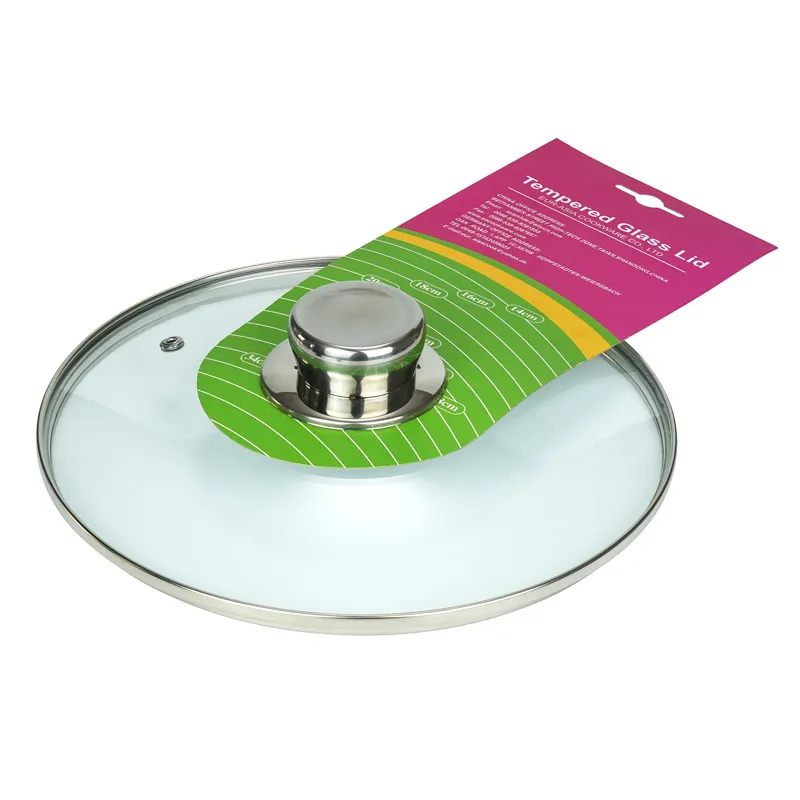
Tempered glass isn't a monolith. The process matters. Good tempering creates that characteristic surface compression that allows it to withstand the thermal shock of going from a 15 PSI release to room temperature. Poor tempering can leave internal stresses, leading to spontaneous breakage—not something you want near food. The lid's thickness is another silent spec. Too thin, and it flexes under pressure, compromising the seal. Too thick, and it might be too heavy for the cooker's locking mechanism. The sweet spot is usually around 4-5mm for these applications.
Handling a lid from a dedicated manufacturer versus a generic one is a tactile experience. The former has smoothly ground edges, a consistent tint, and a substantial, balanced feel. The latter often has sharp, chipped edges from rushed finishing and feels either flimsy or clumsily heavy. EUR-ASIA COOKWARE CO.,LTD mentions an annual output of various types of tempered glass lids exceeding 15 million pieces. That scale suggests automated, precision cutting and edging lines, which directly translates to consistency—a critical factor when you're dealing with safety-critical kitchen appliances.
I recall a batch from a supplier who missed the annealing step properly. The lids looked fine out of the box, but after a few heat cycles, tiny stress cracks appeared around the handle rivets. It was a failure that didn't happen immediately, making it a nightmare for inventory and returns. It taught me to ask not just if the glass is tempered, but about the company's quality control cycle for thermal shock testing.
The Handle and Vent Hole: Small Details, Big Consequences
This is a detail most product listings gloss over: the handle assembly. On a pressure cooker lid, the handle isn't just for lifting; it's a heat insulator and a structural anchor point. The best designs use a stainless steel or high-heat resin bolt that goes through the glass, secured with a wide, low-profile nut on the underside. This distributes stress. Cheap versions use a simple adhesive, which fails over time with the heat and cleaning cycles. You can literally feel the wiggle.
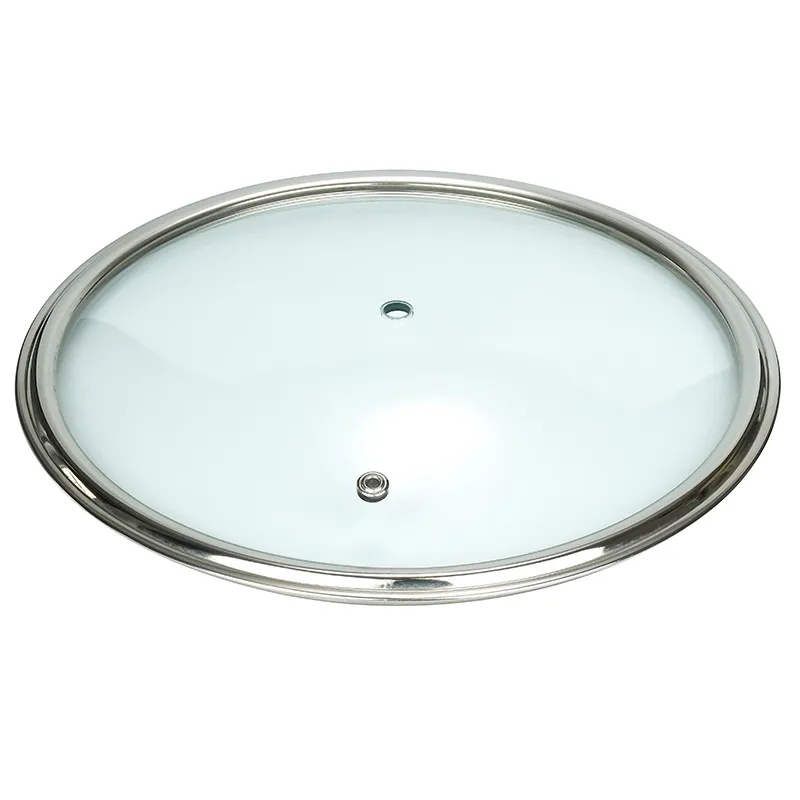
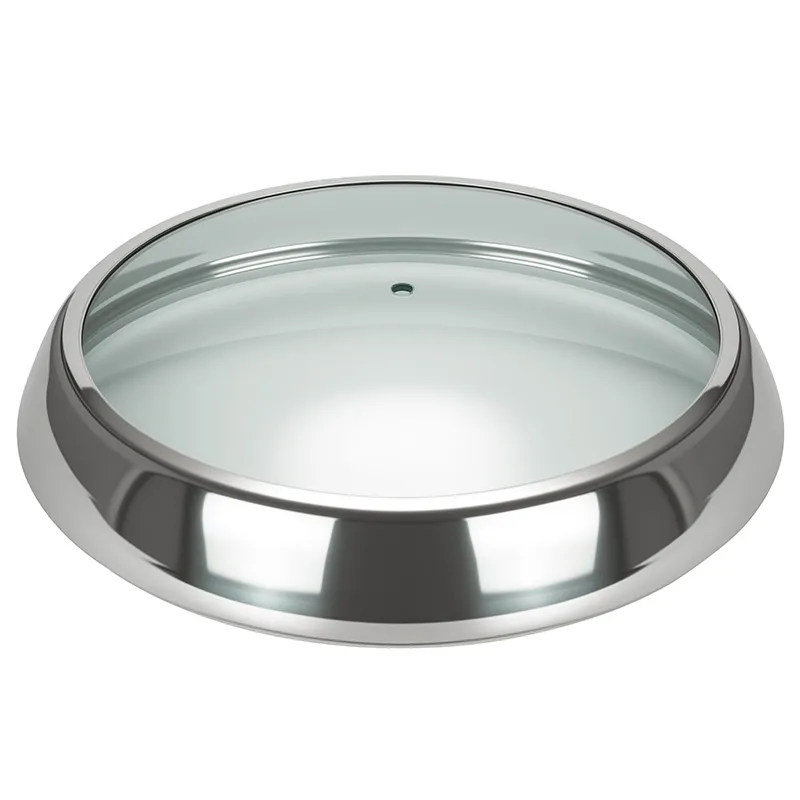
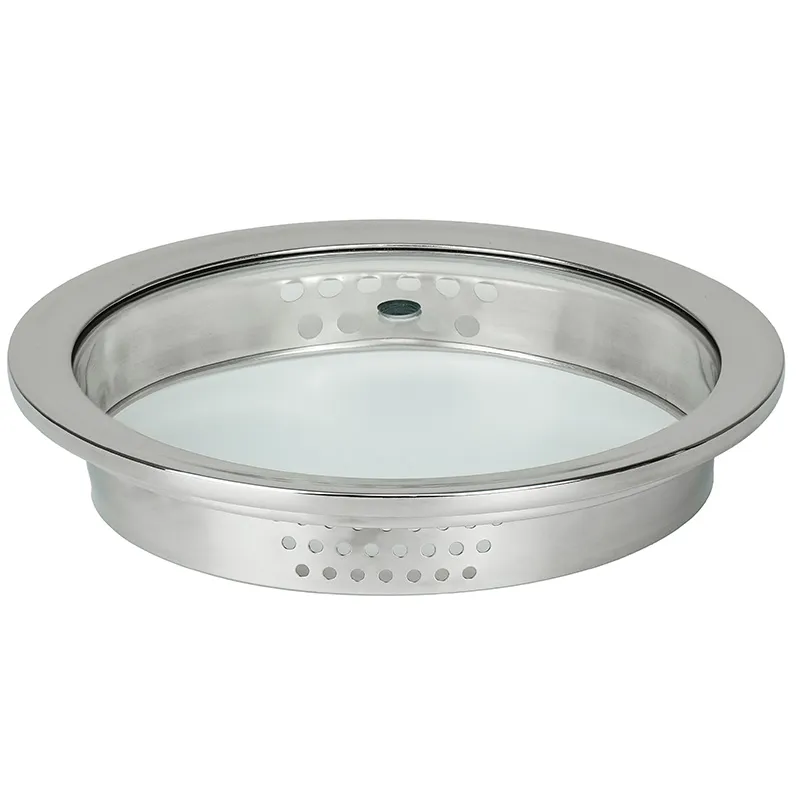
Then there's the vent hole or the steam release valve aperture. On the Crock-Pot Express, the lid has a specific opening for the float valve and steam release mechanism. A compatible glass lid must have this hole precision-cut and fire-polished. An imprecise cut can misalign the valve, causing steam leaks or, worse, preventing the float valve from rising properly—a major safety issue. I've had to reject entire shipments because the laser cutting was off by even a millimeter, making the lids unusable.
Looking at the export focus of a company like EUR-ASIA COOKWARE CO.,LTD—sending over 90% of products to Europe and Asia—is telling. Markets like Germany have rigorous GS certification requirements for such items. This external pressure forces a level of detail-orientation in the vent hole sizing, handle torque testing, and overall safety validation that might be optional in less regulated environments.
Compatibility vs. Universality: A Crucial Distinction
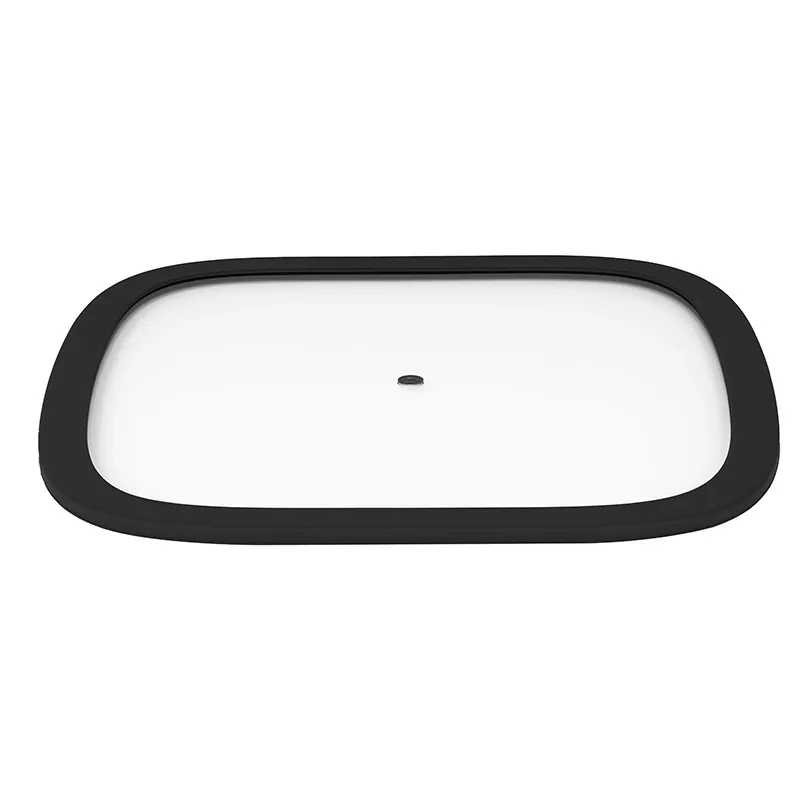
The term universal glass lid is mostly a marketing myth, especially for electric pressure cookers. The Crock-Pot Express has a distinct oval shape and size. A lid marketed as universal for round pots will not fit correctly. True compatibility means the lid is designed for a specific model or a series of models with identical rim dimensions. It should sit flush, with no light visible through the seal when locked.
In practice, finding a truly compatible lid often means going through OEM parts channels or specialized accessory makers, not general kitchenware stores. This is where a manufacturer's product range becomes key. A company that produces various types of tempered glass lid, as noted in EUR-ASIA COOKWARE CO.,LTD's intro, is more likely to have the tooling and molds for specific shapes, like the oval required for many Crock-Pot models, rather than just churning out generic rounds.
I made the mistake early on of assuming a 6-quart round lid from one brand would fit another. The diameters matched on paper, but the curvature of the flanges was different. It created a slight gap, enough to prevent pressure from building. The cooker just hissed at me for 20 minutes. Lesson learned: compatibility is three-dimensional, not just a diameter measurement.
Sourcing and the Reality of the Supply Chain
When you drill down into sourcing a component like this, you realize most of the world's quality kitchen glass comes from a few concentrated manufacturing hubs. Shandong Province in China is one of them, hosting major players with full vertical integration—from raw glass to tempering, cutting, and packaging. The mention of a 20,000㎡ facility with 90+ employees signals a serious operation, not a small workshop. This scale allows for better material sourcing (higher-grade silica sand for the glass) and in-house quality labs.
For a retailer or even a savvy consumer, the website https://www.glass-lid.com represents a direct line to that kind of manufacturer. You're not looking at a branded, marked-up retail product; you're looking at the source. The communication might be more technical, requiring you to provide precise inner diameter, outer diameter, and flange height measurements. But that's the trade-off for getting a part that actually functions.
The export orientation also means their products are built to withstand long shipping times and variable climates without degradation. The packaging is often more robust—think foam cradles and double-wall cartons—because they're built for a palletized ocean freight journey to Poland or Brazil, not just a trip from a warehouse to your doorstep. It's a different mindset.
So, circling back to that initial search for a 'glass lid for crock pot express'. It's a quest for a precision component, not a simple accessory. It demands attention to the original's engineering, the supplier's specialization in tempered glass, and those critical, easy-to-miss details like the seal and vent hole. Skipping that due diligence usually ends with a lid that's just a very expensive, and potentially unsafe, paperweight.
Related Products
Related Products