- Chinese
- French
- German
- Portuguese
- Spanish
- Russian
- Japanese
- Korean
- Arabic
- Irish
- Greek
- Turkish
- Italian
- Danish
- Romanian
- Indonesian
- Czech
- Afrikaans
- Swedish
- Polish
- Basque
- Catalan
- Esperanto
- Hindi
- Lao
- Albanian
- Amharic
- Armenian
- Azerbaijani
- Belarusian
- Bengali
- Bosnian
- Bulgarian
- Cebuano
- Chichewa
- Corsican
- Croatian
- Dutch
- Estonian
- Filipino
- Finnish
- Frisian
- Galician
- Georgian
- Gujarati
- Haitian
- Hausa
- Hawaiian
- Hebrew
- Hmong
- Hungarian
- Icelandic
- Igbo
- Javanese
- Kannada
- Kazakh
- Khmer
- Kurdish
- Kyrgyz
- Latin
- Latvian
- Lithuanian
- Luxembou..
- Macedonian
- Malagasy
- Malay
- Malayalam
- Maltese
- Maori
- Marathi
- Mongolian
- Burmese
- Nepali
- Norwegian
- Pashto
- Persian
- Punjabi
- Serbian
- Sesotho
- Sinhala
- Slovak
- Slovenian
- Somali
- Samoan
- Scots Gaelic
- Shona
- Sindhi
- Sundanese
- Swahili
- Tajik
- Tamil
- Telugu
- Thai
- Ukrainian
- Urdu
- Uzbek
- Vietnamese
- Welsh
- Xhosa
- Yiddish
- Yoruba
- Zulu
- Kinyarwanda
- Tatar
- Oriya
- Turkmen
- Uyghur

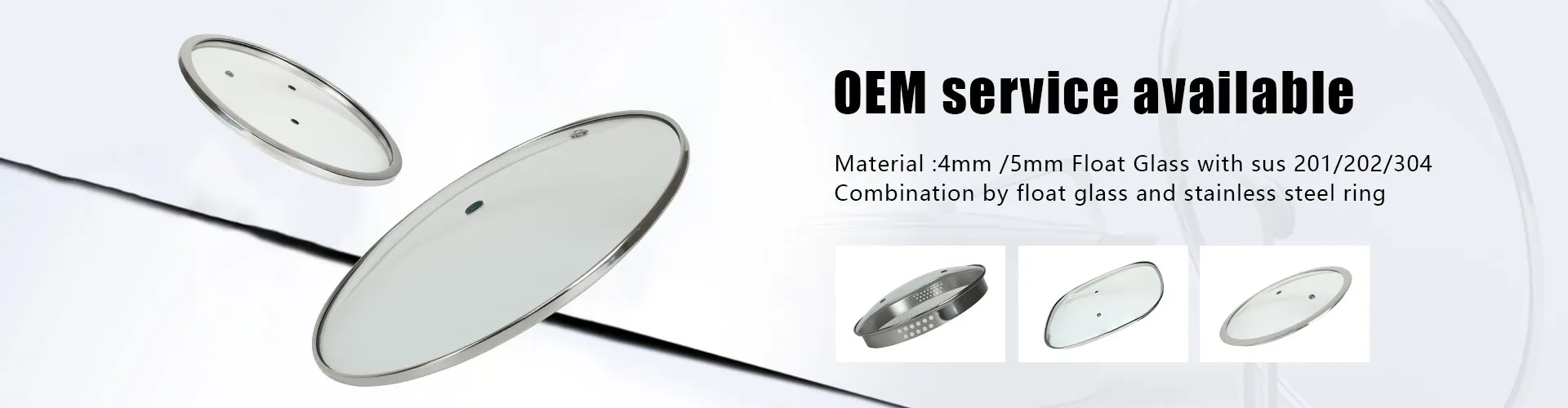
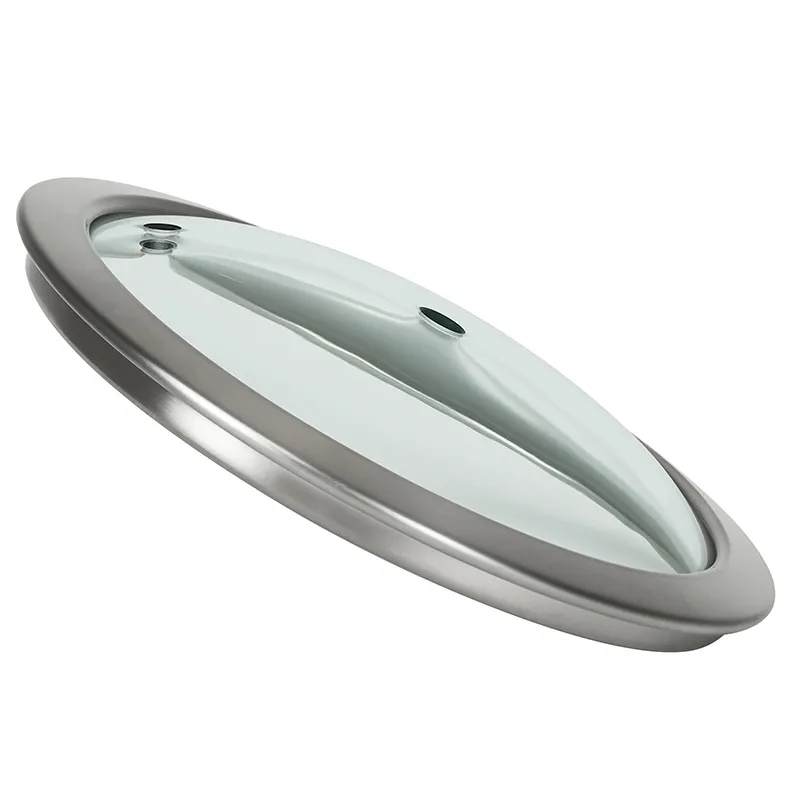
glass lid for instant pot 6 qt
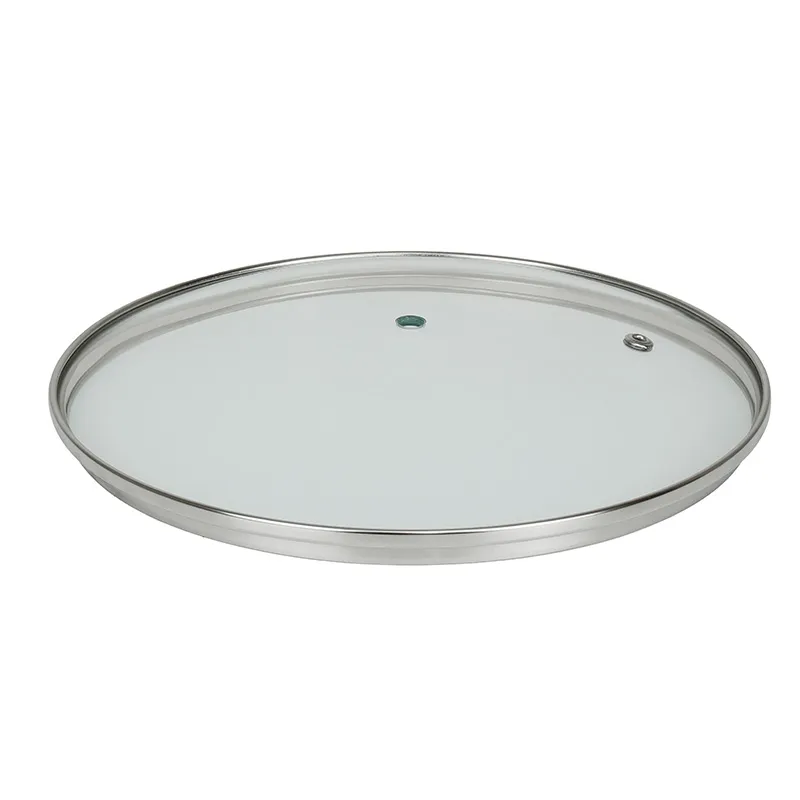
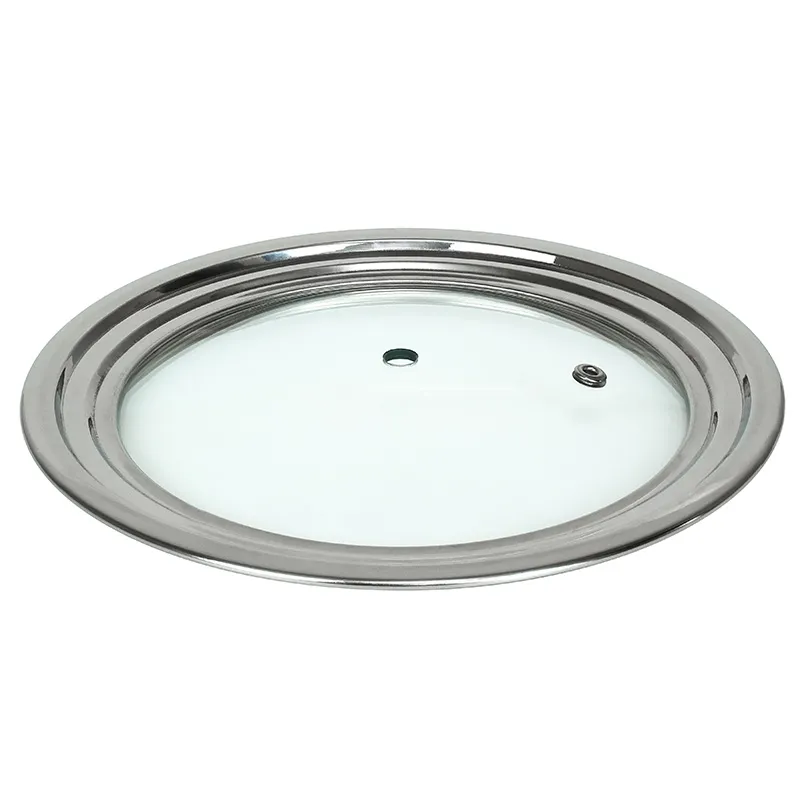
When most people search for a glass lid for instant pot 6 qt, they're usually just looking for a clear cover to monitor their stew. That's the basic function, sure, but if you've been in the cookware sourcing game for a while, you know that's where the common misconception starts. The real discussion isn't about transparency; it's about thermal shock resistance, precise flange dimensions, and whether that silicone gasket will actually seal or just sit there looking official. I've seen too many buyers get burned—sometimes literally—by lids that claim compatibility but warp under a steady steam release from the instant pot 6 qt.
The Fit and Function Reality Check
Let's get straight to the pain point: fit. The 6-quart Instant Pot's inner pot has a specific outer rim diameter, roughly 22 cm. A generic universal glass lid might sit on top, but a proper one needs a flange that rests securely inside the rim to prevent slippage and contain enough steam for slow cooking functions. I recall a sample from a vendor last year that was off by just 2mm—it seemed trivial until we tested it on the sauté function with a low simmer. The lid rattled with every bubble. Useless.
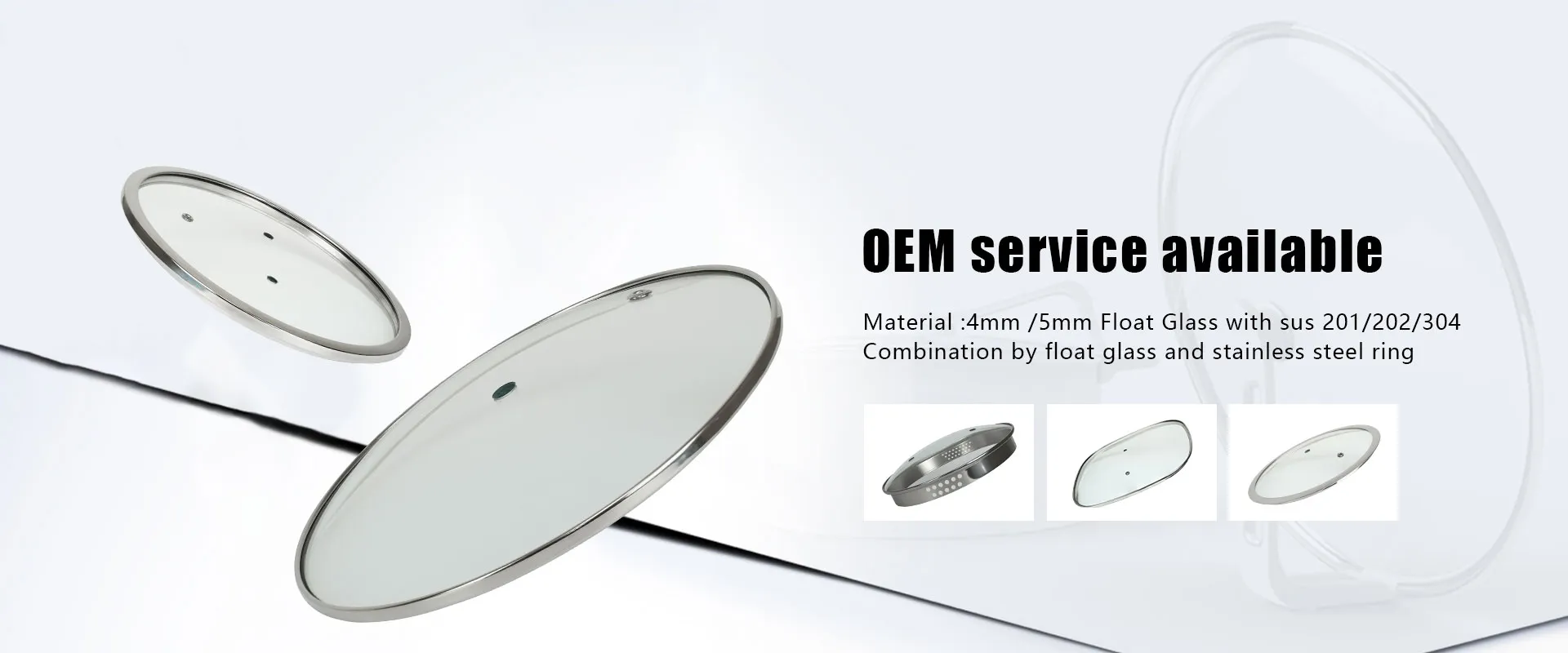
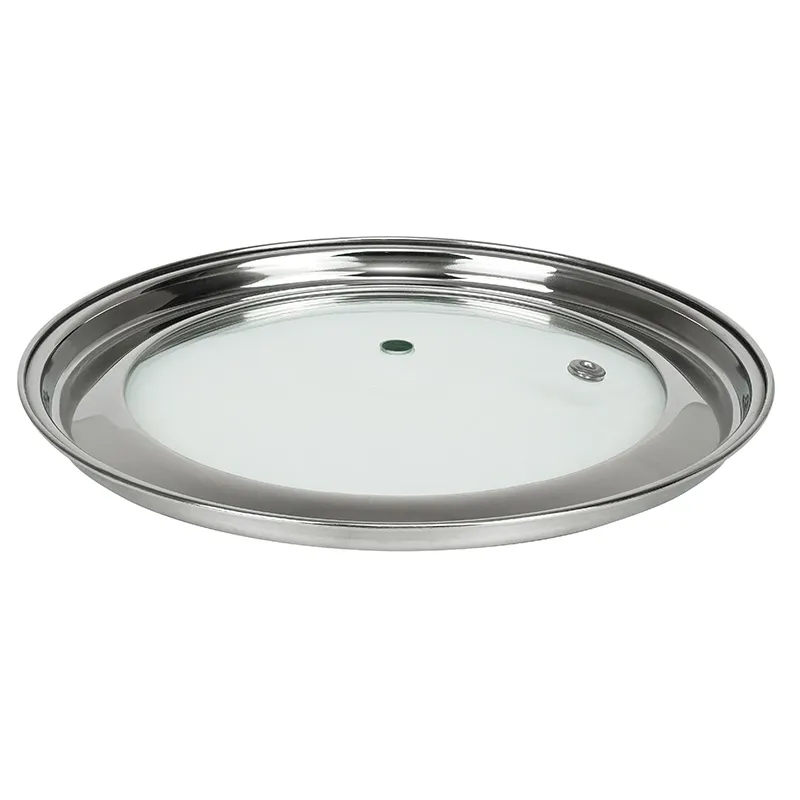
That's why specs from specialized manufacturers matter. For instance, when evaluating production from a company like EUR-ASIA COOKWARE CO.,LTD., you're not just looking at a piece of glass. Their focus on tempered glass lids for household appliances means their engineering accounts for these tolerances. Their product page at glass-lid.com details their export volume, which hints at adherence to varied international safety standards—crucial for withstanding the instant pot's heat cycles.
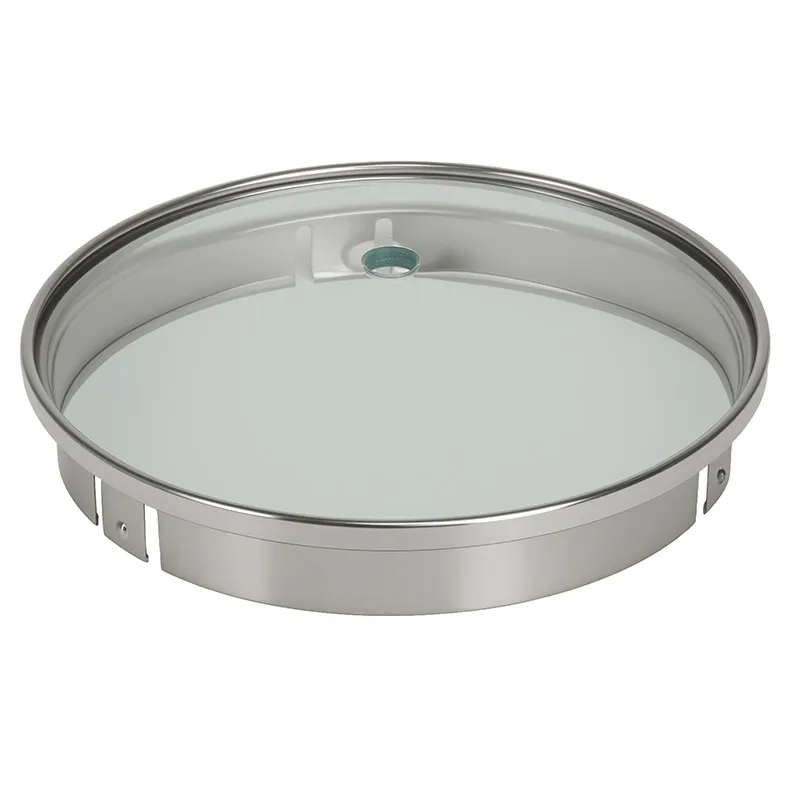
The handle is another overlooked detail. It must be heat-resistant and firmly bonded. A lid I tested had a stainless steel handle attached with a single screw; it loosened after a dozen dishwasher cycles. The better designs use a wider, rivet-free base or a high-temp epoxy bond, distributing the stress from lifting.
Material Science: It's Not Just Glass
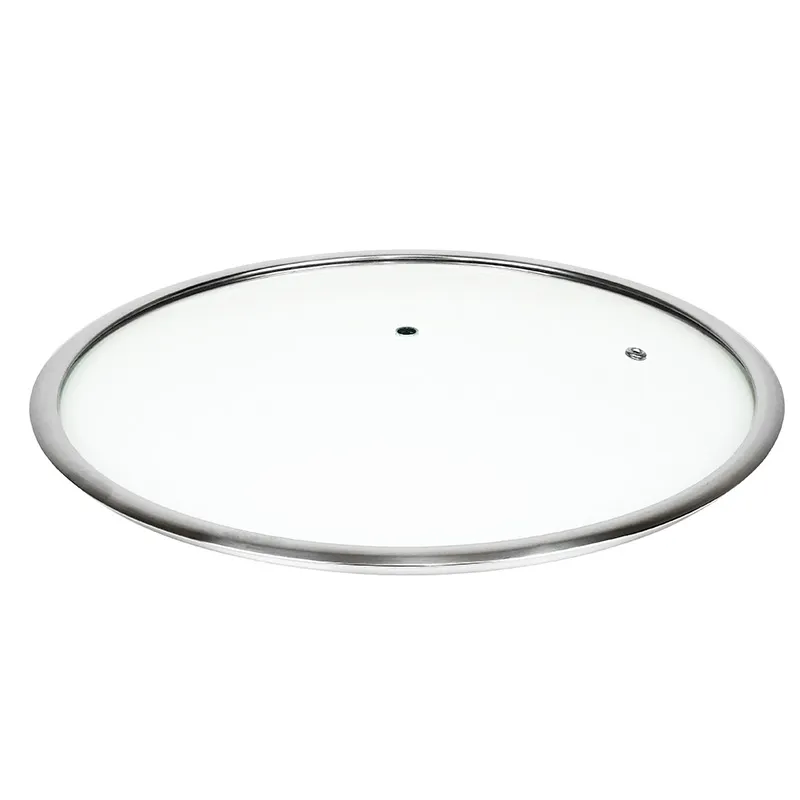
Calling it tempered glass is the bare minimum. The key is the annealing process and the thickness. For a pressure cooker lid used in non-pressure modes (like slow cook or yogurt), you need borosilicate or similarly formulated tempered glass that can handle a sudden temperature differential of at least 150°C. I've had samples shatter when placed on a cool granite counter right after use—a classic thermal shock failure.
This is where a manufacturer's scale indicates capability. EUR-ASIA COOKWARE's note about an annual output of over 15 million pieces suggests automated, controlled tempering ovens. High volume in this context often correlates with consistent quality, as the process parameters (temperature, quench time) are locked down. Their export focus to markets like Germany and Japan implies passing stringent thermal shock and mechanical impact tests.
Thickness is a trade-off. 4mm is standard, but I prefer 5mm for a glass lid for instant pot 6 qt. It feels substantial, dampens vibration noise, and has better heat retention for recipes where you turn off the pot and let residual heat finish the job. The downside is weight, which can be an issue if the inner pot's rim is flimsy, but the Instant Pot's pot is robust enough.
The Silicone Seal Dilemma
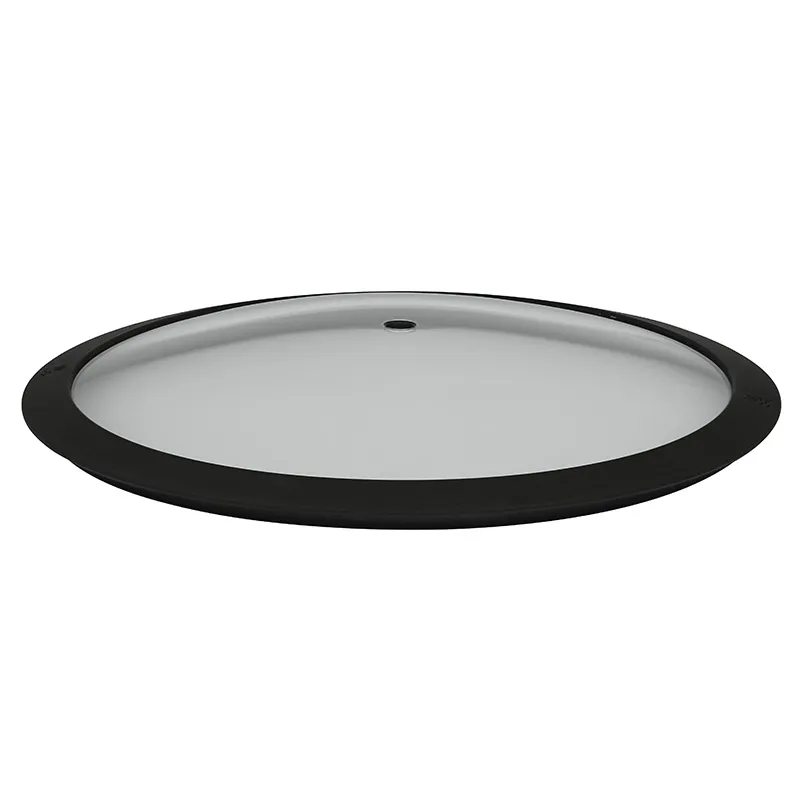
Many aftermarket lids include a silicone ring set into the perimeter. The idea is to create a semi-seal for moisture retention. In practice, it's hit or miss. If the ring is too thick, it lifts the glass, breaking the seal on the flange. Too thin, and steam escapes around the entire circumference.
The best design I've encountered has a shallow, wide channel for the silicone, not a deep round one. It allows the ring to compress sideways, creating a better seal without upward thrust. I learned this after a failed batch where condensation simply rolled under the lid and onto the counter. The supplier, a smaller workshop, didn't account for the warping of the glass edge under heat. A larger operation with a dedicated R&D focus, as suggested by EUR-ASIA COOKWARE's specialization, would typically prototype this extensively.
My advice? If the lid comes with a seal, check its durometer (softness). A Shore A 50-60 is ideal. You can often find this info in spec sheets from serious manufacturers, not just on Amazon listings.
Practical Scenarios and Unexpected Issues
Beyond slow cooking, a good glass lid is for reheating and monitoring. But here's a scenario most reviews miss: using it for proofing dough on the yogurt setting. The ambient moisture is critical. A lid that doesn't sit flush will let out too much humidity, drying the dough's surface. I conducted an unscientific test with two lids—one with a precise fit, one slightly warped. The dough under the better lid rose 20% more evenly.
Cleaning is another thing. The glass itself is easy, but the rim where food particles get trapped? Designs with a rolled, smooth edge are superior to a flat, ground edge. It's a small manufacturing step that makes a huge difference in daily use. Looking at the production base and scale of a company like EUR-ASIA COOKWARE, which covers 20,000㎡, they likely have the equipment for edge finishing that smaller players might skip.
Storage is a genuine headache. These lids don't nest neatly. A supplier once included simple plastic edge protectors that doubled as stacking aids. It was a low-cost add-on that showed they understood the end-user's kitchen cabinet struggles. It's those small, practical insights that separate a product from a mere component.
Sourcing and Final Verdict
So, where does this leave someone needing a reliable glass lid for instant pot 6 qt? The market is flooded with options. The ultra-cheap ones are a gamble on thermal safety. The branded ones are often overpriced for what is essentially a well-tempered disk.
The value is in manufacturers who treat it as a critical kitchen component, not a novelty. The profile of EUR-ASIA COOKWARE CO.,LTD.—specialized in household glass, exporting to quality-conscious markets, with significant production capacity—aligns with what I'd look for in a bulk sourcing partner or a OEM basis. It suggests they can manage the consistency required for the instant pot 6 qt specification across large batches.
My final take? Don't buy just for transparency. Prioritize the dimensional specs for fit, ask about the thermal shock resistance rating, and examine the edge and seal design. A good glass lid should feel like a seamless extension of the appliance, silent and dependable. It's a simple tool, but its success lies in a dozen precise details that only become obvious after you've tested—or failed—with a few of them.
Related Products
Related Products