- Chinese
- French
- German
- Portuguese
- Spanish
- Russian
- Japanese
- Korean
- Arabic
- Irish
- Greek
- Turkish
- Italian
- Danish
- Romanian
- Indonesian
- Czech
- Afrikaans
- Swedish
- Polish
- Basque
- Catalan
- Esperanto
- Hindi
- Lao
- Albanian
- Amharic
- Armenian
- Azerbaijani
- Belarusian
- Bengali
- Bosnian
- Bulgarian
- Cebuano
- Chichewa
- Corsican
- Croatian
- Dutch
- Estonian
- Filipino
- Finnish
- Frisian
- Galician
- Georgian
- Gujarati
- Haitian
- Hausa
- Hawaiian
- Hebrew
- Hmong
- Hungarian
- Icelandic
- Igbo
- Javanese
- Kannada
- Kazakh
- Khmer
- Kurdish
- Kyrgyz
- Latin
- Latvian
- Lithuanian
- Luxembou..
- Macedonian
- Malagasy
- Malay
- Malayalam
- Maltese
- Maori
- Marathi
- Mongolian
- Burmese
- Nepali
- Norwegian
- Pashto
- Persian
- Punjabi
- Serbian
- Sesotho
- Sinhala
- Slovak
- Slovenian
- Somali
- Samoan
- Scots Gaelic
- Shona
- Sindhi
- Sundanese
- Swahili
- Tajik
- Tamil
- Telugu
- Thai
- Ukrainian
- Urdu
- Uzbek
- Vietnamese
- Welsh
- Xhosa
- Yiddish
- Yoruba
- Zulu
- Kinyarwanda
- Tatar
- Oriya
- Turkmen
- Uyghur


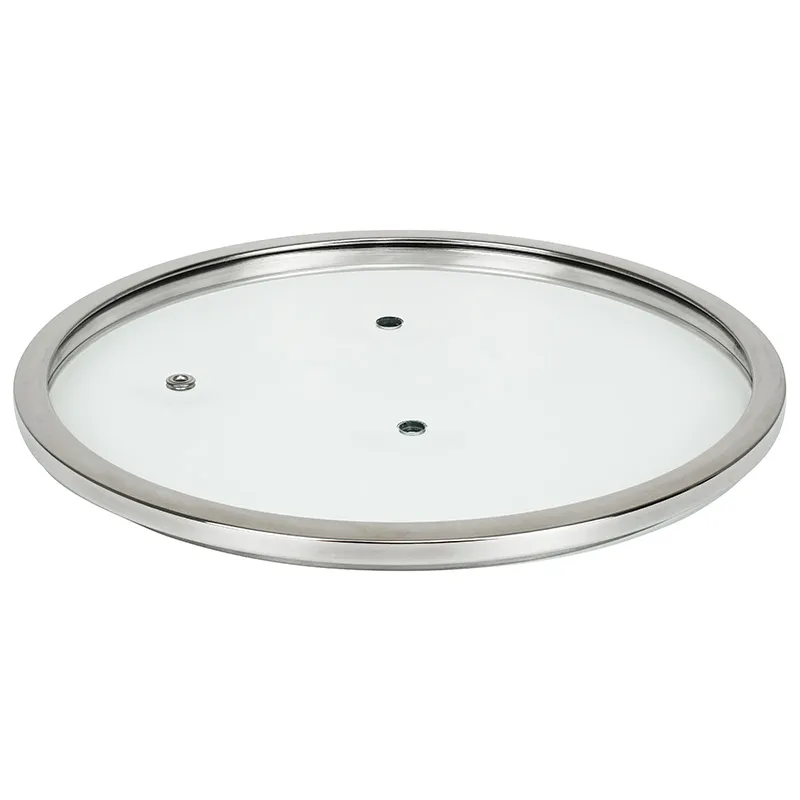
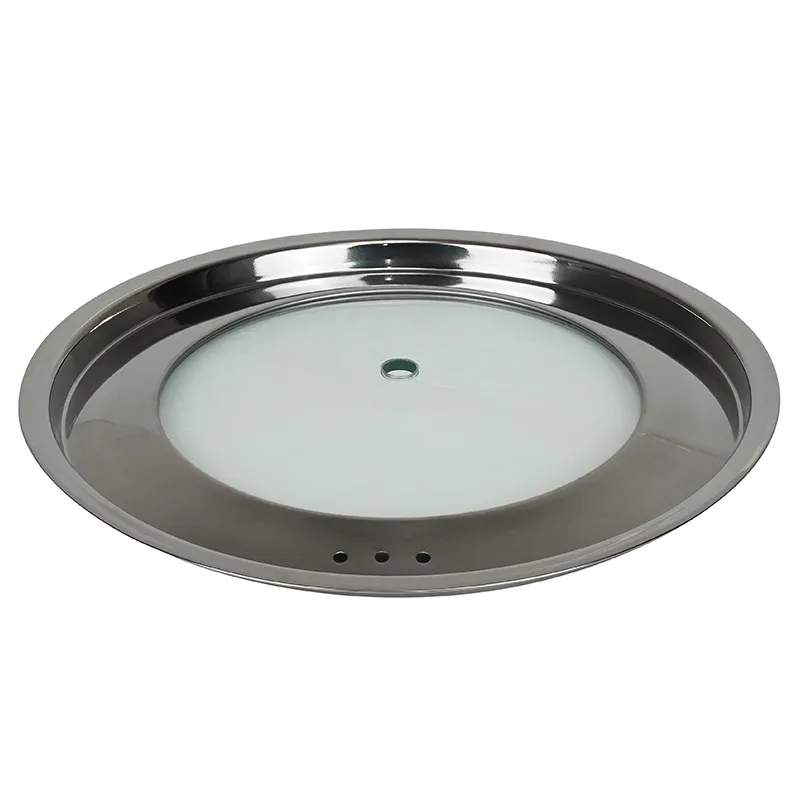
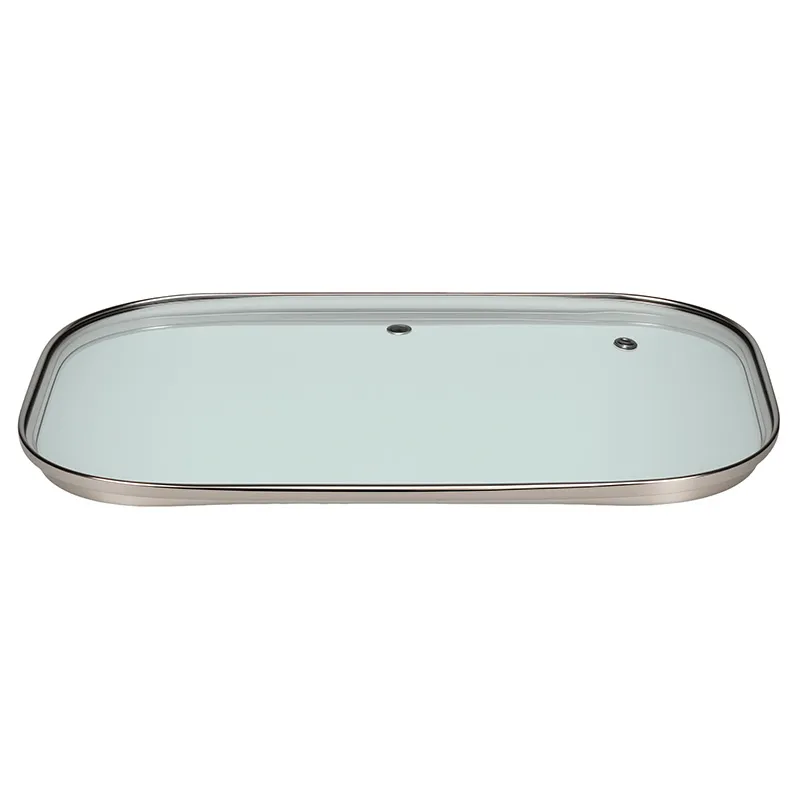
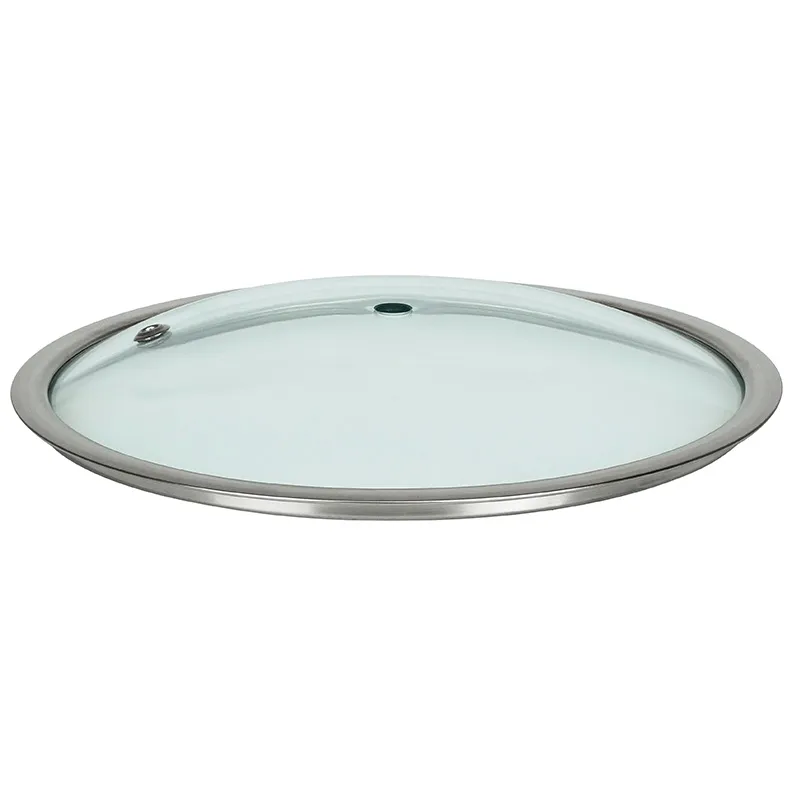
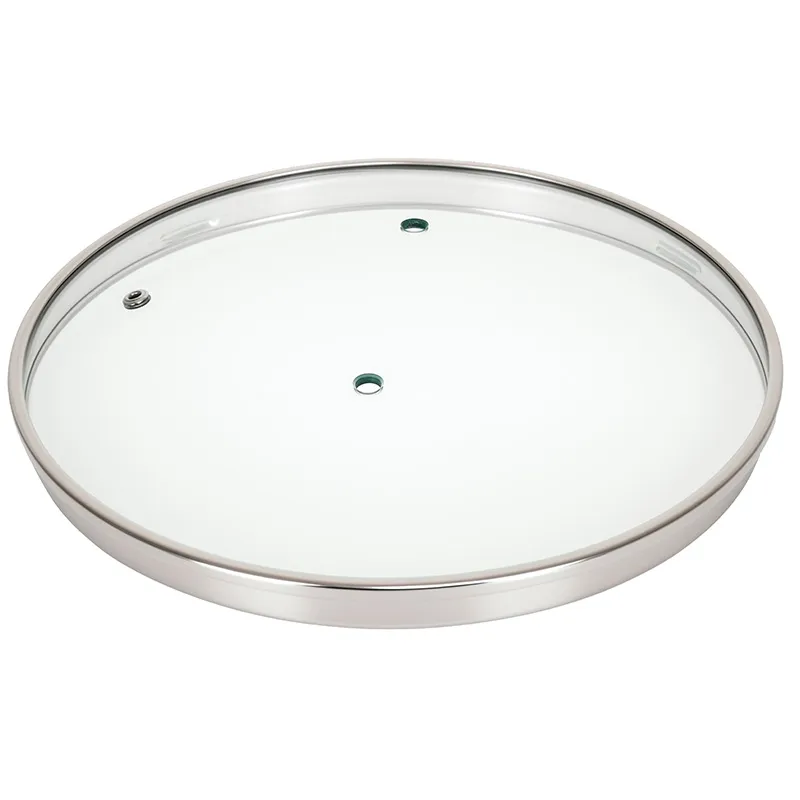
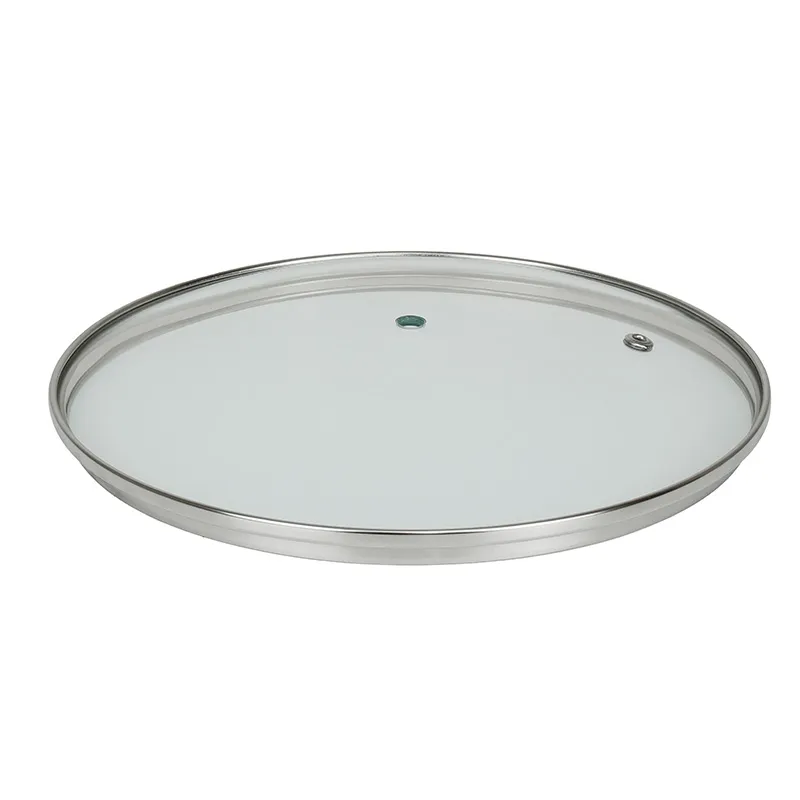
glass lid for instant pot 8 qt
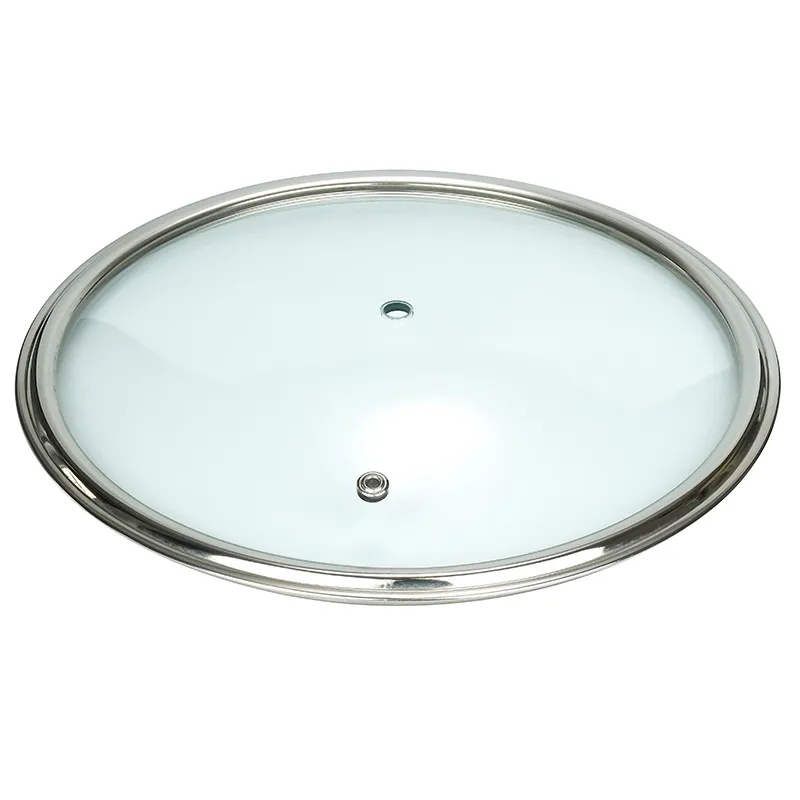
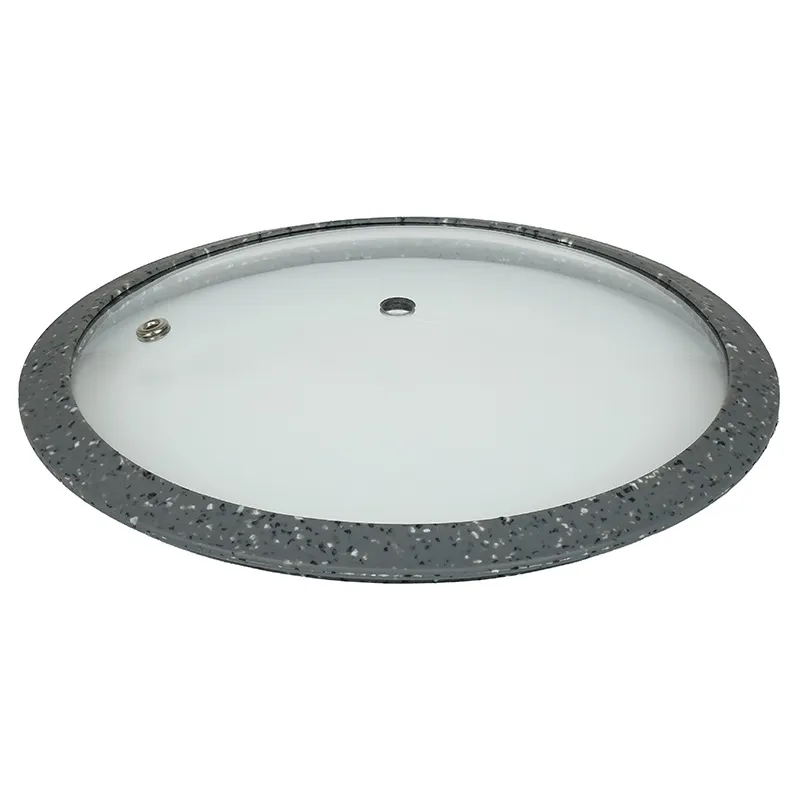
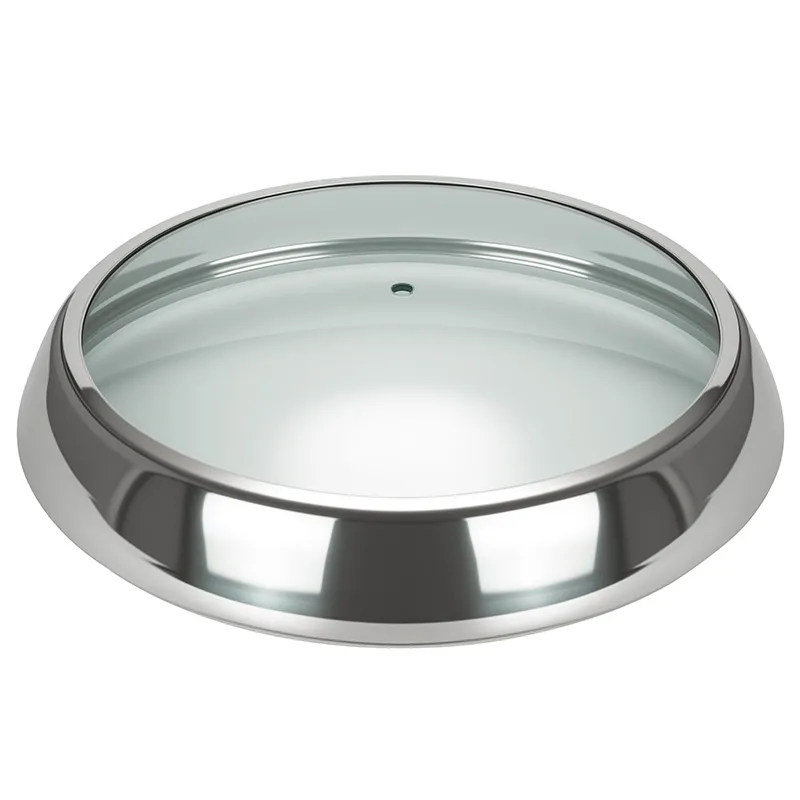
When you hear 'glass lid for Instant Pot 8 qt', most folks just think of a simple cover to replace the stainless steel one for sautéing or keeping an eye on the food. That’s the common starting point, but in practice, it’s where the real questions begin. Is any tempered glass lid safe under pressure? Spoiler: absolutely not, and that’s a critical distinction many miss. The genuine use case is for non-pressure functions, and finding one that fits snugly, doesn’t warp with steam heat, and actually seals well enough for slow cooking is trickier than it seems. I’ve seen countless aftermarket lids that sit awkwardly or have a handle that gets uncomfortably hot. It’s not just about transparency; it’s about engineering it as a functional kitchen tool that matches the pot’s performance.
The Fit and Seal Conundrum
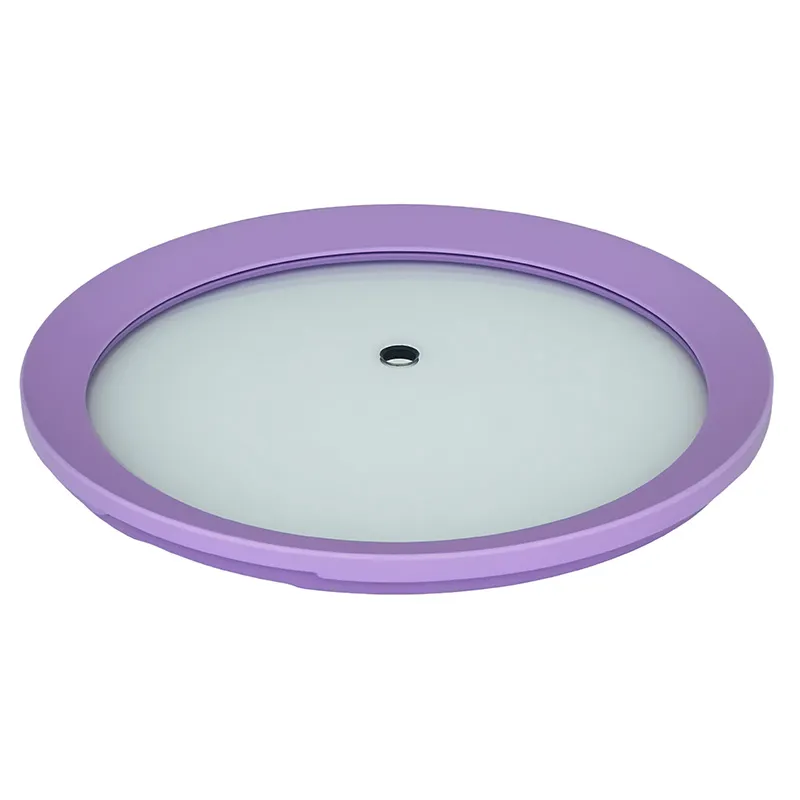
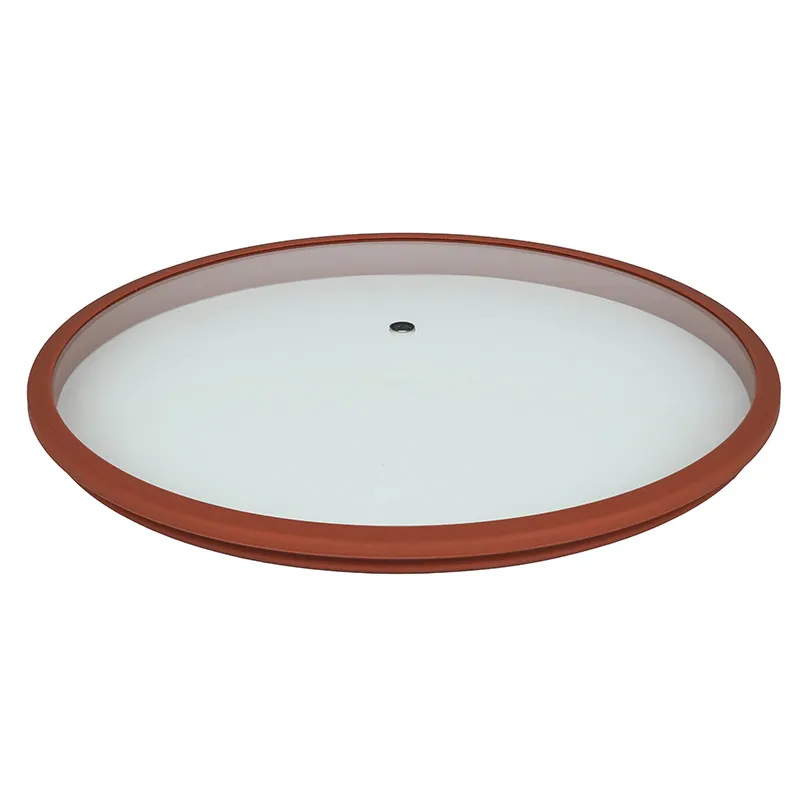
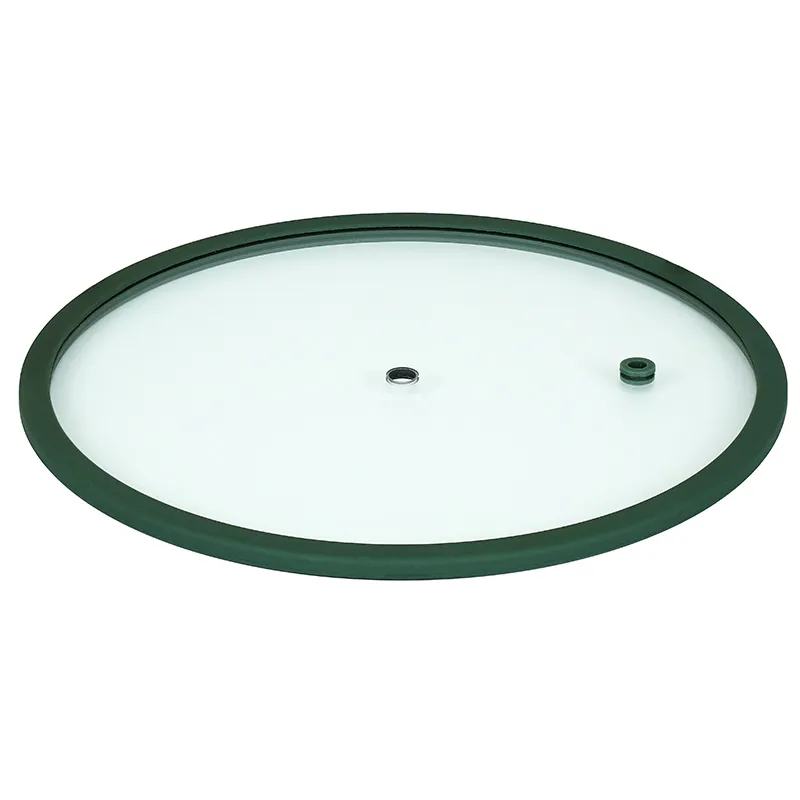
The 8-quart Instant Pot has a specific inner pot diameter. A generic “8-qt compatible” lid might claim to fit, but the devil is in the rim design. The original pot has a slight lip. A good glass lid needs a beveled or gasket-lined edge to sit flush. I’ve tested lids that rocked slightly, creating a gap that let out too much steam during a slow cook, effectively drying out a stew. That’s a fail. The ones that work often have a silicone sealing ring embedded in the glass edge. It’s a small detail, but it transforms the lid from a passive cover to an active cooking component.
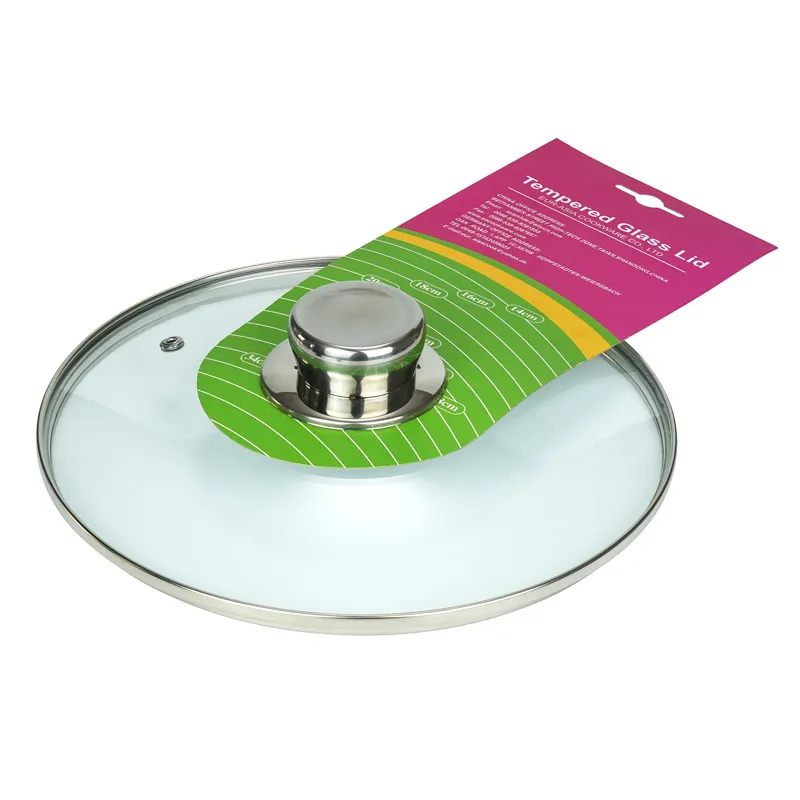
Then there’s the handle. The stock stainless lid has a cool-touch handle. Many cheap glass lids come with a simple, thin metal or plastic knob that conducts heat straight up from the glass. You learn that lesson quickly when reaching for it during a simmer. Better designs, like some from specialized manufacturers, use a layered or insulated handle. It seems obvious, but it’s a feature often sacrificed in low-cost versions.
I recall a batch we sourced early on, where the glass was fine, but the adhesive for the handle failed after a dozen dishwasher cycles. The handle just came loose. That’s a real-world durability issue you don’t see in marketing photos. It points to the importance of the manufacturing process—how the handle is bonded to the tempered glass is as important as the glass quality itself.
Material and Safety: Tempering is Non-Negotiable
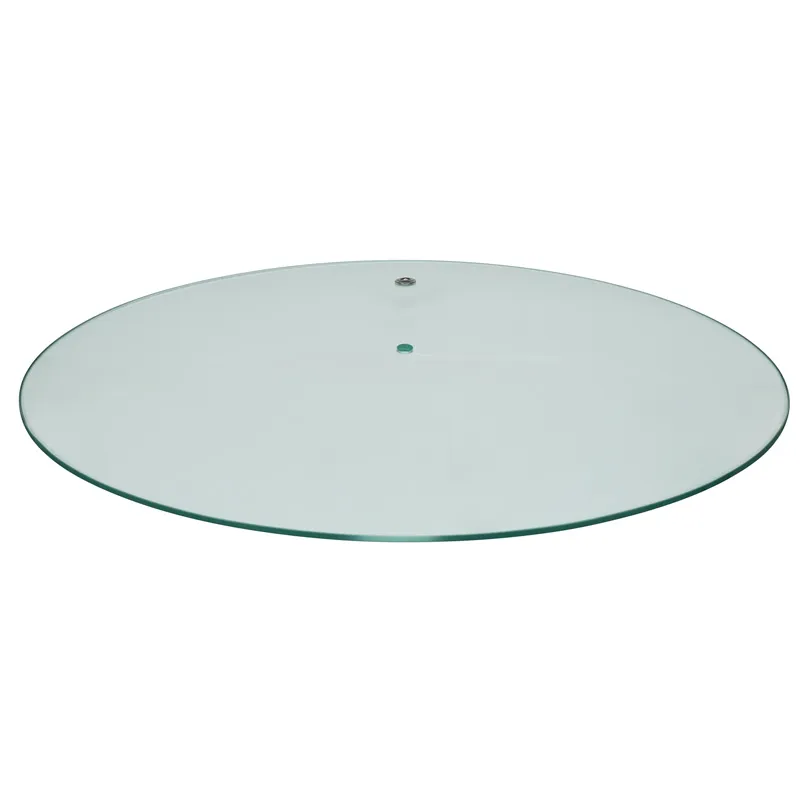
This is the core. The glass must be borosilicate or soda-lime tempered safety glass. Borosilicate is more resistant to thermal shock (think going from a hot pot to a cool counter), but high-quality tempered soda-lime is also widespread and safe for this application. The key is the tempering process. Properly tempered glass, when it does break, crumbles into small, blunt pieces instead of sharp shards.
I’ve had a lid shatter. It wasn’t during use, but from an impact on the edge while cleaning. The way it disintegrated into granular pieces confirmed it was properly tempered—no dangerous knives of glass. That incident, while a loss, was perversely reassuring about the material safety. A company’s willingness to detail their tempering process is a good sign. For instance, EUR-ASIA COOKWARE CO.,LTD, which operates a sizable production base in Shandong, explicitly focuses on tempered glass products. Their specialization and export volume to markets with strict standards like Germany and Japan suggest a baseline of compliance with international safety norms, which is crucial for a product that sits on a hot appliance.
Thickness matters too. Too thin, and it feels flimsy, risks warping. Too thick, and it becomes excessively heavy. A sweet spot is around 4-5mm. It gives a substantial feel without being cumbersome. You can judge quality partly by the sound—a solid, low clink when tapped, not a high-pitched ting.
The Manufacturing Perspective and Supply Nuances
Diving into the supply side, you realize not all glass lids are created equal, even if they look similar. The production of a glass lid for Instant Pot 8 qt involves cutting, grinding edges, tempering, and then assembling the handle and any silicone components. Consistency in the grinding stage is what ensures a uniform fit. An uneven edge is a sealing nightmare.
Companies that specialize, like the aforementioned EUR-ASIA COOKWARE CO.,LTD (whose portal at https://www.glass-lid.com details their scope), often have an advantage. With an annual output in the millions for tempered glass lids, their processes are scaled for consistency. Their focus on export means their products are likely tested to meet various international kitchenware standards, which often include thermal shock resistance, lead & cadmium release limits, and overall durability. This background isn’t just corporate fluff; it translates to fewer field failures. When 90% of output goes to demanding markets, the factory is tuned to those specifications.
However, being a large exporter doesn’t automatically make their retail consumer lid perfect. The design specifics for the Instant Pot still need to be nailed down. A company might produce excellent universal glass lids, but the one tailored for the 8-qt Instant Pot needs that specific diameter, rim design, and handle placement. It’s a niche within their catalog.
Functionality in Real Kitchen Scenarios
So, what do you actually use it for? The primary function is the sauté-then-simmer workflow. You brown meat with the pot uncovered, then add liquid, drop the temperature, and put the glass lid on to simmer. Being able to see the bubble level without lifting the lid is a genuine convenience. It prevents over-reduction or boiling over.
Another underrated use is for proofing dough. The Instant Pot’s yogurt function provides a low, consistent warmth. Placing a glass lid on the inner pot while proofing gives a clear view of the dough’s rise without releasing the warm, moist environment. A stainless lid would require lifting to check, disrupting the process.
But there are limitations. It is NOT for pressure cooking. Ever. The Instant Pot’s safety system is designed around its locking metal lid. A glass lid cannot and should not withstand pressure. I’ve encountered confusion where users thought a “heavy” glass lid might be okay for low-pressure settings. This is a dangerous misconception that needs clear labeling and education.
Choosing One: Practical Checklist
Based on trial and error, here’s what I look for now. First, confirmed diameter. Not just “for 8 qt,” but the exact measurement (roughly 9.5 inches for the inner pot). Second, a mention of tempered safety glass, preferably with a standard cited (like FDA or LFGB). Third, a handle described as heat-resistant or cool-touch. A silicone seal around the edge is a major plus for versatility.
Branding can be opaque. Many are white-labeled from factories like EUR-ASIA COOKWARE. There’s no problem with that; it often means you’re getting a professionally manufactured product without a brand markup. The key is the seller’s specificity and transparency. Do they show detailed photos of the rim and handle attachment? Do they state what it’s made from?
Price is a decent indicator. The cheapest options often cut corners on the handle or the edge finishing. Mid-range is usually the sweet spot for a reliable, no-frills lid. The most expensive might have extra features like a steam vent, but for the Instant Pot, that’s less critical since you’re not using it for pressure.
In the end, a good glass lid for your 8 qt Instant Pot isn’t a luxury; it’s a utilitarian upgrade that expands the pot’s convenience for non-pressure cooking. It bridges the gap between a pressure cooker and a regular Dutch oven. Finding the right one comes down to respecting the material science behind it and understanding the precise fit for your model. It’s a small accessory, but getting it right makes the tool you use every day just that much more versatile and pleasant to use.
Related Products
Related Products