- Chinese
- French
- German
- Portuguese
- Spanish
- Russian
- Japanese
- Korean
- Arabic
- Irish
- Greek
- Turkish
- Italian
- Danish
- Romanian
- Indonesian
- Czech
- Afrikaans
- Swedish
- Polish
- Basque
- Catalan
- Esperanto
- Hindi
- Lao
- Albanian
- Amharic
- Armenian
- Azerbaijani
- Belarusian
- Bengali
- Bosnian
- Bulgarian
- Cebuano
- Chichewa
- Corsican
- Croatian
- Dutch
- Estonian
- Filipino
- Finnish
- Frisian
- Galician
- Georgian
- Gujarati
- Haitian
- Hausa
- Hawaiian
- Hebrew
- Hmong
- Hungarian
- Icelandic
- Igbo
- Javanese
- Kannada
- Kazakh
- Khmer
- Kurdish
- Kyrgyz
- Latin
- Latvian
- Lithuanian
- Luxembou..
- Macedonian
- Malagasy
- Malay
- Malayalam
- Maltese
- Maori
- Marathi
- Mongolian
- Burmese
- Nepali
- Norwegian
- Pashto
- Persian
- Punjabi
- Serbian
- Sesotho
- Sinhala
- Slovak
- Slovenian
- Somali
- Samoan
- Scots Gaelic
- Shona
- Sindhi
- Sundanese
- Swahili
- Tajik
- Tamil
- Telugu
- Thai
- Ukrainian
- Urdu
- Uzbek
- Vietnamese
- Welsh
- Xhosa
- Yiddish
- Yoruba
- Zulu
- Kinyarwanda
- Tatar
- Oriya
- Turkmen
- Uyghur


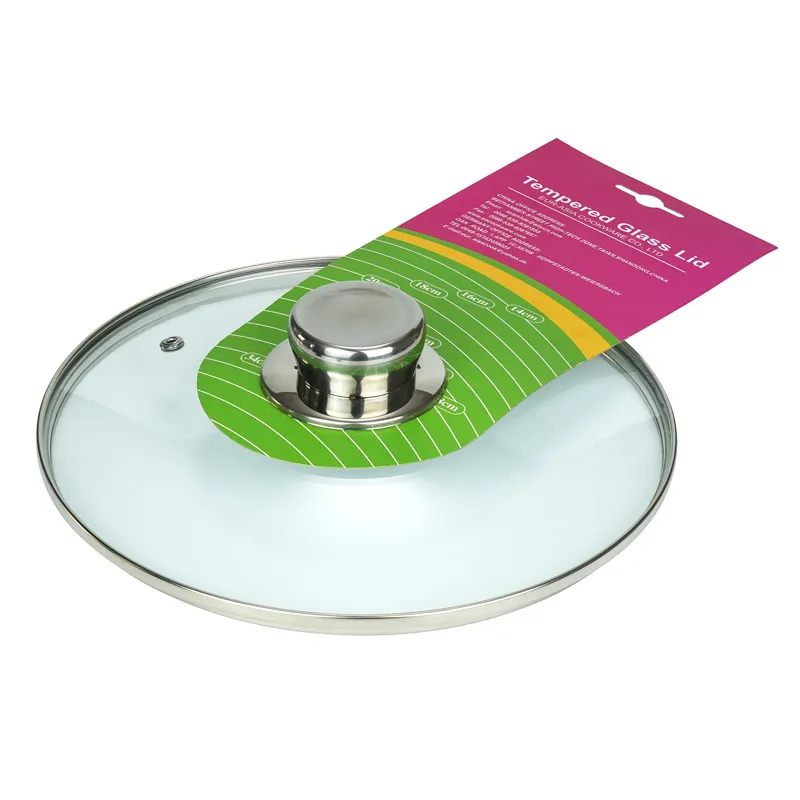
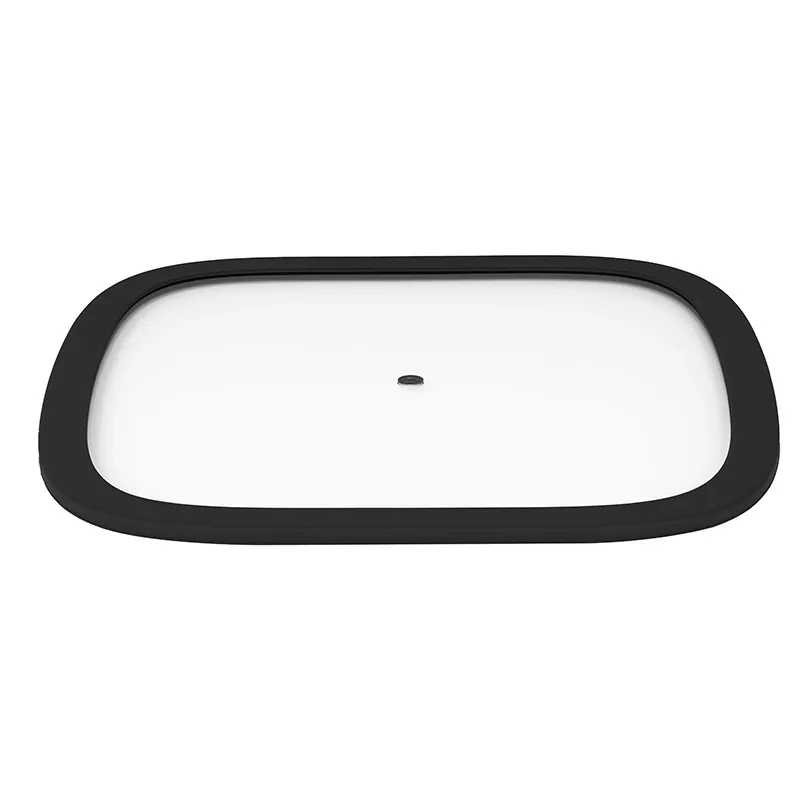
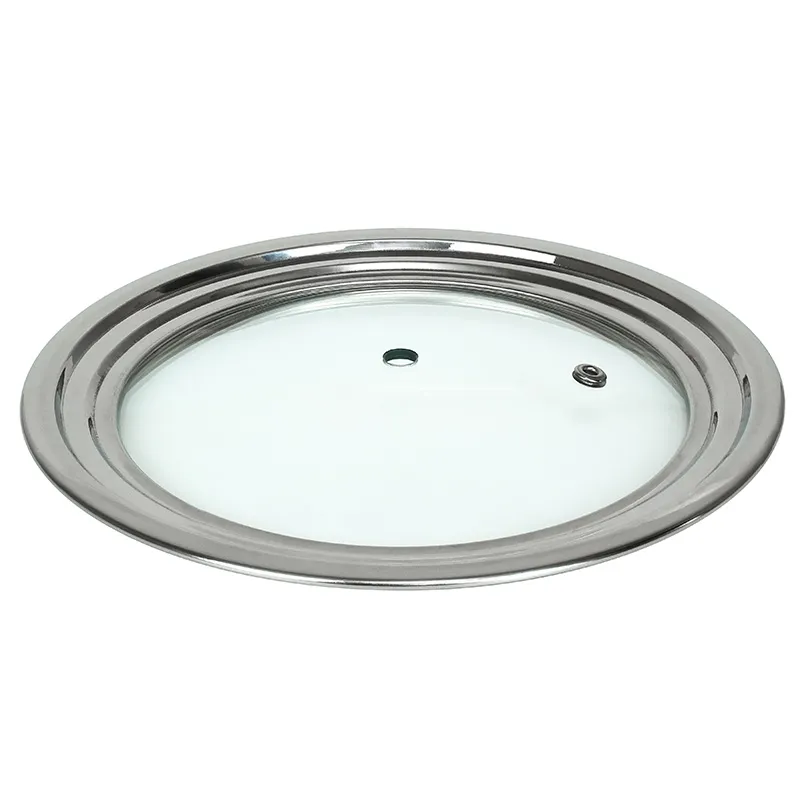
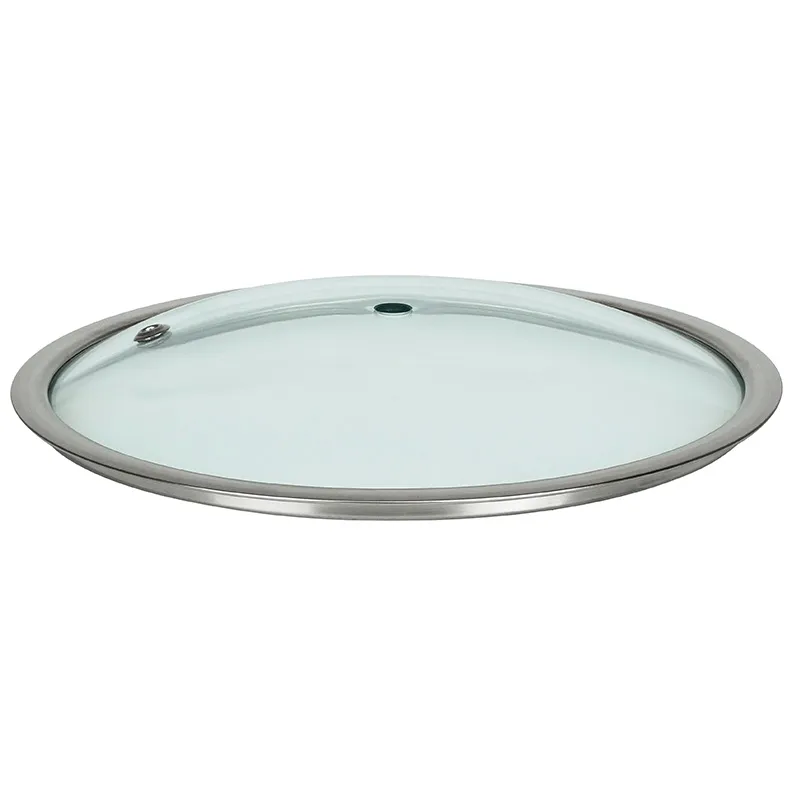
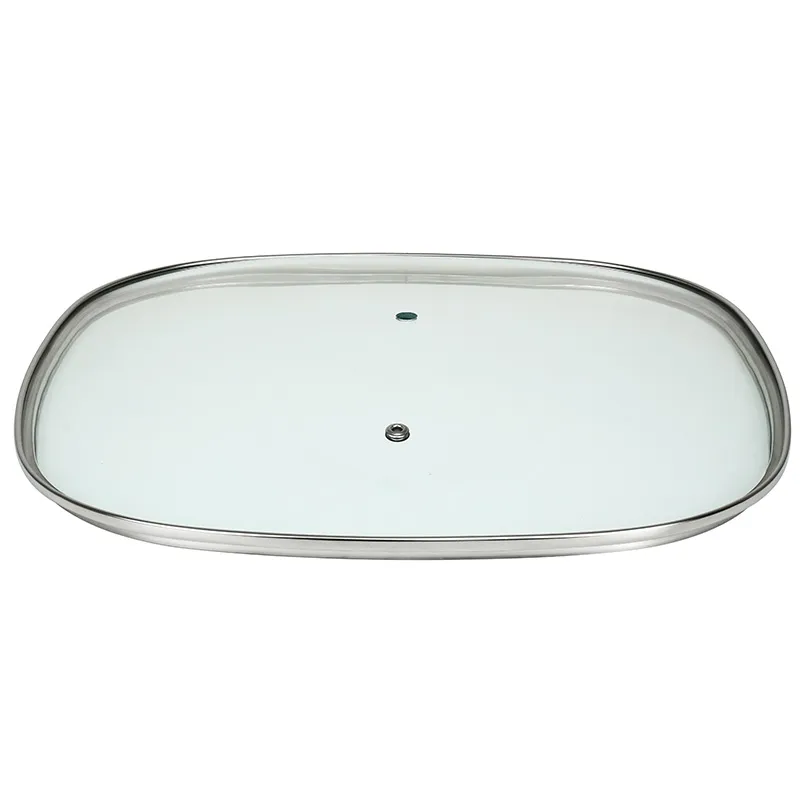
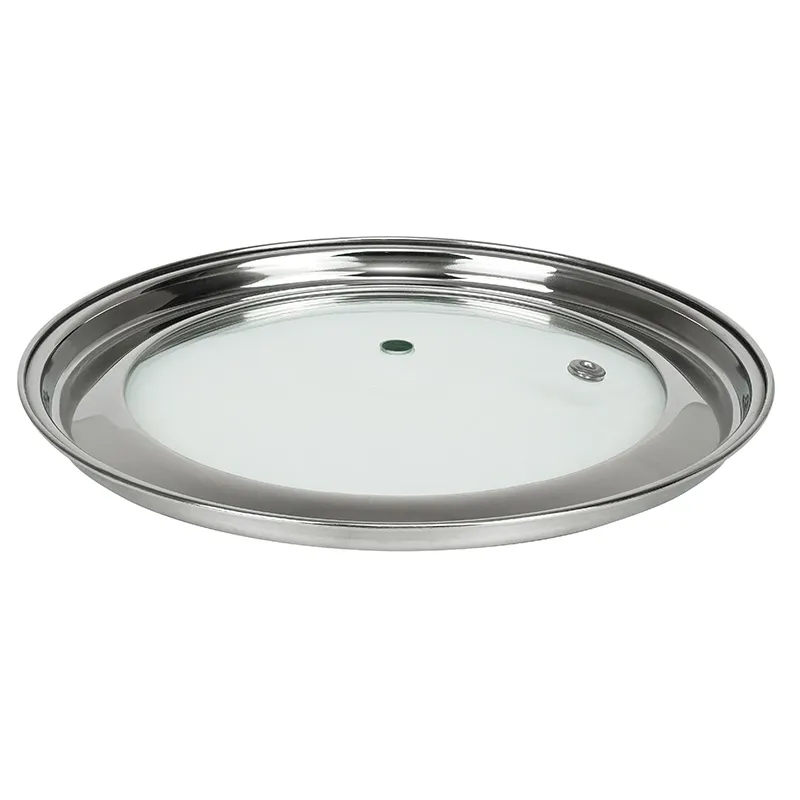
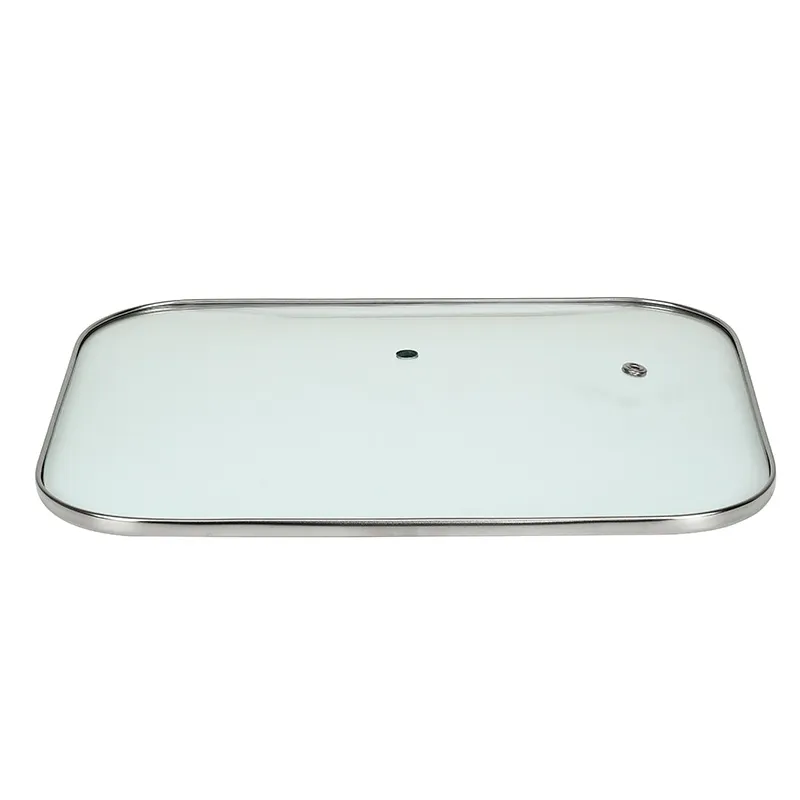
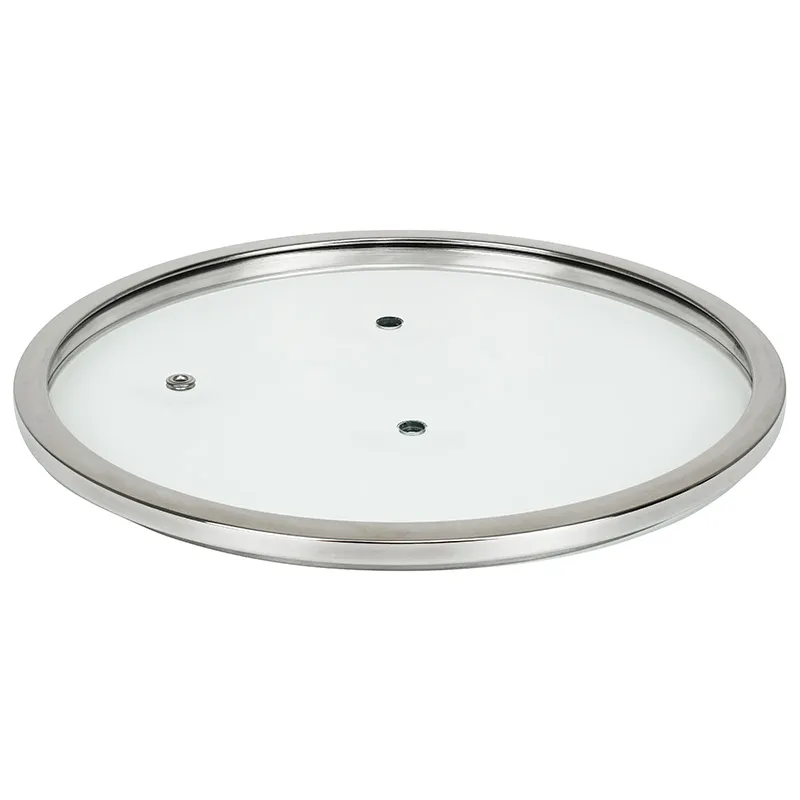
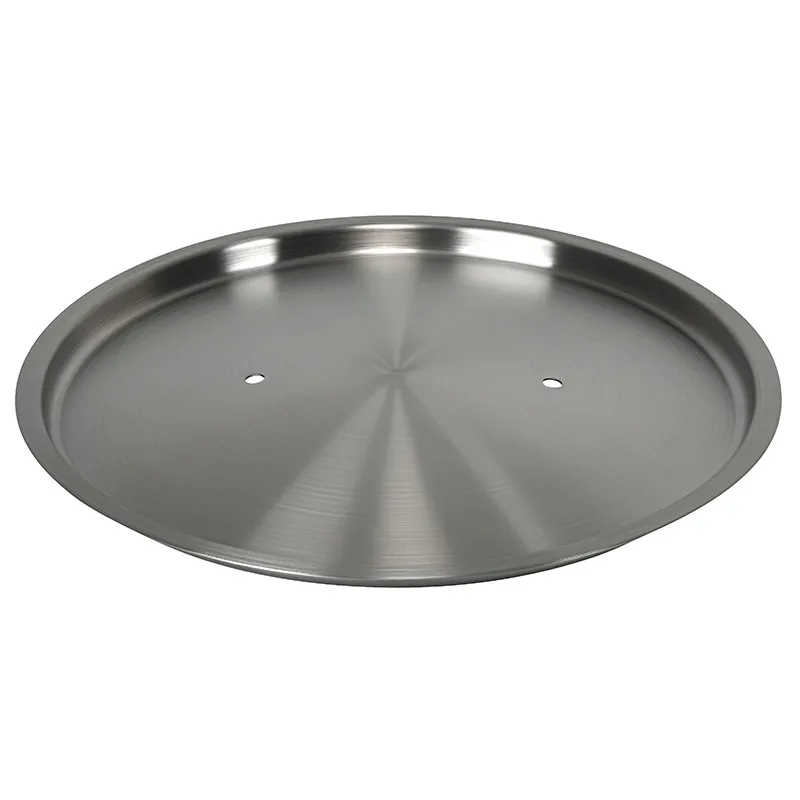
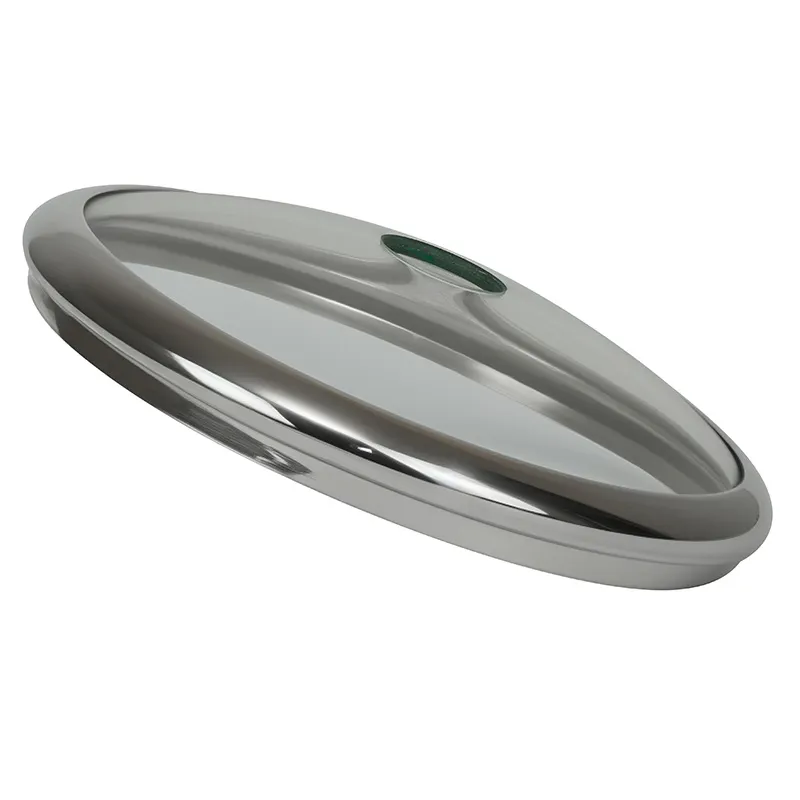
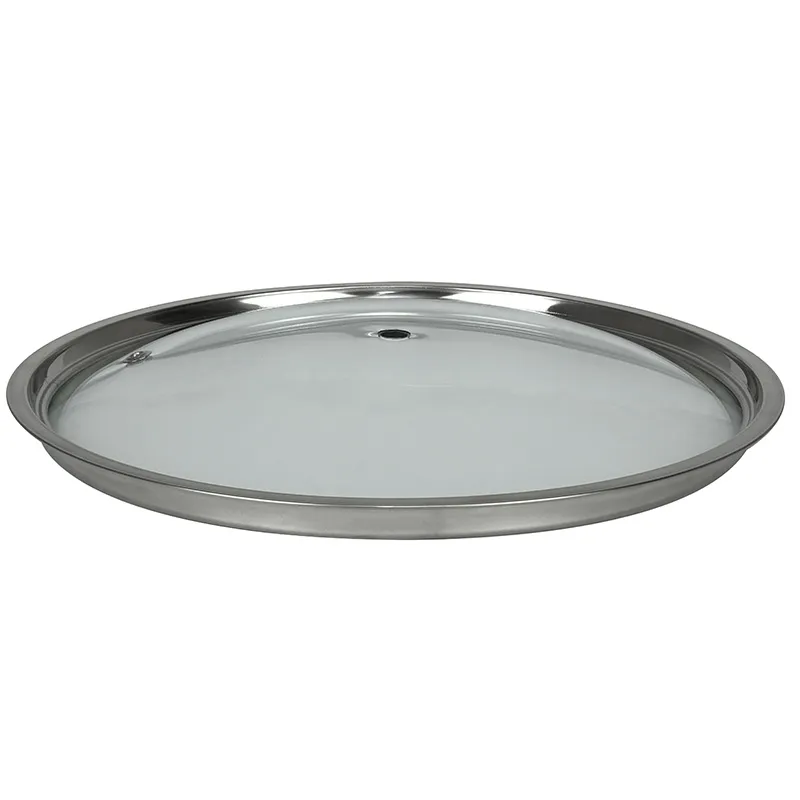
glass lid for instant pot duo
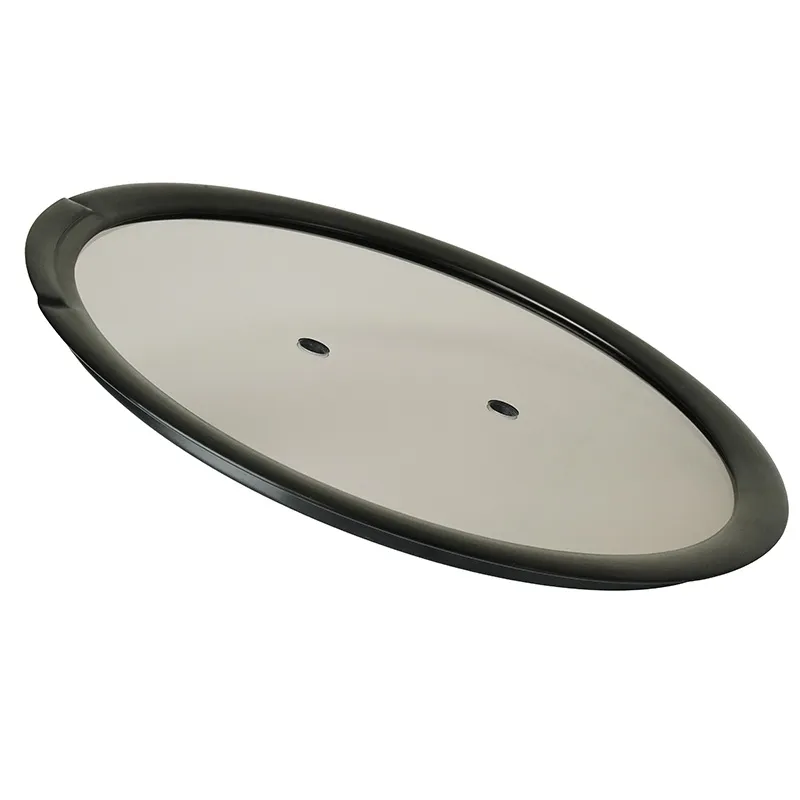
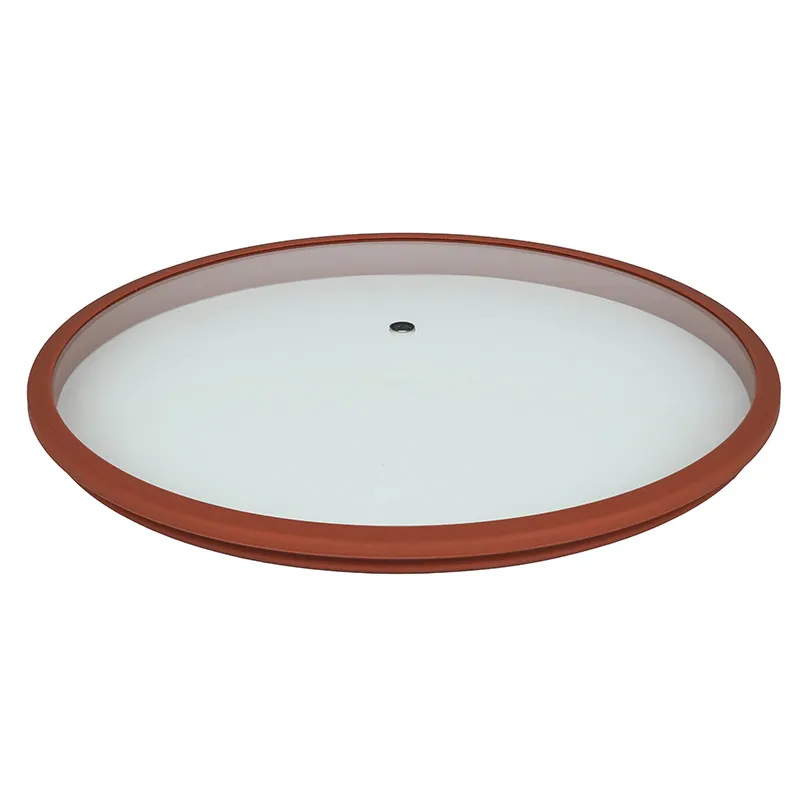
When you search for a glass lid for instant pot duo, you're likely just looking for a way to see your food simmer. But if you've been in the cookware sourcing game, you know it's a minefield of misconceptions. The biggest one? That any tempered glass lid will fit and perform the same. I've seen buyers burn budgets on shipments of lids that either didn't seal the curvature right, leading to steam leaks and inefficient cooking, or had handles that became uncomfortably hot. The Instant Pot's unique, slightly oval-shaped rim demands precision. It's not a universal 6-quart lid situation.
The Fit and Function Reality Check
Let's get specific. The Duo's inner pot has a rolled rim. A proper glass lid doesn't just sit on top; it needs to have a beveled edge that sits into that rim to create a semi-seal. Not airtight like the pressure lid, but enough to retain moisture and heat for slow cooking or sautéing. I've tested lids that claimed compatibility but rocked on the pot. That gap might seem minor, but it turns a keep warm function into a dry out my food setting. The diameter is usually around 22.5cm, but the devil is in the millimeter-level tolerance of the bevel angle.
Then there's the handle. A common failure point in cheaper designs is a handle attached with just a metal bolt and washer. Under repeated heating cycles, the differential expansion between the glass, the metal bolt, and the plastic or phenolic handle can cause cracking. The better ones use a spring-loaded or silicone-gasketed attachment system to absorb that stress. I learned this the hard way after a sample batch from a new supplier failed in-house thermal shock tests—handles loosening after just a few cycles in the oven from sterilization.
Material thickness is another silent spec. 3mm tempered glass is the bare minimum. You want 4mm or even 5mm for better heat distribution and resistance to warping. Thinner lids can develop a concave bow when placed on a hot pot, breaking the seal. I recall a client complaint about a lid that danced on a simmering pot—it was a 2.8mm lid that flexed with the steam pressure. It was a safety issue masquerading as a cost-saving measure.
Sourcing and Manufacturing Insights
This is where you separate catalog resellers from actual manufacturers. A company like EUR-ASIA COOKWARE CO.,LTD (their site is glass-lid.com) represents a specific tier. They're not just assembling parts; they're producing the tempered glass in-house. Their specialization in low to high-level household glass, with an annual output in the millions, indicates they have the tempering ovens and grinding lines for consistent bevels. For a volume buyer, that's key. Consistency in curvature is everything.
Their export focus to markets like Germany and Japan is a telling quality signal. Those markets have stringent safety standards (think LFGB, FDA). A lid that passes German thermal shock and mechanical strength tests is a different beast than one made for a less regulated market. It means their glass composition and tempering process is likely dialed in. I've visited factories in Shandong's industrial zones; the ones exporting to Europe usually have separate QC lines and more rigorous in-process checks, especially on edge grinding to prevent chipping.
However, a large production base doesn't automatically mean they have the exact mold for the Instant Pot Duo. That's the first question to ask: Is this a dedicated mold, or a universal lid you're calling compatible? Many factories use a close enough approach. The product description on their site needs scrutiny—does it list the exact model compatibility (e.g., Duo 6qt 7-in-1, model numbers like IP-DUO60)? Vague claims are a red flag.
Practical Scenarios and User Experience
Beyond fitting, how does a good glass lid actually perform? For yogurt making, it's perfect—you need to see condensation but maintain a stable temp. A poorly fitting lid lets in too much air, cooling the culture. For quick sautéing before pressure cooking, a glass lid lets you monitor without losing all heat when you lift it. But here's a nuance: the best lids have a small steam vent notch. Not a hole, just a slight recess in the glass edge. It prevents pressure buildup (remember, it's not a pressure-rated lid) and minimizes water boiling over. Lids without it can trap condensation that then drips off the center handle in a single, annoying stream.
Cleaning is another overlooked aspect. A lid with a handle that has multiple crevices or a metal bolt exposed on the top side will trap grease and moisture. The ideal is a one-piece, high-heat-resistant handle (like phenolic) that's seamlessly attached, with all hardware on the underside. It goes directly into the dishwasher. I've seen designs where water gets into the bolt cavity and rusts, staining the glass.
Then there's storage. The official Instant Pot glass lid often has a silicone ring on the handle to stack with the inner pot. Aftermarket ones frequently miss this. It's a small convenience that becomes a daily annoyance if you're storing the pot with the lid inside. It rattles, scratches, and takes up more space. A good supplier will have considered this accessory-level detail.
Navigating the Market and Final Advice
So, if you're a retailer or a serious home cook looking at a supplier like EUR-ASIA COOKWARE, what due diligence is needed? First, request a Dimensional Drawing. Check the inner diameter, outer diameter, bevel angle, and total height. Compare it to an OEM lid or your own pot. Second, ask for material certifications—is the glass soda-lime, and is it tempered to meet ASTM or EN standards? Third, request a sample for a thermal cycle test. Put it on a boiling pot, then run it under cold water. Repeat 10-15 times. Check for micro-cracks, especially around the handle attachment point.
Price is a trap. A lid costing $2 FOB is almost certainly using thinner glass, automated but less precise grinding, and a cheaper handle assembly. The $4-$6 FOB range is where you typically find the robust construction suitable for repeated use and export quality. For a company producing 15 million pieces annually, their competitive edge should be in consistent quality at scale, not rock-bottom price.
In the end, a glass lid for instant pot duo seems trivial, but it's a lesson in applied materials science and ergonomic design. It's a bridge between the pot's pressure-cooking mode and its other functions. The right one becomes an indispensable part of the system. The wrong one is a warping, leaking, handle-loosening headache. My rule now is to never assume compatibility from a picture or a generic description. The proof is in the millimeter-perfect fit and the silent endurance through hundreds of heat cycles. That's what you're really sourcing.
Related Products
Related Products