- Chinese
- French
- German
- Portuguese
- Spanish
- Russian
- Japanese
- Korean
- Arabic
- Irish
- Greek
- Turkish
- Italian
- Danish
- Romanian
- Indonesian
- Czech
- Afrikaans
- Swedish
- Polish
- Basque
- Catalan
- Esperanto
- Hindi
- Lao
- Albanian
- Amharic
- Armenian
- Azerbaijani
- Belarusian
- Bengali
- Bosnian
- Bulgarian
- Cebuano
- Chichewa
- Corsican
- Croatian
- Dutch
- Estonian
- Filipino
- Finnish
- Frisian
- Galician
- Georgian
- Gujarati
- Haitian
- Hausa
- Hawaiian
- Hebrew
- Hmong
- Hungarian
- Icelandic
- Igbo
- Javanese
- Kannada
- Kazakh
- Khmer
- Kurdish
- Kyrgyz
- Latin
- Latvian
- Lithuanian
- Luxembou..
- Macedonian
- Malagasy
- Malay
- Malayalam
- Maltese
- Maori
- Marathi
- Mongolian
- Burmese
- Nepali
- Norwegian
- Pashto
- Persian
- Punjabi
- Serbian
- Sesotho
- Sinhala
- Slovak
- Slovenian
- Somali
- Samoan
- Scots Gaelic
- Shona
- Sindhi
- Sundanese
- Swahili
- Tajik
- Tamil
- Telugu
- Thai
- Ukrainian
- Urdu
- Uzbek
- Vietnamese
- Welsh
- Xhosa
- Yiddish
- Yoruba
- Zulu
- Kinyarwanda
- Tatar
- Oriya
- Turkmen
- Uyghur


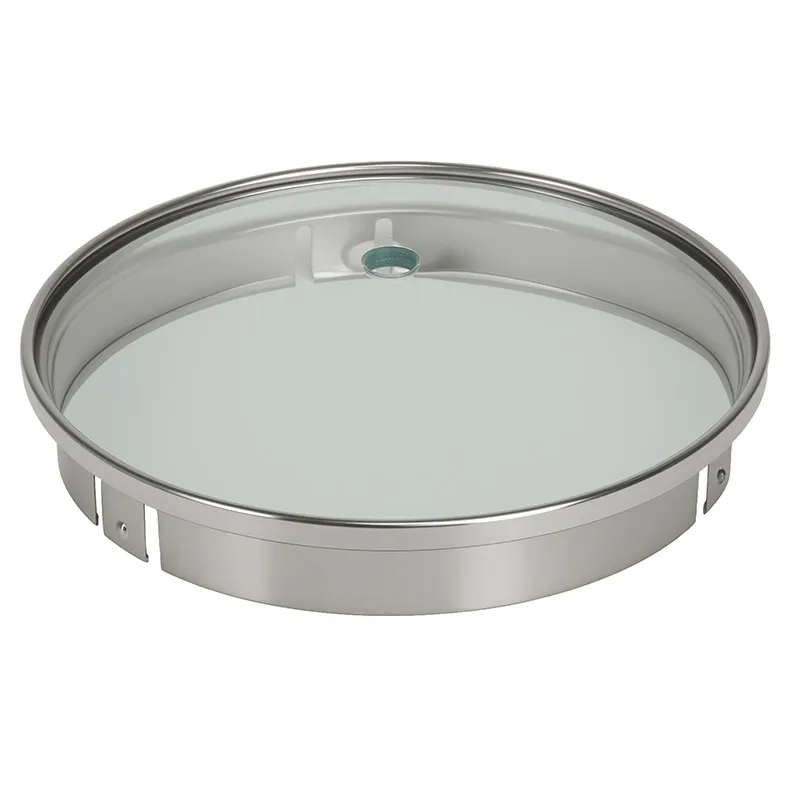
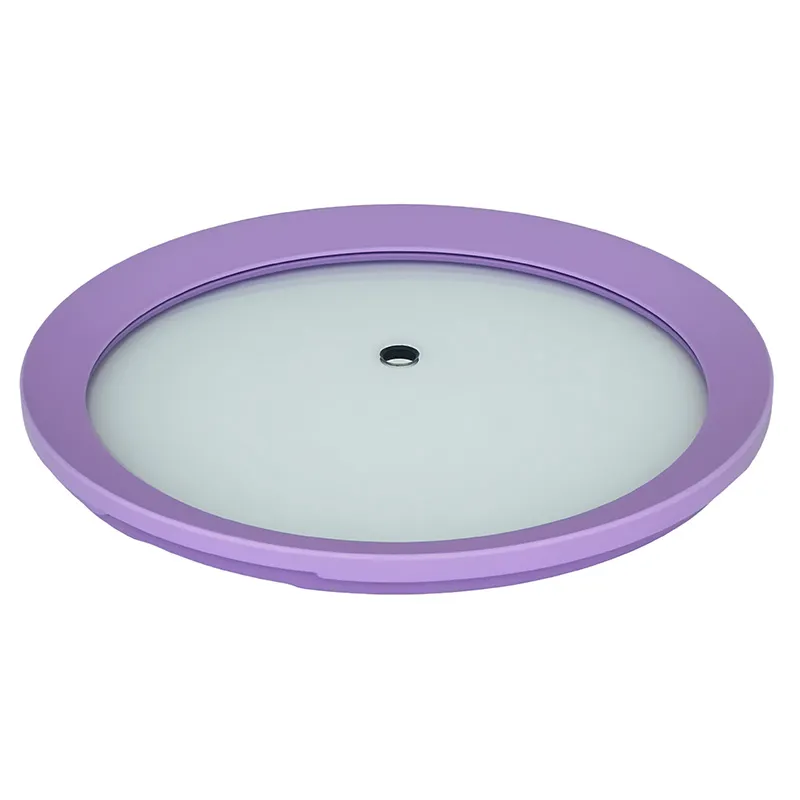
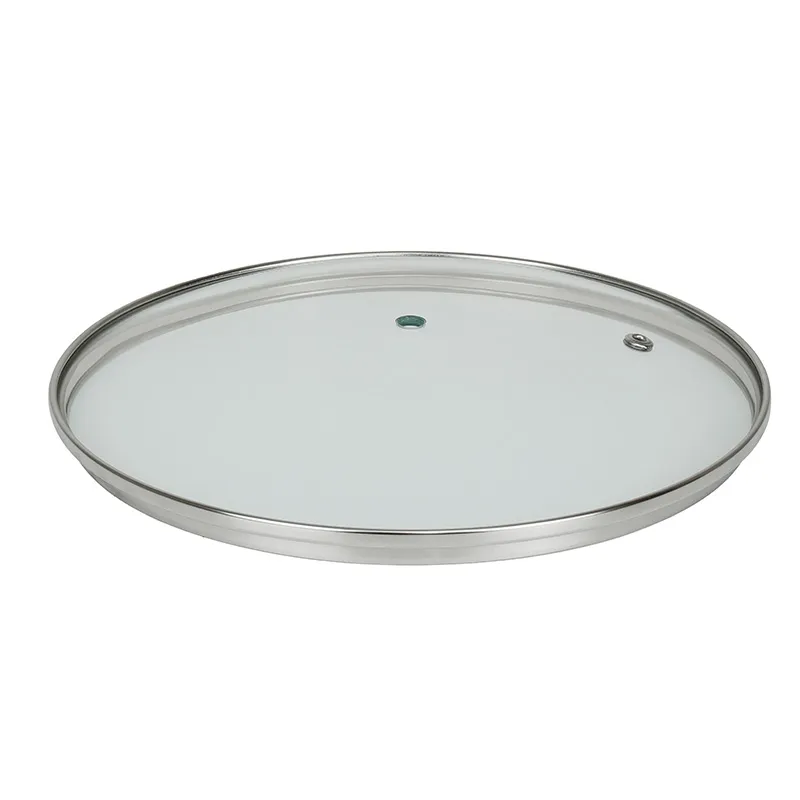
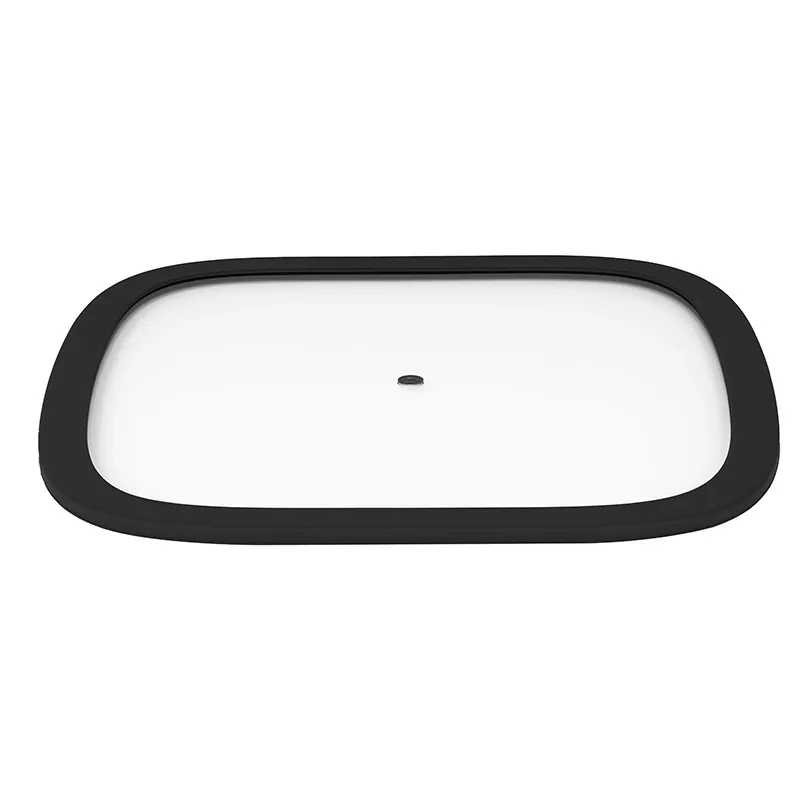
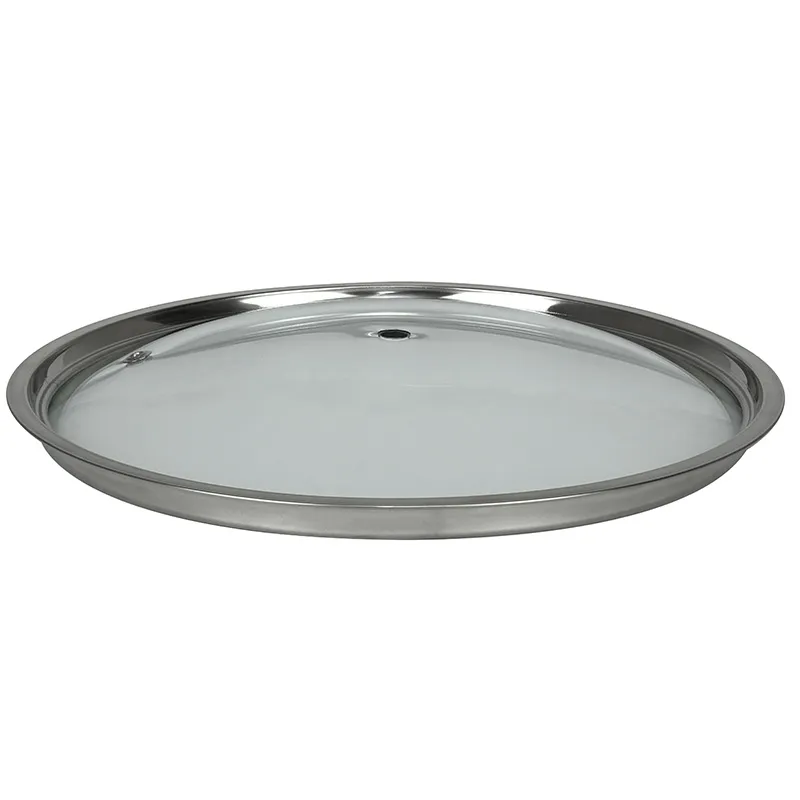
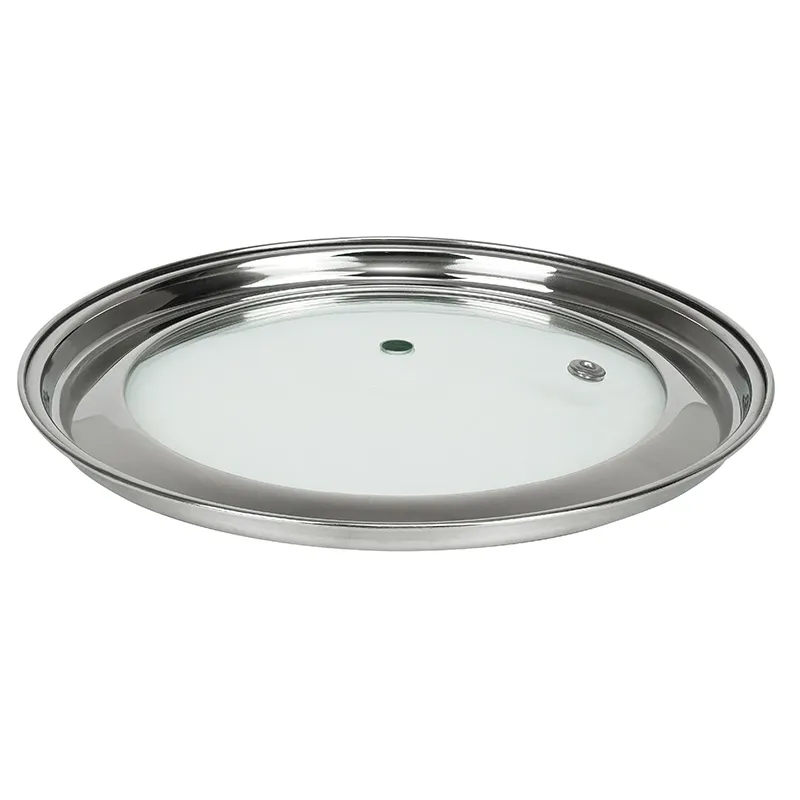
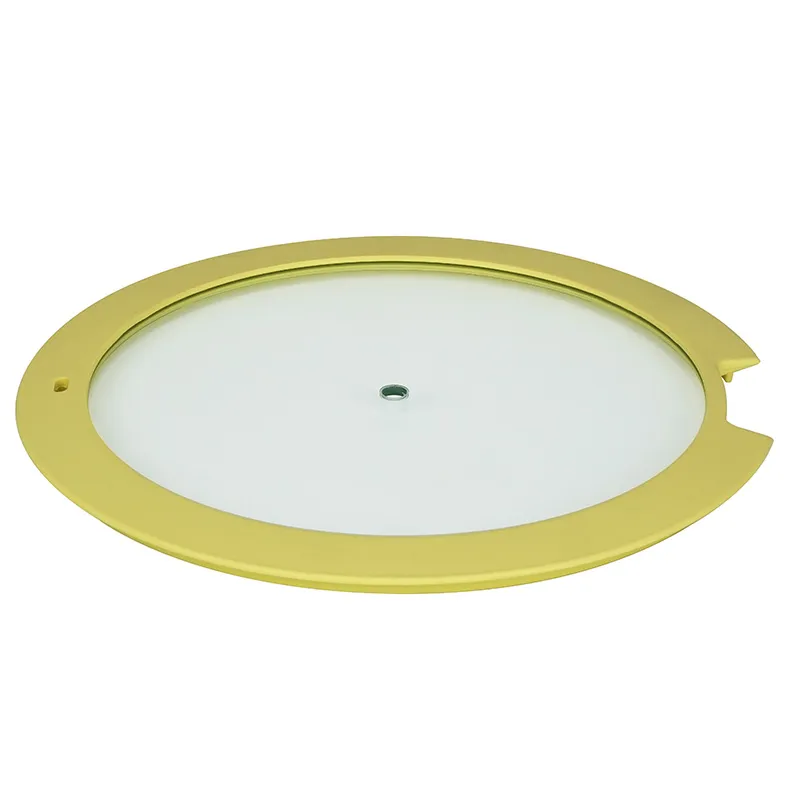
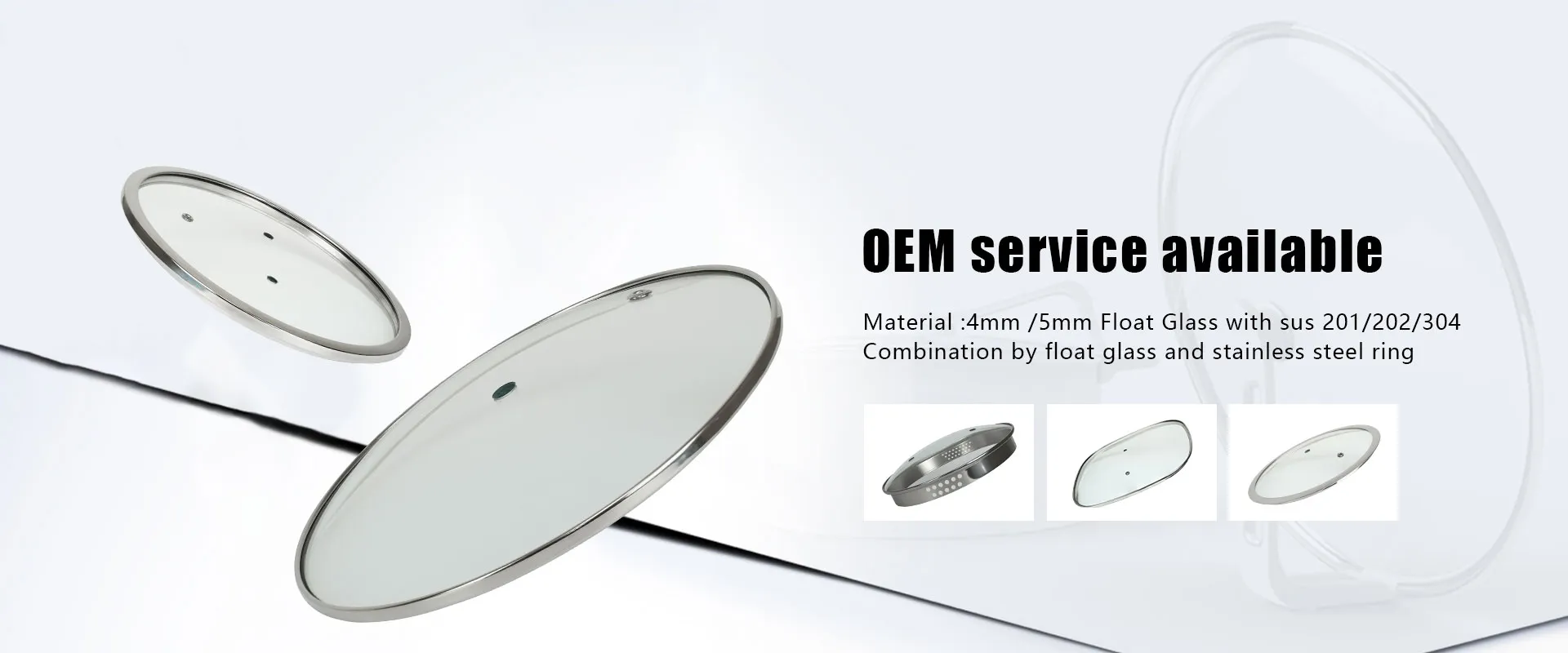
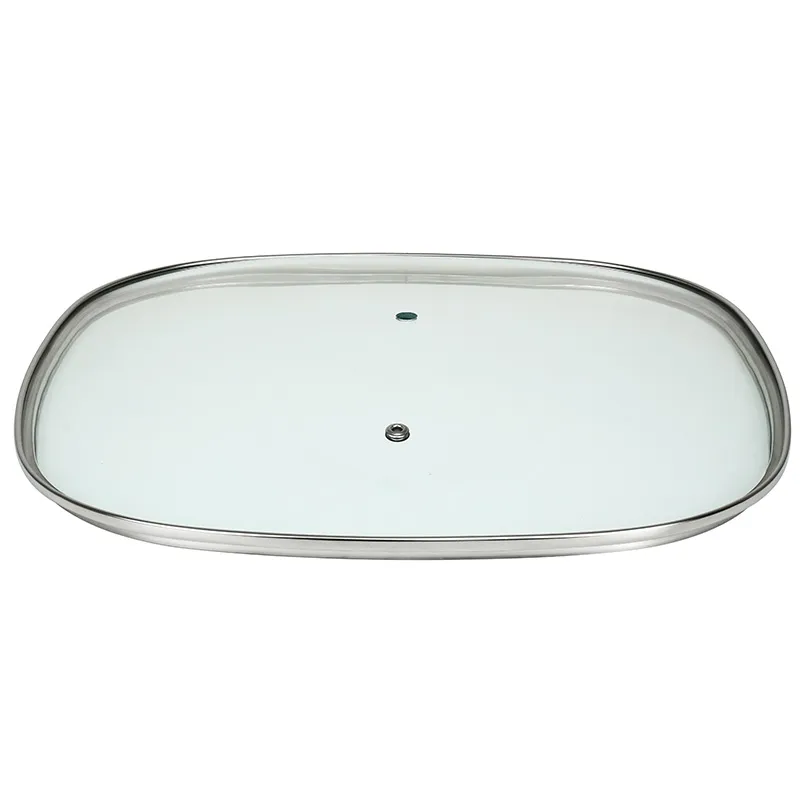
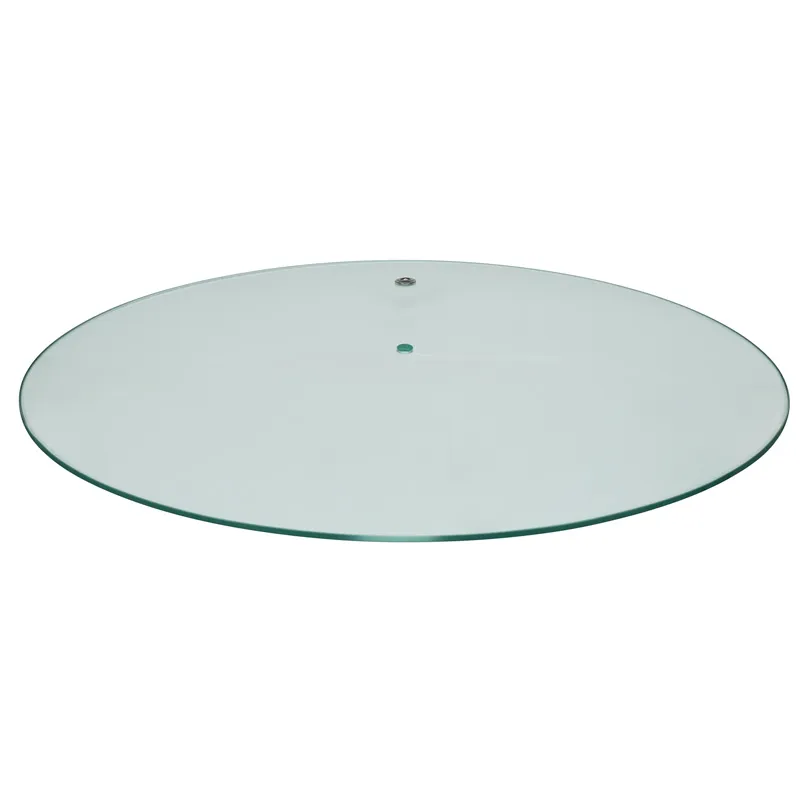
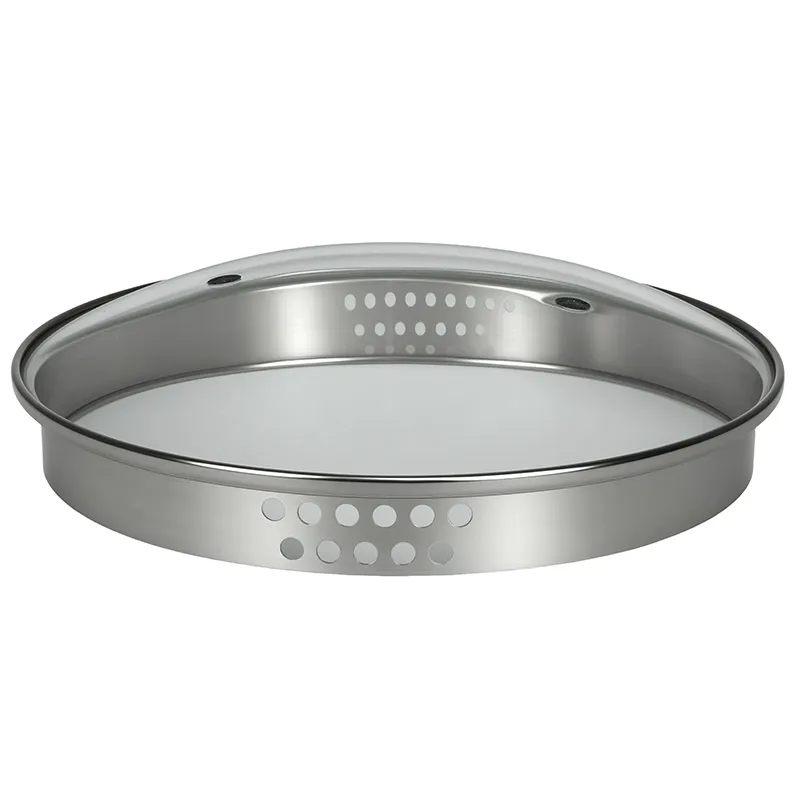
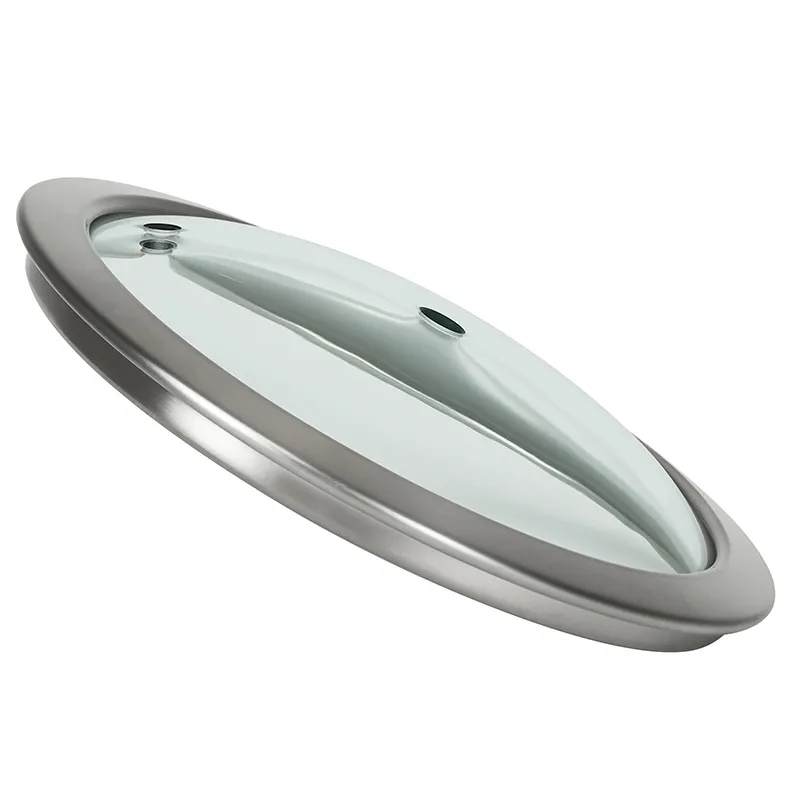
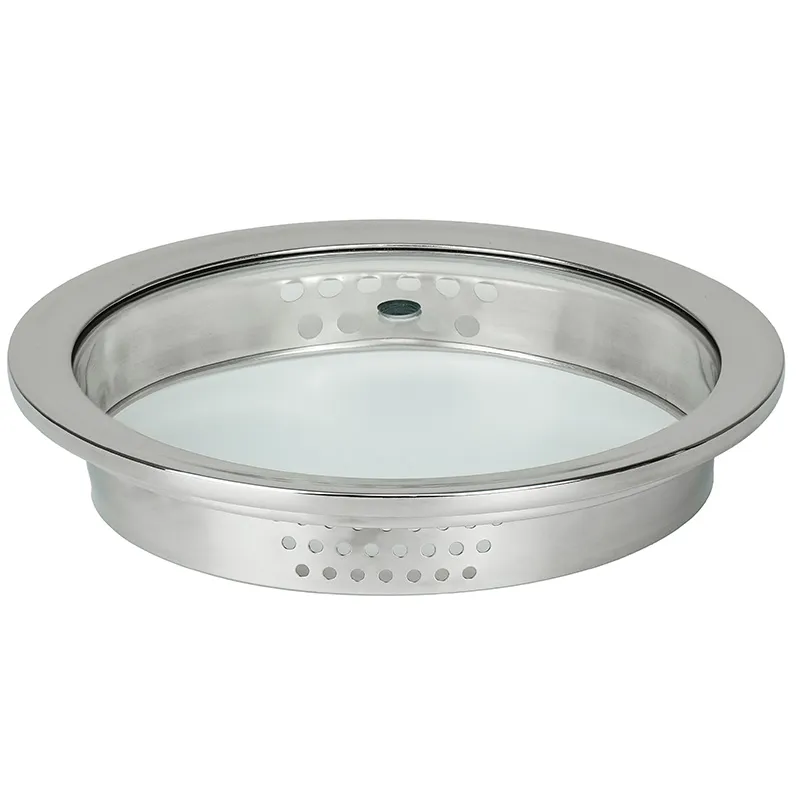
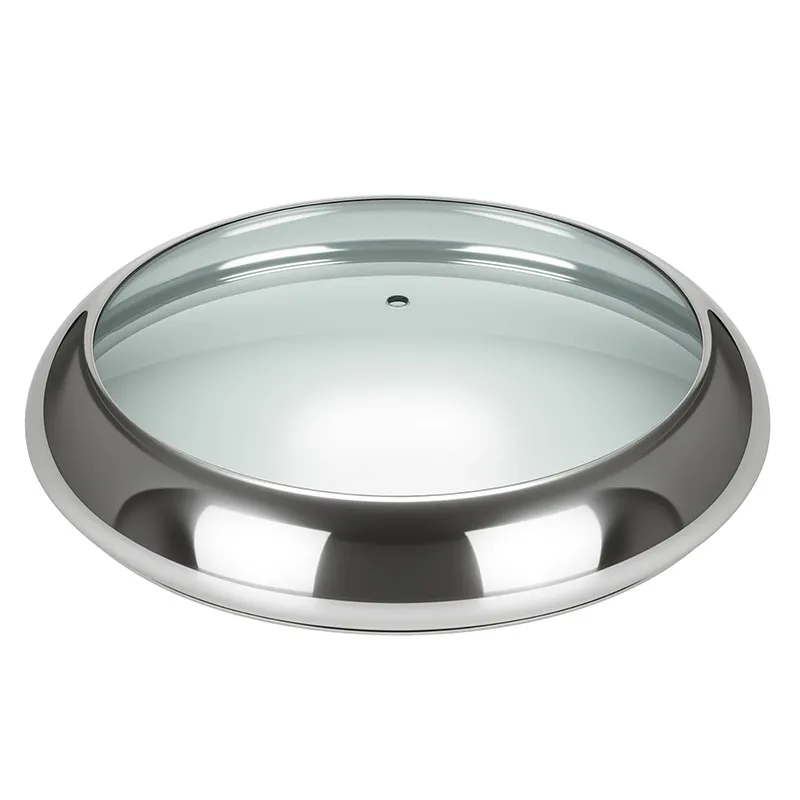
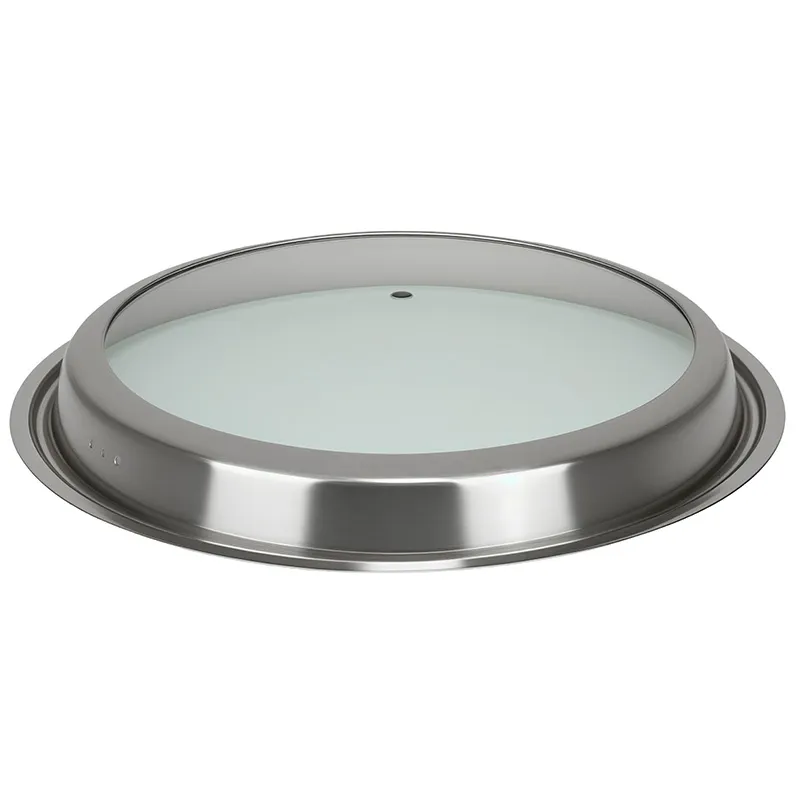
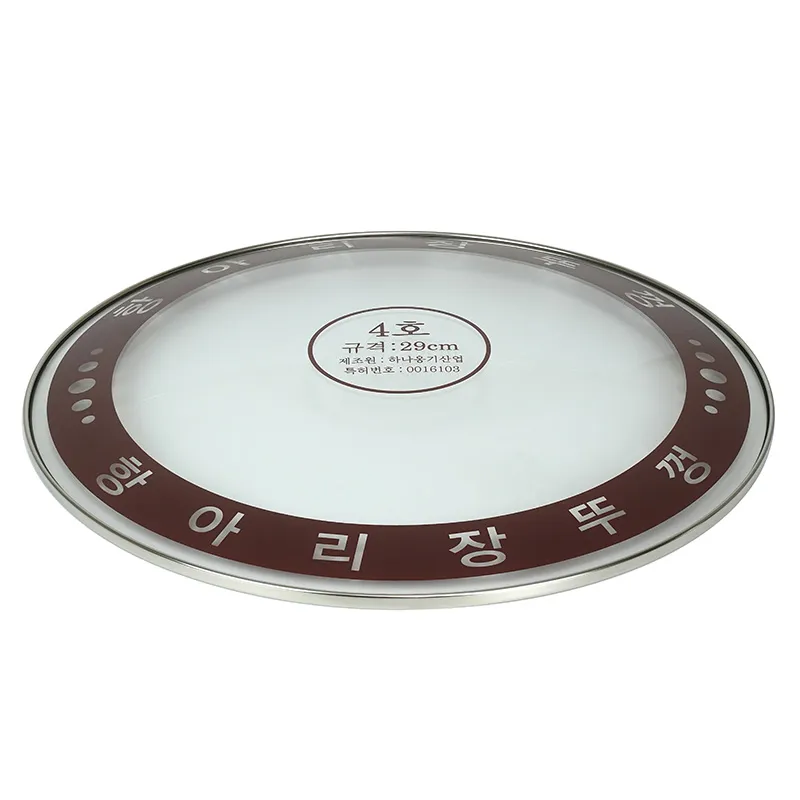
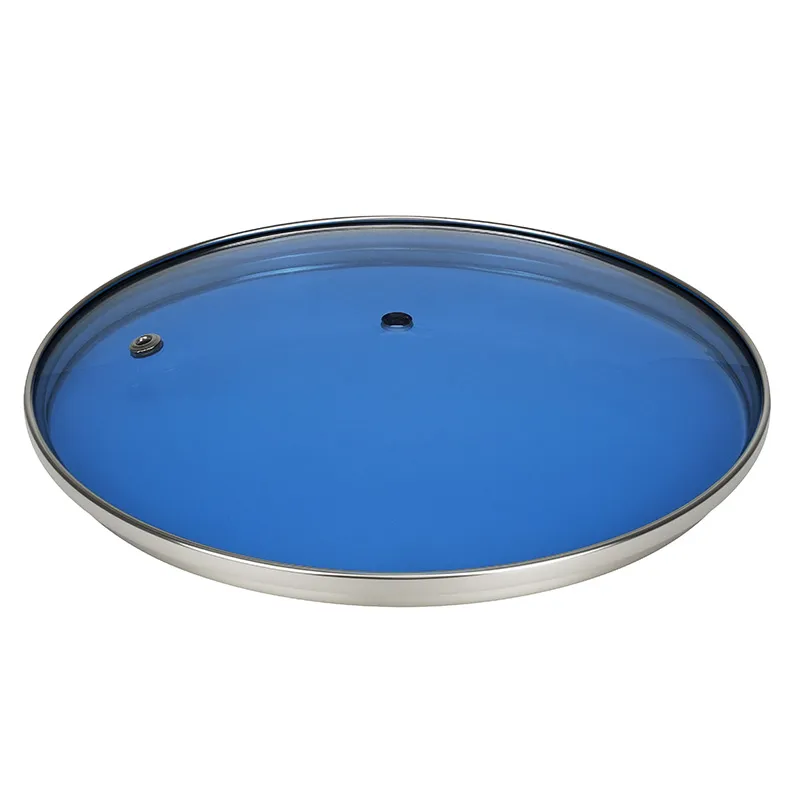
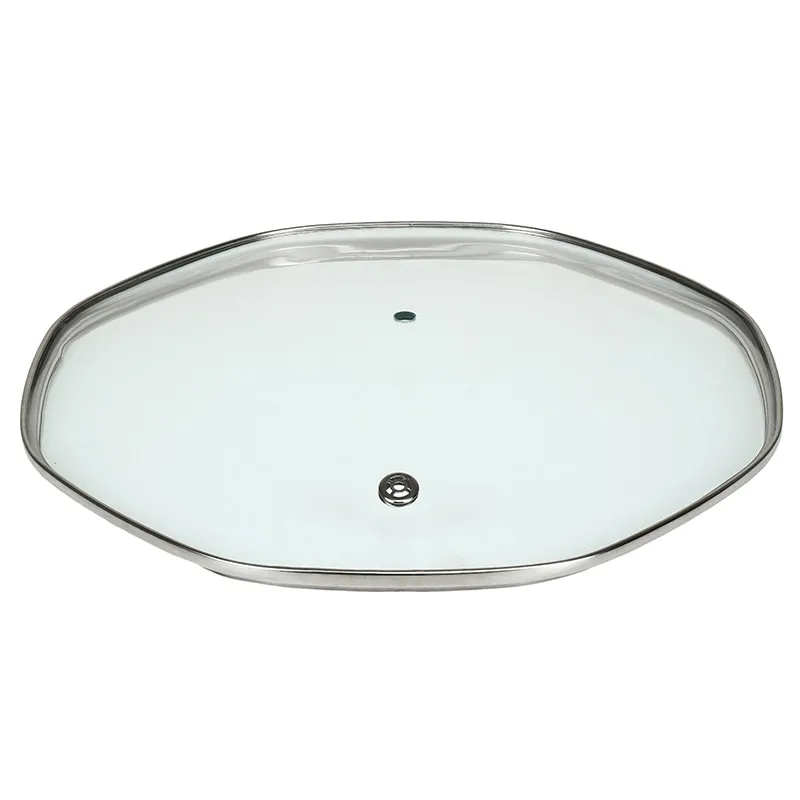
glass lid for kettle
When most people think about a glass lid for kettle, the immediate thought is transparency—you can see the water boil. But in the trade, that's just the starting point, and frankly, where a lot of importers and designers get it wrong. They treat it as a simple, decorative piece of tempered glass, overlooking the engineering that prevents it from becoming a liability on a boiling vessel. I've seen orders get rejected because the lid warped under steam or the knob got too hot to touch. It's not just a window; it's a functional component under thermal and mechanical stress.
The Core Misconception: Strength vs. Thermal Shock Resistance
Here's a classic industry pitfall. A buyer will ask for the thickest, strongest glass lid, assuming it's the safest. But for a kettle lid, brute strength isn't the primary concern. It's thermal shock resistance. You're taking room-temperature glass and slamming it with 100°C steam. Standard tempered glass can handle a lot of impact, but a poor composition or uneven tempering process will cause it to shatter when the temperature gradient is too severe. I recall a batch for a European client where we passed every drop test, but failed in real-world use because the steam vent was positioned in a way that created a concentrated hot spot on the lid. The glass didn't break from pressure; it failed from the thermal stress.
That's why the base material and the tempering curve are critical. It's not just about heating and quenching; it's about controlling the cooling rate to build the right internal tension. A supplier like EUR-ASIA COOKWARE CO.,LTD., which specializes in these products, typically has proprietary recipes for their glass sand mix and closely guarded tempering parameters. Their production base in Taian likely runs continuous tempering furnaces specifically calibrated for thinner, kitchenware-grade glass, which is a different beast from architectural glass.
You can often spot a subpar lid by its fit after a few cycles. A good lid will sit flush from the first use to the hundredth. A bad one might develop a slight rock or not seal as well over time, indicating residual stress or minor warping. It's a detail you only notice when you're inspecting pallets of them or getting customer complaints about whistling kettles that don't whistle properly because the steam escapes unevenly.
The Devil in the Details: Seal, Knob, and Vent
The glass itself is only part of the system. The seal is where most functional failures happen. A silicone gasket is standard, but its durometer (hardness) and cross-section design are everything. Too soft, and it deforms permanently under heat, losing seal. Too hard, and it doesn't compensate for manufacturing tolerances in the kettle's spout flange. I've had to work with mold suppliers to get this right—sometimes a 0.5mm adjustment in the gasket channel depth makes the difference between a leak and a perfect seal.
Then there's the knob. It seems trivial, but it's a major point of contact for the user. Using a cheap phenolic resin knob is a common cost-cutting mistake. They can withstand heat, but they feel cheap and, in some cases, can actually transfer heat up the metal screw post if not insulated properly. A better solution is PBT or a silicone-over-molded design. It costs a few cents more but drastically improves the perceived quality and safety. I remember a project where we sourced knobs from a different vendor than the lid, and the differential expansion rates (the metal screw vs. the plastic) caused cracks in the glass mounting hole after repeated use. Lesson learned: treat the lid assembly as one integrated component.
The vent design is another overlooked element. It's not just a hole. Its size, placement, and the geometry of the channel in the glass (if it's molded in) dictate how steam is released. Too small, and pressure builds, potentially forcing water out under the lid when boiling vigorously. Too large or poorly placed, and it directs a jet of steam right where a user might put their hand. Good designs often have a baffled or labyrinthine path for the steam to diffuse.
Manufacturing Realities and Supply Chain Hurdles
Visiting factories like the one EUR-ASIA COOKWARE operates reveals the scale. An annual output of 15 million pieces of various tempered glass lid products isn't just about volume; it's about managing complexity. They're not making one lid. They're making hundreds of variations—different diameters, curvature radii, hole patterns for different knob styles and hinge mechanisms. Each SKU requires its own set of molds for the glass bending process and possibly for the rubber gaskets. The setup and changeover time eat into margins, which is why many factories push for large minimum order quantities per design.
Exporting over 90% of their products to markets like Germany, Italy, and Japan sets a high bar. These markets have stringent standards for material safety (like LFGB in Germany) and dimensional tolerance. A lid for a German brand's kettle might need to pass a specific cycle test of rapid heating and cooling that a buyer in a less regulated market wouldn't even think to specify. This experience is what separates a specialized producer from a general glass factory dabbling in kitchenware. They've already built the compliance into their process.
A practical hurdle is packaging. Glass lids are fragile and odd-shaped. They can't be stacked flat without risk of abrasion. Good suppliers use custom vacu-formed PVC or PET trays that nest each lid individually, separating them from the metal knobs and gaskets packed alongside. I've seen entire containers arrive with damage because someone decided to save on packaging cost by using simple cardboard dividers. The loss far outweighed the savings.
Case in Point: The Silent Whistle Failure
Let me share a specific, somewhat embarrassing, learning experience. We were developing a sleek, modern kettle with a prominent glass lid. The design called for a nearly flush, low-profile knob. We prototyped it, and it looked fantastic. However, in testing, we found that during a rolling boil, the lid would sometimes emit a high-frequency vibration or chatter instead of a steady whistle. It was annoying and felt unstable.
After weeks of troubleshooting, we traced it to two factors related to the lid. First, the vent hole was a simple straight bore. The escaping steam was causing a Bernoulli effect, pulling the lid down slightly and making it vibrate against the kettle's rim. Second, the low-profile knob didn't provide enough downward force to dampen this vibration. The fix wasn't on the kettle body but on the lid assembly. We redesigned the vent to have a stepped bore to disrupt the airflow and switched to a slightly taller, heavier knob. It solved the issue. The takeaway? The lid's dynamics are integral to the kettle's acoustic and tactile performance, not just its visual function.
Looking at the Material Ecosystem
While glass lid for kettle is the focus, it never exists in isolation. It's part of a material story for the whole kettle—stainless steel body, perhaps a plastic base, a heating element. The lid must complement these. For a high-end stainless steel kettle, a glass lid with a polished edge and a metal-accented knob completes the look. For a more budget-friendly plastic kettle, a simpler, thinner glass lid with a basic plastic knob is the match.
This is where a supplier's range matters. A company like EUR-ASIA, producing low- to high-level household glass products, can cater to this spectrum. They can offer a lid with a beveled edge and superior optical clarity for a premium brand, and a more cost-effective, functionally sound version for a volume retailer. Their product page at https://www.glass-lid.com likely showcases this range, though the real spec sheets are what you'd need for development.
The trend now is also moving towards more integrated solutions. Think of lids with built-in temperature sensors or infusion baskets. This requires even closer collaboration, as the glass needs to be molded or drilled to accommodate these features without compromising its integrity. It's no longer a passive component but an active platform. That's the next frontier for something as seemingly simple as a kettle lid.
Final, Unpolished Thoughts
So, what's the verdict on a good glass lid? It's the one you don't think about. It fits perfectly every time, doesn't get alarmingly hot, doesn't leak steam unexpectedly, and survives years of daily heating and cooling cycles. Achieving that is a minor miracle of materials science, precision manufacturing, and practical design.
It's easy to source a cheap lid. It's much harder to source the right lid for a specific kettle design and market. That's the value of working with specialists who have lived through the failures and understand that the glass is just the most visible part of a complex little system. Their experience, embedded in the subtle details of tempering, gasket geometry, and component compatibility, is what turns a potential point of failure into a reliable, and yes, beautiful, window to your boiling water.
In the end, the best feedback I get is none at all. When no one complains about the lid, you know you've done your job right. It just works, silently and reliably, which is the highest compliment for any component in the kitchen.
Related Products
Related Products