- Chinese
- French
- German
- Portuguese
- Spanish
- Russian
- Japanese
- Korean
- Arabic
- Irish
- Greek
- Turkish
- Italian
- Danish
- Romanian
- Indonesian
- Czech
- Afrikaans
- Swedish
- Polish
- Basque
- Catalan
- Esperanto
- Hindi
- Lao
- Albanian
- Amharic
- Armenian
- Azerbaijani
- Belarusian
- Bengali
- Bosnian
- Bulgarian
- Cebuano
- Chichewa
- Corsican
- Croatian
- Dutch
- Estonian
- Filipino
- Finnish
- Frisian
- Galician
- Georgian
- Gujarati
- Haitian
- Hausa
- Hawaiian
- Hebrew
- Hmong
- Hungarian
- Icelandic
- Igbo
- Javanese
- Kannada
- Kazakh
- Khmer
- Kurdish
- Kyrgyz
- Latin
- Latvian
- Lithuanian
- Luxembou..
- Macedonian
- Malagasy
- Malay
- Malayalam
- Maltese
- Maori
- Marathi
- Mongolian
- Burmese
- Nepali
- Norwegian
- Pashto
- Persian
- Punjabi
- Serbian
- Sesotho
- Sinhala
- Slovak
- Slovenian
- Somali
- Samoan
- Scots Gaelic
- Shona
- Sindhi
- Sundanese
- Swahili
- Tajik
- Tamil
- Telugu
- Thai
- Ukrainian
- Urdu
- Uzbek
- Vietnamese
- Welsh
- Xhosa
- Yiddish
- Yoruba
- Zulu
- Kinyarwanda
- Tatar
- Oriya
- Turkmen
- Uyghur

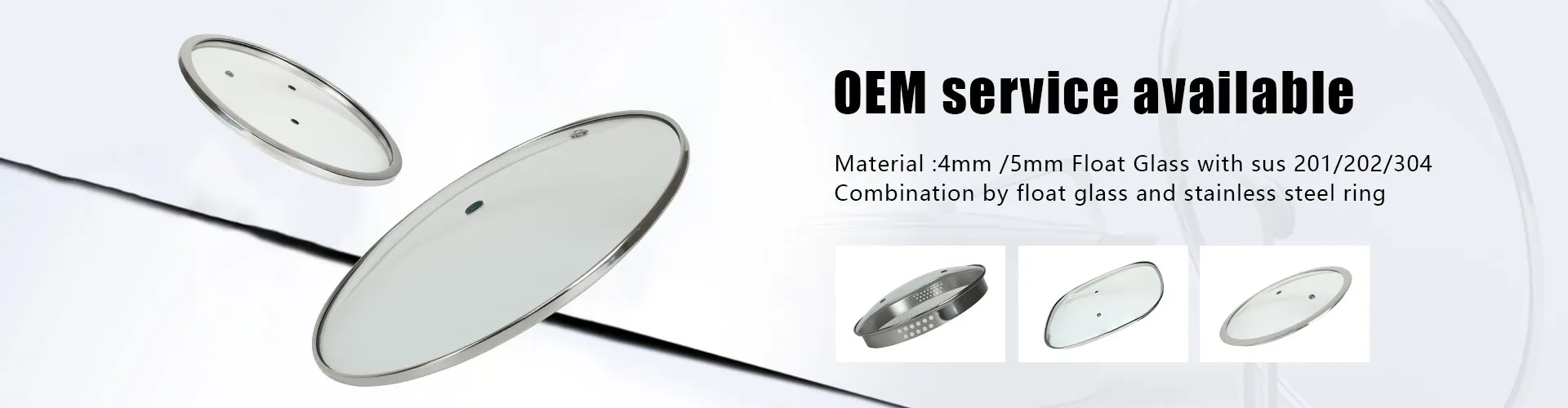
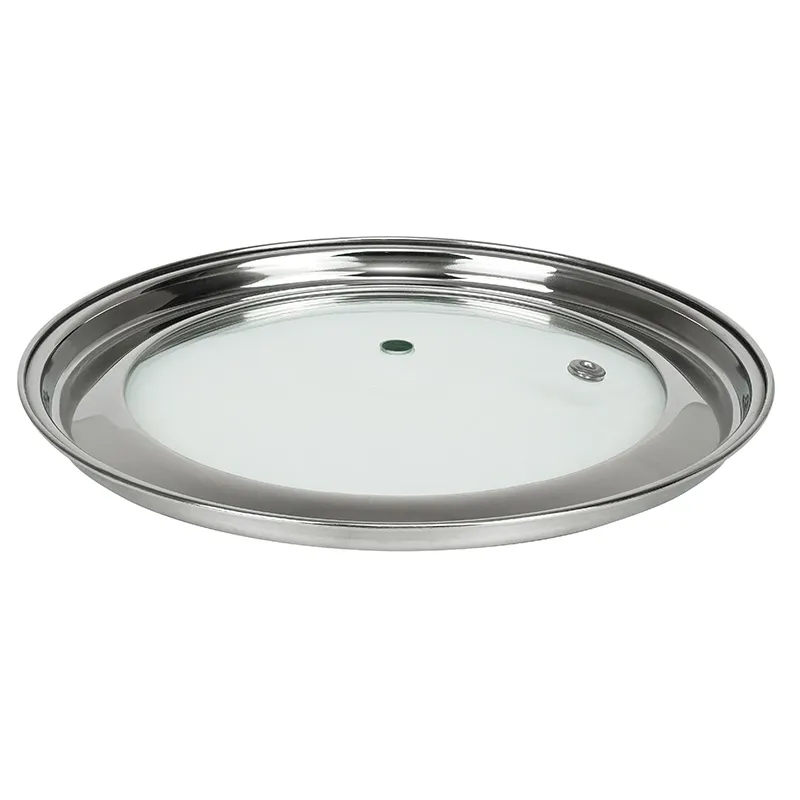
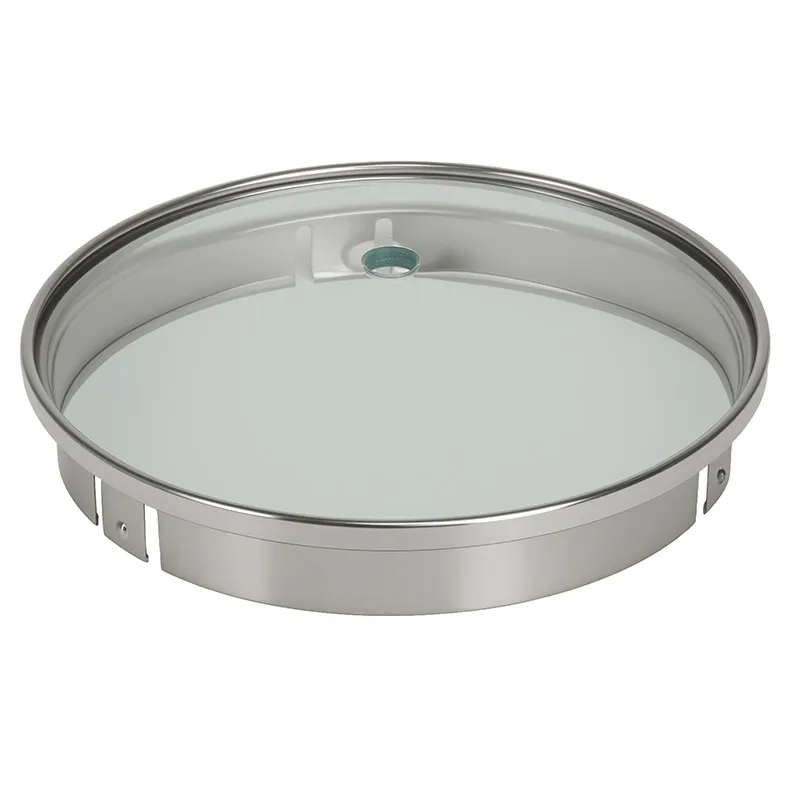
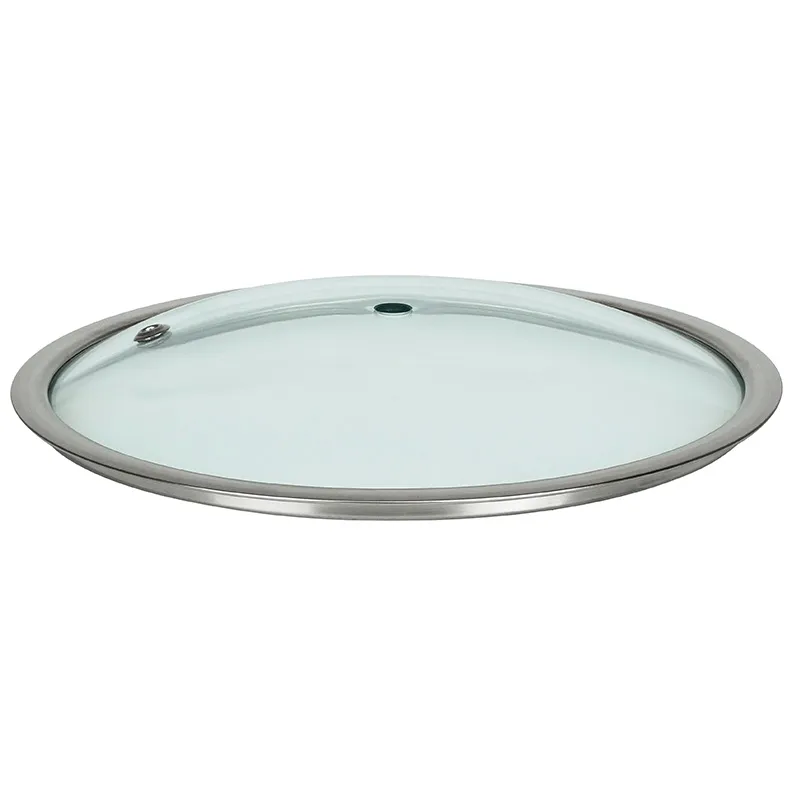
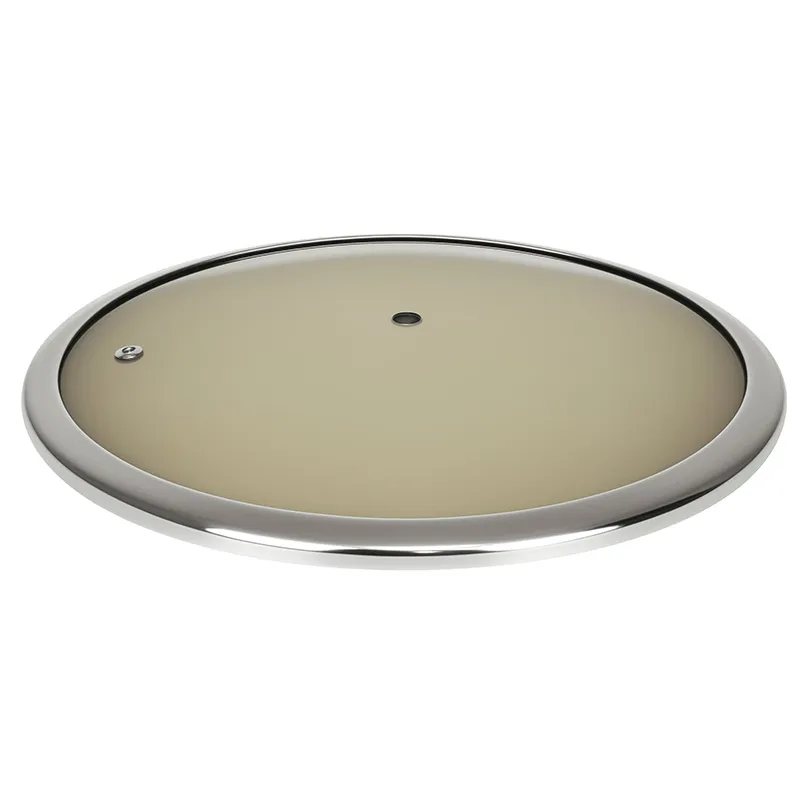
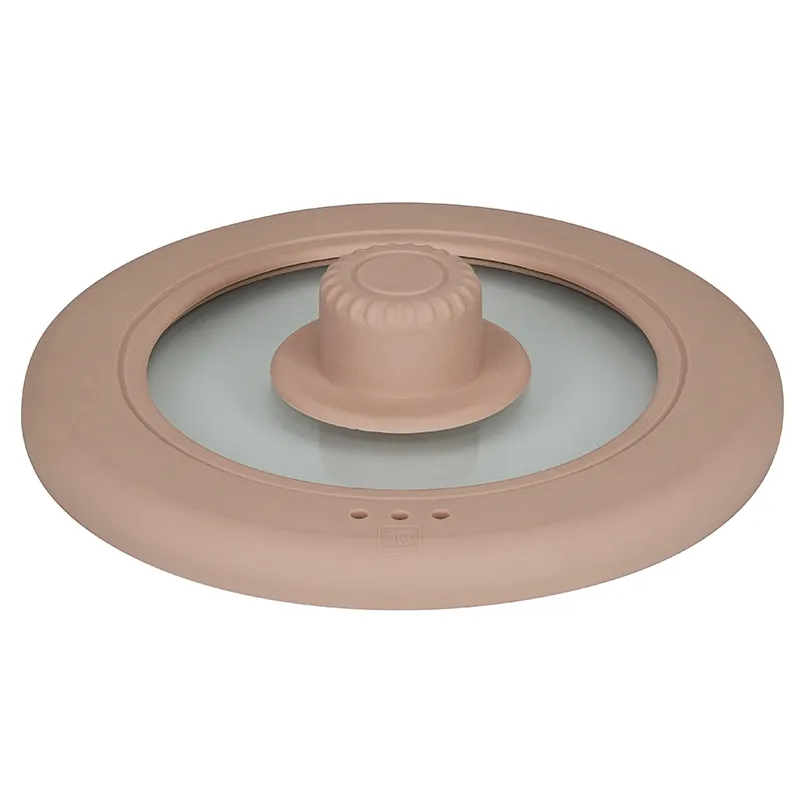
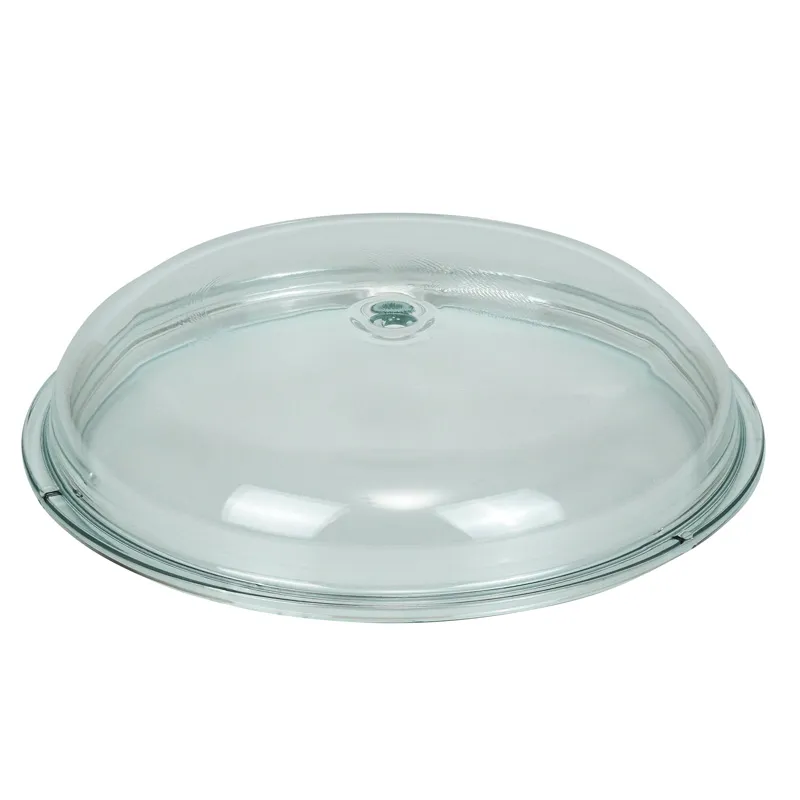
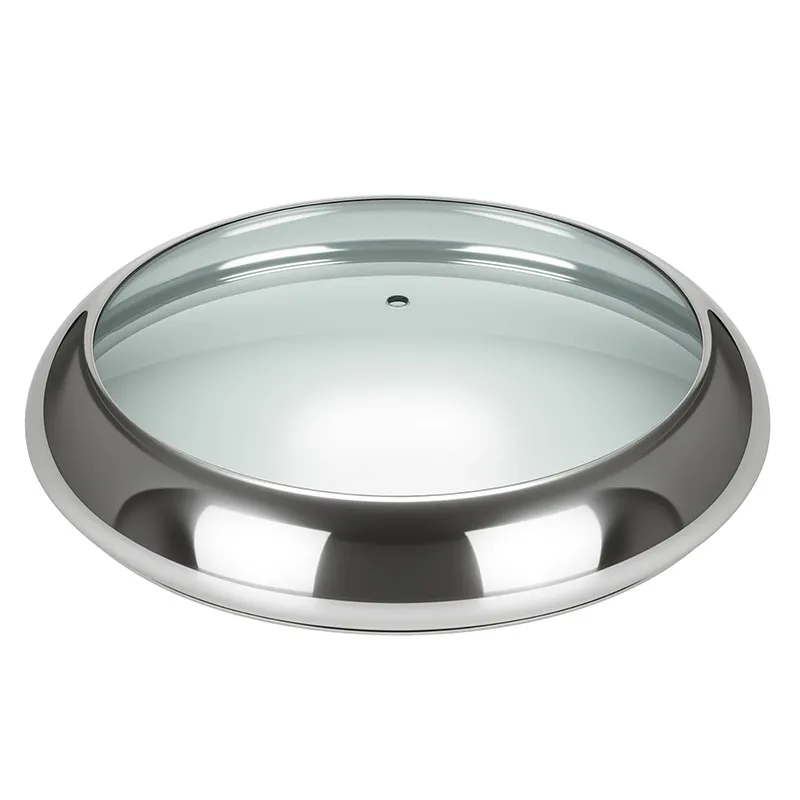
glass lid for ninja foodi
Look, when people search for a 'glass lid for ninja foodi', they're usually coming from a place of frustration. The stock plastic lid that comes with the Foodi's ceramic pot is... fine, I guess, for steaming. But it clouds up instantly, you can't see a thing, and after a few rounds in the dishwasher or some high-heat sauteing, that warping starts. You get that uneven seal. The assumption a lot of folks make is that any universal glass lid will fit, and that's where the first mistake happens. The Ninja Foodi ceramic pot has a very specific, slightly oval-ish shape with a distinct lip. A perfectly round lid from your old Dutch oven? It'll rock, it'll let steam escape unevenly, and you lose that controlled environment the Foodi is built for.
Why a Dedicated Fit Isn't Just Marketing
I've tested maybe half a dozen universal lids from big-box stores. The failure mode is consistent. Even a 1-2mm gap due to incorrect curvature means you're not trapping heat and moisture effectively for tasks like slow cooking, proofing dough, or keeping something warm. The Foodi's pot isn't a standard dimension. A proper glass lid for ninja foodi needs to be templated from the original. I learned this the hard way trying to use a lid from a popular multi-cooker brand—close, but not close enough. The simmer was weak, and a rice dish dried out at the edges.
Then there's the material. Not all tempered glass is equal. You need soda-lime glass that's been properly heat-strengthened to handle the thermal shock of going from a cold counter onto a hot pot, or the residual heat from a sauté function. I've seen lids from no-name suppliers develop micro-fractures around the handle rivets after a few cycles. The handle itself is a point of failure. A low-profile, heat-resistant phenolic handle is key. Those big, looped stainless steel handles? They get scorching hot and can overbalance the lid when you set it down.
This is where you start looking at specialists, not general kitchenware brands. Companies that focus on OEM and replacement parts often have the precise specs. I came across EUR-ASIA COOKWARE CO.,LTD during a deep dive for a client needing bulk replacements. Their site, https://www.glass-lid.com, is basically a catalog of precision-fit lids for everything. No fluff. It shows they understand this is a component business. Their production scale—15 million pieces annually—tells you they're tooled for exact replication, not approximate fits-most solutions.
Beyond Transparency: The Functional Upsides
Okay, the obvious benefit is you can see your food. No more lifting the lid to check on a simmer and losing all the heat. But a well-made glass lid does more. The weight. A good tempered glass lid has a heft to it—it sits down firmly on the pot's lip, creating a passive seal that's far superior to a light, warped plastic one. This weight helps with condensation management, too. The moisture rolls evenly back down into the dish.
For the Foodi specifically, when you're using functions like Slow Cook or Yogurt, a secure lid is the whole game. The machine's heating element is in the base, so it's relying on that enclosed environment. A poorly fitting lid turns your 4-hour slow cook into a 6-hour braise with a dry top. I've validated this with a thermal gun; the temperature delta at the pot rim can be 20°F+ with a bad lid.
Maintenance is the other silent win. Glass doesn't stain from turmeric or tomato sauce. It doesn't absorb odors. You can scrub it without worrying about scratching a viewing window. It's just... simpler. The one caution is the clack factor—setting a glass lid down on a granite counter requires a gentler hand than plastic.
Sourcing and the Supply Chain Reality
Most of the decent glass lid for ninja foodi options you find on Amazon or specialty sites are coming from a handful of manufacturers in China's glassware hubs. Shandong Province, where EUR-ASIA COOKWARE is based in Taian City's High-tech Development Zone, is a major cluster. Their company intro isn't just boilerplate; it explains their export footprint to Europe and Asia. This matters because European retailers have brutal safety standards (think Germany's GS mark). If a company is consistently selling into Germany or Denmark, their tempering process and quality control are likely rigorous.
When you're buying, you're often buying a design that was tooled for a large retailer's private label. The company's note about producing low, medium, and high-level products is an industry way of saying they have tiers—different edge finishing (polished vs. seamed), handle quality, and packaging. The high-level ones usually go to brands you'd recognize. The direct-to-consumer sites often get the same product, just without the branded box.
This is why I lean towards suppliers who are transparent about being manufacturers, not just resellers. The address, the square footage (20,000㎡), the employee count—these are signals of a real factory with molding and tempering lines in-house. It means they control the process from glass sheet to final inspection, which reduces the risk of consistency issues in a product that is, at its core, a safety component.
Common Pitfalls and What to Check For
First pitfall: assuming thickness equals strength. A 4mm thick lid that's poorly tempered is more dangerous than a 3mm one that's correctly processed. It's about the evenness of the tempering. Hold the lid up to a polarized light source (like some computer screens). You should see a subtle, even pattern of shadows (quench marks). Blotchy or wavy patterns can indicate stress points.
The silicone gasket, if present, is critical. Some lids have a thin silicone bead around the edge for a seal and to prevent metal-on-glass contact. Check that it's securely bonded and made of food-grade silicone that can handle 250°C+. A loose or peeling gasket is a nuisance and a cleaning nightmare.
Fit, again, is everything. The product description should specify the exact model numbers it's compatible with (e.g., Ninja Foodi 6.5qt OL501, etc.). Not just fits most Foodi pots. Reputable manufacturers like the one mentioned will have these model matrices. If that info isn't front and center, be skeptical. It's worth emailing their sales to confirm; their response time and specificity are a good litmus test.
Wrapping It Up: A Component Worth Upgrading
At the end of the day, replacing the stock plastic lid with a purpose-built glass lid for ninja foodi is one of those small upgrades that disproportionately improves the user experience. It's not about aesthetics, though it does look more professional. It's about functionality, accuracy, and durability. You're turning a consumable part (that plastic lid will degrade) into a permanent tool.
My advice is to source from a technical manufacturer, not a lifestyle brand. Look for the specs that matter: precise model compatibility, soda-lime tempered glass, a secure and heat-resistant handle. The supply chain clues—export history, factory scale—are reliable indicators of quality in this niche. It turns a simple lid from an afterthought into a integral part of how your Foodi performs.
It’s a component. Treat sourcing it like one. Do that, and you’ll probably never think about it again, which is the hallmark of a good piece of kitchen gear.
Related Products
Related Products